Why Visit Quanzhou
A living Maritime Silk Road city — temples, snack streets, and neighborhoods that still feel local.
Updated 2026-07-28 · 913 words
A port city that never became a theme park
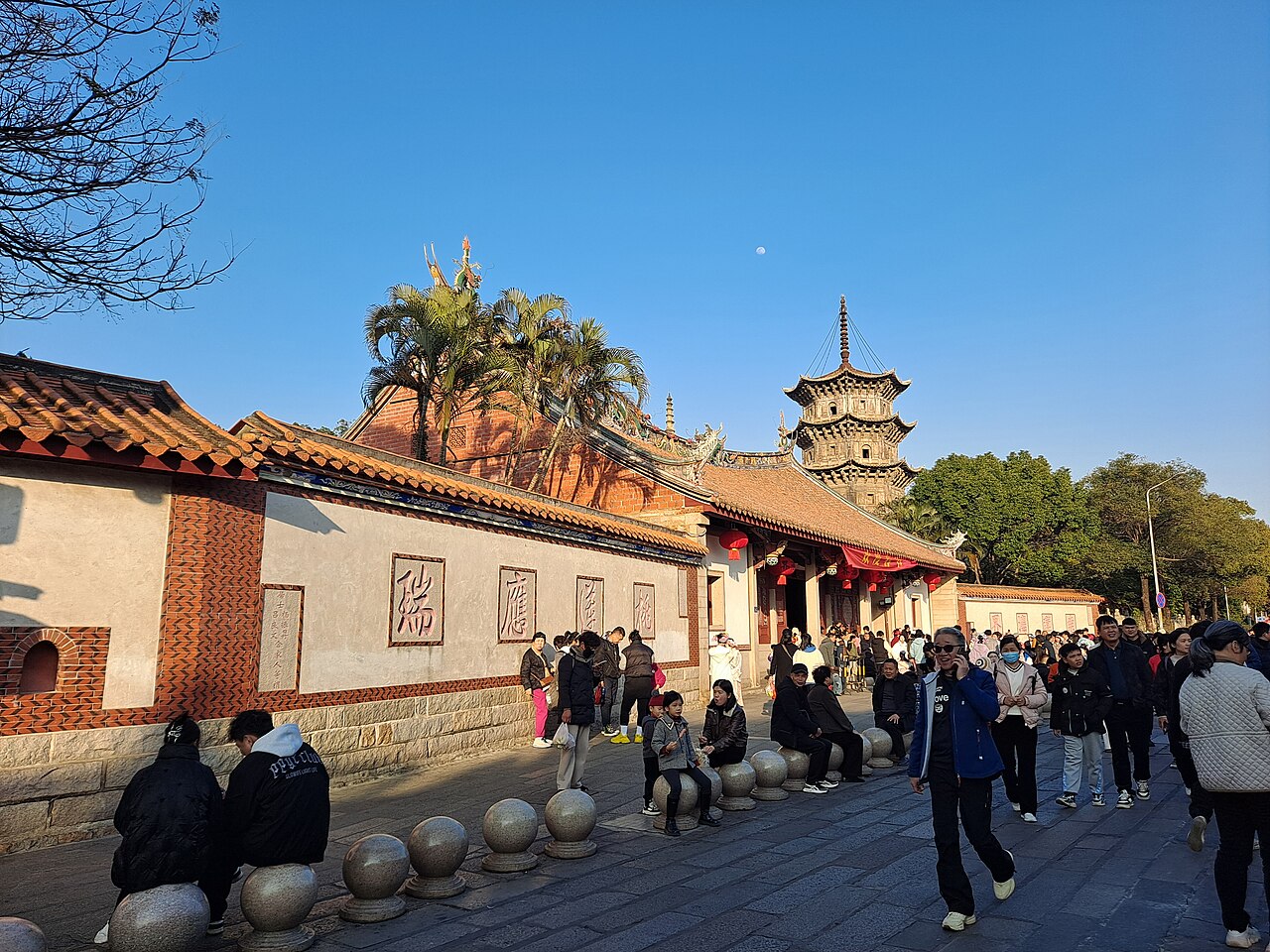
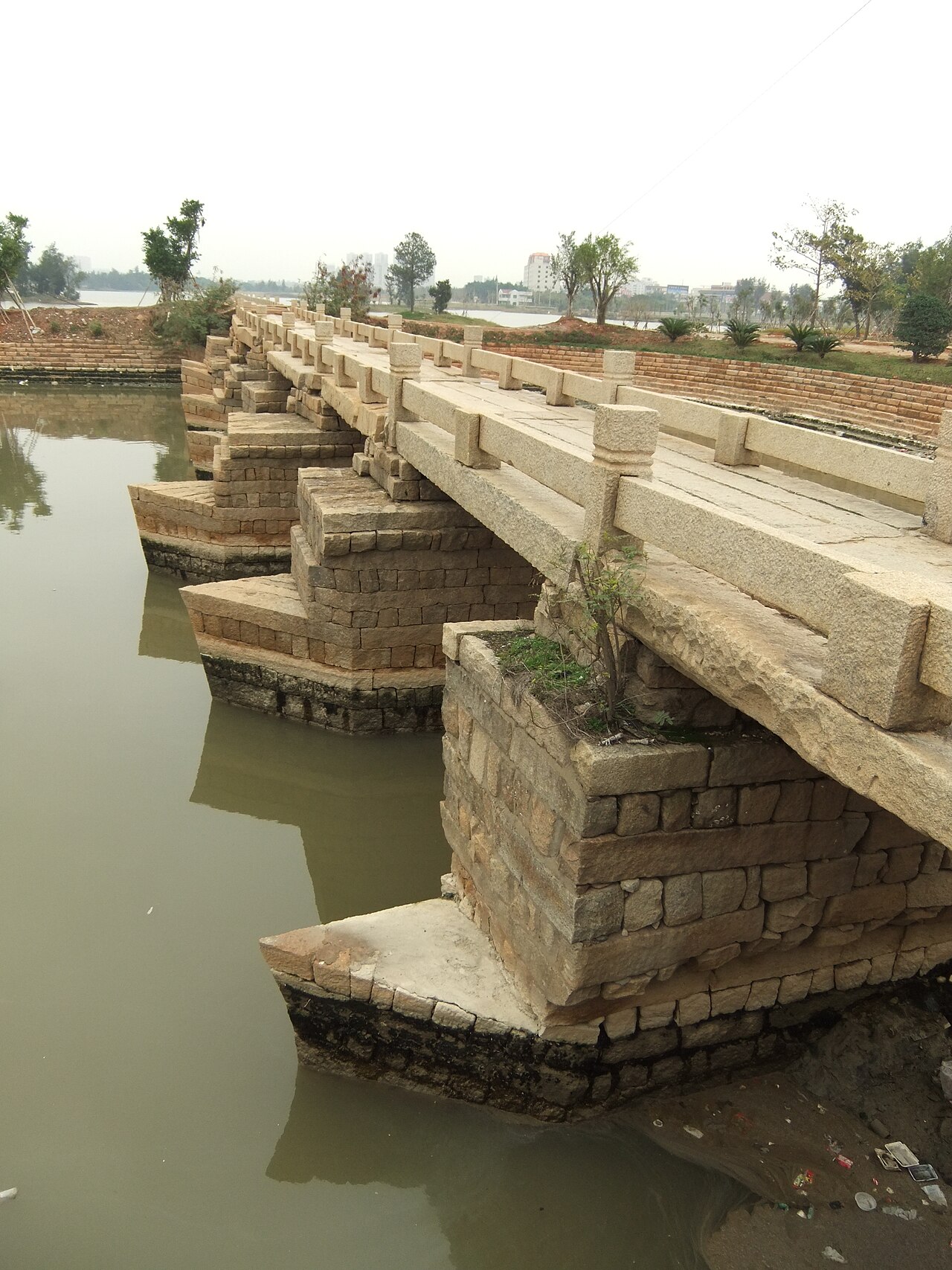
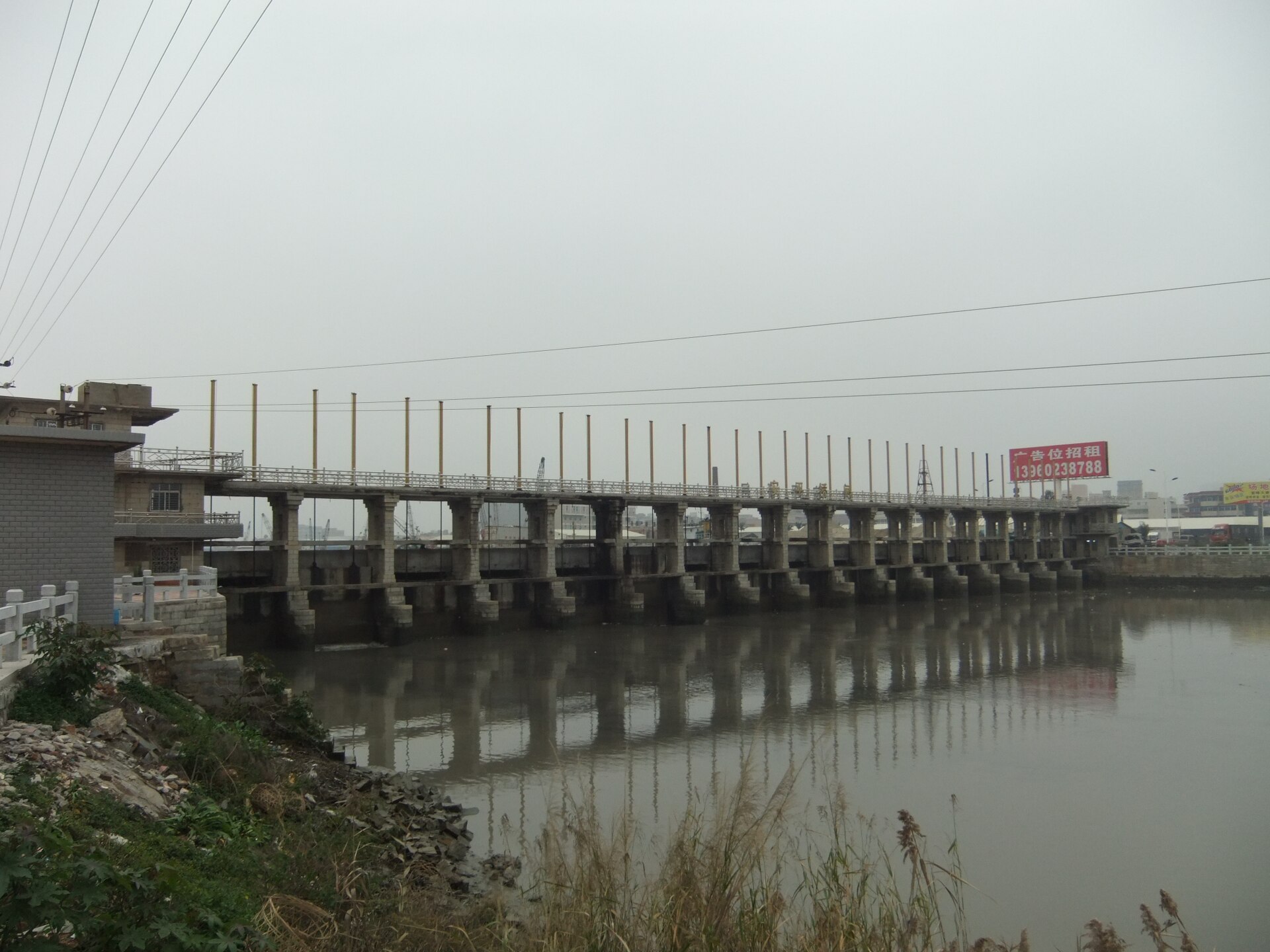
Quanzhou (泉州) sits on Fujian’s coast with a résumé few Chinese cities can match: Song–Yuan era “Emporium of the World,” the place foreign traders once called Zayton (刺桐), and a 2021 UNESCO World Heritage inscription covering twenty-two serial components. That history would be enough for a museum city. What makes Quanzhou worth the train ride is that the old fabric still hosts ordinary life — breakfast stalls open before tour buses, incense burns beside delivery scooters, and red-brick lanes lead to apartments as often as they lead to photo spots.
If you already know Xiamen’s boardwalks and Gulangyu’s villas, Quanzhou offers a different register. It is denser with heritage density and thinner on resort polish. You come here to walk, eat, and piece together how a medieval maritime hub still shapes street names, food habits, and temple etiquette.
What you actually get in two or three days
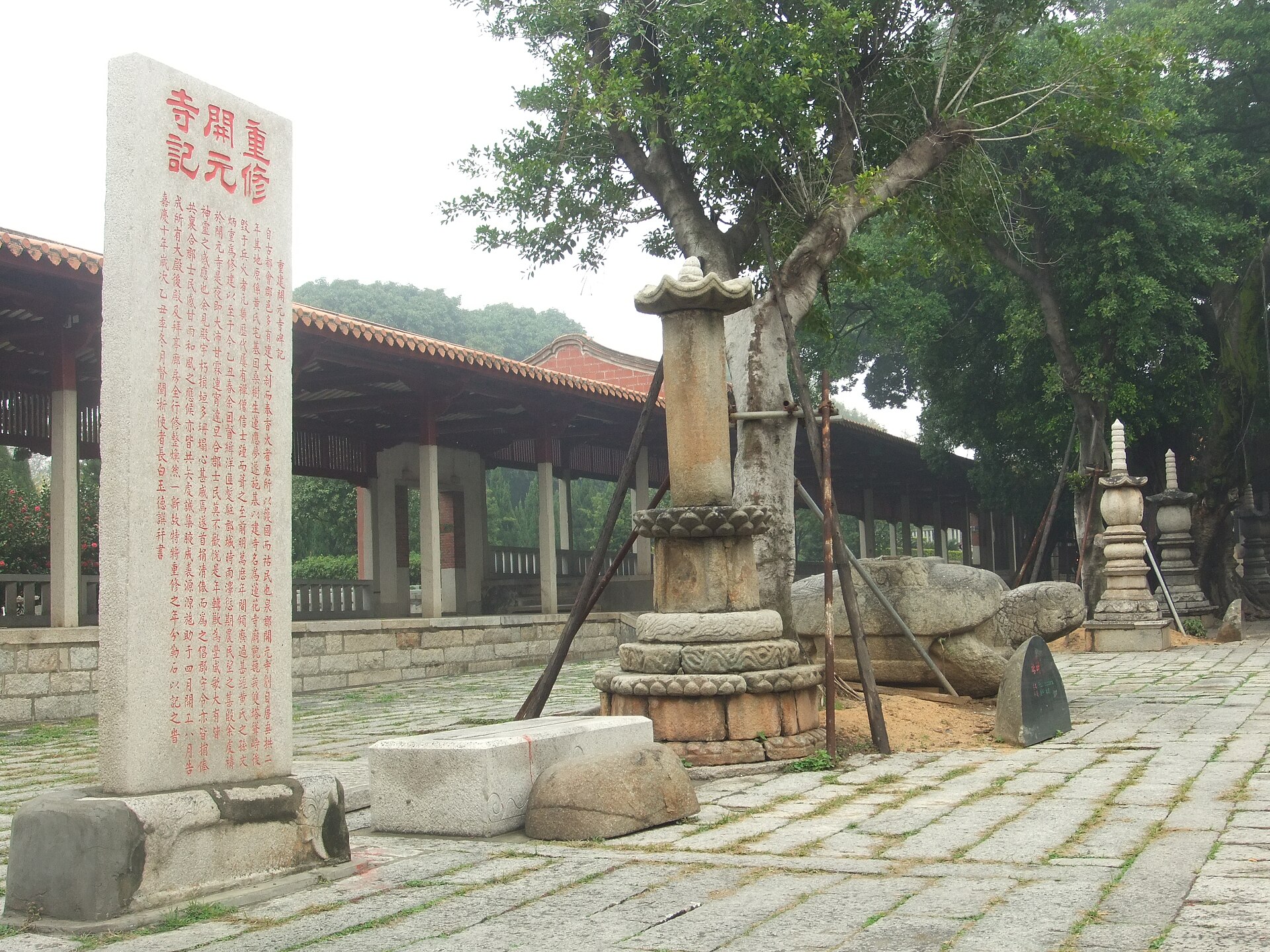
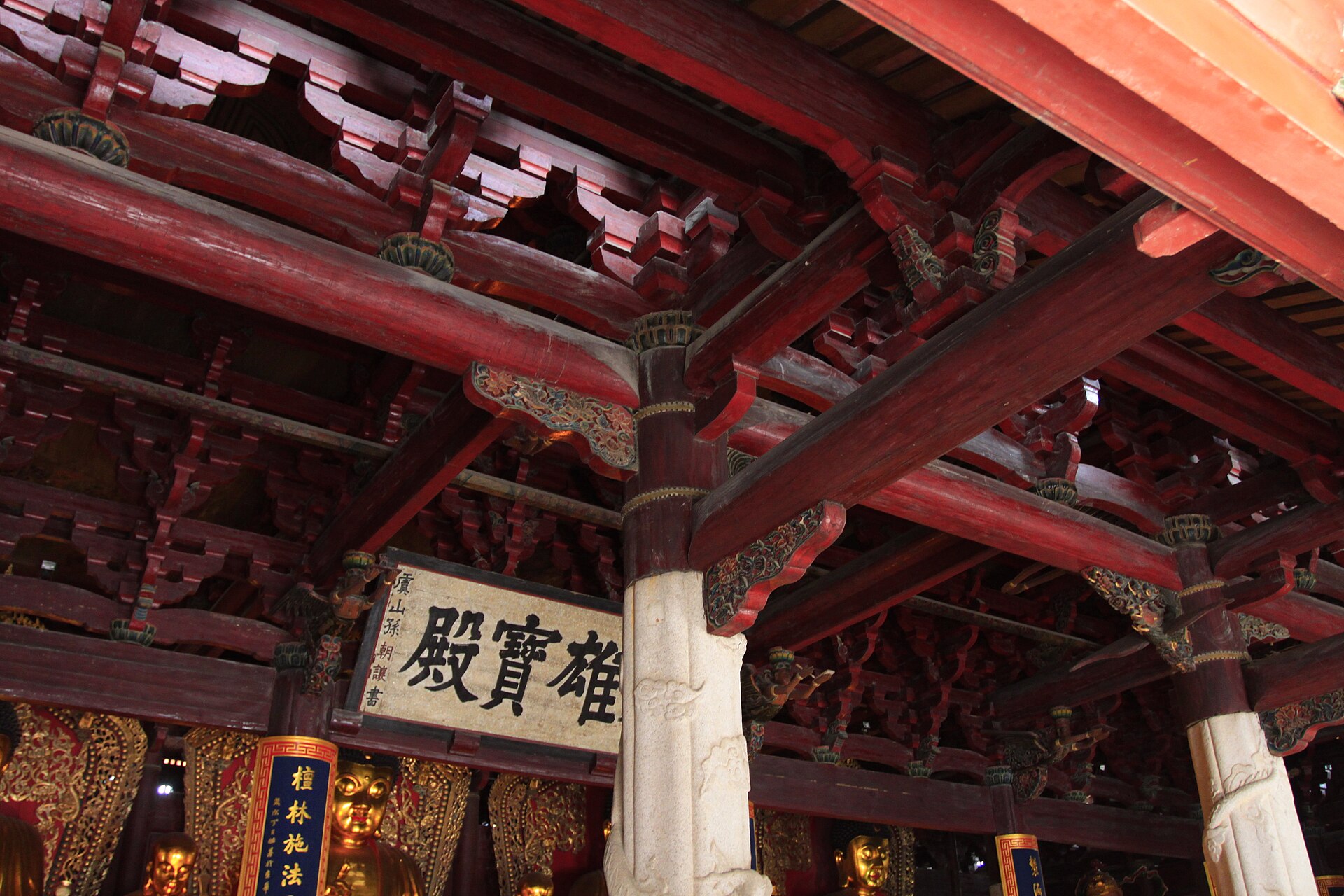
A well-paced short stay usually covers three layers. First, the old-city core: Kaiyuan Temple (开元寺) with its twin stone pagodas, West Street (西街), and the cluster around Tumen Street where a mosque, a martial temple, and Confucian grounds sit within a few minutes’ walk. Second, at least one coastal or mountain outtake — Qingyuan Mountain’s Laozi statue, Luoyang Bridge at low light, or Xunpu Village if you want fishing-village texture. Third, a food focus that is not optional here: oyster omelettes, thin noodle soup (面线糊), and cold “earth bamboo shoot” jelly (土笋冻) are not side notes; they are how the city explains itself.
You do not need to chase all twenty-two UNESCO components. Travelers who try to “complete the list” usually remember fatigue more than place. Pick two or three heritage sites, leave an afternoon for lanes without an agenda, and keep one evening for snacks after dark when the stone streets cool down.
- Best for: culture walkers, food travelers, photographers who like temples and brick lanes
- Less ideal for: beach-resort seekers or anyone expecting English menus everywhere
- Sweet spot: 2 full days in the old city + 1 half-day outing
The “half smoke, half sacred” feeling
Locals and Chinese travel writers often describe Quanzhou as half bustling, half sacred — 半城烟火半城仙. That line is marketing-friendly, but on the ground it is accurate. Within a short walk you can move from a temple courtyard where people light incense with practiced calm into a lane where vendors ladle noodle soup into plastic bowls. The sacred and the everyday do not compete; they share the same blocks.
That mix rewards unhurried looking. Swallowtail roofs, granite doorframes, and incense smoke sit beside convenience stores and phone repair shops. If you only photograph the pagodas and leave, you miss the part that makes the city feel unfinished in a good way.
Who should put Quanzhou on the Fujian map
Choose Quanzhou if you want UNESCO heritage without the crush of China’s most famous ticketed parks, if Minnan food interests you more than nightlife districts, and if you are willing to navigate with translation apps and pointing. Skip it — or keep it as a day trip only — if your Fujian plan is built entirely around beaches, island cafés, and English-friendly resorts.
Hours, tickets, and bus numbers change. Confirm same-day details at the site or with your hotel. For corrections on this guide, email scoscar@gmail.com with the page URL.
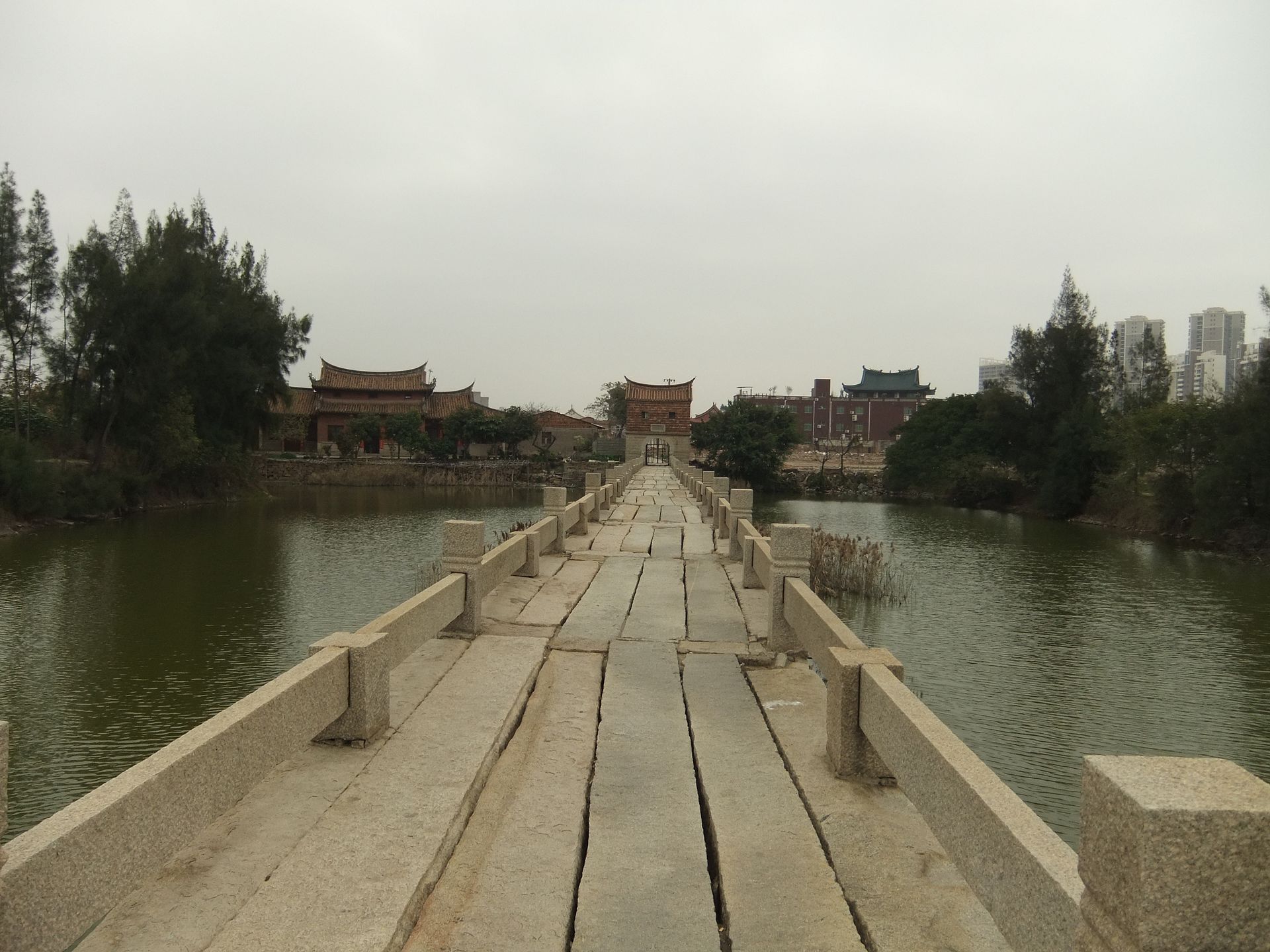
A weekend that still feels local
Compared with China’s heavier tourism machines, Quanzhou still lets you share sidewalks with people buying groceries after temple visits. That everyday overlap is rare and easy to ruin if crowds grow without care — which is why respectful walking matters as much as choosing the right sites. Keep your schedule light enough that you can change plans when a lane looks interesting.
If you are building a Fujian route from scratch, put Quanzhou after or before Xiamen rather than treating it as a footnote. The city explains southern Fujian’s mix of faith, food, and seafaring memory more compactly than a beach day can. Travelers who give it two nights usually stop asking whether it was “worth the detour.”
Practical packing for Quanzhou is simple: breathable clothes, modest layers for temples, good walking shoes for uneven stone, a translation app with offline Chinese, and a small umbrella. You do not need expedition gear. You need patience and curiosity. When a shop owner corrects your dish name, laugh and learn — that exchange is part of the visit.
Finally, treat online “must-eat” lists as starting points, not scripture. Shops close, recipes shift, and a quiet bowl on a side street can beat a famous neon front. Quanzhou rewards people who leave a little unscripted time between the pagodas and the train back.
Next step
After Why Visit Quanzhou, resist immediately crossing the city for another headline site. A nearby lane or bowl of noodles often teaches more than a second ticket.
Spot an error? Write scoscar@gmail.com.
Who leaves happiest
People who enjoy temple courtyards, snack streets, and unhurried lane walks tend to rate Quanzhou highly. People chasing resorts and English nightlife menus usually prefer a shorter visit paired with Xiamen.
If you like cities that still feel unfinished in a good way — laundry above souvenir shops, incense beside delivery bikes — Quanzhou belongs on your Fujian map for at least two nights.
Pack modest temple layers, offline maps, and patience for Chinese-only menus. The reward is a denser heritage day than most beach stops can offer.
Last updated: 2026-07-28 · Visit Quanzhou editorial team · Report an error
Related guides
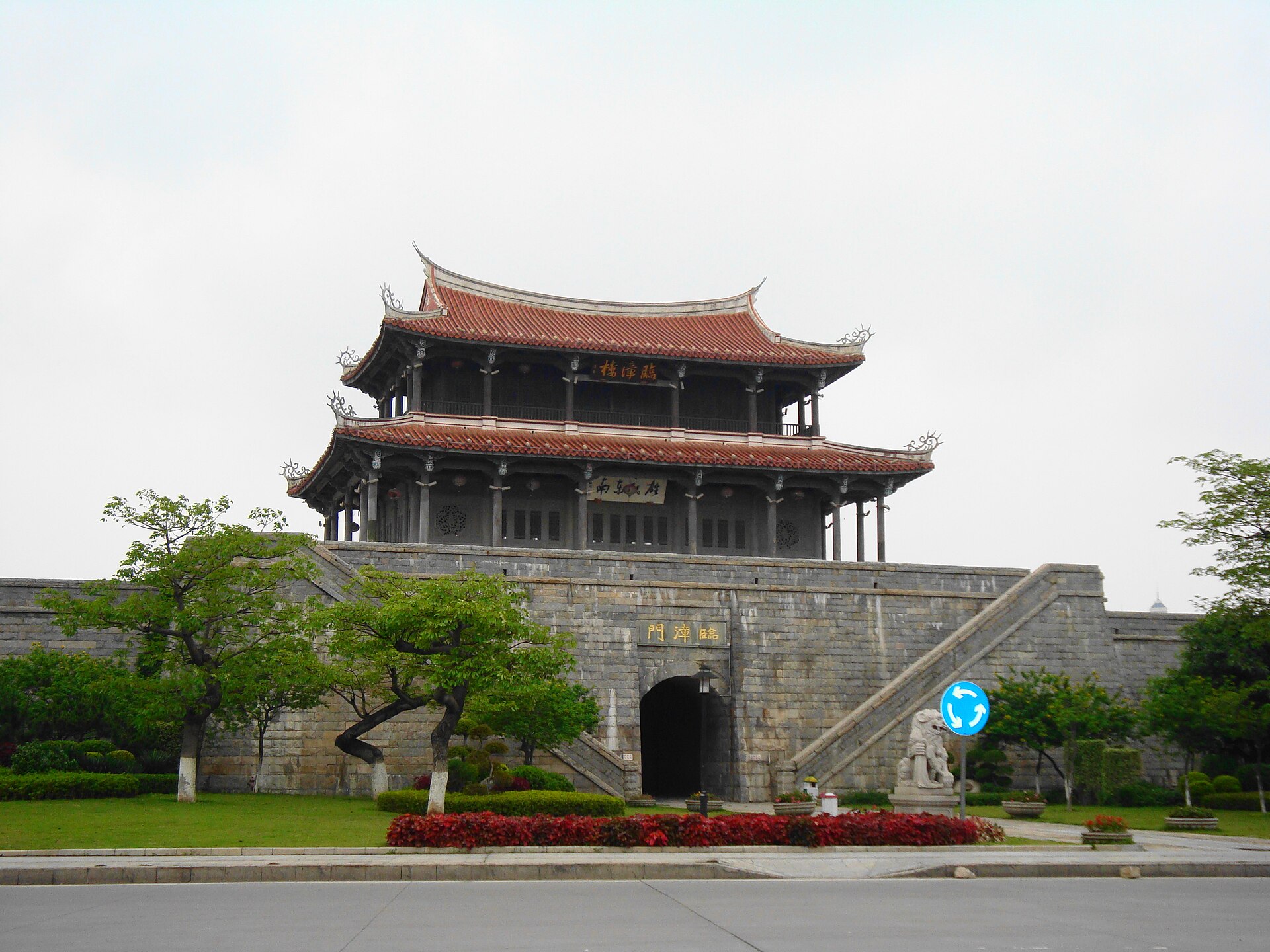
First-Timer Mistakes in Quanzhou
Rushing the UNESCO list, skipping breakfast soup, fighting midday heat — avoid the usual traps.
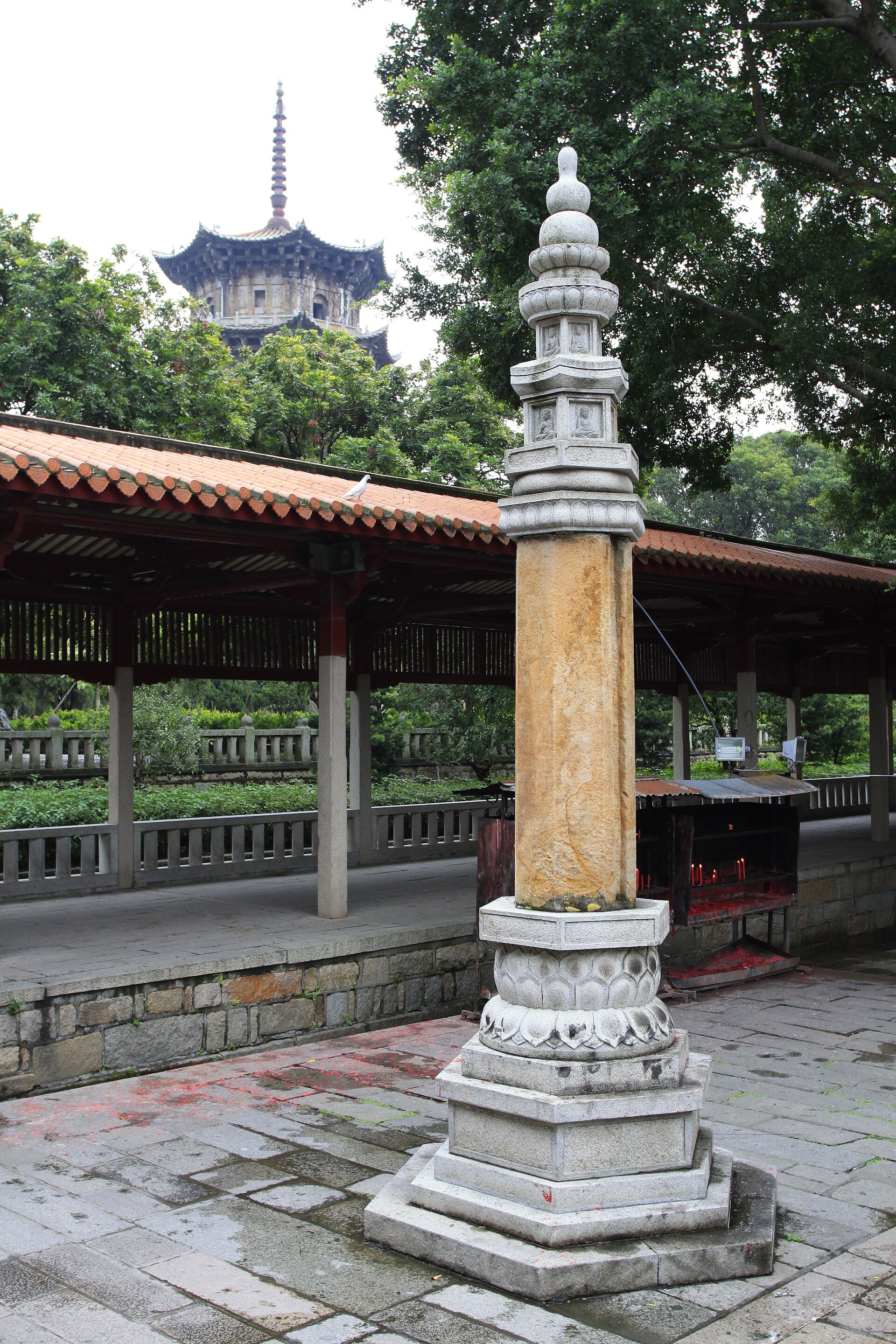
Quanzhou for Slow Travelers
How to spend unhurried days among temples and lanes without optimizing every hour.
How Long to Stay in Quanzhou
Day trip, weekend, or slow week — match stay length to temples, food, and outings.
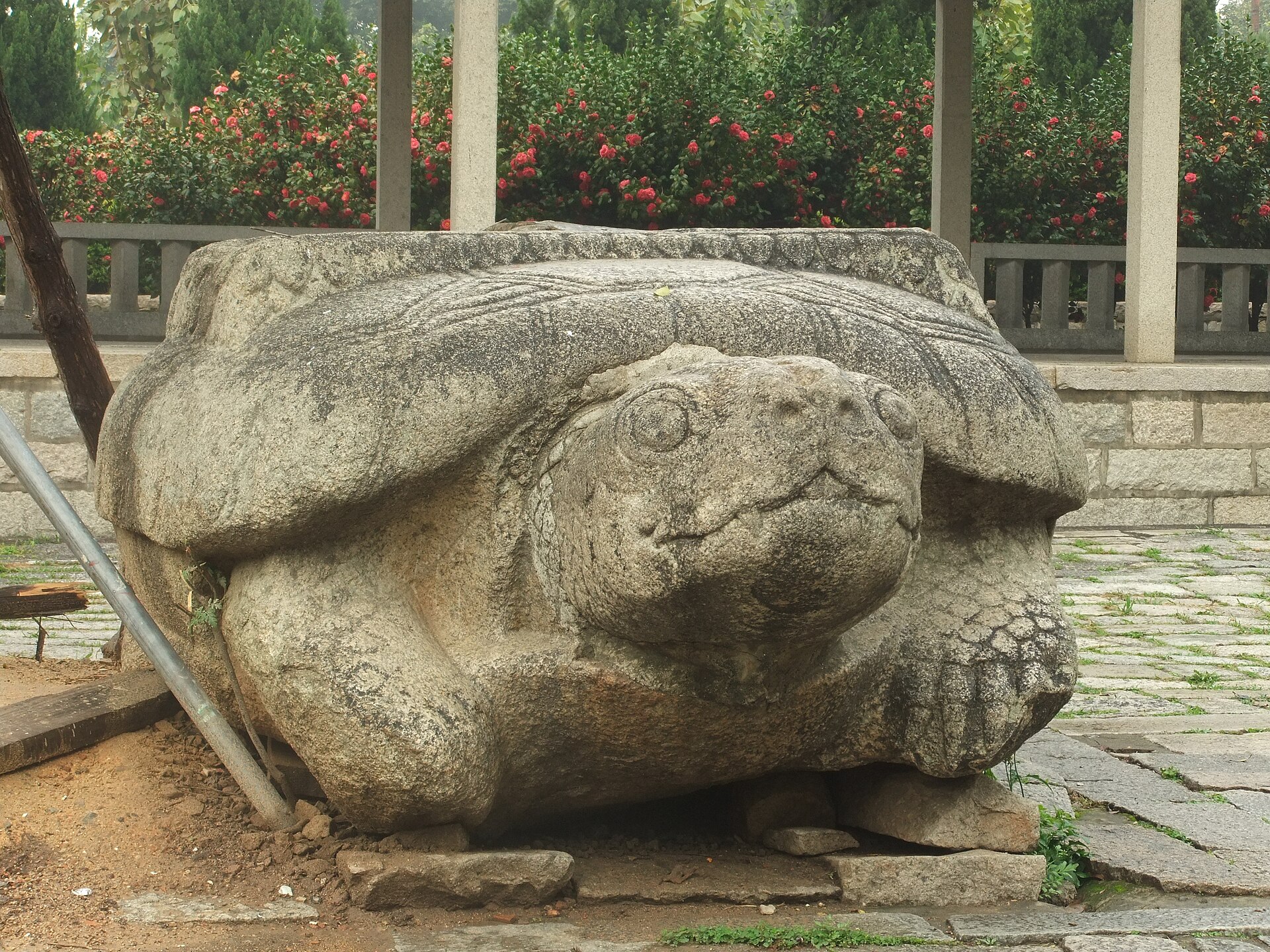
When to Visit Quanzhou
Seasons, heat, rain, holidays — timing a Quanzhou trip for walking comfort and fewer crowds.
Quanzhou vs Xiamen for First-Timers
Base in Xiamen, day-trip Quanzhou, or split the stay — a practical comparison for Fujian first visits.
Arrive via Xiamen or Base in Quanzhou?
Airport, rail, and lodging trade-offs for international travelers planning Fujian.