Yongchun Seaweed Soup: What It Is and Why Locals Love It
How travelers approach Yongchun Seaweed Soup (泉州seaweed soup) in Quanzhou — flavor profile and cultural context.
Updated 2026-07-22 · 509 words
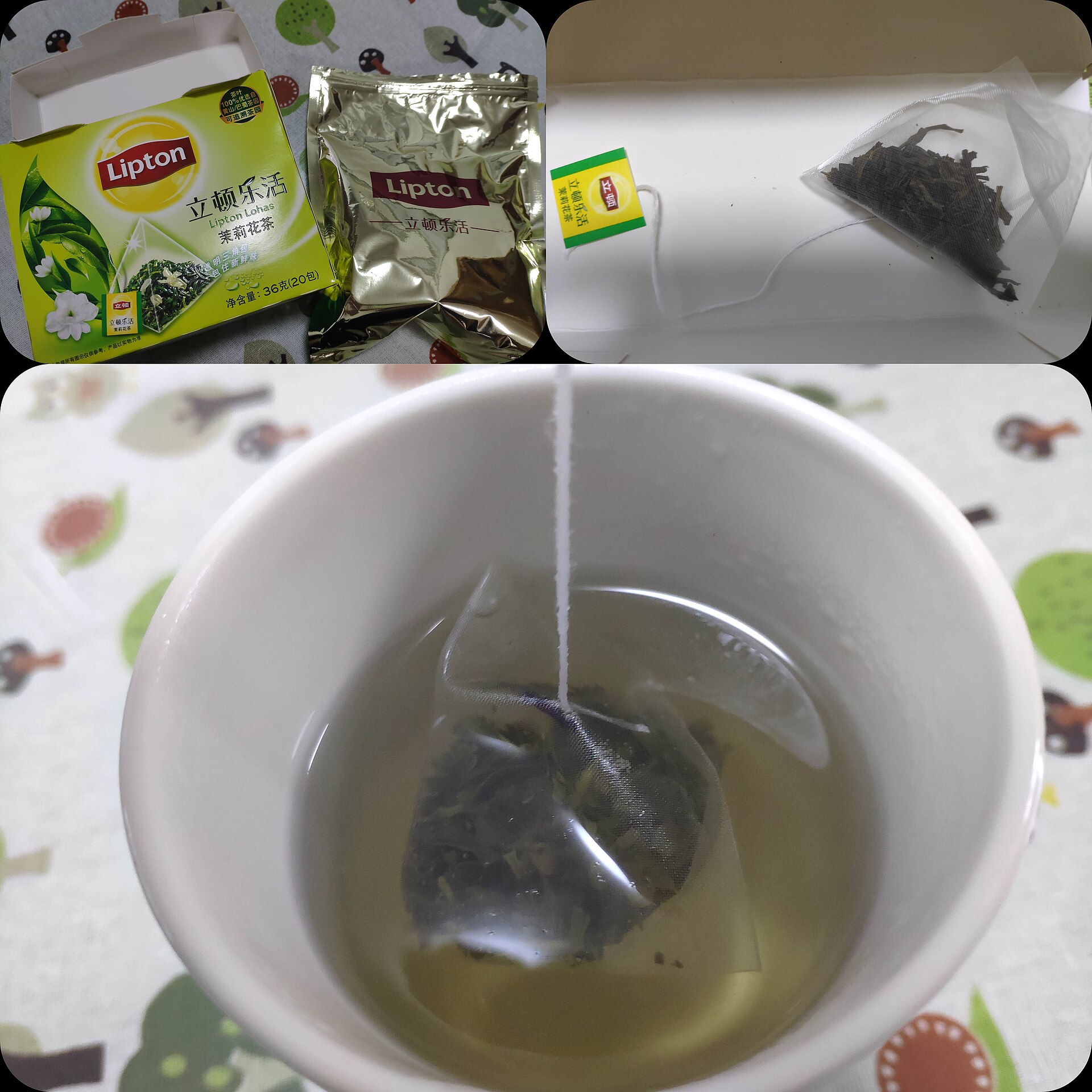
Yongchun Seaweed Soup in one minute
Yongchun Seaweed Soup (Chinese: 泉州seaweed soup) is a snack with a umami profile. Travelers searching for Quanzhou food usually encounter it after temple walks or as a night-market stop.
Typical places to look: Yongchun markets; family stalls. Menus may use only Chinese; showing the characters 泉州seaweed soup on your phone is the fastest way to order confidently.
Flavor and how it is served
Expect umami tastes and textures that may differ from restaurant versions abroad. Ask whether portions are shared plates or single bowls — Minnan snack culture often favors quick individual servings.
Pair savory snacks with a light dessert soup if the weather is hot. If you have shellfish allergies, confirm ingredients even when a dish sounds vegetarian. Carry tissues and be ready for standing counters at popular stalls. Travelers comparing notes often mention that pacing matters more than ticking every pin on the map. Building buffer time around Yongchun Seaweed Soup keeps the day enjoyable rather than rushed. Local weather, festival calendars, and weekday crowds can shift the feel of the same route. When reading Chinese heritage plaques, look for bilingual panels; if none appear, a translation app helps with names and dynasties without replacing the experience of being on site. Respect worship spaces: dress modestly, keep voices low, and follow photography rules. Quanzhou rewards slow observation — swallowtail roofs, red-brick lanes, incense smoke, and cafe storefronts sit side by side. Use side streets to escape peak tour groups, then return to main axes for snacks and transit. Pair savory snacks with a light dessert soup if the weather is hot. Travelers comparing notes often mention that pacing matters more than ticking every pin on the map. Building buffer time around Yongchun Seaweed Soup keeps the day enjoyable rather than rushed. Local weather, festival calendars, and weekday crowds can shift the feel of the same route. When reading Chinese heritage plaques, look for bilingual panels; if none appear, a translation app helps with names and dynasties without replacing the experience of being on site. Respect worship spaces: dress modestly, keep voices low, and follow photography rules. Quanzhou rewards slow observation — swallowtail roofs, red-brick lanes, incense smoke, and cafe storefronts sit side by side. Use side streets to escape peak tour groups, then return to main axes for snacks and transit. If you have shellfish allergies, confirm ingredients even when a dish sounds vegetarian.
Ordering without stress
- Save the Chinese name: 泉州seaweed soup
- Watch how locals queue and point to sample plates
- Keep mobile payment ready; some stalls are cash-light
- Taste a small portion first if spice or brine levels are unclear
Make it part of a walking day
Food is the easiest way to connect Quanzhou’s heritage day with lived culture. After a UNESCO site morning, plan an intentional snack stop instead of random grazing — you will remember flavors more clearly and avoid fatigue.
This page is rewritten in original English from common Chinese culinary references and traveler-facing descriptions of 泉州seaweed soup; always verify stall hours on the day.
Related guides
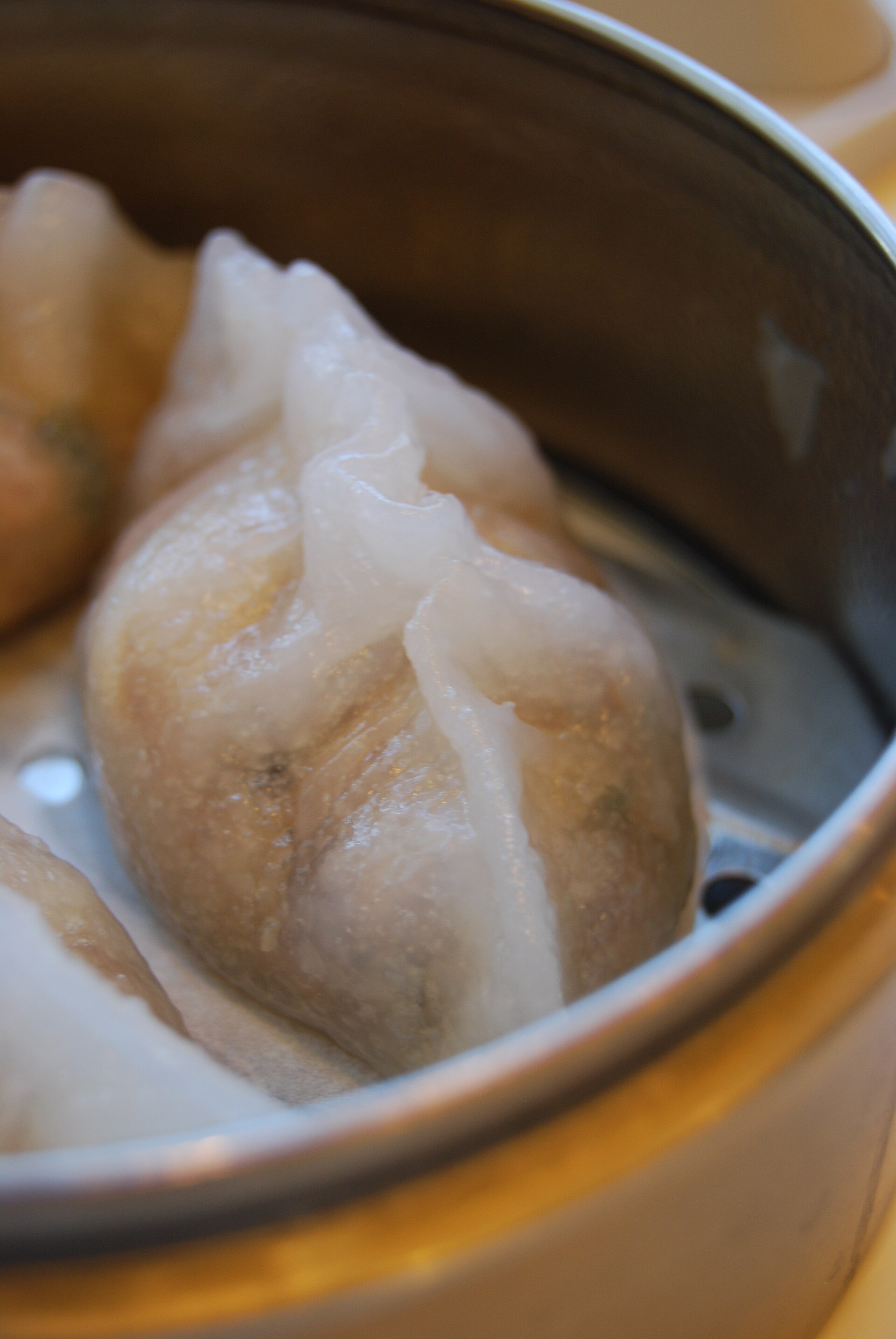
Where to Try Dehua Steamed Dumplings in Quanzhou
How travelers approach Dehua Steamed Dumplings (泉州steamed dumplings) in Quanzhou — neighborhoods and ordering tips.
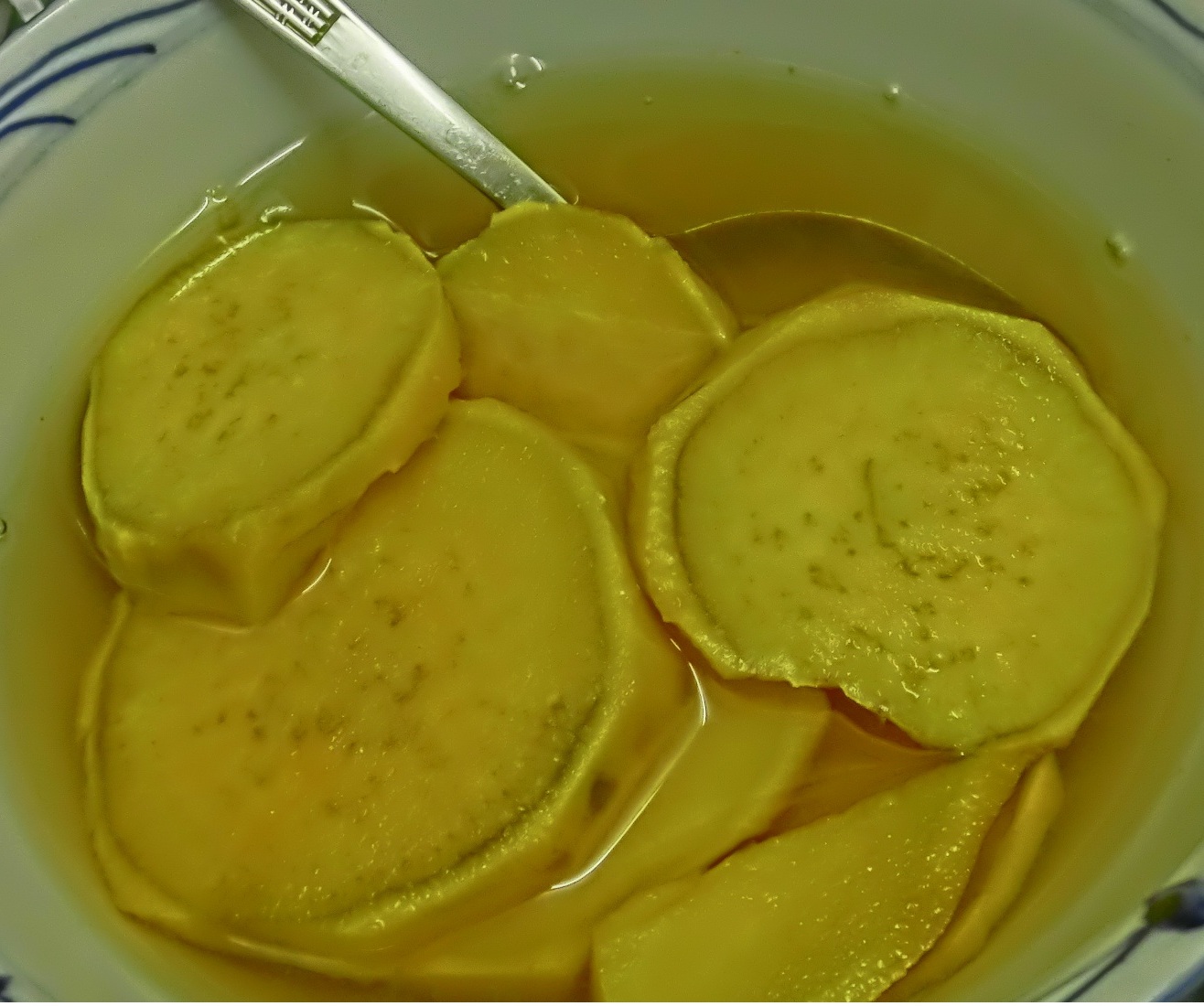
Dehua Steamed Dumplings: What It Is and Why Locals Love It
How travelers approach Dehua Steamed Dumplings (泉州steamed dumplings) in Quanzhou — flavor profile and cultural context.
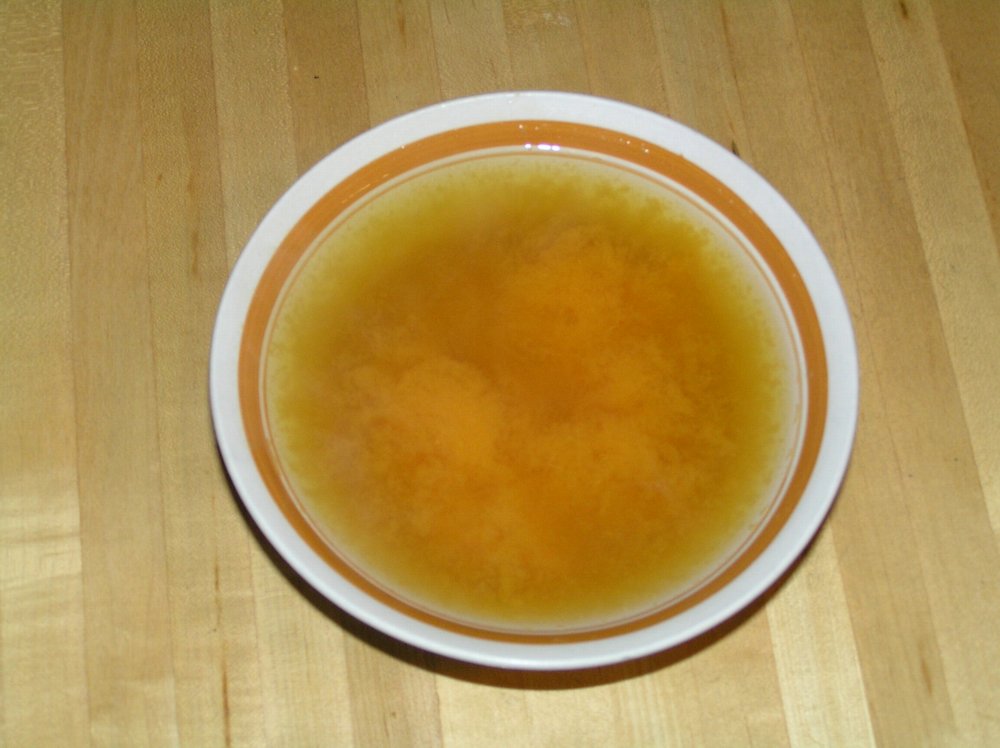
Where to Try Yongchun Soy Milk Breakfast in Quanzhou
How travelers approach Yongchun Soy Milk Breakfast (泉州soy milk breakfast) in Quanzhou — neighborhoods and ordering tips.

Yongchun Soy Milk Breakfast: What It Is and Why Locals Love It
How travelers approach Yongchun Soy Milk Breakfast (泉州soy milk breakfast) in Quanzhou — flavor profile and cultural context.
Where to Try Anxi Herbal Tea in Quanzhou
How travelers approach Anxi Herbal Tea (泉州herbal tea) in Quanzhou — neighborhoods and ordering tips.
Anxi Herbal Tea: What It Is and Why Locals Love It
How travelers approach Anxi Herbal Tea (泉州herbal tea) in Quanzhou — flavor profile and cultural context.