Kaiyuan Temple: Traveler Overview
Original English guide to Kaiyuan Temple (开元寺) in Licheng — what it is and why visitors come for international travelers.
Updated 2026-07-22 · 822 words
Why Kaiyuan Temple matters
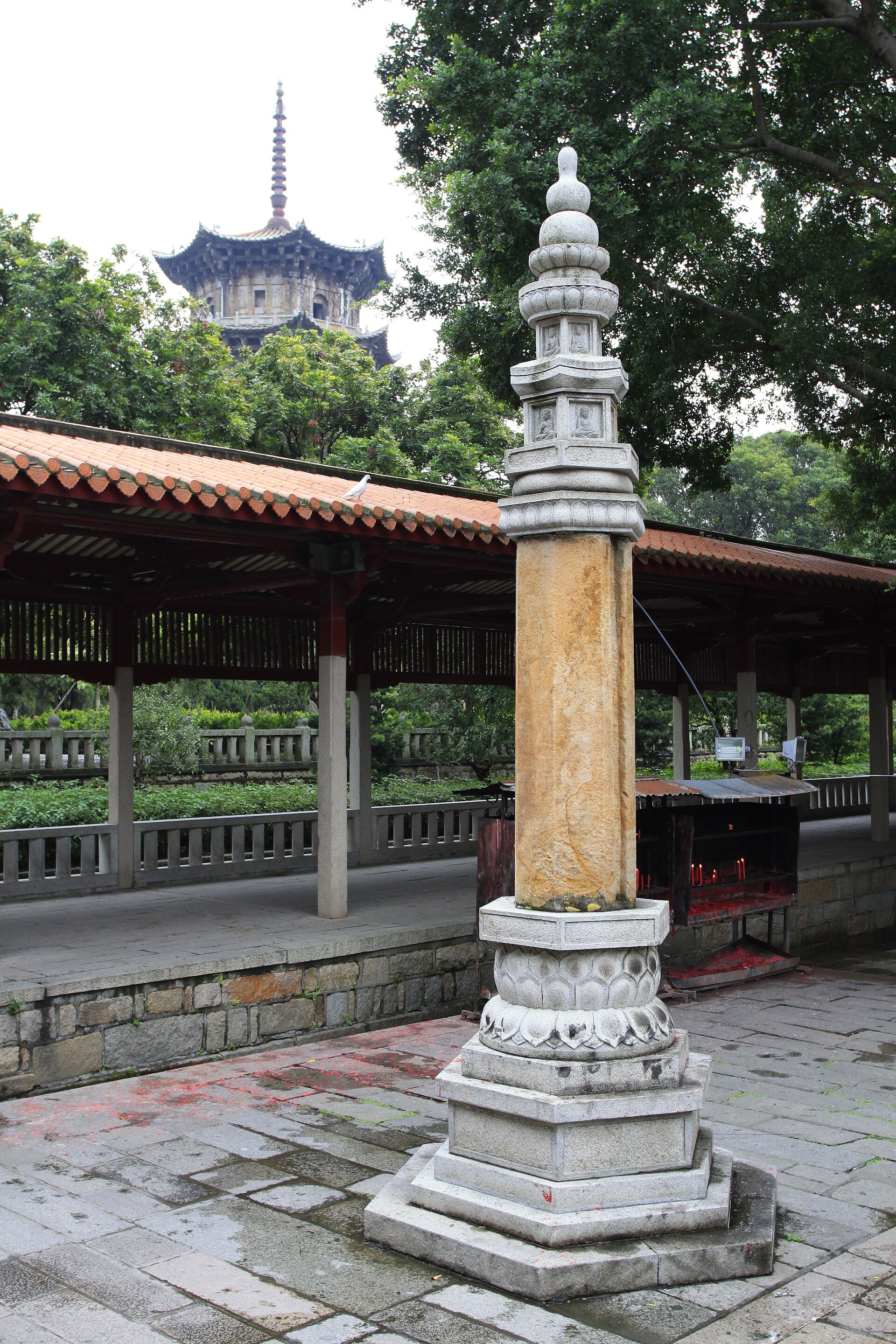
Kaiyuan Temple (开元寺) sits in Licheng District and is best understood as a Buddhist temple. Kaiyuan Temple is linked to Quanzhou’s UNESCO World Heritage serial property, “Emporium of the World in Song-Yuan China,” inscribed in 2021.
International visitors usually arrive with questions shaped by search: Is it worth a half day? Can it combine with West Street or Qingyuan Mountain? How crowded is it after a high-speed rail hop from Xiamen? This guide focuses on what it is and why visitors come.
Signature angles travelers notice first include twin stone pagodas, Tang-era founding, Maritime Museum annex nearby. Those details are more useful than generic “must-see” labels because they tell you what to look for once you are standing on site.
Setting and atmosphere
Quanzhou’s old-city fabric mixes worship halls, arcade streets, and residential lanes. Around Kaiyuan Temple, expect a blend of pilgrimage energy and casual local use — people buying snacks, practicing instruments, or simply cutting through on errands.
Light changes the experience: mornings feel cooler and quieter; late afternoon brings warmer brick tones and stronger incense. If you photograph architecture, step back far enough to catch roof lines without blocking pathways.
Carry water in warmer months; coastal Fujian humidity can make short climbs feel longer. Keep small cash or mobile payment ready for tickets and tea stalls, noting that some vendors still prefer WeChat or Alipay. Travelers comparing notes often mention that pacing matters more than ticking every pin on the map. Building buffer time around Kaiyuan Temple Licheng keeps the day enjoyable rather than rushed. Local weather, festival calendars, and weekday crowds can shift the feel of the same route. When reading Chinese heritage plaques, look for bilingual panels; if none appear, a translation app helps with names and dynasties without replacing the experience of being on site. Respect worship spaces: dress modestly, keep voices low, and follow photography rules. Quanzhou rewards slow observation — swallowtail roofs, red-brick lanes, incense smoke, and cafe storefronts sit side by side. Use side streets to escape peak tour groups, then return to main axes for snacks and transit. Carry water in warmer months; coastal Fujian humidity can make short climbs feel longer.
Context for curious travelers
Historically, Quanzhou’s prosperity came from maritime trade. Sites like Kaiyuan Temple make that abstract story tangible — stone, wood, and ritual practice survive where warehouse districts have changed.
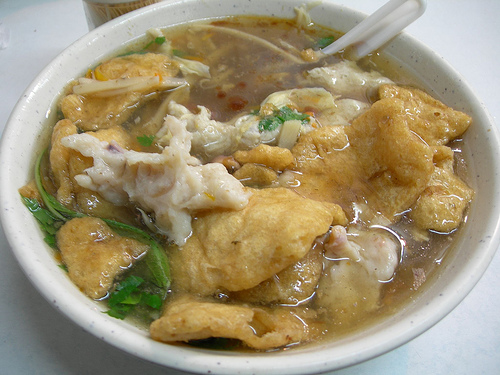
Practical tip set for Kaiyuan Temple: arrive early for softer light, read any on-site maps before wandering, and leave time for a nearby bowl of beef soup or oyster omelette afterward.
Pay attention to twin stone pagodas while you explore. Pay attention to Tang-era founding while you explore. Pay attention to Maritime Museum annex nearby while you explore. Travelers comparing notes often mention that pacing matters more than ticking every pin on the map. Building buffer time around visit tips Kaiyuan keeps the day enjoyable rather than rushed. Local weather, festival calendars, and weekday crowds can shift the feel of the same route. When reading Chinese heritage plaques, look for bilingual panels; if none appear, a translation app helps with names and dynasties without replacing the experience of being on site. Respect worship spaces: dress modestly, keep voices low, and follow photography rules. Quanzhou rewards slow observation — swallowtail roofs, red-brick lanes, incense smoke, and cafe storefronts sit side by side. Use side streets to escape peak tour groups, then return to main axes for snacks and transit. Pay attention to twin stone pagodas while you explore. Travelers comparing notes often mention that pacing matters more than ticking every pin on the map. Building buffer time around visit tips Kaiyuan keeps the day enjoyable rather than rushed. Local weather, festival calendars, and weekday crowds can shift the feel of the same route. When reading Chinese heritage plaques, look for bilingual panels; if none appear, a translation app helps with names and dynasties without replacing the experience of being on site. Respect worship spaces: dress modestly, keep voices low, and follow photography rules. Quanzhou rewards slow observation — swallowtail roofs, red-brick lanes, incense smoke, and cafe storefronts sit side by side. Use side streets to escape peak tour groups, then return to main axes for snacks and transit. Pay attention to Tang-era founding while you explore.
Respect and reading the site
Many Quanzhou attractions remain active religious or community places. Follow posted rules, ask before photographing people at prayer, and keep drones packed unless explicitly allowed.
If Chinese source panels list dynasties or donor names, treat them as factual anchors and then experience the space with your own pacing. This English page is an original rewrite meant for trip planning, not a word-for-word translation of any single Chinese article.
Suggested next reads
- UNESCO overview pages on Visit Quanzhou for the serial heritage narrative
- Food guides if you are exiting toward West Street snack stalls
- Itineraries that fold Qingyuan Mountain or coastal bridges into a two-day loop
Related guides
Quanzhou UNESCO Heritage Overview
Quanzhou UNESCO Heritage Overview: practical English guidance for Quanzhou visitors.
Near Statue of Lao Tze: What to Pair on the Same Day
Original English guide to Statue of Lao Tze (老君岩造像) in Fengze — nearby stops and route building for international travelers.
Statue of Lao Tze History and On-the-Ground Tips
Original English guide to Statue of Lao Tze (老君岩造像) in Fengze — historical context with practical advice for international travelers.
How to Visit Statue of Lao Tze
Original English guide to Statue of Lao Tze (老君岩造像) in Fengze — logistics, timing, and practical tips for international travelers.
Statue of Lao Tze: Traveler Overview
Original English guide to Statue of Lao Tze (老君岩造像) in Fengze — what it is and why visitors come for international travelers.
Near Estuary Docks at Estuary of Jinjiang: What to Pair on the Same Day
Original English guide to Estuary Docks at Estuary of Jinjiang (江口码头) in Licheng — nearby stops and route building for international travelers.