Best Photo Spots in Quanzhou Old City
Where to shoot twin pagodas, red walls, and lanes — plus etiquette so your camera does not spoil someone else’s worship.
Updated 2026-07-28 · 710 words
Light first, landmarks second
Quanzhou’s old city photographs well because stone, brick, and incense smoke take soft morning light cleanly. Midday sun flattens the twin pagodas of Kaiyuan Temple and pushes harsh shadows across West Street. If you only remember one timing rule: shoot temples early, snack streets late afternoon into evening when lamps come on and crowds thin enough for clean frames.
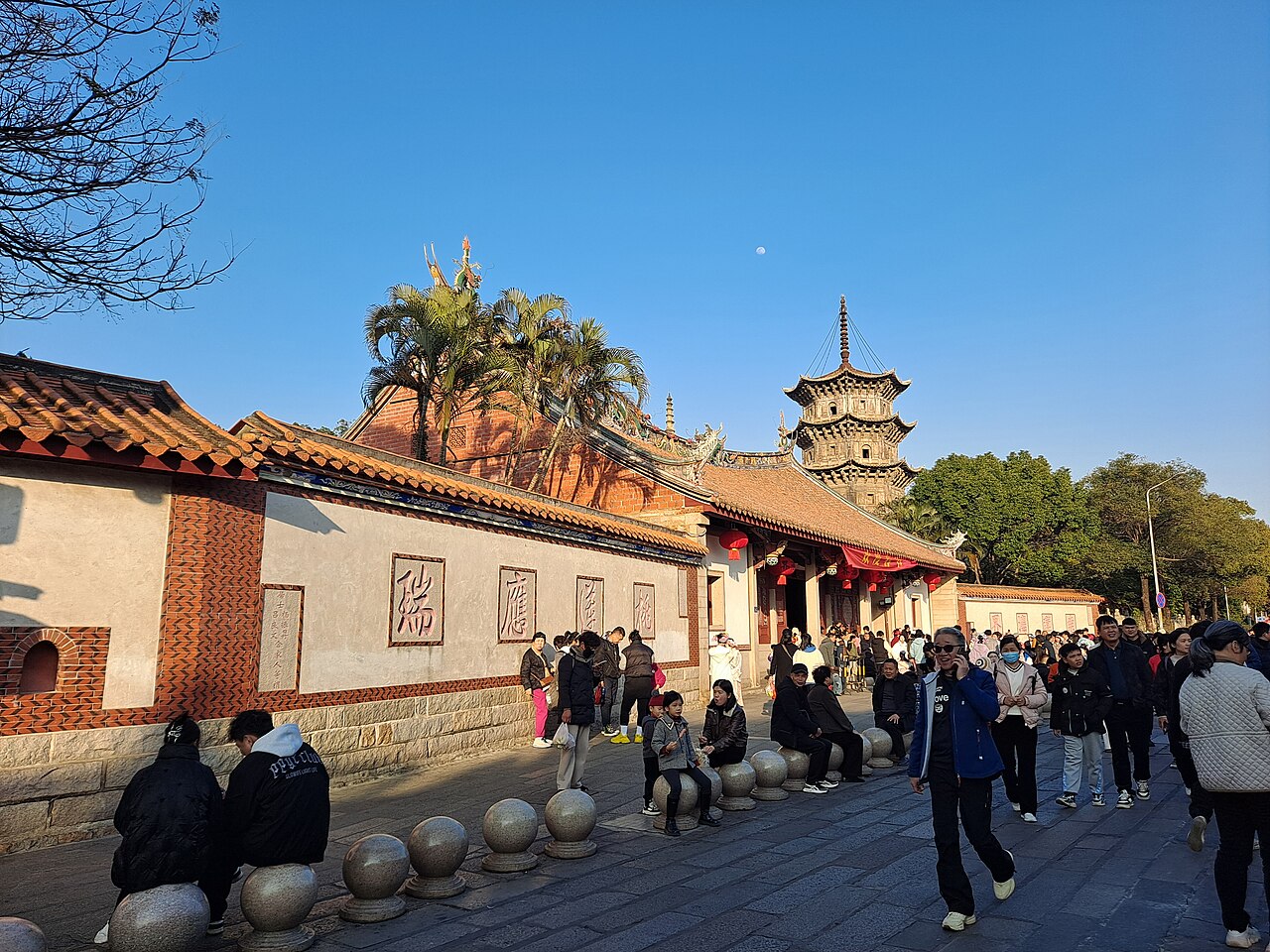
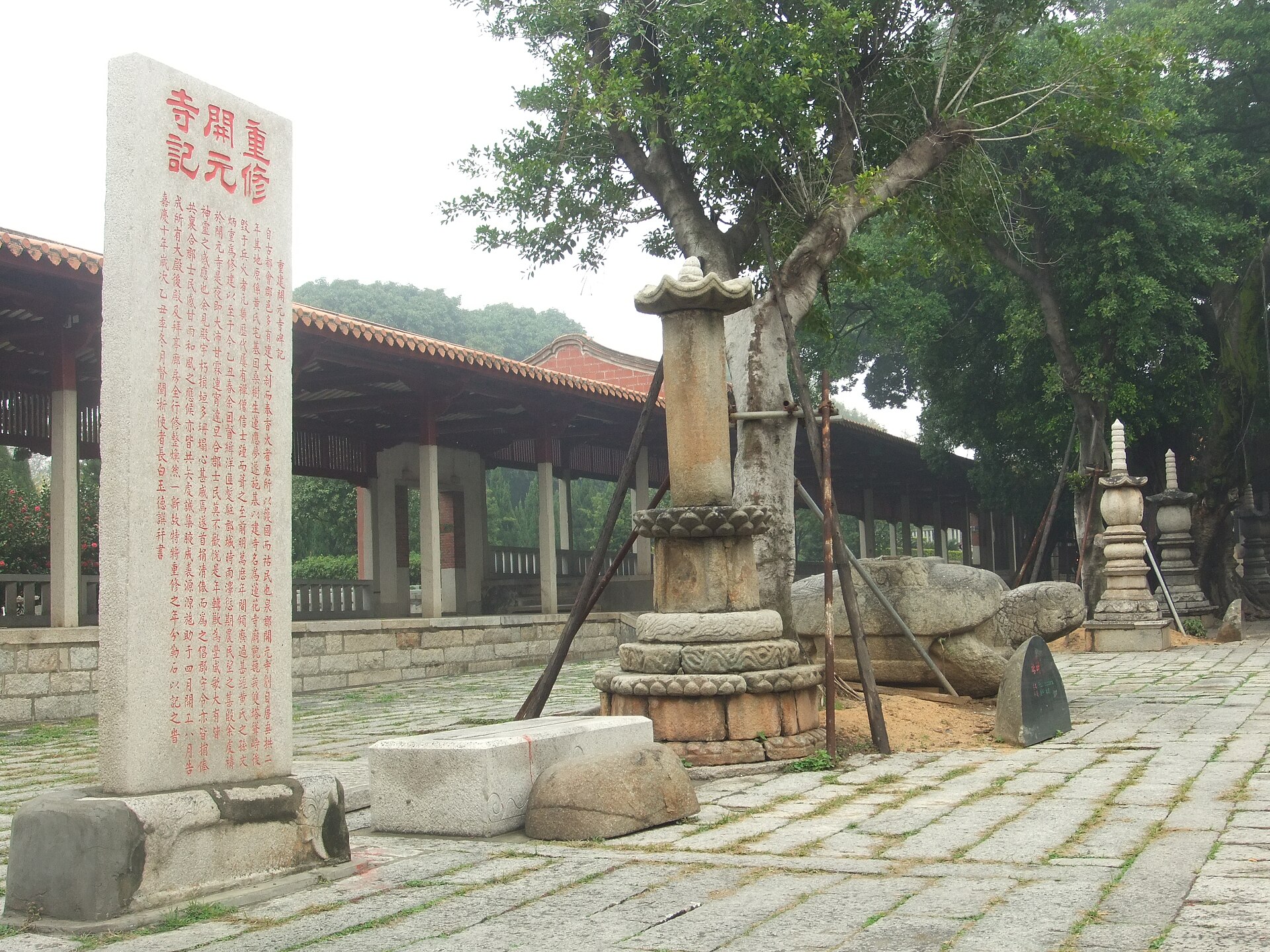
Chinese photography blogs often recommend the classic Kaiyuan angle with both pagodas and courtyard geometry. That shot is popular for a reason — arrive near opening if you want fewer people in the foreground. A second useful frame is from West Street looking toward temple roofs when laundry and shop signs remind viewers this is still a neighborhood.
Core frames that earn their keep
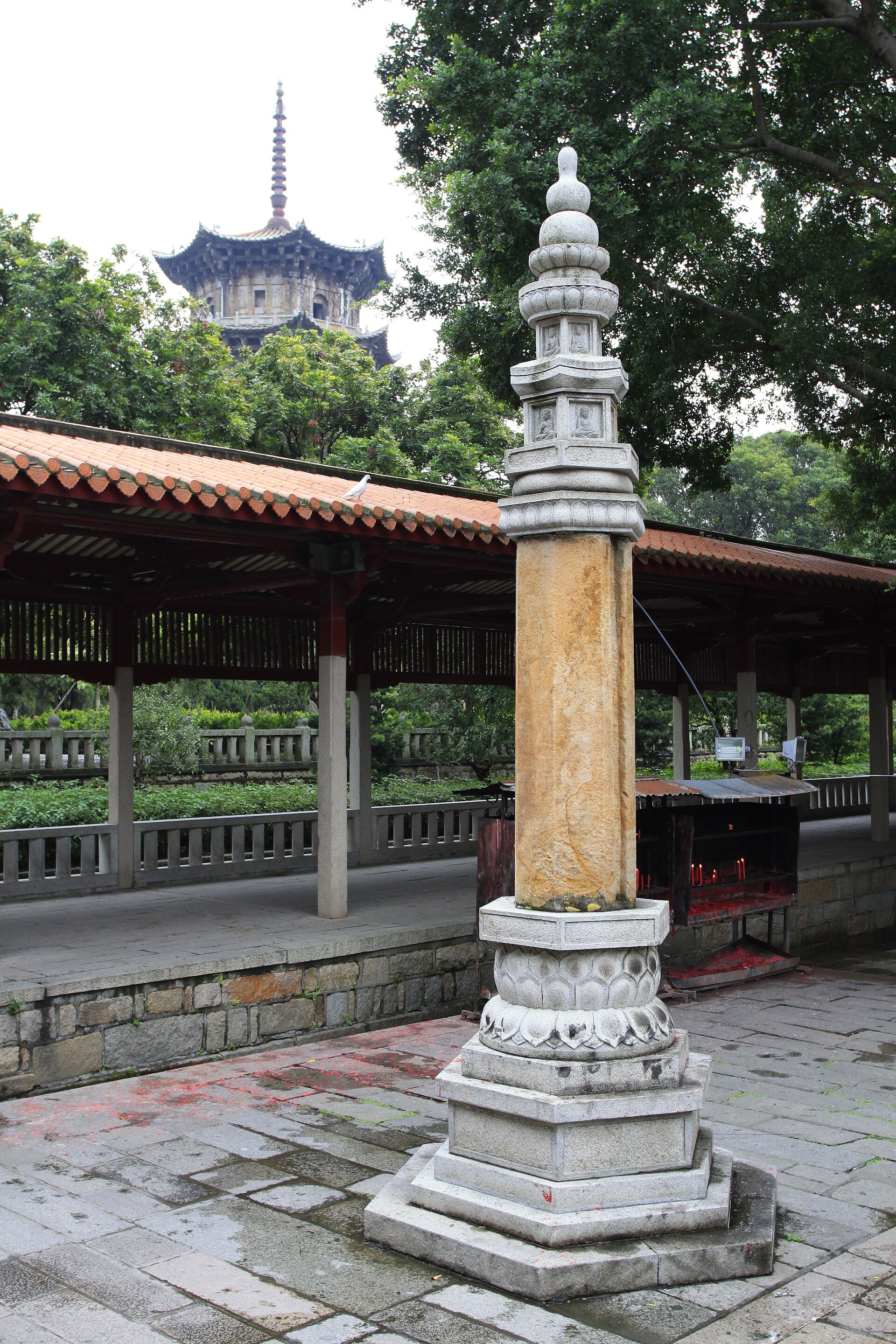
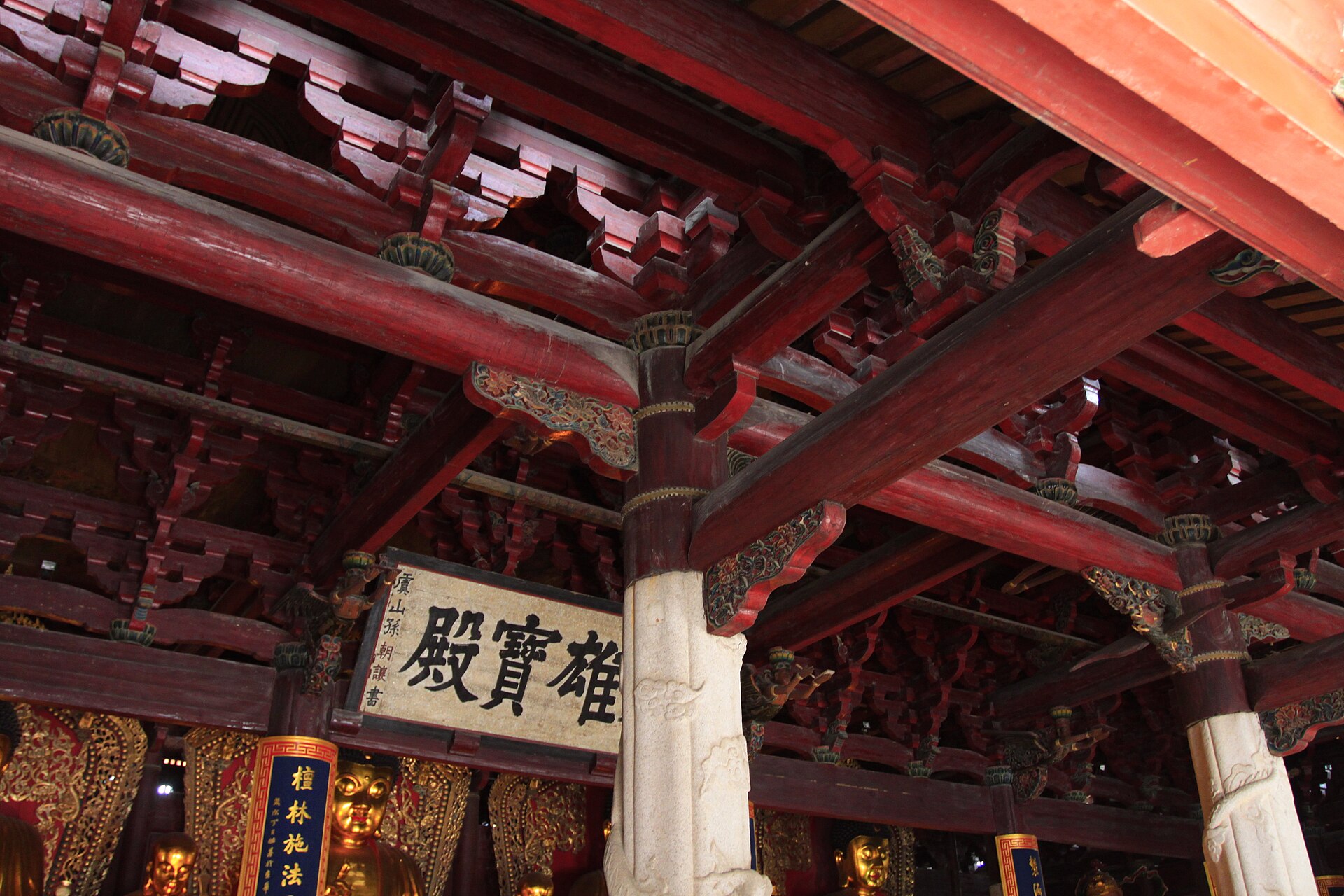
Kaiyuan Temple: twin pagodas against sky, courtyard axial views, details of stone carving if rules allow. Avoid flash inside halls. West Street and the clock-tower axis: layered street depth, Minnan roof lines, evening glow. Tumen Street area: stone gate of Qingjing Mosque and the surprising nearness of other worship buildings — shoot architecture, not worshippers without consent.
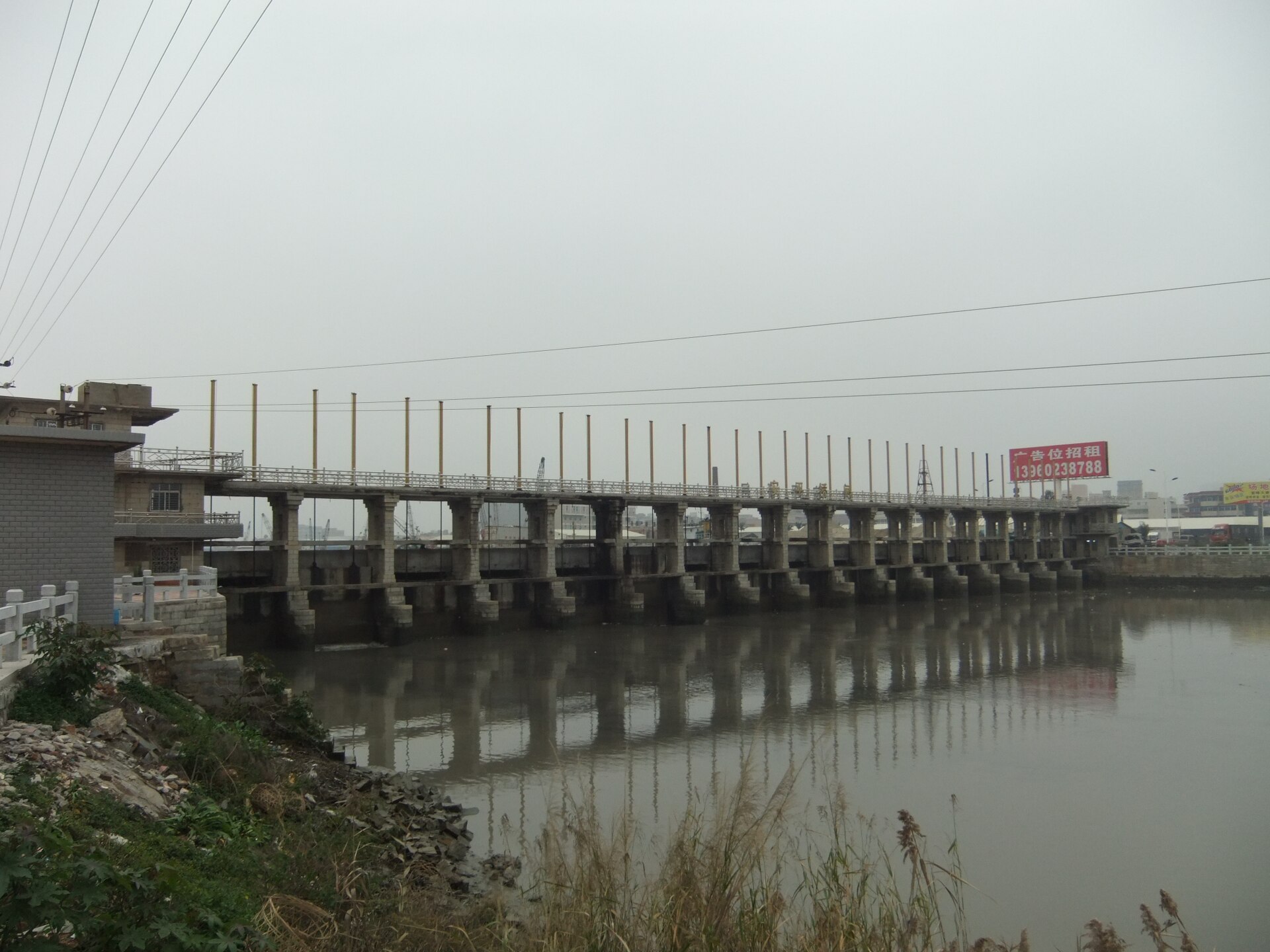
Qingyuan Mountain’s Laozi statue rewards a half-day if you want scale and green hills. Luoyang Bridge is strongest near lower light with long stone rhythm. Xunpu Village offers oyster-shell walls and harbor edges, but treat residents as neighbors, not props — ask before portraits, especially around flower-headdress experiences that already attract crowds.
- Morning: Kaiyuan Temple courtyards and pagodas
- Late day: West Street depth and clock-tower skyline
- Blue hour: temple roofs + street lamps
- Optional outing: Luoyang Bridge or Xunpu harbor edge
Etiquette that keeps you welcome
Active temples are for worship first. Keep voices down, skip tripods in crowded halls unless staff allow them, and never climb restricted platforms for a “better angle.” On residential lanes, avoid blocking doorways. In Xunpu, flower-headdress tourism has grown quickly; the kinder approach is to pay for a consensual styling session if you want that look, rather than chasing villagers with a lens.
Drones face local restrictions in dense heritage districts — check rules rather than launching above pagodas. A phone with a wide lens and patience outperforms a heavy kit if you are walking all day.
A simple half-day photo walk
Start at Kaiyuan near opening, walk West Street toward the clock tower, continue to the Tumen religious cluster, then break for noodles. Return after 16:00 for warmer light on brick and stone. If energy remains, taxi to a bridge or harbor viewpoint rather than forcing a third temple in flat noon light.
Weather note: summer afternoons can bring short storms. Waterproof your bag and treat rain-dark stone as a feature, not a failure.
Gear, backups, and what not to chase
A phone with a wide lens and a compact prime beats a heavy kit if you are walking all day on stone. Bring a microfiber cloth; incense smoke and humidity fingerprint glass constantly. Extra battery matters more than an extra lens.
Do not chase drone hero shots over pagodas without checking rules — heritage cores often restrict flights. Do not block incense paths for a symmetrical frame. Do not ask strangers in Xunpu to “just turn this way” without hiring a styling session if that is the look you want.
Backup strategy: shoot a “safe set” early — pagodas, one lane depth, one food detail — then experiment. Weather changes fast; having three solid frames prevents the panic that makes people rude with cameras.
Edit lightly. Quanzhou’s brick and stone already carry color. Over-saturation makes temples look like stickers. Keep skin tones human if people consented to portraits, and keep sky detail when storms clear the air.
Field note
Best Photo Spots in Quanzhou Old City is easier when you travel light: water, offline maps, and modest clothing for temple areas. Leave one pocket of time empty after the visit.
Corrections welcome at scoscar@gmail.com.
Editing discipline
Shoot less, keep more. A tight set — twin pagodas, one lane depth, one food detail, one evening roof line — beats two hundred near-duplicates.
If weather turns, photograph wet stone and empty courtyards instead of forcing blue-sky expectations. Quanzhou’s textures improve after rain.
Credit people who helped with directions or styling. The city stays photographable when visitors behave like guests.
Last updated: 2026-07-28 · Visit Quanzhou editorial team · Report an error
Related guides
Why Visit Quanzhou
A living Maritime Silk Road city — temples, snack streets, and neighborhoods that still feel local.
First-Timer Mistakes in Quanzhou
Rushing the UNESCO list, skipping breakfast soup, fighting midday heat — avoid the usual traps.
Quanzhou for Slow Travelers
How to spend unhurried days among temples and lanes without optimizing every hour.
How Long to Stay in Quanzhou
Day trip, weekend, or slow week — match stay length to temples, food, and outings.
When to Visit Quanzhou
Seasons, heat, rain, holidays — timing a Quanzhou trip for walking comfort and fewer crowds.
Quanzhou vs Xiamen for First-Timers
Base in Xiamen, day-trip Quanzhou, or split the stay — a practical comparison for Fujian first visits.