Half Bustling, Half Sacred
How Quanzhou’s famous “half smoke, half immortal” character shows up between temples and snack lanes.
Updated 2026-07-28 · 727 words
What the phrase is trying to say
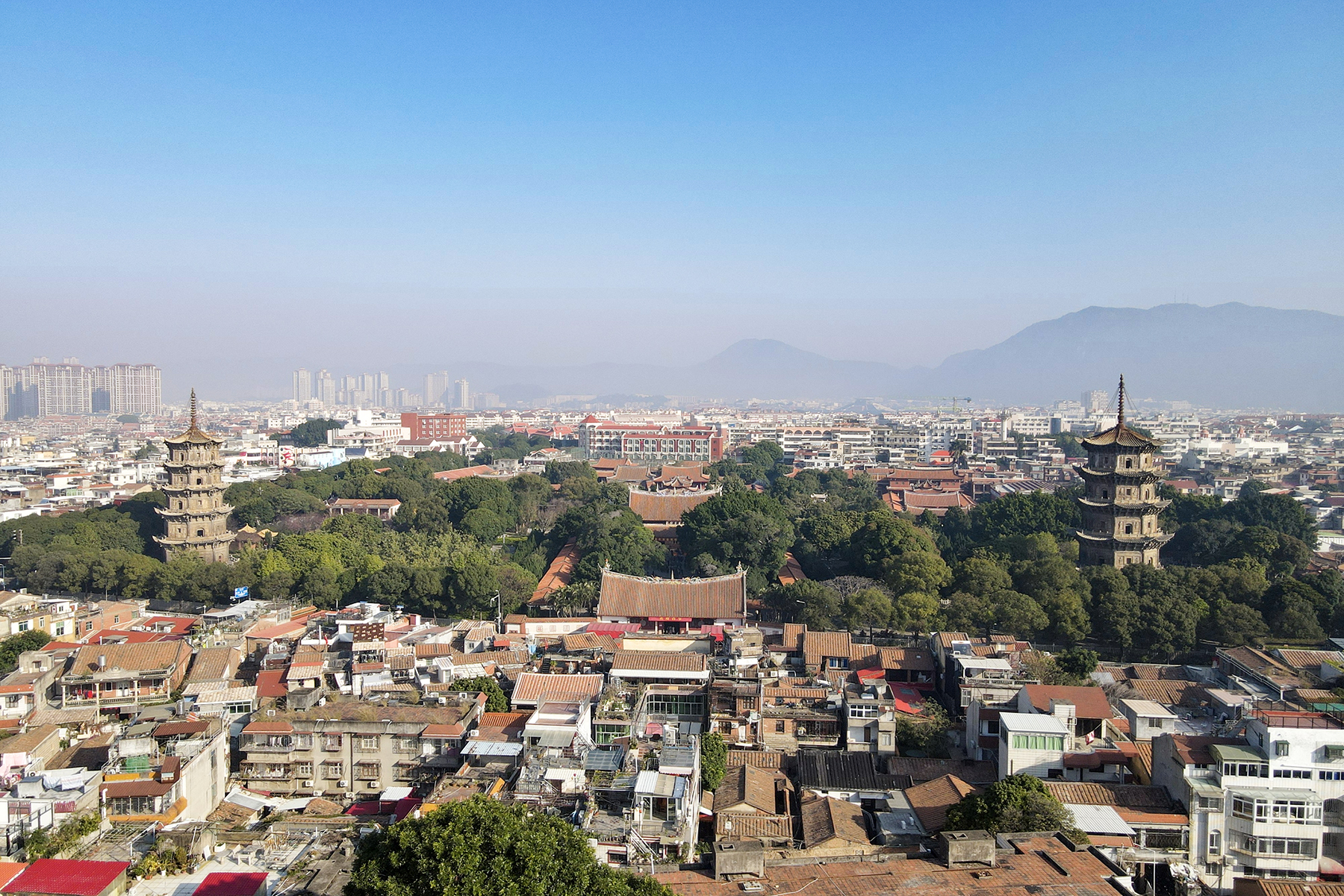
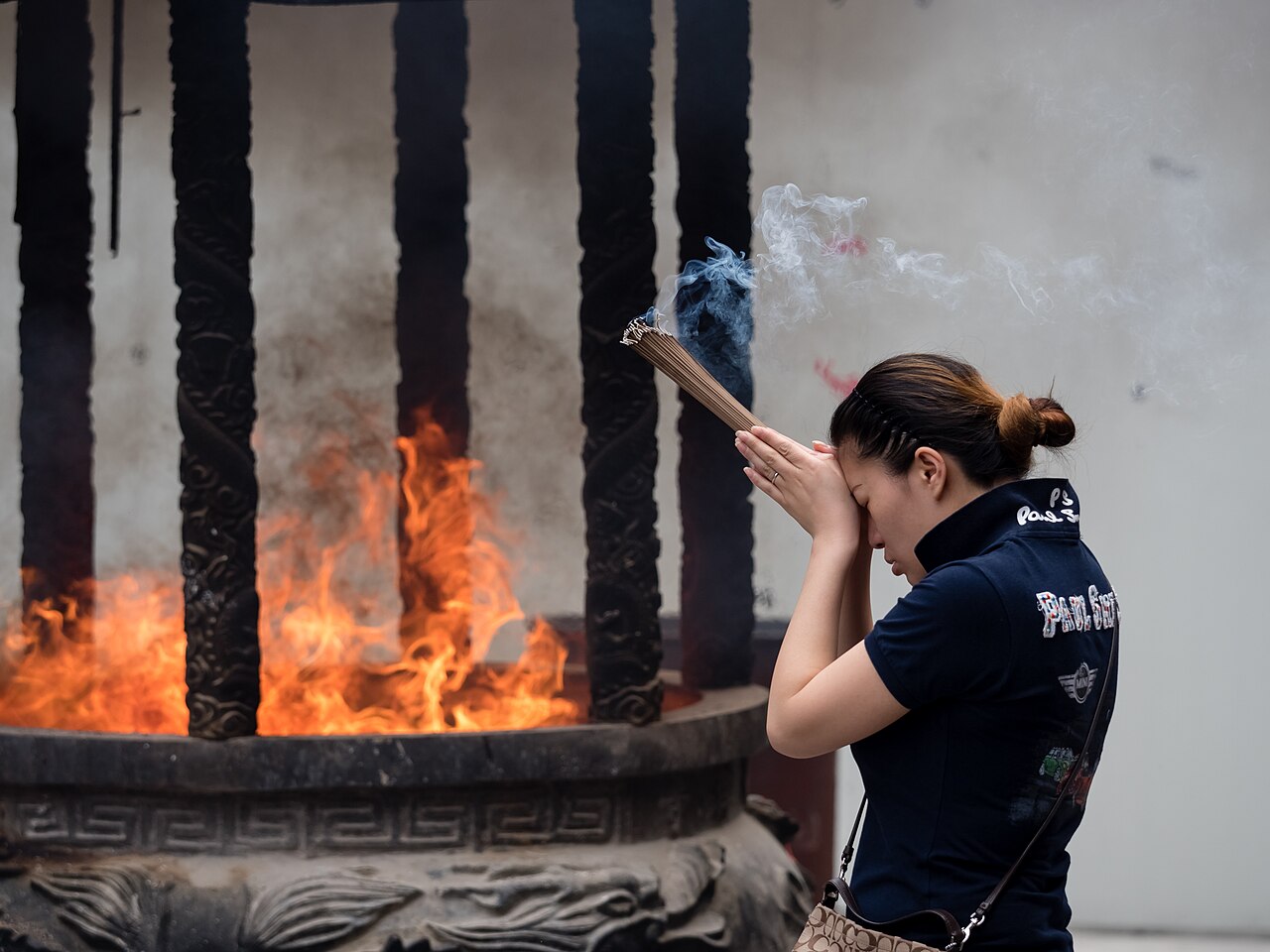
半城烟火半城仙 — half the city smoke and fire of ordinary life, half the city sacred — appears constantly in Chinese introductions to Quanzhou. Strip away the poetry and you get a useful walking thesis: heritage here is not sealed behind a single ticket booth. Temples, snack stalls, repair shops, and residences share the same blocks in Licheng’s old core.
You feel it most when you leave a quiet courtyard and, thirty seconds later, smell frying batter from an oyster omelette stall. The transition is the point. Quanzhou’s appeal for many Chinese domestic travelers is exactly this unfinished seam between pilgrimage and breakfast.
A route that shows both halves
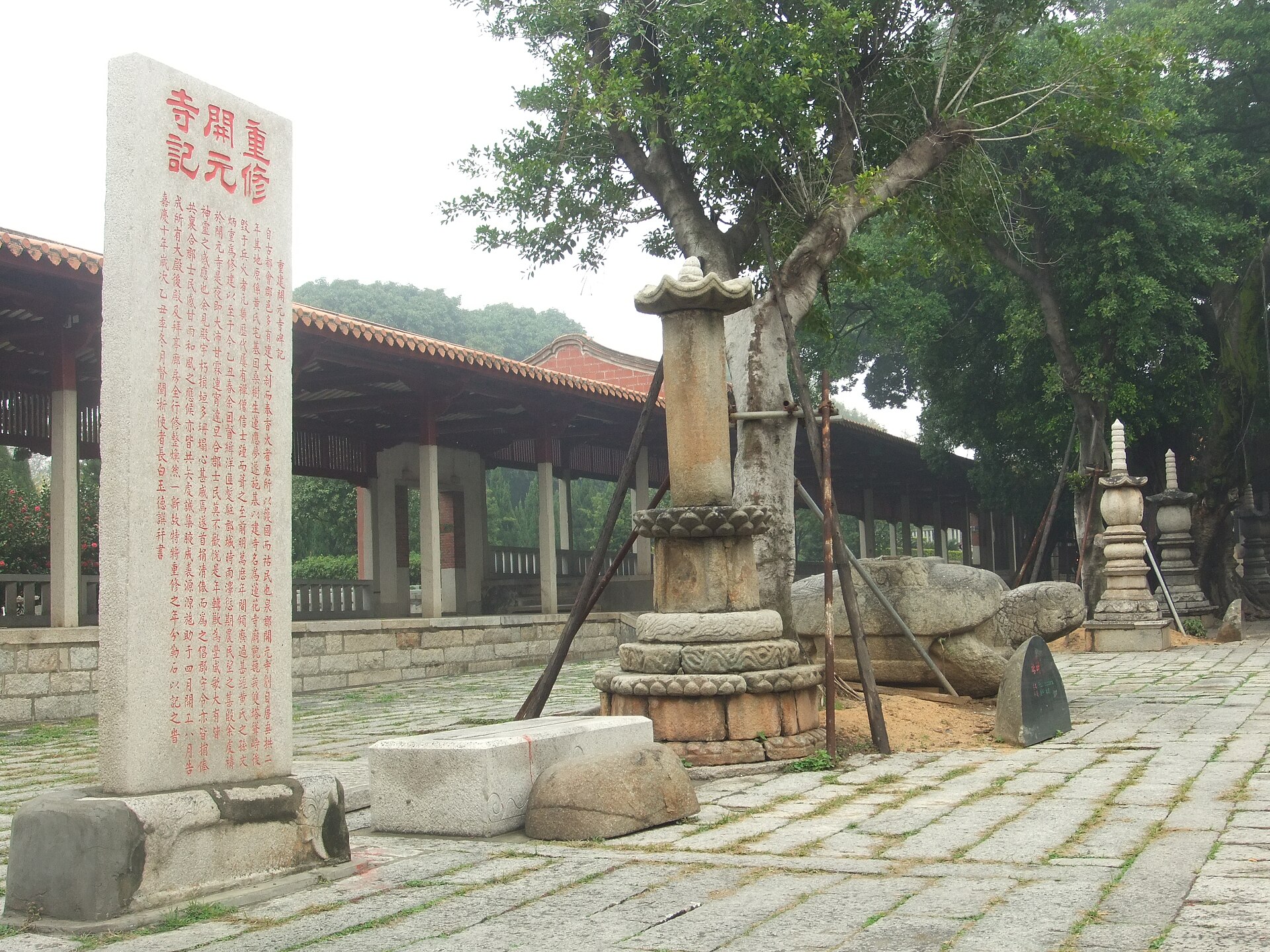
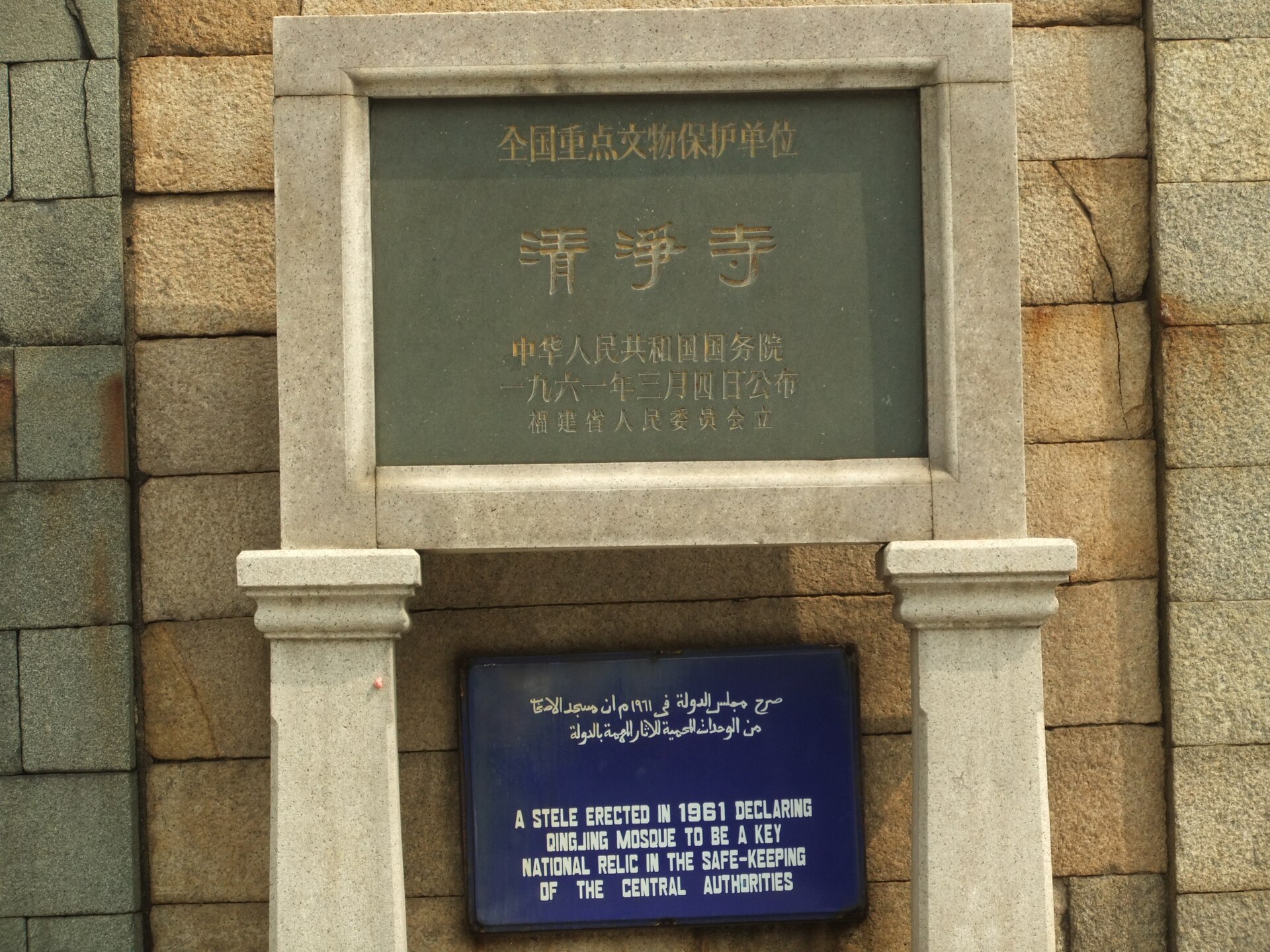
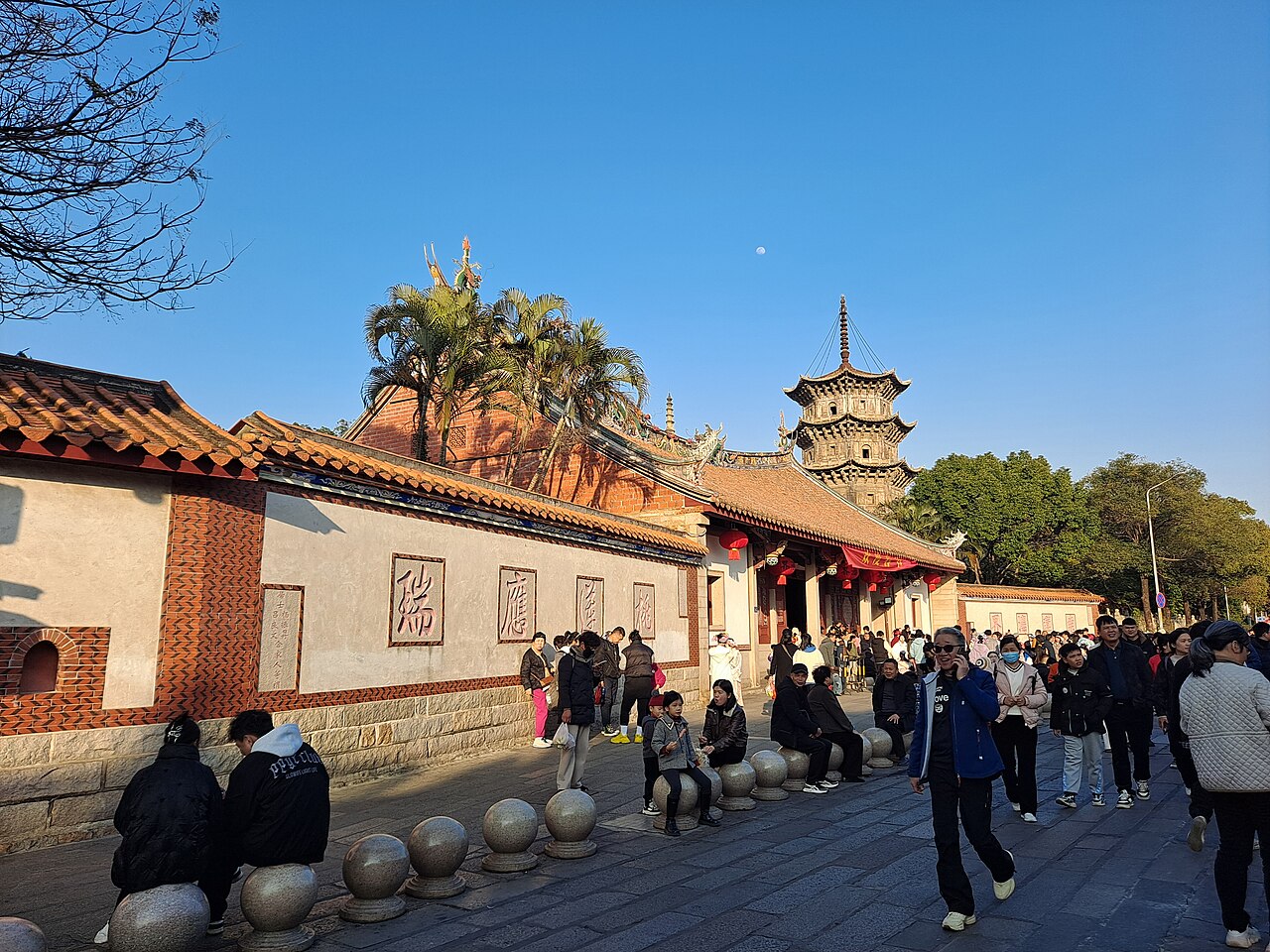
Begin at Kaiyuan Temple while the day is still cool. Stay long enough to watch locals as well as tour groups. Exit toward West Street and let the commercial lane reset your senses — shops, snacks, scooters. Continue toward the Tumen Street area where Qingjing Mosque and neighboring temples demonstrate coexistence that tourism brochures love to name-check and that still functions as urban fact.
If you add Tianhou Temple (天后宫), you add the maritime faith layer: Mazu worship tied to seafaring protection. None of these stops require you to be religious. They do require basic respect — covered shoulders in some halls, no loud calls in courtyards, no posing that blocks worship.
Smoke means food as much as incense
烟火 in everyday Chinese often points to human warmth — cooking smoke, busy markets — not only incense. In Quanzhou that double meaning is literal. Plan at least one meal that is messy and local: 面线糊 in the morning, a cold jelly snack in the heat, ginger duck if you want a heavier sit-down bowl.
Food streets near the old city change shop names over time. Use current map pins and look for lines of local workers, not only influencer signage. If a stall only markets itself in three languages of hashtags, walk one lane deeper.
- Sacred half: Kaiyuan, Tianhou, Qingjing area, quiet side temples
- Bustling half: West Street snacks, evening lanes, market edges
- Balance tip: one temple block, then one food block — repeat
How not to flatten the city into a slogan
If you treat “half sacred” as a photo caption only, you will rush. If you treat it as a pacing tool — alternate courtyard time with street time — Quanzhou opens up. Leave gaps in the schedule. The best lane is often the one you enter because you were hungry, not because it was pinned.
Renovations happen. Scaffolding may hide a façade you saw online. That is normal in a living city. Walk around the block; the complementary half is usually nearby.
Listening as a walking skill
The sacred half of Quanzhou is audible: bells, low voices, the scrape of incense sticks. The bustling half is audible too: ladle against pot, scooter horns, playlist spill from shops. Training your ear helps you choose when to enter a courtyard and when to keep walking.
On festival days the balance tips toward intensity. That can be beautiful and overwhelming. If you dislike crowds, visit major temples on ordinary weekdays and let smaller neighborhood shrines carry the sacred half of your walk.
Travelers sometimes feel awkward being non-religious in active temples. You are allowed to visit as a cultural guest. The price of admission is respect, not conversion. Watch what locals do with shoes, photos, and speaking volume, then match the quieter example.
When you leave Quanzhou, the phrase 半城烟火半城仙 should mean a memory of transitions — not only a caption under a pagoda photo. If you can recall the moment you stepped from courtyard shade into snack steam, the walk worked.
Next step
After Half Bustling, Half Sacred, resist immediately crossing the city for another headline site. A nearby lane or bowl of noodles often teaches more than a second ticket.
Spot an error? Write scoscar@gmail.com.
A pacing mantra
Alternate courtyard time with street time. Sacred, then snack, then shade. When you break that rhythm, fatigue arrives as irritation rather than tired feet.
On heavy festival days, shift major temples earlier and let smaller shrines carry the sacred half. Intensity is interesting until it is not.
Leave with one transition memory — the exact step where incense smell met frying batter. That is the city’s thesis in a single breath.
Last updated: 2026-07-28 · Visit Quanzhou editorial team · Report an error
Related guides
Why Visit Quanzhou
A living Maritime Silk Road city — temples, snack streets, and neighborhoods that still feel local.
First-Timer Mistakes in Quanzhou
Rushing the UNESCO list, skipping breakfast soup, fighting midday heat — avoid the usual traps.
Quanzhou for Slow Travelers
How to spend unhurried days among temples and lanes without optimizing every hour.
How Long to Stay in Quanzhou
Day trip, weekend, or slow week — match stay length to temples, food, and outings.
When to Visit Quanzhou
Seasons, heat, rain, holidays — timing a Quanzhou trip for walking comfort and fewer crowds.
Quanzhou vs Xiamen for First-Timers
Base in Xiamen, day-trip Quanzhou, or split the stay — a practical comparison for Fujian first visits.