Kaiyuan Temple for First Visitors
Twin pagodas, courtyards, and how long to stay — a practical first visit to Quanzhou’s landmark monastery.
Updated 2026-07-28 · 587 words
Why this temple anchors the city
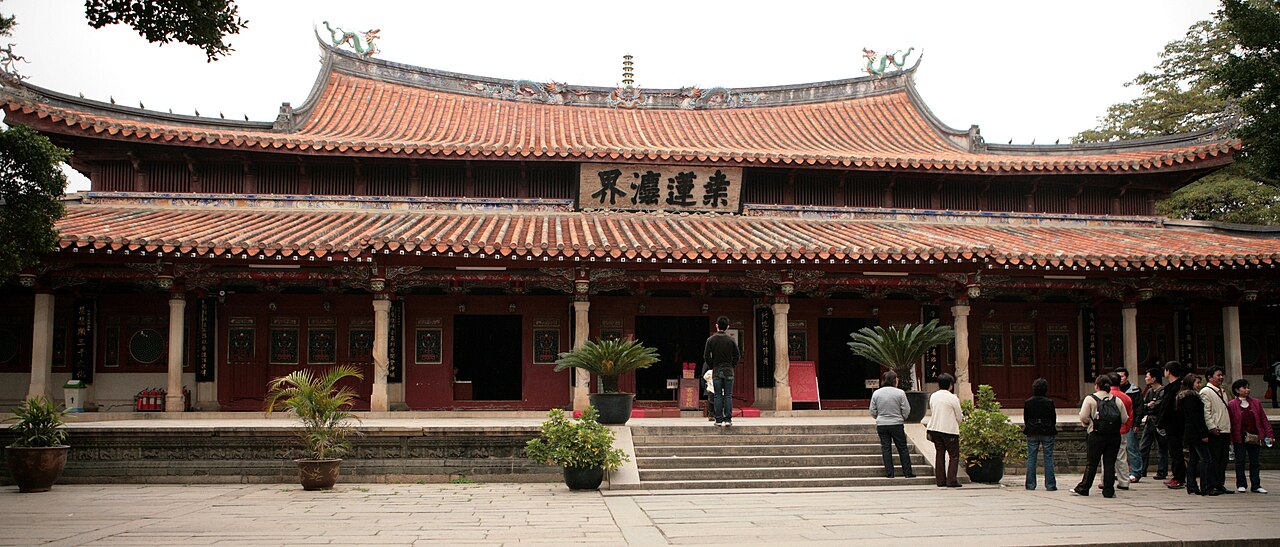
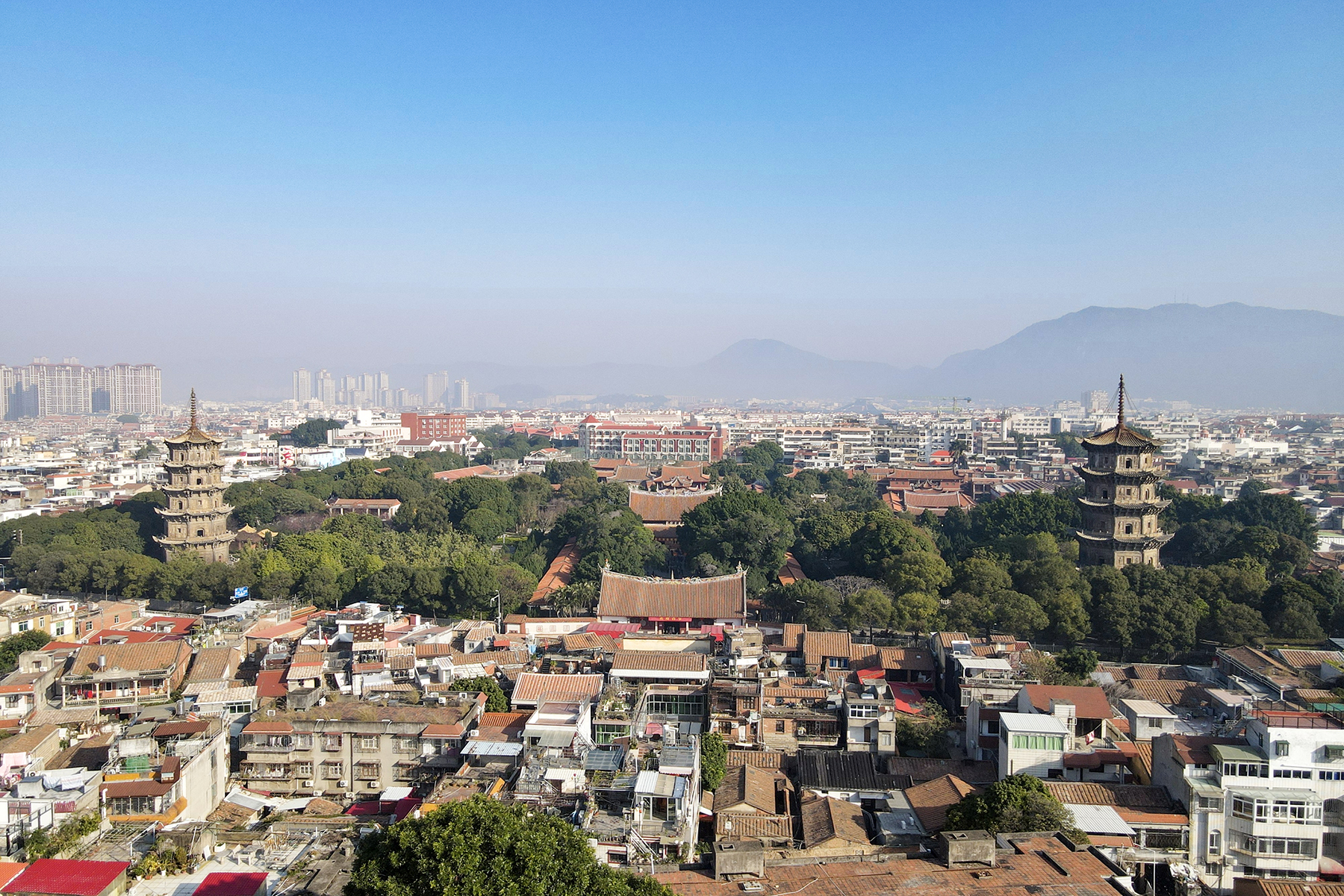
Kaiyuan Temple (开元寺) is Fujian’s largest Buddhist monastery complex and Quanzhou’s most recognizable landmark pair: the twin stone pagodas. Founded in the Tang era and reshaped across centuries, it sits on West Street’s cultural spine. Even travelers with one day usually begin here — correctly.
The temple is both active and touristed. You will see devotion and cameras in the same courtyards. Your job is to move like a guest in a working religious space.
What to prioritize inside
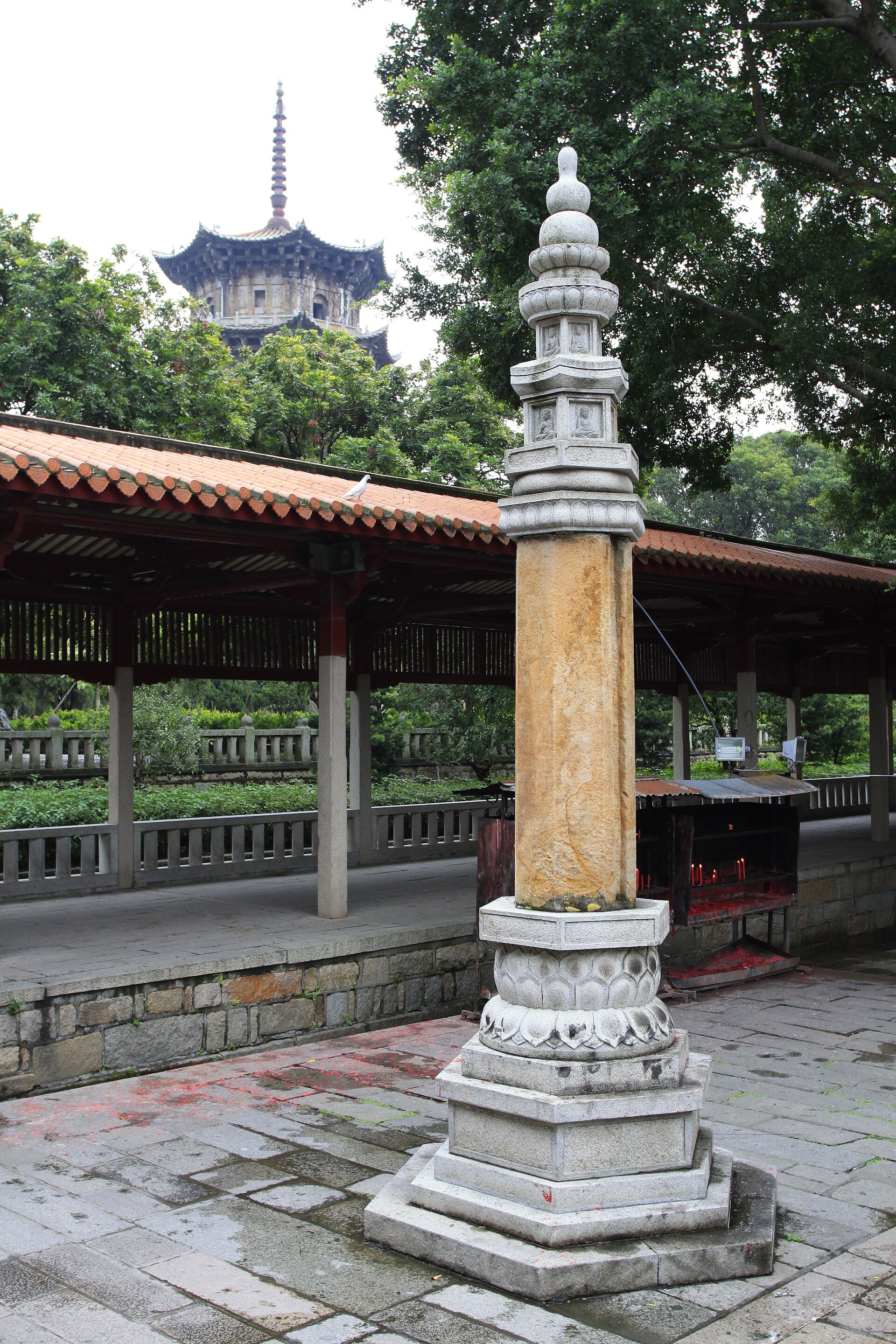
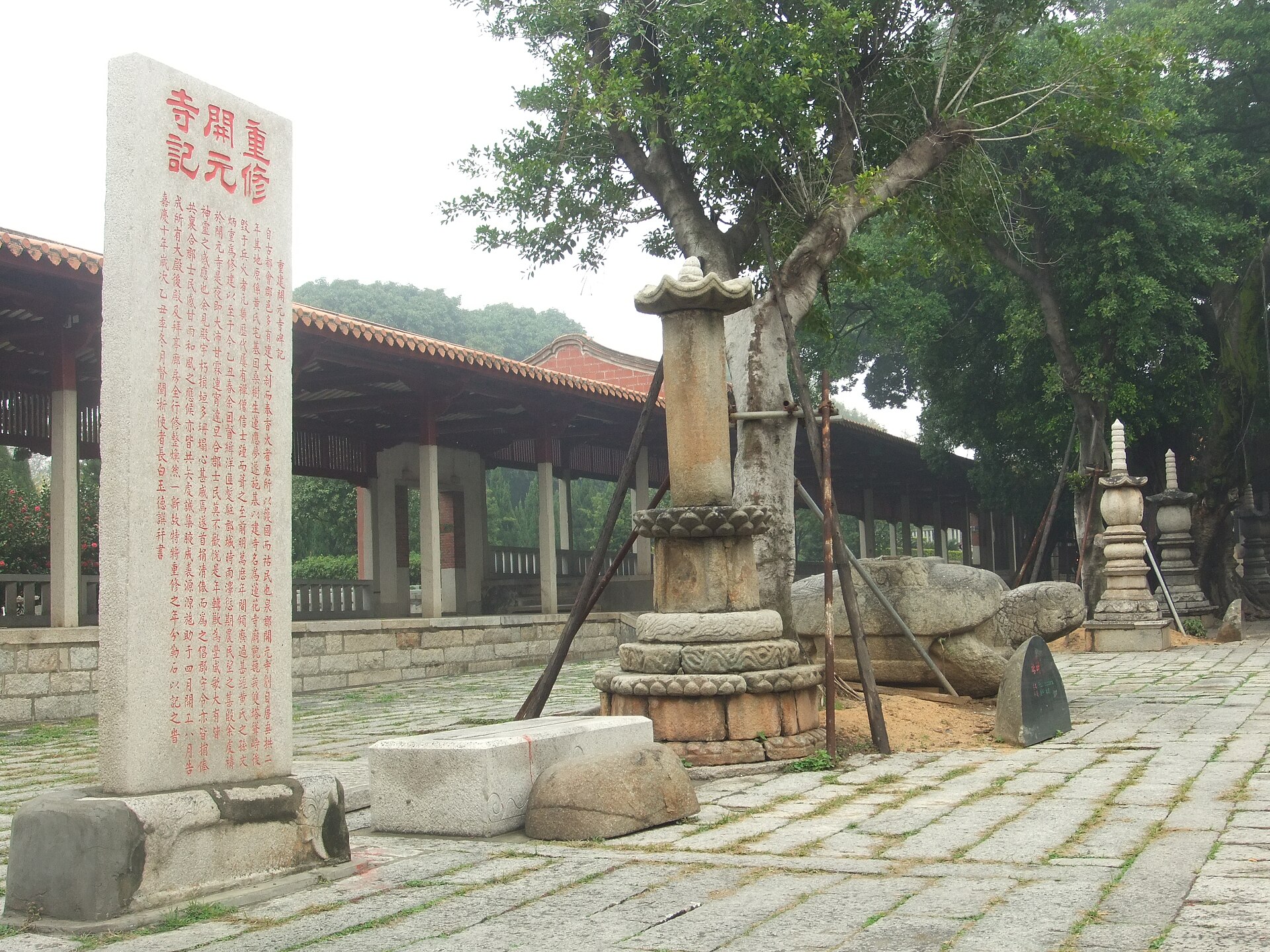
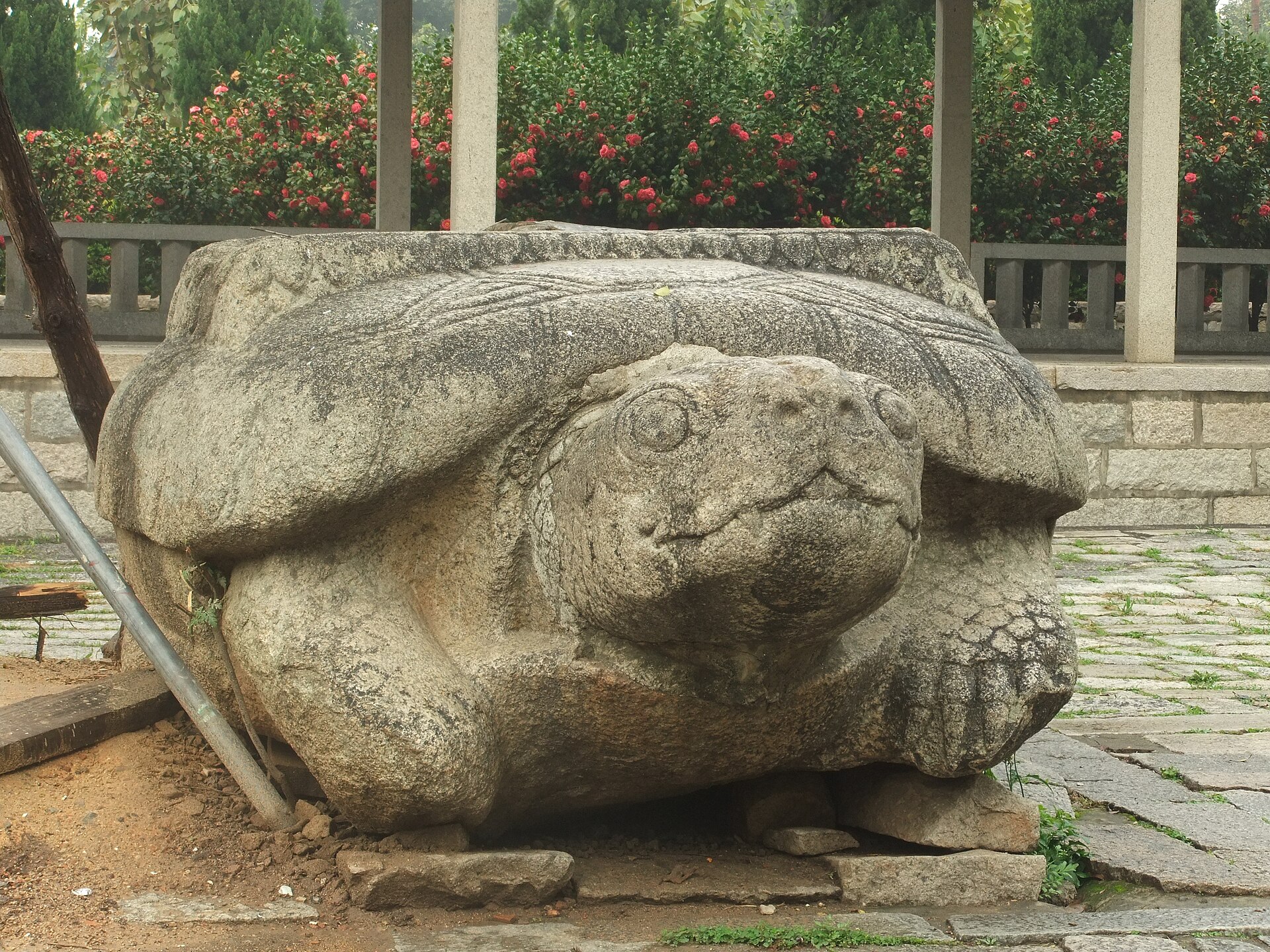
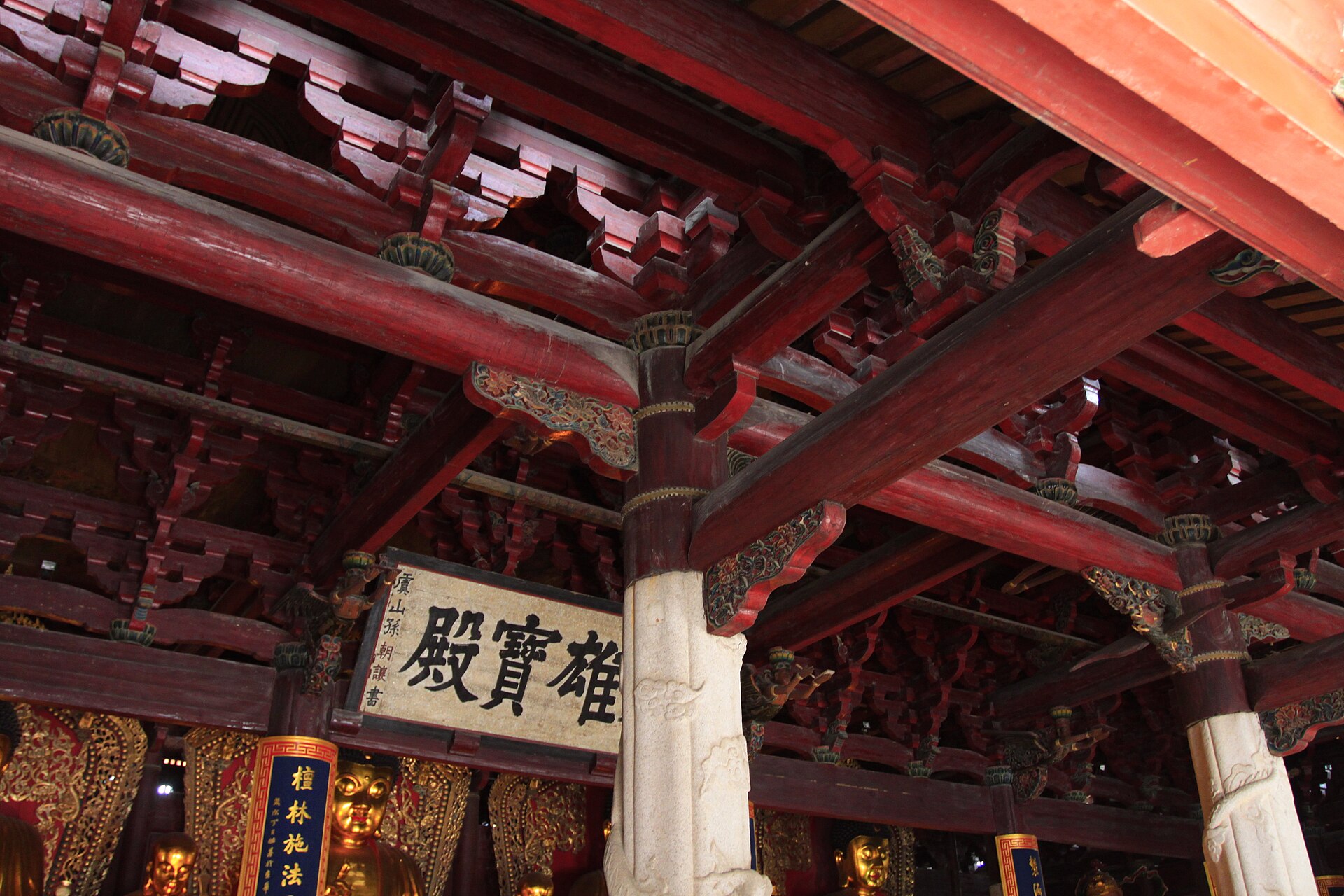
Give time to the axial halls, the pagodas as stone engineering and skyline markers, and smaller details Chinese guides love — historic trees, carvings, and museum corners when open. Resist the urge to sprint between photo marks. The complex rewards a full loop with pauses.
Sixty to ninety minutes is a sensible first visit. Photography enthusiasts stay longer for light changes; families may split attention with nearby snacks sooner.
- Twin pagodas for orientation and photos
- Main halls for atmosphere and architecture
- Side areas for quieter breathing room
Etiquette that takes ten seconds
Dress with shoulders covered when possible. Speak softly. Follow signs about photography. Do not climb restricted structures. Step aside for people offering incense. None of this reduces your visit; it keeps the place itself intact.
Ticket and opening details change — verify on the day. Festival periods alter crowd patterns dramatically.
Pairing with the street outside
Exit into West Street and let food reset the mood. The temple-and-street pairing is Quanzhou’s essential combo: sacred courtyard, then ordinary hunger. If you only see Kaiyuan and leave by taxi, you miss half the lesson.
For a second visit someday, come earlier and notice what you walked past the first time — carvings, side halls, the way locals cut through as part of a city day.
Details worth a second loop
After your first circuit, walk once more with a narrower focus: only carvings, or only axes and sightlines, or only how people use the space. Second loops reveal what adrenaline hid.
If museum spaces inside or beside the complex are open, use them when the courtyards peak with tour groups. Alternating indoor and outdoor attention keeps fatigue down.
Children may need a story: twin pagodas as stone twins, courtyards as quiet playgrounds for the eyes. Promise a snack on West Street afterward and keep the temple visit shorter than adult-optimal.
On repeat trips to Quanzhou, Kaiyuan becomes a measuring stick — how crowds changed, what was restored, how your own walking pace matured. First visits are for orientation; later visits are for friendship with the place.
Field note
Kaiyuan Temple for First Visitors is easier when you travel light: water, offline maps, and modest clothing for temple areas. Leave one pocket of time empty after the visit.
Corrections welcome at scoscar@gmail.com.
Second loop ideas
After the first circuit, walk again with one filter: carvings only, or axes only, or people-flows only. Narrow focus reveals what adrenaline hid.
Use indoor corners when courtyards peak. Alternating attention keeps families calmer.
Promise a West Street snack afterward if children are negotiating patience. Short temple, happy exit.
Extra walking note
Kaiyuan Temple for First Visitors is easier when you protect your feet and your schedule. Drink water, step into shade before you feel dizzy, and skip the urge to add one more district after you are already tired. Quanzhou keeps teaching if you leave tomorrow’s outing for tomorrow.
If a detail on this page no longer matches the street, email scoscar@gmail.com and mention this URL.
Last updated: 2026-07-28 · Visit Quanzhou editorial team · Report an error
Related guides
Why Visit Quanzhou
A living Maritime Silk Road city — temples, snack streets, and neighborhoods that still feel local.
First-Timer Mistakes in Quanzhou
Rushing the UNESCO list, skipping breakfast soup, fighting midday heat — avoid the usual traps.
Quanzhou for Slow Travelers
How to spend unhurried days among temples and lanes without optimizing every hour.
How Long to Stay in Quanzhou
Day trip, weekend, or slow week — match stay length to temples, food, and outings.
When to Visit Quanzhou
Seasons, heat, rain, holidays — timing a Quanzhou trip for walking comfort and fewer crowds.
Quanzhou vs Xiamen for First-Timers
Base in Xiamen, day-trip Quanzhou, or split the stay — a practical comparison for Fujian first visits.