Overseas Chinese Roots in Quanzhou
Why Quanzhou’s diaspora story still shapes streets, houses, and the way the city welcomes return visits.
Updated 2026-07-28 · 548 words
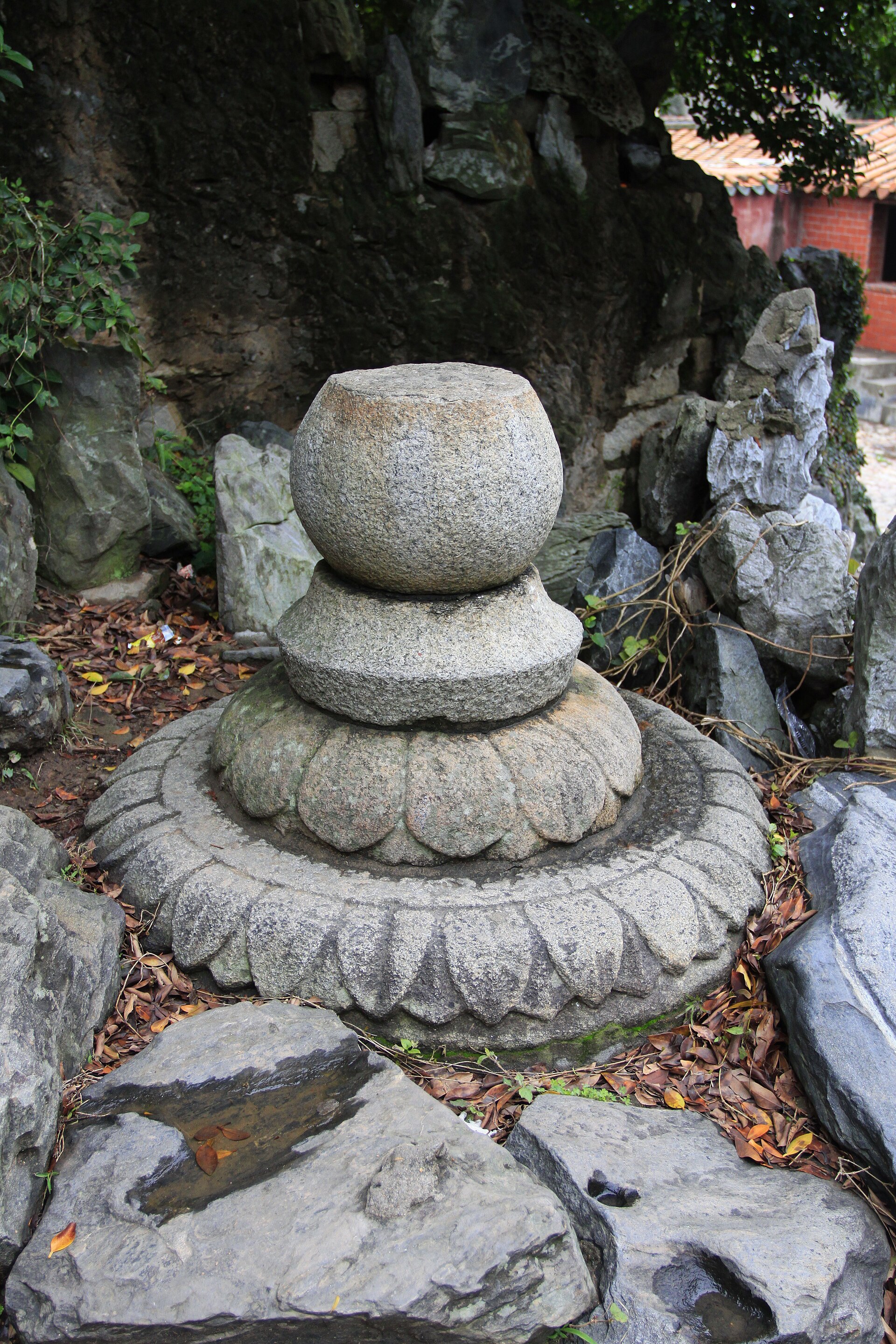
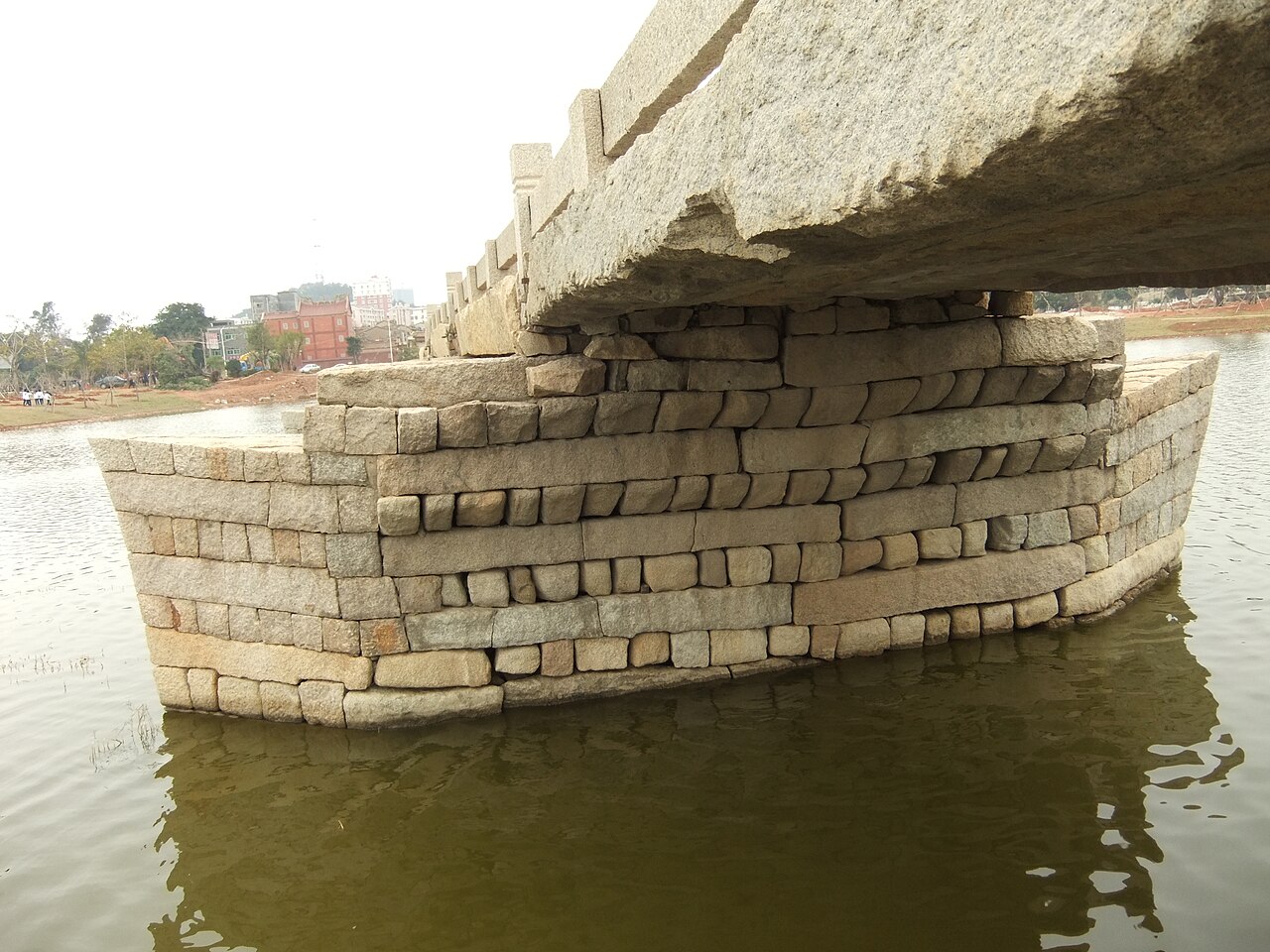
A hometown city for people who left by sea
Quanzhou and wider southern Fujian sent generations of migrants across Southeast Asia and beyond. That history shows up in family stories, remittance architecture, ancestral halls, and a cultural habit of looking outward while cooking local. Travelers notice it in museum exhibits, in hybrid house styles, and in the ease with which the city narrates connections to distant ports.
You do not need ancestral ties to appreciate this layer. It simply explains why Quanzhou’s identity feels both rooted and international.
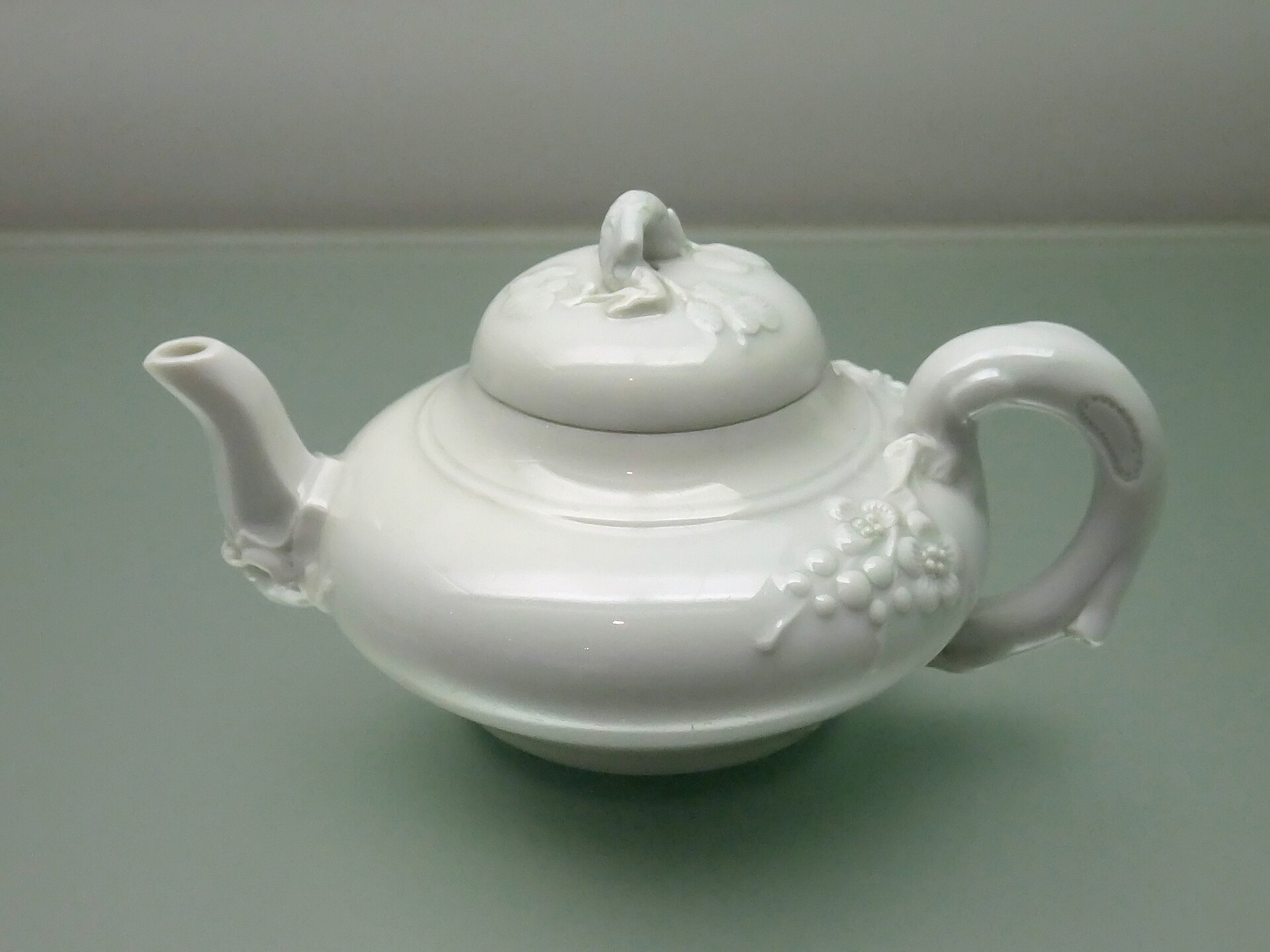
Where the story becomes visible
Museums and special exhibitions often foreground maritime and diaspora themes. In surrounding districts, villages and “returned overseas Chinese” building styles appear in Chinese travel writing — ornate houses funded by money earned abroad, standing beside older vernacular forms.
In the old city, the pluralism of temples and trading memory is the soft version of the same outward gaze: Quanzhou long assumed the world would arrive by water.
Travel manners around family heritage
Ancestral halls and private courtyards are not all public attractions. Enter only when open to visitors. If you are researching family history, local archives and clan associations may help, but that is a different project from tourism — bring documents and patience, not only a camera.
For most visitors, the respectful move is to learn the outline, support local museums, and notice architecture without forcing intimate family spaces.
- Visit museums for structured diaspora context
- Look for hybrid house styles on wider district trips
- Treat ancestral halls as living family spaces first
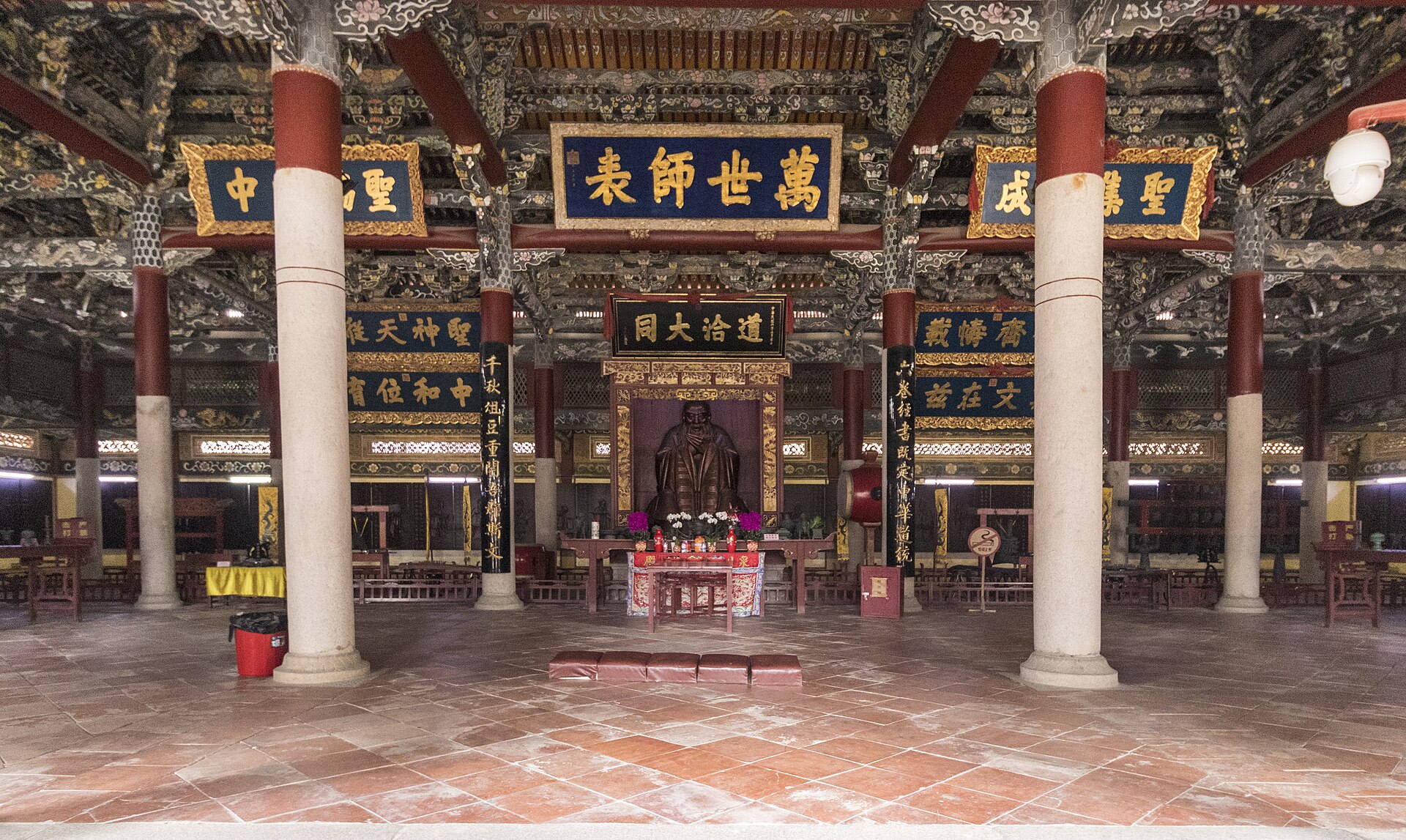
Why it matters on a short trip
Understanding overseas Chinese roots keeps you from reading Quanzhou as only “ancient China frozen.” It is also a city shaped by departure and return. That lens makes snack streets and temple courtyards feel connected to a longer human route — not only to dynastic plaques.
If this theme interests you deeply, budget an extra day beyond the classic old-city loop.
For diaspora visitors returning with questions
Travelers with family ties sometimes arrive carrying names, photos, and incomplete village stories. Quanzhou can be emotional. Give yourself unstructured time; not every answer will appear in a museum caption.
Local administrative and clan resources may help serious genealogy, but tourism infrastructure is not a research library. Hire appropriate help if your project is deep; do not expect hotel front desks to reconstruct lineages.
Even without personal ties, understanding diaspora history softens your reading of ornate houses and hybrid styles in surrounding districts. Money moved across seas; architecture remembered it.
Be careful with assumptions. Not every ornate building is “overseas Chinese,” and not every simple house lacks global connection. Ask, read, and leave room for complexity.
Next step
After Overseas Chinese Roots in Quanzhou, resist immediately crossing the city for another headline site. A nearby lane or bowl of noodles often teaches more than a second ticket.
Spot an error? Write scoscar@gmail.com.
For visitors carrying family questions
Bring documents if genealogy is the goal, and hire proper help for deep research. Tourism desks are not archives.
Even without personal ties, diaspora money explains some hybrid houses in wider districts. Read ornate façades as possible global letters carved in brick.
Avoid neat assumptions. Simple houses can hide long-distance stories; ornate ones can be local prosperity with no passport trail.
Last updated: 2026-07-28 · Visit Quanzhou editorial team · Report an error
Related guides
Why Visit Quanzhou
A living Maritime Silk Road city — temples, snack streets, and neighborhoods that still feel local.
First-Timer Mistakes in Quanzhou
Rushing the UNESCO list, skipping breakfast soup, fighting midday heat — avoid the usual traps.
Quanzhou for Slow Travelers
How to spend unhurried days among temples and lanes without optimizing every hour.
How Long to Stay in Quanzhou
Day trip, weekend, or slow week — match stay length to temples, food, and outings.
When to Visit Quanzhou
Seasons, heat, rain, holidays — timing a Quanzhou trip for walking comfort and fewer crowds.
Quanzhou vs Xiamen for First-Timers
Base in Xiamen, day-trip Quanzhou, or split the stay — a practical comparison for Fujian first visits.