Reading Quanzhou’s Roofs and Ruins
A field guide to noticing swallowtails, repairs, and what renovation scaffolding is trying to save.
Updated 2026-07-28 · 535 words
The city teaches if you look up
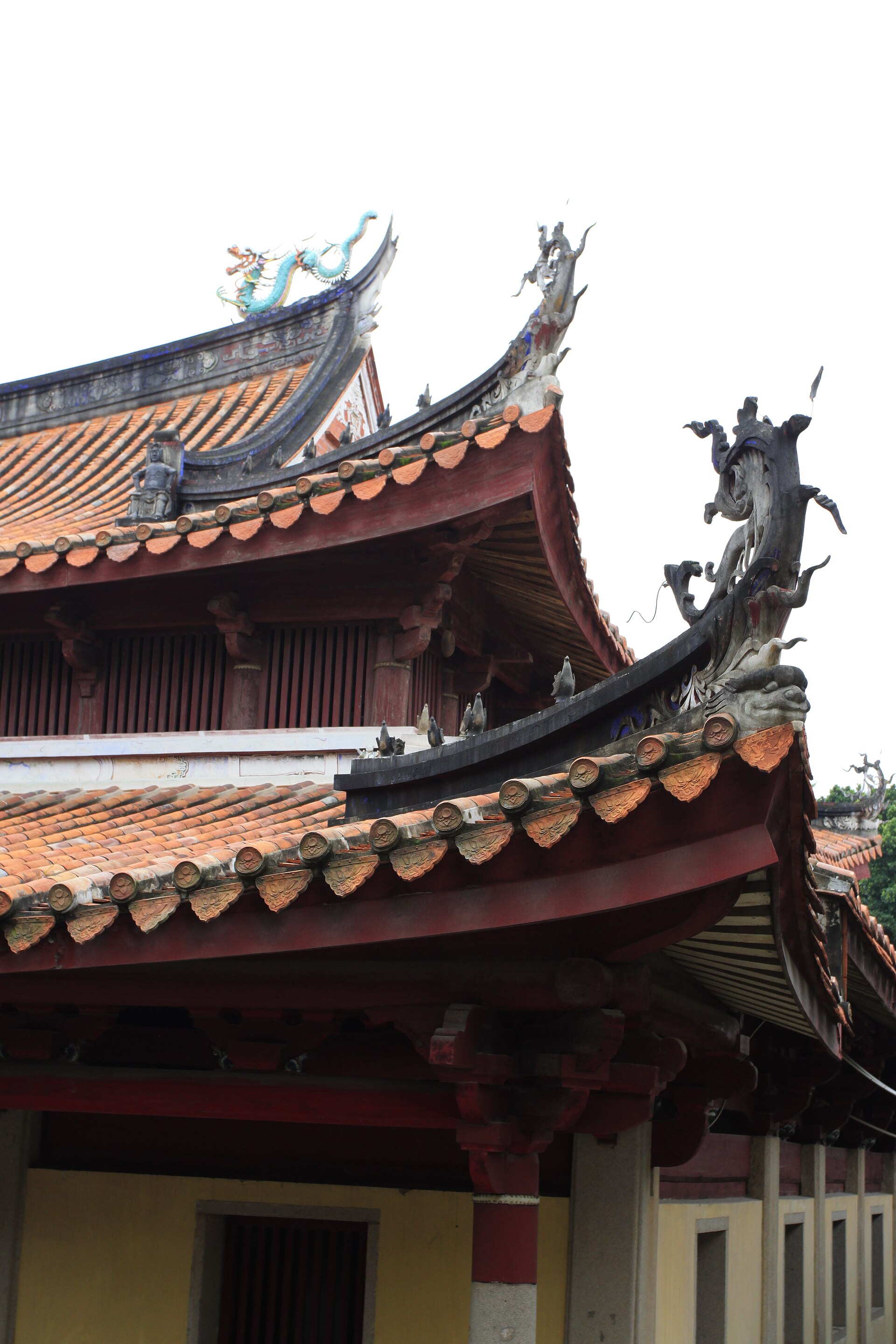
Quanzhou’s old streets reward a habit: every few blocks, stop and look at the roofline. Swallowtail curves, decorative ceramics, and the meeting of brick and plaster tell you which buildings lean traditional Minnan and which absorbed later commercial styles. This costs nothing and changes how the walk feels.
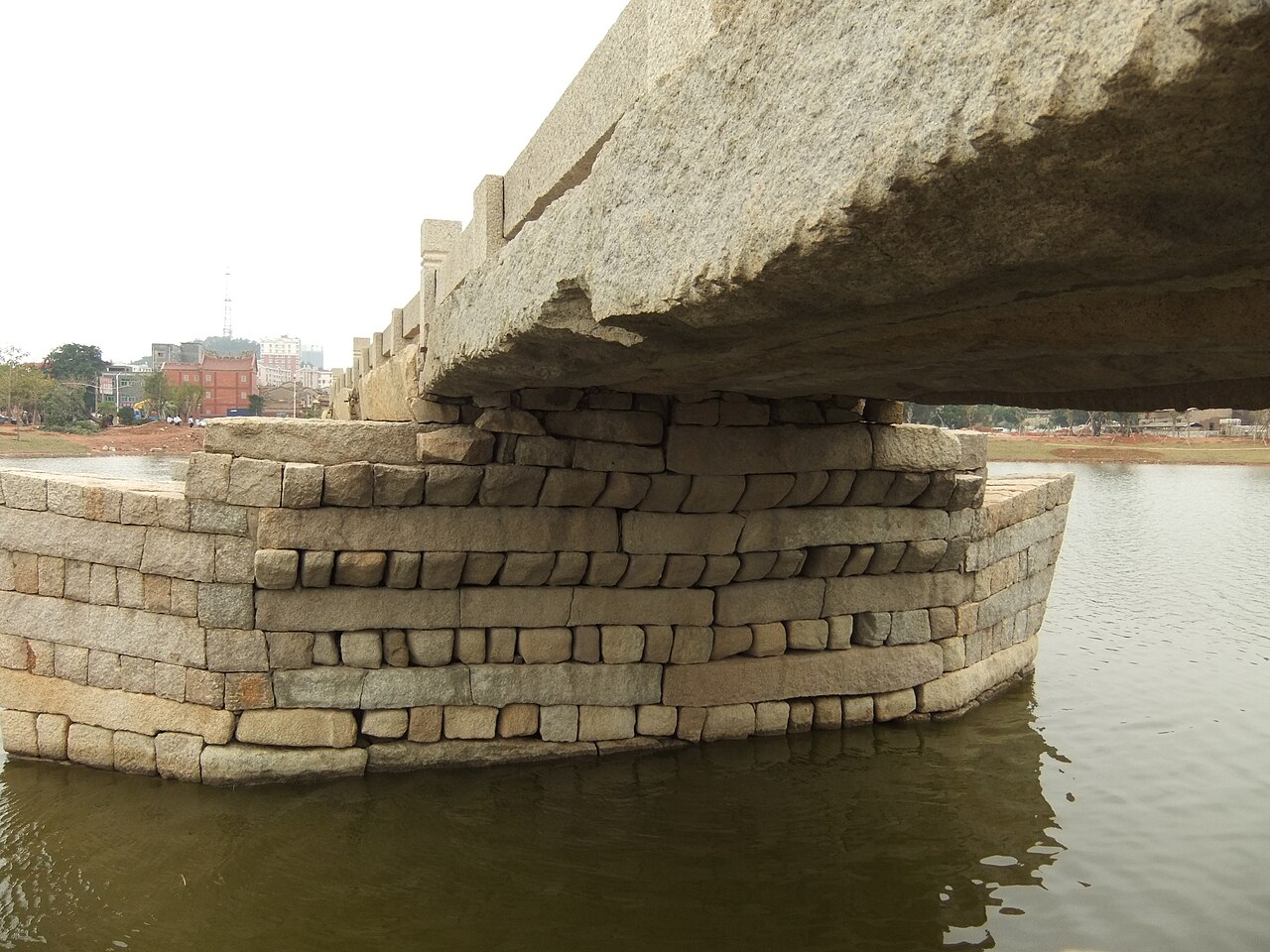
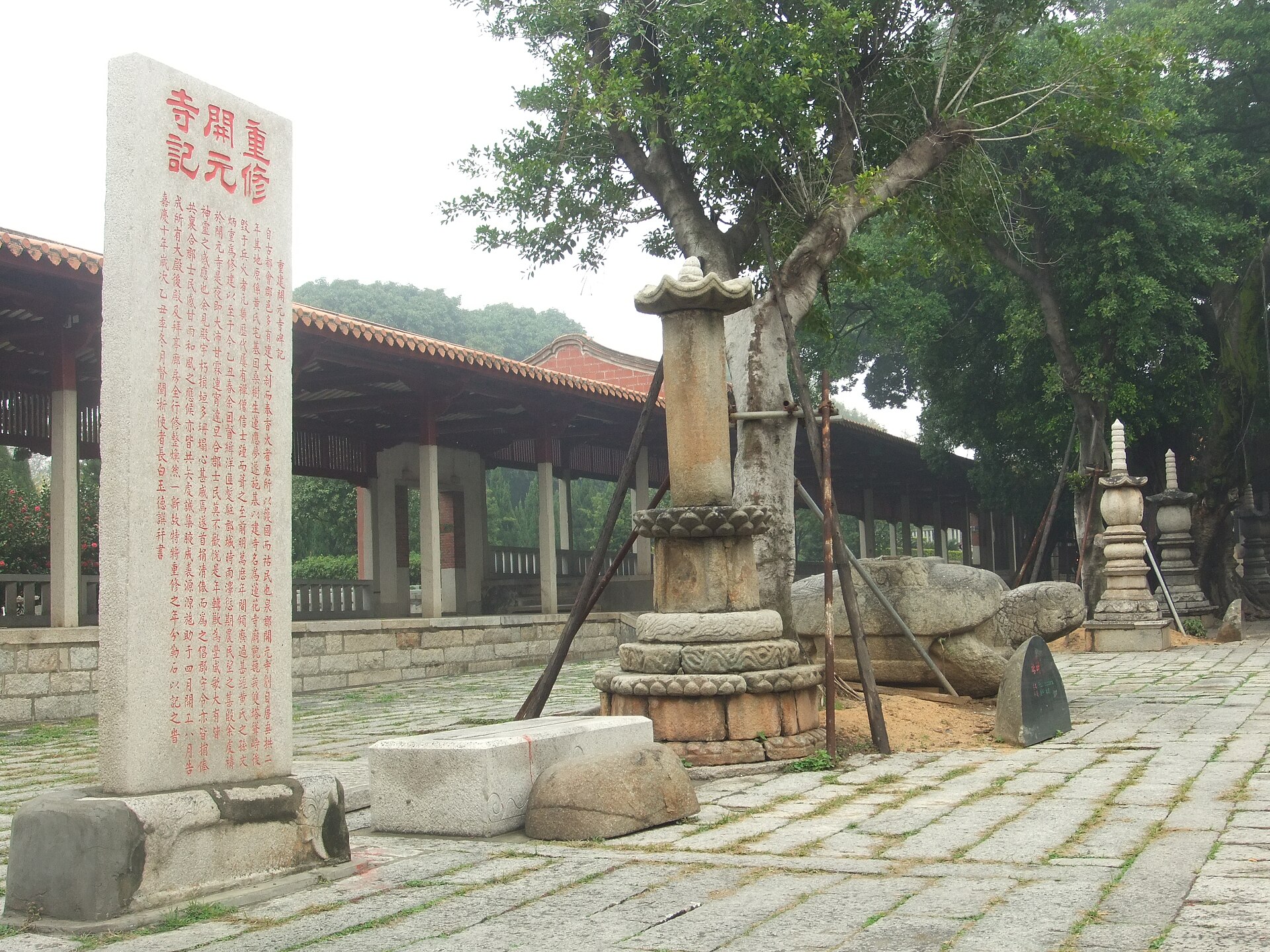
Ruins and archaeological windows — gate sites, foundation displays — appear as open-air footnotes. They are easy to skip if you only follow snack pins.
Repairs are part of the aesthetic
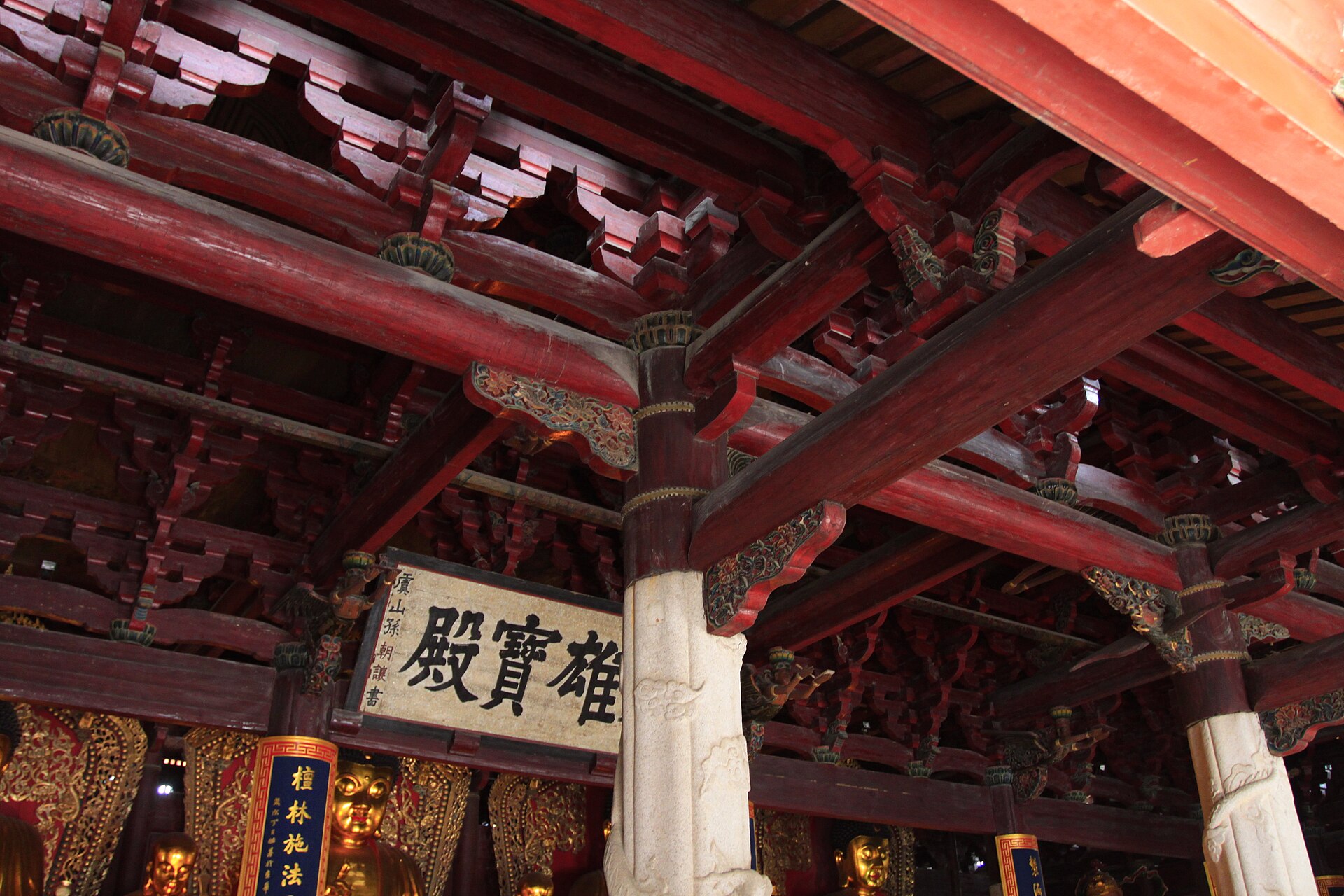
Perfectly uniform heritage façades often mean heavy reconstruction. Quanzhou still shows mismatched brick, patched plaster, and modern pipes beside carved wood. That patchwork is evidence of continuous use. Photographers who wait only for “clean” walls miss the city’s real texture.
Scaffolding can frustrate. It also means maintenance. Walk the parallel lane; complementary views usually exist.
Temple roofs vs shop roofs
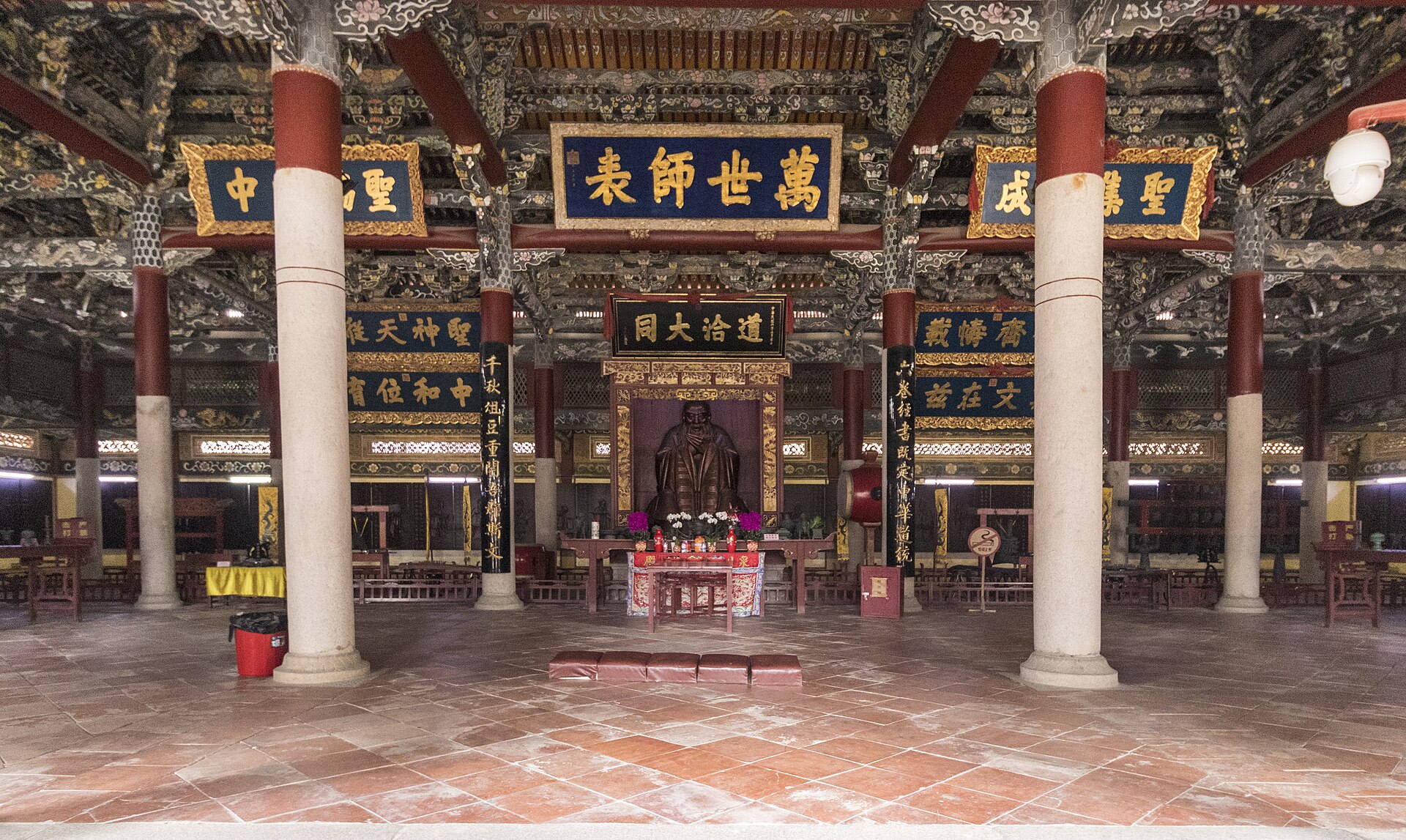
Temple complexes announce themselves with scale, incense, and axial courtyards. Shop houses compress decoration into narrower lots. Learning to separate the two keeps you from treating every ornate fragment as a major site.
Zhongshan Road arcades add a third vocabulary: early modern commerce, shade, and repetitive bays built for walking shoppers.
- Look for swallowtail ridge ends
- Notice granite thresholds
- Compare temple axial courtyards with shop-house frontage
- Use arcades as rain and heat shelters
Bring curiosity, not a lecture tone
Residents live behind many of the walls you admire. Keep voices down in residential turns at night. Architecture walking is compatible with humility.
If you enjoy this lens, pair it with the Minnan architecture primer and a temple morning — structure plus atmosphere.
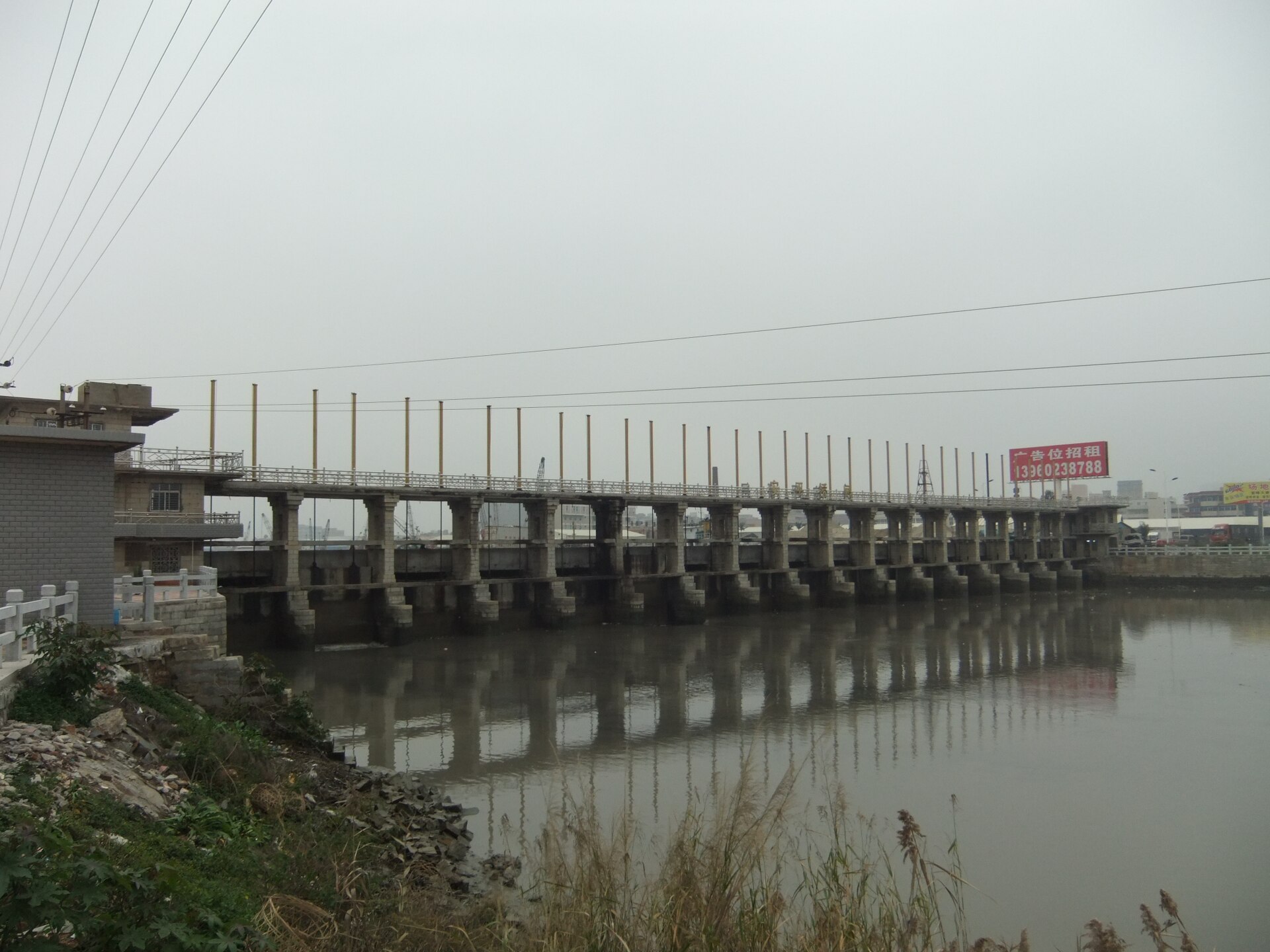
Teaching kids or friends to notice
Turn roof-reading into a game: who spots the next swallowtail, who finds a granite threshold, who notices a repair scar. It keeps groups engaged without needing tickets.
Sketching — even ugly sketches — forces slower looking. A five-minute sketch of a gable teaches more than fifty nearly identical phone bursts.
At night, silhouettes simplify the lesson. You see massing and curve without façade noise. Pair a daytime detail walk with an evening outline walk.
When you leave, you may start seeing Minnan echoes in other cities. That comparative eye is the real souvenir of learning Quanzhou’s roofs.
Before you go
Recheck opening hours for Reading Quanzhou’s Roofs and Ruins on the morning you visit. Renovations and festival schedules shift without much English notice.
If something on this page is outdated, email scoscar@gmail.com with the URL and what you found.
Make noticing social
Challenge friends to spot swallowtails, granite thresholds, and repair scars. Games keep groups looking up without turning the walk into a lecture.
Five-minute sketches beat fifty near-identical bursts. Ugly drawings still teach structure.
Night silhouettes simplify the lesson to curve and mass — a useful second pass after daytime detail hunting.
Extra walking note
Reading Quanzhou’s Roofs and Ruins is easier when you protect your feet and your schedule. Drink water, step into shade before you feel dizzy, and skip the urge to add one more district after you are already tired. Quanzhou keeps teaching if you leave tomorrow’s outing for tomorrow.
If a detail on this page no longer matches the street, email scoscar@gmail.com and mention this URL.
Last updated: 2026-07-28 · Visit Quanzhou editorial team · Report an error
Related guides
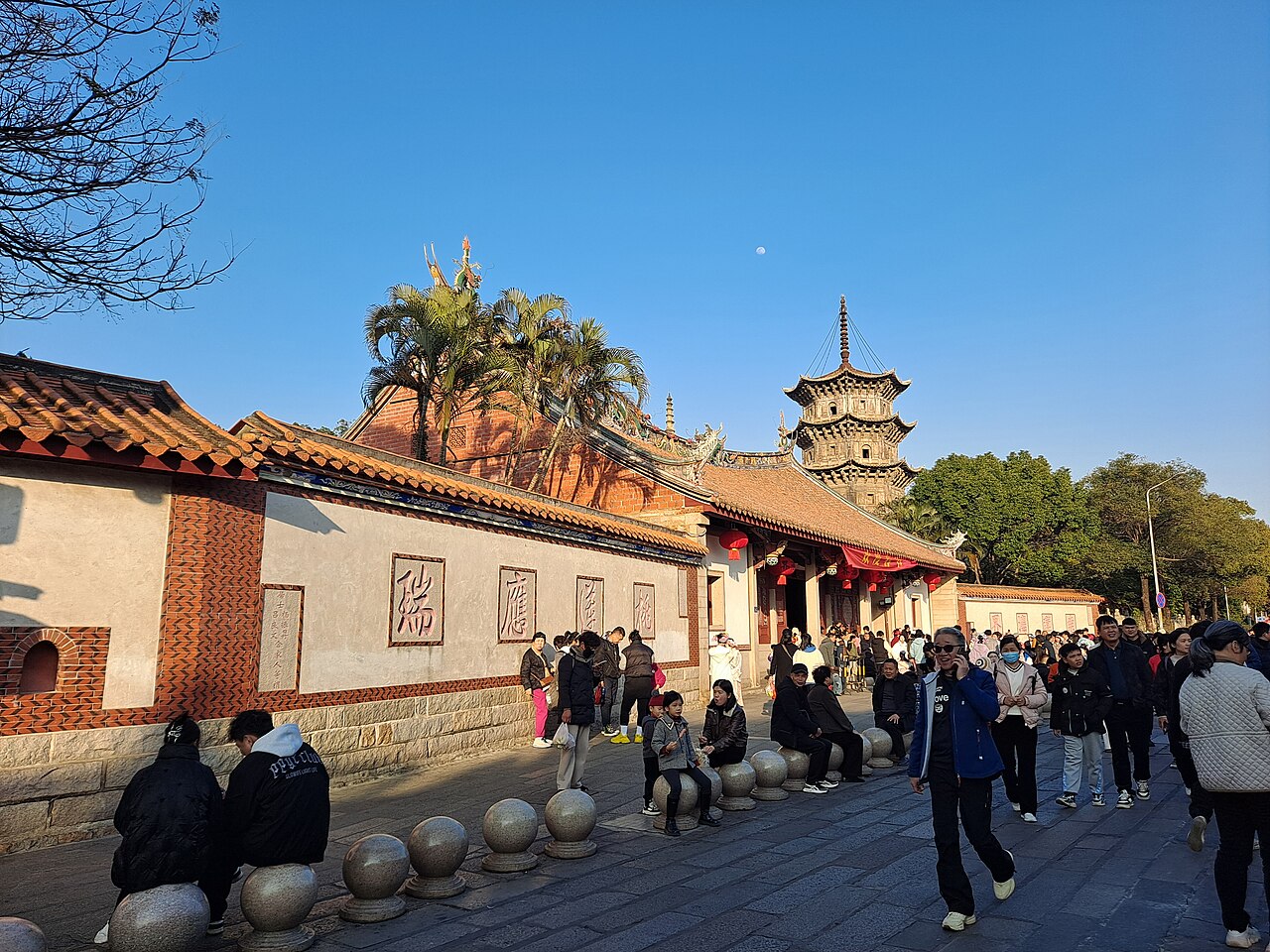
Why Visit Quanzhou
A living Maritime Silk Road city — temples, snack streets, and neighborhoods that still feel local.
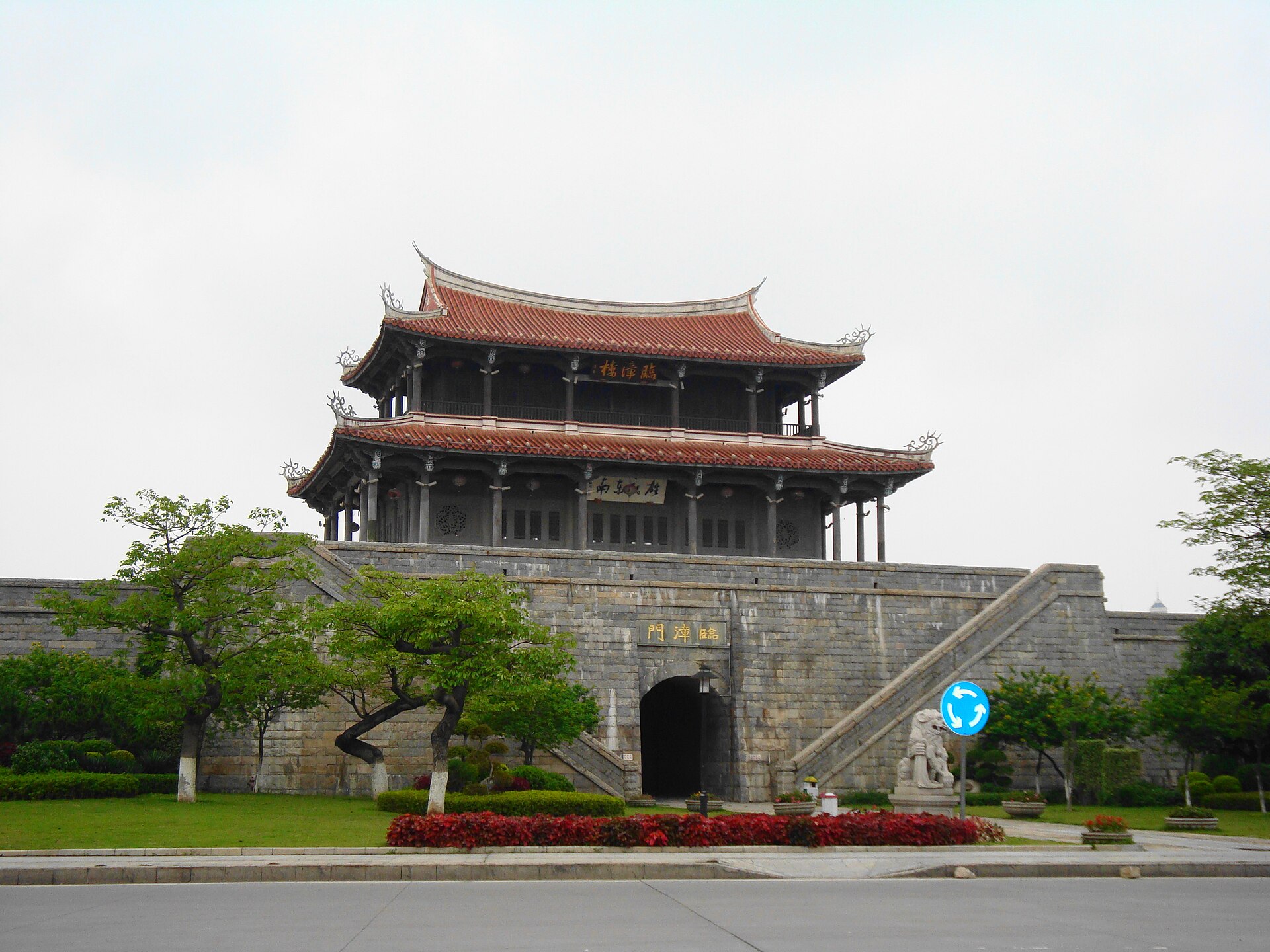
First-Timer Mistakes in Quanzhou
Rushing the UNESCO list, skipping breakfast soup, fighting midday heat — avoid the usual traps.
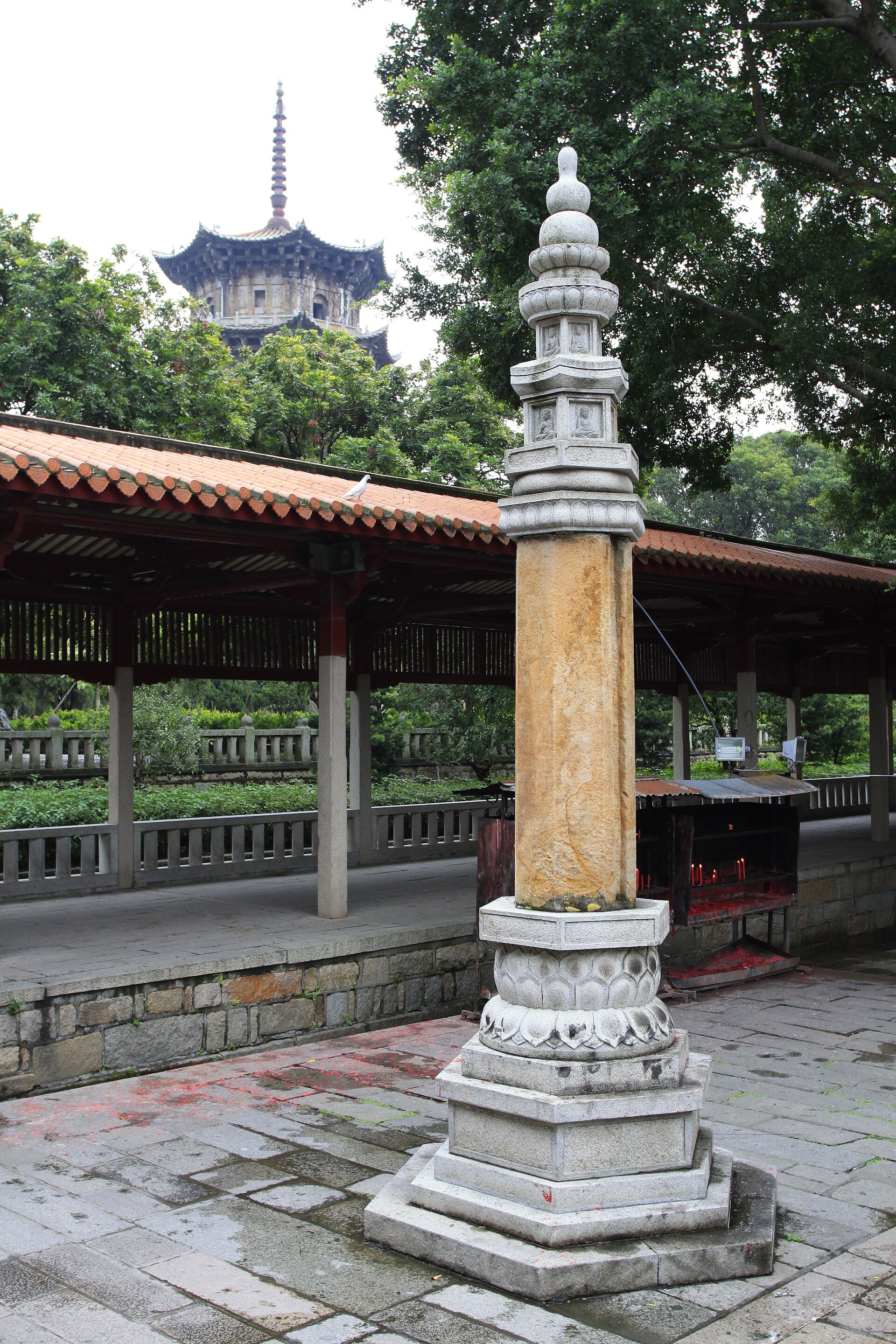
Quanzhou for Slow Travelers
How to spend unhurried days among temples and lanes without optimizing every hour.
How Long to Stay in Quanzhou
Day trip, weekend, or slow week — match stay length to temples, food, and outings.
When to Visit Quanzhou
Seasons, heat, rain, holidays — timing a Quanzhou trip for walking comfort and fewer crowds.
Quanzhou vs Xiamen for First-Timers
Base in Xiamen, day-trip Quanzhou, or split the stay — a practical comparison for Fujian first visits.