Tumen Street: Quanzhou’s Living Map of Faiths
Mosque, martial temple, Confucian grounds — why one short street explains the old port’s pluralism.
Updated 2026-07-28 · 625 words
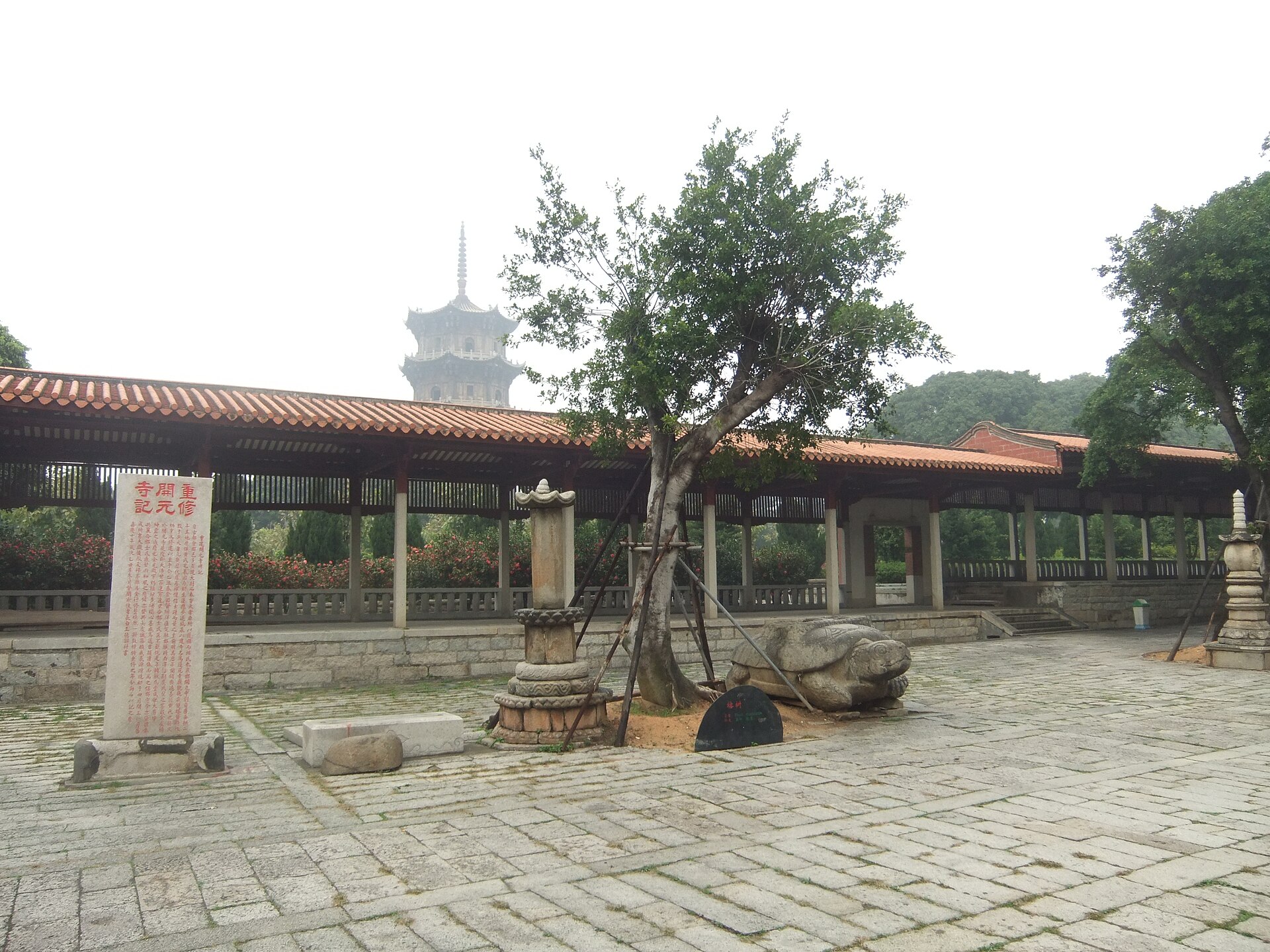
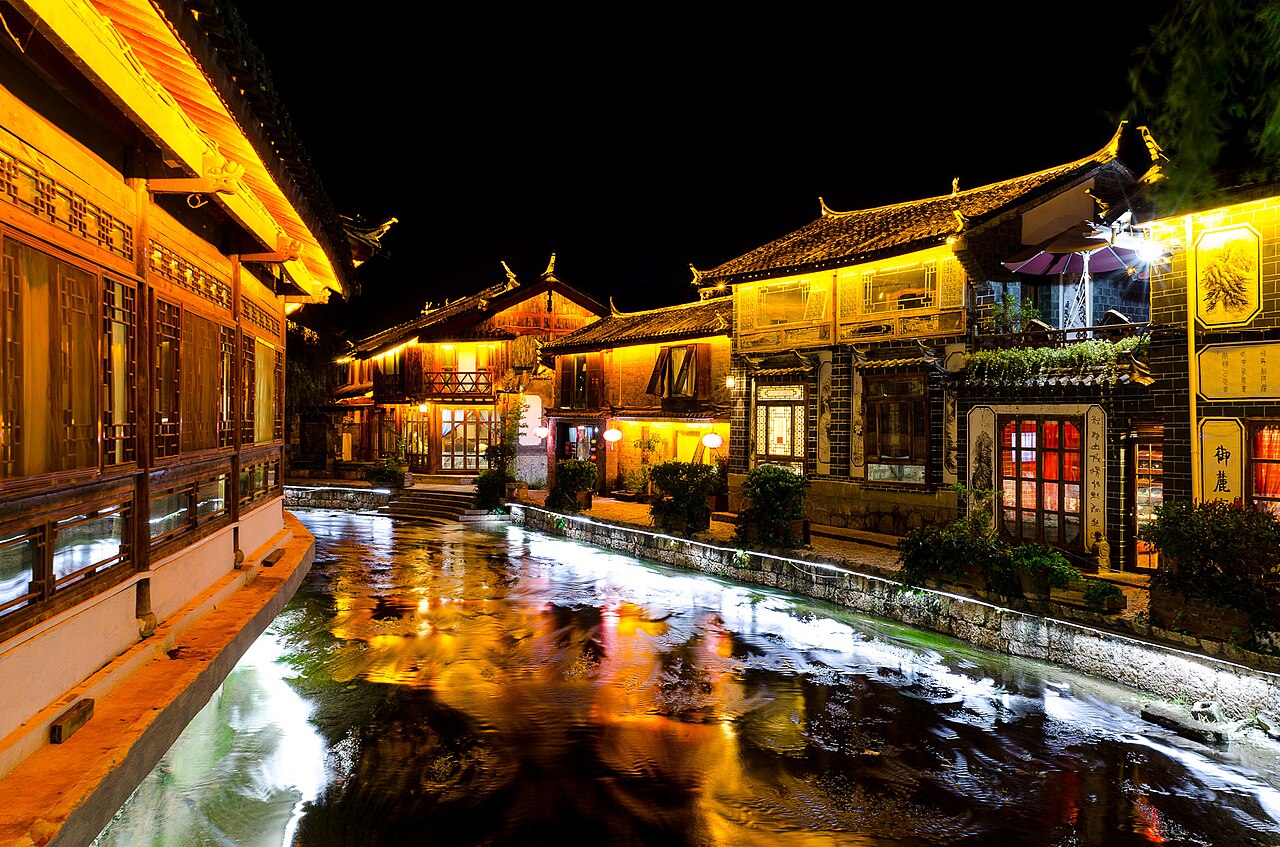
Why Chinese guides call it a “world religion museum”
Tumen Street (涂门街) and its immediate surroundings compress a story that usually needs a whole textbook. Within a short walk you can stand at Qingjing Mosque’s stone gate, then turn toward temples associated with Guan Yu and Confucian learning. Chinese heritage writing calls Quanzhou a “world religion museum” because Buddhism, Islam, Taoism, folk belief, and later Christian architecture all left durable footprints in the urban core.
For travelers, the phrase is useful only if you walk slowly enough to notice transitions. The point is not collecting stamps. The point is seeing how a medieval trade city normalized difference in stone.
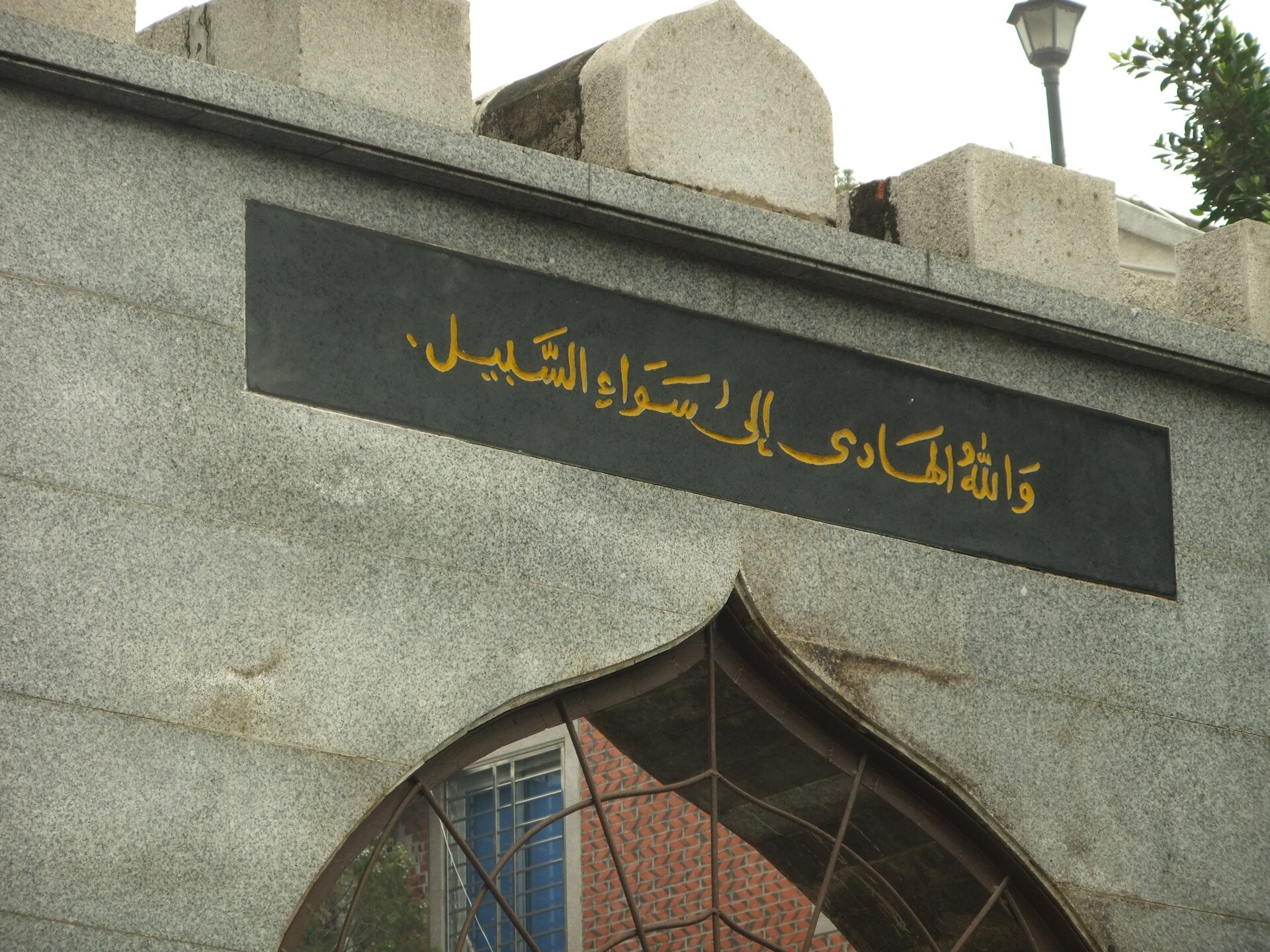
How to walk it without turning people into scenery
Visit Qingjing Mosque with the same respect you would bring to any active or historically sacred site — quiet voices, modest dress, no climbing. Neighboring temples may be busier with incense and local devotion. Photograph buildings and details; ask before photographing people at prayer.
Pair this walk with Kaiyuan Temple earlier or later the same day. Together they show institutional Buddhism at monumental scale and a street-level mosaic of communities. Add the Maritime Museum on another morning if you want objects and ship history to reinforce what the street already suggests.
- Morning visit for cooler temperatures and softer light
- Combine with West Street snacks afterward
- Keep the loop short — depth beats covering every doorway
What pluralism looked like in a port city
Song–Yuan Quanzhou hosted merchants and communities connected to wide maritime networks. Religious buildings were part of that infrastructure: places to worship, gather, and mark identity far from home. The survival of multiple traditions in close proximity is one reason UNESCO’s narrative emphasizes exchange, not a single monoculture.
Today’s street also has shops, traffic, and renovation. That friction is honest. Heritage districts that erase ordinary commerce often feel less like Quanzhou.
Practical notes
Wear shoes comfortable for uneven stone. Carry cash or mobile pay for small offerings or entrance fees where applicable — policies vary by site and year. Confirm opening hours the same day; temple schedules can shift around festivals.
If you want a single sentence to remember: Tumen Street is where Quanzhou’s global past still fits inside a neighborhood walk.
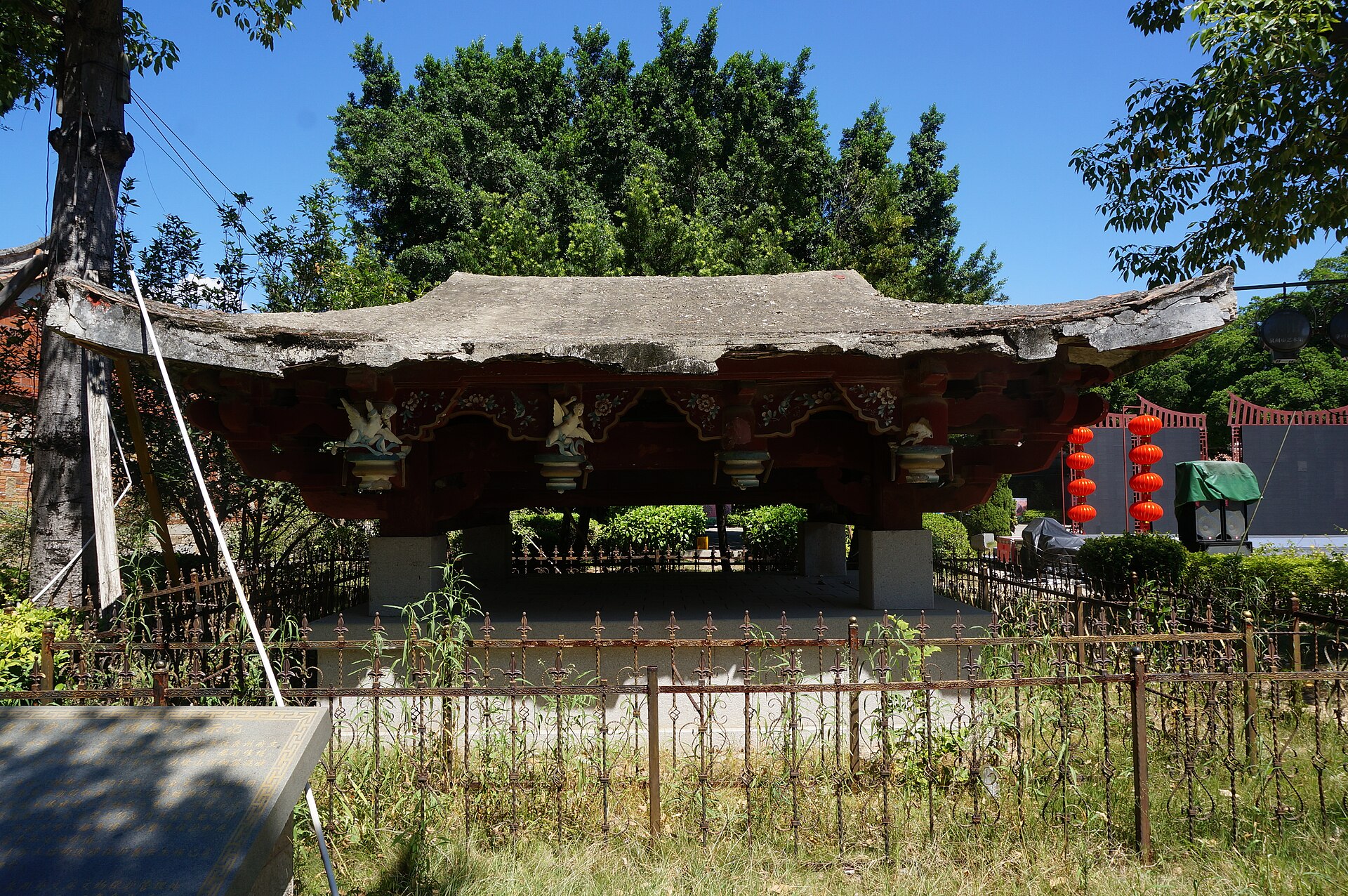
Context that deepens a short walk
Port cities normalize difference when trade depends on strangers trusting one another. Quanzhou’s religious map is a spatial archive of that trust. You do not need to endorse every theological detail to appreciate the urban achievement of adjacency.
Read a little before you go — even a short encyclopedia entry on Qingjing Mosque or Kaiyuan — then let the street correct your mental pictures. Buildings are smaller or larger than photos suggest; traffic is louder; devotion is more ordinary.
Teachers sometimes bring students here for living-history lessons. You may share space with school groups. Yield politely; their noisy curiosity is also part of the street’s present tense.
If you only have thirty minutes, do not sprint. Stand at the mosque gate, turn slowly, and name what you see in each direction. That thirty-second survey often sticks longer than a rushed interior checklist.
Before you go
Recheck opening hours for Tumen Street on the morning you visit. Renovations and festival schedules shift without much English notice.
If something on this page is outdated, email scoscar@gmail.com with the URL and what you found.
Short visit, long aftertaste
Thirty focused minutes on Tumen Street can outweigh a rushed two-hour checklist. Stand, turn, name what you see, then enter only one interior if time is tight.
Read one reliable background paragraph the night before so the stone gate is not your first introduction to the mosque’s story.
Leave without demanding perfect photos of every doorway. The adjacency itself is the souvenir.
Last updated: 2026-07-28 · Visit Quanzhou editorial team · Report an error
Related guides
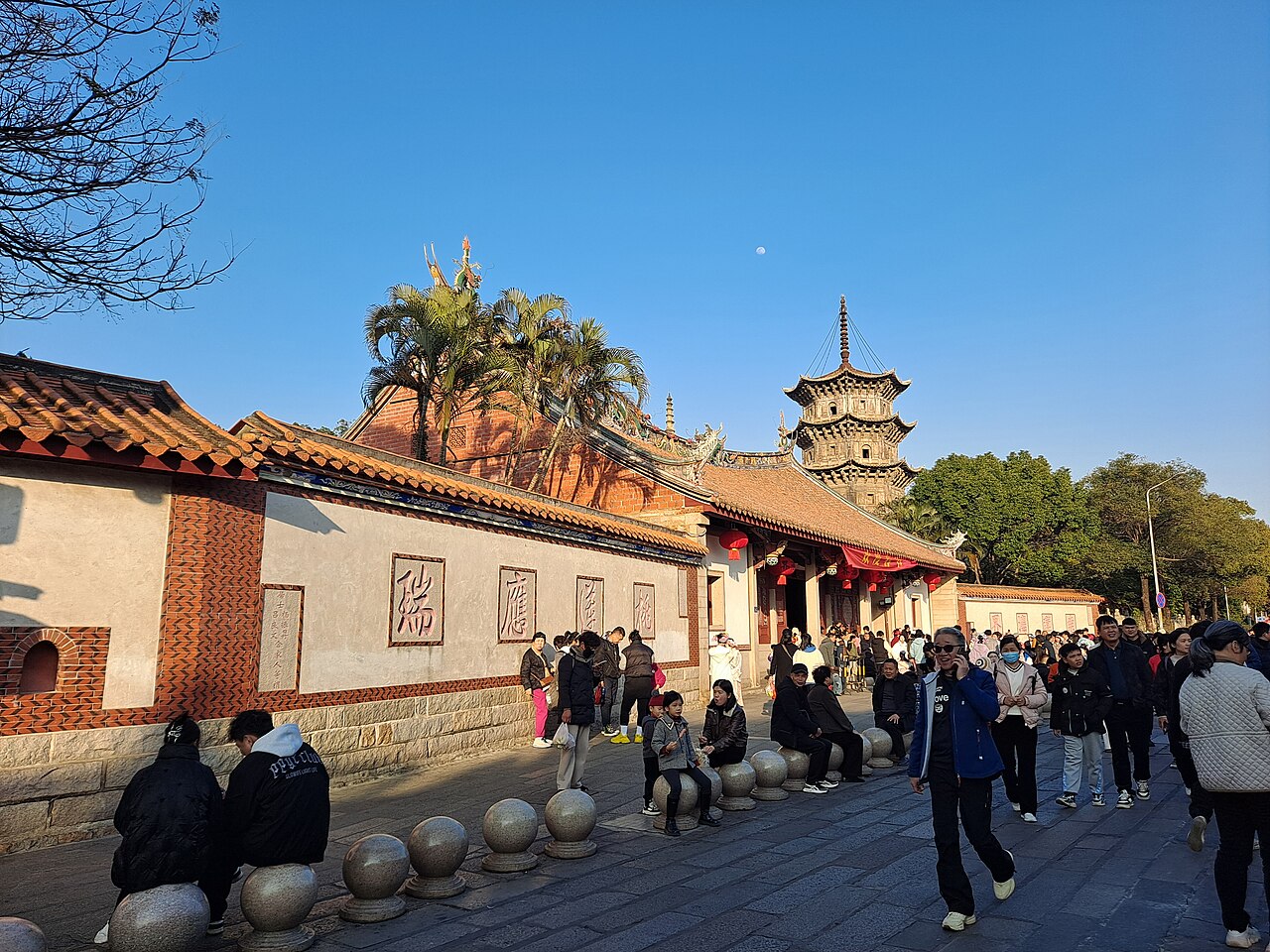
Why Visit Quanzhou
A living Maritime Silk Road city — temples, snack streets, and neighborhoods that still feel local.
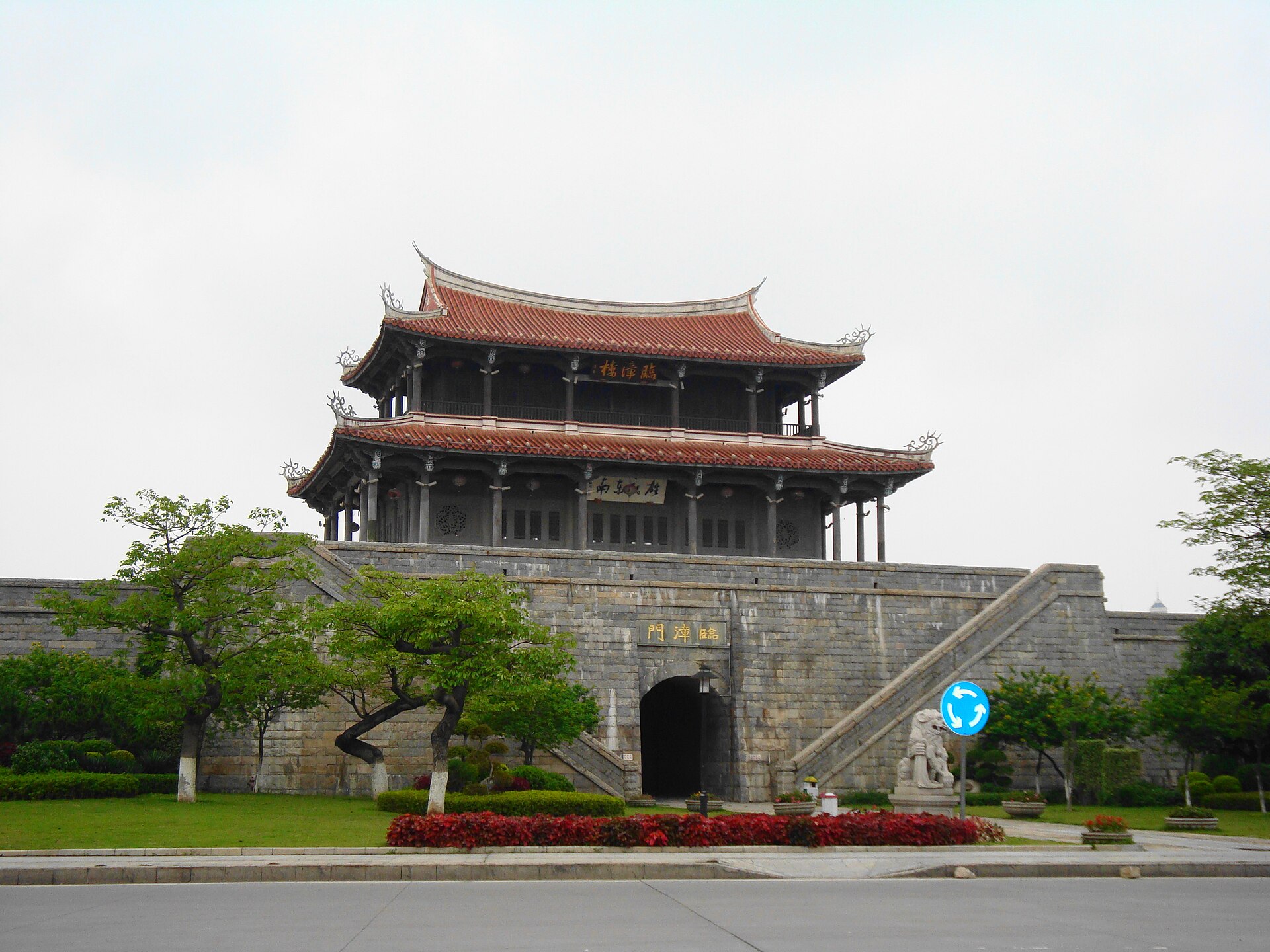
First-Timer Mistakes in Quanzhou
Rushing the UNESCO list, skipping breakfast soup, fighting midday heat — avoid the usual traps.
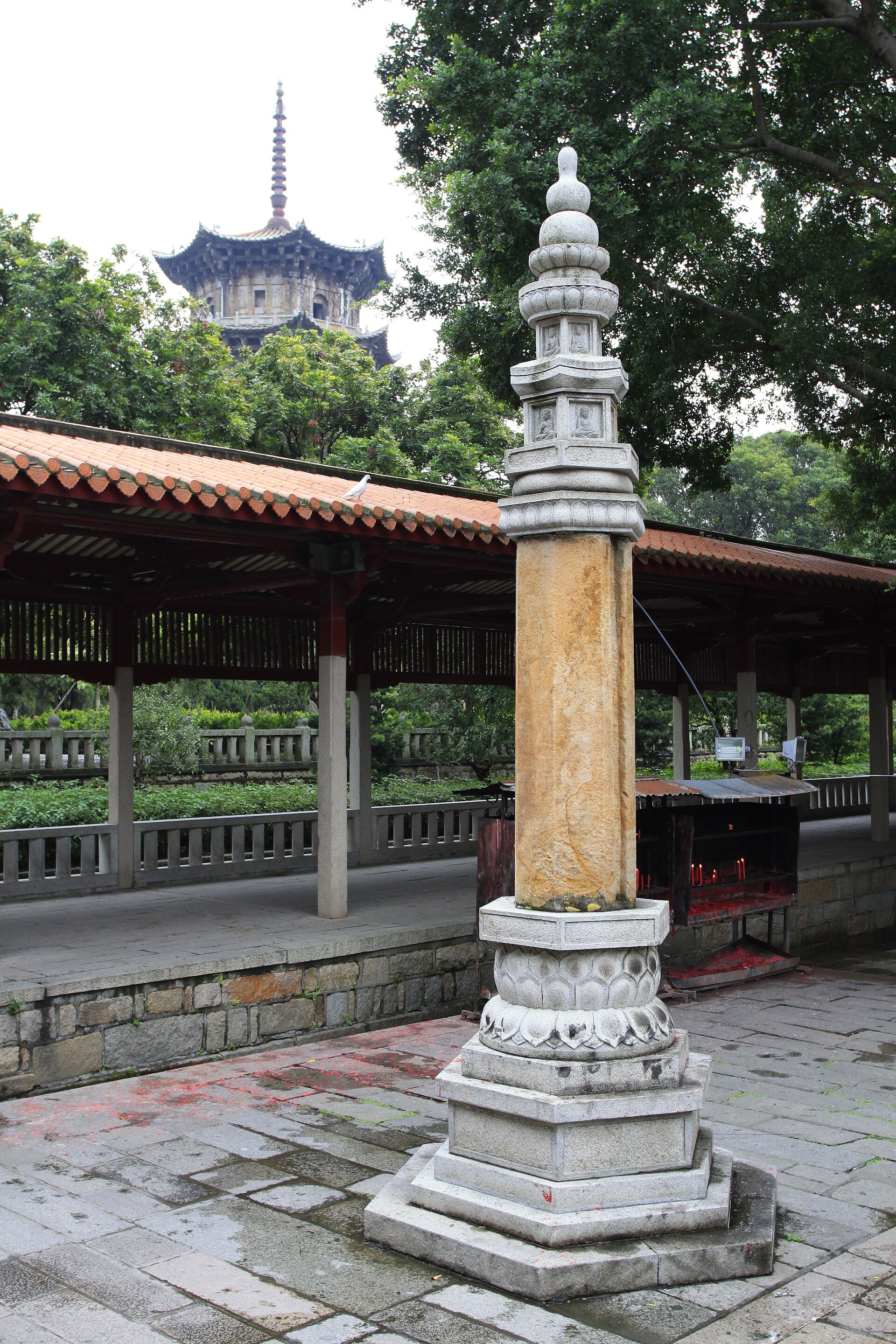
Quanzhou for Slow Travelers
How to spend unhurried days among temples and lanes without optimizing every hour.
How Long to Stay in Quanzhou
Day trip, weekend, or slow week — match stay length to temples, food, and outings.
When to Visit Quanzhou
Seasons, heat, rain, holidays — timing a Quanzhou trip for walking comfort and fewer crowds.
Quanzhou vs Xiamen for First-Timers
Base in Xiamen, day-trip Quanzhou, or split the stay — a practical comparison for Fujian first visits.