What Quanzhou’s UNESCO Listing Means for Travelers
Twenty-two components, no single theme park — how to use the World Heritage inscription without getting lost.
Updated 2026-07-28 · 571 words
Serial heritage, not one ticket
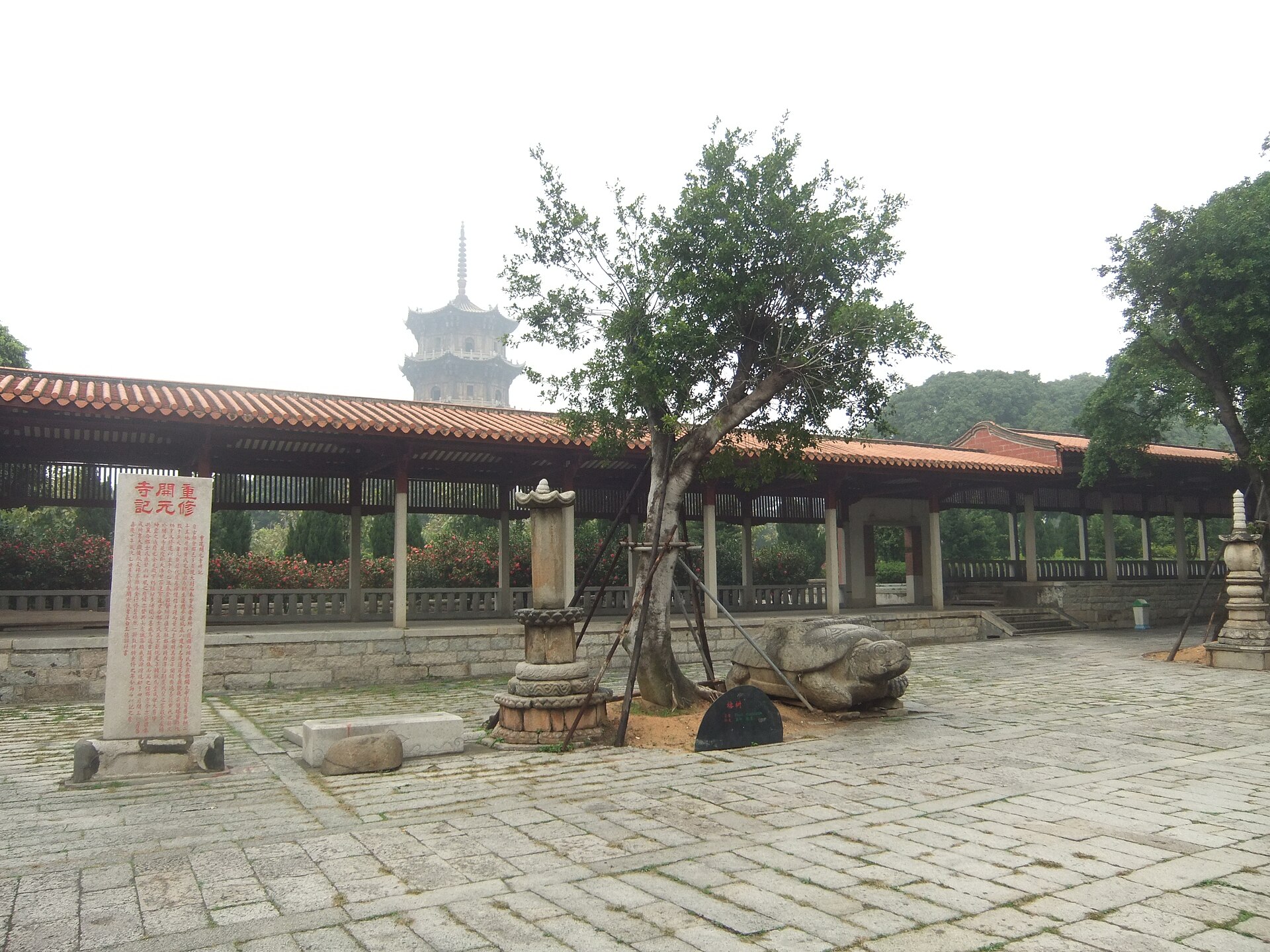
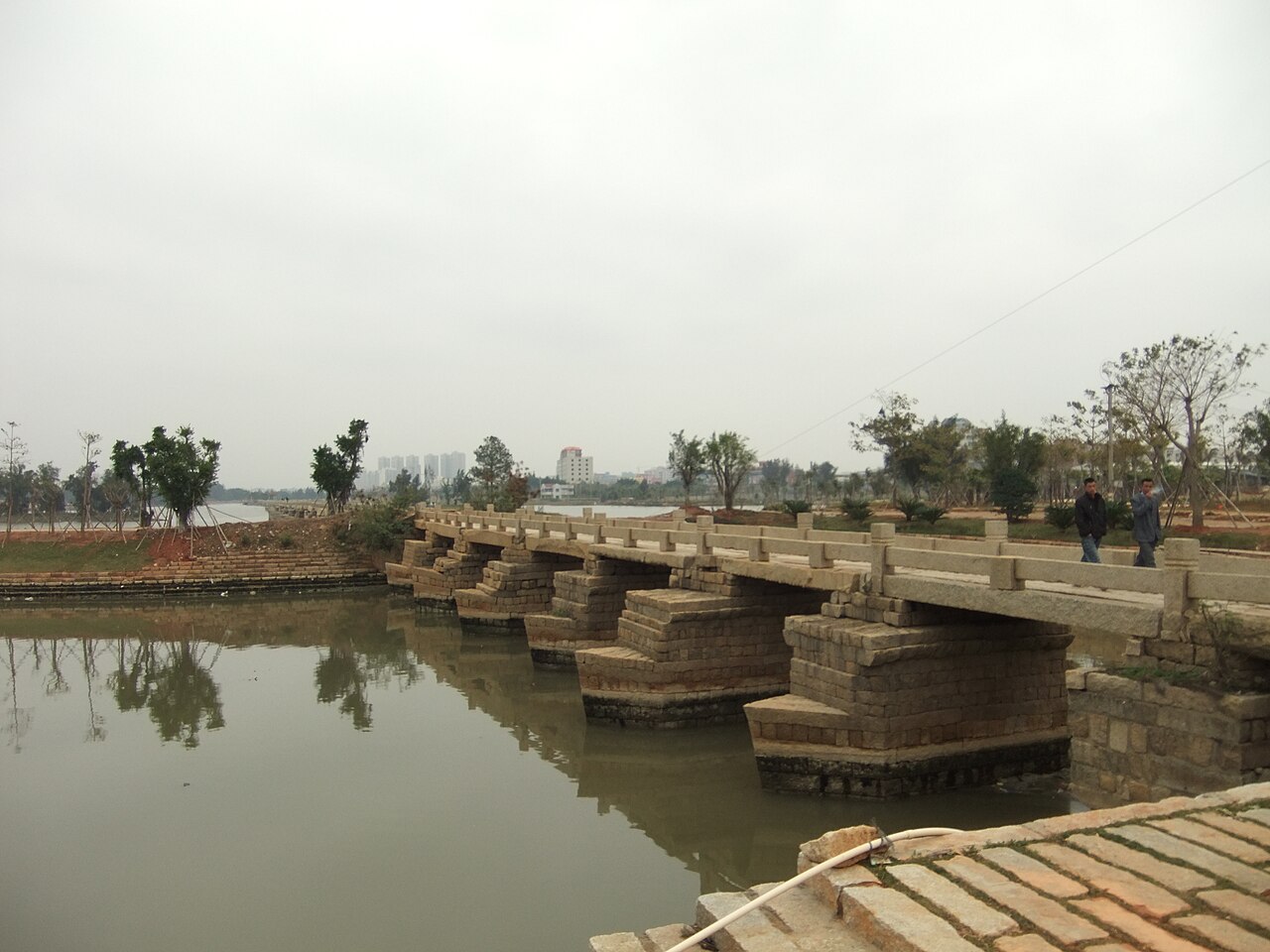
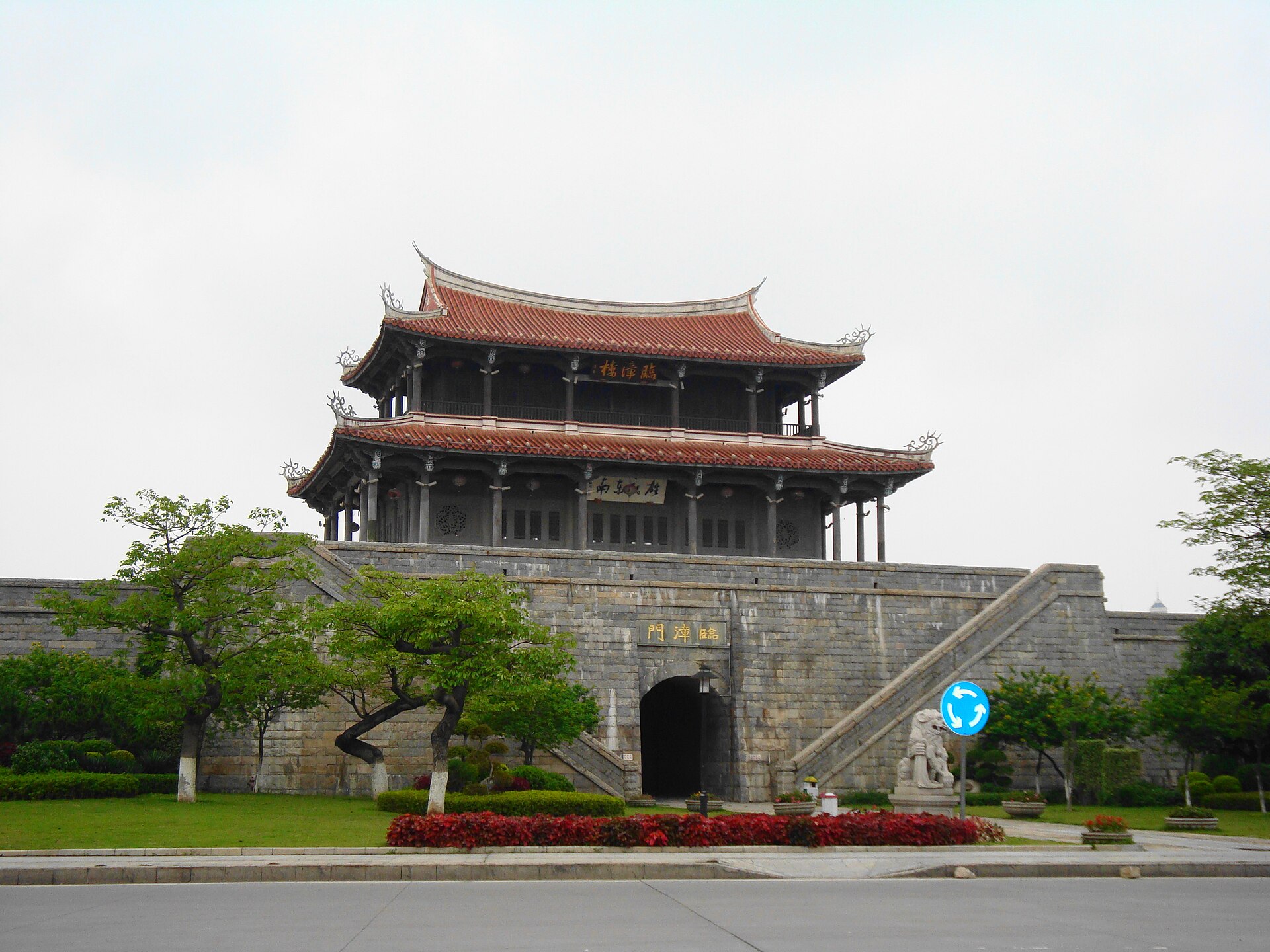
UNESCO’s 2021 inscription of Quanzhou as “Emporium of the World in Song-Yuan China” covers twenty-two components spread across the wider city region. That structure confuses travelers who expect a single loop path like some fortress cities. Here, components include temples, docks, bridges, administrative sites, and production heritage.
Your job is curation. The inscription is a research map, not a mandatory scavenger hunt.
Build themes, then geography
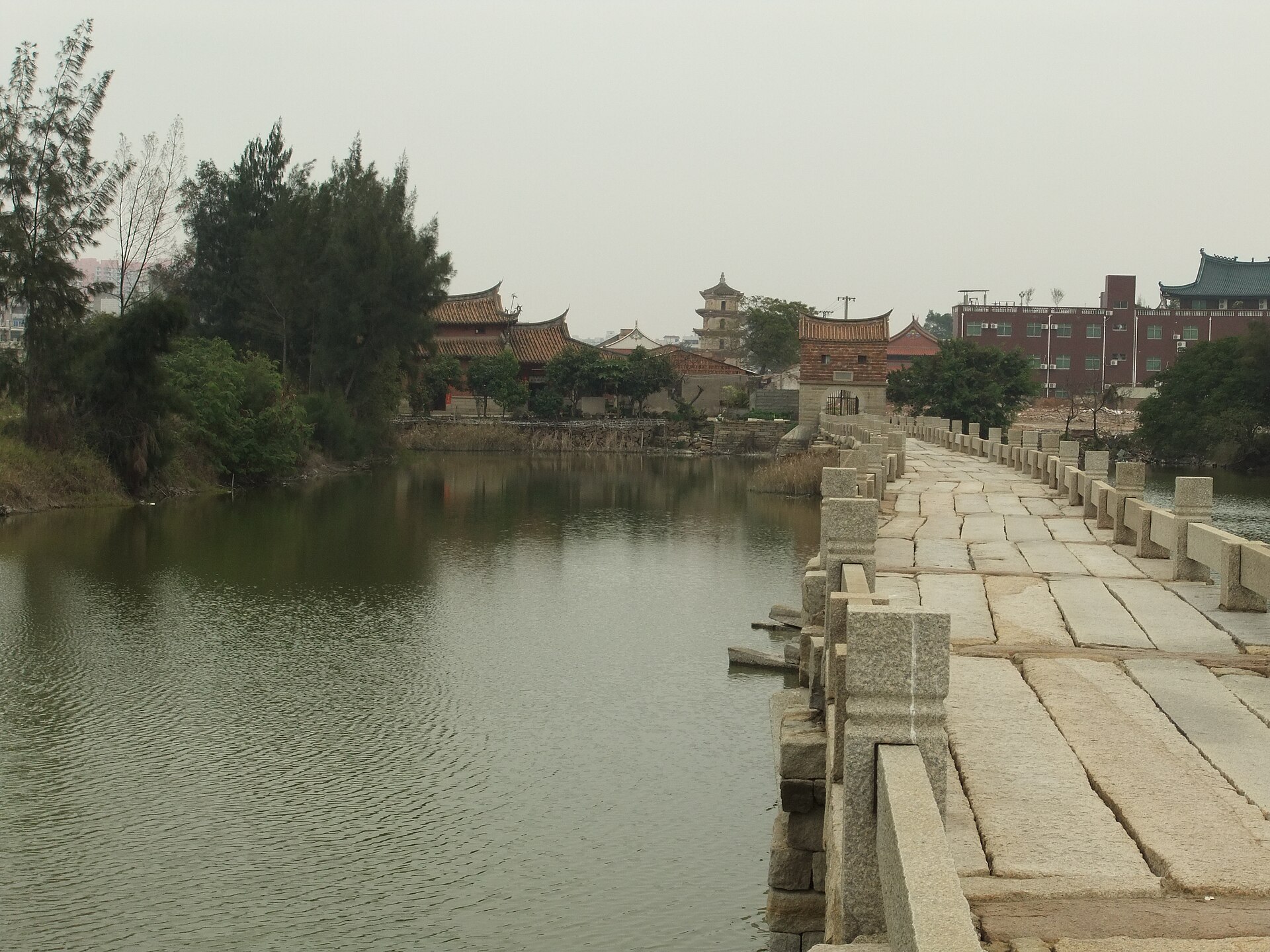
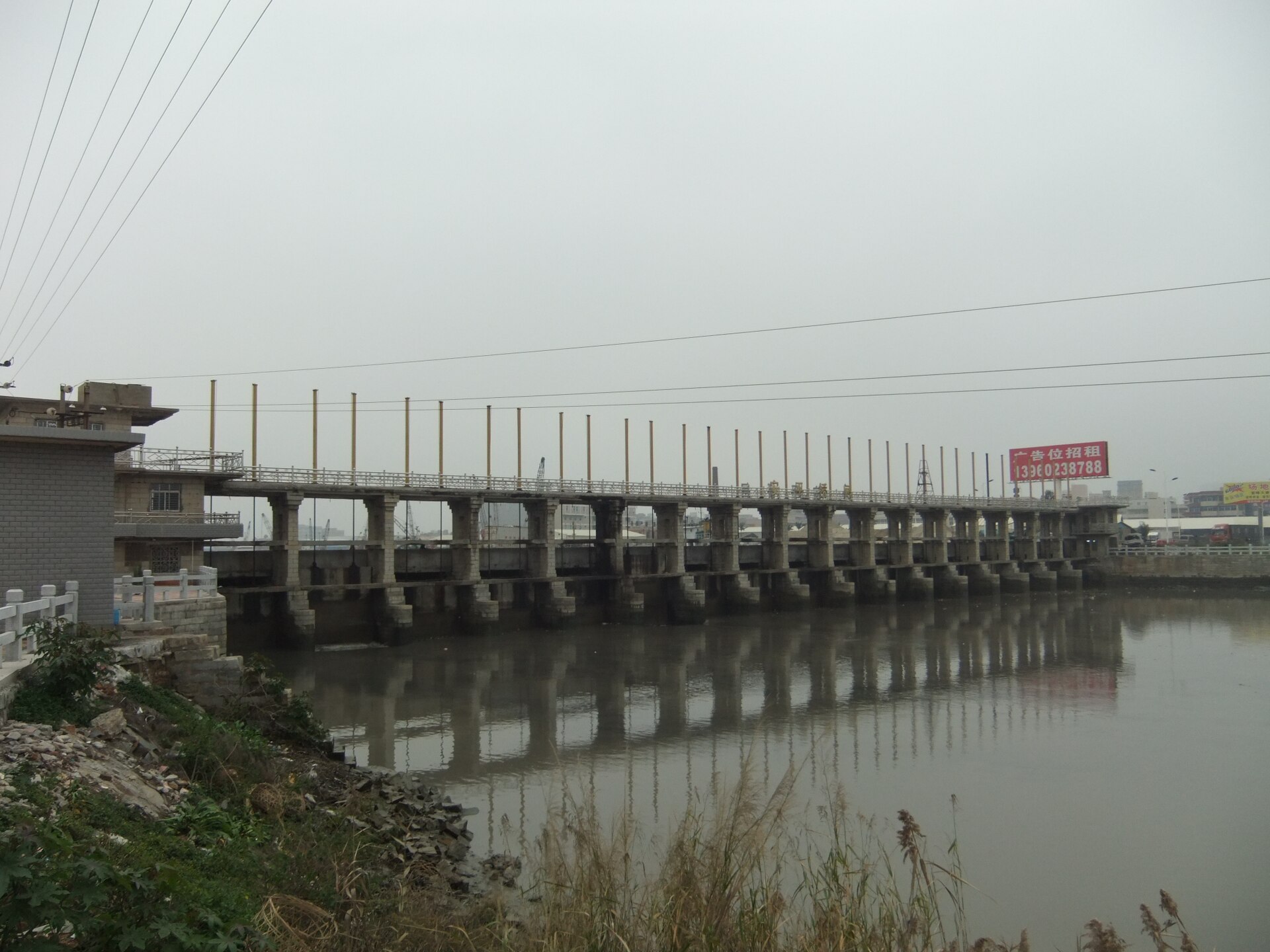
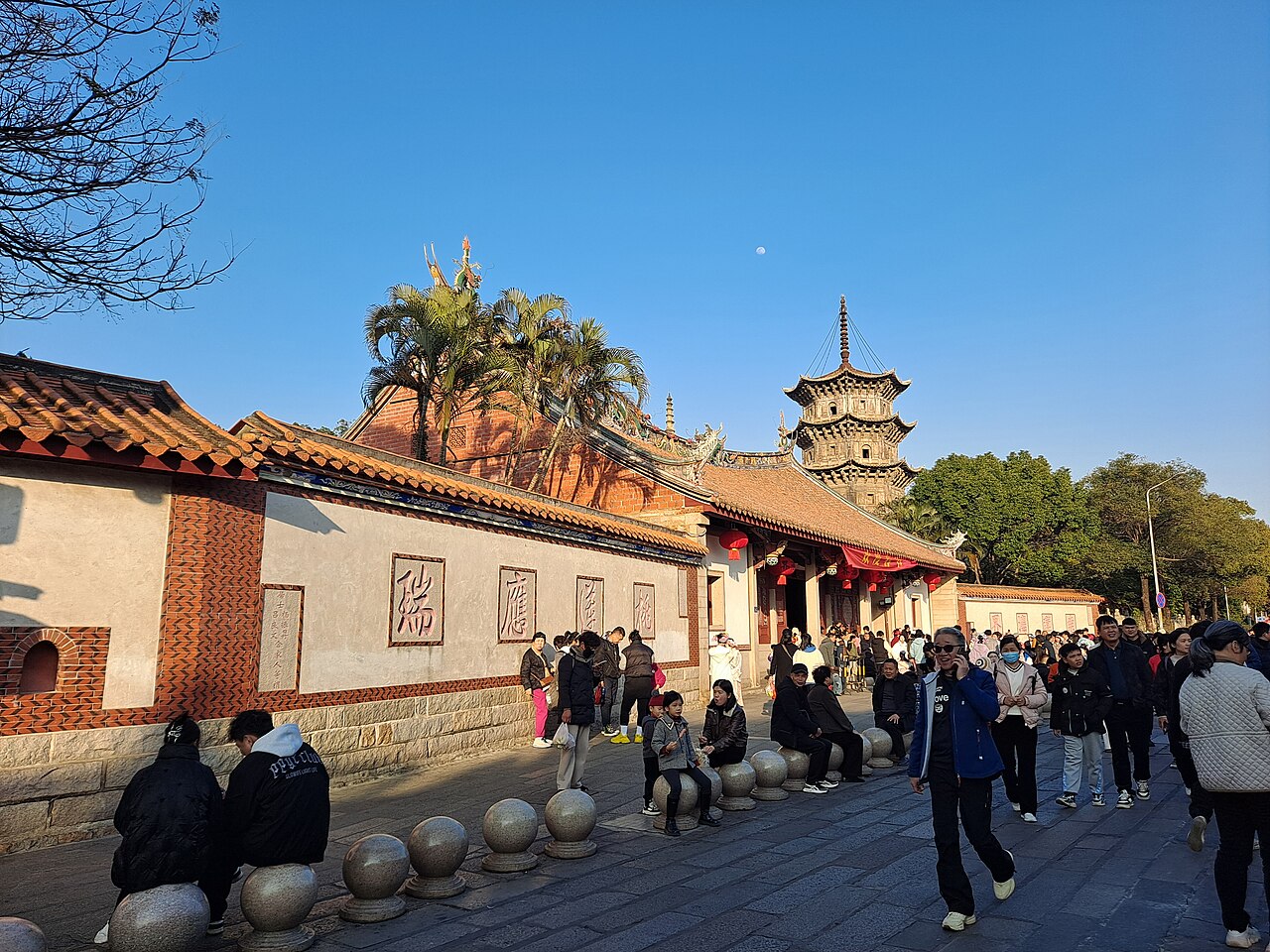
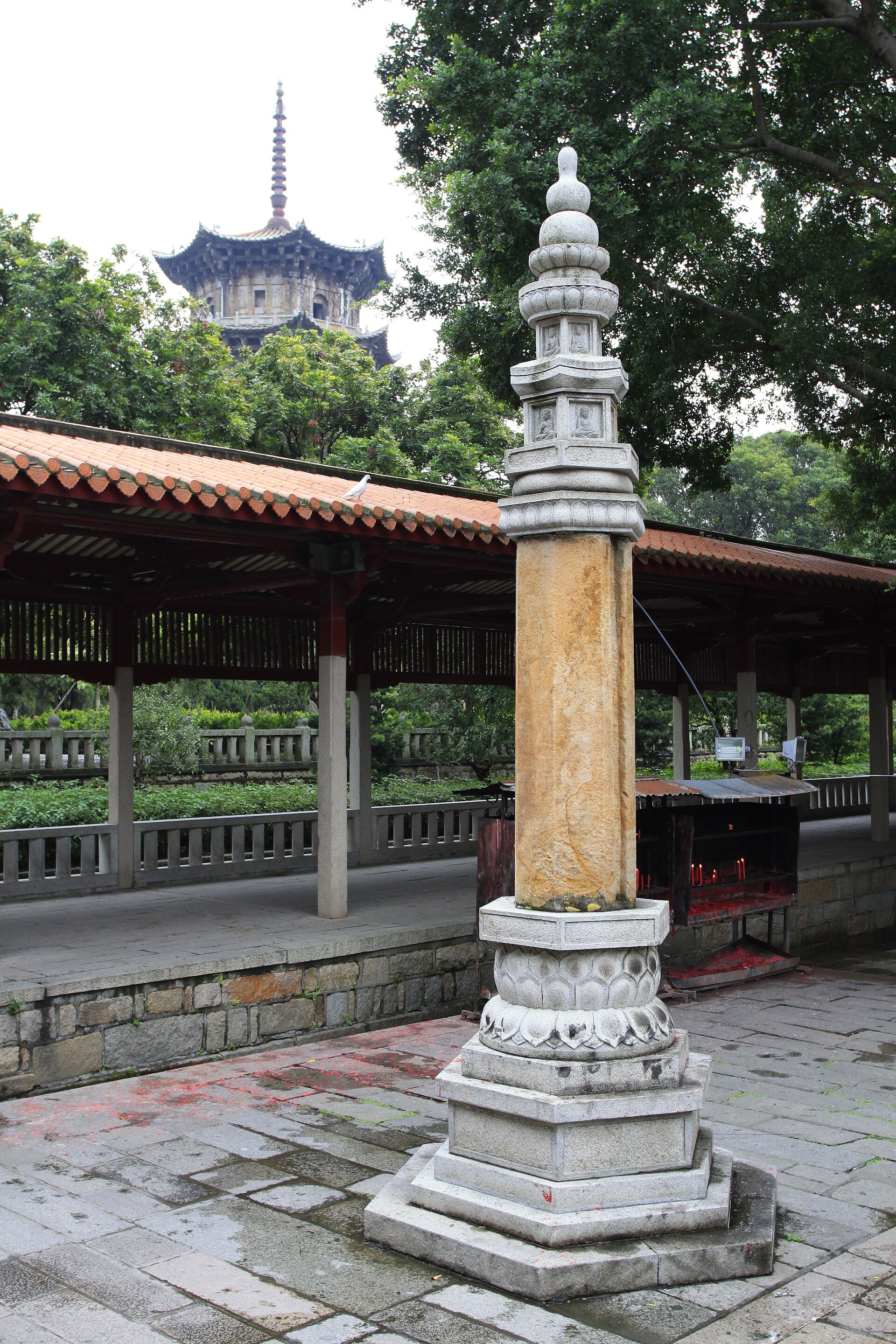
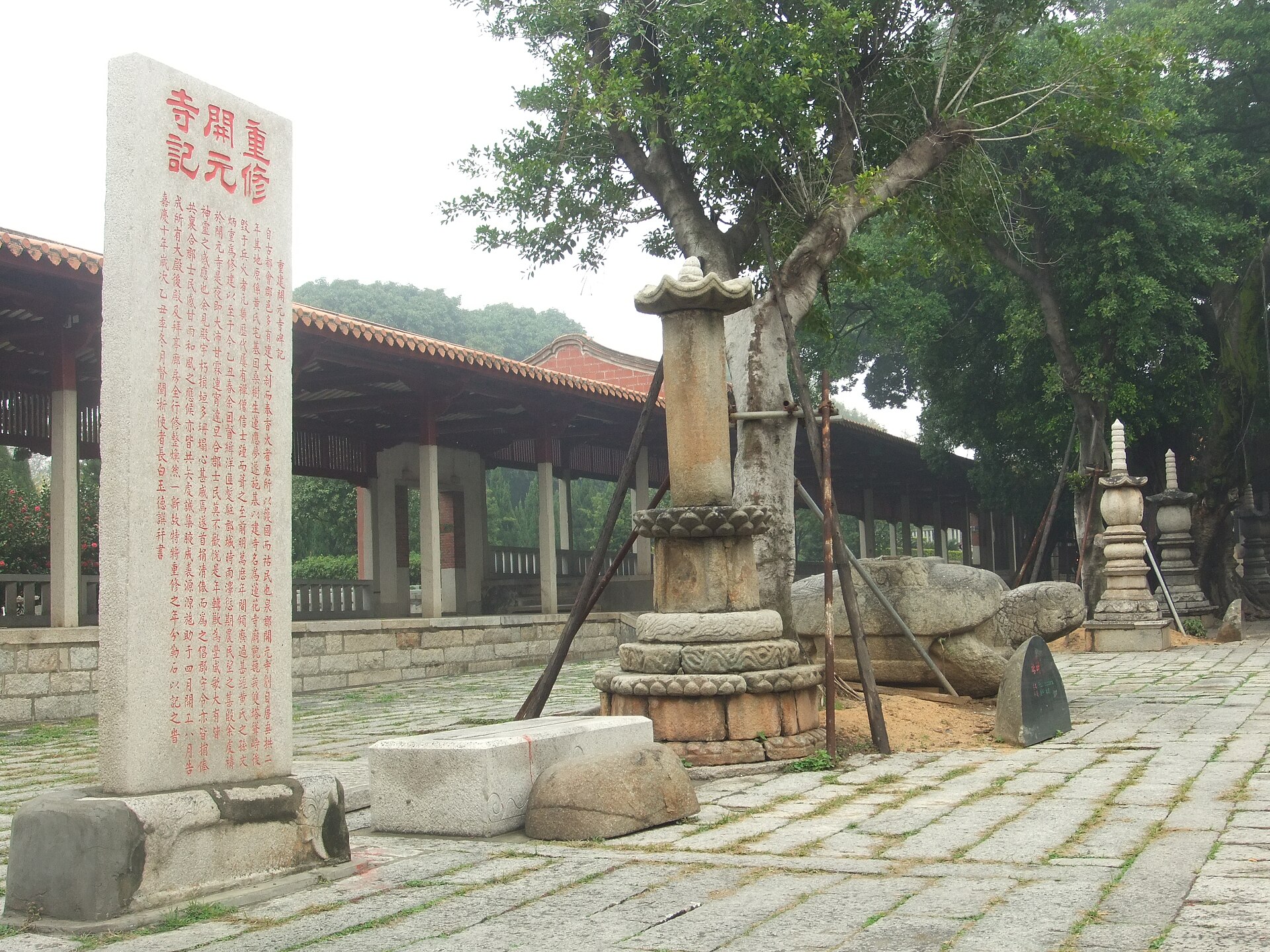
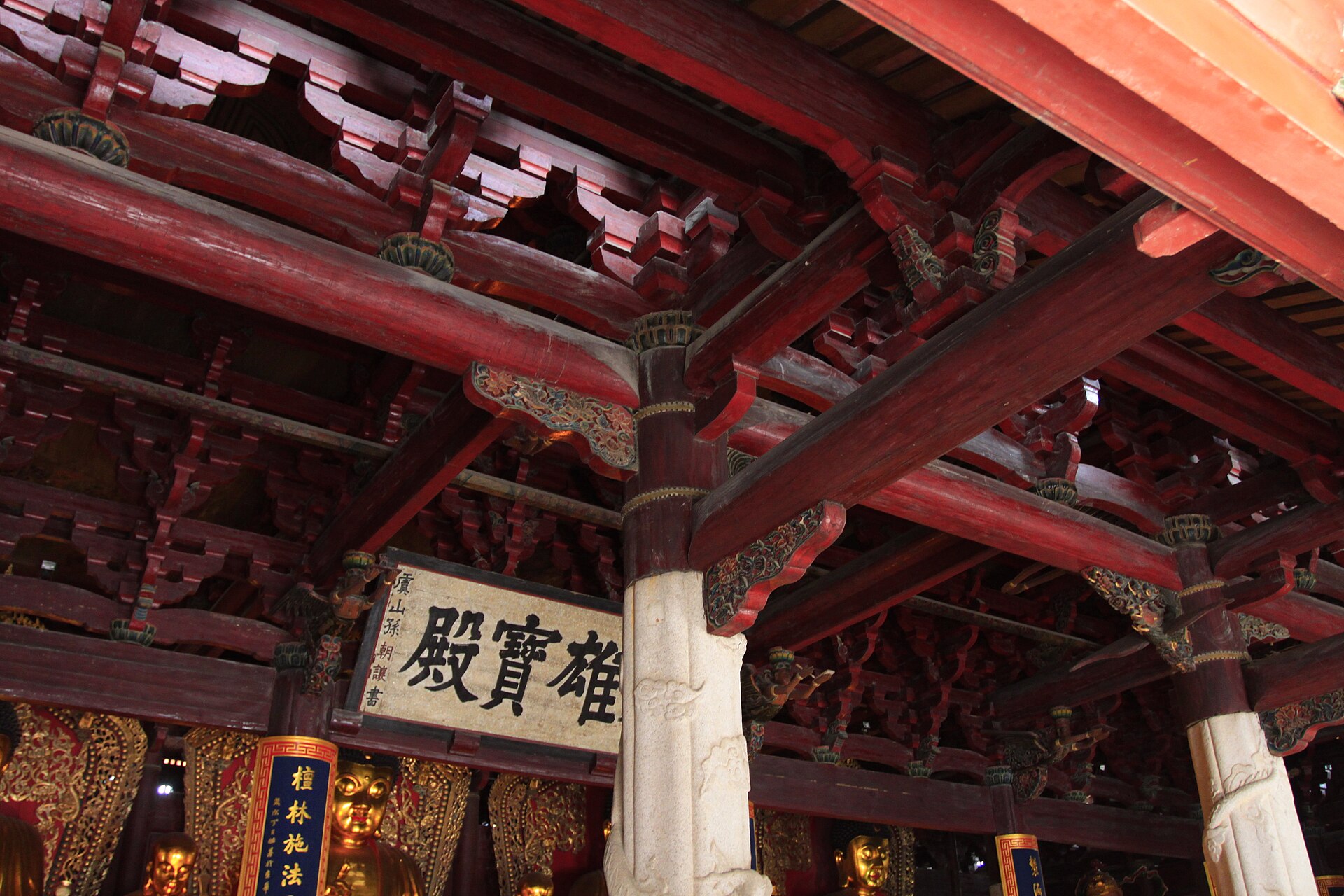
Theme examples: Buddhist monumental (Kaiyuan), Islamic heritage (Qingjing and related sites), bridges and engineering (Luoyang, Anping), maritime narrative (museum + docks/pagodas). Geography examples: old-city walkable day, northern bridge outing, coastal village half-day.
Cross-theme days work if sites are close. Cross-district marathons usually waste the afternoon in traffic.
- Priority A: old-city components you can walk
- Priority B: one signature outing (bridge or mountain)
- Priority C: museum depth if rain or heat
Interpretation on site
Some sites offer bilingual panels; others are Chinese-first. Free or scheduled explanations appear in Chinese tourism notices around anniversary campaigns — availability changes, so treat them as bonuses. A good offline translation workflow beats waiting for perfect English signage.
Remember that inscription protects Outstanding Universal Value; it does not freeze shops out of existence. Living use is part of Quanzhou’s character.
A sane three-site starter set
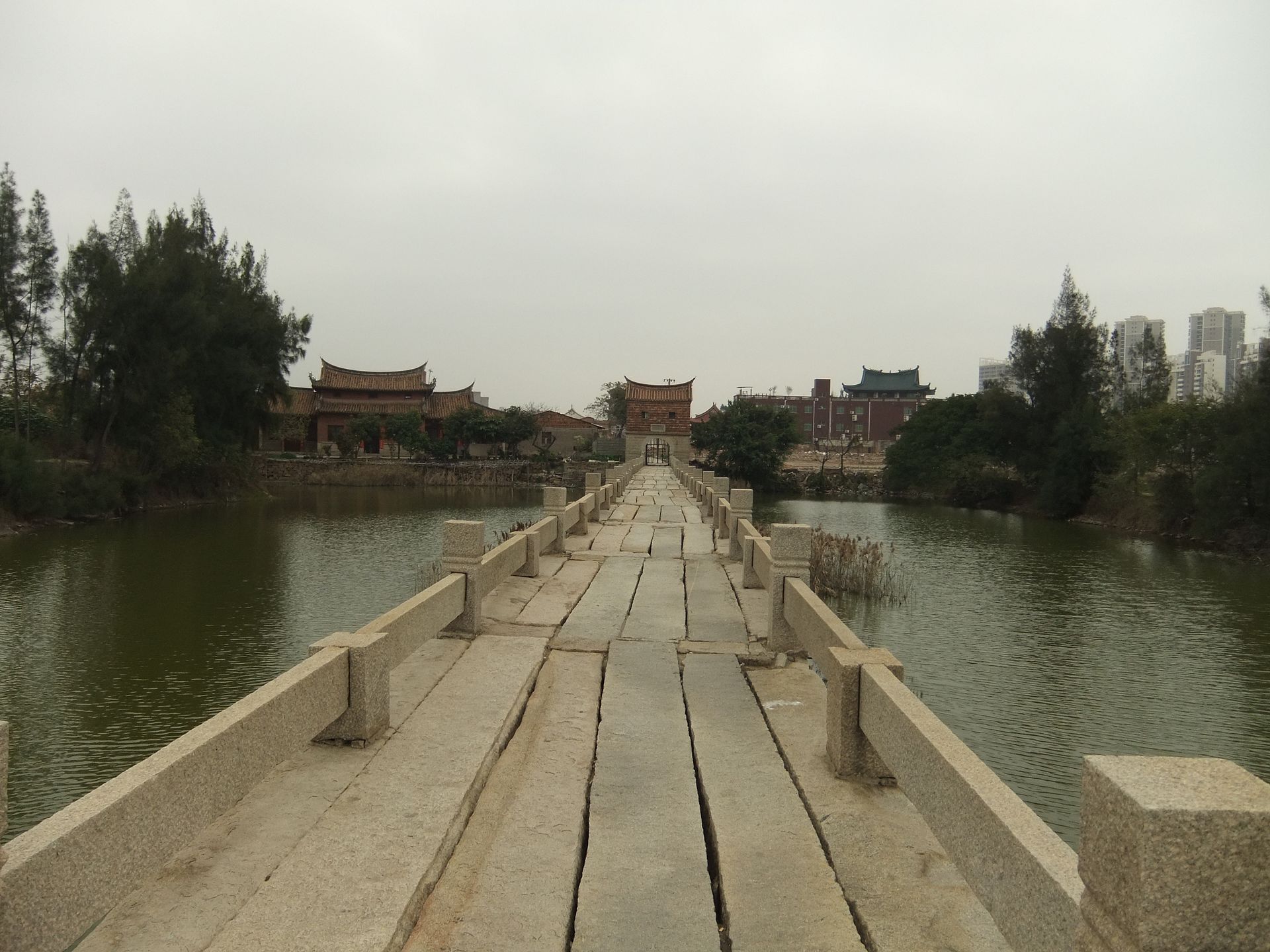
Kaiyuan Temple, Qingjing Mosque area, and either Luoyang Bridge or the Maritime Museum give you religion, urban pluralism, and maritime context without exhausting you. Add more only if your stay exceeds two full days.
For deeper component lists, use the UNESCO page as reference, then match each name to current access conditions before you go.
Using official texts without drowning in them
UNESCO descriptions are written for heritage governance, not weekend itineraries. Skim for themes — trade, religion, technology, administration — then translate themes into places you can reach on foot or by short taxi.
When a component is closed for conservation, do not force a substitute an hour away. Choose a nearby museum or a second temple. Conservation is the reason these sites still exist.
Travelers sometimes argue online about which component is “most important.” That debate is less useful than asking which component is closest to your lodging at the right time of day. Geography beats prestige.
If you enjoy deep heritage travel, consider hiring a licensed local guide for one morning. A good guide compresses serial-site complexity into a story you can feel in your feet.
Before you go
Recheck opening hours for What Quanzhou’s UNESCO Listing Means for Travelers on the morning you visit. Renovations and festival schedules shift without much English notice.
If something on this page is outdated, email scoscar@gmail.com with the URL and what you found.
Editing the serial list
Write your own Priority A/B/C before opening the full component list. Geography first, prestige second. Closed for conservation means choose nearby, not farther.
One licensed local guide morning can compress confusion faster than three solo taxi experiments.
Success is a coherent story you can tell at dinner, not a completed spreadsheet of site names.
Extra walking note
What Quanzhou’s UNESCO Listing Means for Travelers is easier when you protect your feet and your schedule. Drink water, step into shade before you feel dizzy, and skip the urge to add one more district after you are already tired. Quanzhou keeps teaching if you leave tomorrow’s outing for tomorrow.
If a detail on this page no longer matches the street, email scoscar@gmail.com and mention this URL.
Last updated: 2026-07-28 · Visit Quanzhou editorial team · Report an error
Related guides
Why Visit Quanzhou
A living Maritime Silk Road city — temples, snack streets, and neighborhoods that still feel local.
First-Timer Mistakes in Quanzhou
Rushing the UNESCO list, skipping breakfast soup, fighting midday heat — avoid the usual traps.
Quanzhou for Slow Travelers
How to spend unhurried days among temples and lanes without optimizing every hour.
How Long to Stay in Quanzhou
Day trip, weekend, or slow week — match stay length to temples, food, and outings.
When to Visit Quanzhou
Seasons, heat, rain, holidays — timing a Quanzhou trip for walking comfort and fewer crowds.
Quanzhou vs Xiamen for First-Timers
Base in Xiamen, day-trip Quanzhou, or split the stay — a practical comparison for Fujian first visits.