Zayton and the Maritime Silk Road
How medieval Zayton became Quanzhou’s global nickname — and what travelers can still see of that port world.
Updated 2026-07-28 · 843 words
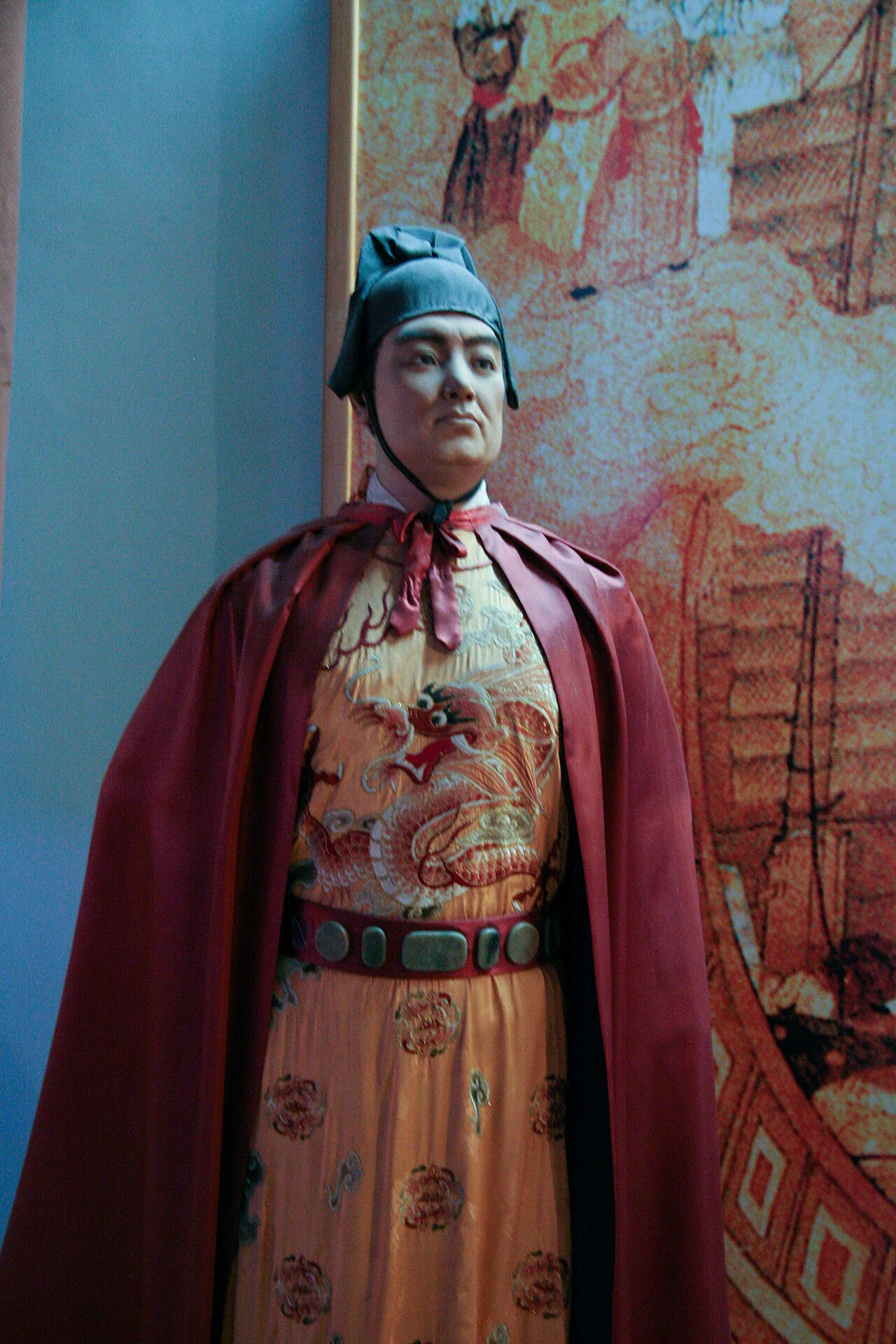
Why foreign maps once said “Zayton”
Medieval Arabic and European sources knew today’s Quanzhou as Zayton (刺桐城), a name tied to the coral trees planted around the city and to a harbor that linked Fujian with ports across the Indian Ocean world. In the Song and Yuan centuries, Quanzhou ranked among China’s foremost maritime trade centers. Porcelain, tea, silk, and spices moved through warehouses and docks that no longer look like a living entrepôt — yet the city’s religious map and stone monuments still record that traffic.
Marco Polo’s praise of the port as one of the world’s great harbors is often quoted in Chinese introductions. Treat the quote as atmosphere, not a checklist. What matters for a modern visitor is simpler: Quanzhou’s heritage is maritime not because every site sits on a beach, but because faiths, goods, and people arrived by sea and left traces inland.
Reading the Silk Road in stone and street plans
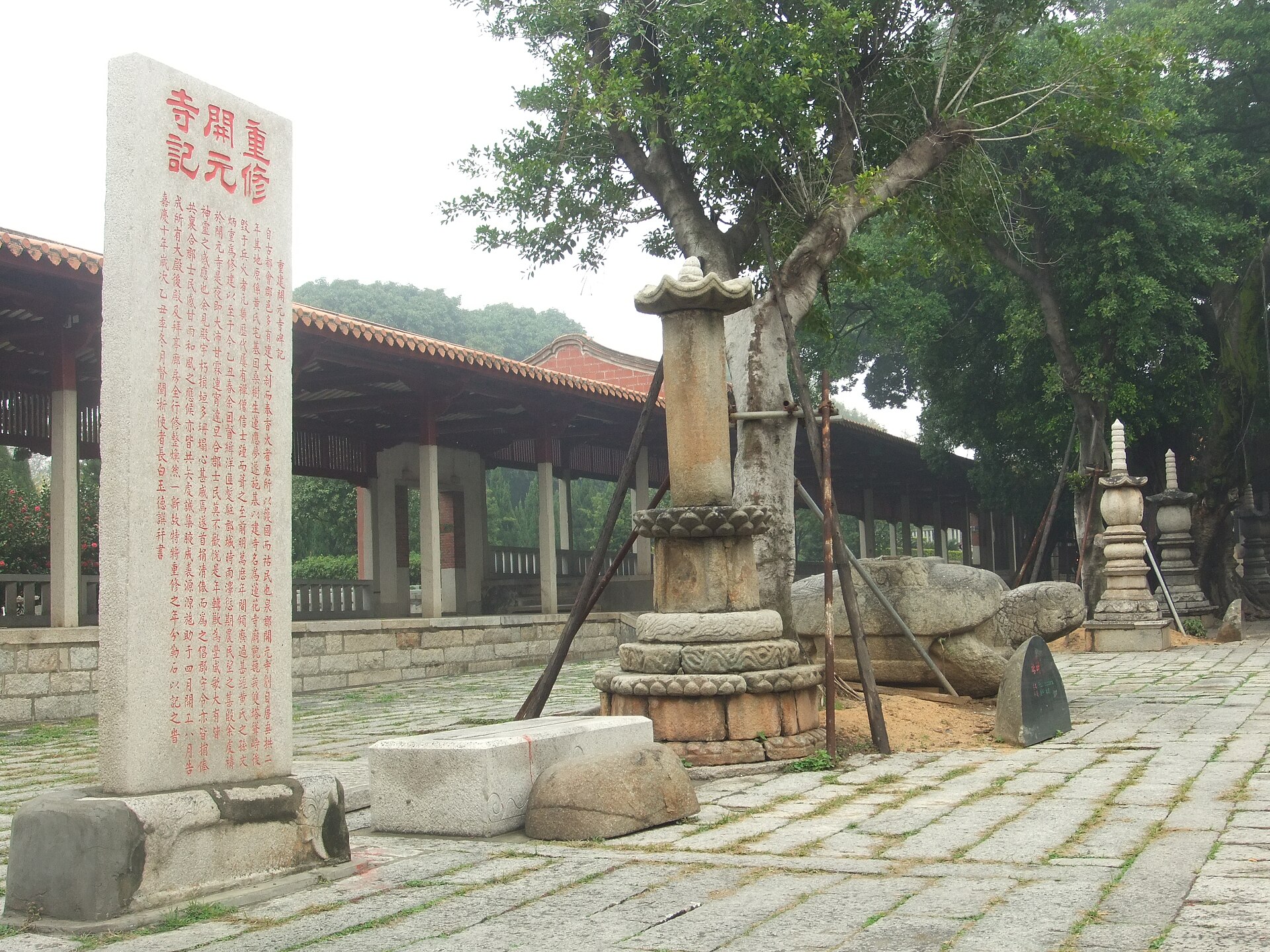
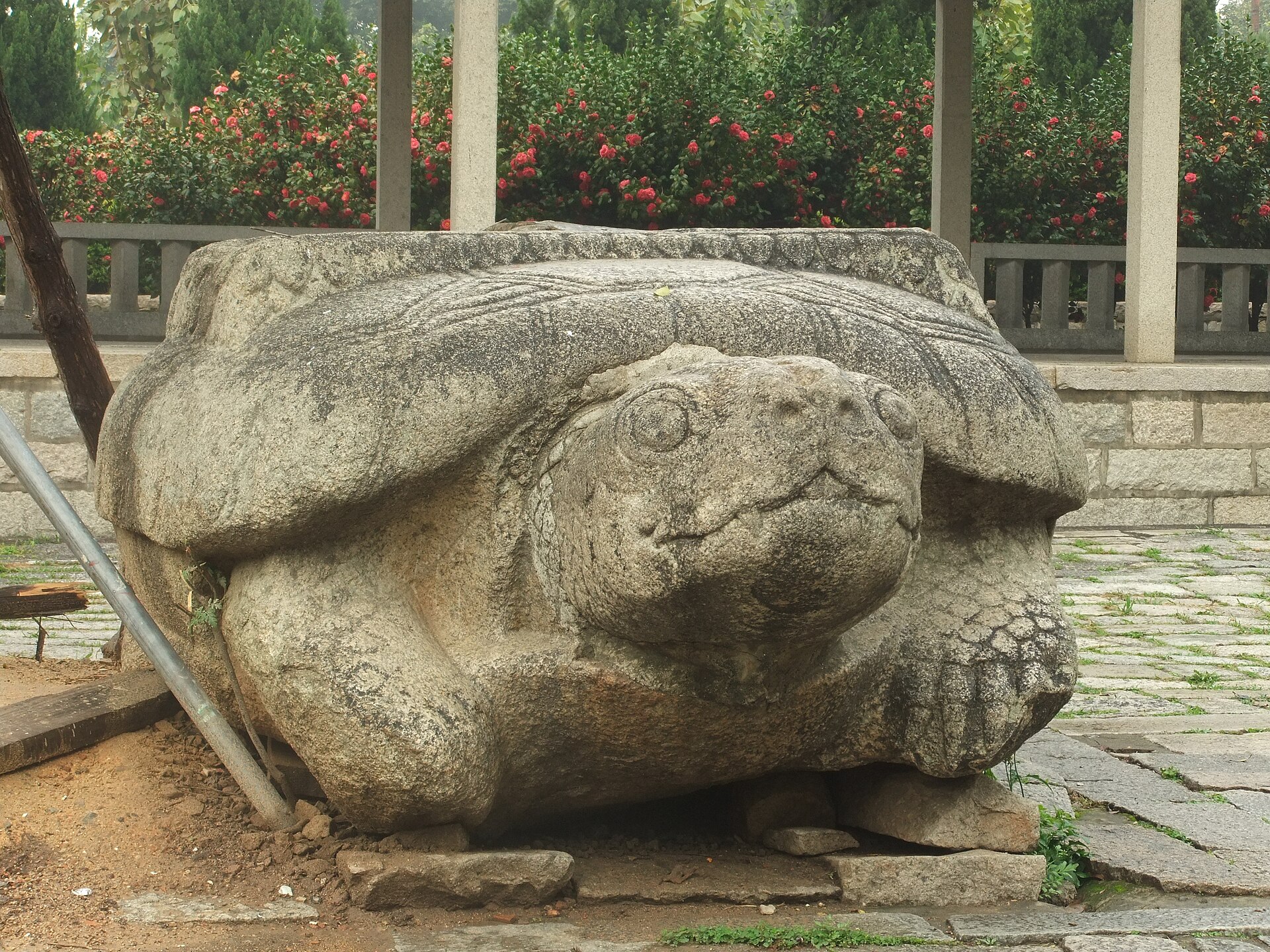
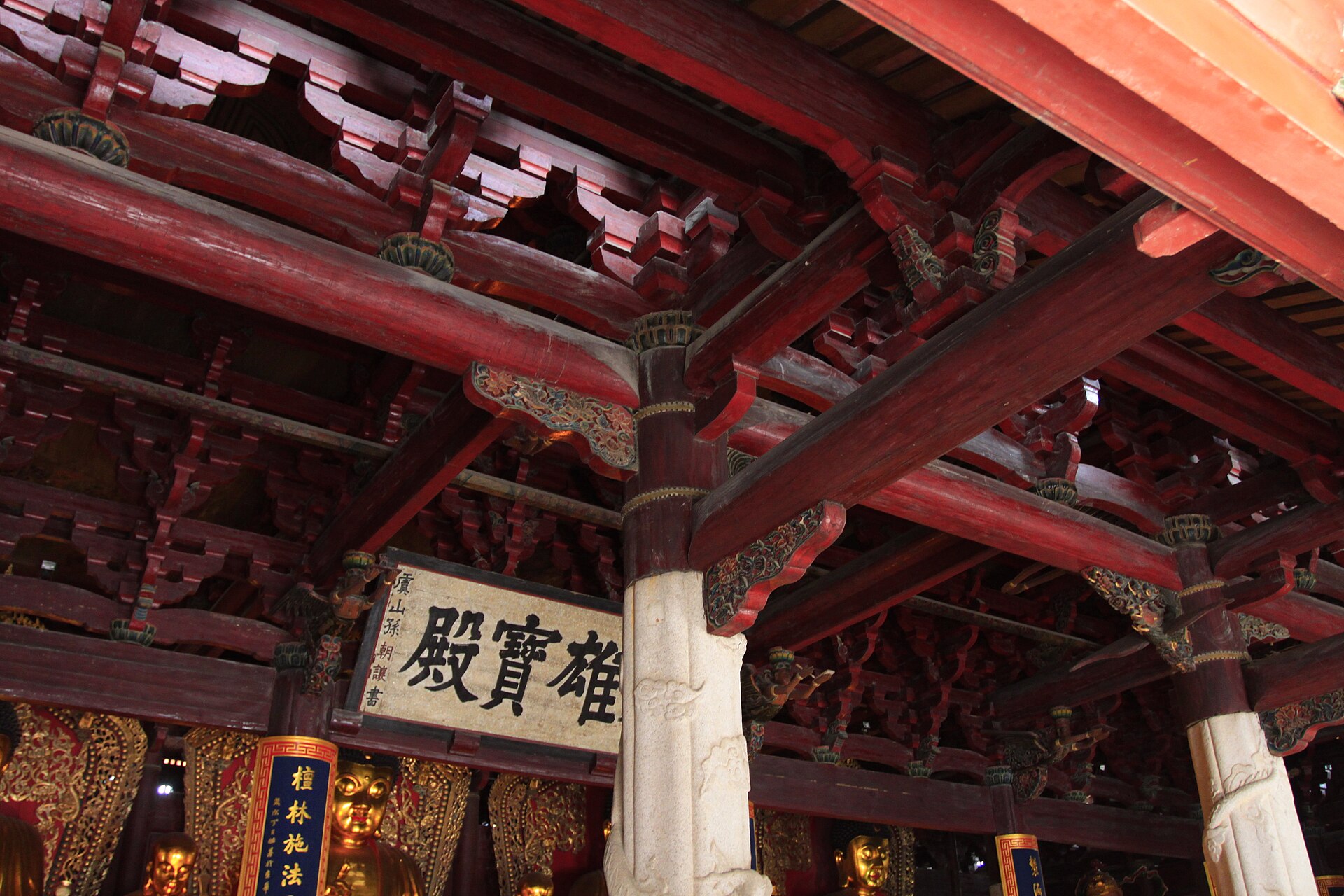
Start with Kaiyuan Temple if you want a single courtyard that shows cultural mixing — Buddhist halls with decorative elements that scholars link to wider Indian Ocean artistic exchange. Then walk toward Tumen Street for Qingjing Mosque (清净寺), among China’s earliest surviving Islamic stone mosques, standing near temples dedicated to Guan Yu and Confucius. That adjacency is not a tourist invention; it is the urban residue of a port that hosted many communities.
For a more literal “port” feeling, the Quanzhou Maritime Museum and sites such as historic docks and coastal pagodas used as navigation marks help. Luoyang Bridge and Anping Bridge show how Song-era engineers tied inland towns to tidal water. You will not recreate a medieval harbor day, but you can follow a chain: temple → mosque → museum → bridge → fishing village.
UNESCO’s “Emporium of the World” listing
In 2021, UNESCO inscribed “Quanzhou: Emporium of the World in Song-Yuan China,” a serial property of twenty-two components. The listing is not a single ticketed park. Components are scattered across districts — temples, docks, bridges, kilns, and administrative sites. For travelers, that means planning by theme and geography, not by a single gate.
A practical approach: choose one old-city cluster (Kaiyuan + West Street + Tumen temples), one museum morning, and one outlying bridge or mountain site. That rhythm matches how the heritage actually sits on the map.
- Old-city cluster: Kaiyuan Temple, West Street, Qingjing Mosque area
- Story cluster: Maritime Museum + selected dock/pagoda sites
- Outskirts: Luoyang Bridge, Anping Bridge, or Qingyuan Mountain
How to talk about Zayton without romanticizing
Chinese heritage media sometimes lean into glowing phrases — “light of the city,” “ten thousand merchants.” Those lines are useful as cultural memory, less useful as itinerary advice. On the street today you will meet scooter traffic, renovation scaffolding, and snack queues. The Silk Road story works best when you let it sit beside ordinary Minnan life rather than expecting a costume drama.
If a plaque is only in Chinese, a translation app and a few patient minutes usually unlock dynasty names and function. Local worshippers are not exhibits; dress modestly in active temples and keep voices low near prayer areas.
Following trade memory without fake costumes
Some visitors arrive hoping for reenactors and waterfront warehouses frozen in Yuan time. Quanzhou’s Silk Road is mostly quieter: stone gates, museum models, bridge engineering, and religious buildings that outlived the ships. That can feel abstract until you stand between a mosque gate and a temple roof and realize the street still holds multiple histories without needing a show.
Chinese documentary and news features often highlight “市井十洲人” — a marketplace of people from many shores. Use that image as context while you walk, then look for concrete traces: Arabic inscriptions, maritime museum galleries, coastal pagodas once used as marks for sailors, and foodways that assume seafood is normal, not special-occasion only.
If you read primary-history claims online, keep a traveler’s skepticism. Dynastic glory language sells tickets; your job is to notice materials, distances, and living use. A dock site may look underwhelming next to a temple — and still matter to the UNESCO narrative. Pair the spectacular with the subtle.
End a Silk Road day with something ordinary: a bowl of noodle soup near West Street. The contrast between museum timeline and steam rising from a plastic bowl is the most honest souvenir Quanzhou offers.
Keep it practical
Screenshot the Chinese name of Zayton and the Maritime Silk Road and your hotel before you lose signal in older lanes. Confirm transport for the return while you still have battery.
Feedback: scoscar@gmail.com.
Making the Silk Road tangible
Pair one monumental courtyard with one museum gallery and one bridge or dock site. That triangle — faith, interpretation, engineering — is more convincing than chasing every serial component.
When plaques lean poetic, ask a simpler question: what moved through here, and who stayed? Answers show up in stone gates, ship models, and seafood still treated as weekday food.
Finish the theme with an ordinary bowl near West Street so the history sits beside living Minnan habit, not only behind glass.
Last updated: 2026-07-28 · Visit Quanzhou editorial team · Report an error
Related guides
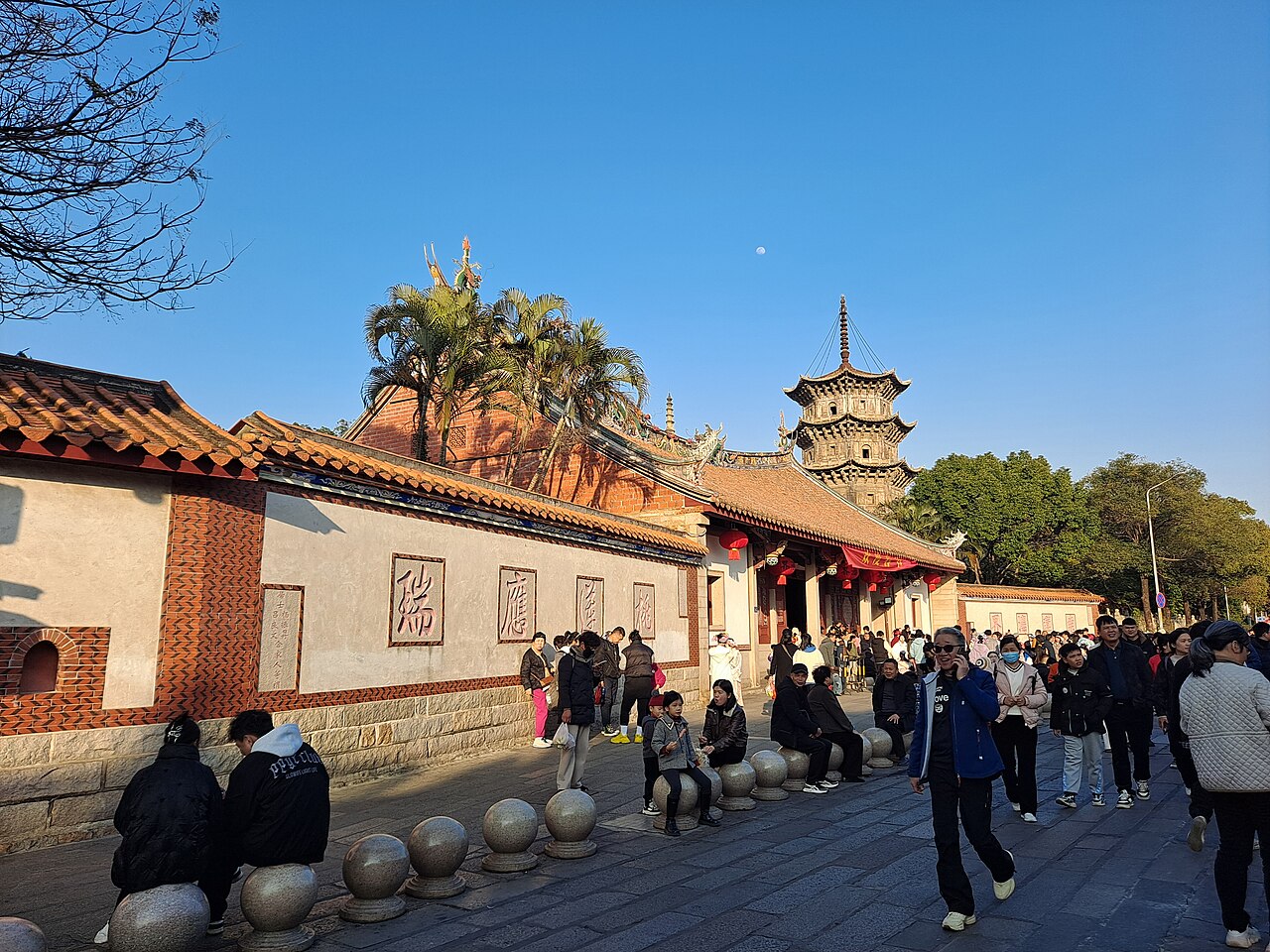
Why Visit Quanzhou
A living Maritime Silk Road city — temples, snack streets, and neighborhoods that still feel local.
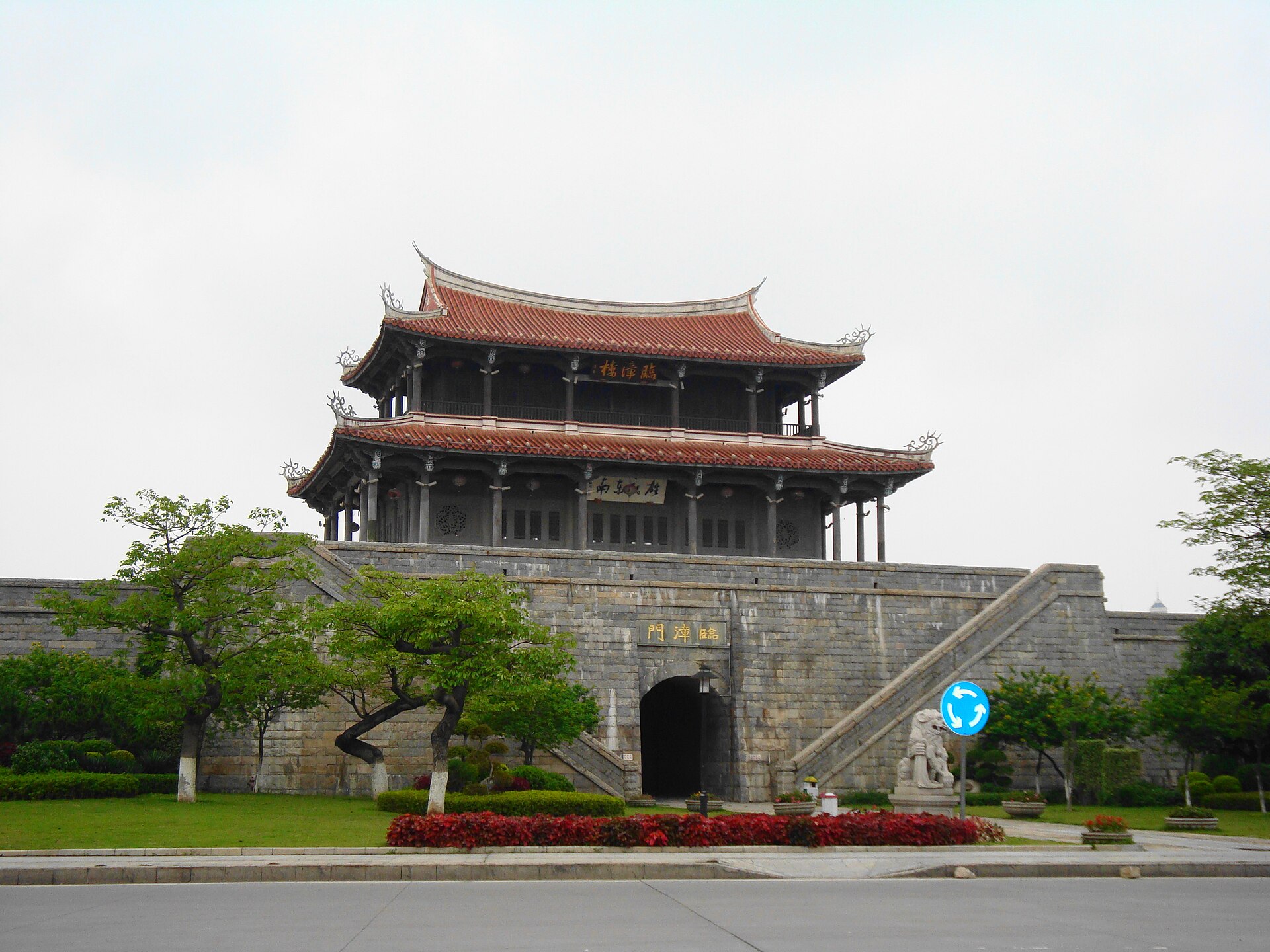
First-Timer Mistakes in Quanzhou
Rushing the UNESCO list, skipping breakfast soup, fighting midday heat — avoid the usual traps.
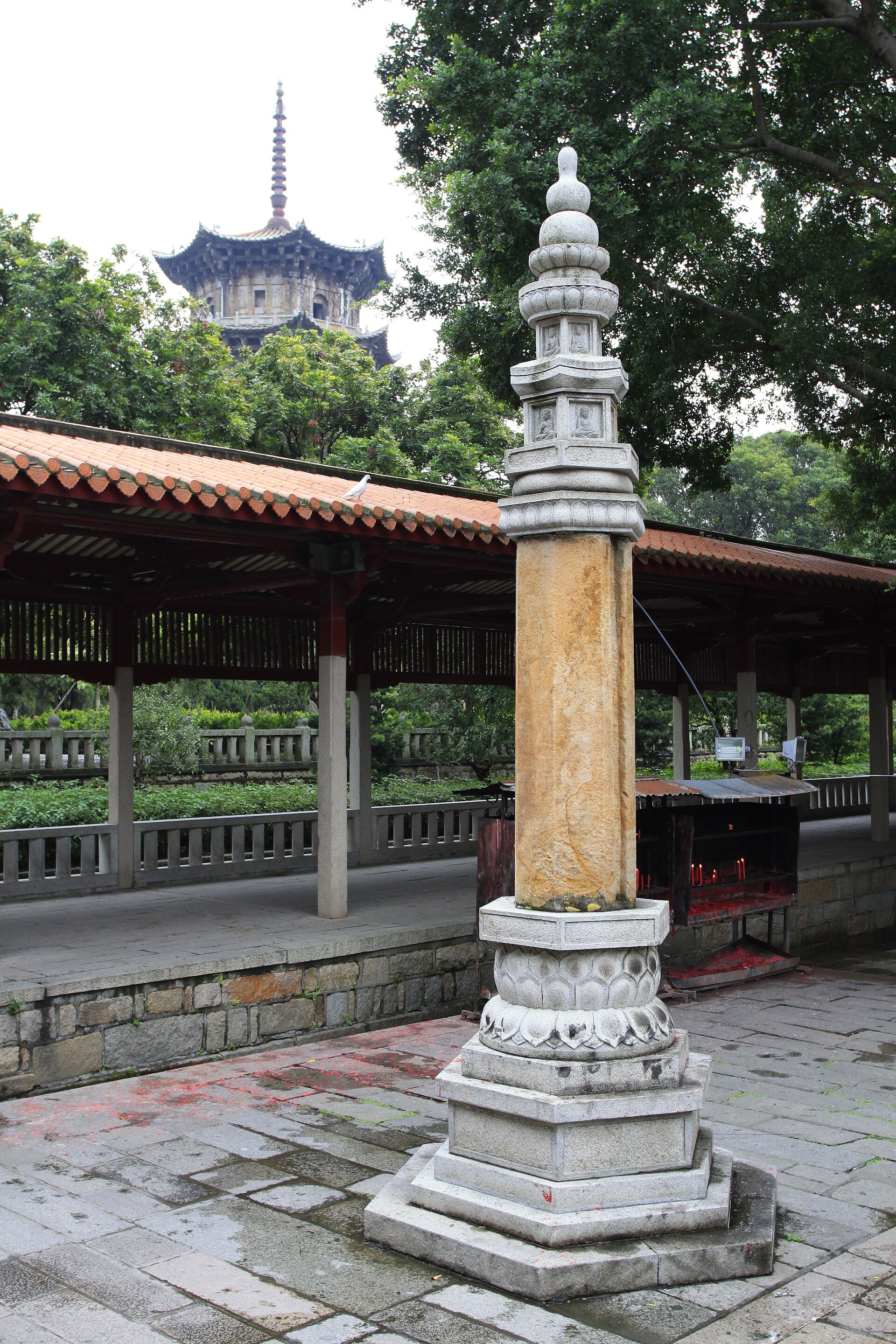
Quanzhou for Slow Travelers
How to spend unhurried days among temples and lanes without optimizing every hour.
How Long to Stay in Quanzhou
Day trip, weekend, or slow week — match stay length to temples, food, and outings.
When to Visit Quanzhou
Seasons, heat, rain, holidays — timing a Quanzhou trip for walking comfort and fewer crowds.
Quanzhou vs Xiamen for First-Timers
Base in Xiamen, day-trip Quanzhou, or split the stay — a practical comparison for Fujian first visits.