Kaiyuan Temple: UNESCO Context and Visit Tips
Twin pagodas, Tang–Song layers, and why this monastery anchors Quanzhou’s World Heritage story.
Updated 2026-08-07 · 535 words
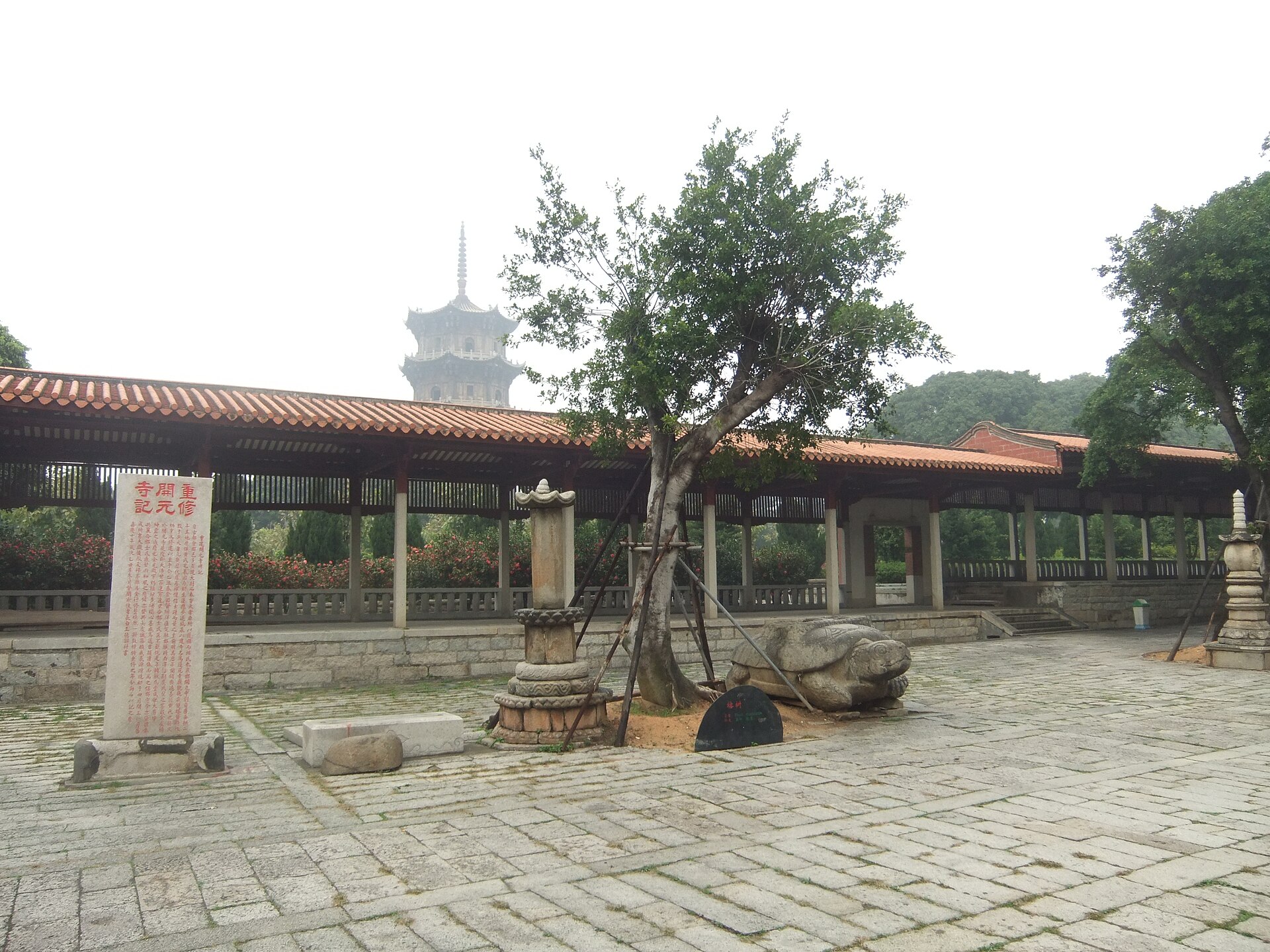
Why Kaiyuan matters to the inscription
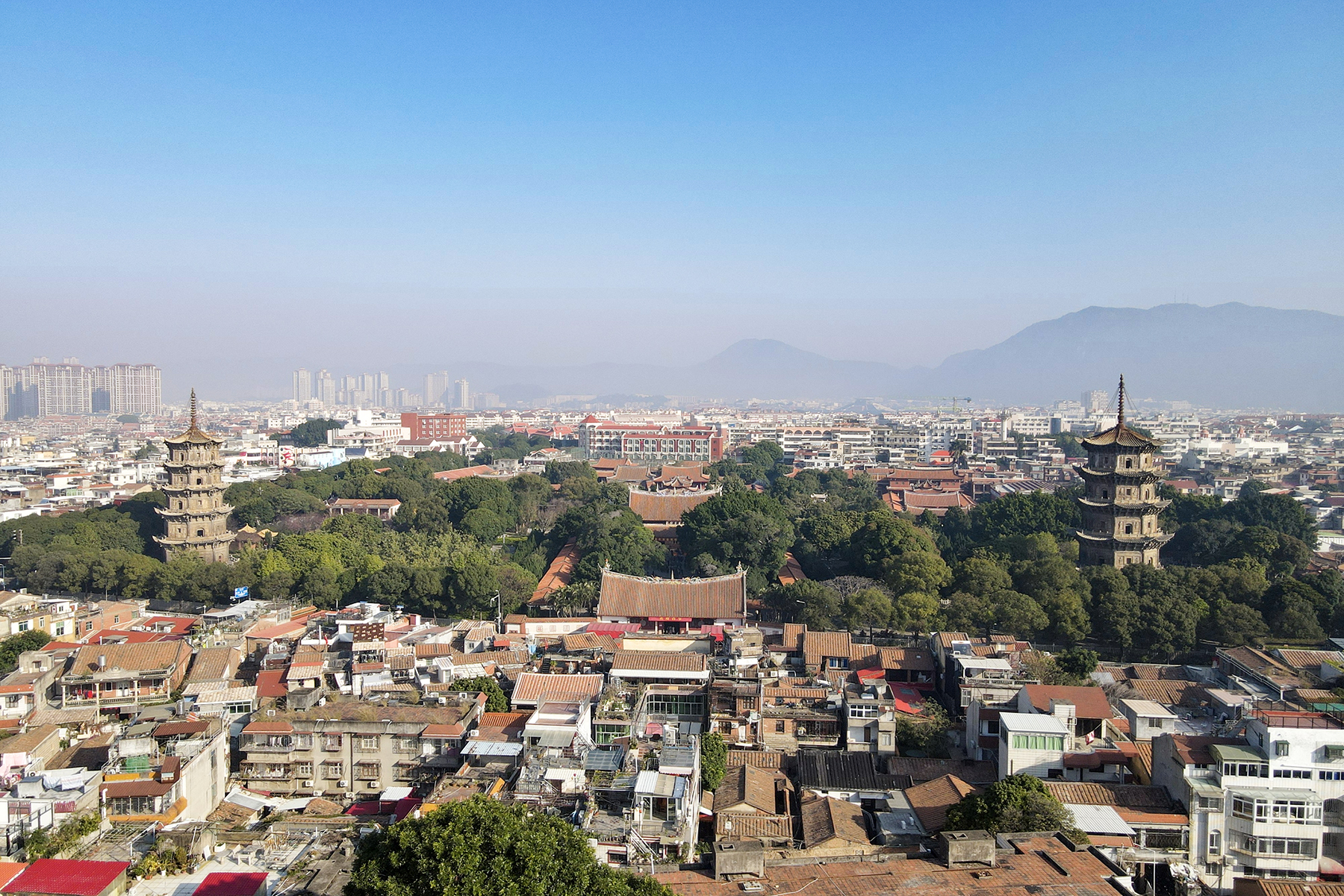
Kaiyuan Temple (开元寺) is among Quanzhou’s most visible Buddhist landmarks — its East and West stone pagodas frame West Street in photos that stand in for the whole city. Within the UNESCO narrative it represents the Buddhist layer of a port where faiths traded alongside goods.
The temple’s Song–Yuan stonework and pagoda engineering illustrate how maritime wealth funded urban religious architecture — not as isolated art objects but as part of a working city.
First visit pacing
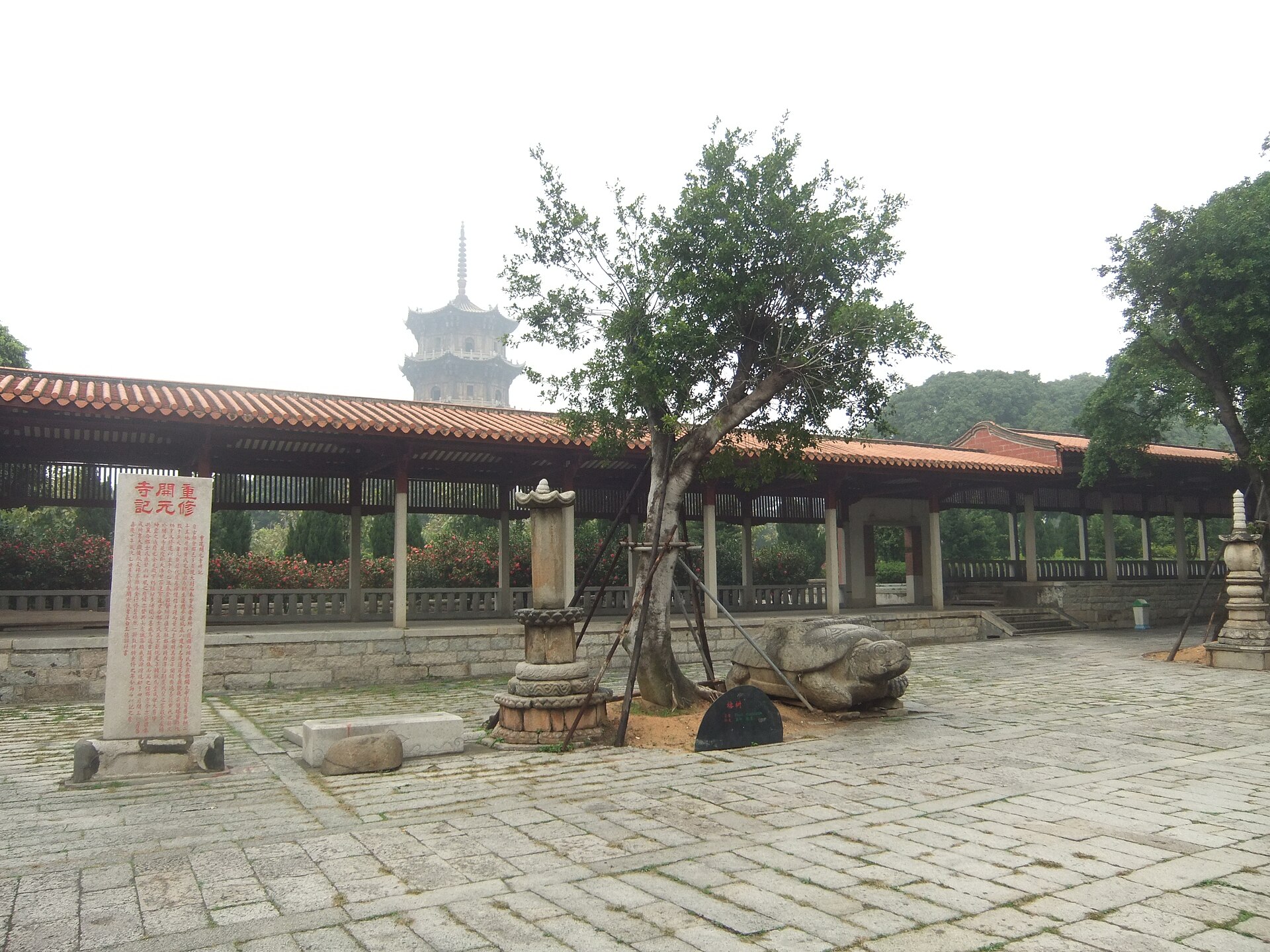
Arrive early for softer light and fewer tour groups. Budget ninety minutes for courtyards, pagoda exteriors, and side halls — longer if you read plaques or pause for tea nearby.
Dress for modest temple etiquette: covered shoulders, quiet voices, no flash in active worship spaces. The pagodas themselves are usually viewed from the grounds rather than climbed.
- Combine with: West Street breakfast, Zhongshan Road arcades
- Skip stacking: another major temple same morning
- Evening: exterior pagoda silhouettes from West Street
Common mistakes
Rushing photos without entering side courtyards — some of the quietest details sit away from the main axis. Treating the site as only a photo backdrop misses the living monastery rhythm: incense, volunteers, and local visitors praying before work.
Why this site matters in the serial listing
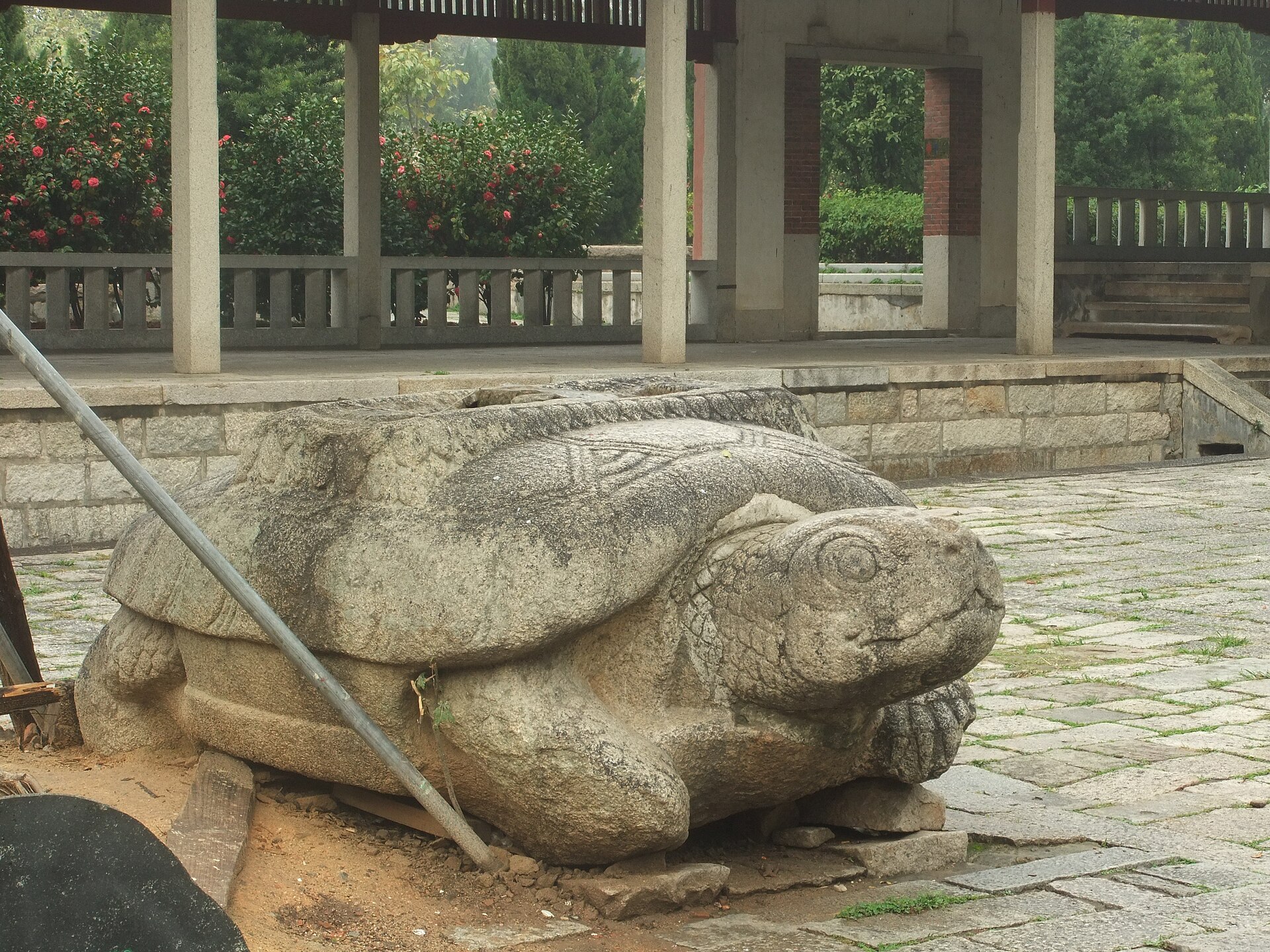
Quanzhou’s UNESCO inscription treats the city as a network — religion, trade, administration, and infrastructure — rather than a single postcard monument. This component helps explain how ordinary port life left stone evidence you can still walk through.
Reading even one plaque or museum panel before you enter makes courtyards feel less like background for selfies and more like chapters in a longer maritime story.
Before you go
Confirm hours and holiday closures the morning of your visit — local festivals and maintenance reshape access without updating English websites.
Screenshot Chinese names for sites and addresses; show maps to taxi drivers rather than relying on English pronunciation.
Combine this guide with our Discover and Plan sections for transport, hotel area choice, and food pacing — heritage makes more sense when logistics are settled.
Corrections: scoscar@gmail.com with this page URL.
On-the-ground tips
Quanzhou rewards repeat visits to the same lane at different hours — morning soup stalls, afternoon tea pauses, and evening light on stone change the feel completely. Build one slow block into each day instead of chasing every pin on the map.
Screenshot Chinese names for stops and hotels; show maps to drivers. If a queue looks performative for tourists, walk one block — the second shop is often where locals eat.
Pair with nearby guides
Combine this page with our Discover introductions (Why Visit Quanzhou, First-Timer Mistakes) and the Quanzhou Food or 18 Scenic Spots topics for dish-level and site-level detail.
Corrections welcome: scoscar@gmail.com with this page URL.
Corrections and updates
Hours, prices, and transport routes change. We update guides when travelers write in from the ground. Email scoscar@gmail.com with the page URL if something no longer matches what you see.
Last reviewed with on-site practice in mind — treat every itinerary as a pacing suggestion you adjust to your energy, not a mandate.
Last updated: 2026-08-07 · Visit Quanzhou editorial team · Report an error
Related guides
Quanzhou UNESCO Heritage: A Traveler’s Overview
Twenty-two serial sites, one Song–Yuan maritime story — how to understand the listing without treating Quanzhou like a checklist park.
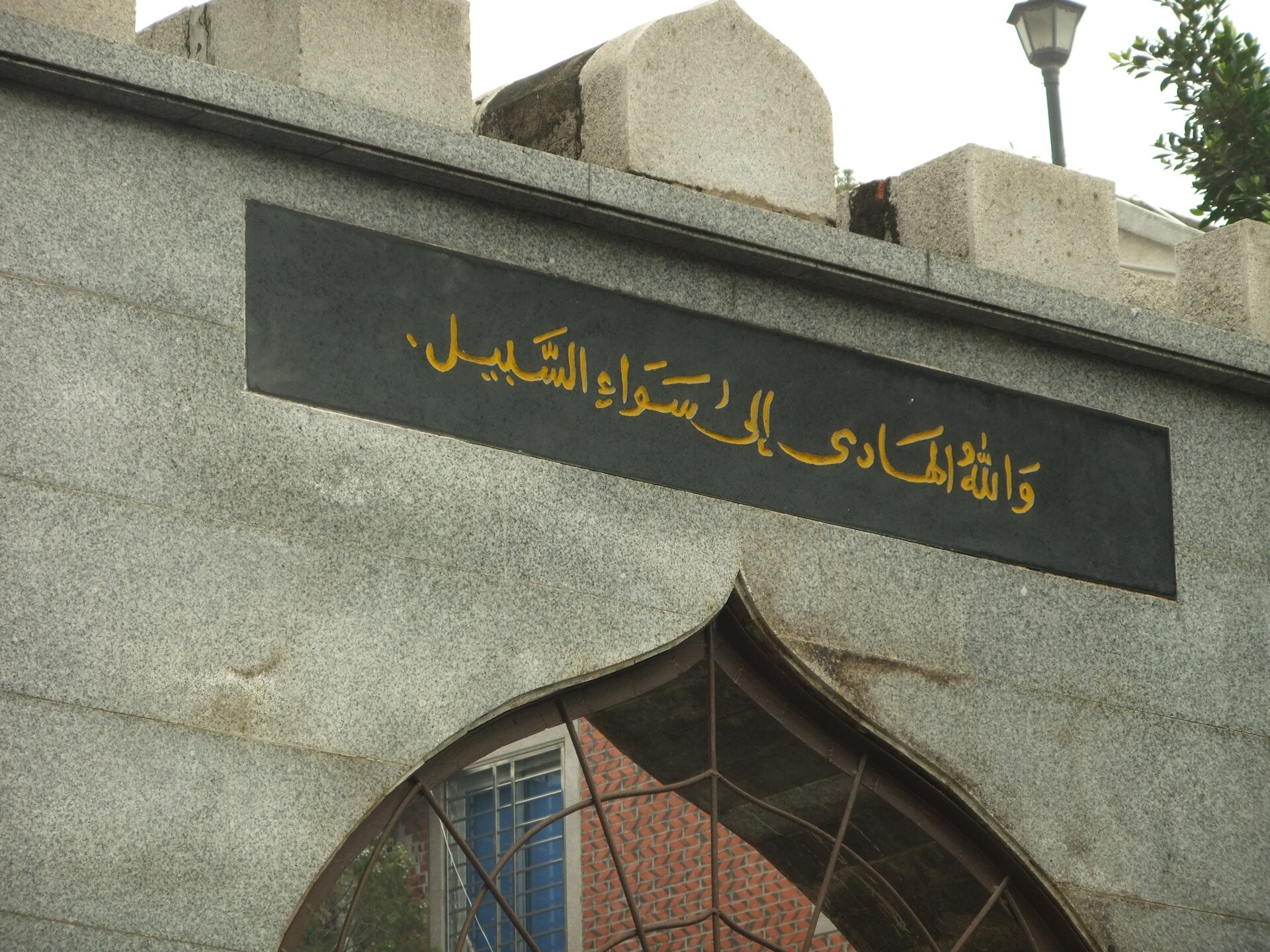
Qingjing Mosque: Song Stone and Maritime Faith
Ruins of Arabia’s oldest-style mosque in China — what remains, how to visit respectfully, and Tumen Street context.
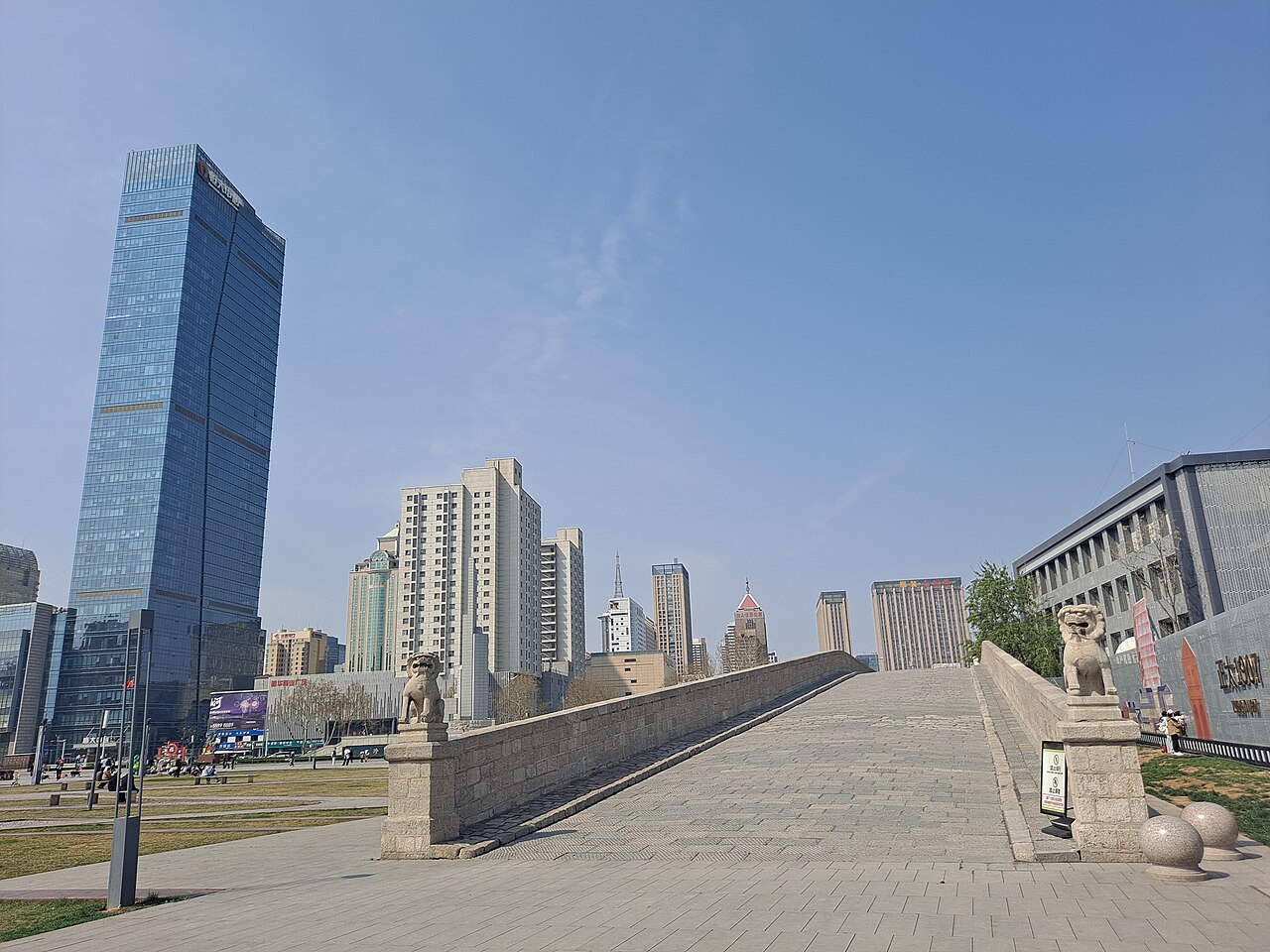
Luoyang Bridge: Song Engineering on the Water
One of China’s great ancient bridges — when to go, how to read the stonework, and pairing with a half-day coast plan.
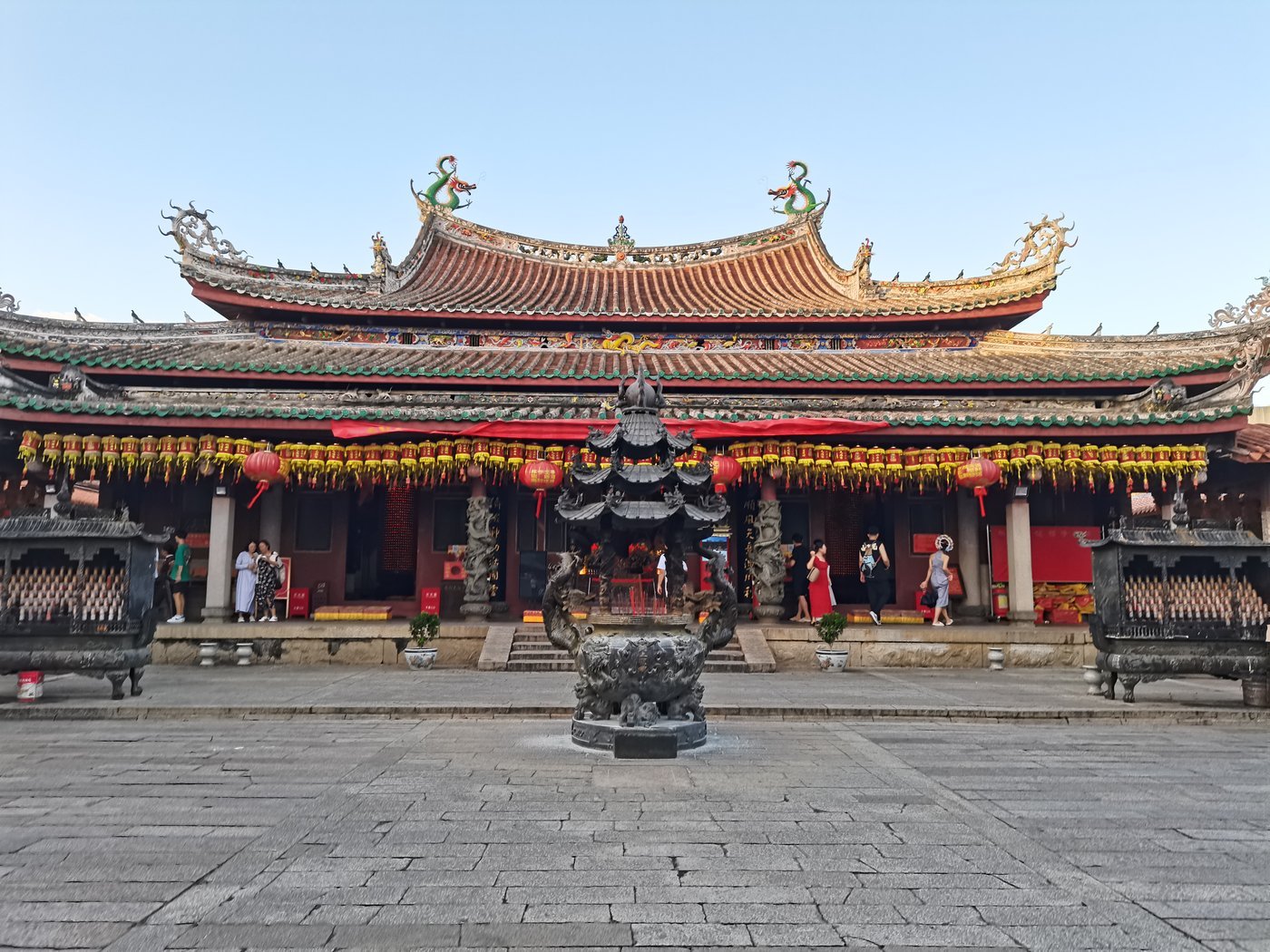
Tianhou Temple: Mazu and the Shipping Gods
Maritime goddess worship at the edge of the old city — why sailors’ temples mattered in a port UNESCO calls emporium of the world.
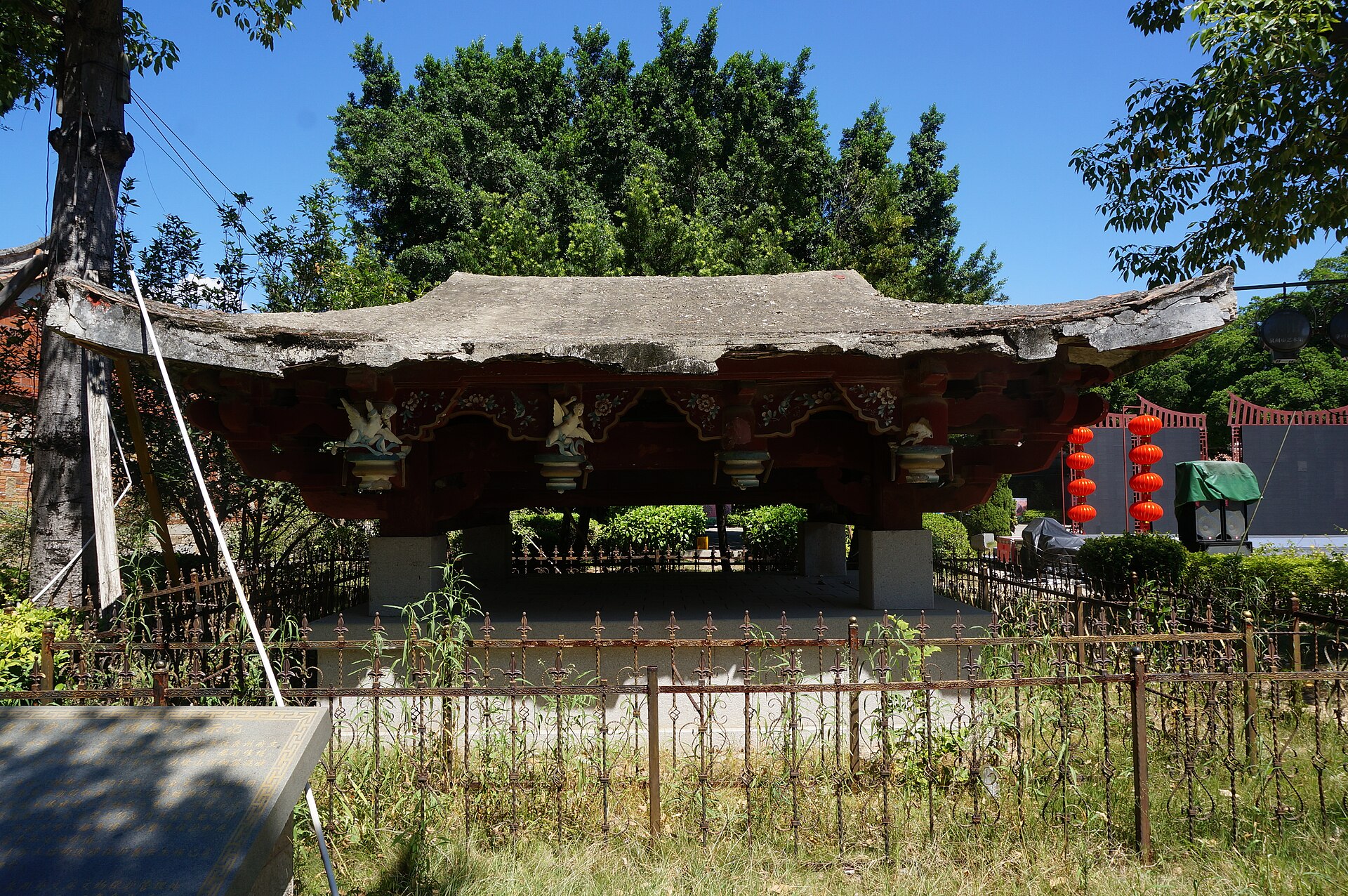
Confucius Temple: Education and Empire at the Port
Song brick and exam-hall memory — a calmer UNESCO component for travelers who want context before the snack streets.
Maritime Trade Relics: What to See Beyond Temples
Docks, kilns, and market streets — UNESCO components that explain Quanzhou as port, not only as pagodas.