Qingjing Mosque: Song Stone and Maritime Faith
Ruins of Arabia’s oldest-style mosque in China — what remains, how to visit respectfully, and Tumen Street context.
Updated 2026-08-07 · 534 words
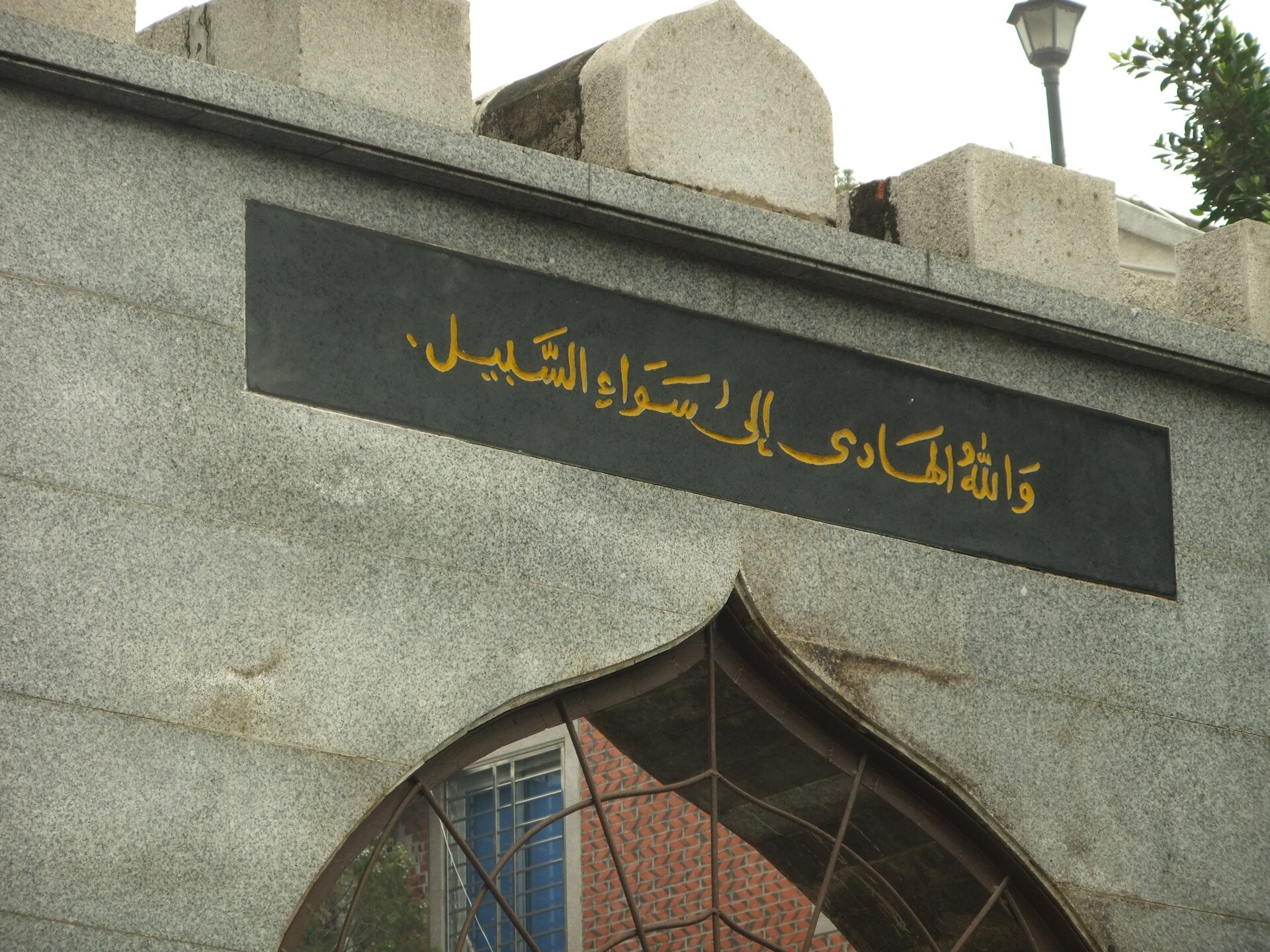
Stone that remembers traders
Qingjing Mosque (清净寺) survives as one of China’s most important Song–Yuan Islamic relics — granite and diorite walls that once served Arab and Persian merchants tied to Quanzhou’s maritime trade. UNESCO included it as evidence of the city’s multi-faith port culture.
What you see today is partly ruin, partly museum — a quiet counterpoint to the Buddhist bustle at Kaiyuan Temple a short walk away.
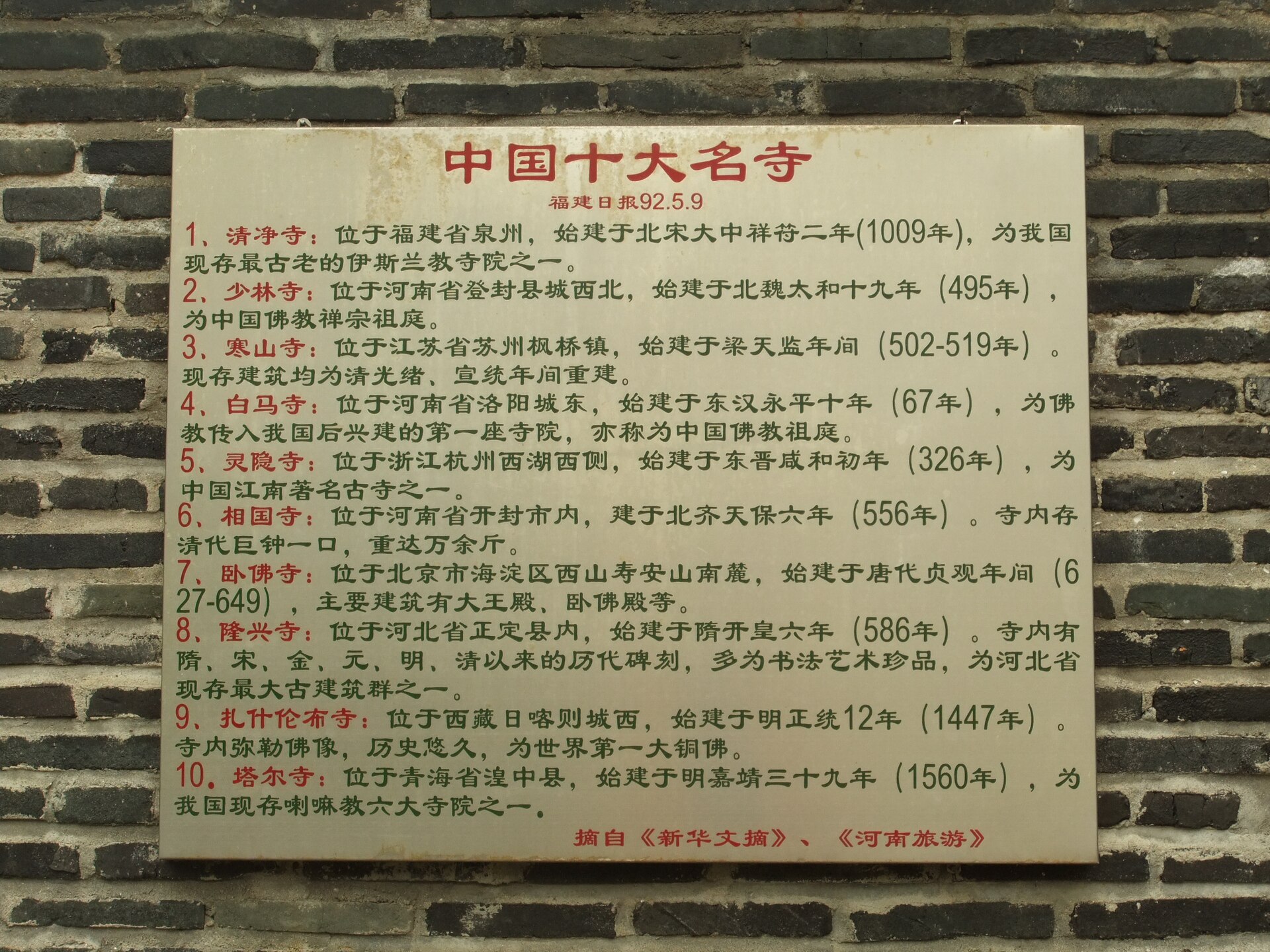
Respectful visiting
Check opening hours; the site may close for prayer or maintenance. Dress modestly. Photography rules can change — follow on-site staff.
Pair the visit with Tumen Street’s wider faith map: folk temples, ancestral halls, and lanes that show how communities shared space for centuries.
Why this site matters in the serial listing
Quanzhou’s UNESCO inscription treats the city as a network — religion, trade, administration, and infrastructure — rather than a single postcard monument. This component helps explain how ordinary port life left stone evidence you can still walk through.
Reading even one plaque or museum panel before you enter makes courtyards feel less like background for selfies and more like chapters in a longer maritime story.
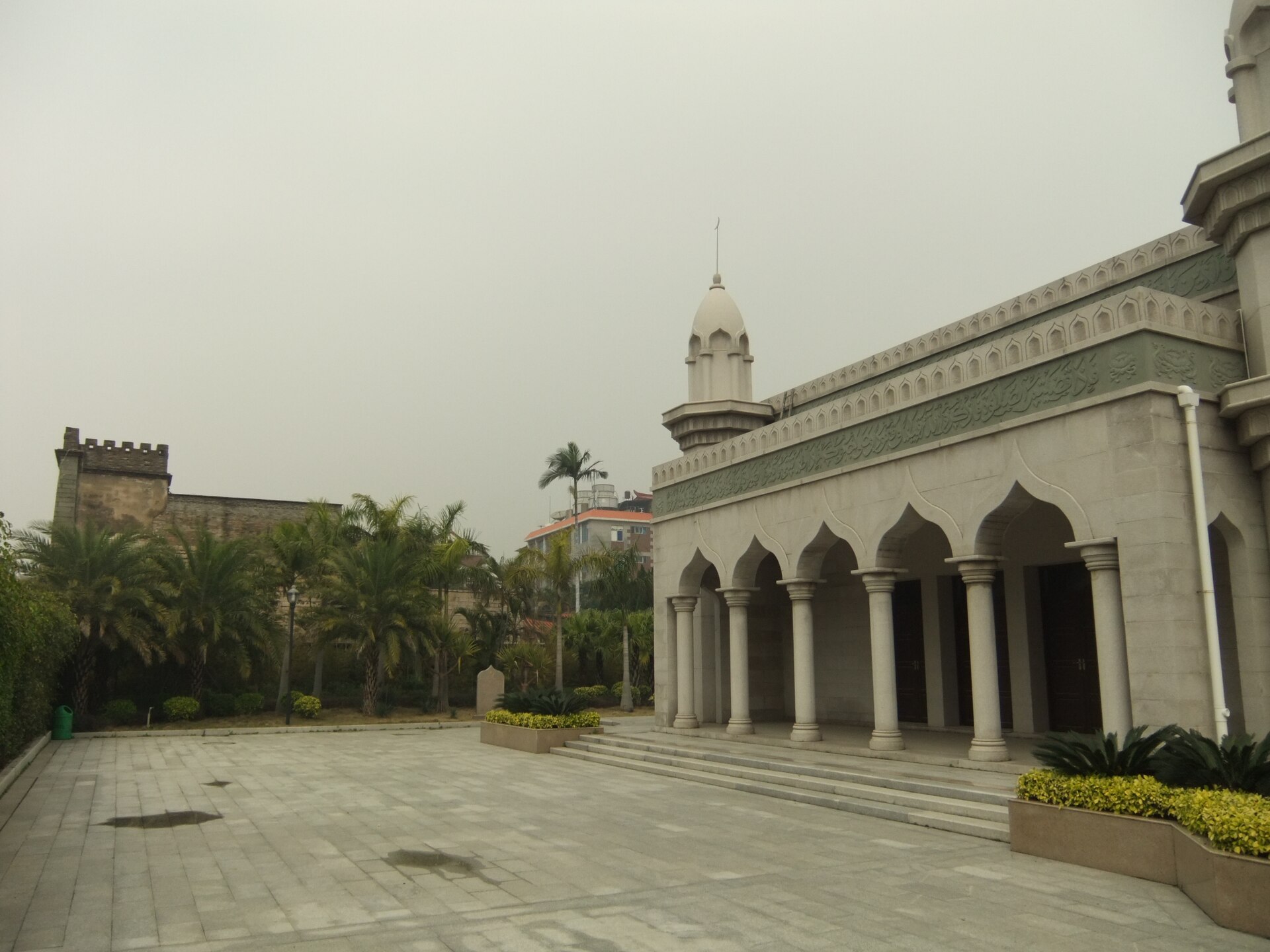
Before you go
Confirm hours and holiday closures the morning of your visit — local festivals and maintenance reshape access without updating English websites.
Screenshot Chinese names for sites and addresses; show maps to taxi drivers rather than relying on English pronunciation.
Combine this guide with our Discover and Plan sections for transport, hotel area choice, and food pacing — heritage makes more sense when logistics are settled.
Corrections: scoscar@gmail.com with this page URL.
On-the-ground tips
Quanzhou rewards repeat visits to the same lane at different hours — morning soup stalls, afternoon tea pauses, and evening light on stone change the feel completely. Build one slow block into each day instead of chasing every pin on the map.
Screenshot Chinese names for stops and hotels; show maps to drivers. If a queue looks performative for tourists, walk one block — the second shop is often where locals eat.
Pair with nearby guides
Combine this page with our Discover introductions (Why Visit Quanzhou, First-Timer Mistakes) and the Quanzhou Food or 18 Scenic Spots topics for dish-level and site-level detail.
Corrections welcome: scoscar@gmail.com with this page URL.
Corrections and updates
Hours, prices, and transport routes change. We update guides when travelers write in from the ground. Email scoscar@gmail.com with the page URL if something no longer matches what you see.
Last reviewed with on-site practice in mind — treat every itinerary as a pacing suggestion you adjust to your energy, not a mandate.
Planning the rest of your trip
Most visitors anchor in the old city near Kaiyuan Temple and West Street — see our guides on where to stay, getting around, and sample two- and three-day itineraries. If you arrive from Xiamen, read the day-trip route before you commit to overnight bags.
Food is not a separate activity here — it paces the day. Treat each meal as a scheduled rest in shade, not an afterthought once temples are finished.
Questions or fixes: scoscar@gmail.com with this URL — on-the-ground corrections help every traveler who follows.
Last updated: 2026-08-07 · Visit Quanzhou editorial team · Report an error
Related guides
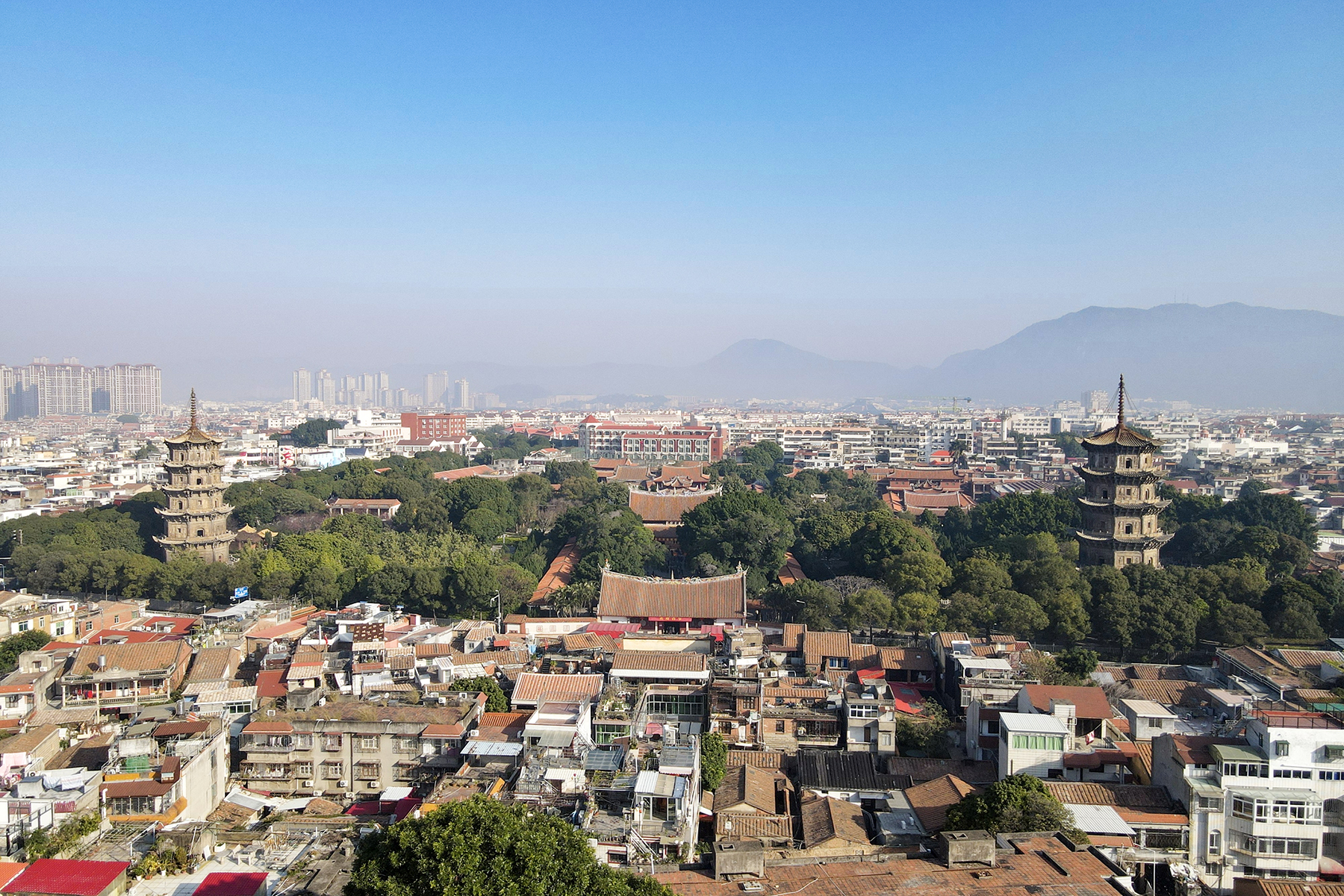
Quanzhou UNESCO Heritage: A Traveler’s Overview
Twenty-two serial sites, one Song–Yuan maritime story — how to understand the listing without treating Quanzhou like a checklist park.
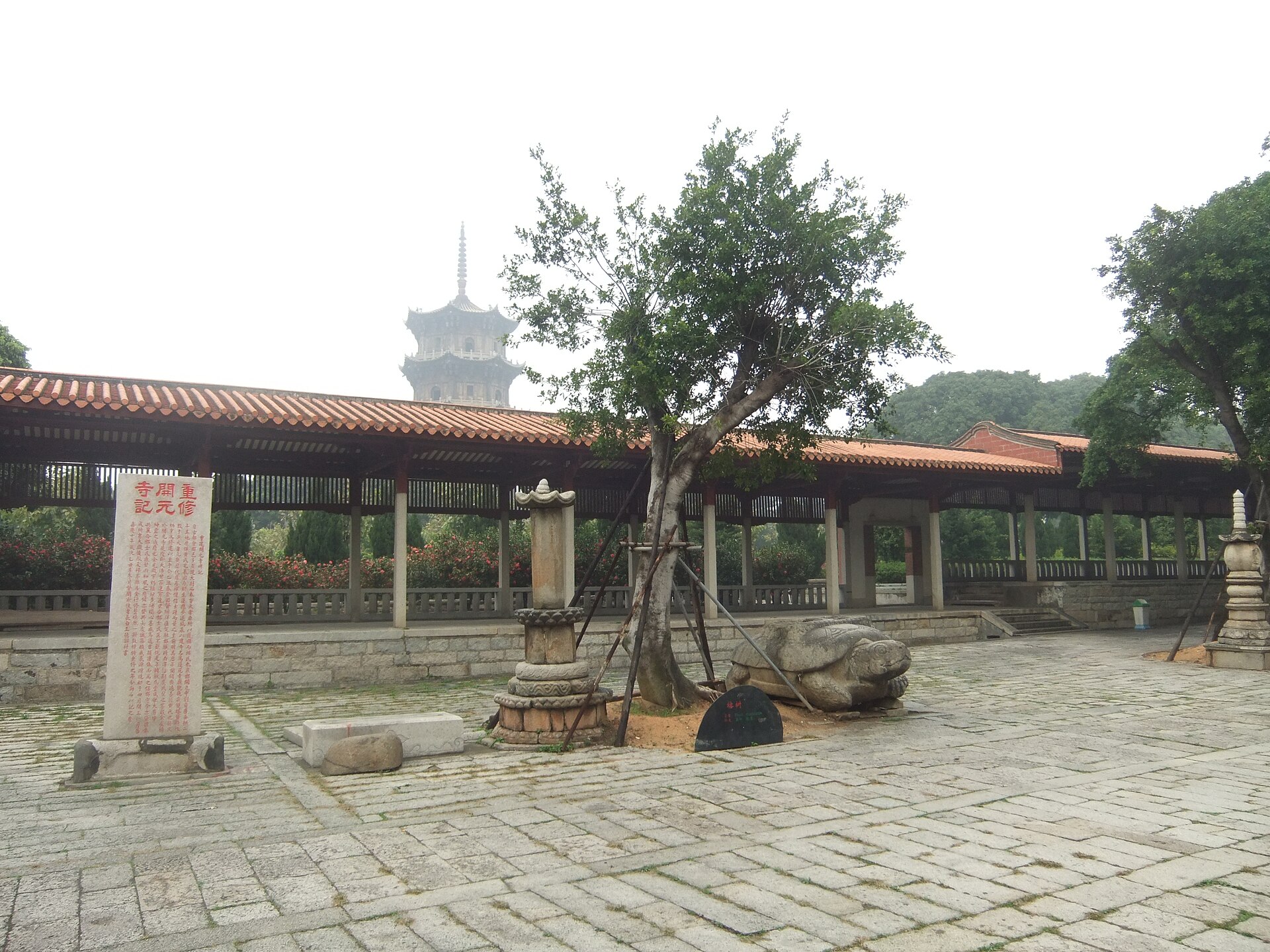
Kaiyuan Temple: UNESCO Context and Visit Tips
Twin pagodas, Tang–Song layers, and why this monastery anchors Quanzhou’s World Heritage story.
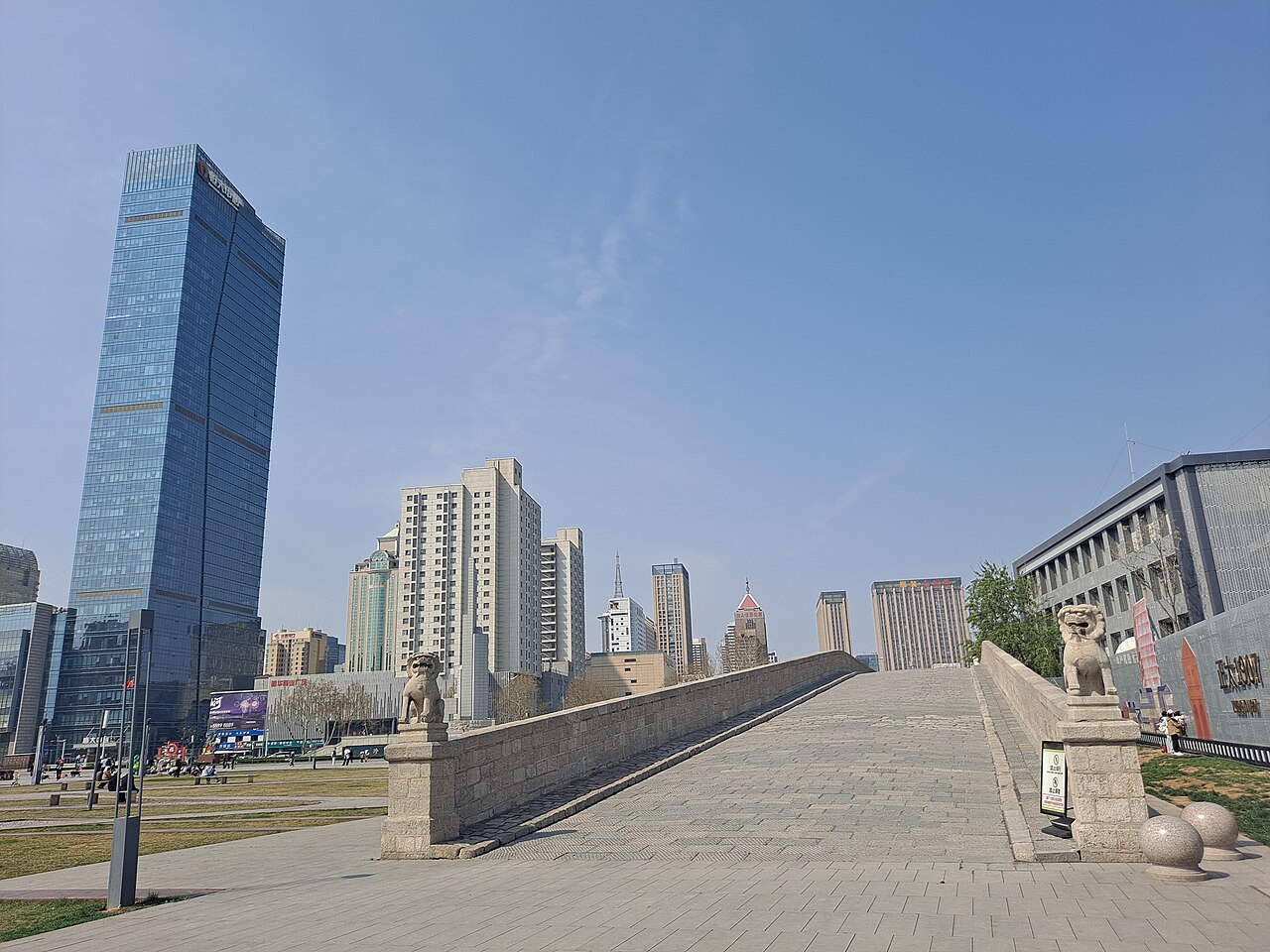
Luoyang Bridge: Song Engineering on the Water
One of China’s great ancient bridges — when to go, how to read the stonework, and pairing with a half-day coast plan.
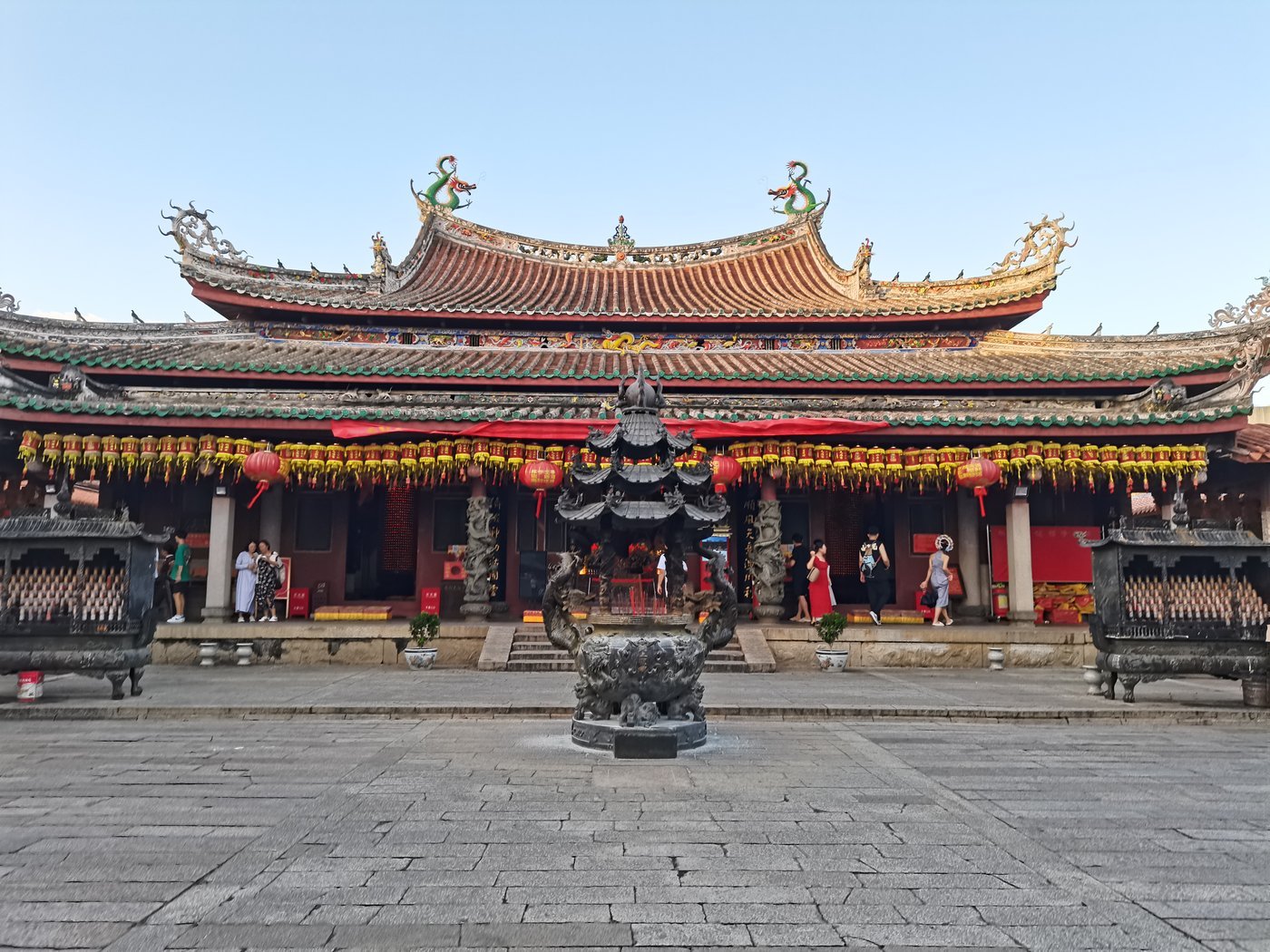
Tianhou Temple: Mazu and the Shipping Gods
Maritime goddess worship at the edge of the old city — why sailors’ temples mattered in a port UNESCO calls emporium of the world.
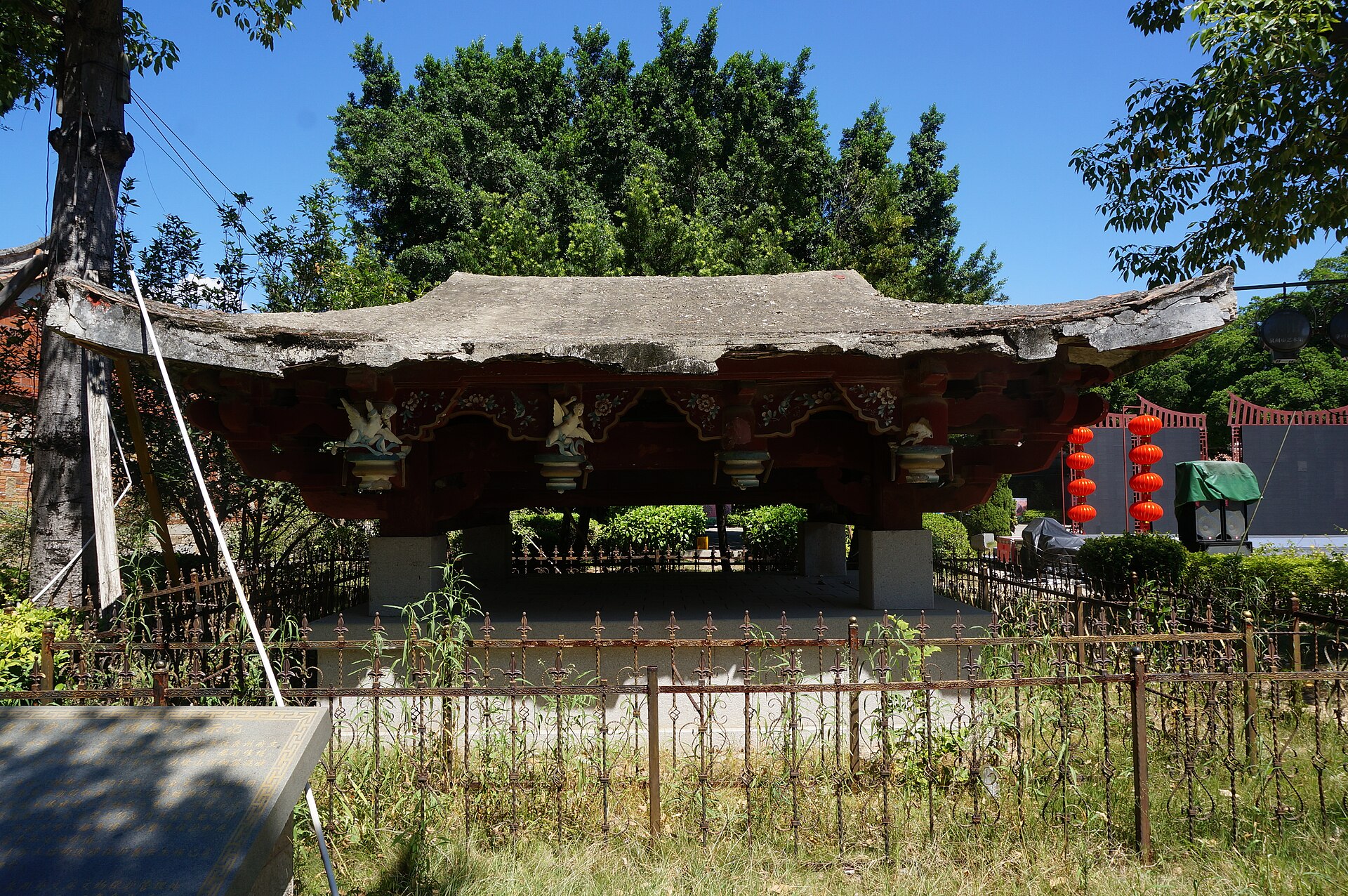
Confucius Temple: Education and Empire at the Port
Song brick and exam-hall memory — a calmer UNESCO component for travelers who want context before the snack streets.
Maritime Trade Relics: What to See Beyond Temples
Docks, kilns, and market streets — UNESCO components that explain Quanzhou as port, not only as pagodas.