Chongwu Fish Roll: Harbor Fresh, Gift-Ready
Springy Spanish-mackerel rolls from Hui’an’s stone city — eat in soup, fry at home, take as gifts.
Updated 2026-08-06 · 574 words
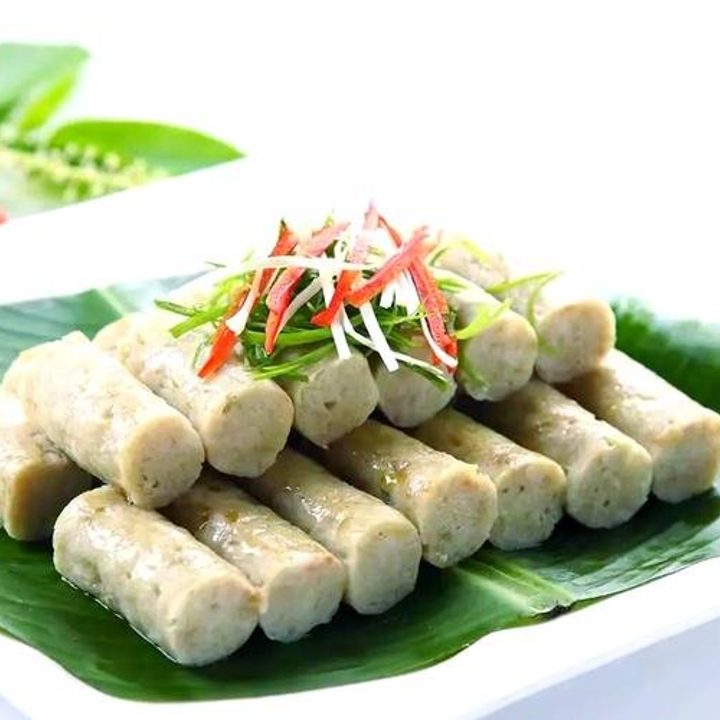
If Chongwu Ancient City in Hui’an is on your route, leave room for fish roll. Outside the walls is the sea; inside, shops hang pale sticks of chongwu yujuan. Spanish mackerel is scraped from the bone, worked with salt until it “gels,” then mixed with sweet-potato starch, egg white, pork, water chestnut, and scallion, rolled and steamed. Slice it and the cut looks fine and white. The bite is springy, almost without fishiness—people often ask if it’s really fish. Banquets here still say a feast isn’t complete without it; the rounded ends wish for completeness. For travelers it’s both a plate and a practical gift. Don’t only photograph the doorway. Sit and eat.
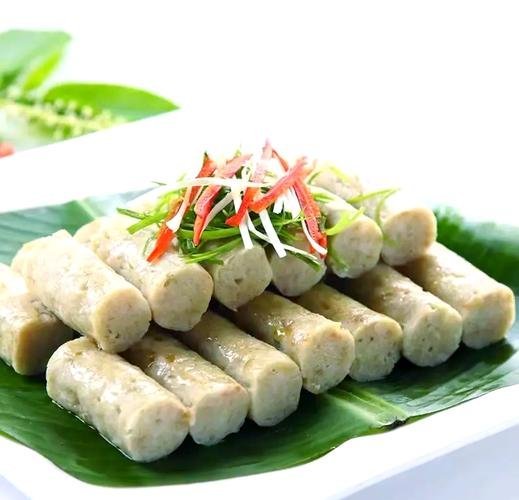
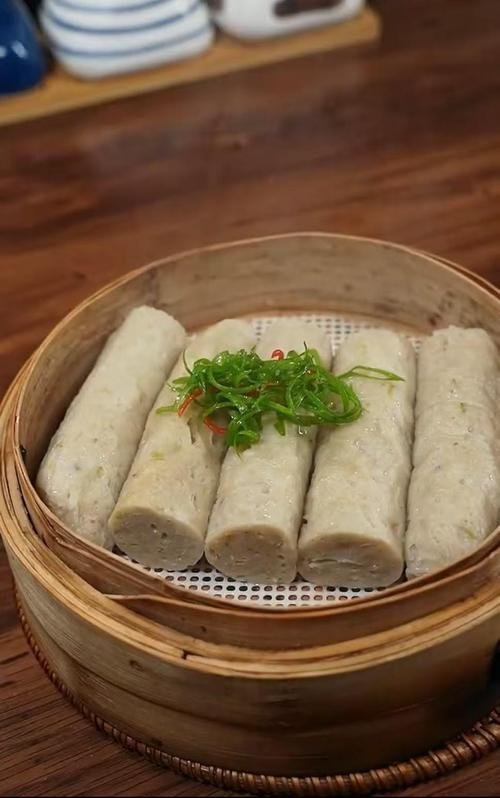
Easiest order: clear fish-roll soup, or a set with mackerel paste soup—clean and sweet. Prefer contrast? Pan-fry until the outside browns. Near the west gate you’ll find familiar brands; some sell vacuum packs. Carry one on ice, then slice and fry or drop into hotpot at home. Check packaging and firmness; freeze for longer trips, don’t leave it warm too long. Skipping Chongwu that day? City seafood shops and some supermarket freezers carry it, though harbor-fresh still wins. Driving or touring, eat fish roll at lunch, then walk the walls and windmills without backtracking.
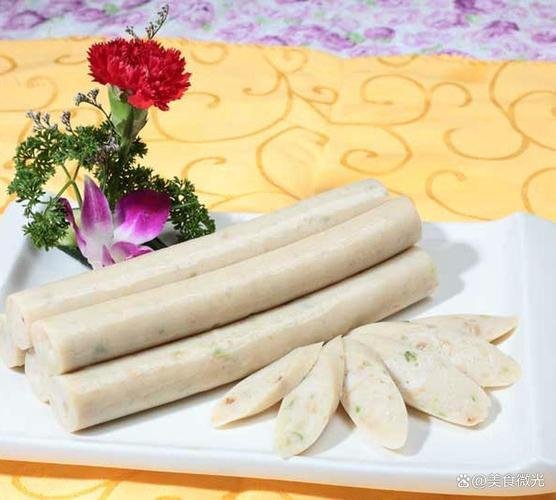
Stories link the roll to Ming garrison rations—mackerel shaped for sea patrols when storage was scarce—later reshaped by home cooks. Treat the tale as color. What matters is the plate. It isn’t a loud fried snack; it’s fishermen wrapping freshness into a quiet stick. After the stone walls and a turn of sea wind, a milky bowl of fish-roll soup makes the day feel finished: you saw the outline of the town, and your tongue kept the sea. If you can take only one Hui’an taste home, fish roll usually travels better than live seafood. When it hits a hot pan, Chongwu feels a little closer again.
On-the-ground tips
Quanzhou rewards repeat visits to the same lane at different hours — morning soup stalls, afternoon tea pauses, and evening light on stone change the feel completely. Build one slow block into each day instead of chasing every pin on the map.
Screenshot Chinese names for stops and hotels; show maps to drivers. If a queue looks performative for tourists, walk one block — the second shop is often where locals eat.
Pair with nearby guides
Combine this page with our Discover introductions (Why Visit Quanzhou, First-Timer Mistakes) and the Quanzhou Food or 18 Scenic Spots topics for dish-level and site-level detail.
Corrections welcome: scoscar@gmail.com with this page URL.
Corrections and updates
Hours, prices, and transport routes change. We update guides when travelers write in from the ground. Email scoscar@gmail.com with the page URL if something no longer matches what you see.
Last reviewed with on-site practice in mind — treat every itinerary as a pacing suggestion you adjust to your energy, not a mandate.
Planning the rest of your trip
Most visitors anchor in the old city near Kaiyuan Temple and West Street — see our guides on where to stay, getting around, and sample two- and three-day itineraries. If you arrive from Xiamen, read the day-trip route before you commit to overnight bags.
Food is not a separate activity here — it paces the day. Treat each meal as a scheduled rest in shade, not an afterthought once temples are finished.
Questions or fixes: scoscar@gmail.com with this URL — on-the-ground corrections help every traveler who follows.
Last updated: 2026-08-06 · Visit Quanzhou editorial team · Report an error
Related guides
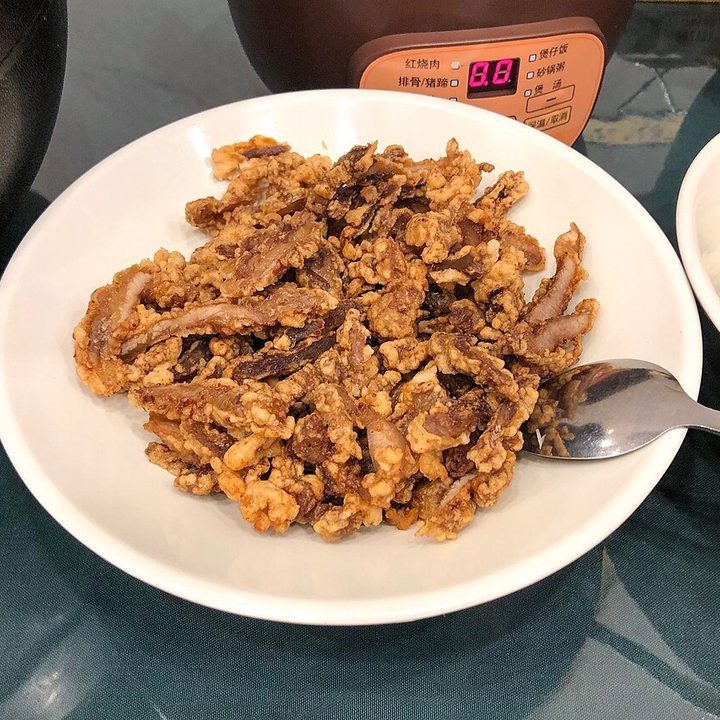
Mianxianhu: Quanzhou’s Morning Noodle Paste
Thin wheat noodles in savory paste, topped your way — the breakfast bowl that wakes old Quanzhou.
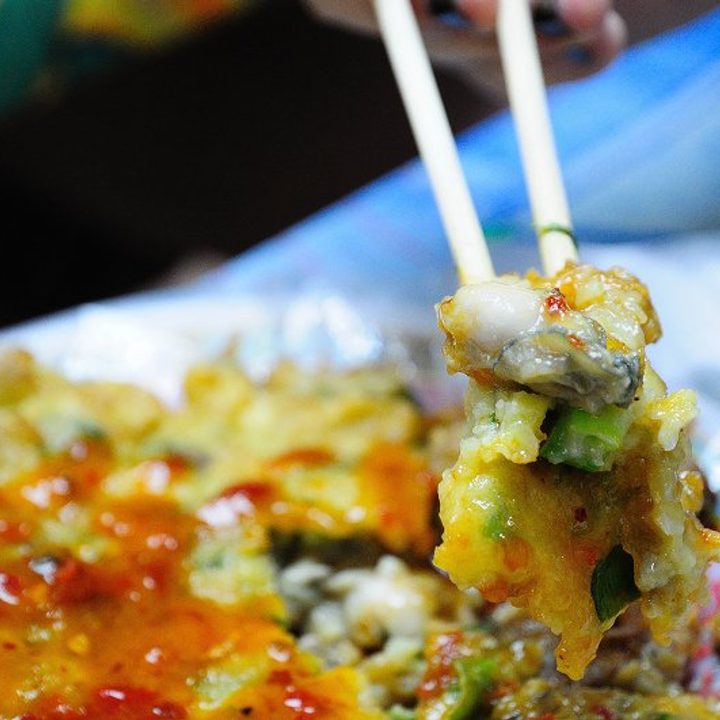
Hailijian: Coastal Oyster Omelette
Hot pan, sweet-potato starch, plump oysters — night-market sizzle from Xunpu to the old town.
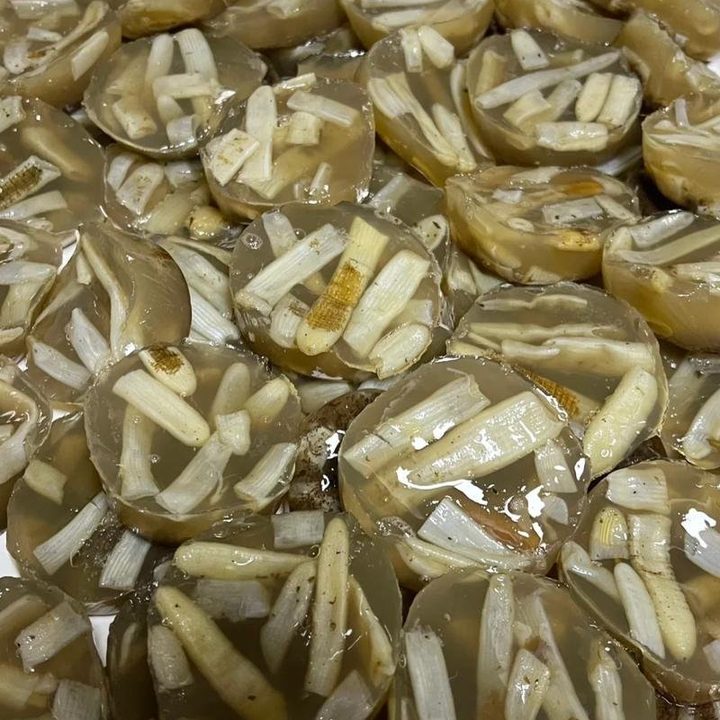
Tusundong: Anhai Sandworm Jelly
A cool, bouncy seafood jelly from coastal mudflats — love it or leave it, unmistakably Quanzhou.
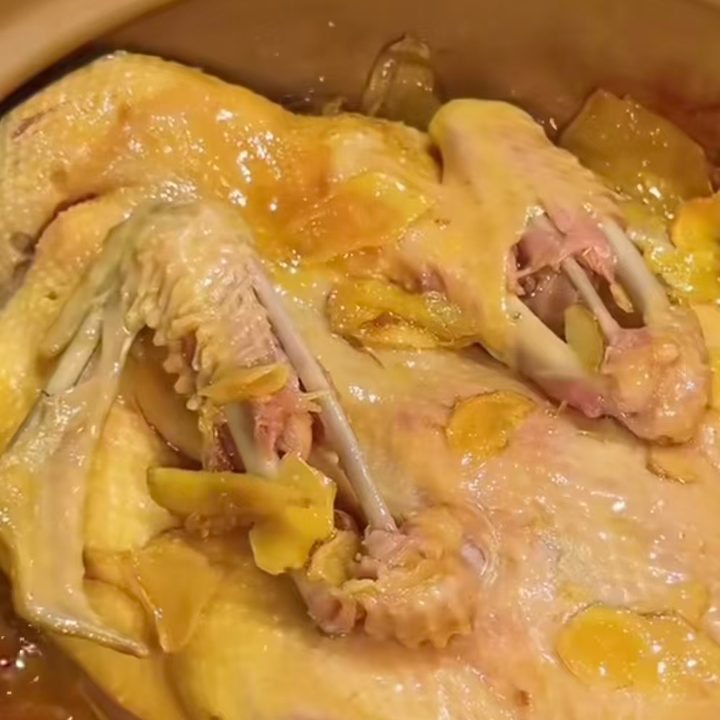
Jiangmu Duck: Old Ginger, Clay Pot Heat
Three-year ginger and muscovy duck in sesame oil — a pot worth sharing, summer or winter.
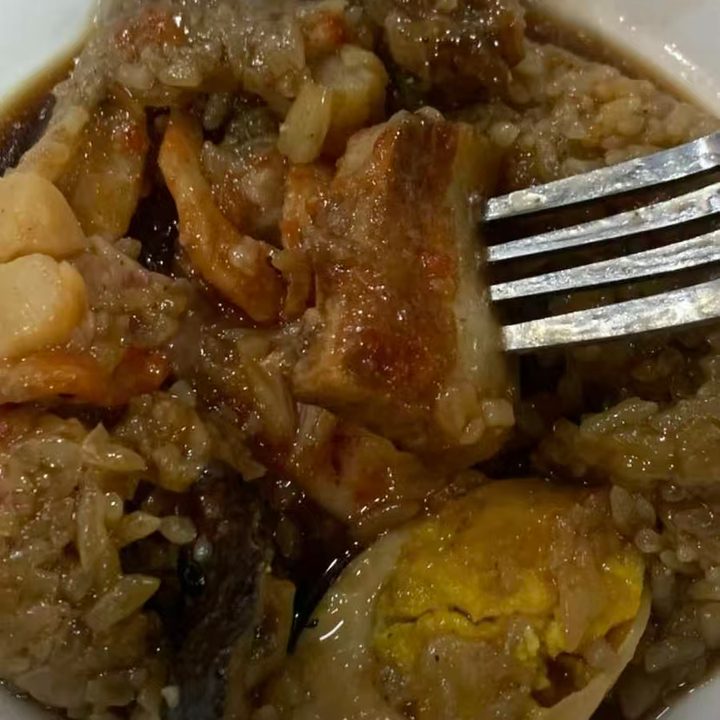
Quanzhou Rouzong: Hot Savory Rice Dumplings
Not a sweet zongzi — peel it hot, add sauce, and taste the port city’s land-and-sea filling.
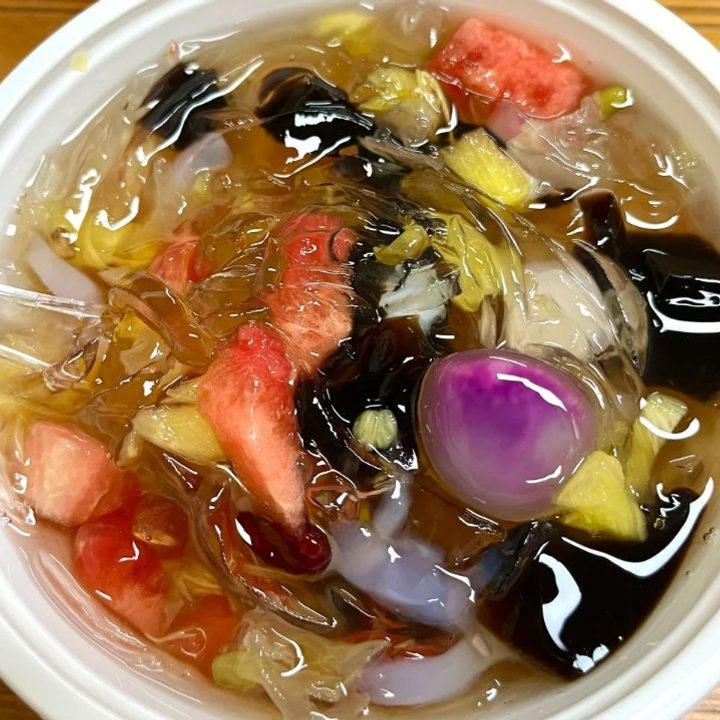
Siguotang: Summer Four-Fruits Sweet Bowl
Sea-moss jelly, beans, fruit, and ice — the easiest cool-down after temples and West Street.