Hailijian: Coastal Oyster Omelette
Hot pan, sweet-potato starch, plump oysters — night-market sizzle from Xunpu to the old town.
Updated 2026-08-06 · 515 words
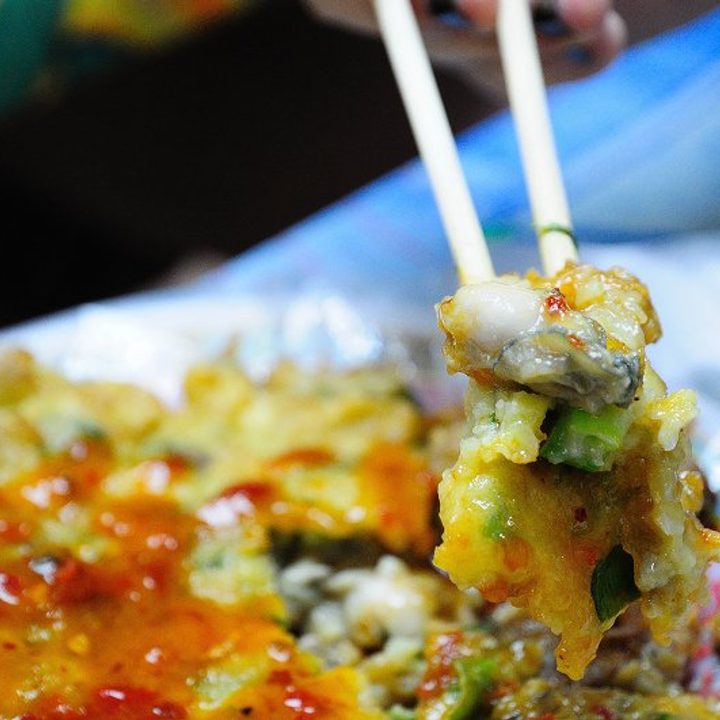
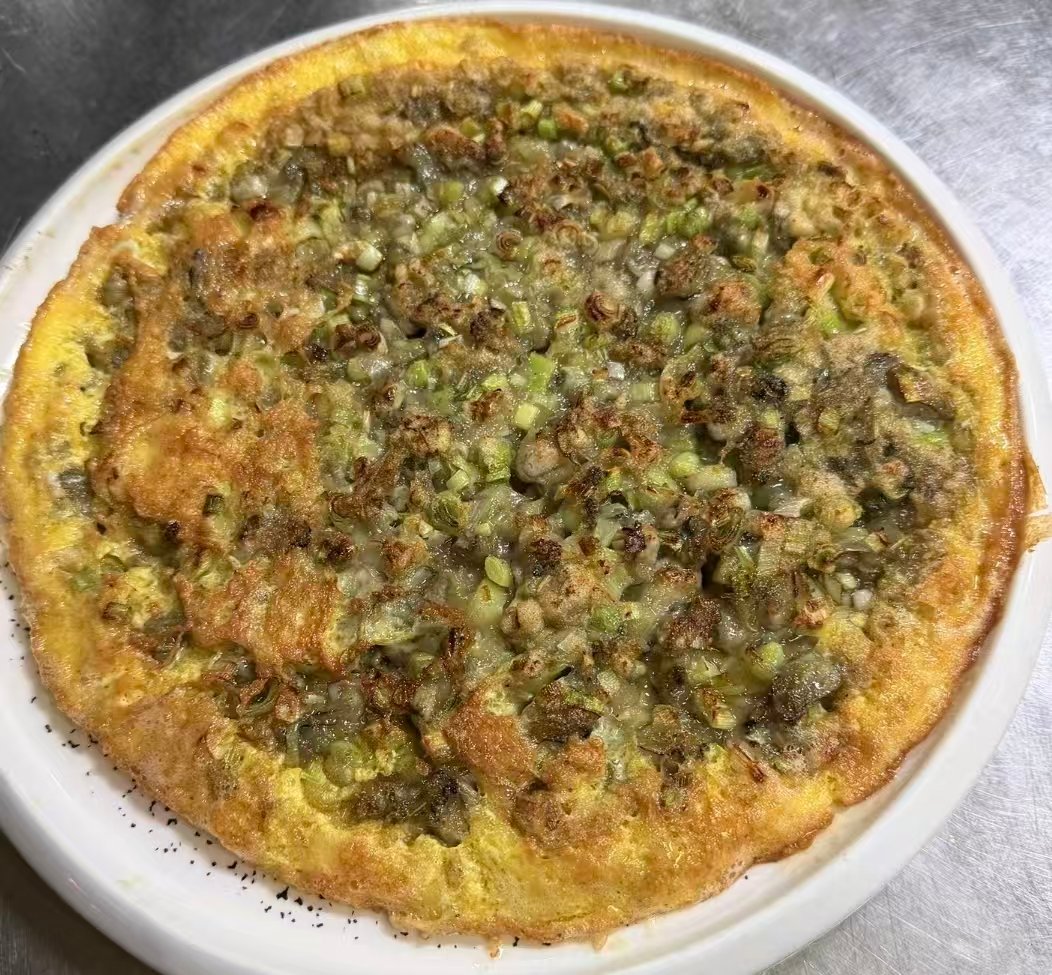
In Minnan speech, oysters are ô-á. When coastal Quanzhou people talk about oyster omelette—hailijian—they sound a little proud. The oysters from Xunpu in Fengze are especially known: where river meets sea, the meat runs plump. Women in flower headpieces sit by doorways, prying shells with small picks, the oysters still smelling of the tide. Freshness decides almost everything. Drained oysters are mixed with farm sweet-potato starch, green garlic or chives, and ginger into a batter that just spreads. Hot iron, lard or peanut oil, pour, flatten, watch the heat, flip when the edge browns. Some cooks add an egg; older kitchens sometimes skip it and trust the oyster alone. Done right, the rim is crisp, the center soft, oysters visible, with a little dish of sweet chili sauce on the side.
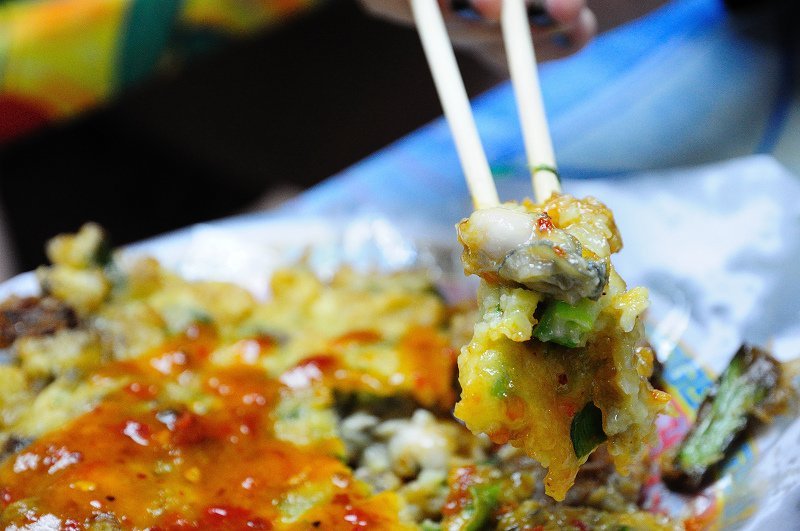
Don’t fuss over neat squares. Tear it hot, dip, and let pan sear, brine sweetness, and garlic lift arrive together. Once cold, the starch skin hardens, which is why people crowd the stall waiting for the next pan. An old saying pairs fat oysters with fat chives in the first lunar months; when chives run short, green garlic is the local stand-in. Quanzhou cooks oysters many ways—soup, cakes, porridge—but night markets still rally around this sizzling plate. Rain and cold weather only sharpen the craving. Fresh oysters can go from shore to pan the same evening. For visitors wandering the old town or a coastal market after dark, follow the hiss.
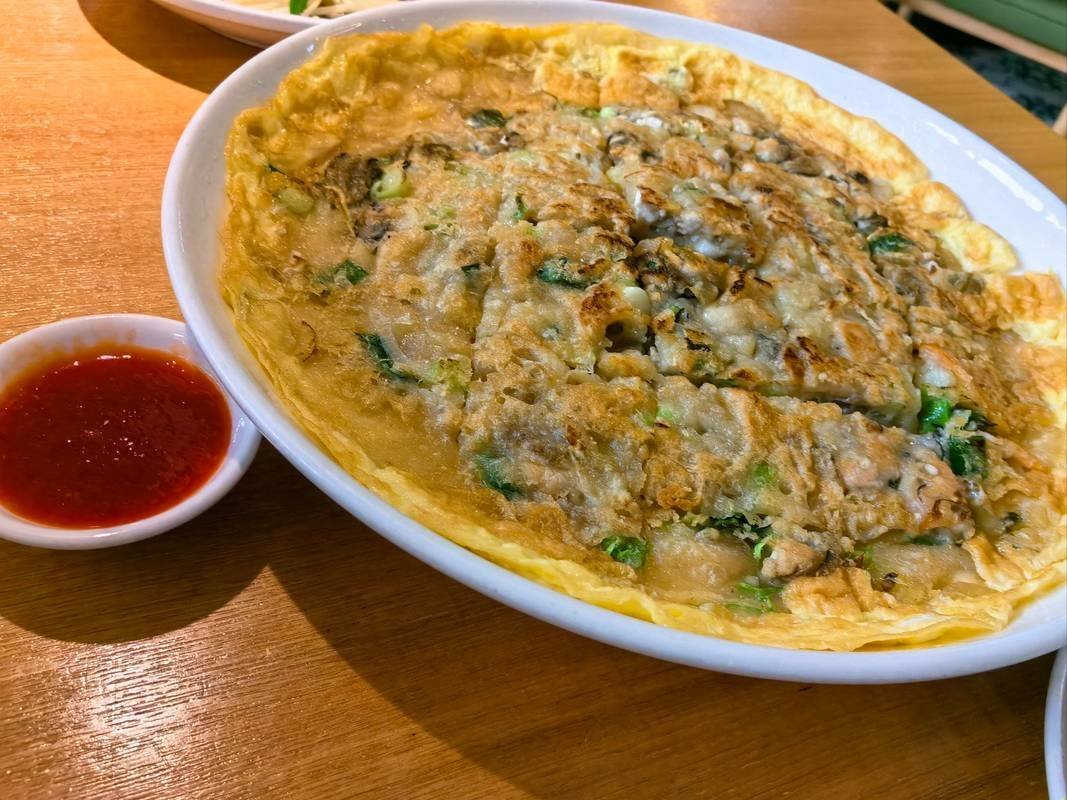
Folklore ties the dish to Zheng Chenggong’s troops, frying beach oysters with sweet-potato starch when grain ran short. True or not, the habit crossed both sides of the strait. Taiwan’s night-market versions are famous; Quanzhou still insists on honest starch, fresh greens, and a sauce that matches. Arguments about which side is “authentic” matter less than what you see: plenty of oysters, a proper sear. Find a stall that flips often; ask for sauce on the side if you don’t like heat. That pan smell beats any menu adjective. If sauce stains your fingers, leave it a moment. It’s a small stamp from the night market.
On-the-ground tips
Quanzhou rewards repeat visits to the same lane at different hours — morning soup stalls, afternoon tea pauses, and evening light on stone change the feel completely. Build one slow block into each day instead of chasing every pin on the map.
Screenshot Chinese names for stops and hotels; show maps to drivers. If a queue looks performative for tourists, walk one block — the second shop is often where locals eat.
Pair with nearby guides
Combine this page with our Discover introductions (Why Visit Quanzhou, First-Timer Mistakes) and the Quanzhou Food or 18 Scenic Spots topics for dish-level and site-level detail.
Corrections welcome: scoscar@gmail.com with this page URL.
Corrections and updates
Hours, prices, and transport routes change. We update guides when travelers write in from the ground. Email scoscar@gmail.com with the page URL if something no longer matches what you see.
Last reviewed with on-site practice in mind — treat every itinerary as a pacing suggestion you adjust to your energy, not a mandate.
Last updated: 2026-08-06 · Visit Quanzhou editorial team · Report an error
Related guides
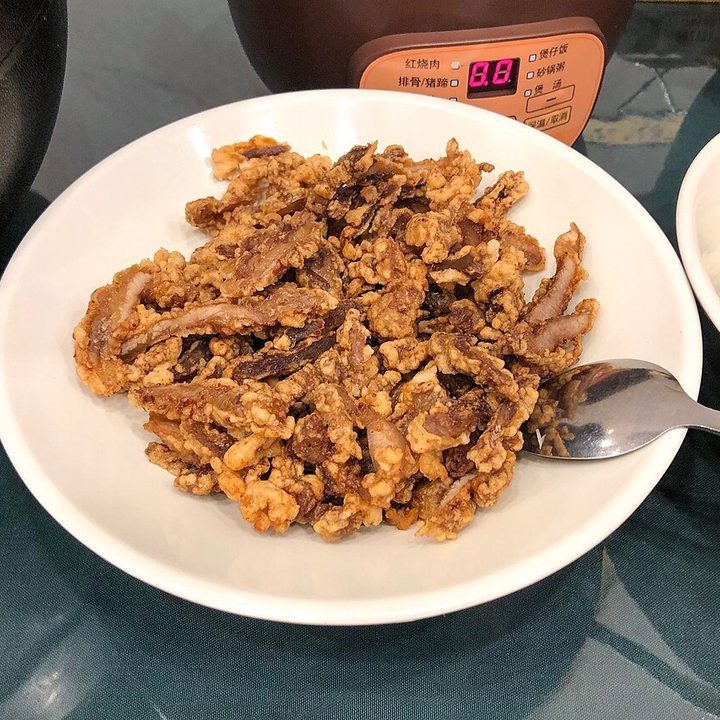
Mianxianhu: Quanzhou’s Morning Noodle Paste
Thin wheat noodles in savory paste, topped your way — the breakfast bowl that wakes old Quanzhou.
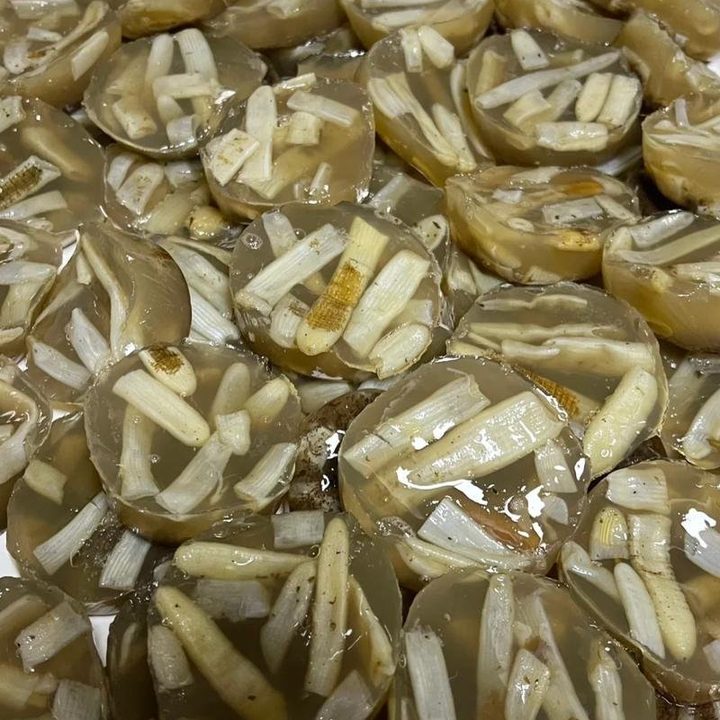
Tusundong: Anhai Sandworm Jelly
A cool, bouncy seafood jelly from coastal mudflats — love it or leave it, unmistakably Quanzhou.
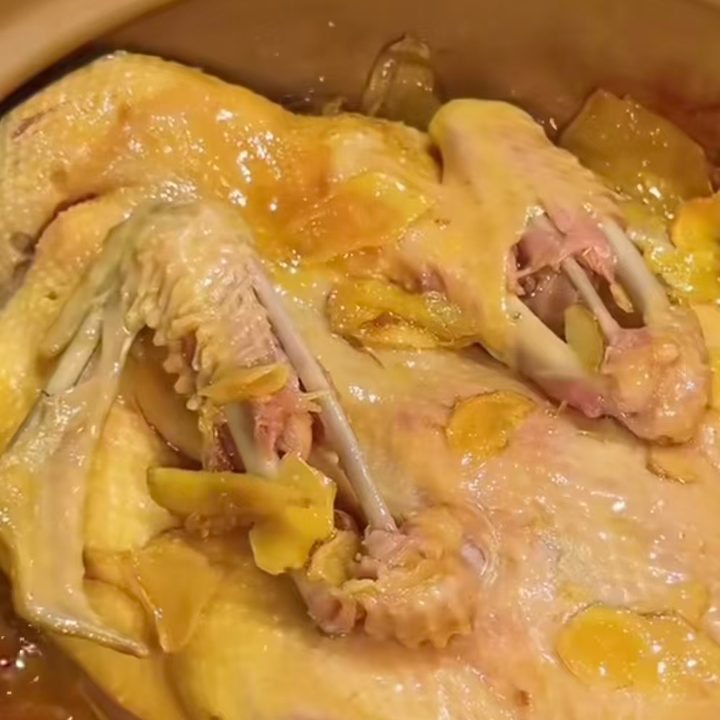
Jiangmu Duck: Old Ginger, Clay Pot Heat
Three-year ginger and muscovy duck in sesame oil — a pot worth sharing, summer or winter.
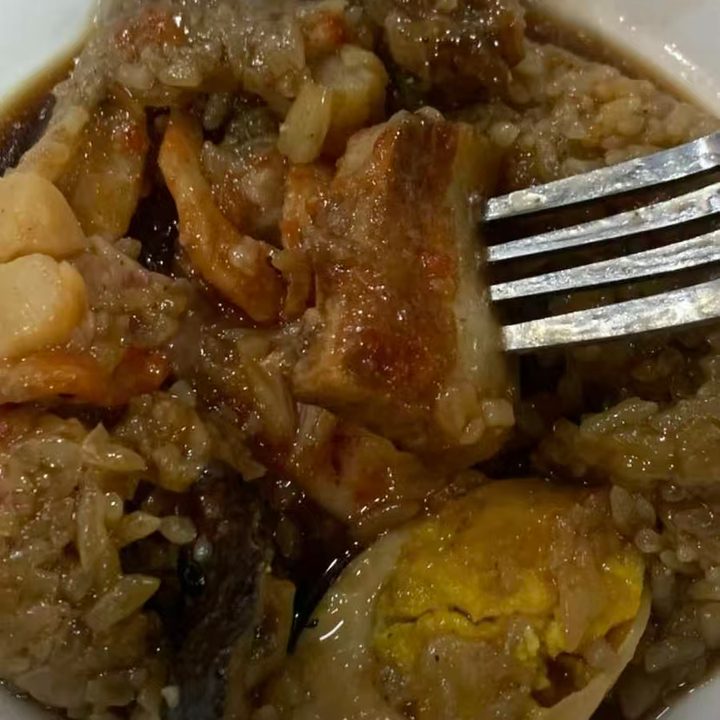
Quanzhou Rouzong: Hot Savory Rice Dumplings
Not a sweet zongzi — peel it hot, add sauce, and taste the port city’s land-and-sea filling.
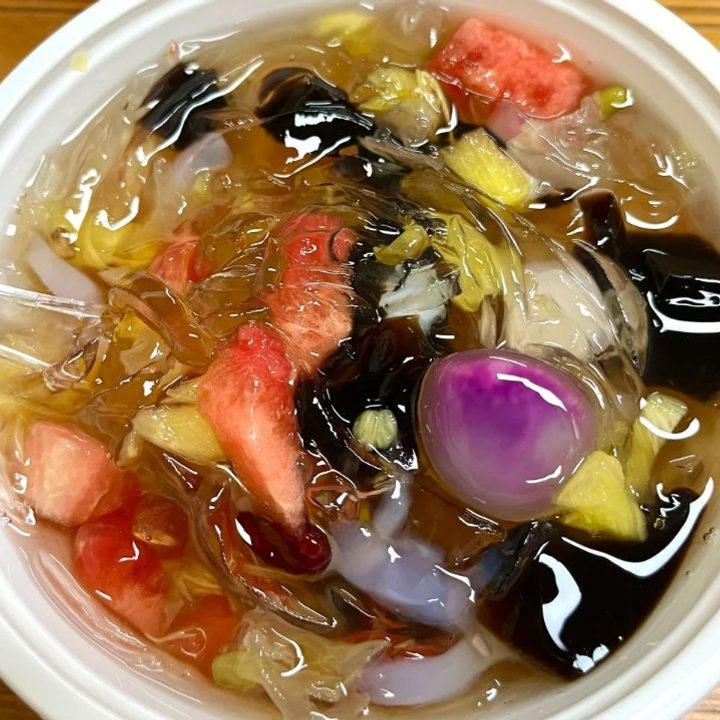
Siguotang: Summer Four-Fruits Sweet Bowl
Sea-moss jelly, beans, fruit, and ice — the easiest cool-down after temples and West Street.
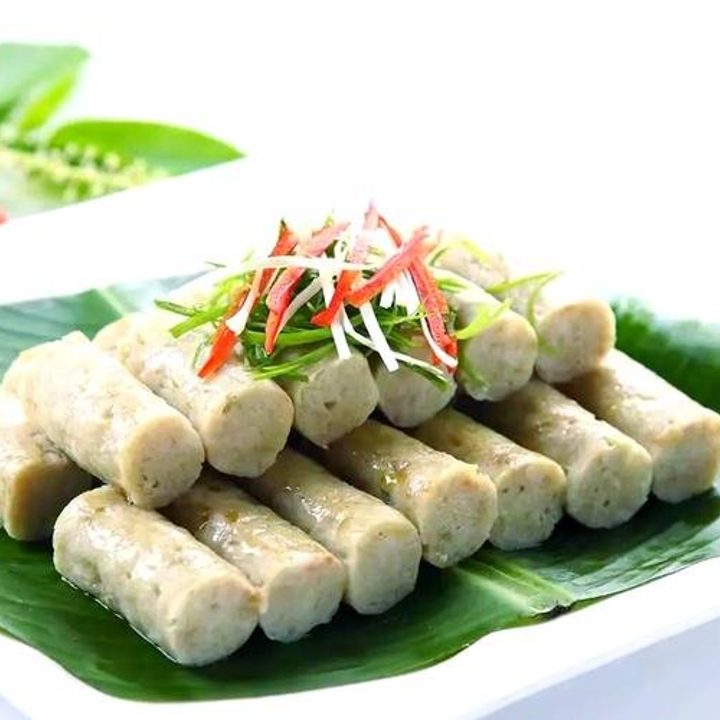
Chongwu Fish Roll: Harbor Fresh, Gift-Ready
Springy Spanish-mackerel rolls from Hui’an’s stone city — eat in soup, fry at home, take as gifts.