Mianxianhu: Quanzhou’s Morning Noodle Paste
Thin wheat noodles in savory paste, topped your way — the breakfast bowl that wakes old Quanzhou.
Updated 2026-08-06 · 514 words
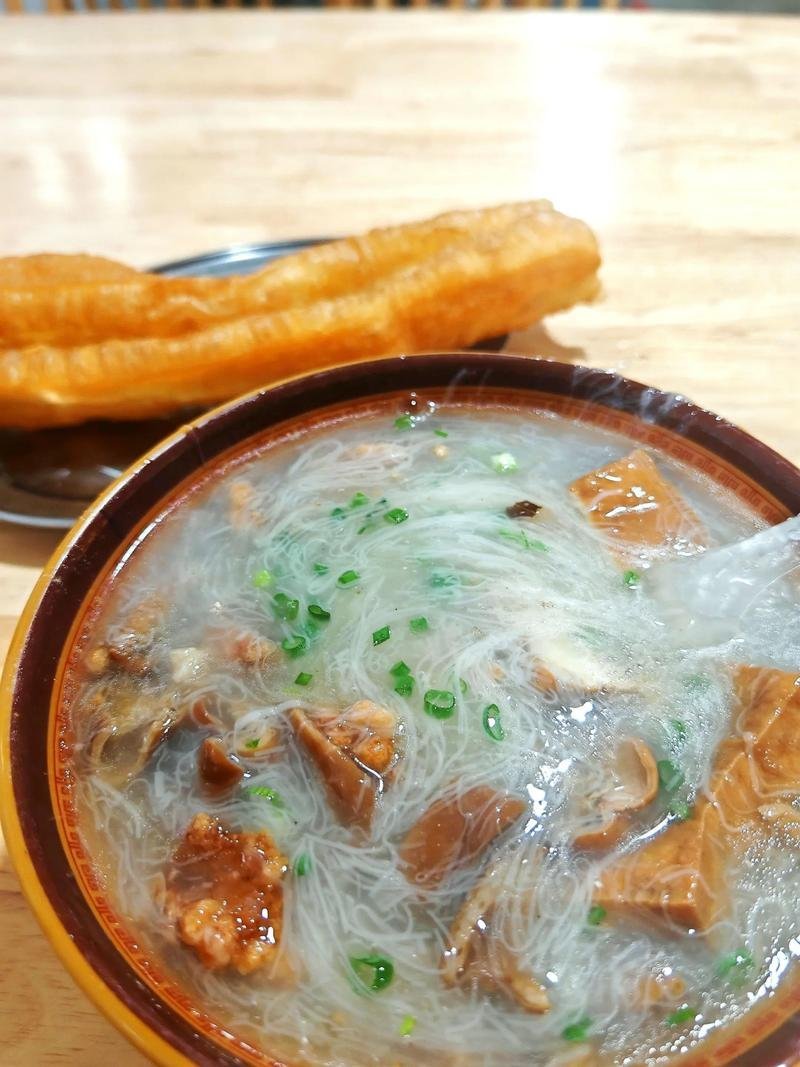
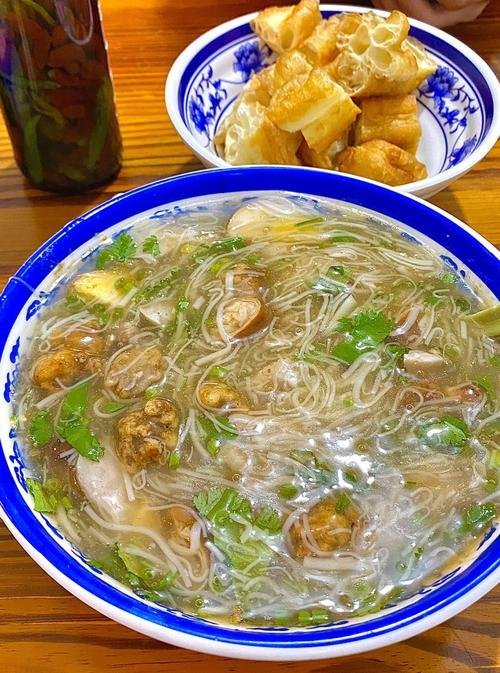
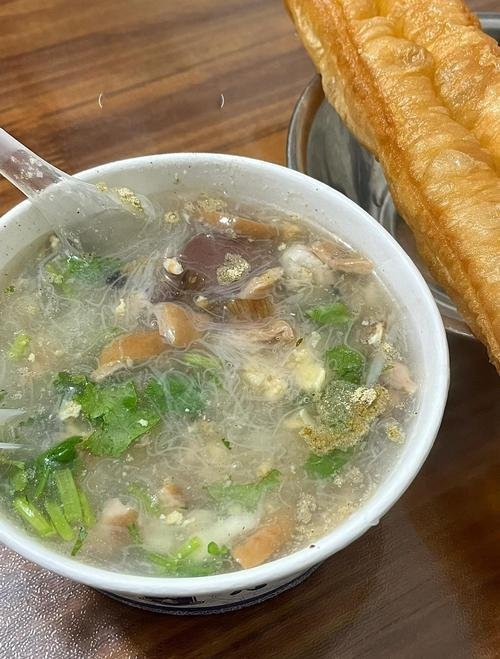
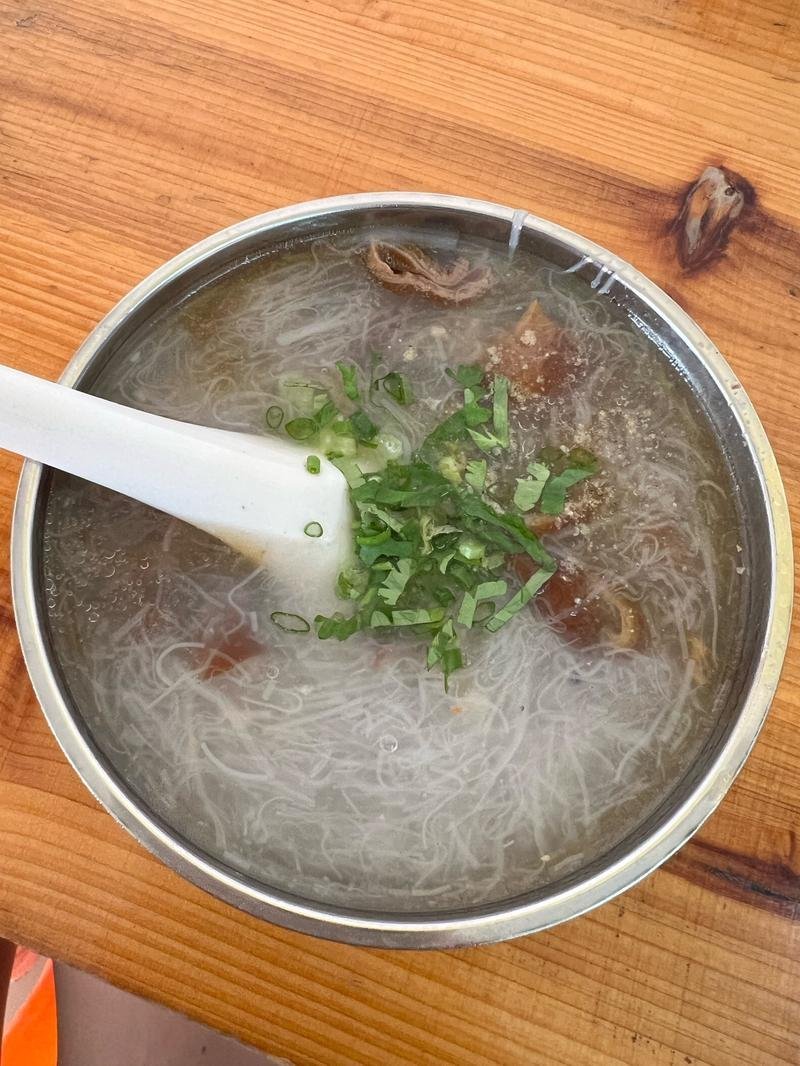
Early in Quanzhou, alley corners often smell of white pepper mixed with something from the sea. It rarely comes from a polished dining room. More often it rises from a wide pot of mianxianhu—thin wheat noodles cooked into a savory, lightly thickened soup. Locals call the noodles miangan. Handmade strands can be thinner than a millimeter, hung on bamboo racks until the breeze moves them. The cook breaks them into the stock: pork marrow bones for body, then dried shrimp, small fish, razor clams, or crab for brightness. Some old shops lean harder on seafood or shrimp-shell broth. Sweet-potato starch is streamed in along the rim while a ladle keeps turning, until soup and noodle become one—thick without turning gluey, clear without looking cloudy. Miss the heat by a little and the bowl goes cloudy; stir too little and it sticks.
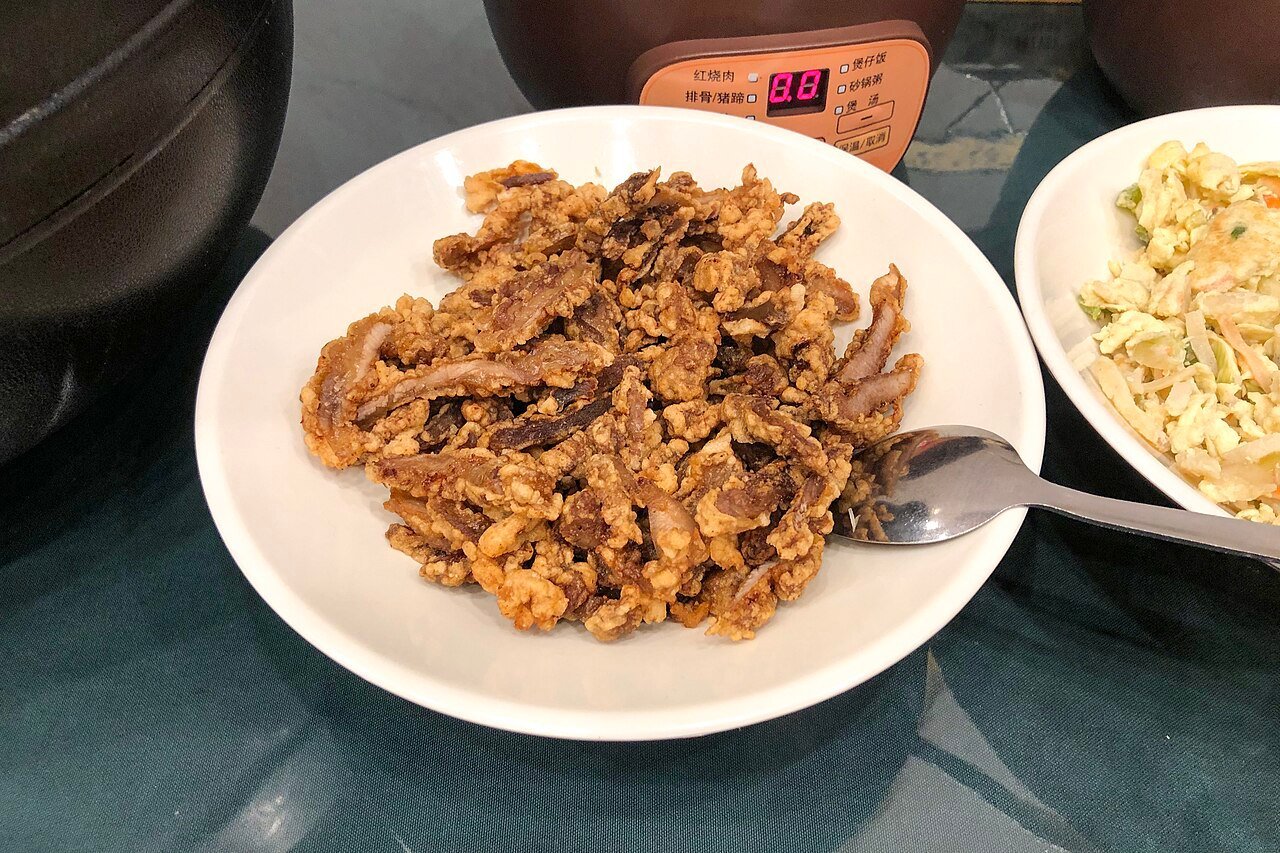
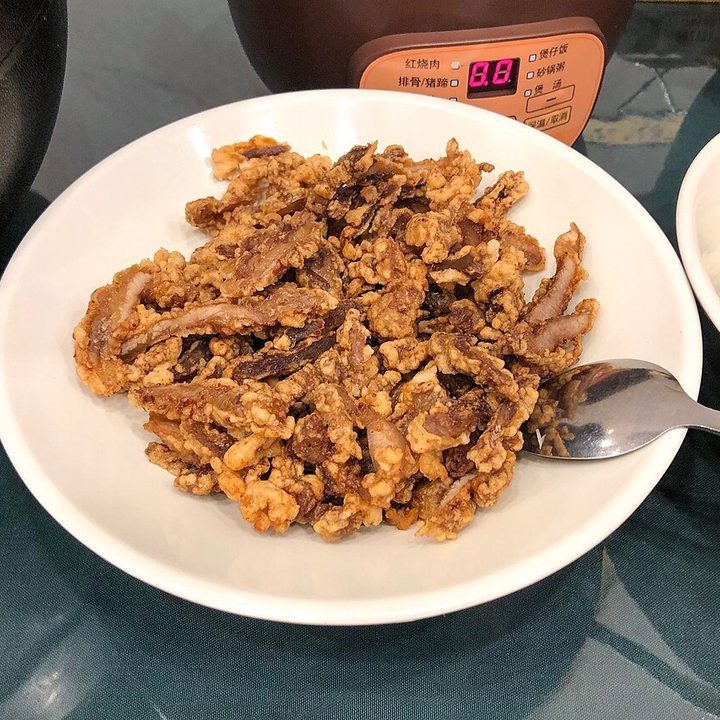
Sit down at a stall and you see why the city won’t let go of this bowl. First comes the plain paste, then toppings you choose yourself: braised intestine, vinegar-fried pork, tea egg, shrimp, oysters, tofu. Add as much or as little as you like. A little scallion oil often waits at the bottom; white pepper, herbs, and sometimes a few drops of angelica rice wine finish the top. Order a local youtiao if you can—lighter and hollower than many northern sticks. Dip a piece, or break it into the bowl. Some people load the soup like a market stall; others keep it nearly bare and let the pepper do the talking. First time here? Plain paste with fried vinegar pork and youtiao is a safe start.
The snack is said to be more than two centuries old. It traveled across southern Fujian and into Taiwan; the craft later entered Quanzhou’s intangible-heritage list and even gained a local standard. When a shop on Shuimen Lane appears in articles as a “time-honored brand,” locals often shrug. They remember which pot tastes fresh and which cook doesn’t overdo the pepper. For them this isn’t museum food. It’s what you order before work, after the night shift, or when rain starts. Visitors sometimes freeze at the thickness and the hair-fine noodles. Don’t compare it to Lanzhou beef noodles or a light Shanghai soup. Wait until the pepper hits and the fritter soaks through. Quanzhou mornings make more sense after that. Next time you’re in the old town, follow the pepper. You won’t need perfect GPS.
On-the-ground tips
Quanzhou rewards repeat visits to the same lane at different hours — morning soup stalls, afternoon tea pauses, and evening light on stone change the feel completely. Build one slow block into each day instead of chasing every pin on the map.
Screenshot Chinese names for stops and hotels; show maps to drivers. If a queue looks performative for tourists, walk one block — the second shop is often where locals eat.
Pair with nearby guides
Combine this page with our Discover introductions (Why Visit Quanzhou, First-Timer Mistakes) and the Quanzhou Food or 18 Scenic Spots topics for dish-level and site-level detail.
Corrections welcome: scoscar@gmail.com with this page URL.
Last updated: 2026-08-06 · Visit Quanzhou editorial team · Report an error
Related guides
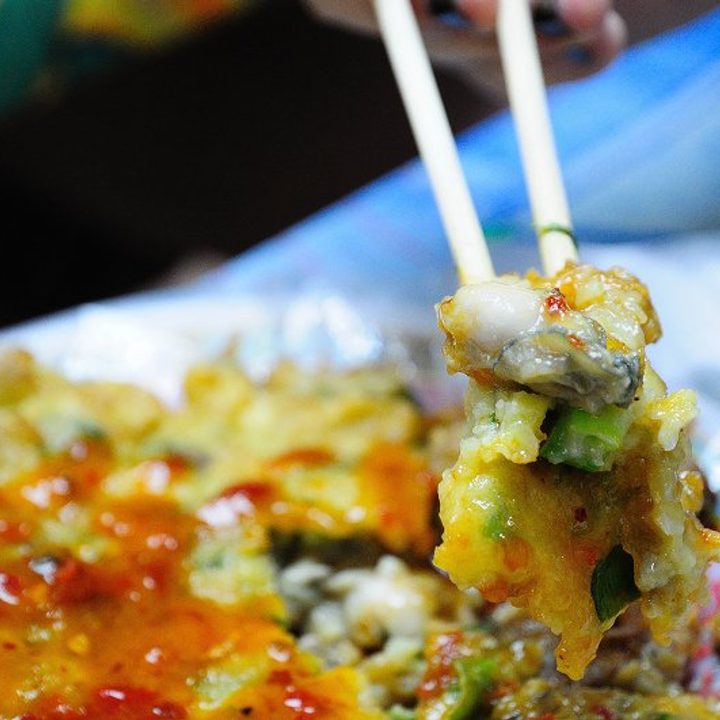
Hailijian: Coastal Oyster Omelette
Hot pan, sweet-potato starch, plump oysters — night-market sizzle from Xunpu to the old town.
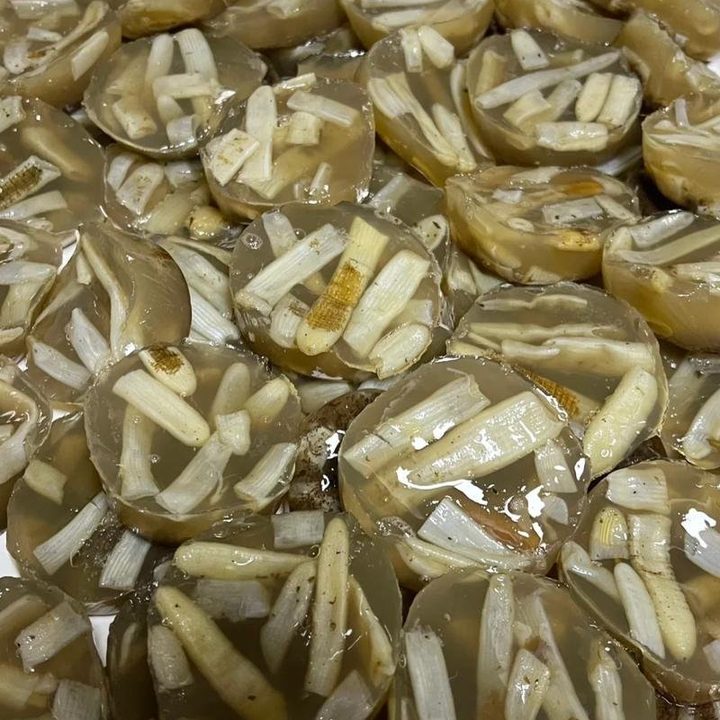
Tusundong: Anhai Sandworm Jelly
A cool, bouncy seafood jelly from coastal mudflats — love it or leave it, unmistakably Quanzhou.
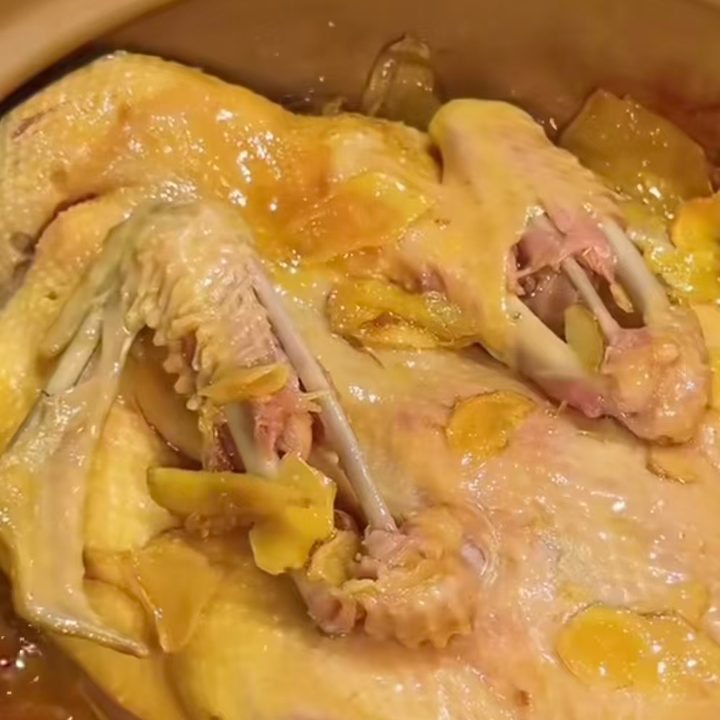
Jiangmu Duck: Old Ginger, Clay Pot Heat
Three-year ginger and muscovy duck in sesame oil — a pot worth sharing, summer or winter.
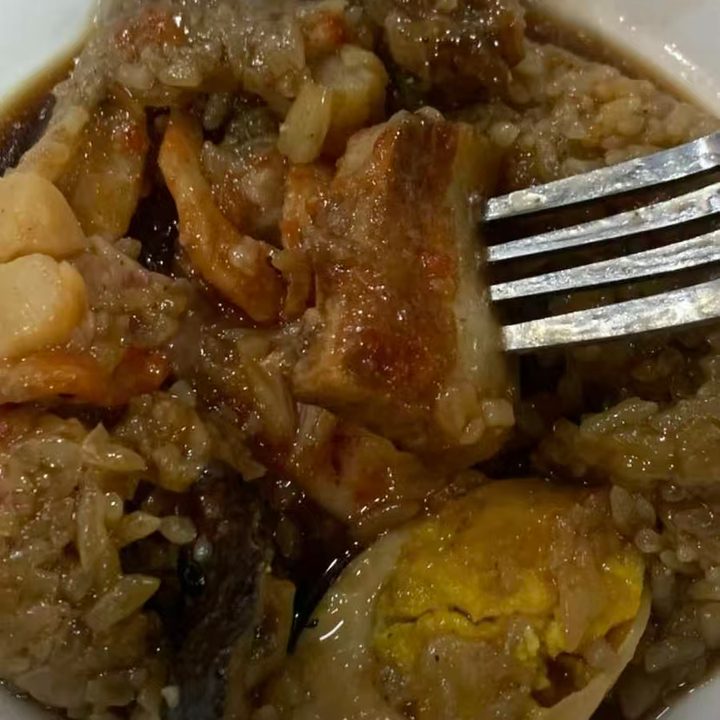
Quanzhou Rouzong: Hot Savory Rice Dumplings
Not a sweet zongzi — peel it hot, add sauce, and taste the port city’s land-and-sea filling.
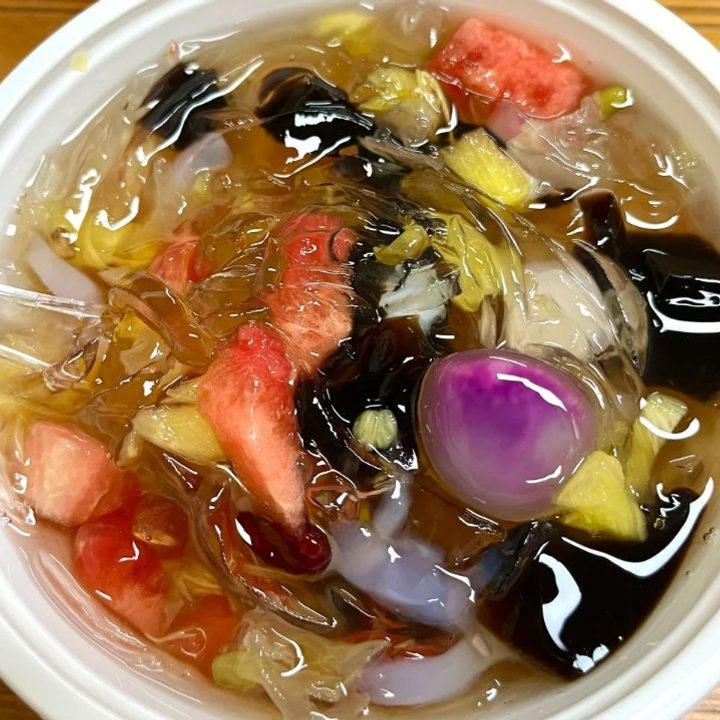
Siguotang: Summer Four-Fruits Sweet Bowl
Sea-moss jelly, beans, fruit, and ice — the easiest cool-down after temples and West Street.
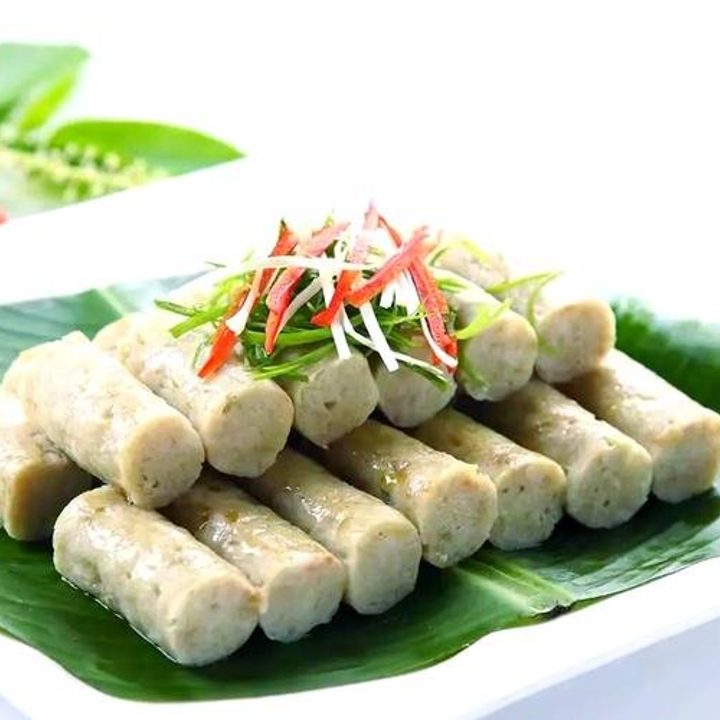
Chongwu Fish Roll: Harbor Fresh, Gift-Ready
Springy Spanish-mackerel rolls from Hui’an’s stone city — eat in soup, fry at home, take as gifts.