Jiangmu Duck: Old Ginger, Clay Pot Heat
Three-year ginger and muscovy duck in sesame oil — a pot worth sharing, summer or winter.
Updated 2026-08-06 · 551 words
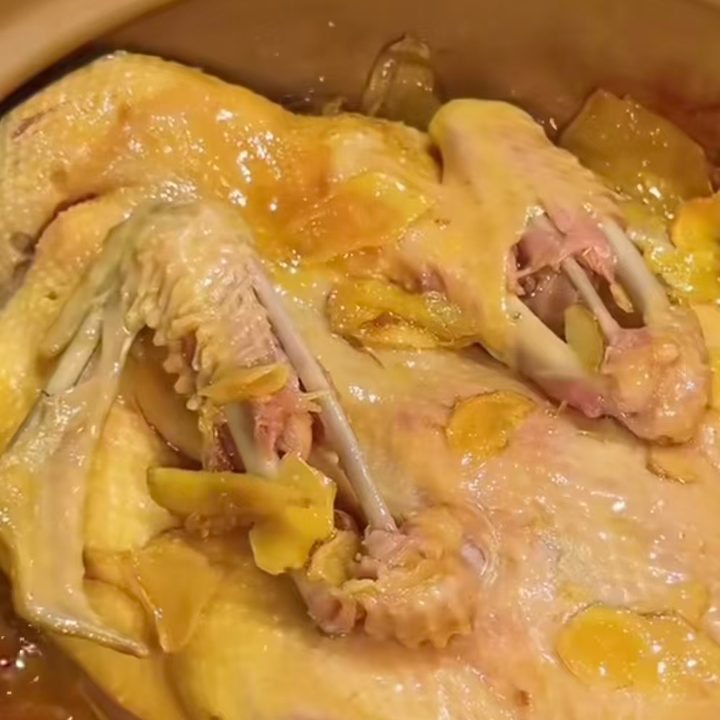
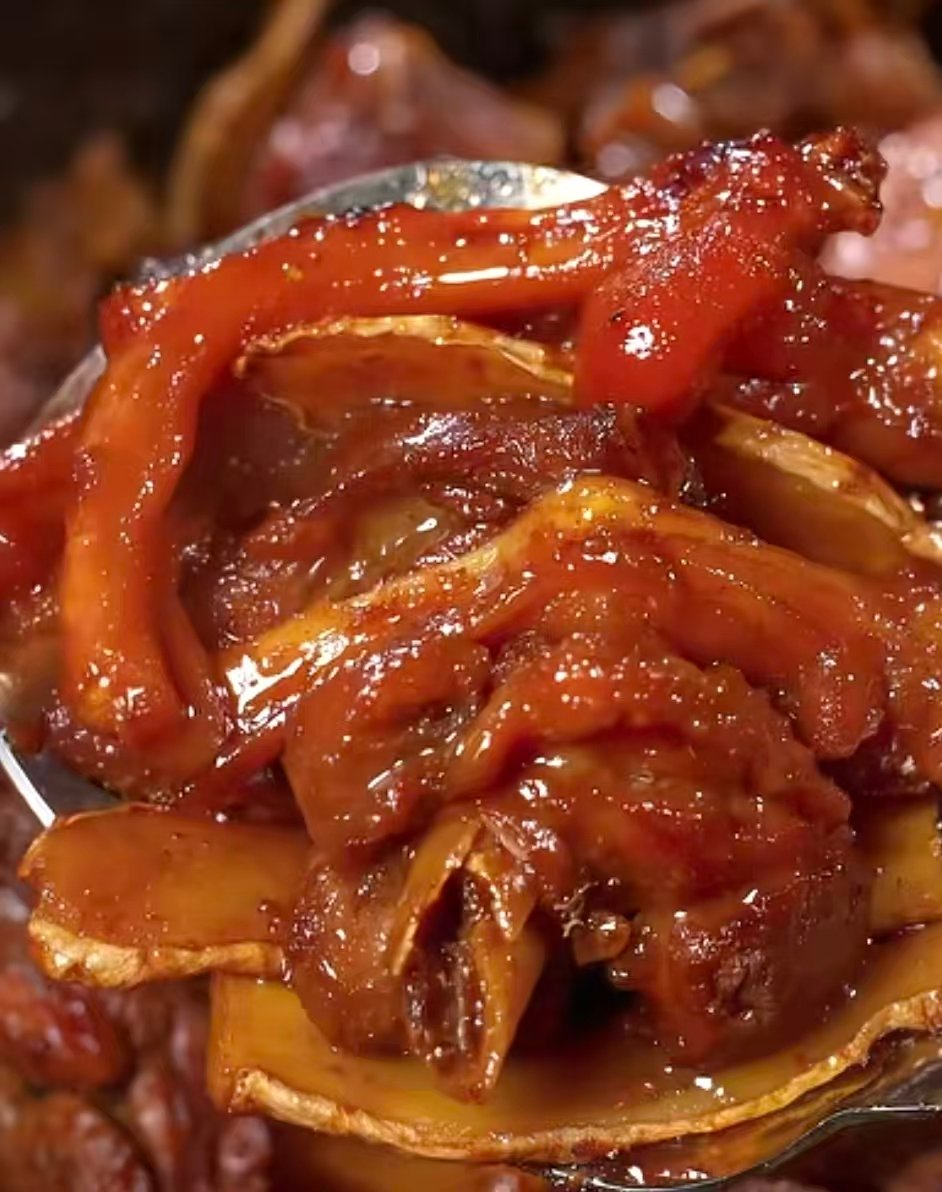
Guides like to quiz visitors on jiangmu duck: male bird or female? The trick is in the name. Jiangmu is not the duck’s gender. In Minnan, it means mature ginger—three years or older—hot enough and deep enough to stand up to fatty muscovy duck. Ginger leads; the duck can be either sex. Shops favor white-faced, red-footed birds around seventy to ninety days old, firm without turning dry. In a clay pot, sesame oil browns ginger slices, then in go the marinated pieces with rice wine or baijiu and salt. Some kitchens add a little maltose or rock sugar for color and glaze. Slow heat until the meat yields and the broth turns red-gold, and the street fills with that spicy, toasted smell.
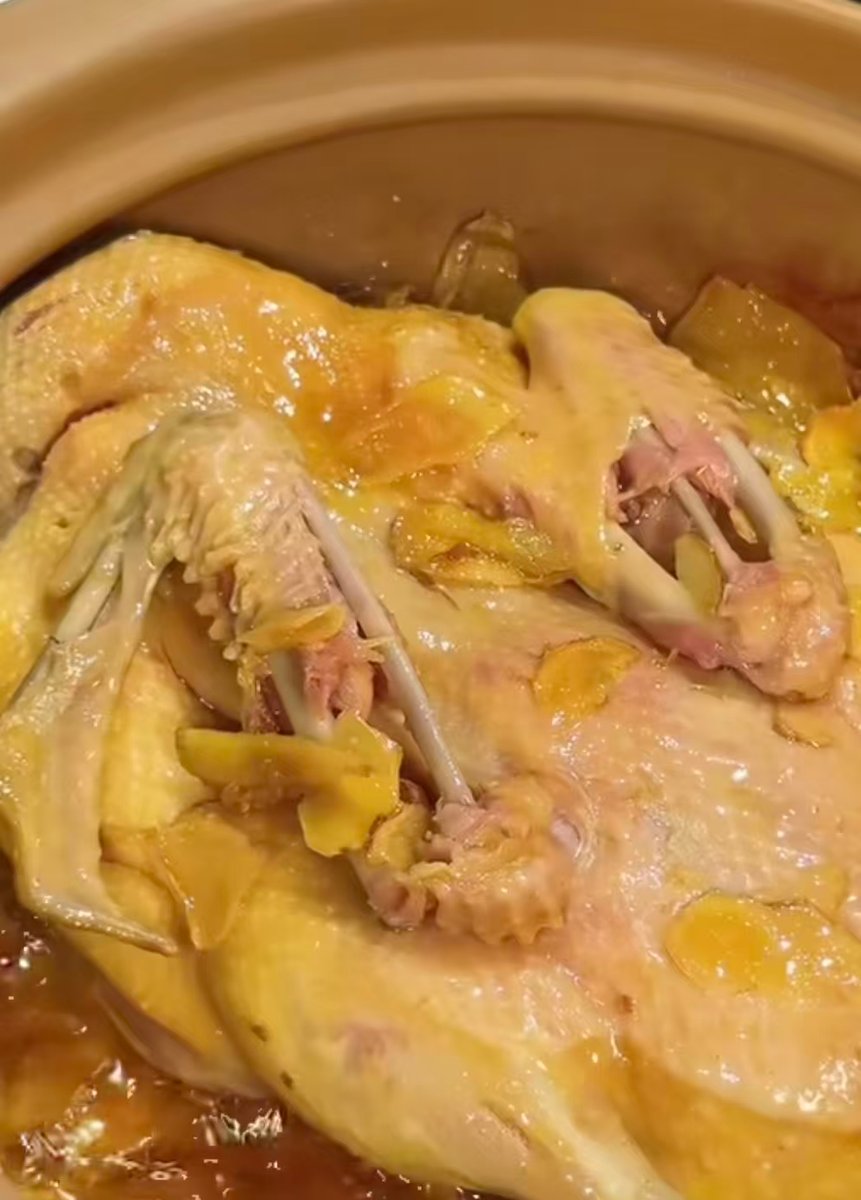
Quanzhou city and Cizao in Jinjiang are thick with these shops; you can smell sesame oil before you see the sign. One duck, one pot. Steam hits first. Ginger lies under the meat like a small gold hill. Tear while it’s hot; rice into the juices is almost automatic. If strong ginger worries you, say “less ginger”—most cooks understand. Some people hunt the slices; others claim the legs; often only broth is left, and even that feels hard to waste. Folklore traces the dish to a Shang-dynasty court tonic that later settled in Quanzhou and crossed to Taiwan with migrants. Styles now run dry-savory, soupy, or in between, each shop with its own sauce, all circling old ginger, sesame oil, and patience. Worried about summer “heatiness”? Old cooks say oil-fried ginger mellows, and duck cools the balance. Believe them or not—the pots stay full year-round. Ask whether a house leans dry or brothy; one pot usually feeds two travelers well.
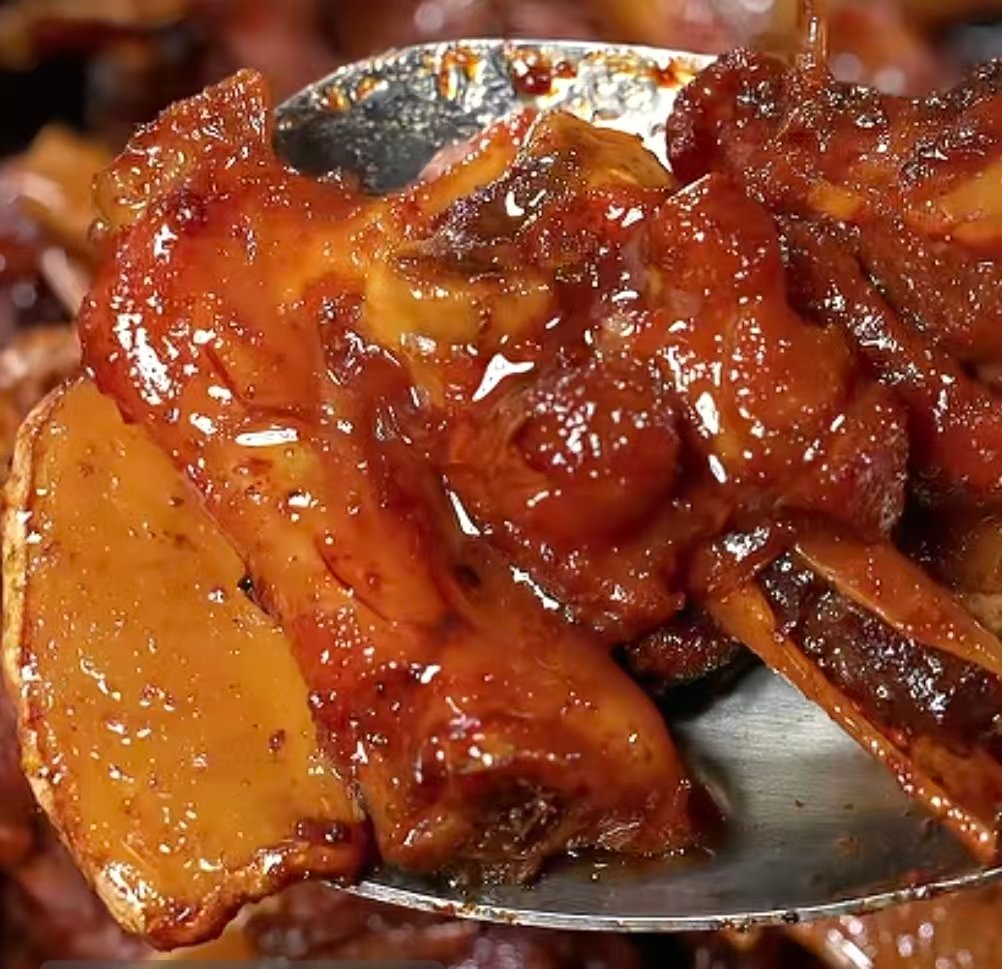
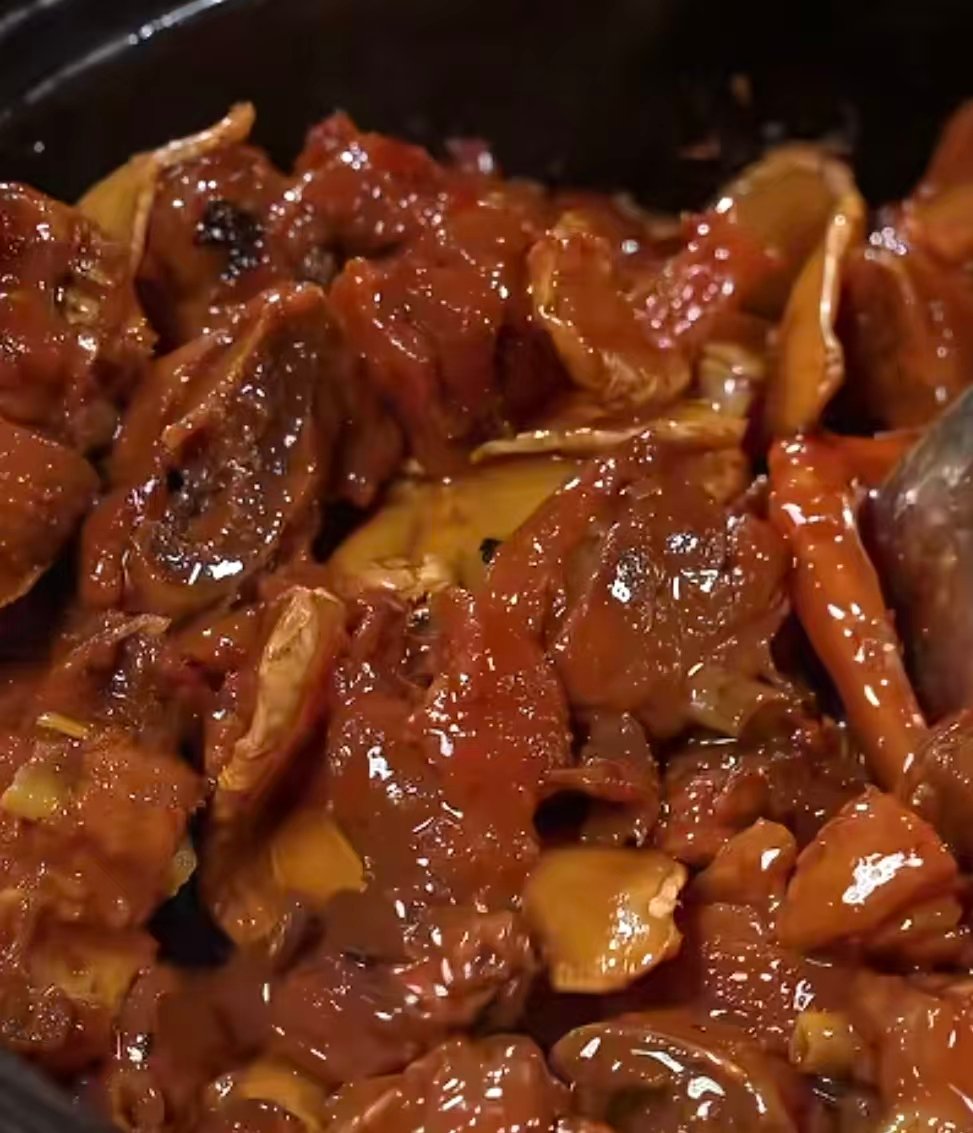
This isn’t street food you eat while walking. It’s closer to a small ritual: friends around a pot, talk unfinished, appetite already woken by ginger. Sit, sweat a little, drink the soup. The clay is hot—watch your mouth—and order extra rice or you’ll mourn the sauce. Dry styles run thicker; wet styles give more broth. After you leave Quanzhou, the memory that returns is often this warm burn—not because it’s rare, but because it feels like the city: lively outside, serious about fire and time. Winter suits it, of course. Summer, sweating over the same pot, has its own kind of pleasure.
On-the-ground tips
Quanzhou rewards repeat visits to the same lane at different hours — morning soup stalls, afternoon tea pauses, and evening light on stone change the feel completely. Build one slow block into each day instead of chasing every pin on the map.
Screenshot Chinese names for stops and hotels; show maps to drivers. If a queue looks performative for tourists, walk one block — the second shop is often where locals eat.
Pair with nearby guides
Combine this page with our Discover introductions (Why Visit Quanzhou, First-Timer Mistakes) and the Quanzhou Food or 18 Scenic Spots topics for dish-level and site-level detail.
Corrections welcome: scoscar@gmail.com with this page URL.
Corrections and updates
Hours, prices, and transport routes change. We update guides when travelers write in from the ground. Email scoscar@gmail.com with the page URL if something no longer matches what you see.
Last reviewed with on-site practice in mind — treat every itinerary as a pacing suggestion you adjust to your energy, not a mandate.
Last updated: 2026-08-06 · Visit Quanzhou editorial team · Report an error
Related guides
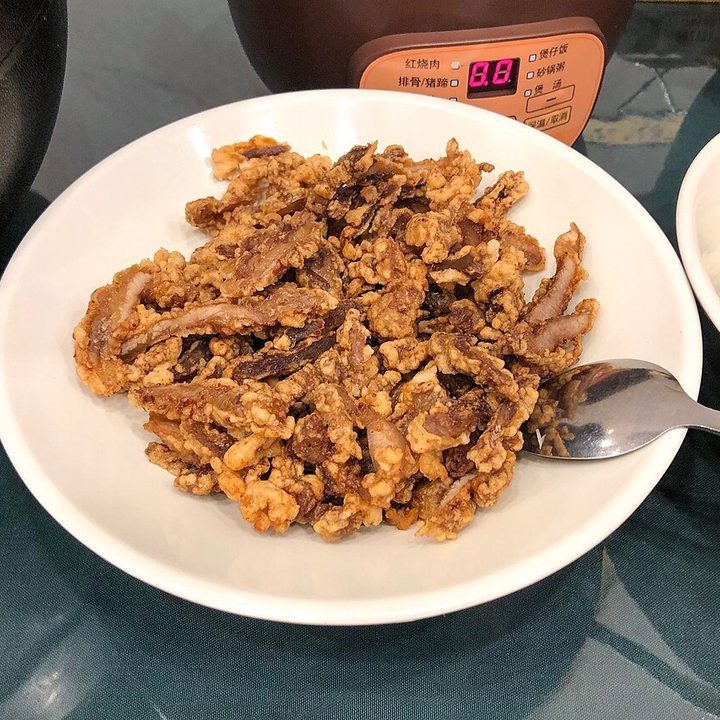
Mianxianhu: Quanzhou’s Morning Noodle Paste
Thin wheat noodles in savory paste, topped your way — the breakfast bowl that wakes old Quanzhou.
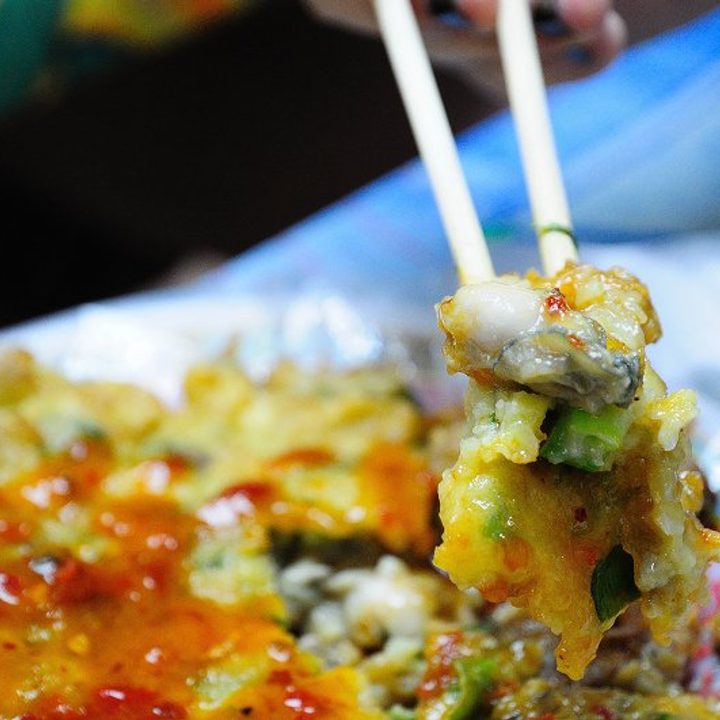
Hailijian: Coastal Oyster Omelette
Hot pan, sweet-potato starch, plump oysters — night-market sizzle from Xunpu to the old town.
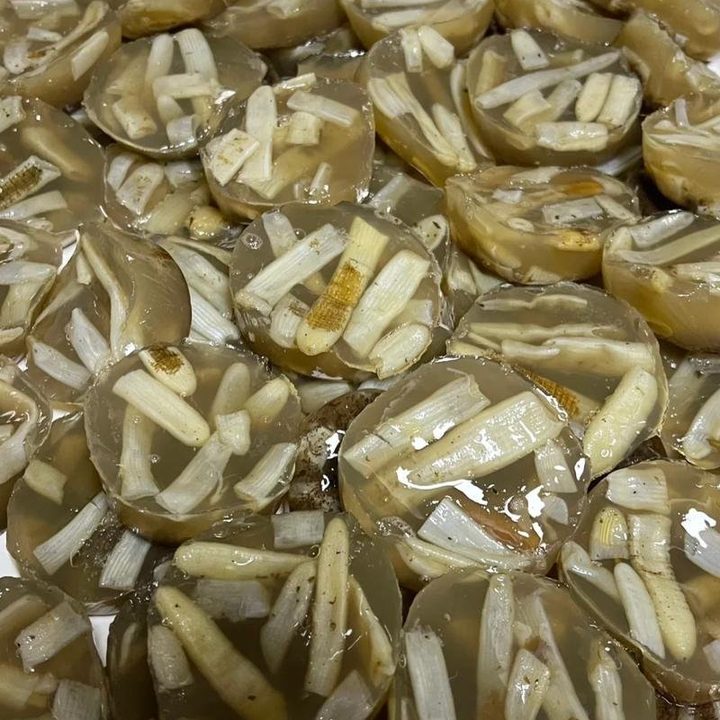
Tusundong: Anhai Sandworm Jelly
A cool, bouncy seafood jelly from coastal mudflats — love it or leave it, unmistakably Quanzhou.
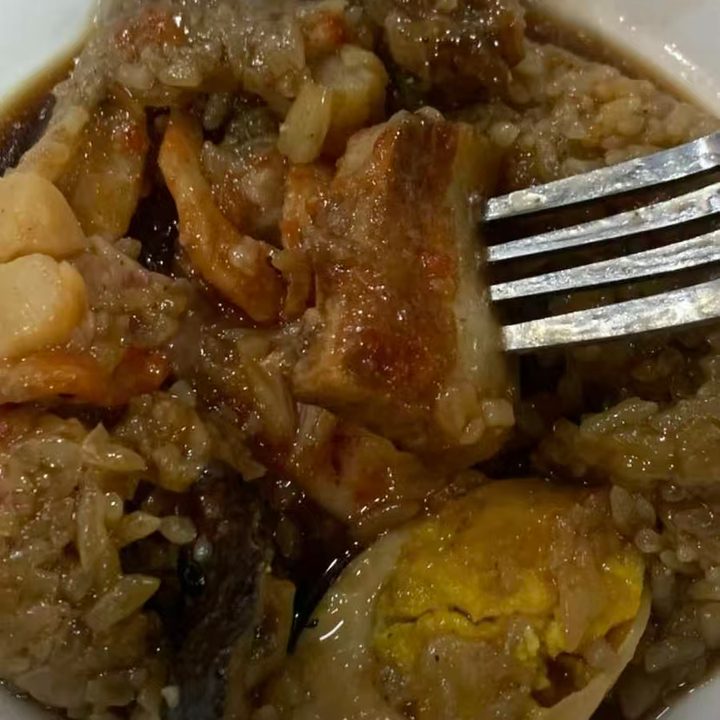
Quanzhou Rouzong: Hot Savory Rice Dumplings
Not a sweet zongzi — peel it hot, add sauce, and taste the port city’s land-and-sea filling.
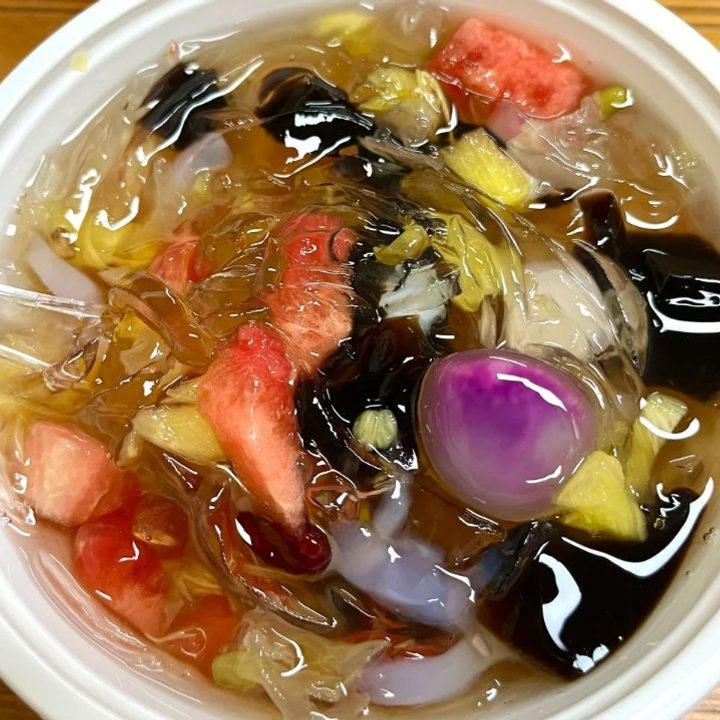
Siguotang: Summer Four-Fruits Sweet Bowl
Sea-moss jelly, beans, fruit, and ice — the easiest cool-down after temples and West Street.
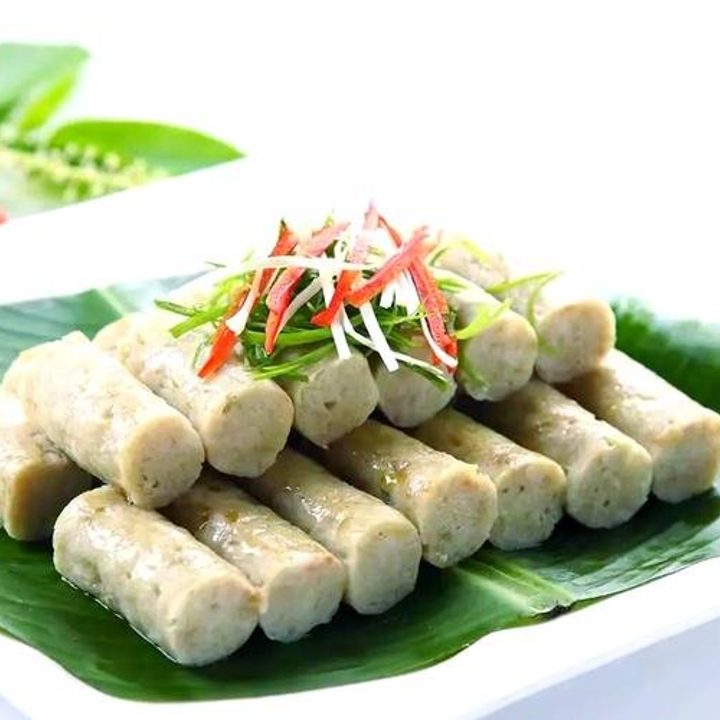
Chongwu Fish Roll: Harbor Fresh, Gift-Ready
Springy Spanish-mackerel rolls from Hui’an’s stone city — eat in soup, fry at home, take as gifts.