Chongwu Ancient City: Granite Walls and Sea Spray
Ming-era coastal fortress in Hui’an — walk the battlements, watch fishermen mend nets, and time your visit for low tide.
Updated 2026-08-07 · 761 words
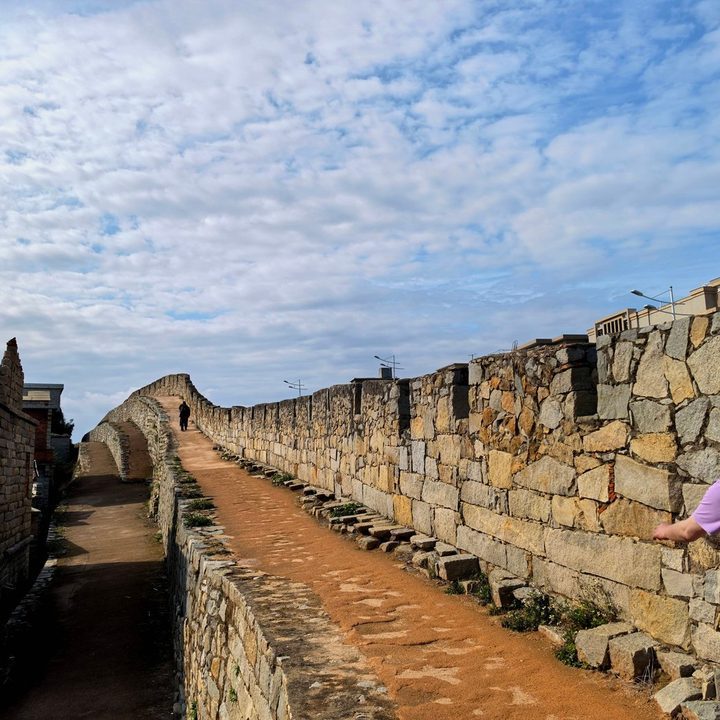
When I want to show foreign friends a side of Quanzhou that feels bigger than the old city lanes — history, sea wind, and stone walls that actually defended a coast — I drive them out to Chongwu Ancient City on Hui'an County's southeast tip. "Listening to Waves at Chongwu" is not poetic exaggeration. On a swell day the Taiwan Strait hammers the granite ramparts and you feel the name in your chest before you read the sign. This is one of China's best-preserved stone coastal forts, built from local granite blocks that still carry the pale warmth of the quarry, and it offers something downtown temples cannot: open horizon, salt air, and the sense that the city you left an hour ago belongs to another world entirely.
Navigate to "Chongwu Ancient City" — about sixty kilometres from central Quanzhou, roughly one hour by car depending on traffic. If you prefer public transport, coaches from the main passenger station head toward Hui'an and Chongwu; ask at the ticket window for the current schedule because rural routes shift seasonally. Plan on half a day minimum. A combined scenic ticket runs about forty-five yuan and typically covers the city walls, folk exhibition areas, and related sites, though always confirm at the gate because packages change. Forty-five yuan for a full coastal fortress afternoon still feels like a bargain to me, especially compared with walled towns that charge more and deliver less authenticity.

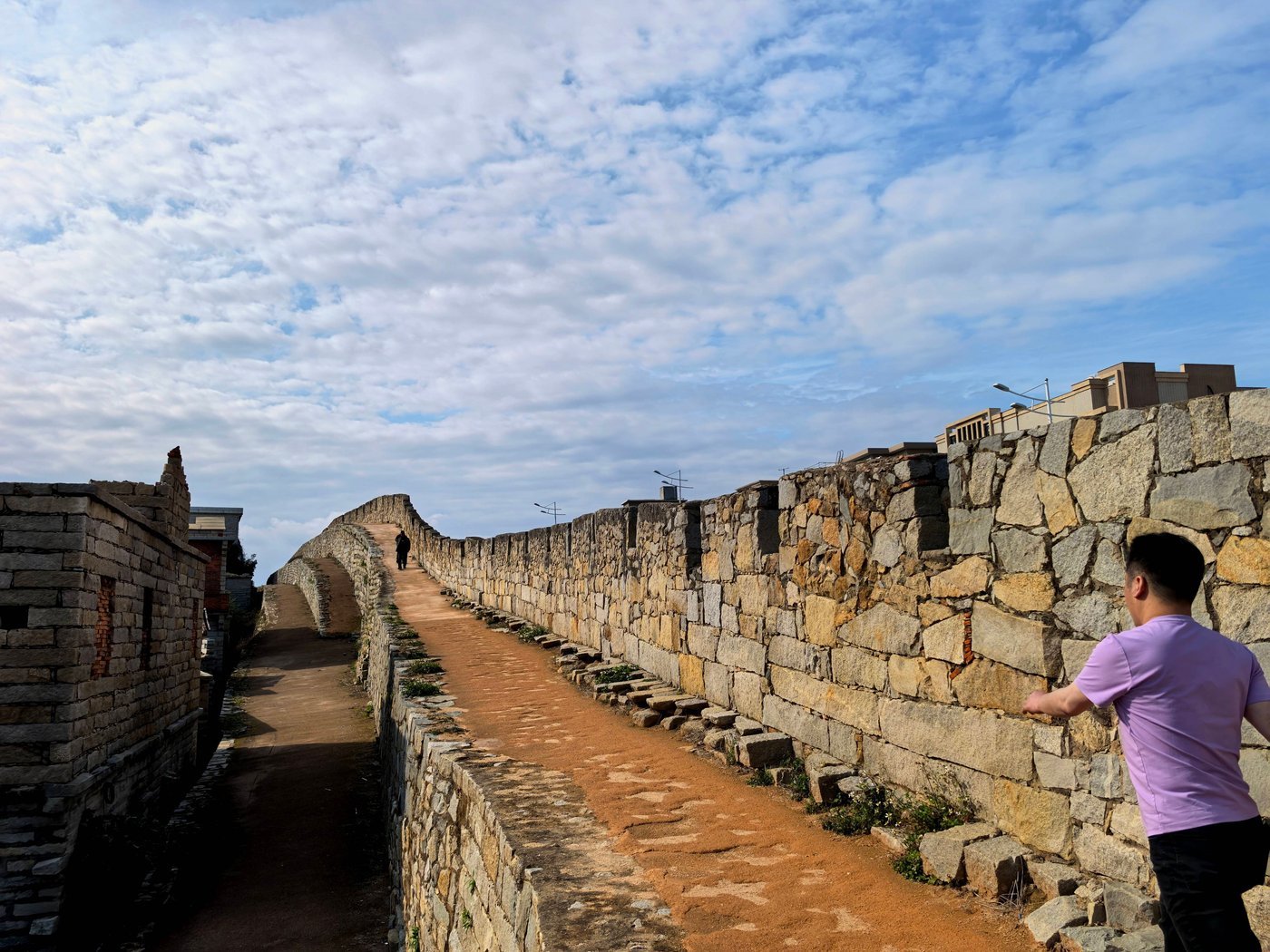
Enter through the west or south gate and climb to the parapet walk. Ocean on one side, lanes of houses and small shrines on the other — that contrast is the whole Chongwu story. Fishermen's laundry dries below while swallows nest in crenellations above. Highlights I always point out include the Qi Jiguang Memorial Hall, honouring the Ming commander who fought pirates along this coast; the water gate where tides once flowed through controlled openings; and the stone guardian figures posted along the wall like silent sentries. Foreign guests who know European castles often say this feels different — lower, wider, built for waves rather than siege towers — and the conversation alone is worth the trip.
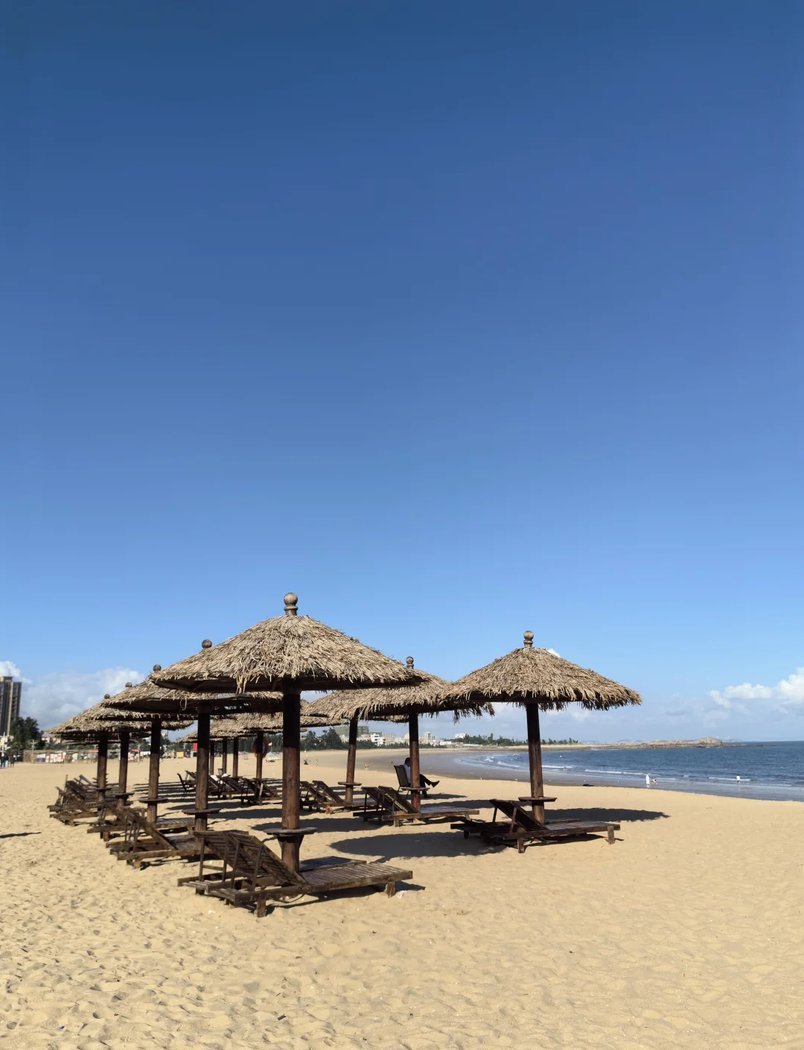
Tide matters here more than at most heritage sites. At low tide locals walk the flats near Xisha Bay and the outer reef bands, bending for shellfish the way their grandparents did. At high tide waves slam the wall base and photography turns dramatic fast — spray, dark wet stone, white foam. If your friends enjoy people-watching, low tide is human theatre; if they want moody seascapes, come near high tide and stay for twenty minutes after the peak. The folk zone explains Hui'an women's traditional dress — the coloured head scarves and short jackets famous in Minnan photography — but treat people with the same courtesy you would anywhere: ask before portraits, never sneak shots, and accept a polite no without argument.

Dress for wind, not just sunshine. Even in summer the coast blows hard enough to chill a T-shirt, so I pack sunblock and a light jacket for everyone. Winters bite here too — sharper than inland Quanzhou — so layer up if you visit between December and February. Footwear matters on the parapet: smooth soles and flip-flops are a bad idea where stone meets sea spray. I also tell friends to charge phones fully; the light on granite and water drains batteries faster than people expect, and the best shots often appear when you have already used half your storage on the water gate alone.
For lunch, do not rush back to the city: Chongwu fish rolls and fresh oyster omelettes (hai li jian) at a local stall beat any generic tourist restaurant I know. The fish rolls are springy and clean-tasting, the oysters briny from the same water you just photographed. Eat slowly, watch the boats, and let your friends understand why Minnan people say the sea feeds the table and the wall feeds the imagination. If you still have energy after the walls, ask locals about Xisha Bay at low tide — the flat combers and picking families make a gentle epilogue to the fortress drama above.
Chongwu works best when you stop comparing it to European castles and start listening. The walls are not tall because height was the point; they are low, wide, and stubborn because the enemy here was wind, salt, and pirates in fast boats. Stand still long enough and foreign guests usually get it — this is a working coast that happens to be ancient, not an ancient theme park pretending at the sea.
Last updated: 2026-08-07 · Visit Quanzhou editorial team · Report an error
Related guides
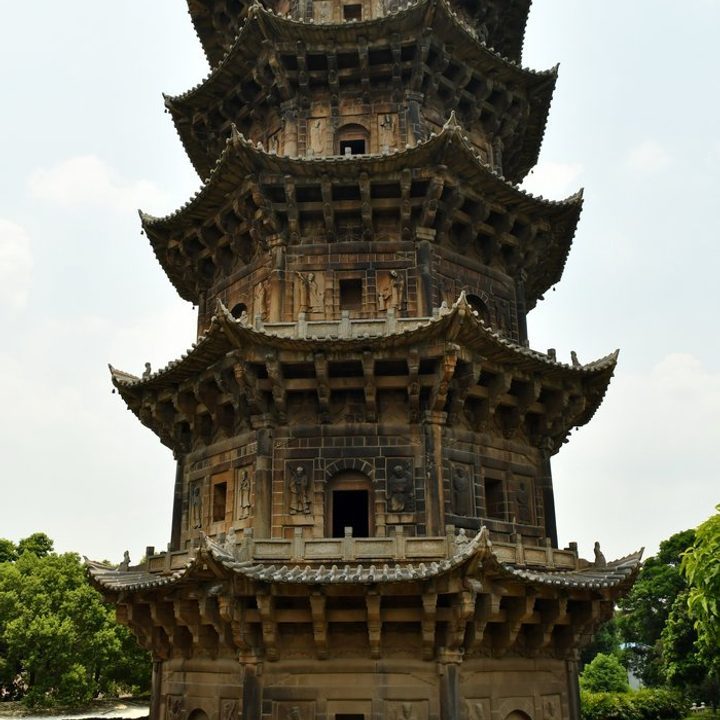
Kaiyuan Temple: Twin Pagodas Over West Street
Song-era stone towers, Tang halls, and a living monastery on Quanzhou’s busiest heritage street — plan 90 minutes and arrive early.
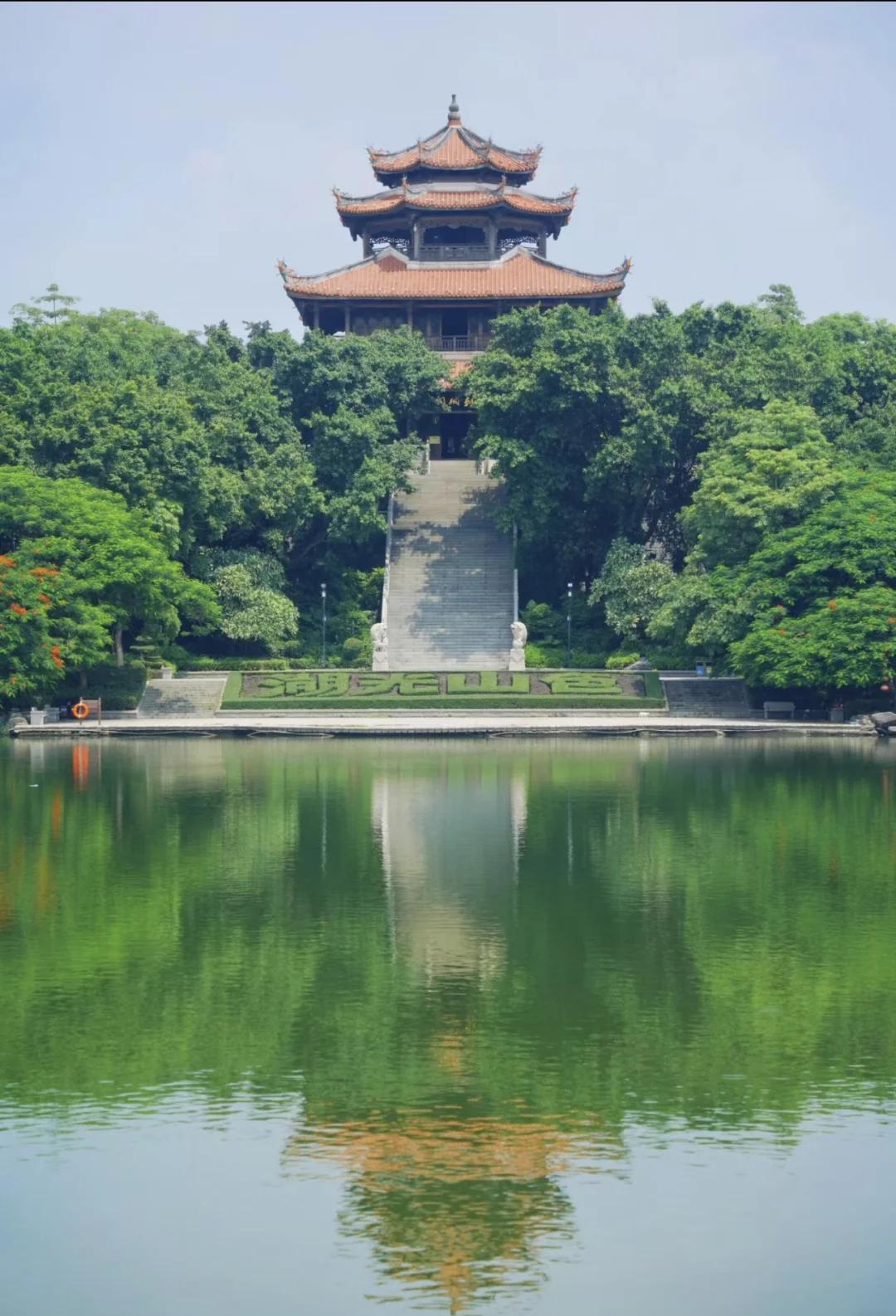
Quanzhou West Lake: Pagodas, Bonsai, and Morning Walks
City lake west of Kaiyuan Temple — free entry, flat paths, bonsai garden, and golden-hour photos over the water.
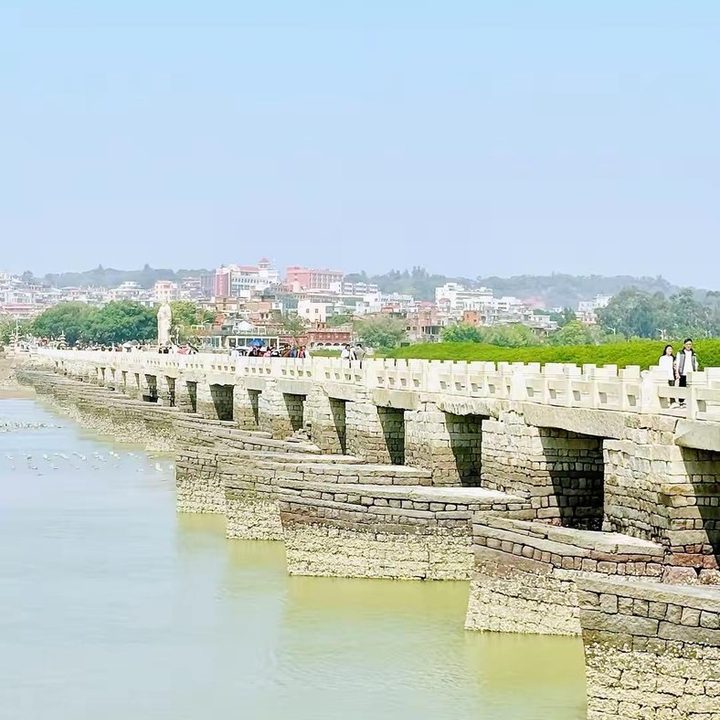
Luoyang Bridge: Song Stones Across the Luoyang River
One of China’s oldest cross-sea stone bridges — oyster-encrusted piers, Wen Temple at the north end, best at rising tide.
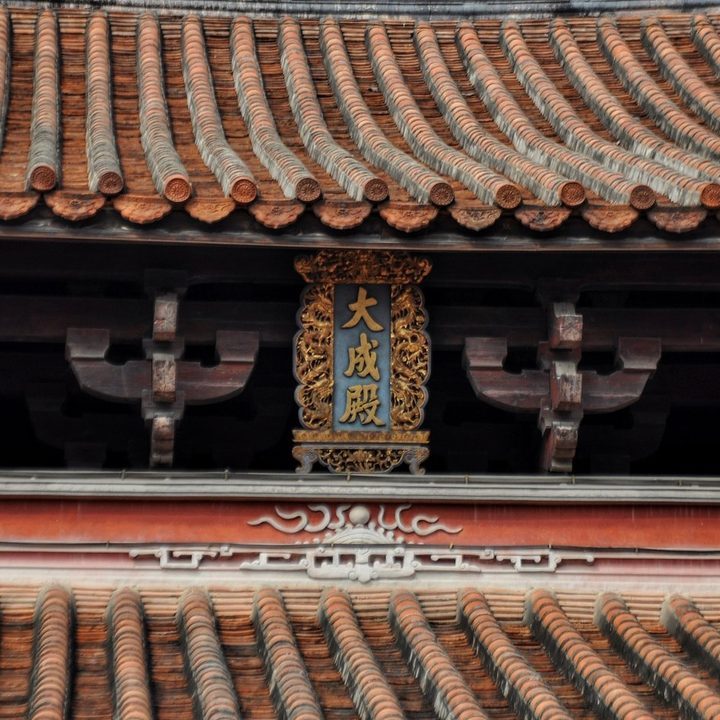
Quanzhou Confucian Temple: Song Bricks and Exam Halls
Large southern Confucian complex on Tumen Street — red walls, ancient banyan shade, and a quiet courtyard away from the crowds.
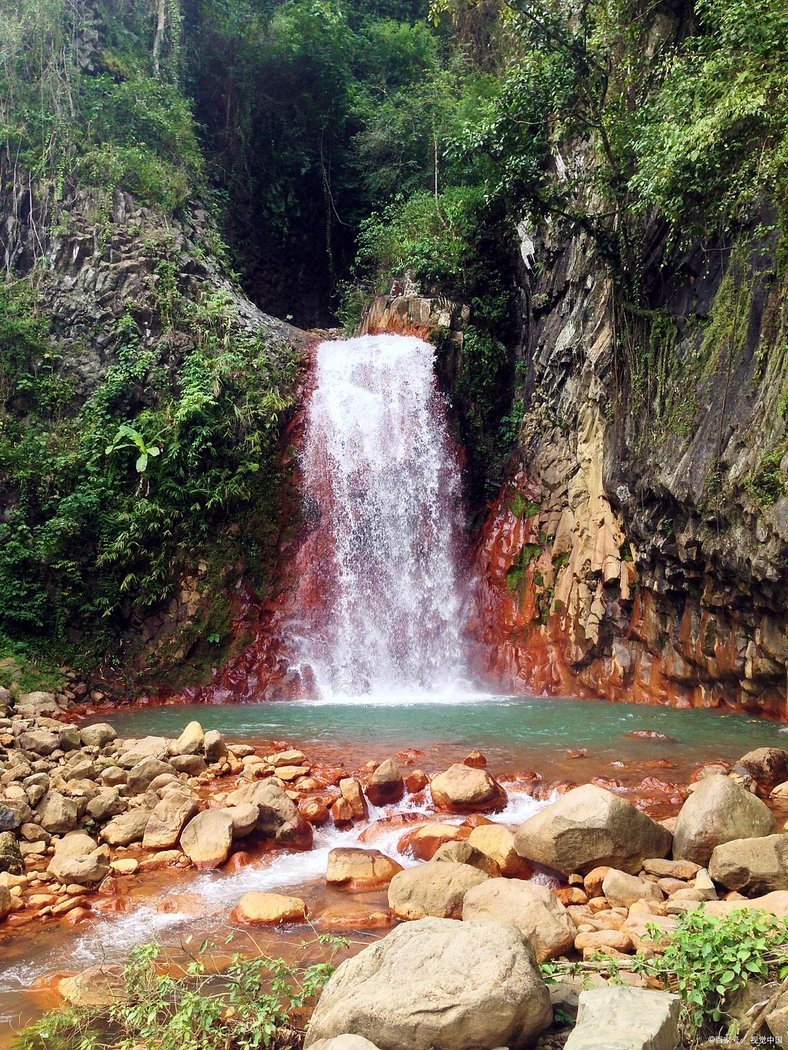
Niulincun: Cloud Forest and Sky Walk in Yongchun
Subtropical nature reserve 40 km from downtown — canopy trails, cable car views, and cooler air in summer.
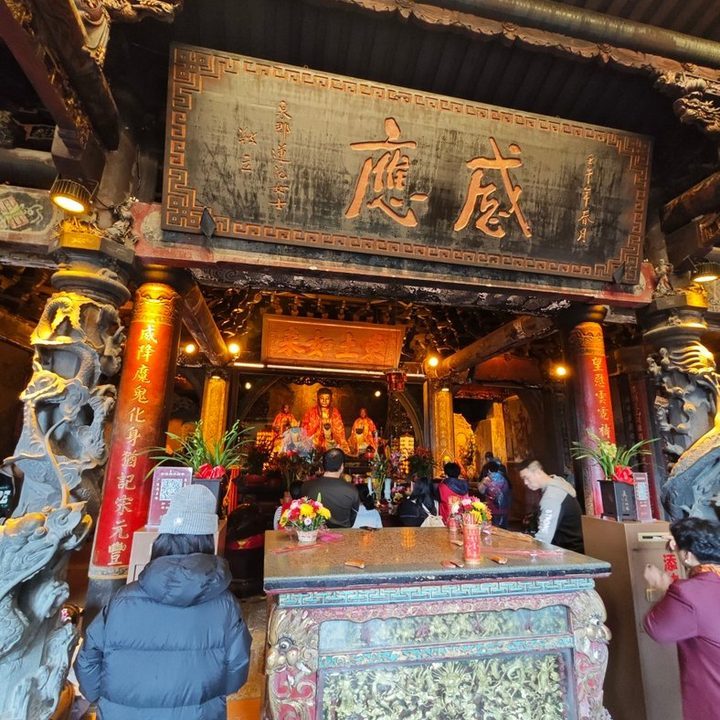
Qingshui Rock: Cliff Temple of Master Qingshui
Anxi’s hillside sanctuary with tiered pavilions — incense, mountain tea stalls, and a 90-minute climb from the bus stop.