Niulincun: Cloud Forest and Sky Walk in Yongchun
Subtropical nature reserve 40 km from downtown — canopy trails, cable car views, and cooler air in summer.
Updated 2026-08-07 · 757 words
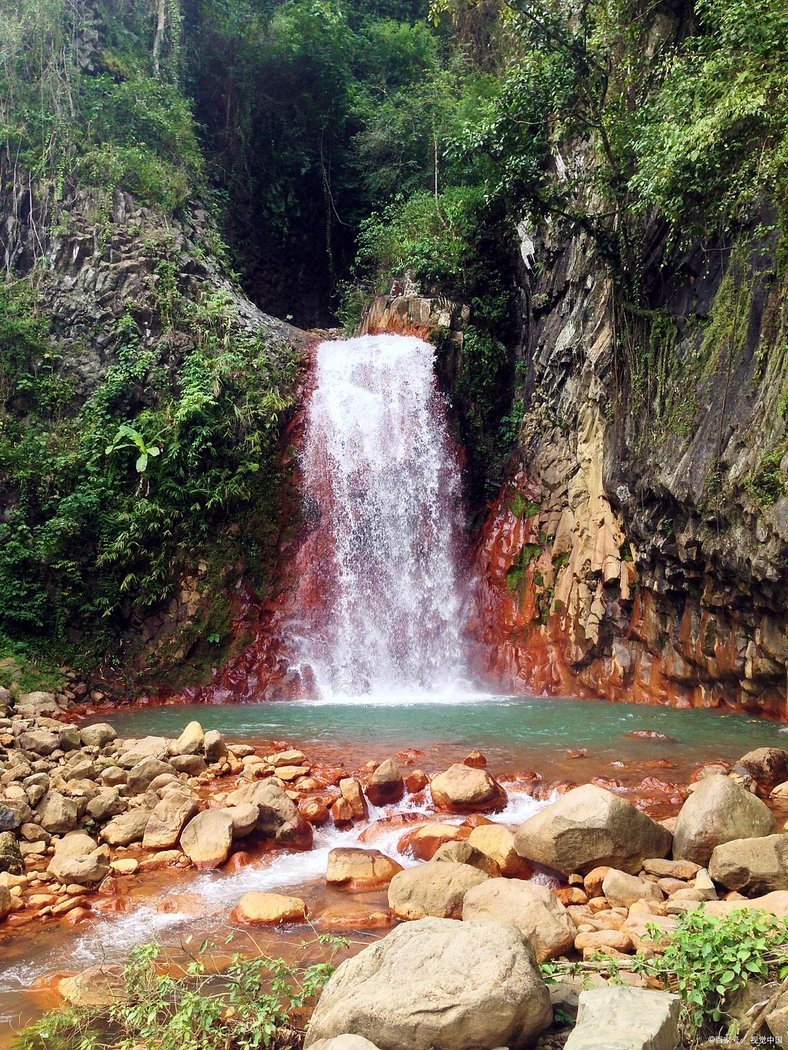
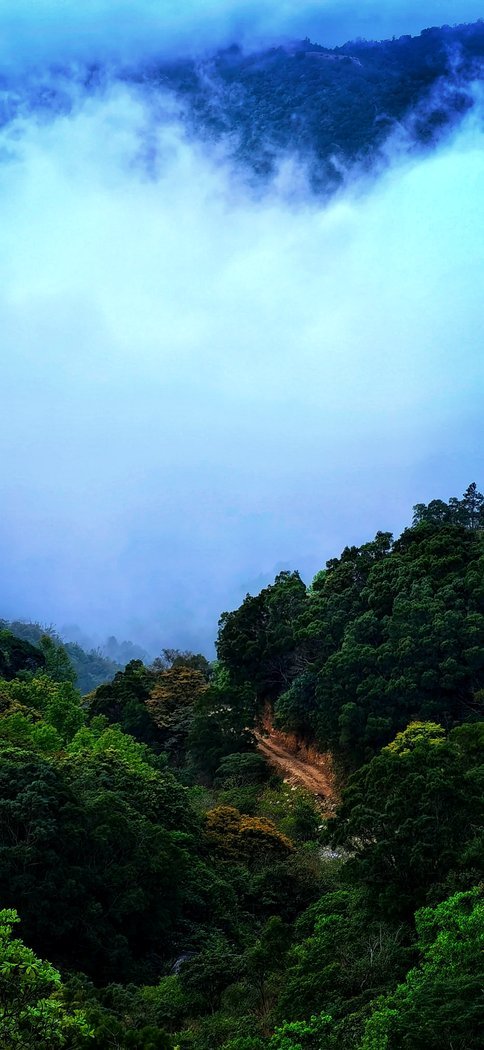
On humid summer days when downtown Quanzhou feels like a sauna wrapped in scooter exhaust, I load foreign friends into a car and head west to Niulincun — "Exploring Hidden Niulm" — in Yongchun County's Xiayang Town. About forty kilometres from the city centre, the drive takes one to one and a half hours depending on mountain road traffic, but the temperature drop at the trailhead usually earns an audible sigh from everyone in the back seat. This was Fujian's first national nature reserve, and the name is not marketing fluff: subtropical forest closes overhead, waterfalls hammer shale basins, and the air smells like wet leaf and cold stone. Locals say summer here runs roughly five degrees cooler than the plain; your skin believes it within five minutes of stepping off the shuttle bus.
Tickets run about forty-five to sixty yuan and typically include the scenic-area shuttle from the visitor centre — confirm what's bundled when you buy because policies vary by season. A cable car operates for guests who want to skip part of the climb; it costs extra and is optional. Wear grippy shoes with real tread, not fashion sneakers, because boardwalks and stone steps stay damp even when the sky looks clear. Pack a thin jacket too; under the canopy shade feels cool and humidity clings. This is not a flip-flop waterfall selfie stop; it is a half-day forest immersion and should be packed accordingly.
The classic loop I recommend starts at the visitor centre shuttle drop, continues across a suspension bridge or elevated forest walkway — both offer that slightly giddy height without requiring mountaineering skills — then passes Niulm Falls and the small Riyue Pool before an optional push toward Yixiantian, a narrow rock slot where the trail squeezes between walls like a geological handshake. Budget three to four hours for the full route if you pause for photos and breathing. Rain makes planks slick and staff sometimes close suspension bridges for safety; check conditions at the gate if weather looks unstable. Mobile signal flickers in and out, which I mention so nobody panics when maps stop loading — follow posted signs and stay on maintained paths.
Accessibility expectations matter for international groups. Much of the scenic area involves steps and uneven terrain; wheelchairs cannot manage the full loop honestly, and I say that upfront rather than apologizing halfway up a staircase. If your guests want culture with the trees, Yongchun White Crane Kungfu demonstrations can be arranged with advance booking — a nice counterpoint to the quiet forest — and back in county town you can taste Yongchun mandarin oranges and bangshe gui, a local pastry that travels well as a road snack.
Niulincun rewards steady walkers and punishes rushed schedules. Let foreign visitors hear water before they see it, let them stand on a swaying bridge long enough to admit they are slightly nervous, and let the forest do what cities cannot — reset everyone's pace. They will return to Quanzhou dusty, tired, and oddly refreshed, which is the best compliment a nature day can receive.
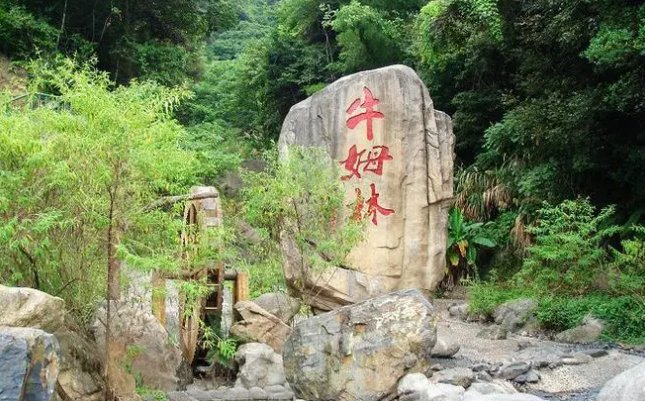
Bring a small dry bag for electronics if rain threatens — Fujian showers arrive without theatre and leave boardwalks shining. Tell guests the reserve name "Niulm" links to local legend about a bull-shaped rock formation; whether they believe the story or not, it gives them a hook for photos. If someone in the group cannot manage Yixiantian's stairs, split the party without guilt: Riyue Pool and the main falls still deliver ninety percent of the magic. Driver note: parking at the visitor centre fills on October holidays; arrive before 9:30 or expect a walk from overflow lots. None of that bureaucracy appears in guidebooks, but your foreign friends will thank you when the shuttle is boarded and cool air hits their faces.
The shuttle bus included in most tickets saves energy for walking trails where it matters. Cable car tickets are separate — buy only if knees protest, not from fear, because the forest path is the story. Yongchun county mandarins sold near the exit taste best in winter months; bangshe gui pastry travels well as a sweet souvenir that survives a hot car better than chocolate. Remind guests that patchy phone signal is normal in valleys, not a broken SIM card. Entry runs forty-five to sixty yuan depending on season — confirm at the visitor centre board before you queue. After three or four hours on the trail, that five-degree temperature drop from downtown feels like air-conditioning invented by trees rather than machines.
Last updated: 2026-08-07 · Visit Quanzhou editorial team · Report an error
Related guides
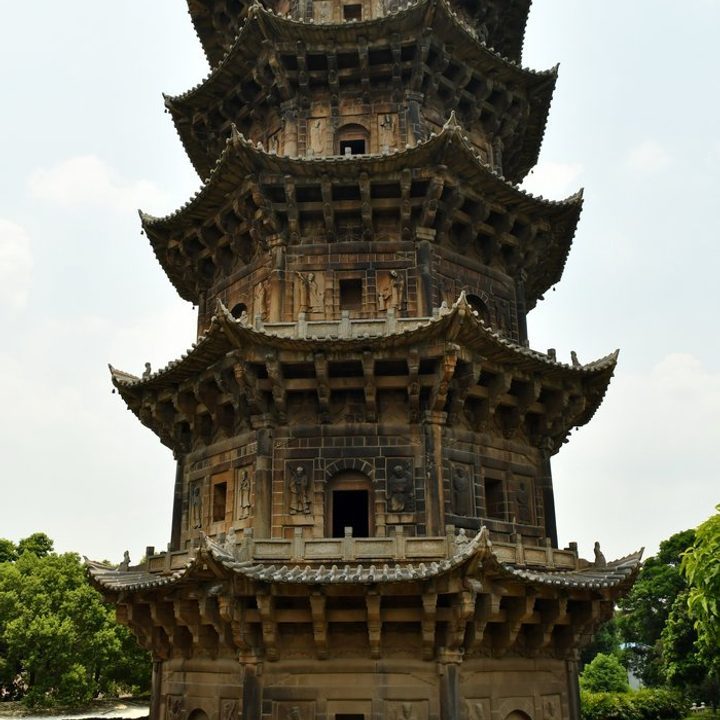
Kaiyuan Temple: Twin Pagodas Over West Street
Song-era stone towers, Tang halls, and a living monastery on Quanzhou’s busiest heritage street — plan 90 minutes and arrive early.
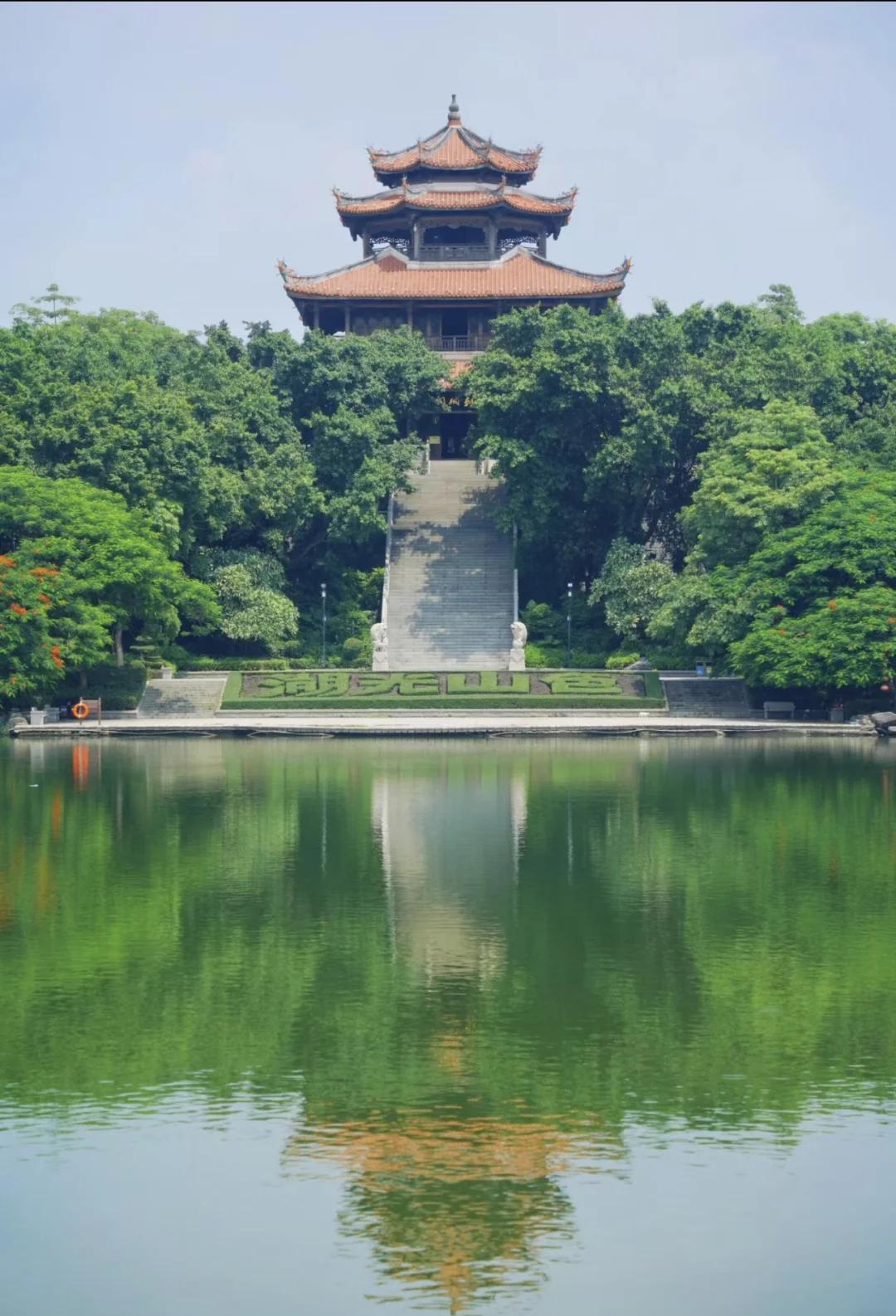
Quanzhou West Lake: Pagodas, Bonsai, and Morning Walks
City lake west of Kaiyuan Temple — free entry, flat paths, bonsai garden, and golden-hour photos over the water.
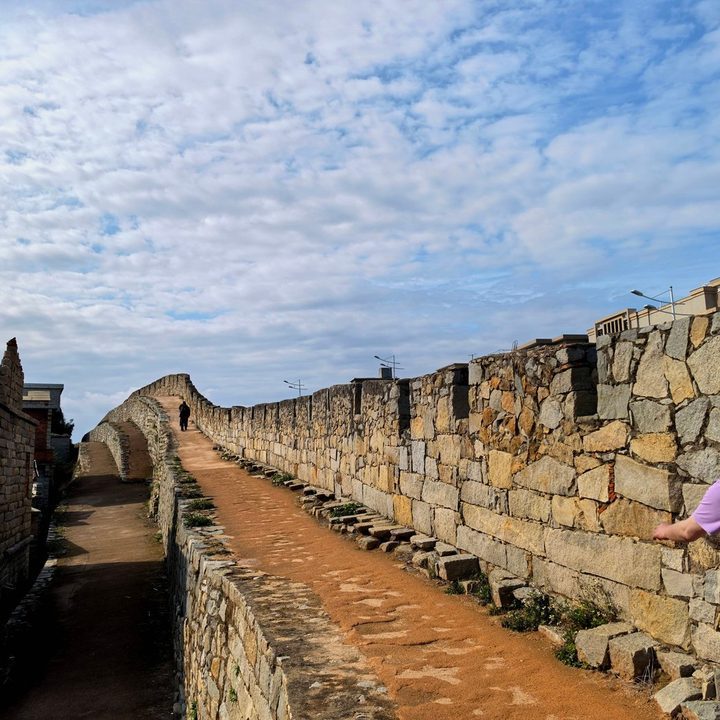
Chongwu Ancient City: Granite Walls and Sea Spray
Ming-era coastal fortress in Hui’an — walk the battlements, watch fishermen mend nets, and time your visit for low tide.
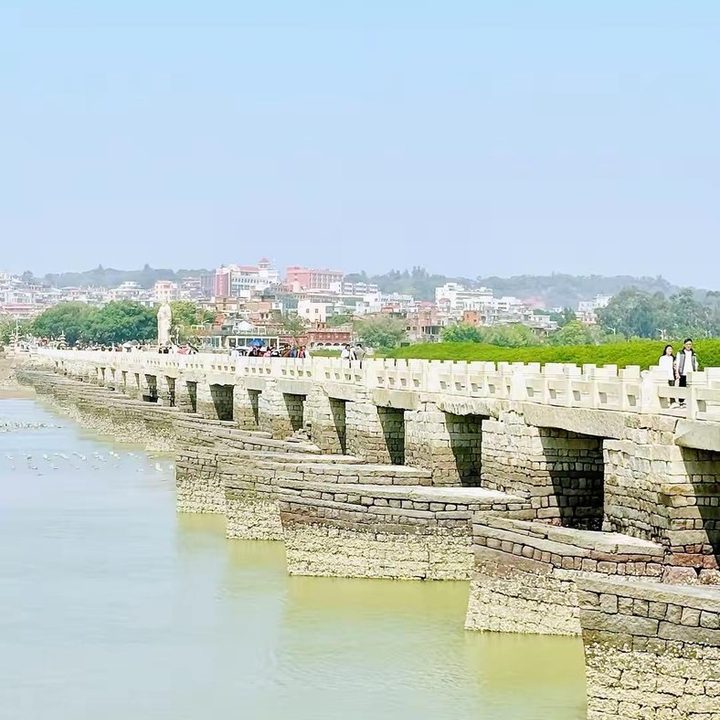
Luoyang Bridge: Song Stones Across the Luoyang River
One of China’s oldest cross-sea stone bridges — oyster-encrusted piers, Wen Temple at the north end, best at rising tide.
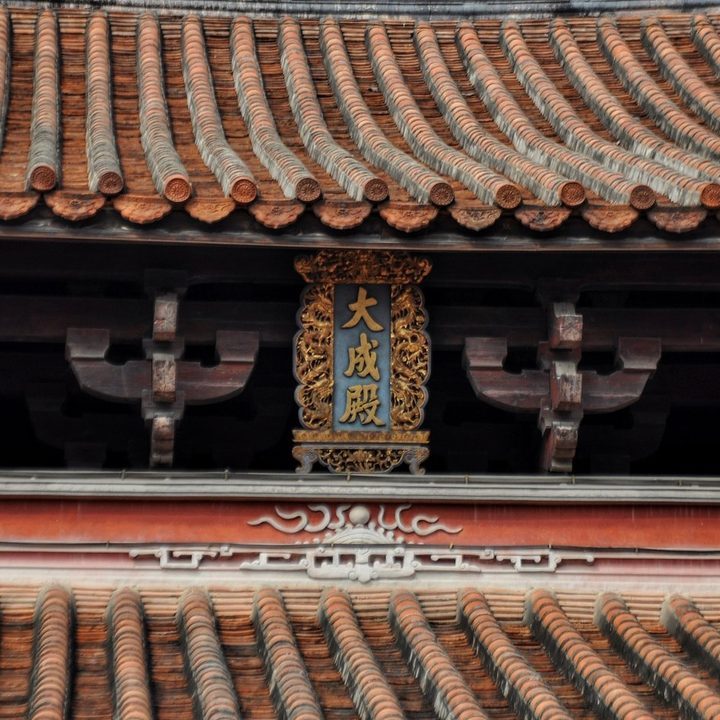
Quanzhou Confucian Temple: Song Bricks and Exam Halls
Large southern Confucian complex on Tumen Street — red walls, ancient banyan shade, and a quiet courtyard away from the crowds.
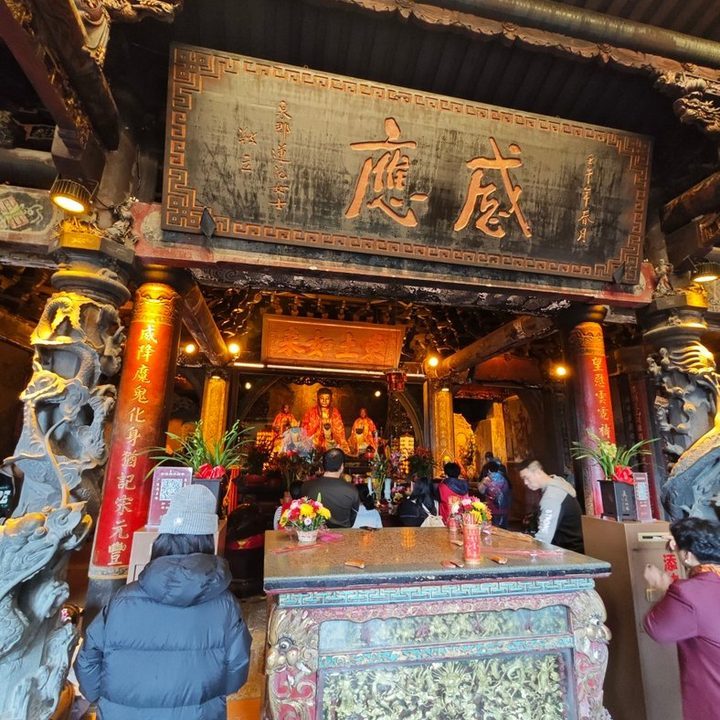
Qingshui Rock: Cliff Temple of Master Qingshui
Anxi’s hillside sanctuary with tiered pavilions — incense, mountain tea stalls, and a 90-minute climb from the bus stop.