Quanzhou Confucian Temple: Song Bricks and Exam Halls
Large southern Confucian complex on Tumen Street — red walls, ancient banyan shade, and a quiet courtyard away from the crowds.
Updated 2026-08-07 · 766 words
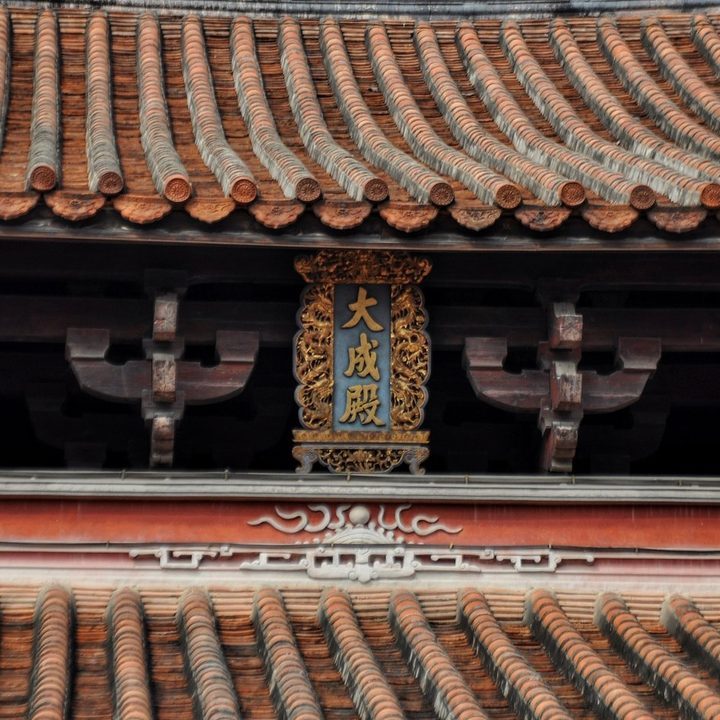
When I walk foreign guests through Quanzhou's old city on a Maritime Silk Road theme day, the Confucian Temple on Pangong Lane is where the conversation shifts from trade routes to books, exams, and the quiet ambition of a port that also wanted scholars. "Temple Light" — the name behind this eighteen views entry — describes exactly what happens on a good morning: red walls, ancient banyan roots gripping the stone, and Song-to-Ming timber glowing under filtered sun. The Prefecture Confucian Temple is one of the largest southern Confucian complexes in China, and it sits right beside Tumen Street in Licheng District, close enough to Qingjing Mosque and Guan Yu Temple that you can link all three on foot within ten minutes each way. That triangle — Confucian, Islamic, and folk martial temples sharing one neighbourhood — tells Quanzhou's story better than any single museum panel.
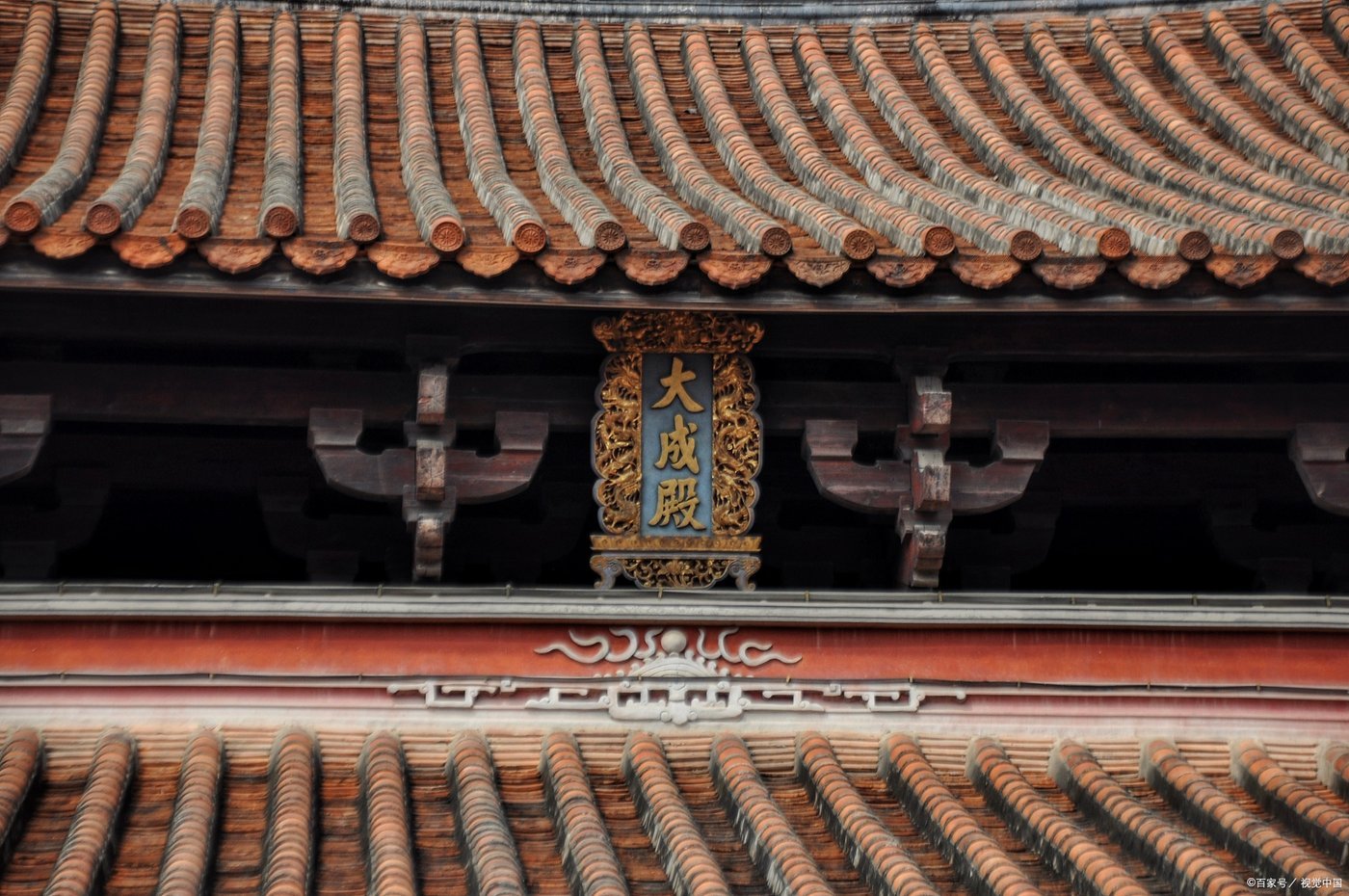
Practical details first so nobody arrives disappointed. Dacheng Hall, Minglun Hall, and other core buildings usually require a ticket in the twenty-to-thirty yuan range, though confirm at the gate or official website because prices and policies shift. Mondays may close for maintenance — check online or call ahead before you build a Monday itinerary around this stop. I prefer weekday mornings: tour groups thin out, voices drop, and light slides through banyan leaves onto red plaster in patches that photographers love. Foreign friends who expect a busy temple with incense everywhere sometimes find the Confucian atmosphere quieter, more courtyard-and-study-hall than smoke-and-chanting, and that contrast helps them feel how layered the city is.
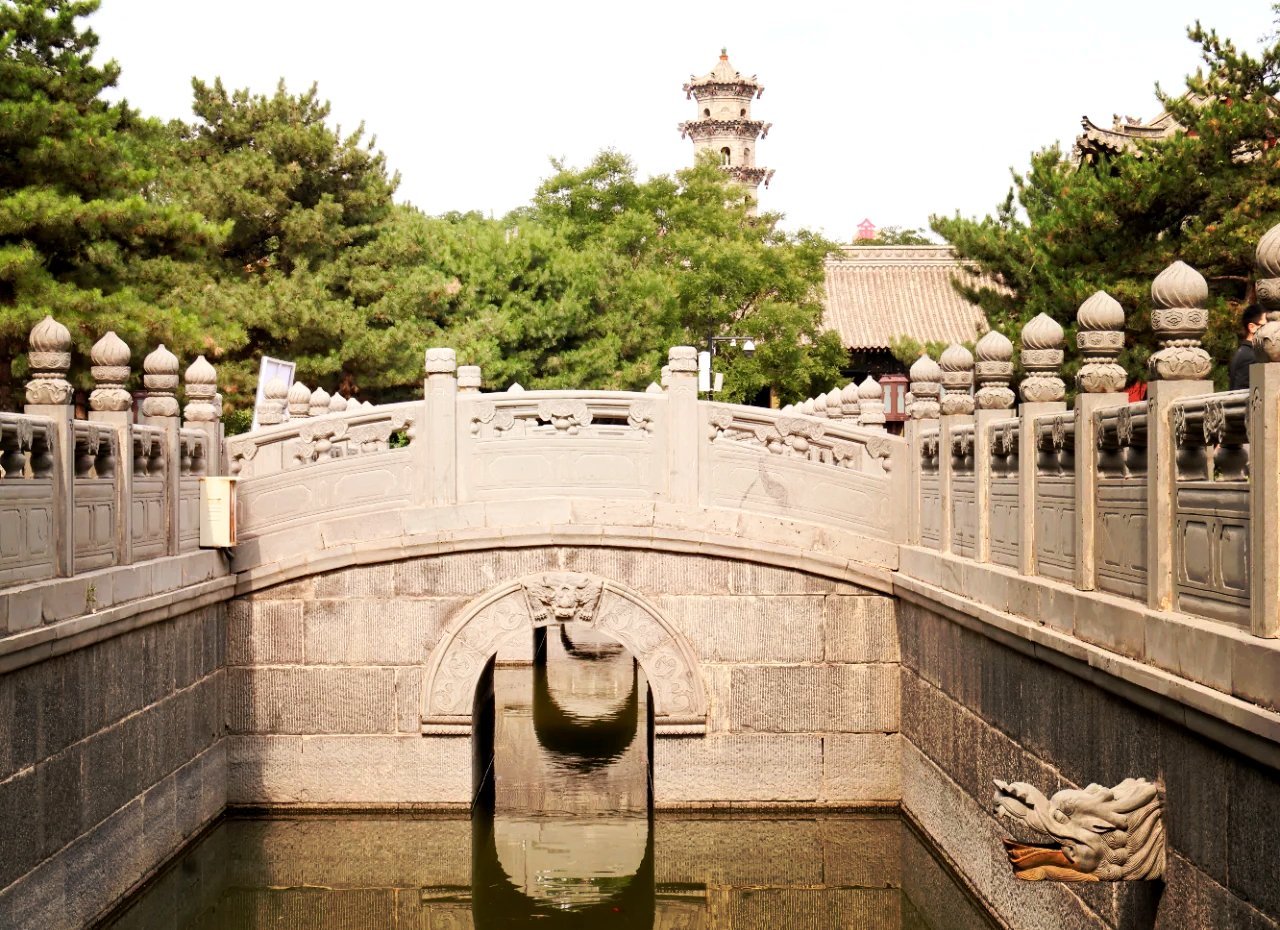
Enter through Linxing Gate and cross the pond bridge — here is a story I always tell. In imperial times only successful examination candidates could walk the centre path across the water; students-in-training kept to the sides. Guests laugh, then notice the worn stones and realize the rule was once life-changing, not decorative. Beyond the pond, Dacheng Hall rises with bracket sets and caisson ceilings that reward anyone who looks up; side exhibition halls cover Quanzhou's examination history and Minnan education culture in manageable bites. Read slowly, keep voices low, and do not touch display cases — staff watch politely but firmly. If someone in your group loves social history, this is where they lean in; if they love architecture, tell them to study the timber joints before reading every caption.
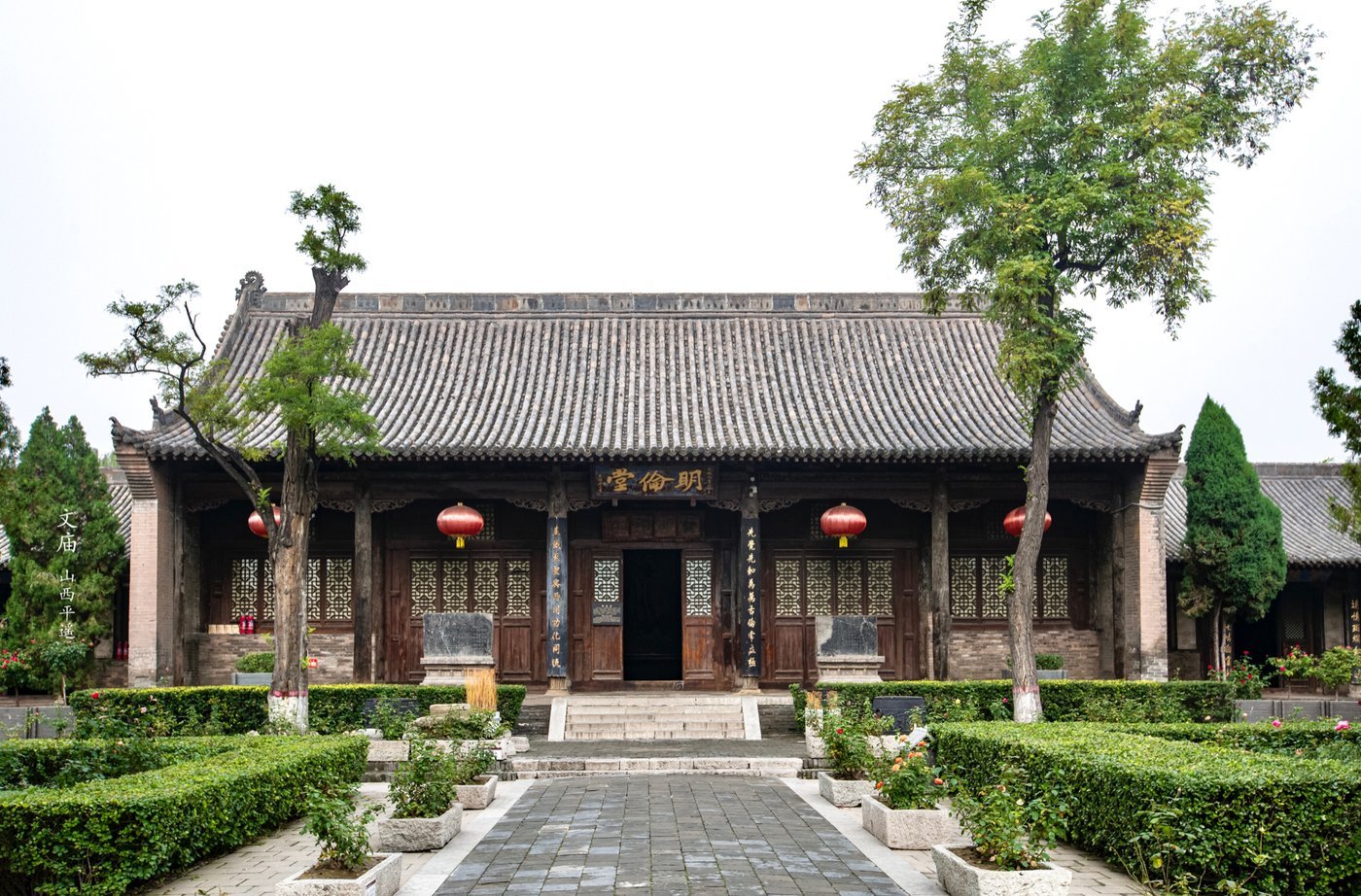
Allow ninety minutes if you want both halls and exhibitions without rushing. Exit toward Zhongshan Road for a bowl of misua soup — thin wheat noodles in rich broth, a Quanzhou breakfast classic that foreign palates usually accept even when other local flavours feel adventurous — or walk five minutes to Qingjing Mosque and continue the faith-and-trade narrative. Dress modestly out of respect; shoulders and knees covered never hurt in a Confucian precinct even if enforcement is informal. Photography is generally welcome in courtyards; inside halls, follow posted signs.
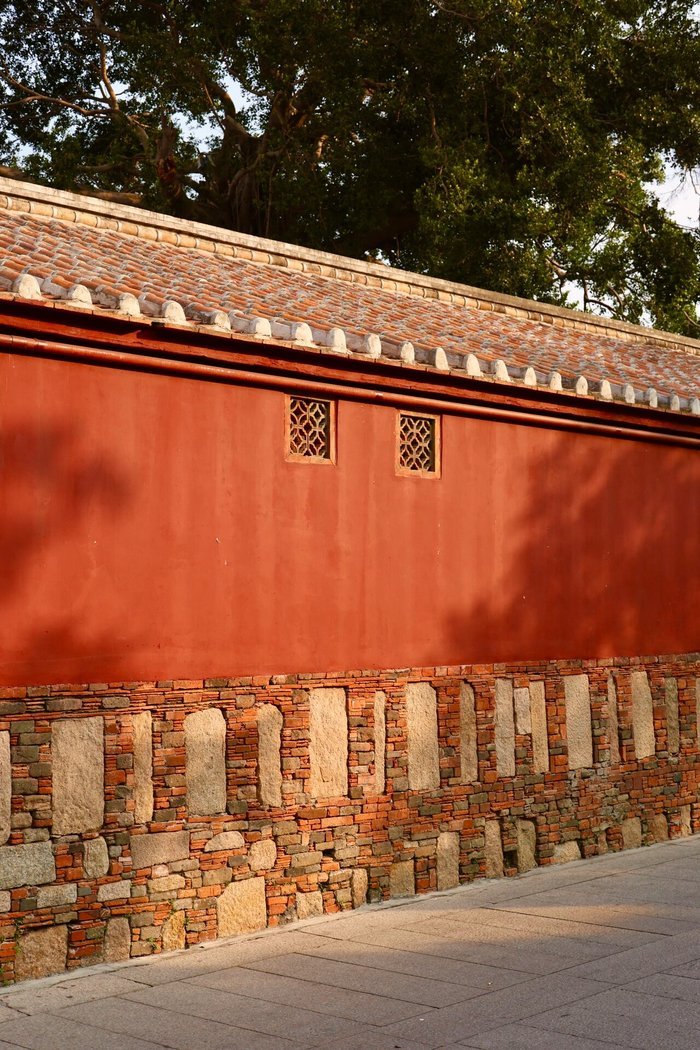
The Confucian Temple is not a blockbuster in the Instagram sense, and that is its gift. It teaches foreign visitors that Quanzhou was not only ships and spices but also scholars who measured success in exam ranks and courtyard rituals. Stand under the banyans, listen to leaves scrape against red wall, and the city feels older and gentler — a pause between mosques and markets that completes the picture rather than repeating it.
One small courtesy I pass on: in exhibition halls, let Chinese school groups pass if corridors narrow — teachers appreciate it and your guests see how local students still treat this place as classroom, not backdrop. If someone asks why Confucius matters in a trading city, I answer simply: merchants needed clerks, clerks needed literacy, literacy needed institutions, and institutions needed temples like this one to bless the effort. Foreign friends nod faster when the economics sit beside the poetry. End with misua on Zhongshan Road if stomachs allow; the warmth after cool courtyards feels like the city exhaling.
Ticket checks happen at inner gates rather than the lane entrance, so keep receipts handy if staff ask. Pangong Lane itself is narrow and shared with scooters — walk single file and do not block doorways while photographing banyan roots. Monday closures for maintenance catch tourists every year; a thirty-second website check prevents standing at a locked Linxing Gate wondering why the red walls look so lonely. Allow ninety minutes inside if exhibitions matter to your group; forty minutes suffices for courtyards and one hall only. The five-minute walk to Qingjing Mosque afterward feels like changing channels — stone lanes, then minaret — and foreign guests love how fast Quanzhou shifts faiths without leaving the neighbourhood.
Last updated: 2026-08-07 · Visit Quanzhou editorial team · Report an error
Related guides
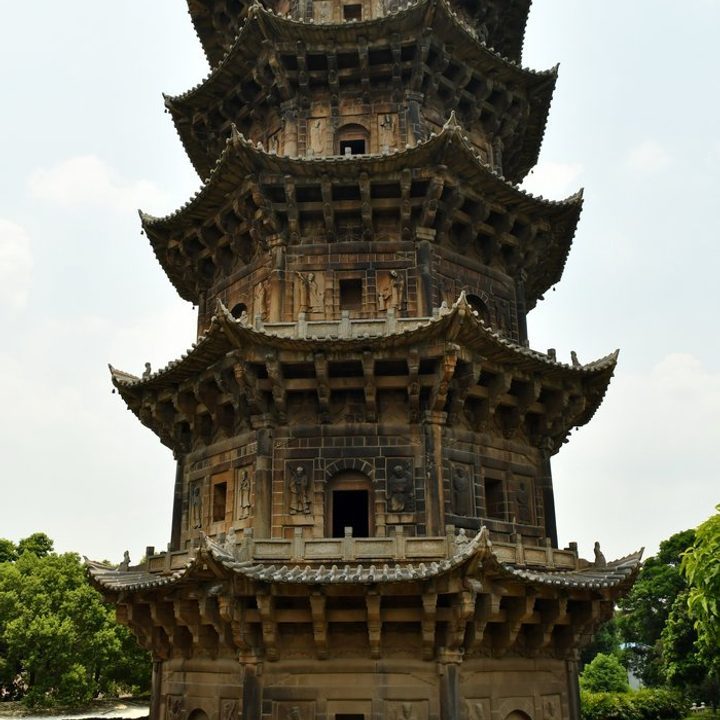
Kaiyuan Temple: Twin Pagodas Over West Street
Song-era stone towers, Tang halls, and a living monastery on Quanzhou’s busiest heritage street — plan 90 minutes and arrive early.
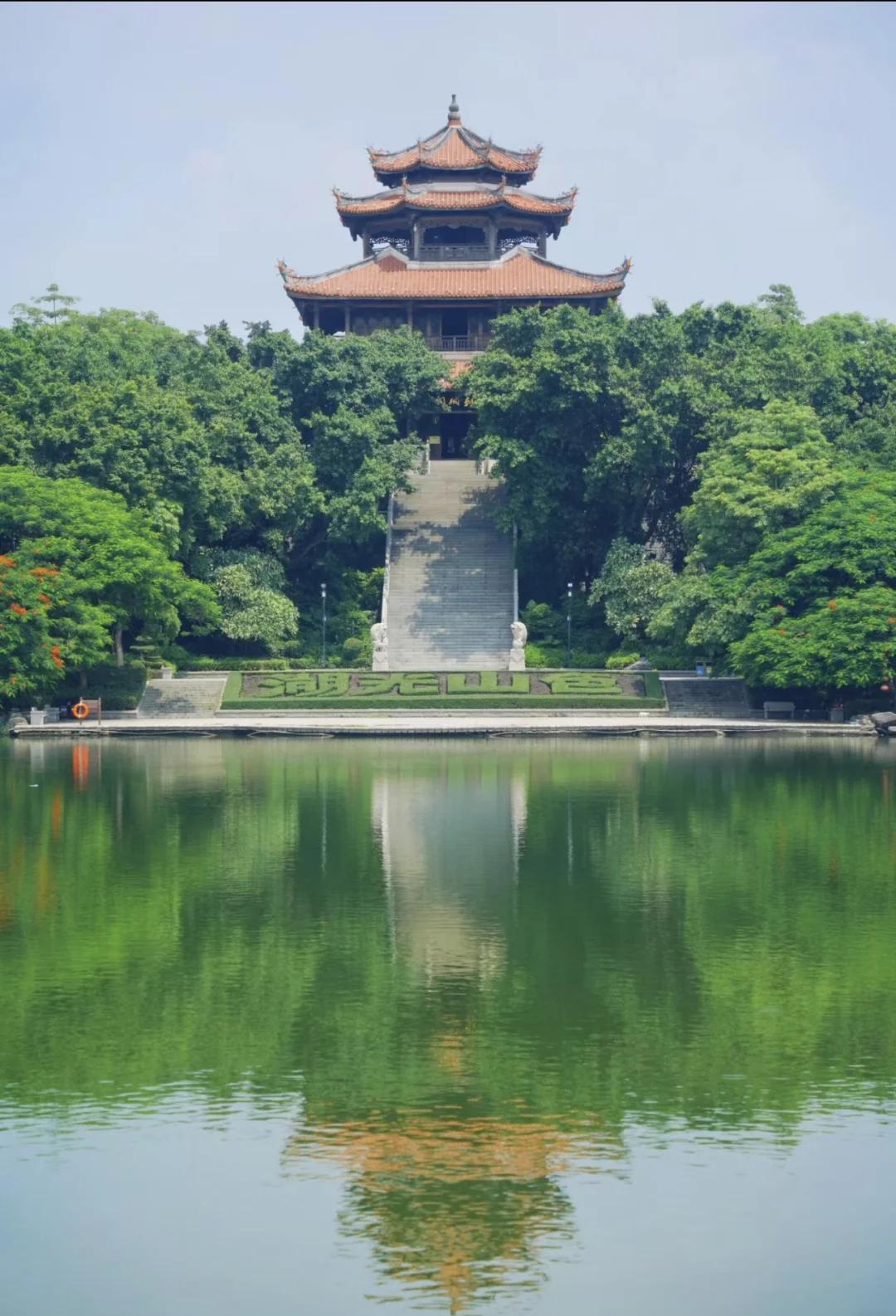
Quanzhou West Lake: Pagodas, Bonsai, and Morning Walks
City lake west of Kaiyuan Temple — free entry, flat paths, bonsai garden, and golden-hour photos over the water.
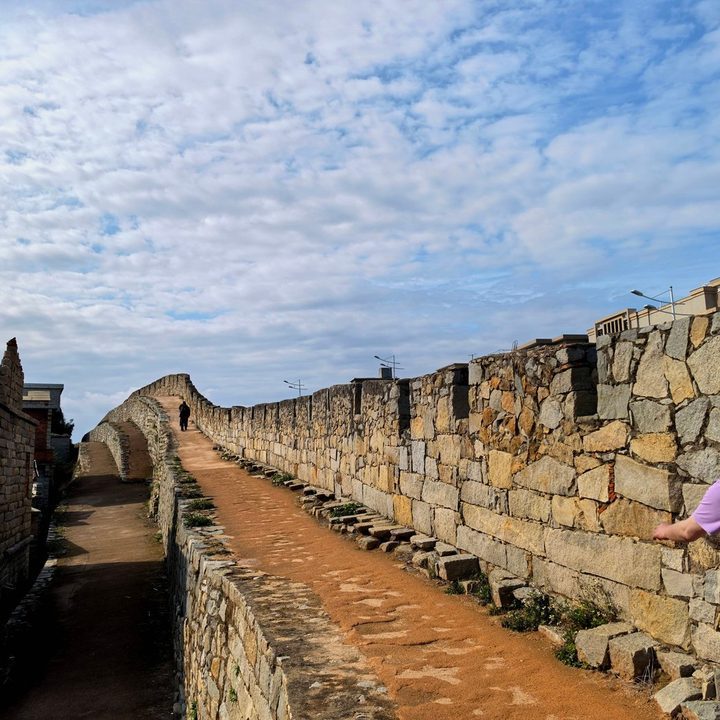
Chongwu Ancient City: Granite Walls and Sea Spray
Ming-era coastal fortress in Hui’an — walk the battlements, watch fishermen mend nets, and time your visit for low tide.
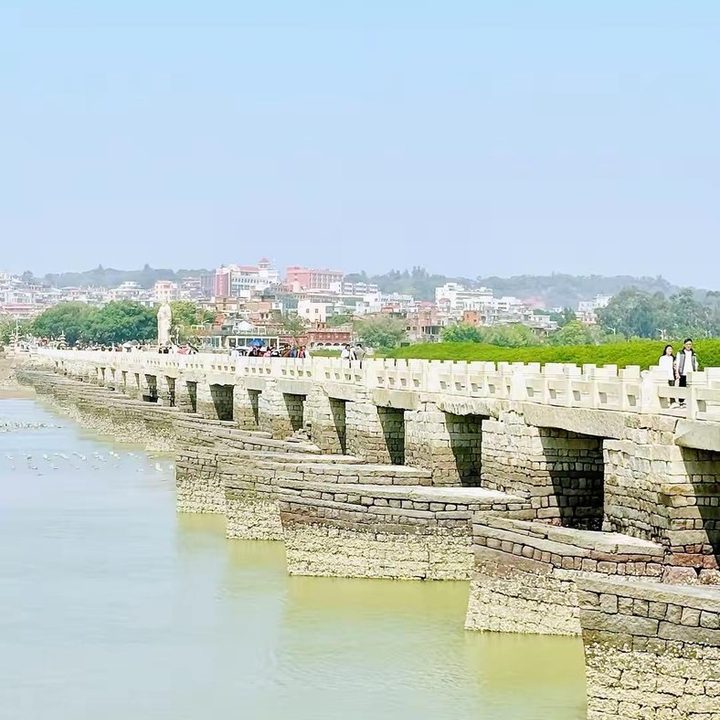
Luoyang Bridge: Song Stones Across the Luoyang River
One of China’s oldest cross-sea stone bridges — oyster-encrusted piers, Wen Temple at the north end, best at rising tide.
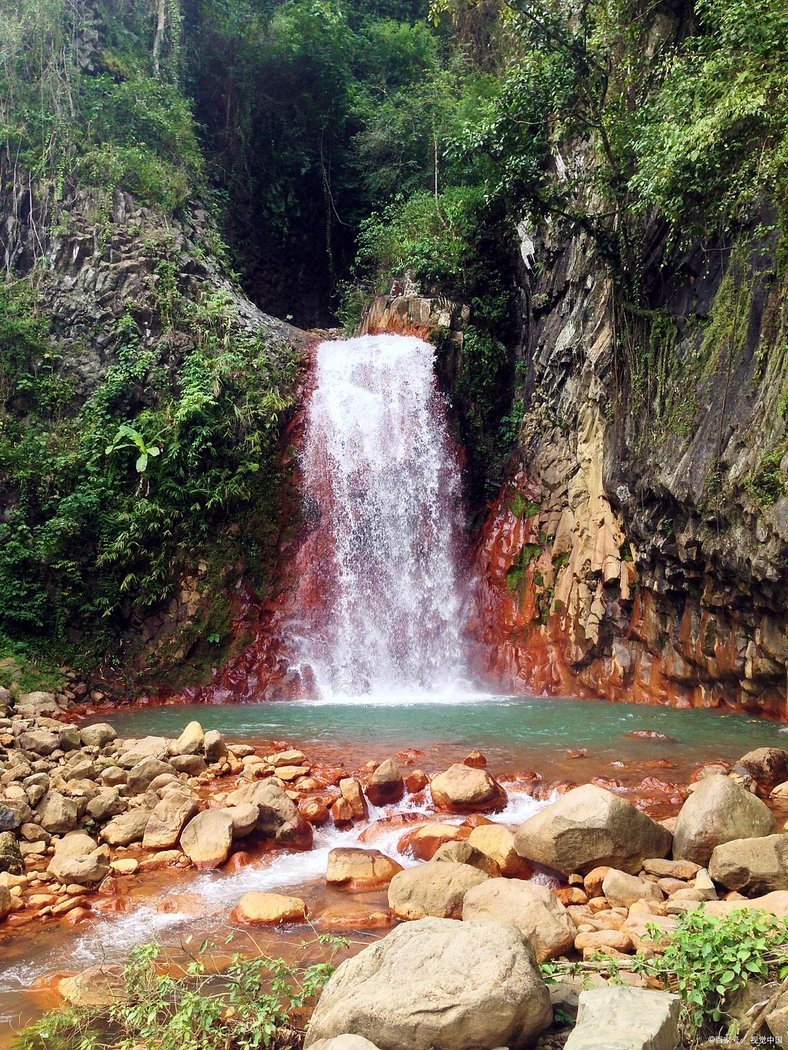
Niulincun: Cloud Forest and Sky Walk in Yongchun
Subtropical nature reserve 40 km from downtown — canopy trails, cable car views, and cooler air in summer.
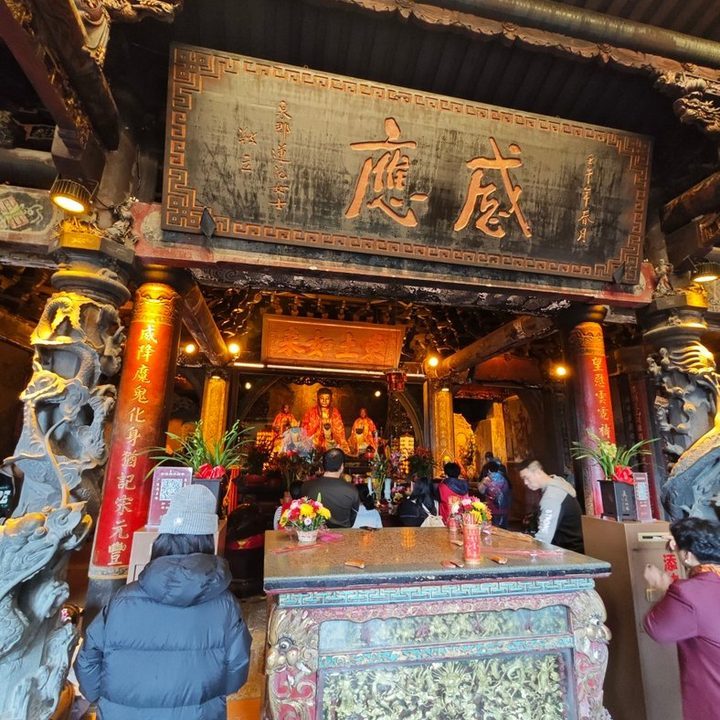
Qingshui Rock: Cliff Temple of Master Qingshui
Anxi’s hillside sanctuary with tiered pavilions — incense, mountain tea stalls, and a 90-minute climb from the bus stop.