Luoyang Bridge: Song Stones Across the Luoyang River
One of China’s oldest cross-sea stone bridges — oyster-encrusted piers, Wen Temple at the north end, best at rising tide.
Updated 2026-08-07 · 753 words
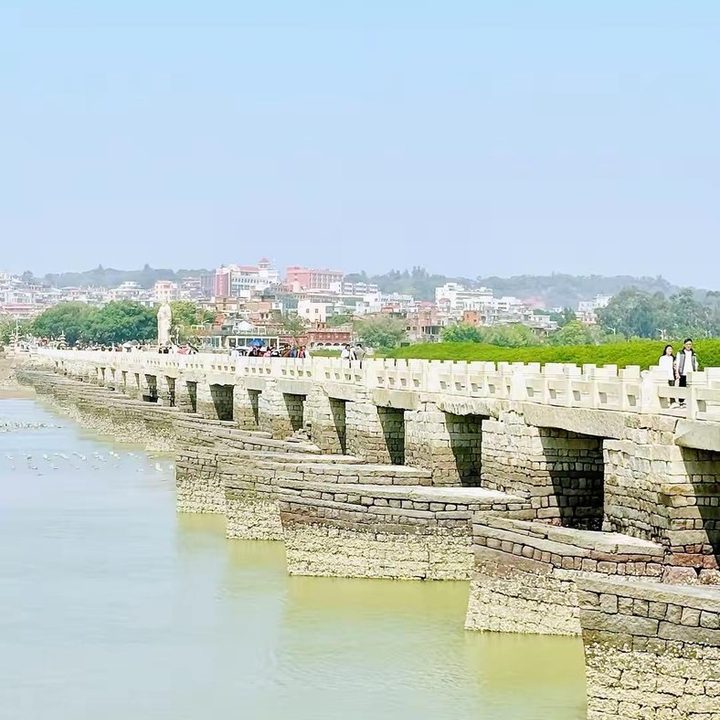
If your foreign friends ask where the Maritime Silk Road stops being abstract and becomes something you can walk across with the tide humming beneath, I take them to Luoyang Bridge in Luojiang District. Originally called Wan'an Bridge, it spans the Luoyang River estuary at Luoyang Town — and "Luoyang Tide Sound" is the eighteen views entry that best captures Quanzhou's engineering nerve. Begun in 1053 during the Northern Song and overseen by the official Cai Xiang, this was not mere bridge-building; it was solving a problem the sea kept rewriting. Engineers sank stone-filled boats as raft foundations, then cultivated oysters around the piers so living shells would cement the structure into the seabed. Foreign visitors who expect a pretty photo often end up discussing marine biology and public works instead, which is exactly why I love bringing people here.
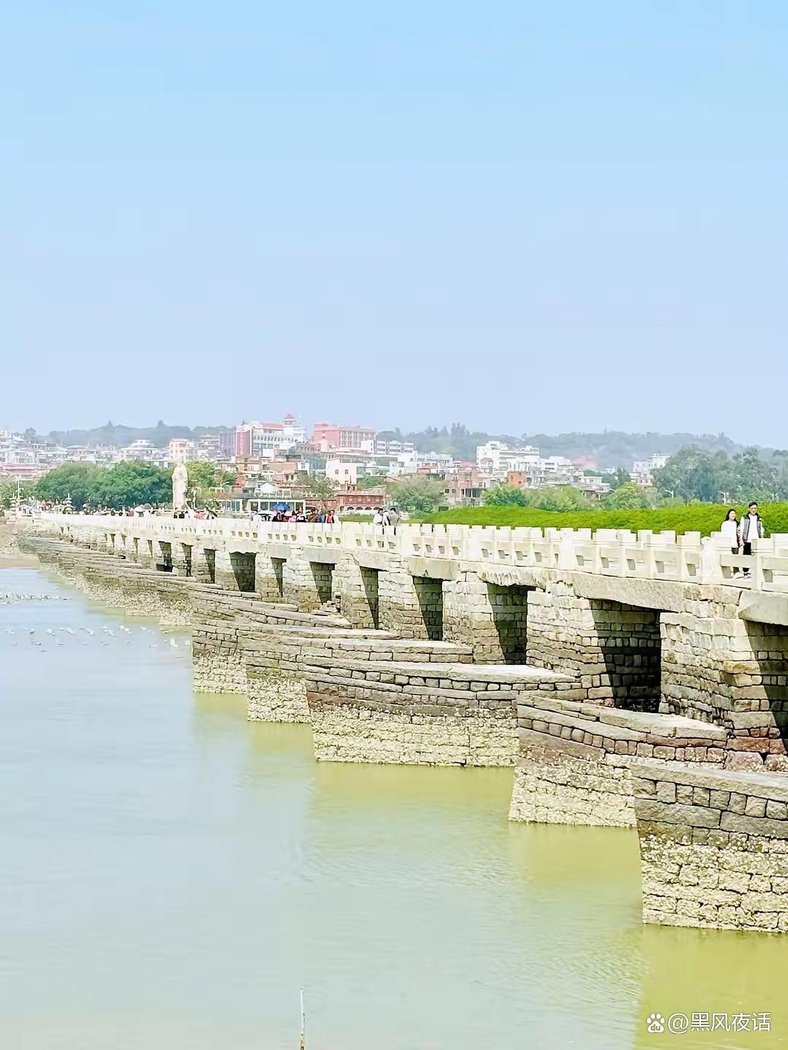
Getting there is straightforward. From downtown Quanzhou a taxi takes about forty minutes; bus K502 and similar routes stop near "Luoyang Bridge" — show the Chinese name to the driver if language is a barrier. Walking the deck itself is free, though small side attractions may charge separately. I usually start from the north bank on the Hui'an side, walk the full length southward, and finish near the Cai Xiang Shrine where the story of the bridge's patron is told with more warmth than any textbook manages. The bridge runs roughly 834 metres, so allow fifteen to twenty minutes one way at an easy pace, longer if you pause at steles and interpretation panels mid-span.
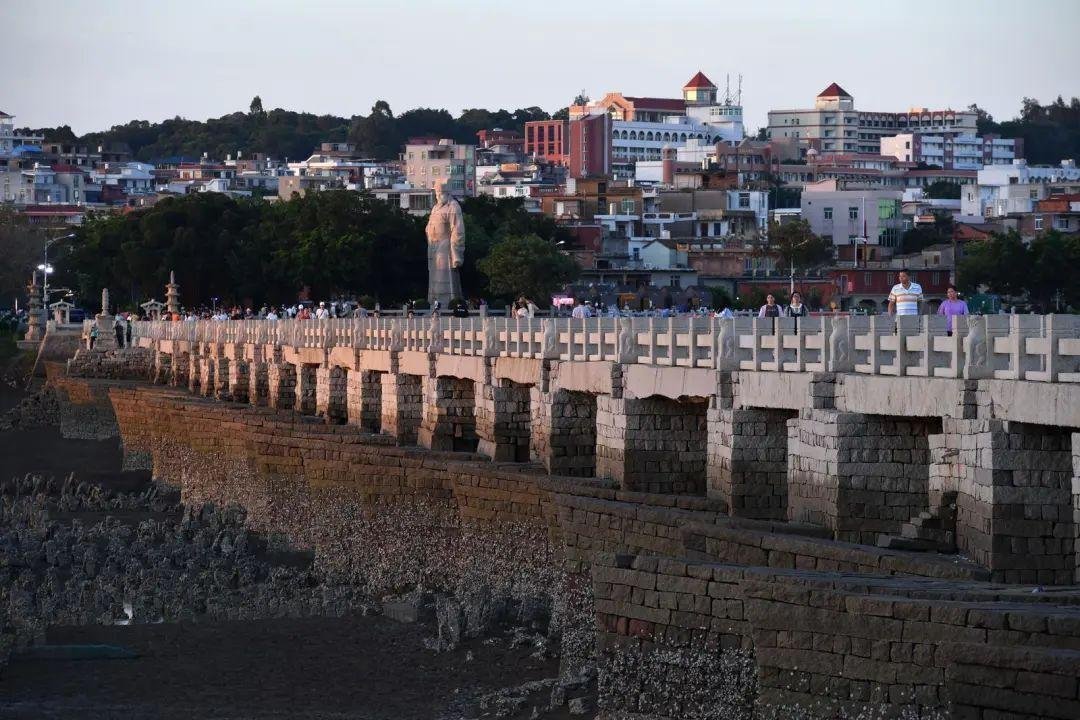
Timing transforms the visit. Come around rising or high tide and you will hear swell slap the ancient piers — the "tide sound" locals wrote poems about. At low tide you can carefully descend to the tidal flats and see oyster-encrusted Song-era stone bases exposed like ribs at low water, which makes the raft-foundation story visible instead of theoretical. I warn friends to watch footing on algae-slick rocks and never chase the water line if the tide is turning; the estuary here is gentle compared with open coast but still demands respect. Morning and evening light flatters the granite; midday sun bleaches the surface white and makes photos look washed out, so schedule accordingly if photography matters to your group.
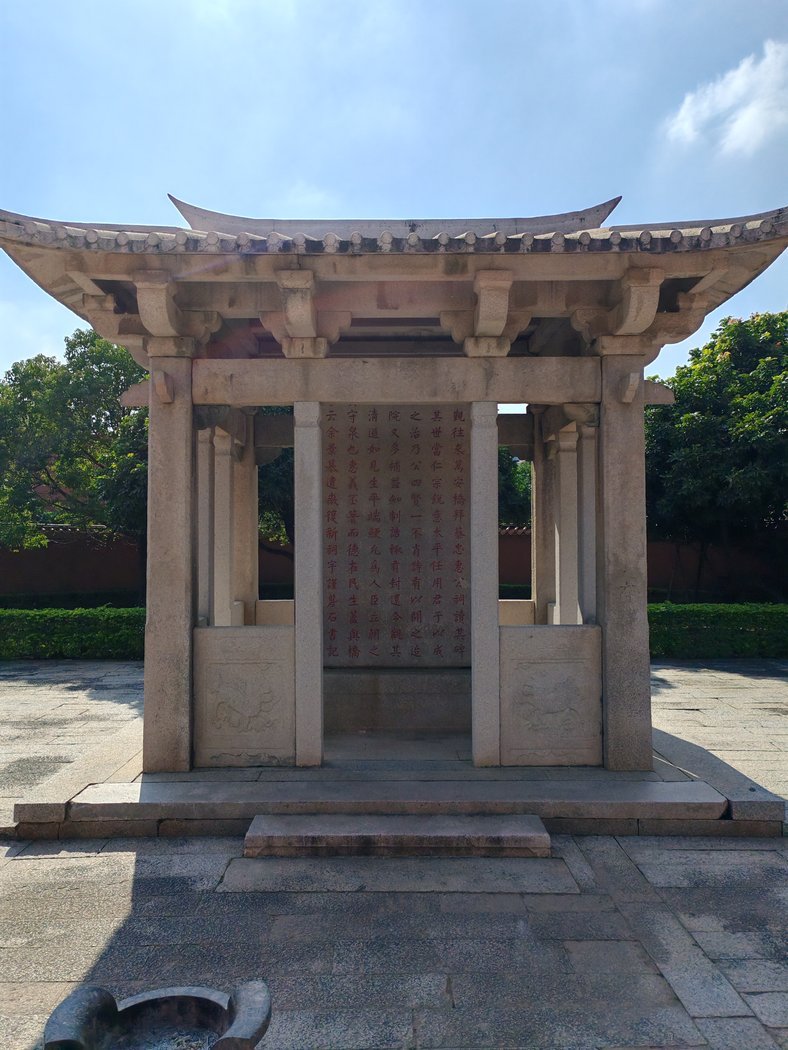
Wind and sun are the other variables people underestimate. The deck offers almost no shade, so hats and water are non-negotiable even on cool days. In spring and autumn a light jacket helps because the river corridor funnels breeze steadily. Midway across, pause where the stone steles cluster and read — or have someone translate — the account of boat-loaded stones sunk as base courses. That single image sticks with engineers and artists alike. Pair the bridge with Luoyang Old Street or the Yunzhuang residence for a coherent half-day loop; if you descended Qingyuan Mountain in the morning, the geography flows naturally west to east along the city's northern edge.
Luoyang Bridge rewards curiosity more than fitness. You are not climbing a mountain or decoding a temple ritual — you are walking an eleventh-century infrastructure project that still carries foot traffic and still argues, stone by stone, that Quanzhou was a port city willing to negotiate with the sea rather than retreat from it. Send your friends home with sand on their shoes and the sound of tide under the arches, and they will remember Fujian differently than if they had seen only pagodas and snack streets.
Before you leave, spend a few minutes at the Cai Xiang Shrine on the south bank. Portraits and calligraphy there turn "Song dynasty engineers" from abstraction into a named official who cared about tides, budgets, and whether farmers could reach market after storms. Foreign guests like that human anchor. If Luoyang Old Street is on the same itinerary, save street snacks for after the bridge so greasy fingers do not touch granite that survived a millennium without help. Counting piers from the north bank before you walk makes a simple game for kids and impresses adults who usually shrug at heritage — the scale lands when you see how many arches repeat into haze.
One last friendly warning: typhoon season can close access suddenly or whip the deck with spray that soaks cameras. Check weather like you would for any coastal walk. Even on calm days, hold hats and loose scarves — the Luoyang River corridor funnels wind along the span, and I have chased more than one cap into mud flats below. The embarrassment is free; retrieval is not always.
Last updated: 2026-08-07 · Visit Quanzhou editorial team · Report an error
Related guides
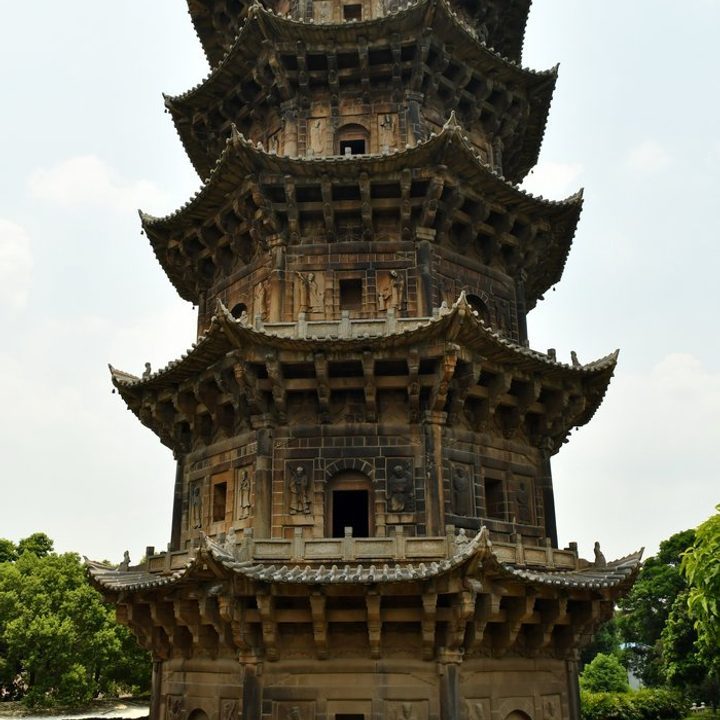
Kaiyuan Temple: Twin Pagodas Over West Street
Song-era stone towers, Tang halls, and a living monastery on Quanzhou’s busiest heritage street — plan 90 minutes and arrive early.
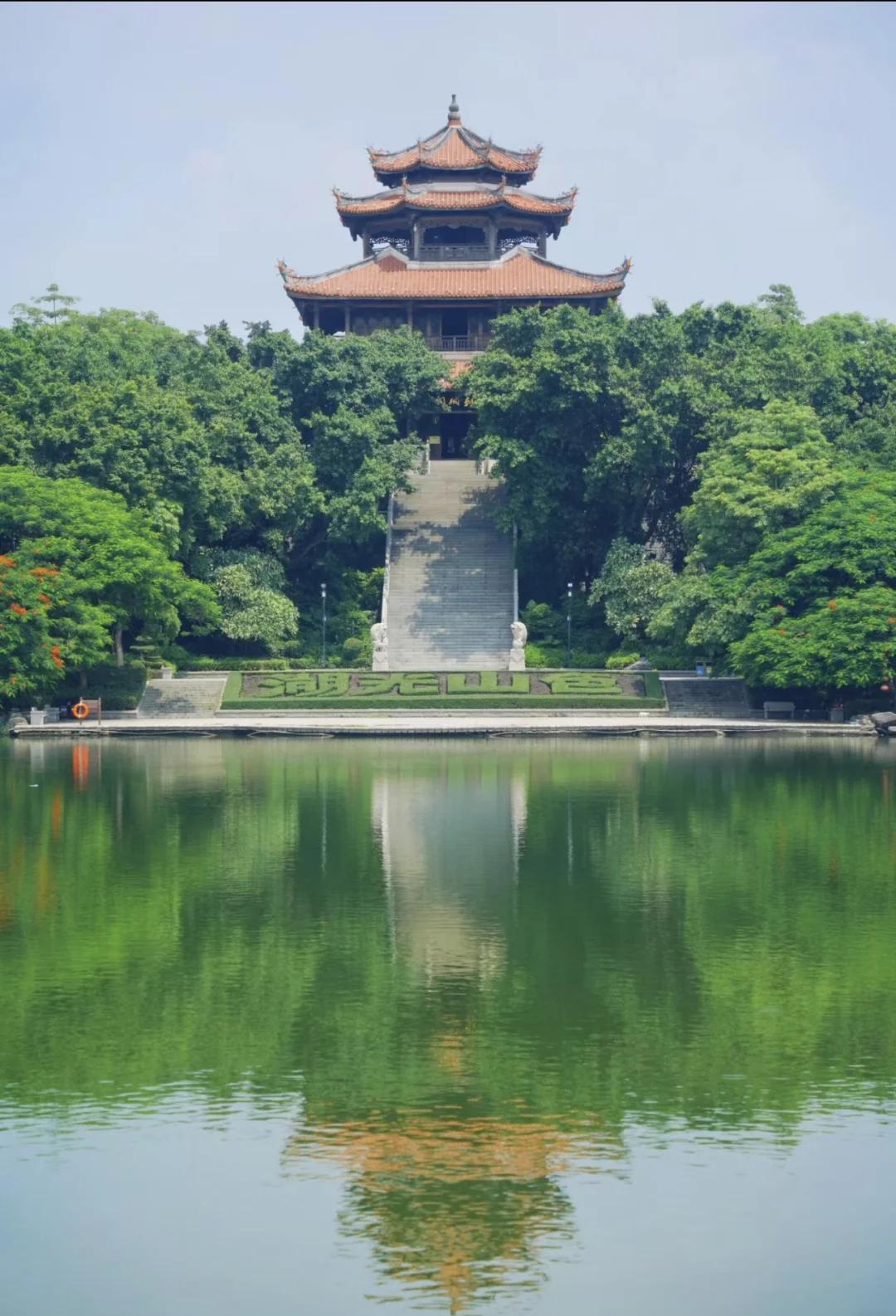
Quanzhou West Lake: Pagodas, Bonsai, and Morning Walks
City lake west of Kaiyuan Temple — free entry, flat paths, bonsai garden, and golden-hour photos over the water.
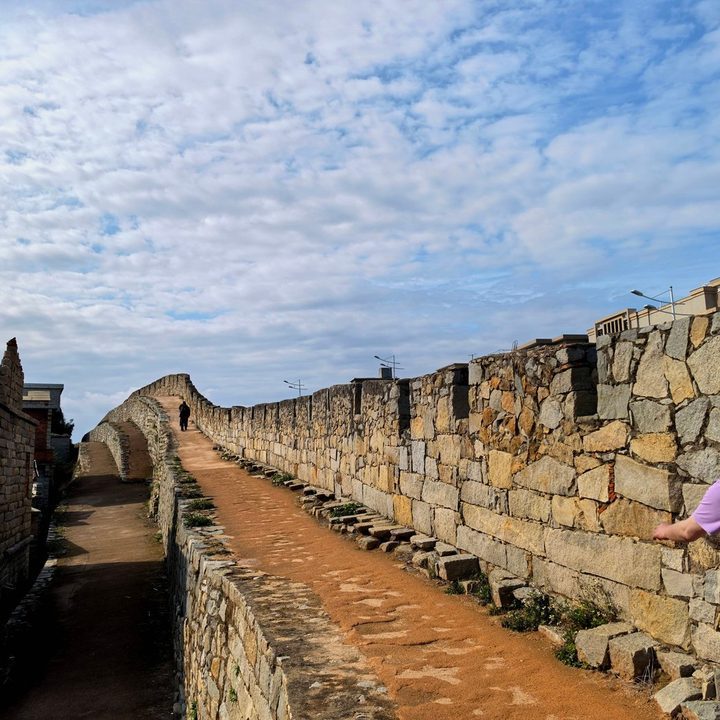
Chongwu Ancient City: Granite Walls and Sea Spray
Ming-era coastal fortress in Hui’an — walk the battlements, watch fishermen mend nets, and time your visit for low tide.
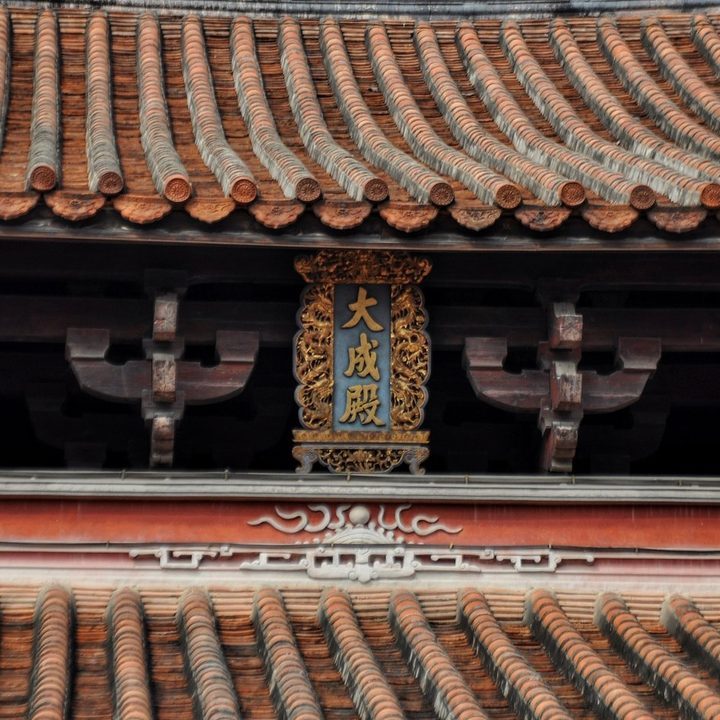
Quanzhou Confucian Temple: Song Bricks and Exam Halls
Large southern Confucian complex on Tumen Street — red walls, ancient banyan shade, and a quiet courtyard away from the crowds.
Niulincun: Cloud Forest and Sky Walk in Yongchun
Subtropical nature reserve 40 km from downtown — canopy trails, cable car views, and cooler air in summer.
Qingshui Rock: Cliff Temple of Master Qingshui
Anxi’s hillside sanctuary with tiered pavilions — incense, mountain tea stalls, and a 90-minute climb from the bus stop.