Kaiyuan Temple: Twin Pagodas Over West Street
Song-era stone towers, Tang halls, and a living monastery on Quanzhou’s busiest heritage street — plan 90 minutes and arrive early.
Updated 2026-08-07 · 814 words
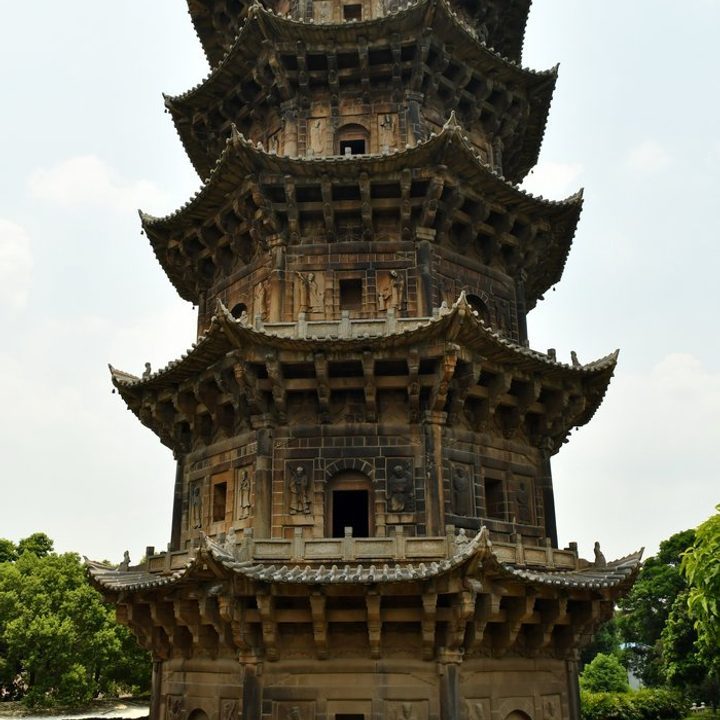
If you can only spare one morning in Quanzhou and want your foreign friends to feel why locals love this city, I would take them straight to Kaiyuan Temple on West Street. "Twin Pagodas Soaring" sits at the very top of the official eighteen scenic views, and it earns that place honestly. The east and west stone towers have stood here since the Southern Song dynasty — not behind glass, not as careful replicas, but as real buildings you can walk up to, touch where the granite meets, and crane your neck to follow the eaves overhead. There is something grounding about that, especially for visitors who have seen too many "ancient towns" rebuilt last decade. This is the real thing, and it still anchors daily life on one of Fujian's busiest heritage streets.
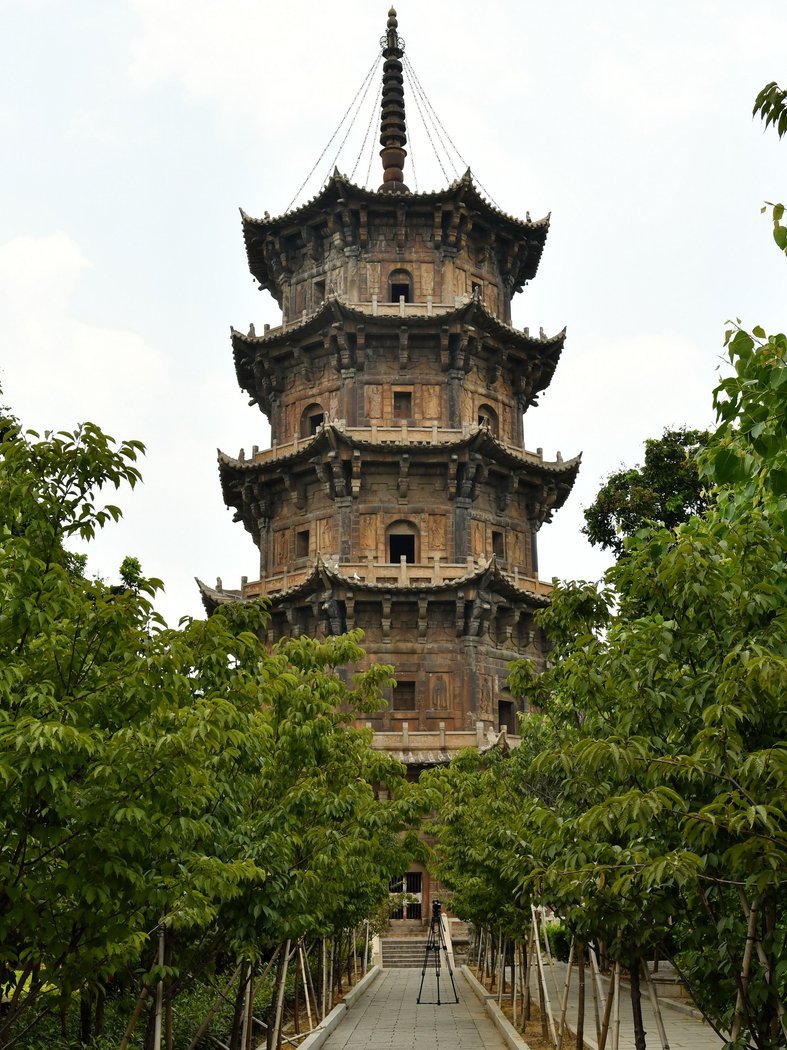
The temple is at 176 West Street, Licheng District. Buses 2 and 601 stop at "Kaiyuan Temple," which makes it easy for guests who prefer public transport, and a taxi from the high-speed rail station usually takes about twenty-five minutes when traffic is kind. Entry is currently around ten yuan — always double-check the sign at the booth because prices can change — and the gates open at 7:30. I strongly suggest arriving before 8:00. At that hour West Street has not yet turned into the shoulder-to-shoulder snack lane it becomes by mid-morning, the light on the stone is softer, and you can actually hear birds instead of only motor scooters. Ten yuan for this much history feels almost unfair, and your friends will understand why Quanzhou people treat the twin towers as the city's signature silhouette.
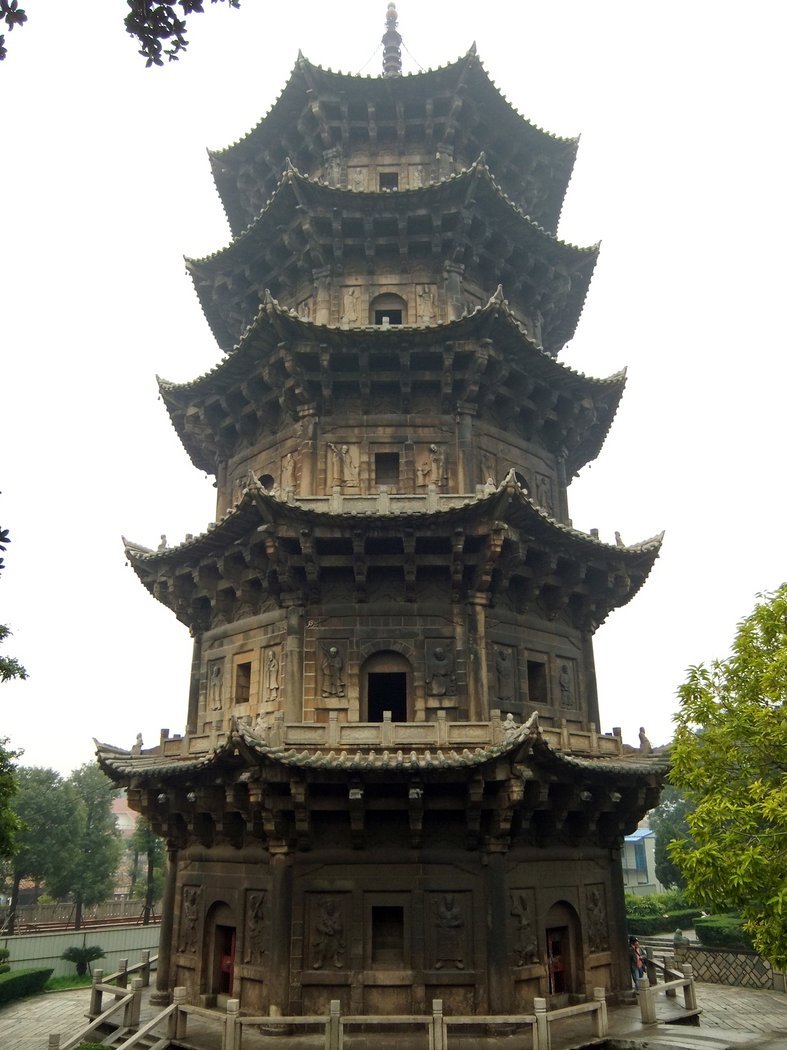
Once inside, follow the central axis the way visitors have for centuries: Purple Cloud Screen first, then the Hall of Heavenly Kings, then the Mahavira Hall, and finally the twin pagodas themselves. The east tower is Zhenguo — "Nation Pacifying" — and the west is Renshou — "Benevolent Longevity." Both are five-story octagonal towers in granite, each more than forty metres tall, and every level is crowded with carvings — muscular guardians, serene bodhisattvas, birds and beasts frozen mid-motion. Most of my foreign friends stop here longer than they planned, running fingers along seams in the stone and asking how anything this delicate survived eight centuries of typhoons and city growth. I tell them they may walk a full circle around each base and shoot from different angles to get both towers in one frame, but please do not climb onto the foundations; the stone is protected and the rules are clear.
For the classic wide photograph, step back to the moon platform in front of the Mahavira Hall — from there you can frame the hall roof and both pagodas together, which is the postcard view everyone remembers. Time-wise, budget at least ninety minutes for a solid visit. If your guests enjoy architecture, add another thirty minutes inside the halls for the Song-era bracket sets and timber frames — the craftsmanship rewards slow looking, and the interior details explain how Fujian carpenters turned wood into sculpture. When you exit, West Street itself is part of the experience: grab a local spring roll (runbing) or a warm manjian gao pancake, browse Jiezi Bookstore if anyone needs a quiet corner, and if legs still have energy, walk ten minutes toward the clock tower on Zhongshan Road. That little loop ties temple history to living city street life in one morning, which is exactly the Quanzhou story I like foreign visitors to take home.
A few practical notes so nobody feels awkward. Keep voices low — this is still an active Buddhist site — and remove hats when you step into the halls. Flash photography is fine only where signs allow; when in doubt, simply turn it off. In summer bring a sun hat, because shade under the pagodas is thin and the courtyard radiates heat by noon. After rain the stone steps turn slick, so slow down and watch your footing on the worn treads. Many foreign visitors are unsure about etiquette around Buddha images; I explain beforehand that looking and photographing where permitted is welcome, but pointing directly at statues, sitting on door thresholds, or treating the space like a playground will draw quiet disapproval from staff and worshippers alike.
Respect here is mostly common sense with shoes off the sacred bits — easy enough if someone tells you once. If your group includes people who have never entered a Chinese Buddhist temple, a two-minute briefing at the gate saves embarrassment later. Kaiyuan is not a museum where everything is roped off; monks still pass through, incense still burns, and local aunties still offer fruit on certain days. Let your friends observe first, copy what locals do, and they will leave feeling welcomed rather than scolded. That warmth, set against towers that have outlasted empires, is why I keep bringing people here first.
Last updated: 2026-08-07 · Visit Quanzhou editorial team · Report an error
Related guides
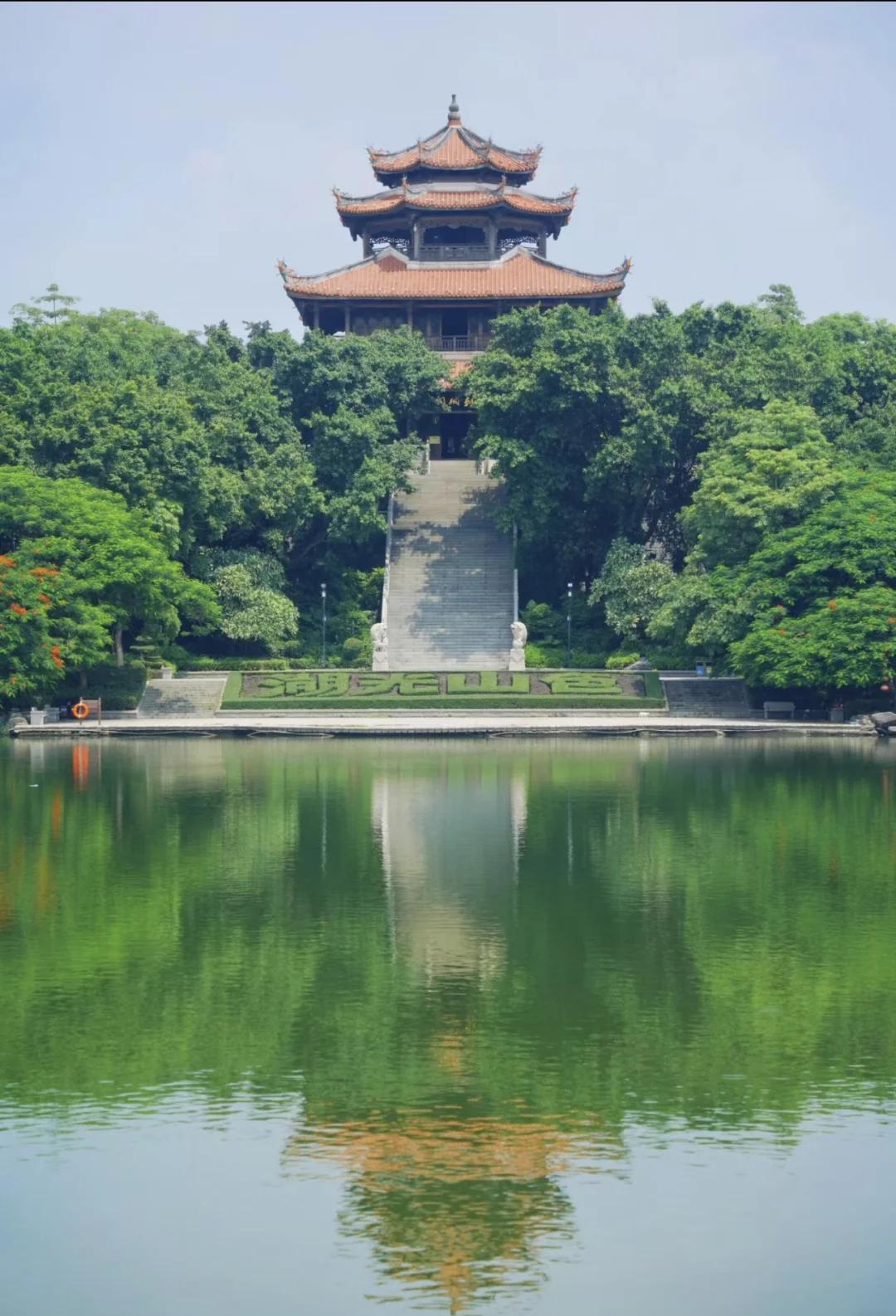
Quanzhou West Lake: Pagodas, Bonsai, and Morning Walks
City lake west of Kaiyuan Temple — free entry, flat paths, bonsai garden, and golden-hour photos over the water.
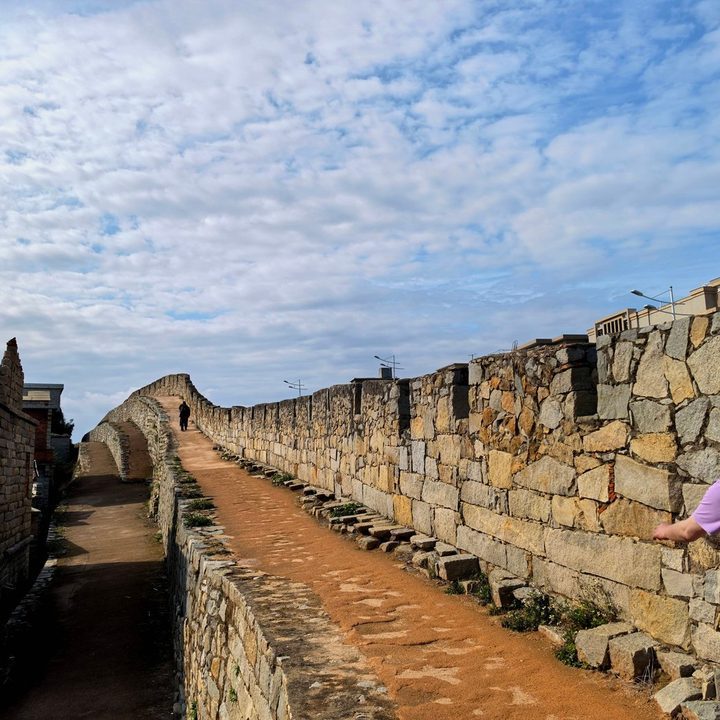
Chongwu Ancient City: Granite Walls and Sea Spray
Ming-era coastal fortress in Hui’an — walk the battlements, watch fishermen mend nets, and time your visit for low tide.
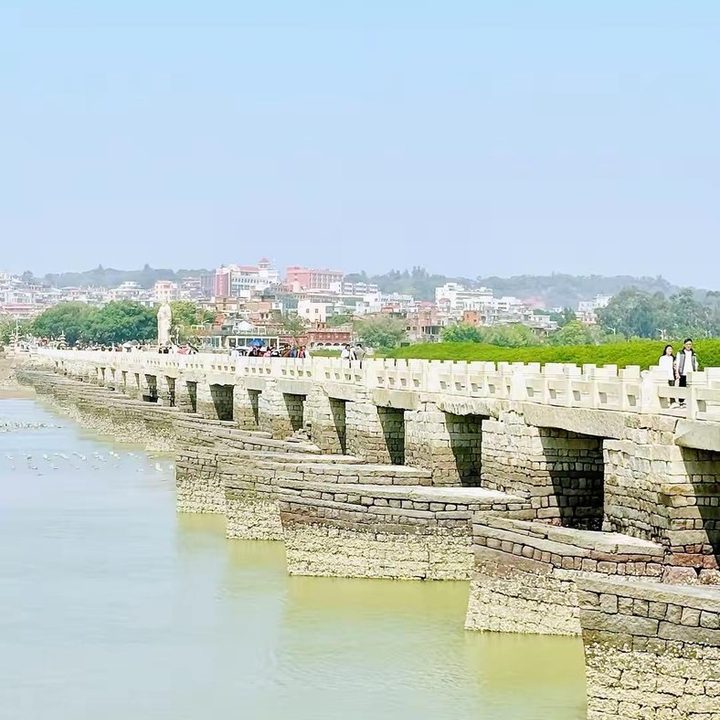
Luoyang Bridge: Song Stones Across the Luoyang River
One of China’s oldest cross-sea stone bridges — oyster-encrusted piers, Wen Temple at the north end, best at rising tide.
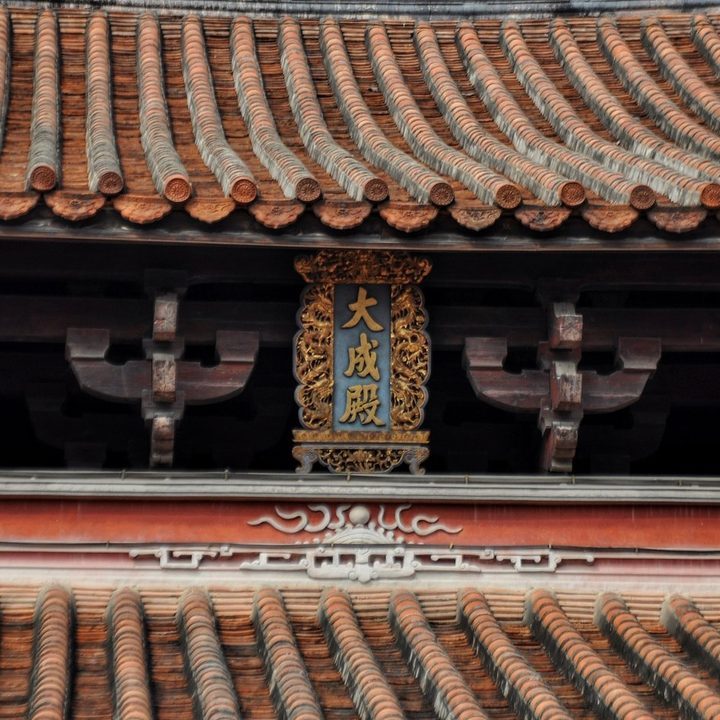
Quanzhou Confucian Temple: Song Bricks and Exam Halls
Large southern Confucian complex on Tumen Street — red walls, ancient banyan shade, and a quiet courtyard away from the crowds.
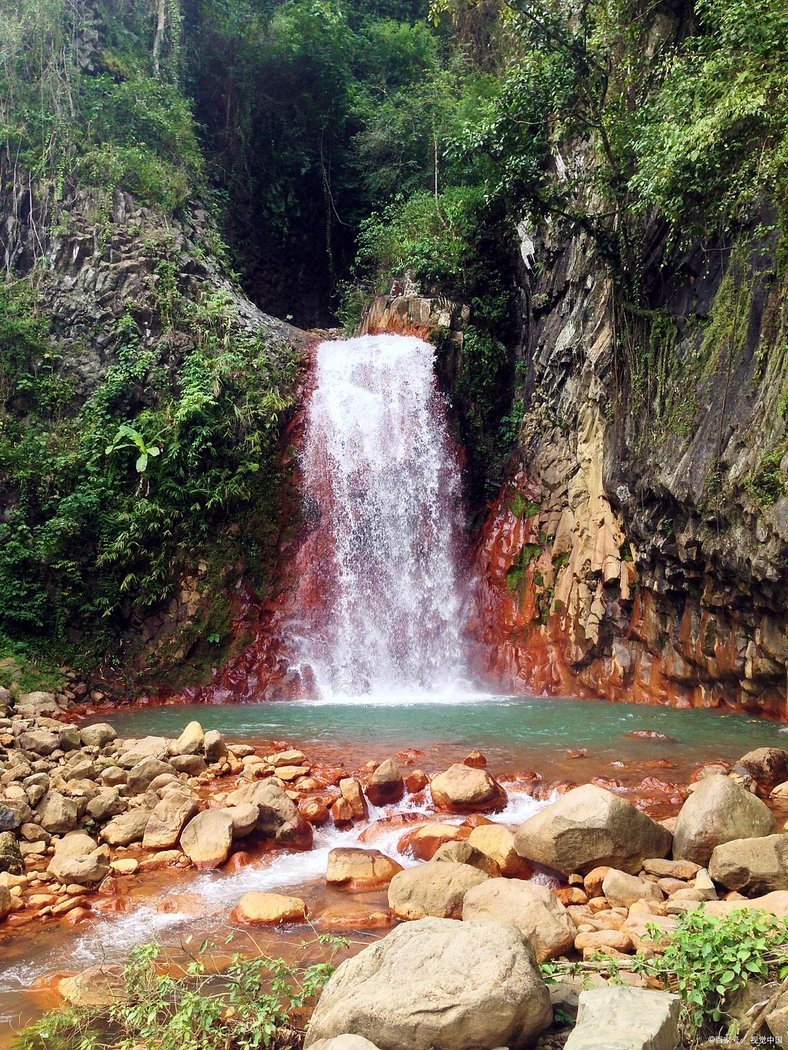
Niulincun: Cloud Forest and Sky Walk in Yongchun
Subtropical nature reserve 40 km from downtown — canopy trails, cable car views, and cooler air in summer.
Qingshui Rock: Cliff Temple of Master Qingshui
Anxi’s hillside sanctuary with tiered pavilions — incense, mountain tea stalls, and a 90-minute climb from the bus stop.