Quanzhou West Lake: Pagodas, Bonsai, and Morning Walks
City lake west of Kaiyuan Temple — free entry, flat paths, bonsai garden, and golden-hour photos over the water.
Updated 2026-08-07 · 756 words
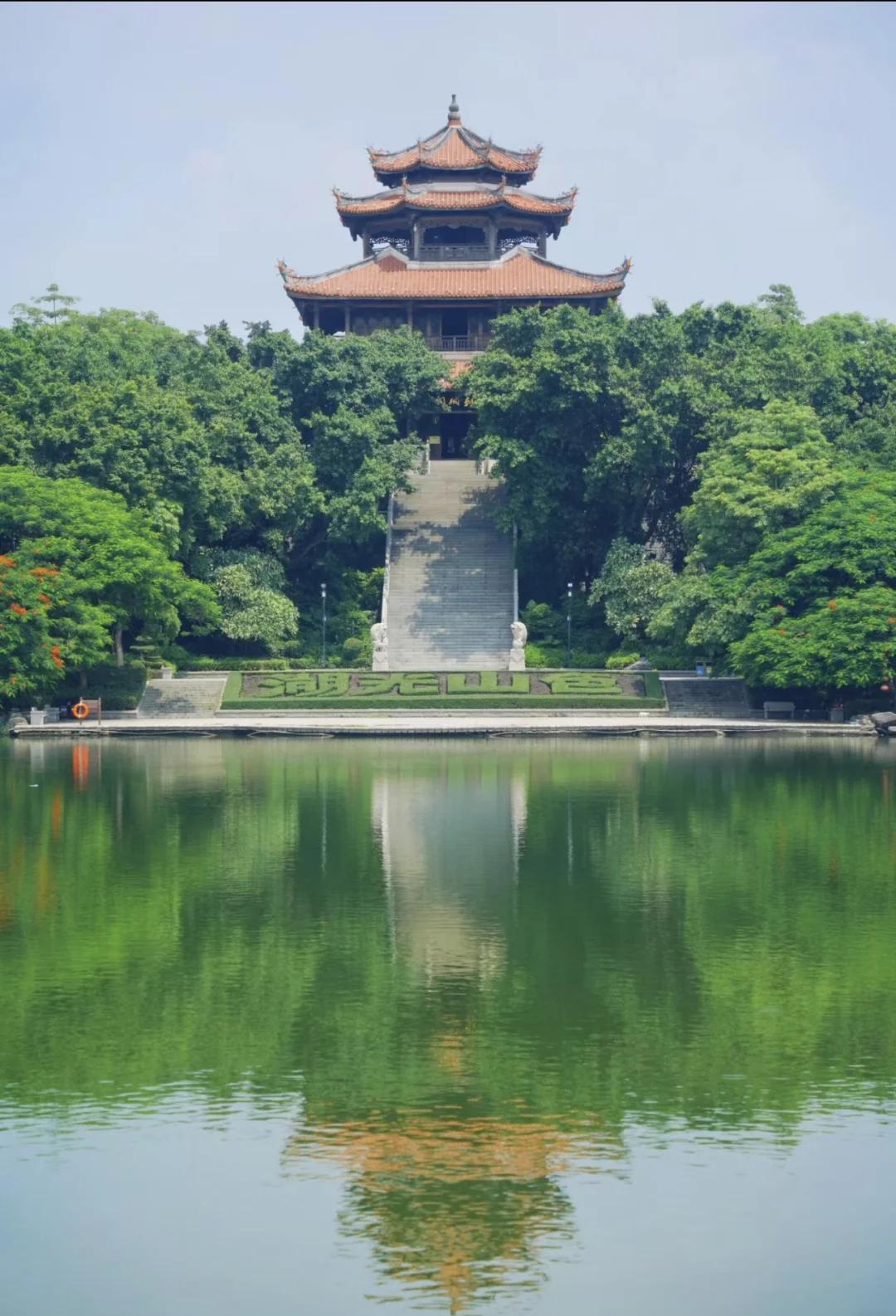
When foreign friends need a gentle day without tickets, stairs, or temple rules — but still want something unmistakably Quanzhou — I walk them to West Lake on West Lake Street in Fengze District. This is not Hangzhou's famous lake, and locals enjoy saying so with a smile, yet "Mist and Glow over West Lake" belongs here honestly: dawn fog lifting off still water, sunset staining the surface copper, and office workers looping the shore on lunch breaks like the lake belongs to them personally. Entry is free, gates stay open all day, and the mood is neighbourhood park scaled up with real cultural anchors — Citong Pavilion, the Quanzhou Museum, a mid-lake kiosk — rather than carnival rides.
Timing shapes the poetry. Best hours are 6:00 to 8:00 a.m., when mist and soft light make even phone cameras look talented, or evening golden hour when reflections stretch long and bats appear over the reeds. Midday works for museum air-conditioning inside, less for romantic photos outside. Reach the park on bus 1 or 21 to "West Lake Park," or stroll fifteen minutes from Kaiyuan Temple if you are already on West Street — a nice half-day pairing: pagodas in morning, lake in afternoon. A full circuit on flat paths takes about forty minutes at chatting pace, which makes this ideal for older guests, jet-lagged travellers, or anyone recovering from a mountain climb the day before.
Start at the north gate if you want Citong Pavilion first — climb for a modest city view and perspective on how Quanzhou mixes old rooflines with new towers. The Quanzhou Museum beside the park carries strong Maritime Silk Road galleries; I send history-curious friends inside for an hour while others keep circling the water. The mid-lake kiosk photographs well from every angle and gives kids something to point at without another lecture. Pedal boats operate seasonally; ask at the rental dock rather than assuming they run — winter wind shuts them down even when sunshine lies. Weekends bring dance groups and loud speakers near certain plazas; weekday mornings stay quieter if serenity is the goal.
Summer means mosquitoes near dusk — repellent saves sanity. Rain turns paths slick but shade is limited enough that an umbrella beats rushing; puddle reflections can be gorgeous if your friends appreciate mood over comfort. Food options ring the lake at ordinary neighbourhood prices, or walk back toward West Street for the snack density tourists already know. No special etiquette beyond normal public-space courtesy: do not litter, do not blast music, give elders space on benches.
West Lake will not deliver the adrenaline of Chongwu walls or the spiritual weight of Kaiyuan Temple, and that is precisely why it belongs in a longer Quanzhou itinerary. It shows foreign visitors how residents actually live with heritage — not only visiting it on holidays but walking past it daily, breathing slower beside water that has reflected the city for centuries.
Families with mixed energy levels love this park because benches appear often and escape routes to cafés are easy. If someone wants a running loop, the flat forty-minute circuit works; if someone wants to sit and sketch the pavilion, that works too. I tell foreign guests the museum Maritime Silk Road galleries pair well with Luoyang Bridge or the Confucian Temple later — same story, softer lighting, air-conditioning. Evening visits bring square dancers and erhu soundtracks that feel exotic without being staged for tourists; weekday dawn brings tai chi and bird song instead.
Bring mosquito repellent in summer after 5 p.m., an umbrella in rain, and patience on weekends when loud speakers compete with lake quiet. Free entry means no ticket stress — rare in a city where even modest temples charge — so West Lake becomes the decompress day between heavier heritage stops. Your friends may not gasp at first sight the way they do at the twin pagodas, but they often call it the place where Quanzhou finally felt like a city they could live in, not only admire from a guidebook margin.
Pedal boat rentals depend on season and wind — ask at the dock in Chinese or show a photo of a boat rather than assuming English signage. The fifteen-minute walk from Kaiyuan Temple links two classic views without another bus ride, which jet-lagged guests appreciate. Citong Pavilion steps are manageable for most adults but not pram-friendly; split the group if prams and panorama both matter. Museum hours differ from park hours; check both if you plan the Maritime Silk Road galleries seriously.
Last updated: 2026-08-07 · Visit Quanzhou editorial team · Report an error
Related guides
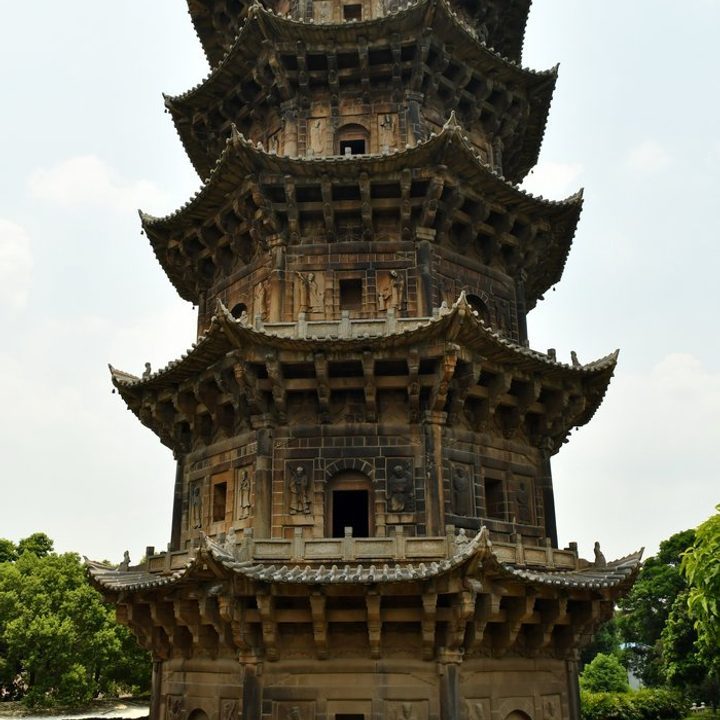
Kaiyuan Temple: Twin Pagodas Over West Street
Song-era stone towers, Tang halls, and a living monastery on Quanzhou’s busiest heritage street — plan 90 minutes and arrive early.
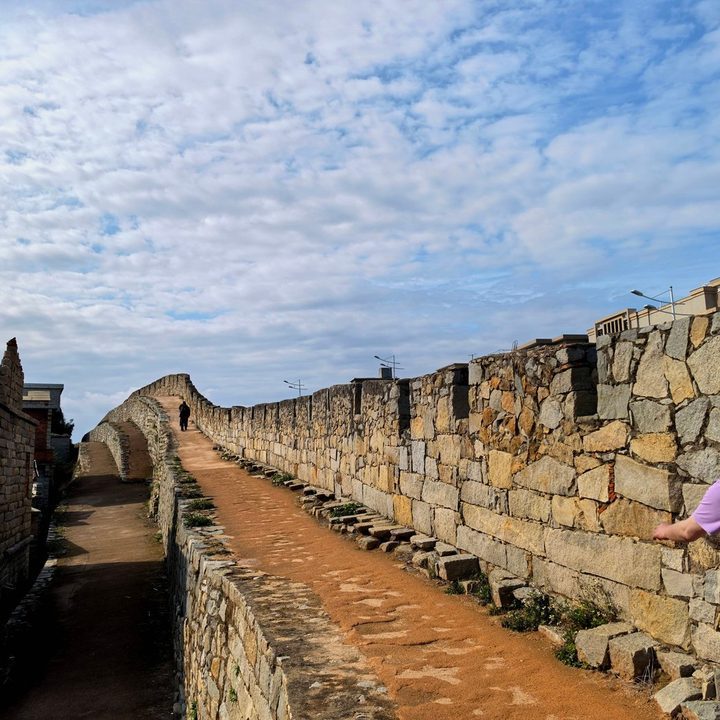
Chongwu Ancient City: Granite Walls and Sea Spray
Ming-era coastal fortress in Hui’an — walk the battlements, watch fishermen mend nets, and time your visit for low tide.
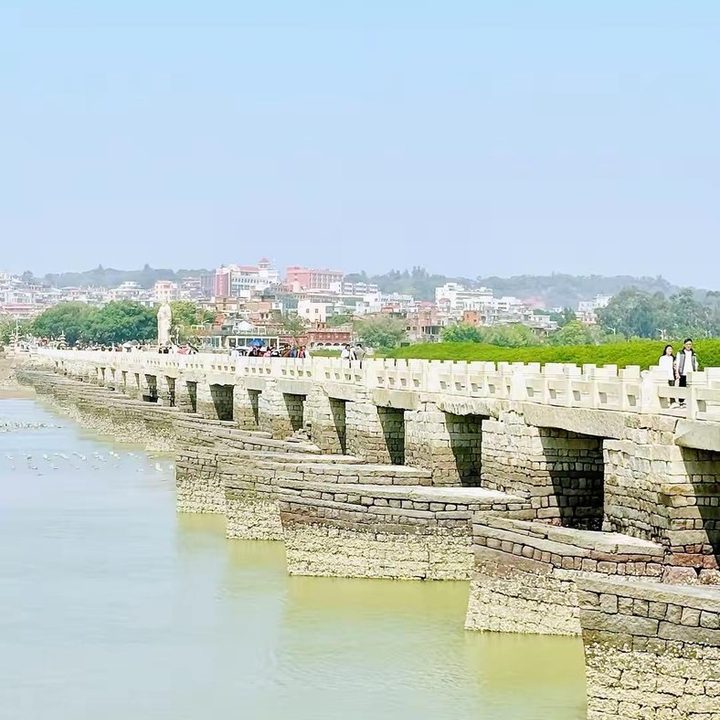
Luoyang Bridge: Song Stones Across the Luoyang River
One of China’s oldest cross-sea stone bridges — oyster-encrusted piers, Wen Temple at the north end, best at rising tide.
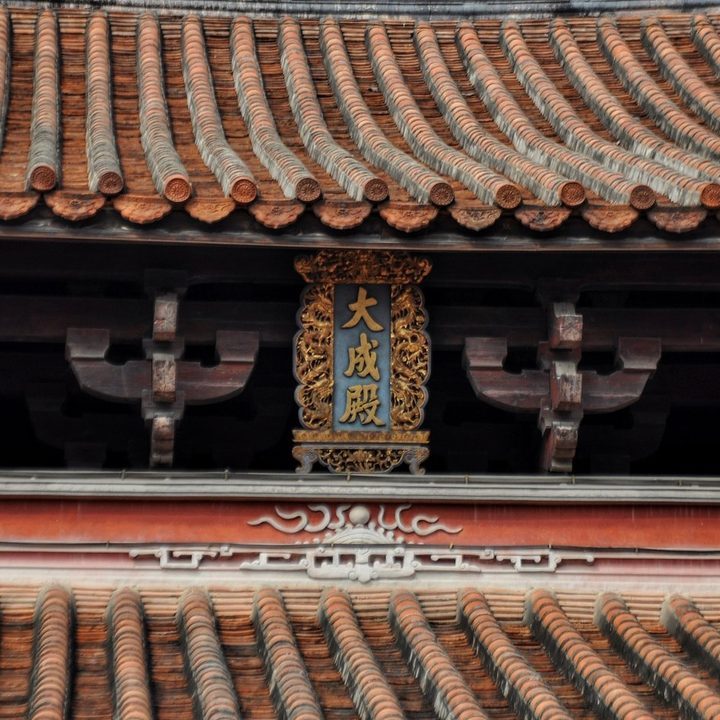
Quanzhou Confucian Temple: Song Bricks and Exam Halls
Large southern Confucian complex on Tumen Street — red walls, ancient banyan shade, and a quiet courtyard away from the crowds.
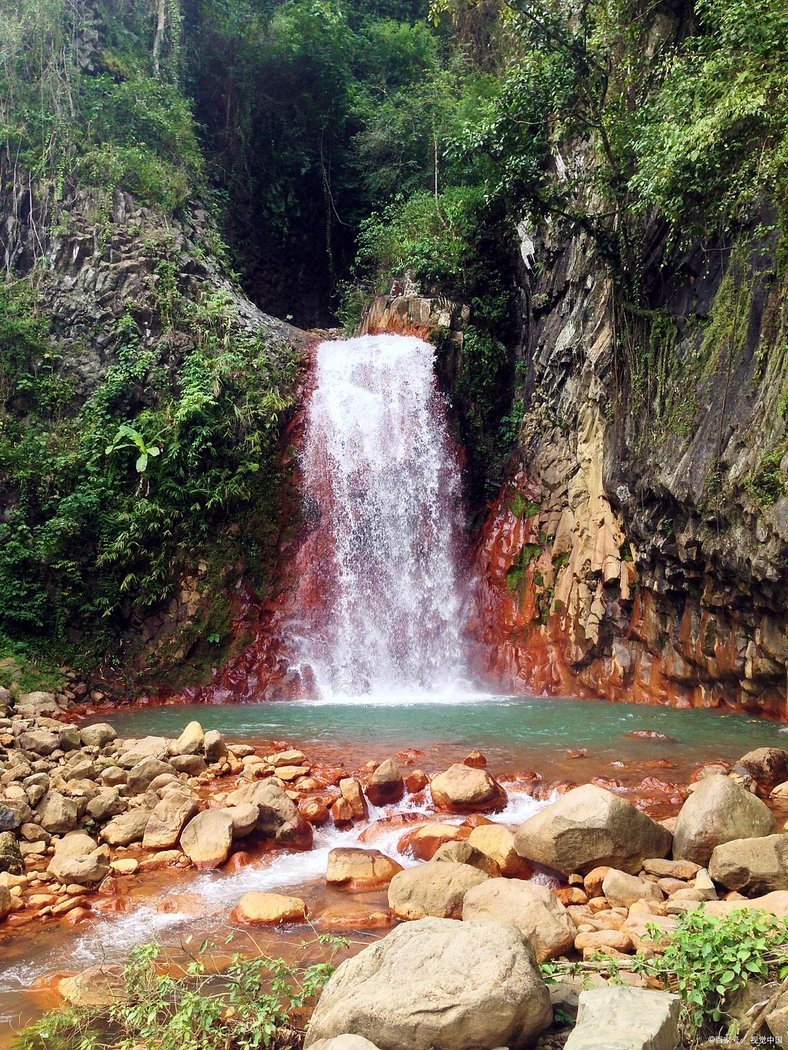
Niulincun: Cloud Forest and Sky Walk in Yongchun
Subtropical nature reserve 40 km from downtown — canopy trails, cable car views, and cooler air in summer.
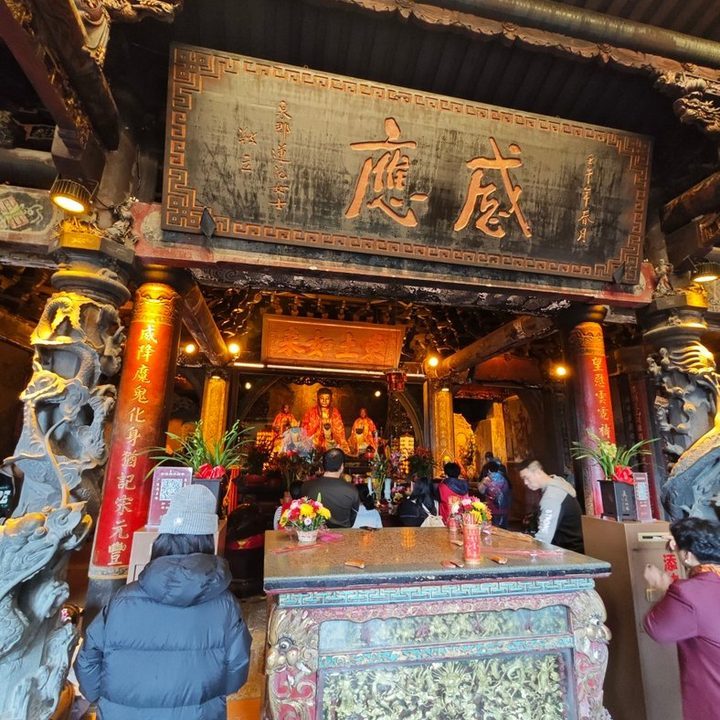
Qingshui Rock: Cliff Temple of Master Qingshui
Anxi’s hillside sanctuary with tiered pavilions — incense, mountain tea stalls, and a 90-minute climb from the bus stop.