Dehua Porcelain: Blanc de Chine from the Hills
Ivory-white kiln craft from Dehua — museums, workshops, and pieces that travel well as gifts.
Updated 2026-08-07 · 608 words
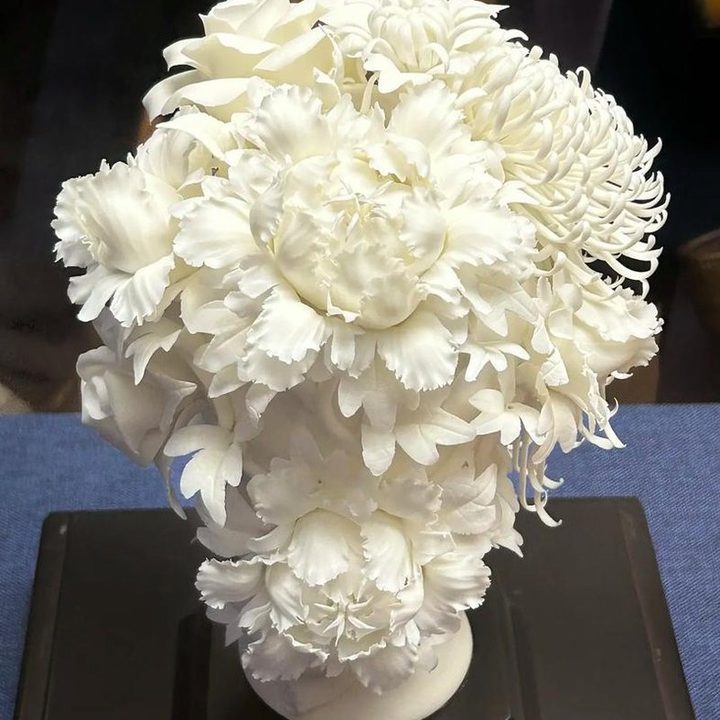
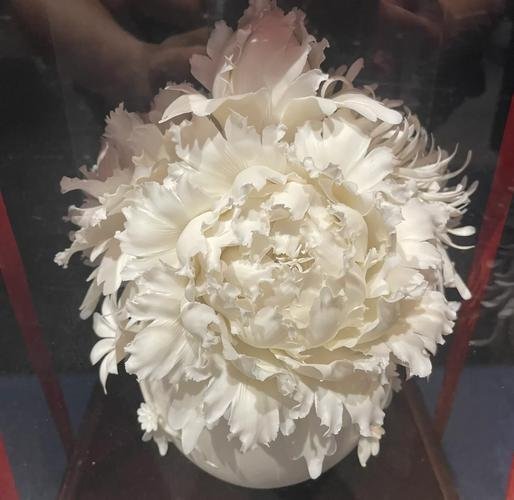
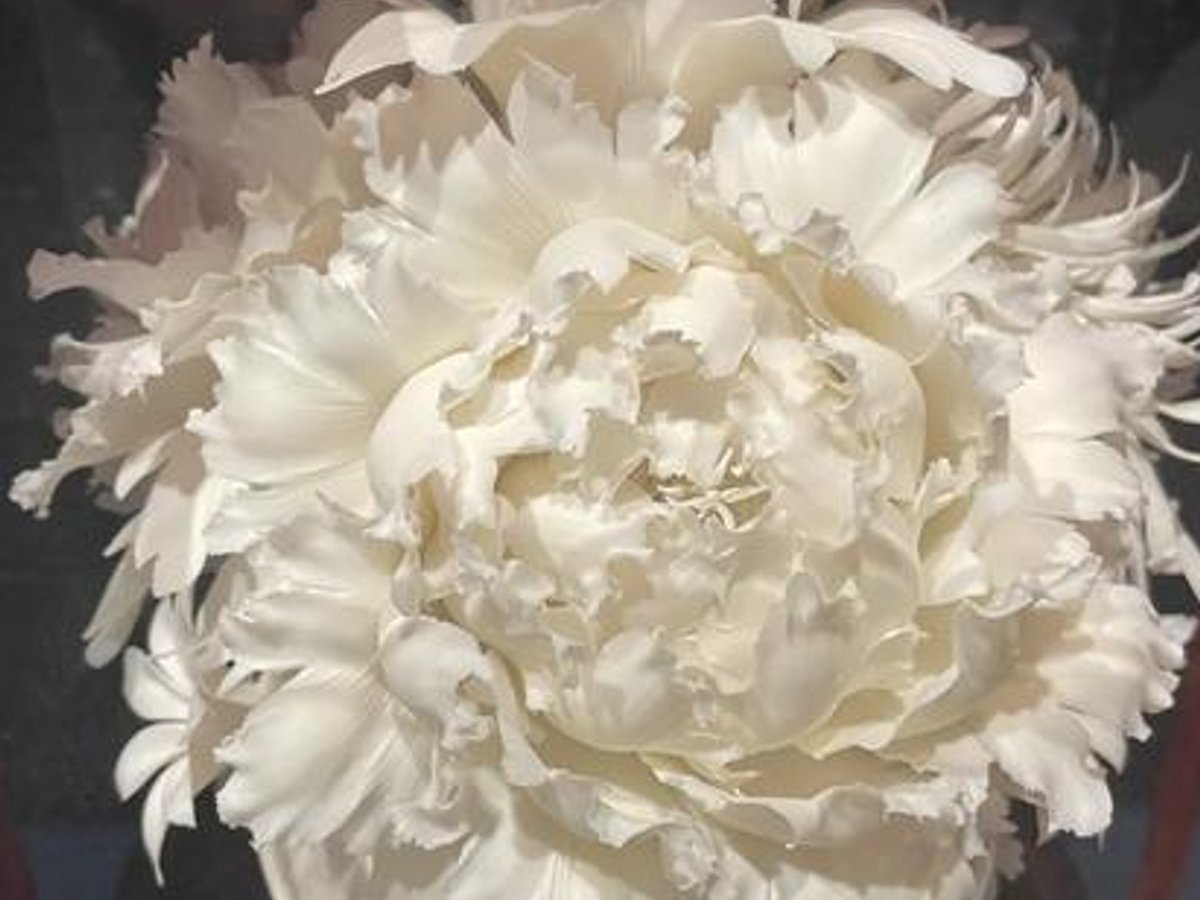
When Quanzhou people speak of “white,” they sometimes mean Dehua porcelain before they mean tea. Drive northwest from the city for roughly ninety minutes to two hours, over folded hills, and you reach Dehua—a mountain town fed by kiln fire for more than a thousand years. Its wares are known abroad as Blanc de Chine: fine body, ivory-smooth glaze, especially Buddhist and Daoist figures, portraits, scholar’s objects, and daily tableware. If you have seen overseas a Guanyin or Damo with flowing robes and a calm face, check the base—it may say Dehua. The firing craft entered China’s national heritage list in 2006. It is not one product name but a full chain: clay selection, forming, trimming, glazing, loading, temperature control, unloading. Classic tones like “ivory white” or “lard white” depend on local kaolin and feldspar mixes and on kiln masters’ instinct—instinct trained father to son, master to apprentice, through trial in dragon kilns or modern gas tunnels until a piece holds that soft, clean glow.
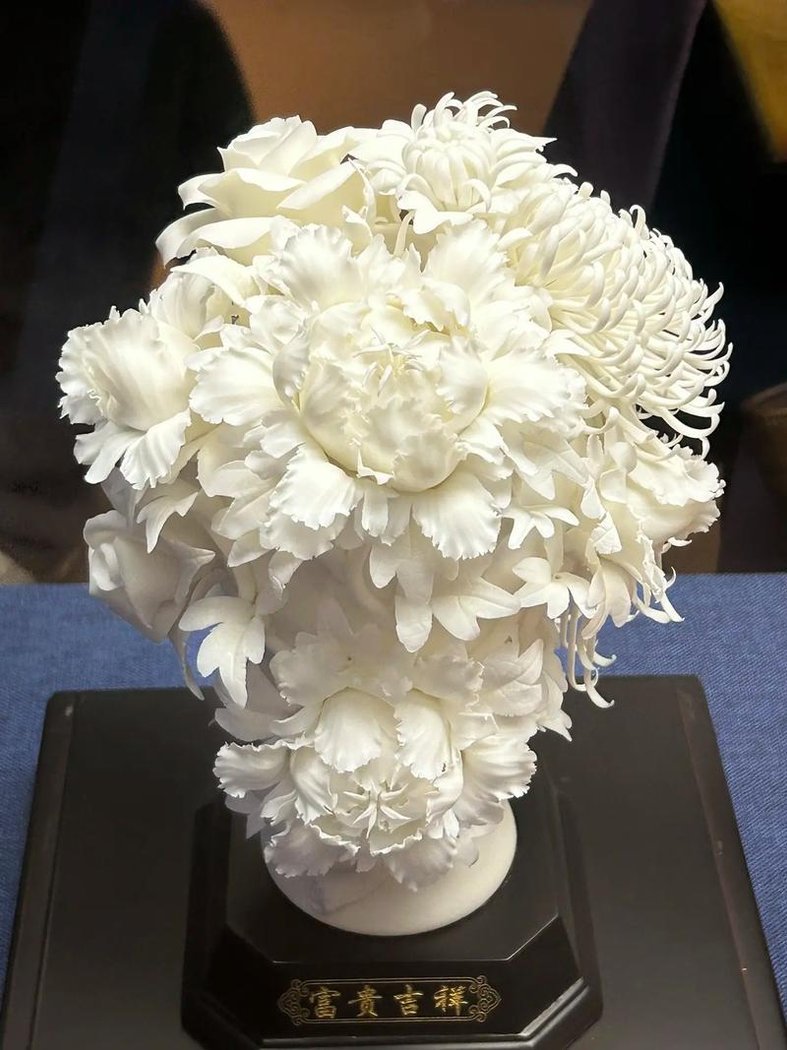
With half a day or a full day, county town Dehua is enough. Start at the China White Ceramic Art Museum (Dehua Ceramic Museum) for the arc from Neolithic kiln sites to contemporary design—Ming and Qing figures, export wares, modern art pieces help you fix what “real Dehua taste” means. Then walk or ride to Porcelain Capital Square and Ceramic Street. Shops run from small souvenirs to serious collector prices. Do not buy immediately. Spend thirty minutes looking only: good Dehua white reads as gentle light from afar; up close the body is fine, glaze even, never a harsh dead white or plastic shine. For figures, watch fingers, robe folds, and facial carving—clean lines, no sloppy trim marks or bare shrink spots. For cups and bowls, check the lip and weight in hand. If energy remains, try Shunmei Ceramic World or similar parks—more hands-on, sometimes wheel and trimming demos, kids can glaze or paint. For fire itself, ask about ancient kiln site visits or book a short class at a licensed studio. A slightly crooked cup you pull yourself may outlast any perfect window display in memory.
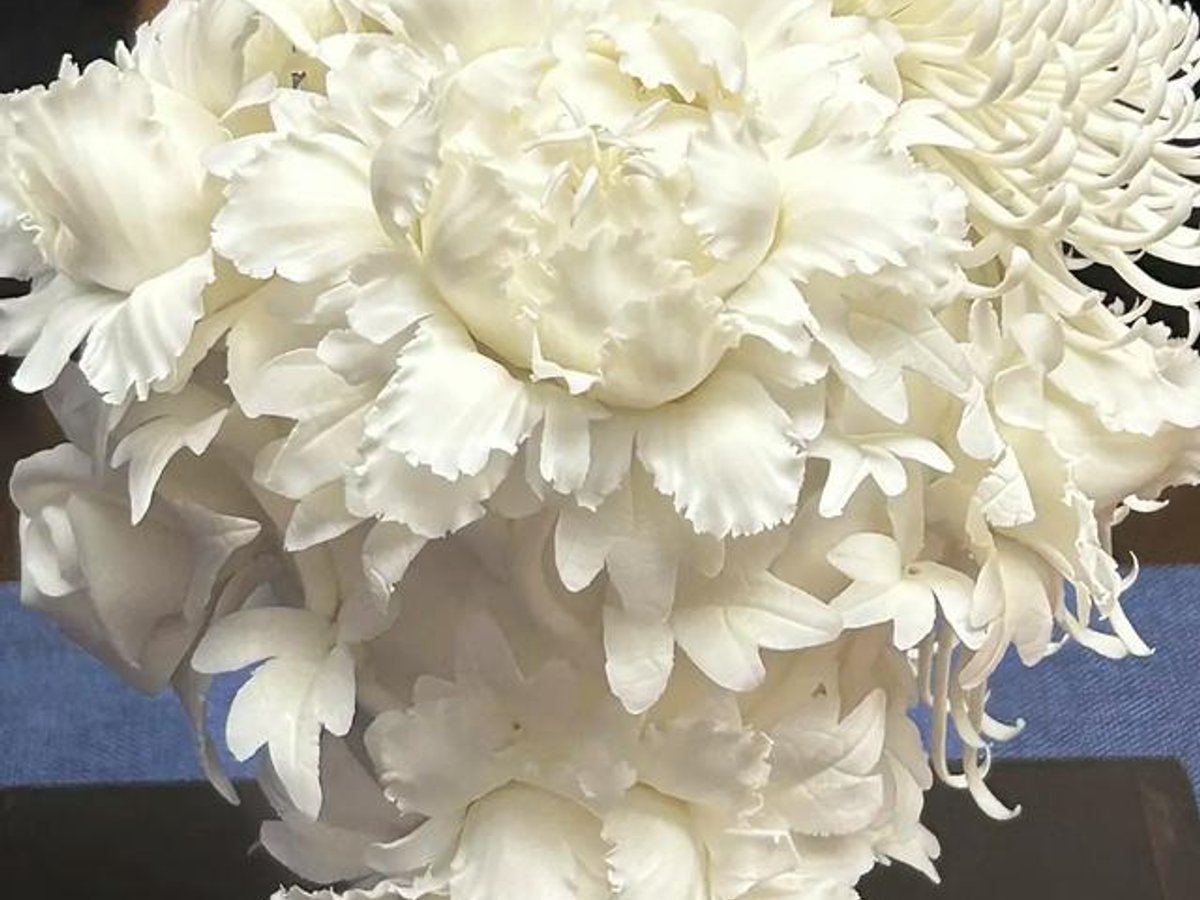
Staying in Quanzhou city still lets you “read” Dehua, just at another level. West Street, Goldfish Lane, Zhongshan Road heritage shops and tea rooms often show Dehua teaware, censers, small statues; tourist stores near Guanyue Temple, Ashab Mosque, and Kaiyuan Temple sell them too, quality mixed—fine for first contact, but for gifting or collecting, the source town rewards a trip. A plain checklist: ask clay source and high-fire process; read base marks and packaging from reputable kilns; beware very cheap “Dehua white” that is machine-made or imitation—white but dull, dull knock when tapped. Tea lovers should consider a Dehua gaiwan or small pot for gongfu brewing—white glaze does not fight the liquor color, thin walls cool fast, a natural fit for Minnan tea habit. Foreign friends often confuse Dehua with Jingdezhen. Jingdezhen is famous for blue-and-white, enamels, grand forms; Dehua wins on plain white, plasticity, and religious sculpture. I sometimes say Jingdezhen is a color encyclopedia; Dehua is a careful sketchbook—fewer lines, serious light on each one.
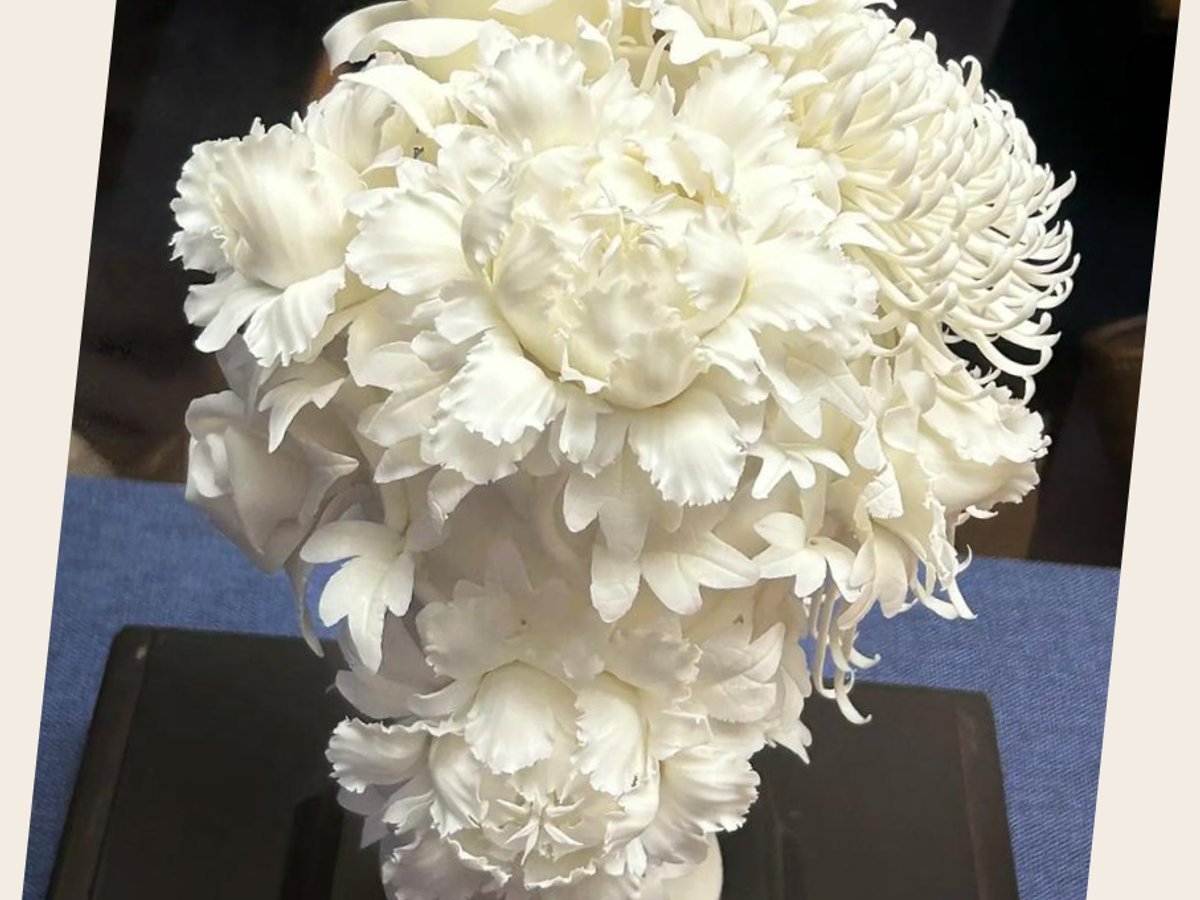
Travel note: mountain Dehua fogs often, especially autumn and winter mornings; old chimneys and kiln ruins look like ink wash. If you drive, curves are tight—avoid rushing at night. On the way back to Quanzhou, pick up small pieces—a scoop, a tiny Guanyin, a zodiac figure—light in the bag, heavy in story. You need not fear words like “master” or “unique”; plenty of honest daily ware suits beginners. What you carry home is not only porcelain but a thousand years of patience—how mountain people taught clay to hold light.
Last updated: 2026-08-07 · Visit Quanzhou editorial team · Report an error
Related guides
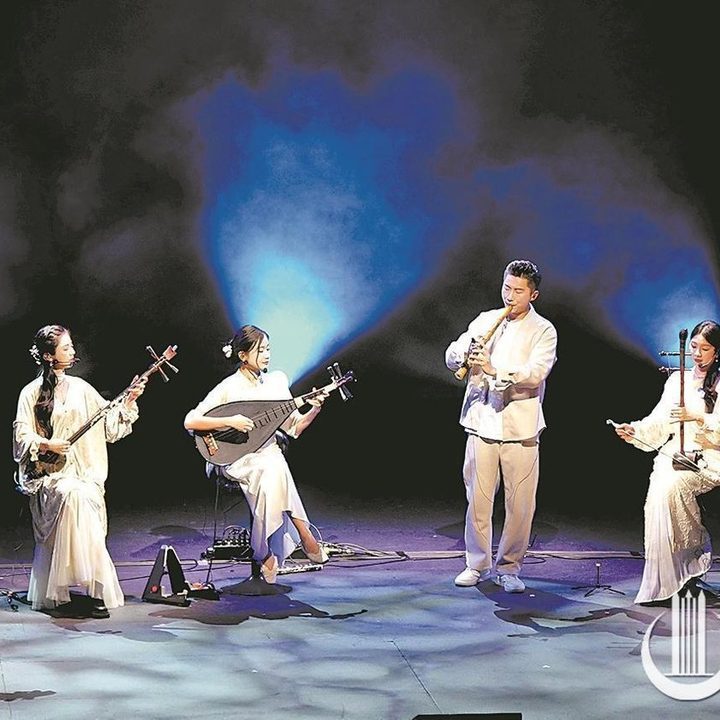
Nanyin: Quanzhou’s Living Ancient Music
Pipas, flutes, and clappers in a slow Minnan voice — UNESCO-listed music you can still hear in Quanzhou halls.
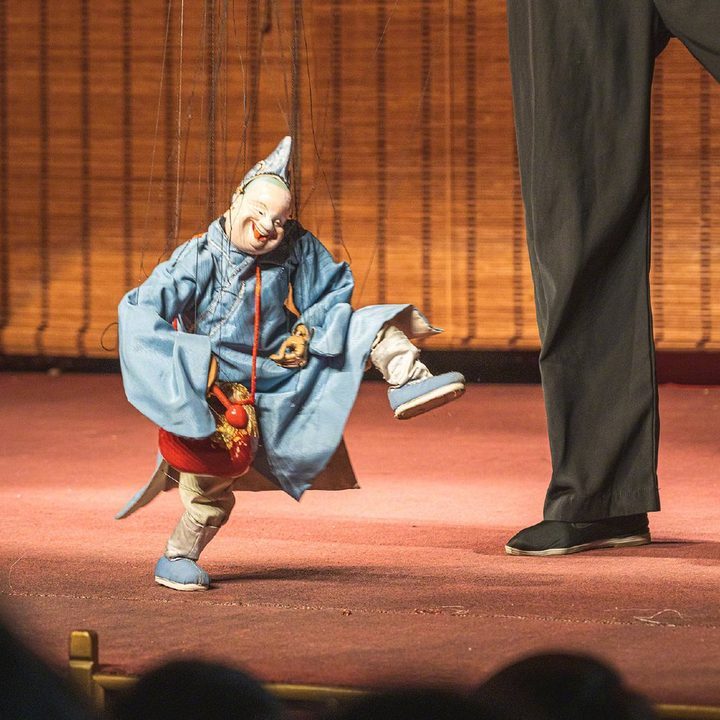
Quanzhou Marionettes: Threads That Dance
String puppetry with hundreds of control lines — a UNESCO-praised craft that still fills Quanzhou stages.
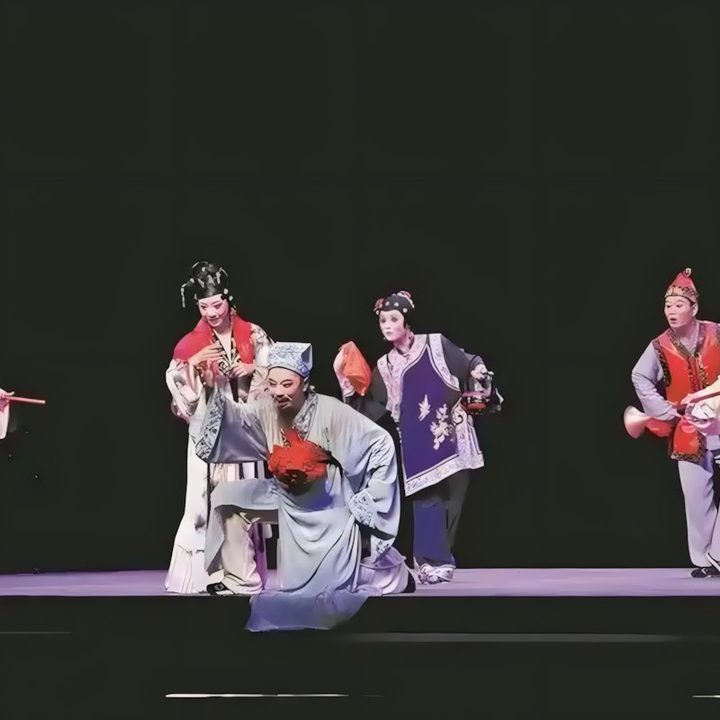
Liyuan Opera: Slow Drama with Song-Yuan Roots
Gentle pacing, fine gesture, and old Minnan verse — Quanzhou’s classical theatre for patient ears.
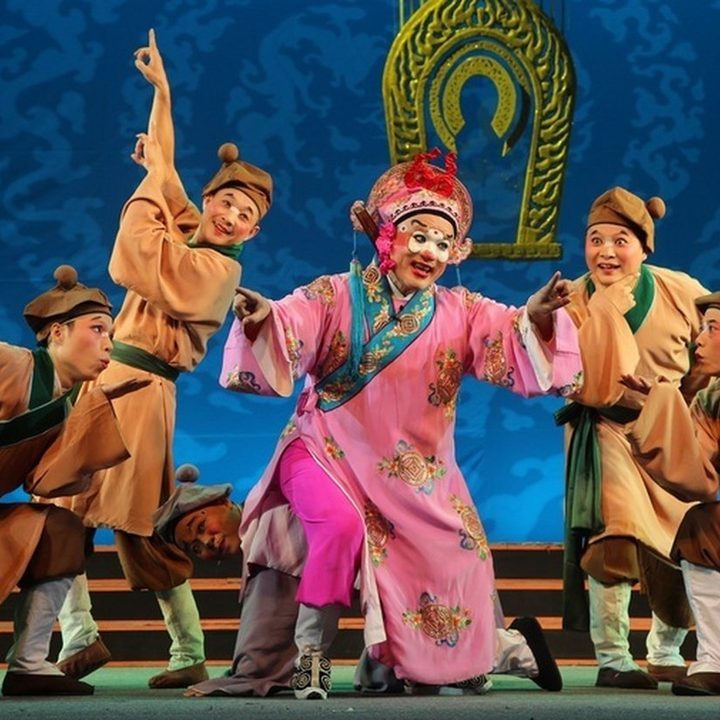
Gaojia Opera: Clowns, Banter, Temple-Fair Energy
Comic roles and lively stage talk — the folk opera that still wakes village squares and city theatres.
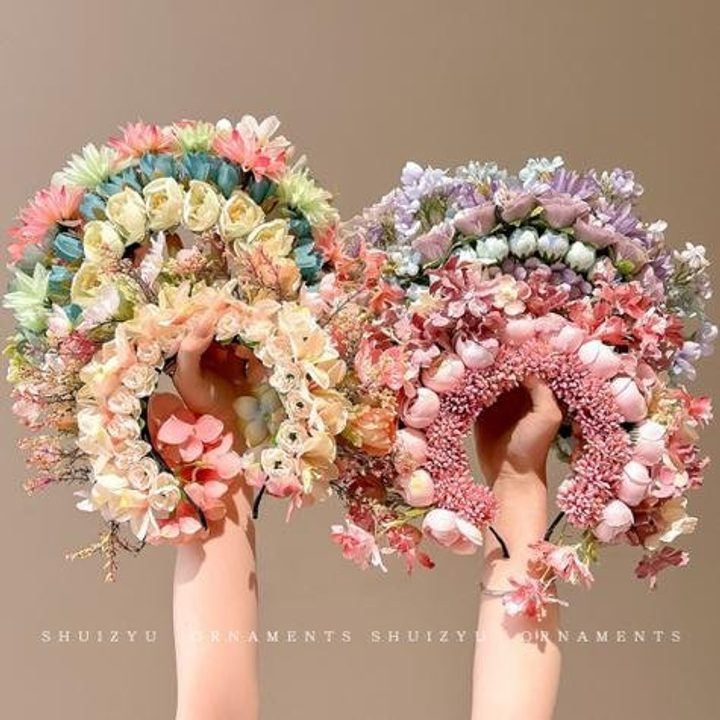
Xunpu Women: Flower Crowns by the Oyster Coast
Zanhuawei flowers, oyster-shell houses, and village lanes — visit with respect, leave with color.
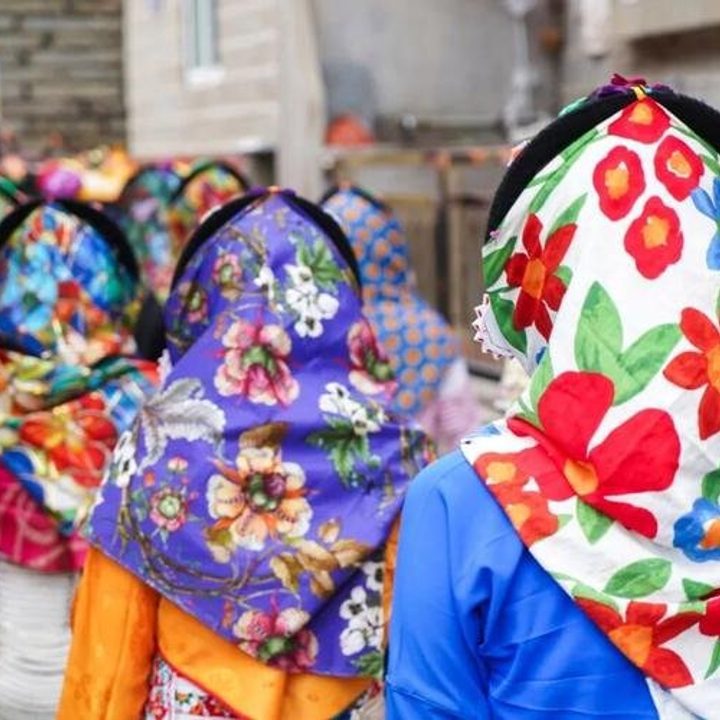
Hui’an Women’s Dress: Headscarves by the Sea
Bright scarves, short jackets, wide trousers — a coastal dress tradition still worn around Hui’an and Chongwu.