Quanzhou Marionettes: Threads That Dance
String puppetry with hundreds of control lines — a UNESCO-praised craft that still fills Quanzhou stages.
Updated 2026-08-07 · 594 words
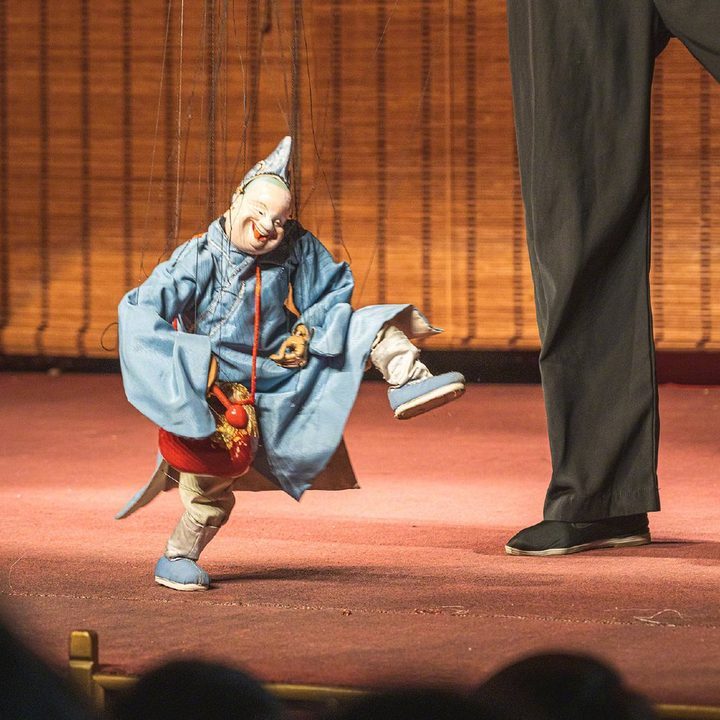
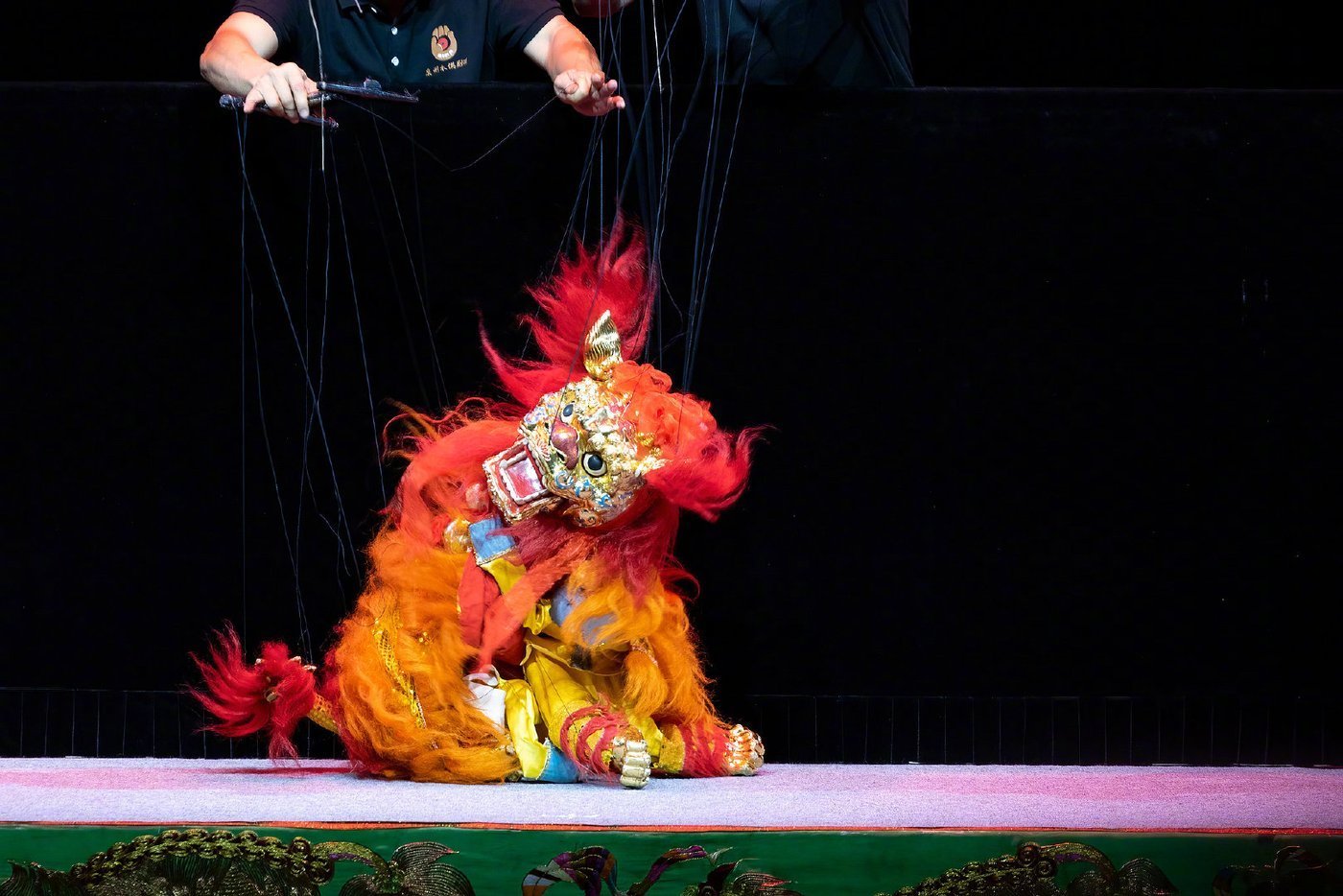
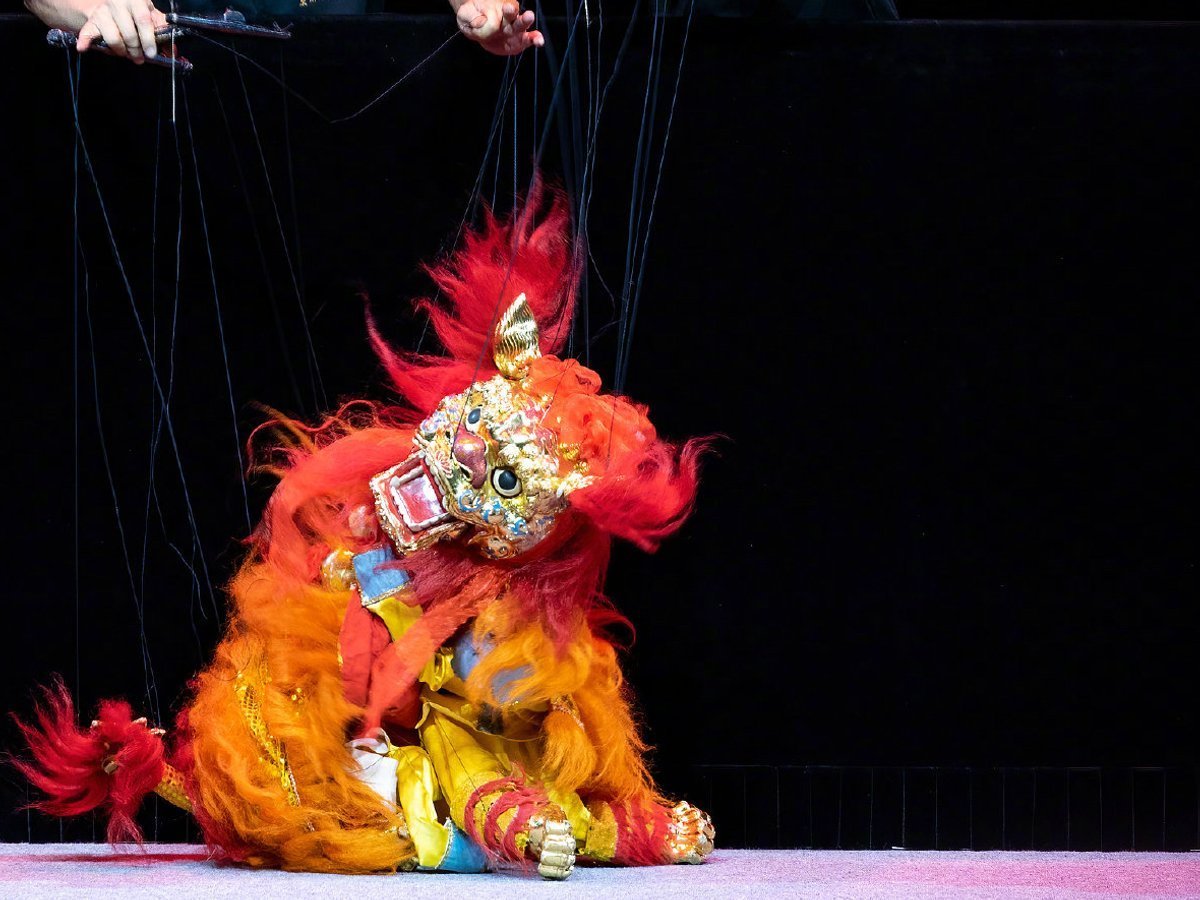
If I had to pick one traditional art in Quanzhou that's instantly readable yet grows more astonishing the longer you watch, I'd choose string puppetry. Quanzhou marionette theater is national-level intangible heritage and the most technically demanding branch of Minnan puppet traditions — each figure may have anywhere from a dozen to more than thirty strings. The puppeteer stands behind the screen, fingers dancing on the control bar, and the puppet walks, flicks its sleeves, dances with a sword, pours wine, even somersaults or changes painted faces. The detail is so fine you can sometimes see it "blink." Many foreign viewers laugh at first, then go quiet when they realize this isn't toy play — it's a physical miracle that compresses human breath, balance, and emotion into a few threads of silk.
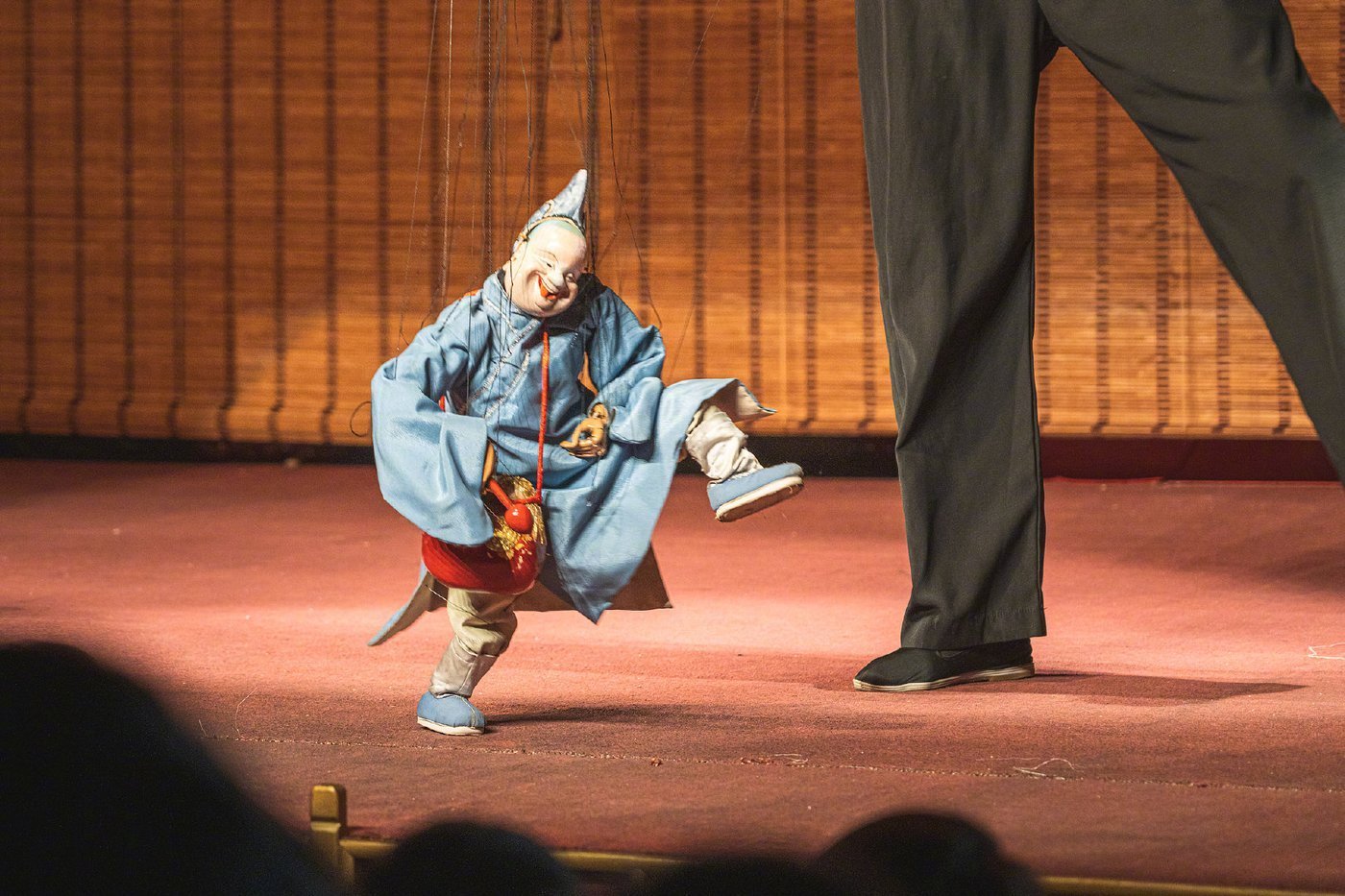
For watching marionette shows, start with proper venues like the Quanzhou Puppet Theater or the Quanzhou String Puppetry Protection Center. They usually run fixed schedules, with decent stage, lighting, sound, and sometimes bilingual subtitles or live explanation — ideal for first-timers. Booking is straightforward: follow the theater's WeChat account or search "Quanzhou puppet" on Ctrip or Damai for upcoming dates. I'd pick a seat in the middle front section — not row one, but close enough. Half the magic is in the movement; half is in the relationship between the puppeteer's fingers and the strings. From too far back, you miss the subtle expressions. If your schedule is flexible, weekends and holidays often feature fuller programs or acrobatic puppet segments that hook international guests fastest.
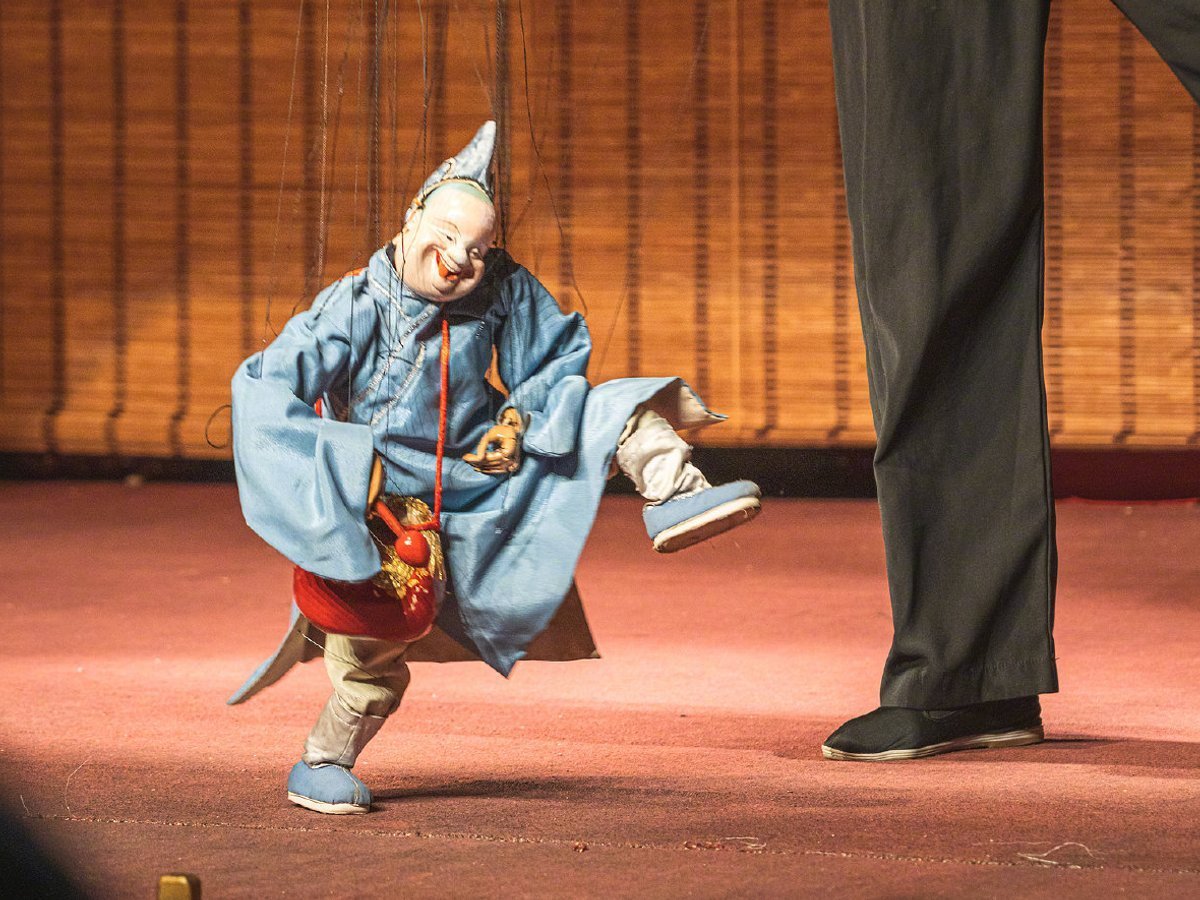
Beyond the big theaters, folk troupes perform at festivals, mall events, and tours — quality varies, but the energy is raw and alive. If you're in Quanzhou during Lantern Festival, Dragon Boat Festival, or a town temple fair, watch for temporary stages. Sometimes Gaojia opera runs by day and puppets by night, or puppeteers step out between acts for short showcases. The atmosphere is louder and less structured, so you'll want to play interpreter: explain which character is sheng, dan, jing, or chou, and whether this episode is "Three Battles with the White Bone Demon" or "The Little Monk Comes Down the Mountain." A small etiquette note: photos are fine, but skip flash and don't poke your camera behind the screen — puppeteers need absolute focus; glare and distraction make the strings tremble. Applause fits best when a full sequence finishes and the puppeteer pauses — not after every tiny gesture, which breaks the rhythm.
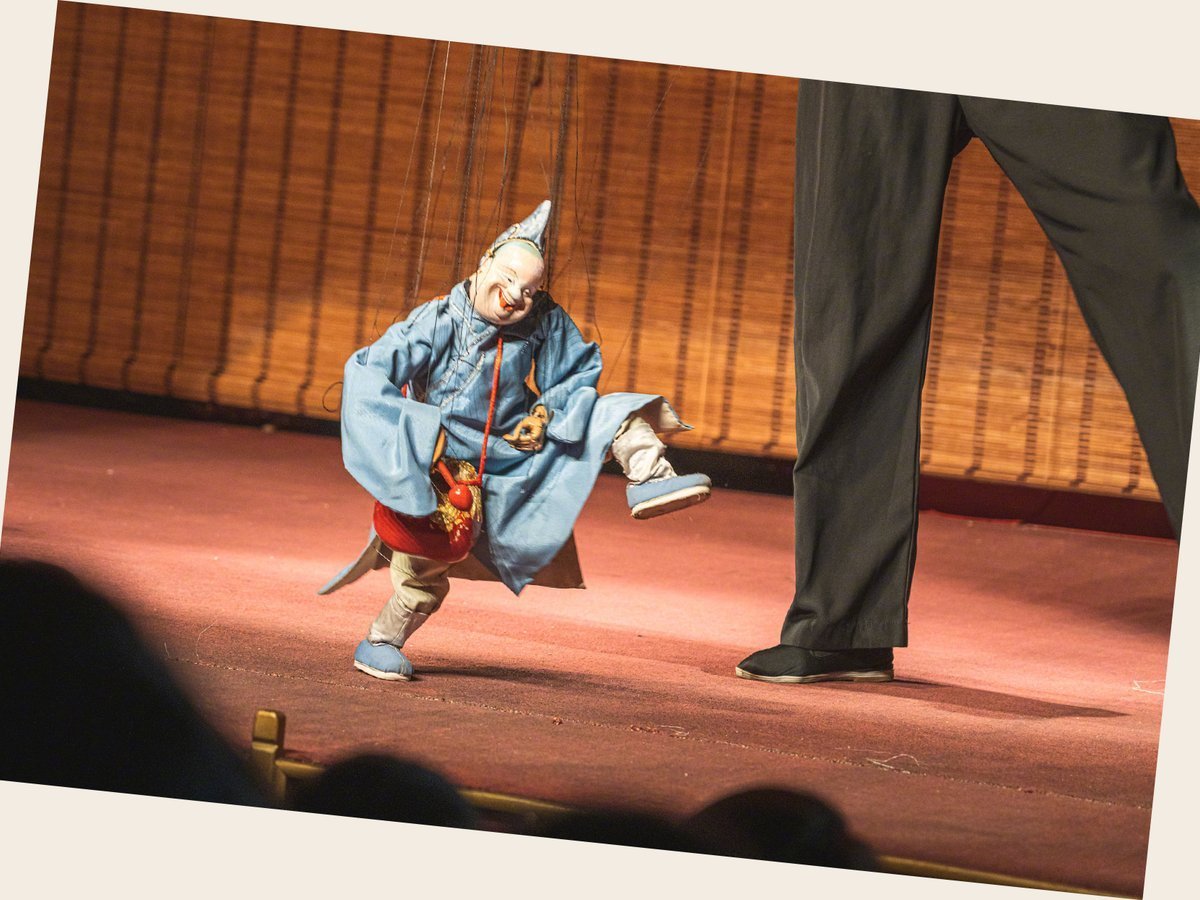
Help your foreign friends "read" string technique in three layers. First, watch the big moves: walking, turning, fighting — does the puppet feel like it has weight? Second, watch the small details: how fingers pinch a thread, tilt the head a fraction, lift the costume as if wind blows — often harder than the grand gestures. Third, watch person and strings as one: sometimes the puppeteer's face and breathing behind the screen are as worth seeing as the puppet itself. If the theater offers a backstage tour or hands-on session, sign up. Let your friend hold two strings — they'll immediately understand why it only looks easy. With more time, ask about study tours, workshops, or heritage experience classes. Half a day learning basic hand positions and character head types leaves a deeper mark than a single show. Before leaving Quanzhou, souvenir stalls near the puppet theater or on West Street sell miniature puppet heads and keychains — lovely gifts. Just don't hop in and out of your seat while the show is still running; that's rude to performers and neighbors alike.
Last updated: 2026-08-07 · Visit Quanzhou editorial team · Report an error
Related guides
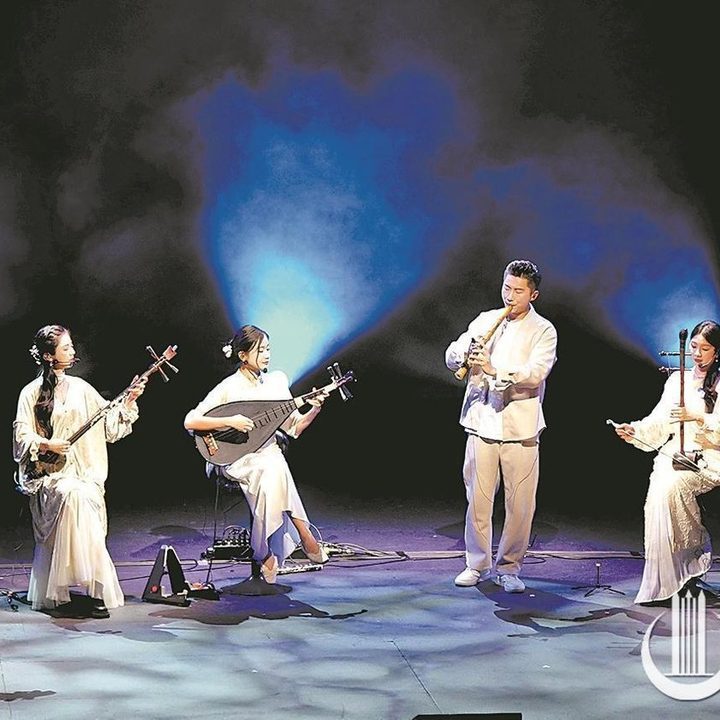
Nanyin: Quanzhou’s Living Ancient Music
Pipas, flutes, and clappers in a slow Minnan voice — UNESCO-listed music you can still hear in Quanzhou halls.
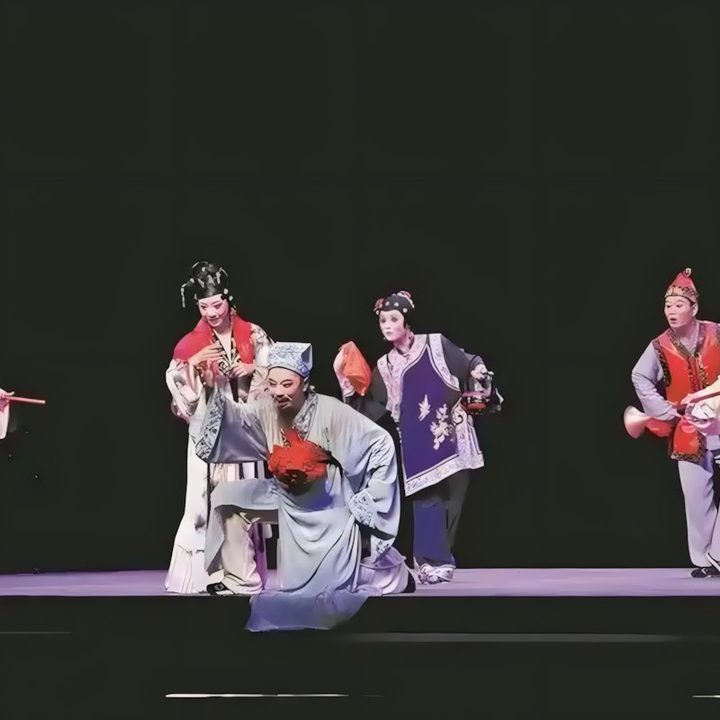
Liyuan Opera: Slow Drama with Song-Yuan Roots
Gentle pacing, fine gesture, and old Minnan verse — Quanzhou’s classical theatre for patient ears.
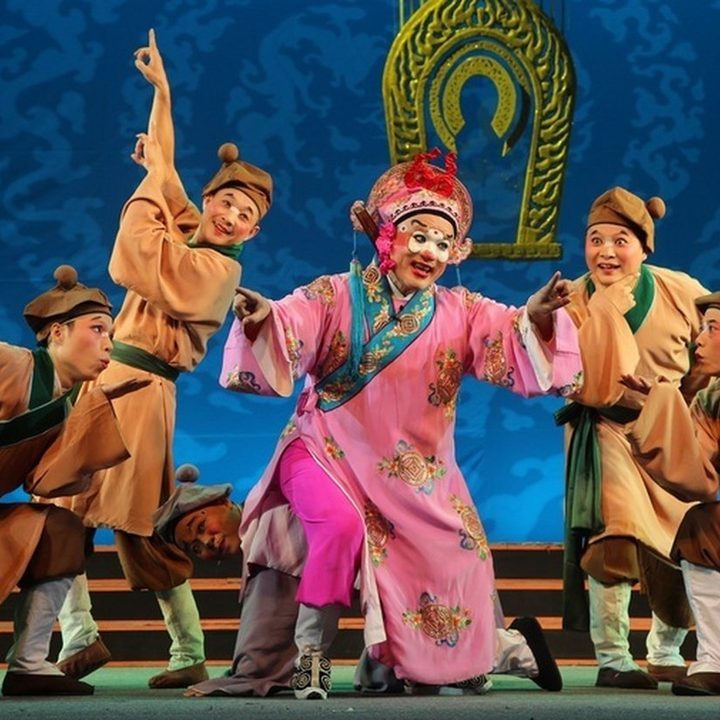
Gaojia Opera: Clowns, Banter, Temple-Fair Energy
Comic roles and lively stage talk — the folk opera that still wakes village squares and city theatres.
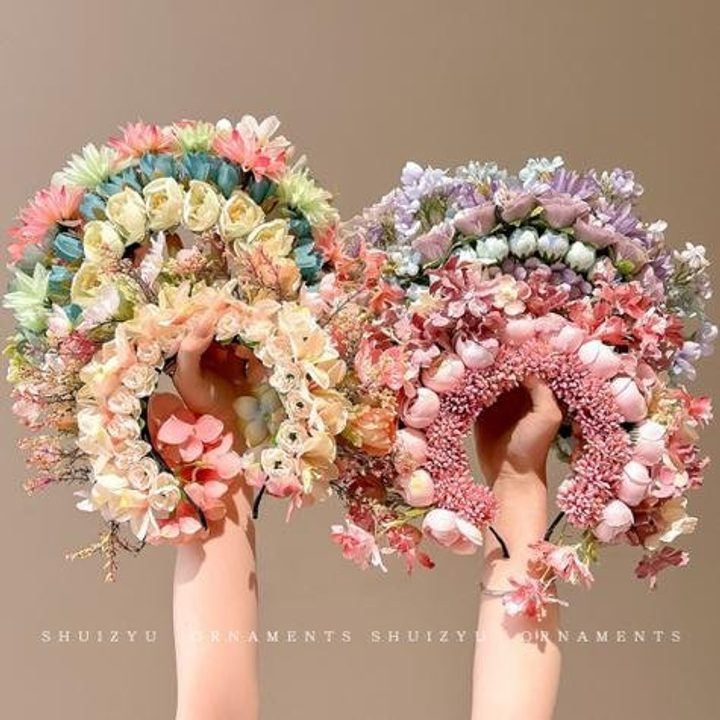
Xunpu Women: Flower Crowns by the Oyster Coast
Zanhuawei flowers, oyster-shell houses, and village lanes — visit with respect, leave with color.
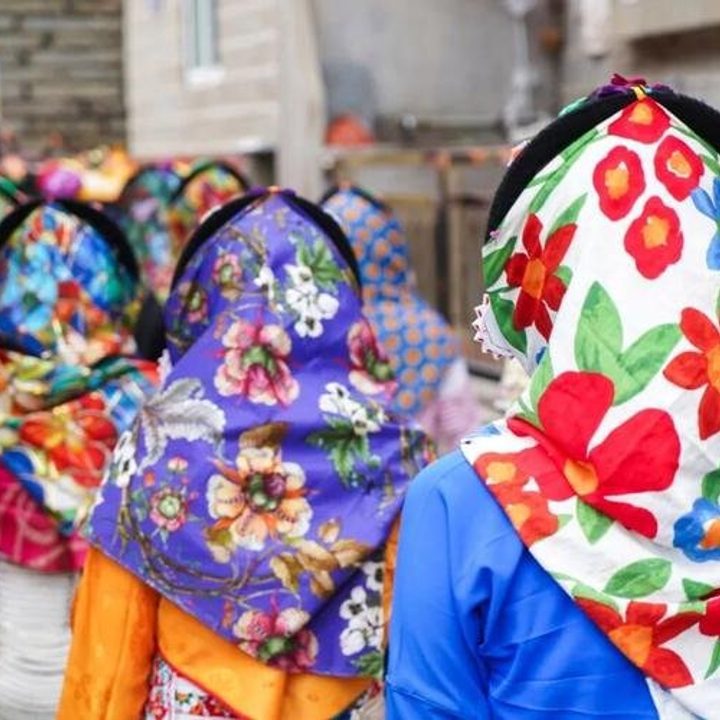
Hui’an Women’s Dress: Headscarves by the Sea
Bright scarves, short jackets, wide trousers — a coastal dress tradition still worn around Hui’an and Chongwu.
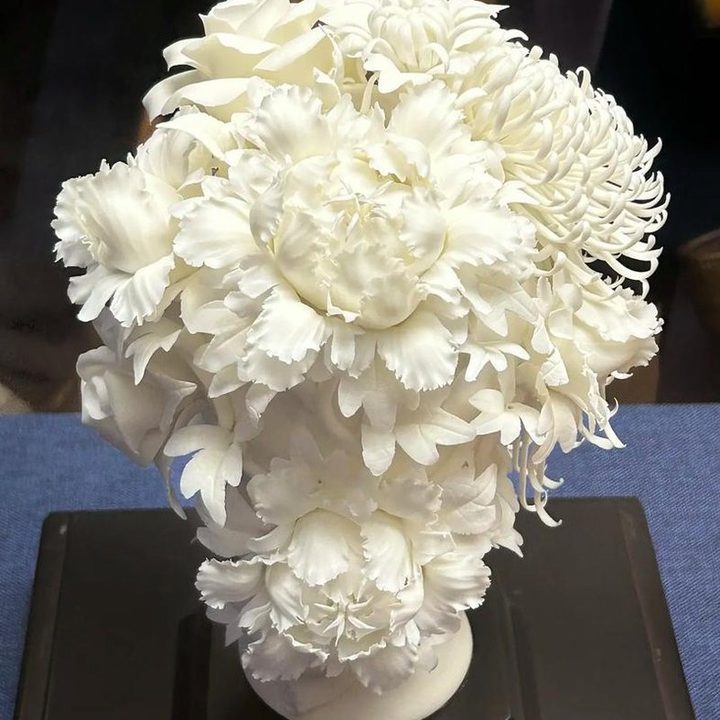
Dehua Porcelain: Blanc de Chine from the Hills
Ivory-white kiln craft from Dehua — museums, workshops, and pieces that travel well as gifts.