Xunpu Women: Flower Crowns by the Oyster Coast
Zanhuawei flowers, oyster-shell houses, and village lanes — visit with respect, leave with color.
Updated 2026-08-07 · 596 words
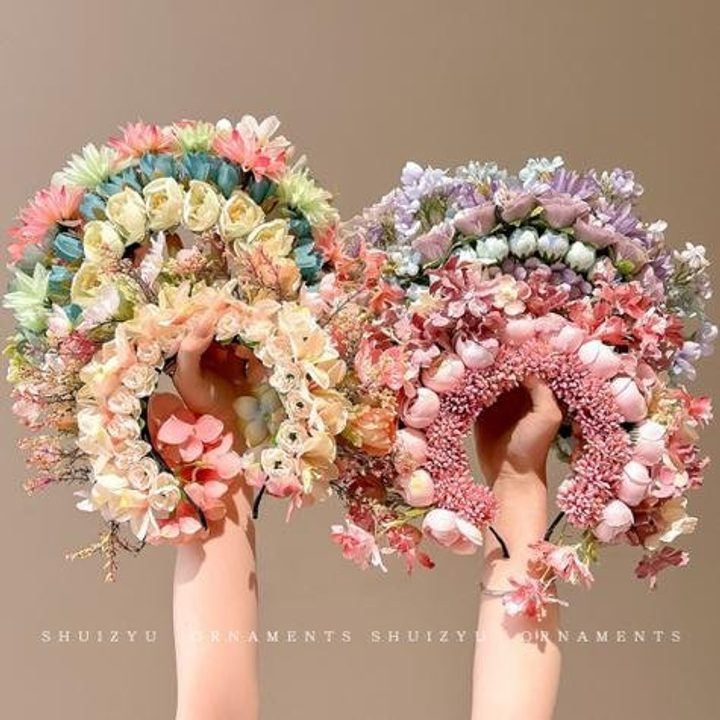
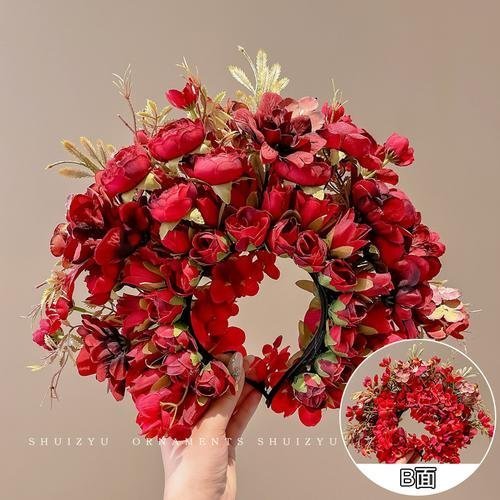
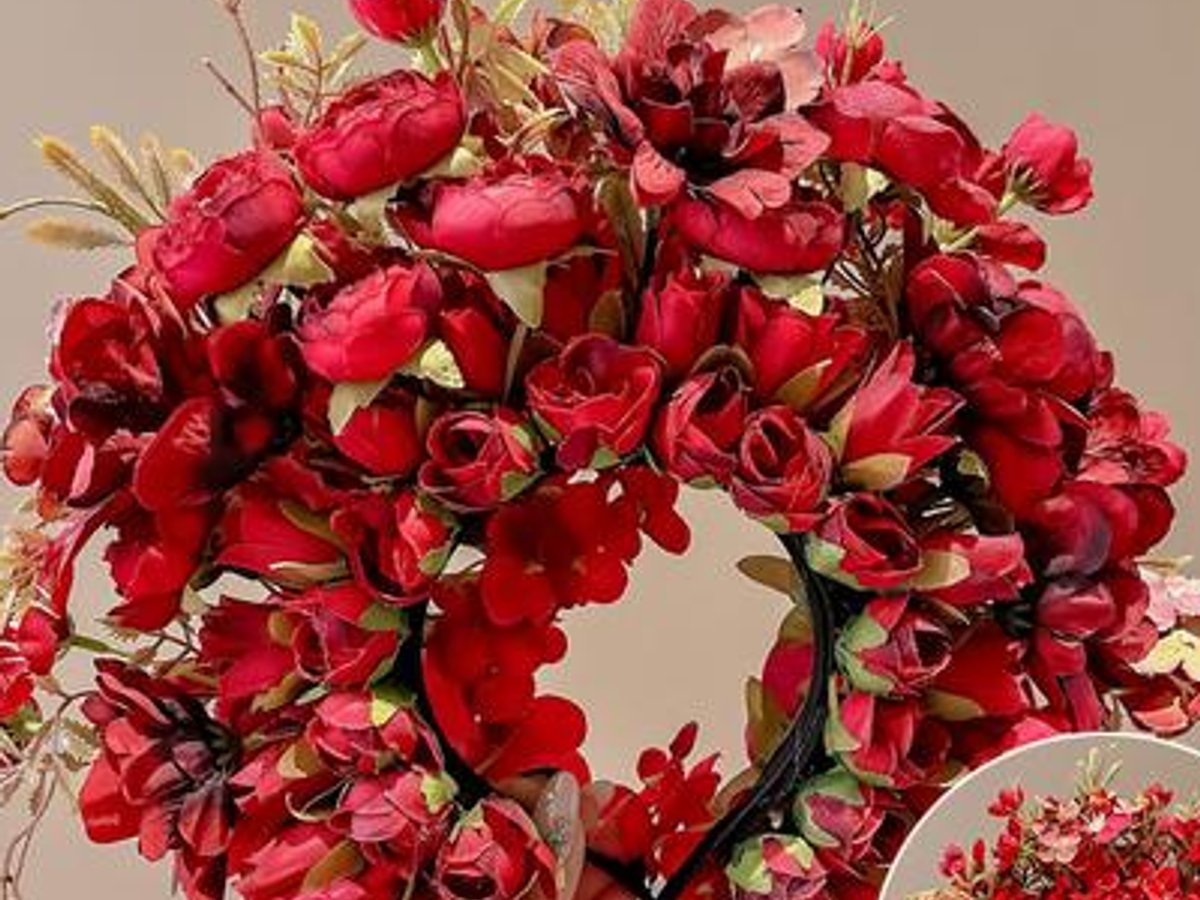
The Xunpu women are a romantic symbol left to the world by a fishing village on Feng Hai Road in Quanzhou — great clusters of fresh flowers woven into the hair as a "zanhua wei" (flower crown), moving through sea breeze like walking baskets of bloom; their "keke cuo" houses built with oyster shells glow silvery in sunlight, as if grown from the tide. The Xunpu women's customs were listed as national intangible heritage in 2008, but this isn't a frozen museum — Xunpu Village still lives, still fishes, still honors Mazu, still dresses hair with flowers. When I bring foreign friends, I say: we're going to see a way of life turned into landscape — but remember, it's someone's home, not a backdrop that exists only for Instagram.
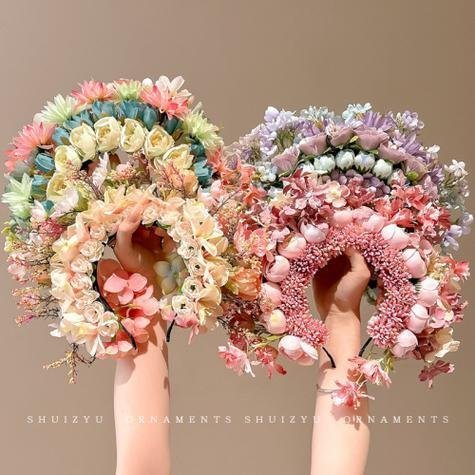
The easiest way to reach Xunpu: the village sits southeast of downtown Quanzhou around the Feng Hai Road and Xunpu intersection. A taxi from West Street or Quanzhou Station usually takes twenty to forty minutes — navigate to "Xunpu Folk Culture Village" or simply "Xunpu Village." Buses work too, but taxis save hassle for out-of-towners. I'd pick a weekday morning or mid-afternoon for soft light and thinner crowds; weekends and holidays get packed, with queues in alleys for photos. Along the main path you'll see oyster-shell houses, Mazu temple, stalls selling flower hoops and zanhua experiences. Dress-up experiences are everywhere now: choose traditional top and wide pants, let the stall owner layer flowers into a hair net — about fifteen minutes. Prices shift with season and blooms; ask upfront whether photography is included and if you may shoot your own. Foreign friends with short hair can try simplified versions or headpieces; vendors usually find a workaround.
Photo etiquette is serious — recent internet fame has caused friction. First, before photographing villagers, especially elder aunties, smile and gesture or ask "okay?" — most nod; if someone turns away, stop immediately, don't chase with your lens. Second, don't thrust cameras into faces or drag residents into shots as unpaid models; they aren't theme-park staff. Third, many oyster-shell houses are still private — a half-open gate isn't an invitation. Don't enter courtyards or pose on doorsteps uninvited. Fourth, the Mazu temple is sacred space: remove hats, lower your voice, no flash blasting statues inside. If your friends are curious, explain briefly that Mazu guards seafarers — deeply important to fishing families. Fifth, pack out trash, don't trample fallen flowers, don't scoop plastic or shells off the beach as souvenirs — respect is baseline travel manners.
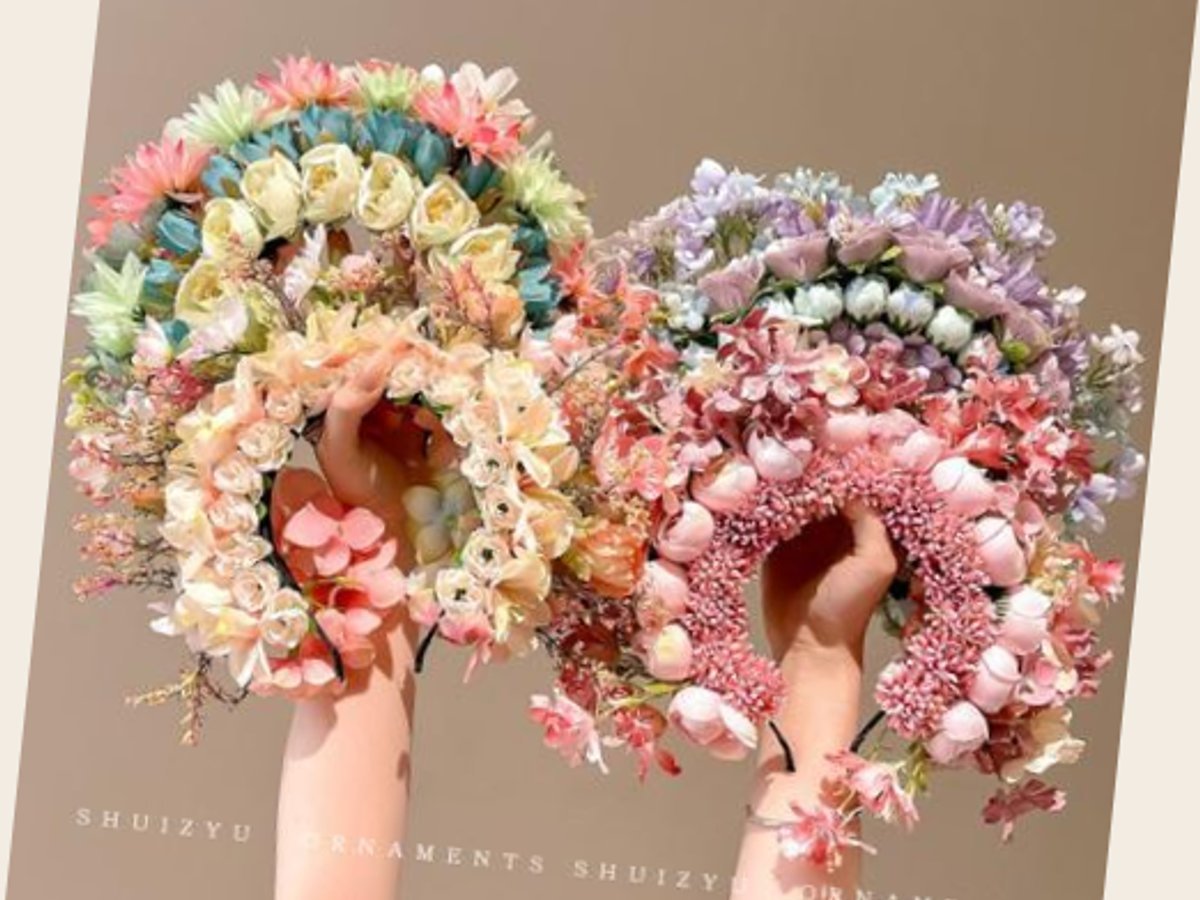
Beyond photos, Xunpu rewards slow wandering. Show your friends how walls mix oyster shells with lime mortar, and why fishing households built this way — rot-resistant, damp-resistant, local materials. Near the wharf at low tide, aunties sell seafood from shoulder poles — more real than any filter. Eat along Feng Hai Road outside the village — oyster omelets, fish balls, soy-braised mixed fish — but confirm prices before ordering. If foreign friends ask why the flower crowns are so vivid, tell them: in Minnan, flowers mean blessing and brightness; the more you face the sea and wind, the more you dress life up — this isn't a costume invented for tourists, but traditional dress for weddings, festivals, and going out. Before leaving, buy a dried bouquet or hair ornament from a proper stall if you like — far better than picking flowers off someone's head. Xunpu's beauty is sea, people, flowers, and shell houses layered together — bring your friends to see a life shared with the ocean for centuries, not just nine identical photos.
Last updated: 2026-08-07 · Visit Quanzhou editorial team · Report an error
Related guides
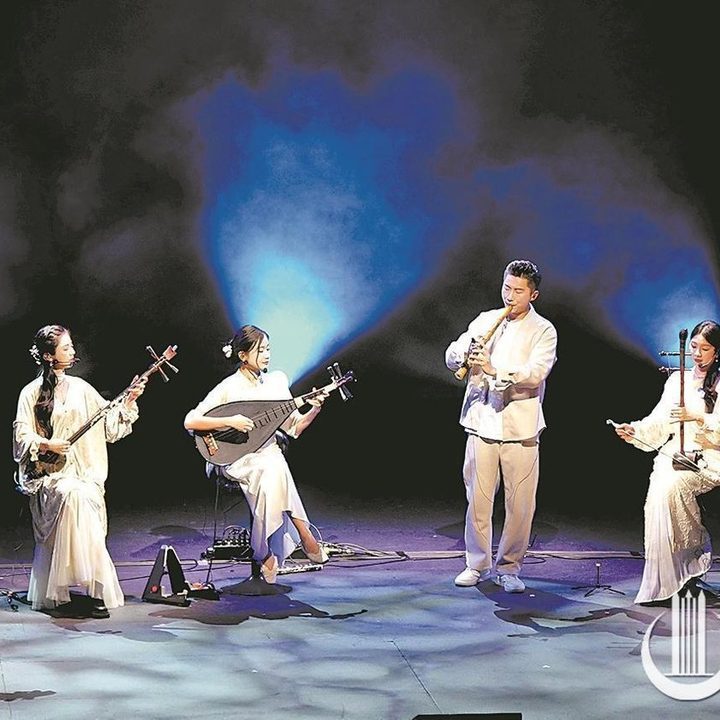
Nanyin: Quanzhou’s Living Ancient Music
Pipas, flutes, and clappers in a slow Minnan voice — UNESCO-listed music you can still hear in Quanzhou halls.
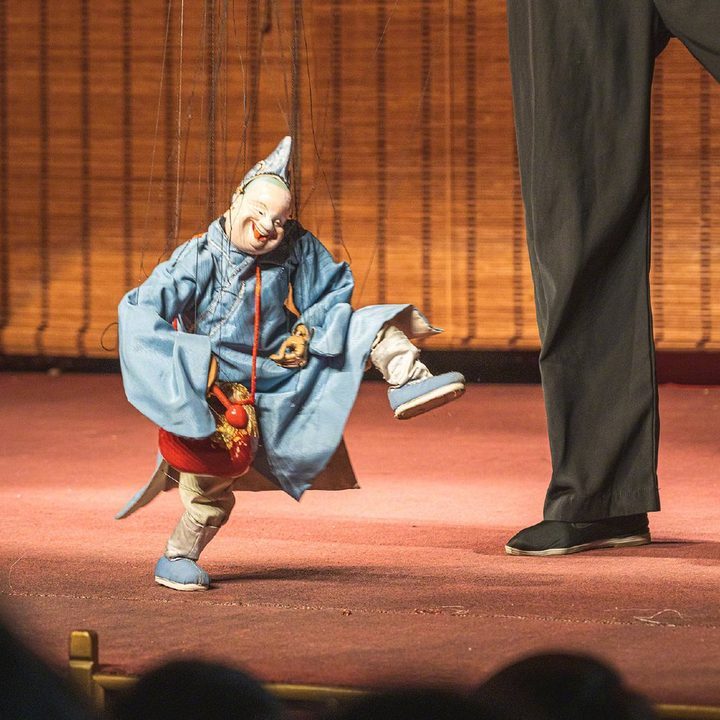
Quanzhou Marionettes: Threads That Dance
String puppetry with hundreds of control lines — a UNESCO-praised craft that still fills Quanzhou stages.
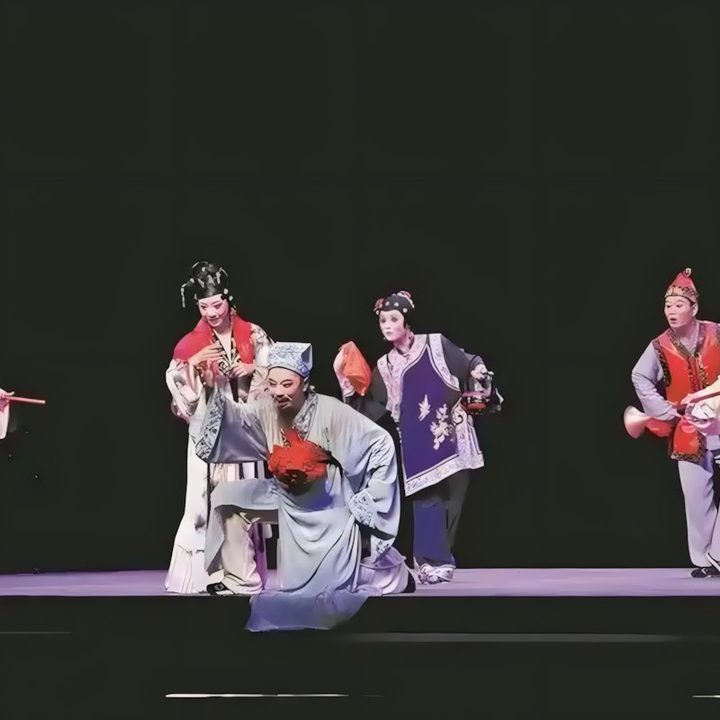
Liyuan Opera: Slow Drama with Song-Yuan Roots
Gentle pacing, fine gesture, and old Minnan verse — Quanzhou’s classical theatre for patient ears.
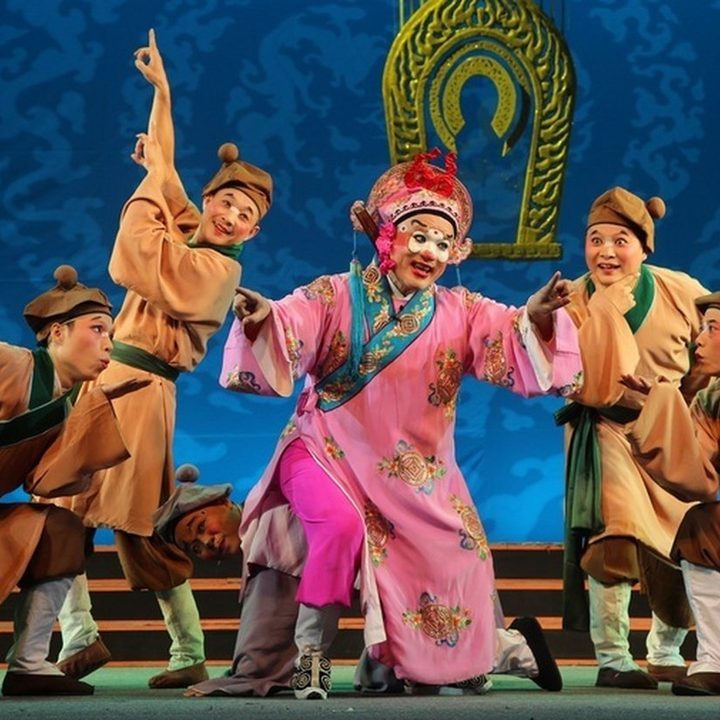
Gaojia Opera: Clowns, Banter, Temple-Fair Energy
Comic roles and lively stage talk — the folk opera that still wakes village squares and city theatres.
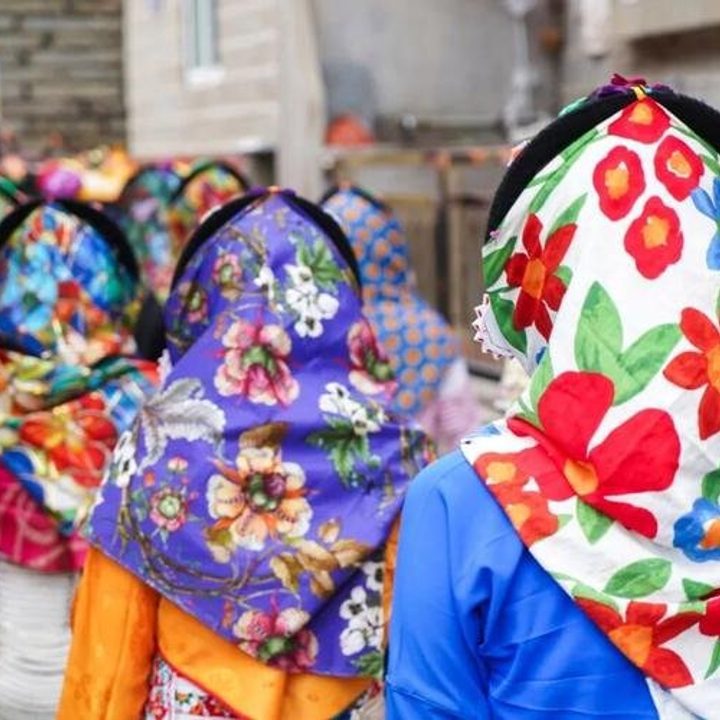
Hui’an Women’s Dress: Headscarves by the Sea
Bright scarves, short jackets, wide trousers — a coastal dress tradition still worn around Hui’an and Chongwu.
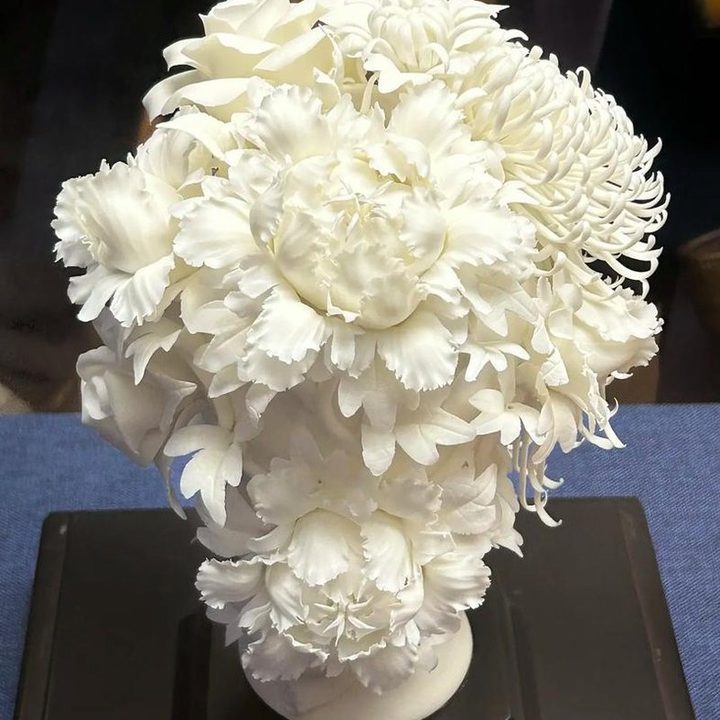
Dehua Porcelain: Blanc de Chine from the Hills
Ivory-white kiln craft from Dehua — museums, workshops, and pieces that travel well as gifts.