Gaojia Opera: Clowns, Banter, Temple-Fair Energy
Comic roles and lively stage talk — the folk opera that still wakes village squares and city theatres.
Updated 2026-08-07 · 582 words
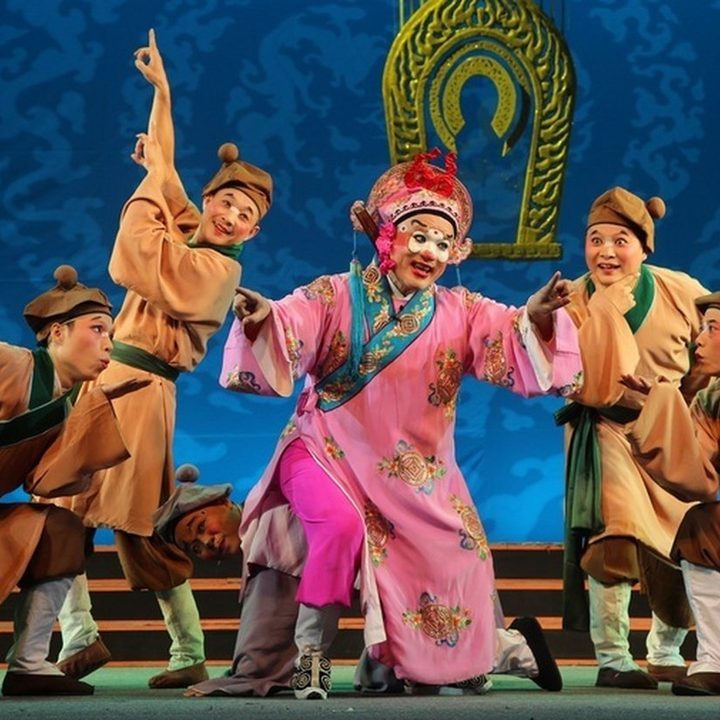
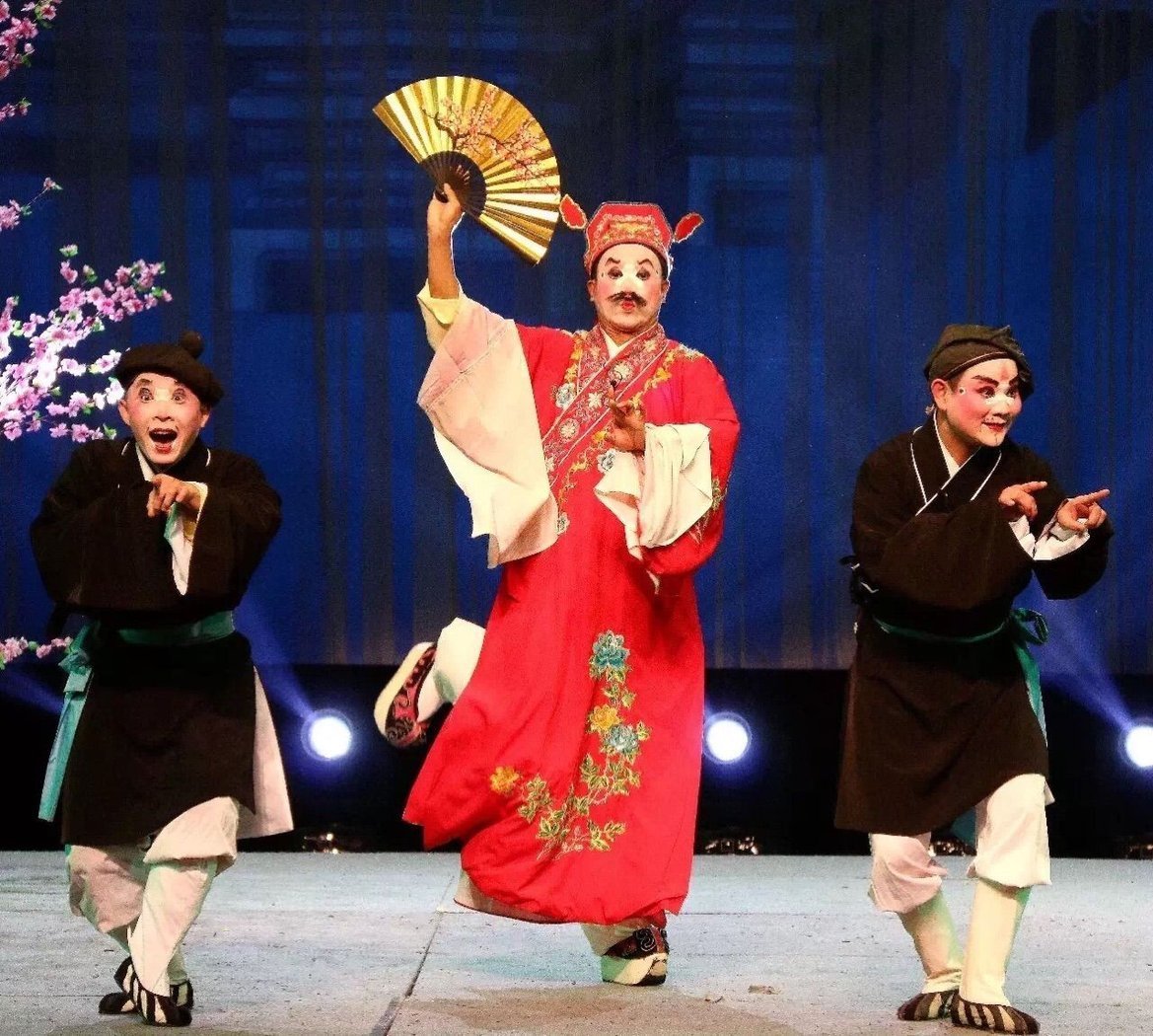
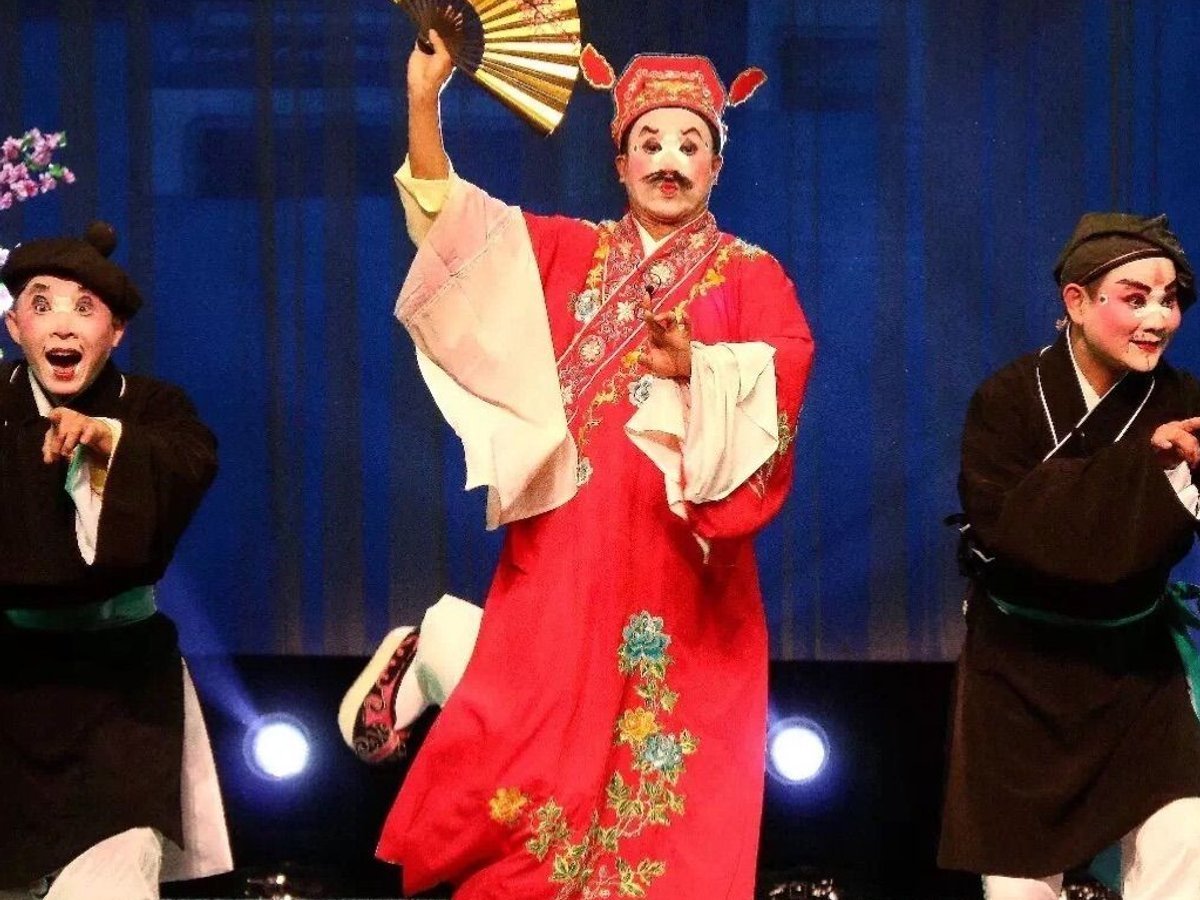
If Liyuan Opera is the refined scholar's desk of Quanzhou theater, Gaojia Opera is the crowd by the temple gate — gongs and drums pulling you in whether you planned to stop or not. Gaojia is most famous for its clown roles — not simple slapstick, but a whole craft of "kebai" (movement plus spoken patter): eyes, footwork, tongue-twisting Minnan lines, exaggerated yet controlled bodies that bring a corrupt bailiff, a honest farmer, or a sharp matchmaker vividly to life. Foreign friends who understand zero Minnan still laugh, because much of Gaojia humor is visual and rhythmic — fast like machine-gun patter where it should be fast, then a sudden freeze where the whole ground erupts. When I bring international guests to Gaojia, I tell them: tonight we're not chasing every word; we're here for the hot, human air of a Minnan temple-fair stage.
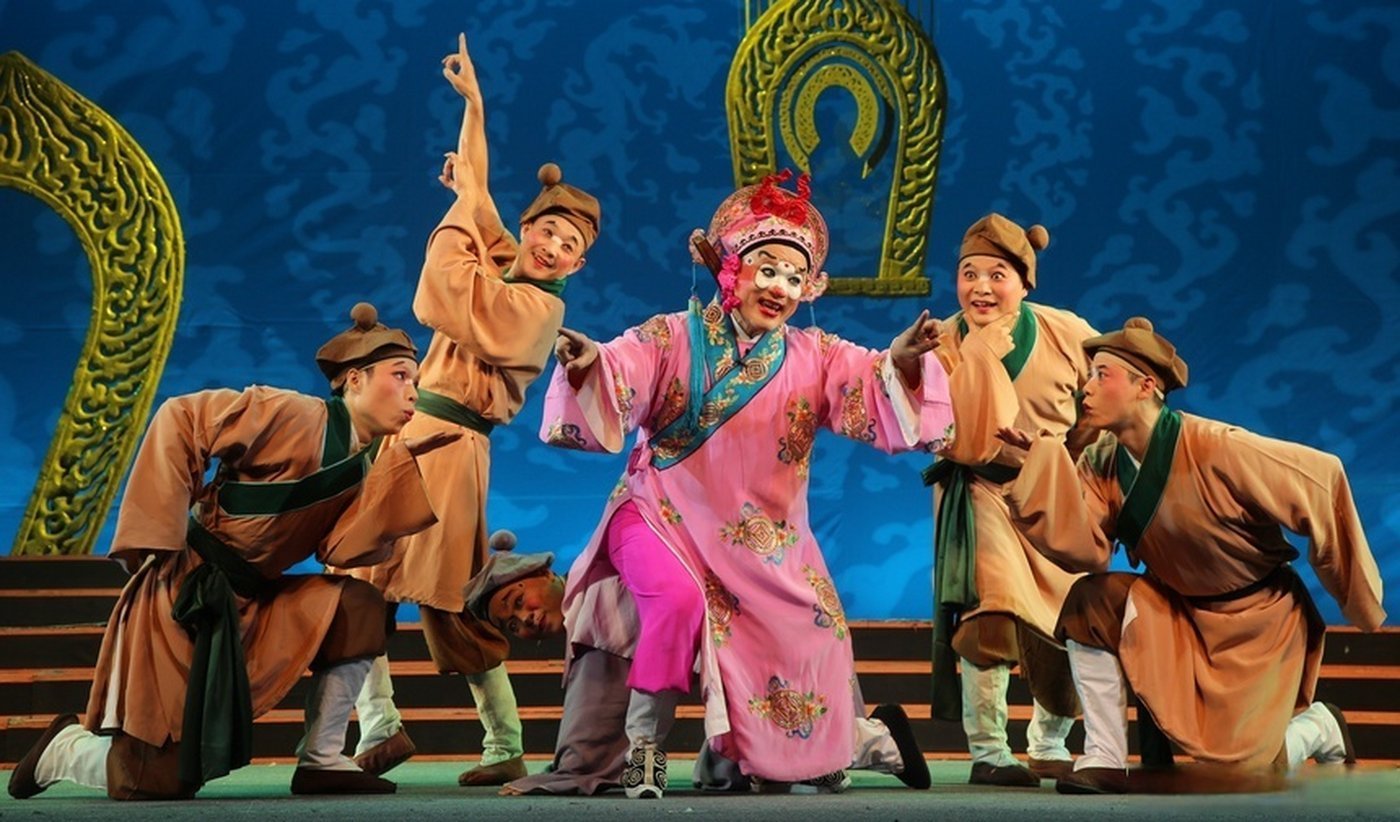
Where does Gaojia taste right? Where there's a stage built for a festival. During temple fairs, deity birthdays, Lantern Festival parades, or Dragon Boat season around Quanzhou and nearby towns, Gaojia troupes often play for three to five days straight, day and night, surrounded by food stalls, incense, running kids, and elders carrying plastic stools. It may feel noisy and messy to foreign visitors — but that's the soil Gaojia grows in. The play isn't a sealed museum piece; it's part of community celebration. If fair schedules are hard to track, start with public commercial shows from the Quanzhou Gaojia Opera Heritage Center or troupes in Jinjiang and Shishi — theater versions have better lights and sound, clown faces read clearer, and tickets are predictable — good for first contact. My advice: if you only have one opera slot and your guests are total beginners, pick Gaojia. If you can stay longer, do "one theater show + one temple fair" so they feel how the same art changes temperament in different spaces.
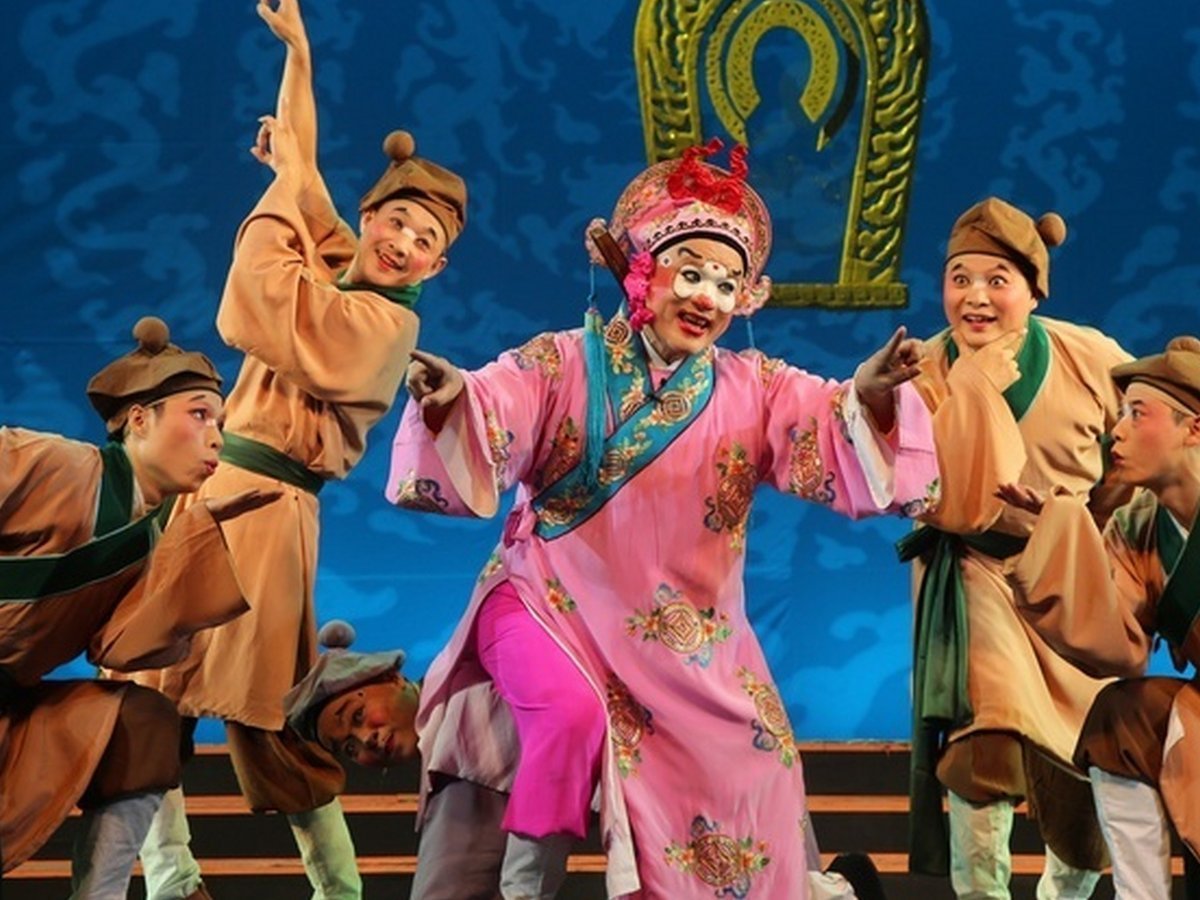
Practical tips: wear comfortable shoes — fair stages are temporary, ground uneven, seating is plastic stools or standing where you can find it. In summer bring a fan or small towel; the crowd runs hot. Grab local snacks before you sit — tusk jelly, spring rolls, fried vinegar pork — eating while watching is normal here, but don't chat loudly or blaze your phone screen during climaxes; neighbors will glare. Photos are fine; clowns sometimes "find" the audience — if an actor mugs or bows toward you, smile back, no stress. If someone is pulled onstage for a photo, respect their comfort; don't force it. For plot, many Gaojia pieces are history, legend, or court-case stories. Look up the night's title and prepare a two-minute English summary: "A clever clown outwits a corrupt official." You don't need line-by-line translation — the clown's body often tells eighty percent.
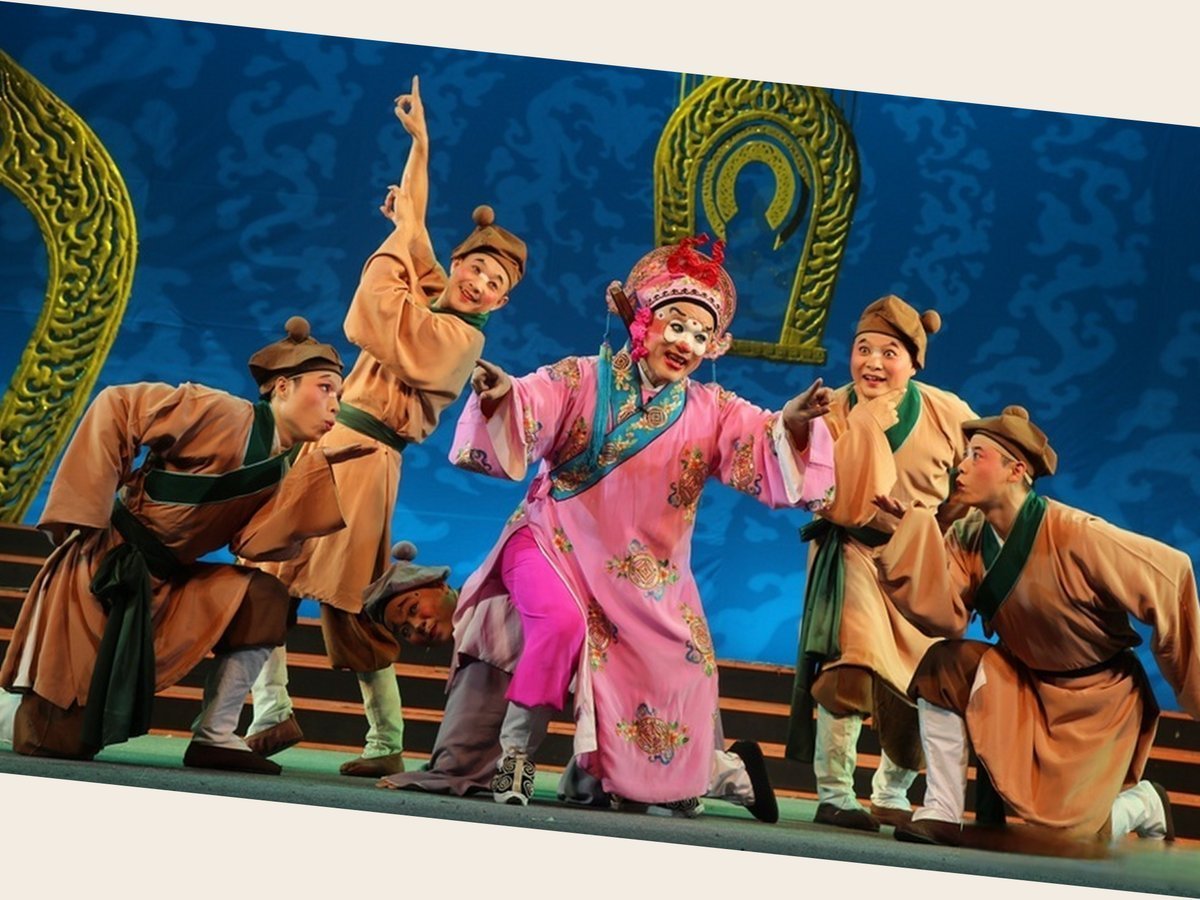
Gaojia "kebai" deserves its own note. Ke is movement and posture; bai is spoken delivery. Clown patter mixes Minnan proverbs and rhymes at blistering speed — tell foreign friends to hear it like stand-up or fast rap about ancient characters. If they assume "clown" means low or stupid, Gaojia may reset that idea: here the clown often embodies folk wit, using humor to puncture power and pretense. At curtain call, applause works, and locals sometimes shout a short "Hao!" — sharp approval, not sustained screaming. Afterward, if your friends ask "Is there something even wilder?" smile and point them toward string puppets or the next temple fair — Quanzhou's good shows were never meant to stay at one tempo.
Last updated: 2026-08-07 · Visit Quanzhou editorial team · Report an error
Related guides
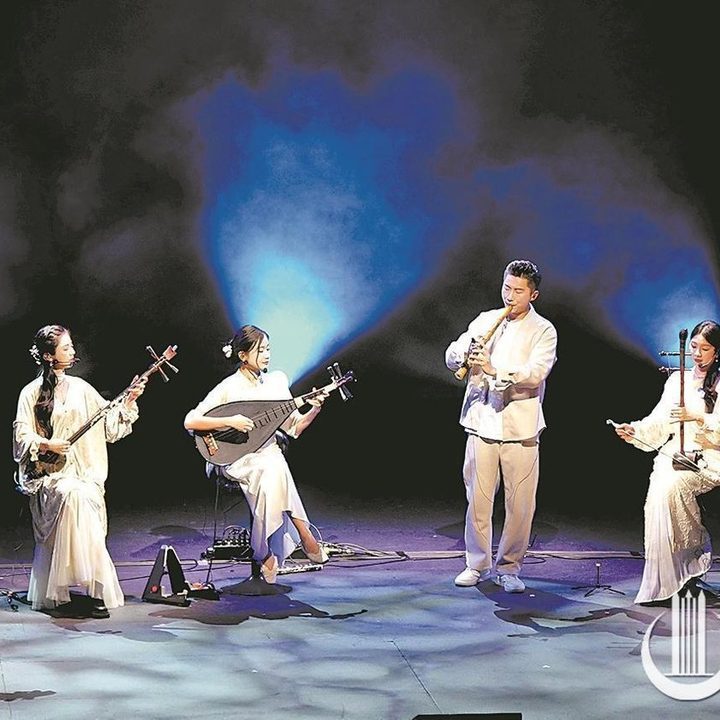
Nanyin: Quanzhou’s Living Ancient Music
Pipas, flutes, and clappers in a slow Minnan voice — UNESCO-listed music you can still hear in Quanzhou halls.
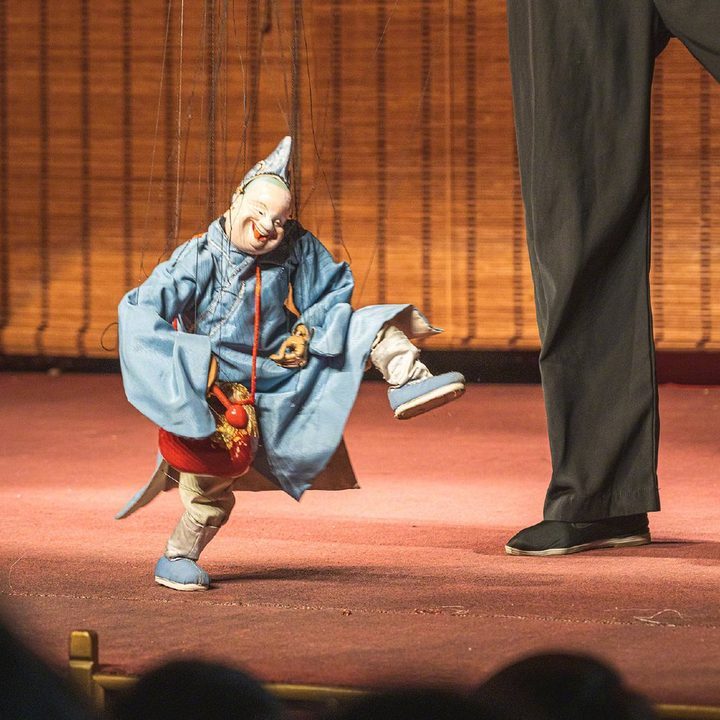
Quanzhou Marionettes: Threads That Dance
String puppetry with hundreds of control lines — a UNESCO-praised craft that still fills Quanzhou stages.
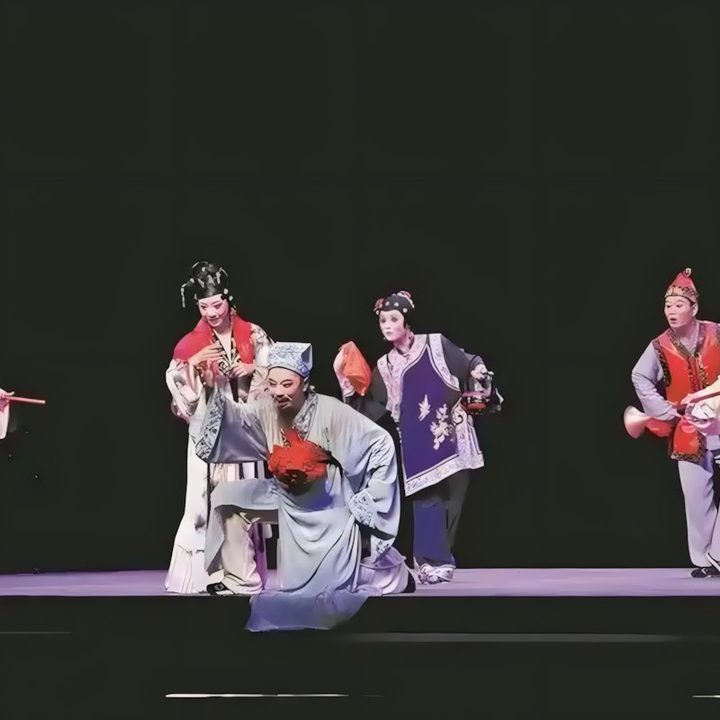
Liyuan Opera: Slow Drama with Song-Yuan Roots
Gentle pacing, fine gesture, and old Minnan verse — Quanzhou’s classical theatre for patient ears.
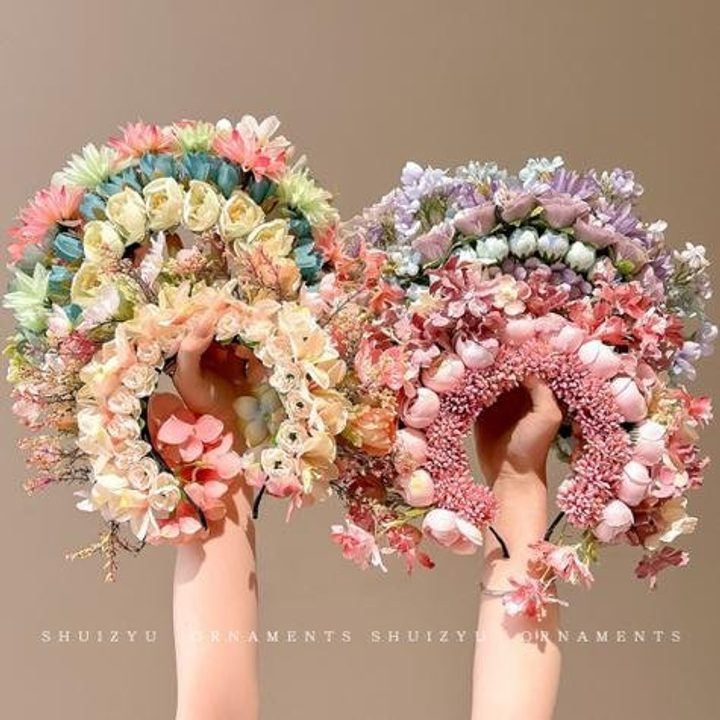
Xunpu Women: Flower Crowns by the Oyster Coast
Zanhuawei flowers, oyster-shell houses, and village lanes — visit with respect, leave with color.
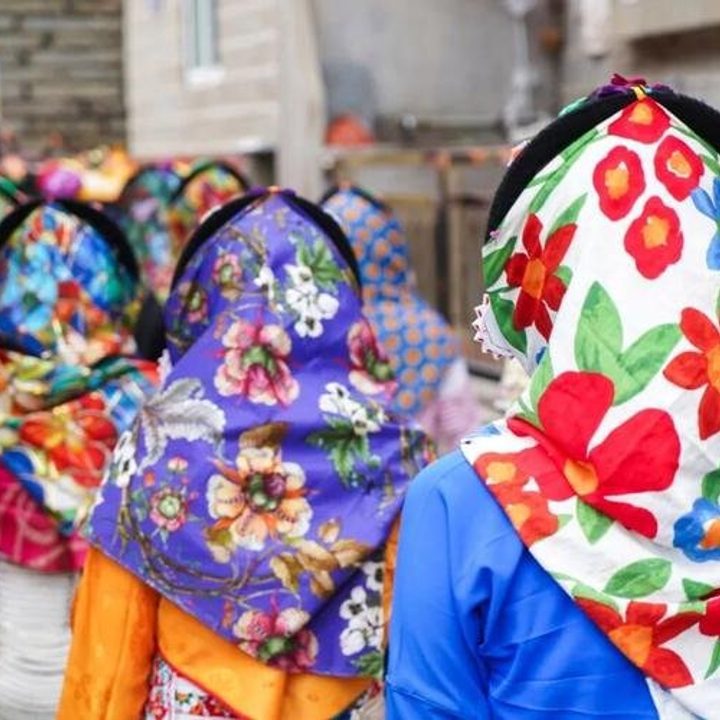
Hui’an Women’s Dress: Headscarves by the Sea
Bright scarves, short jackets, wide trousers — a coastal dress tradition still worn around Hui’an and Chongwu.
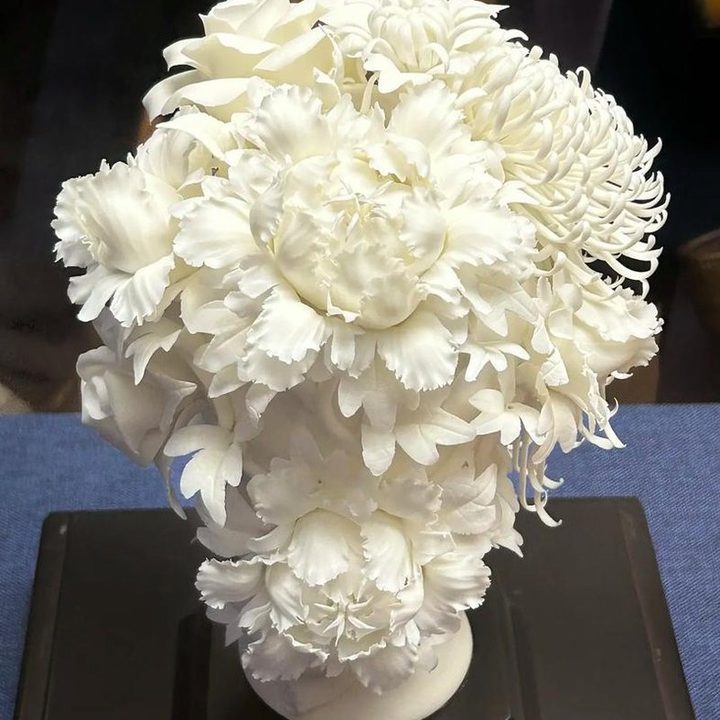
Dehua Porcelain: Blanc de Chine from the Hills
Ivory-white kiln craft from Dehua — museums, workshops, and pieces that travel well as gifts.