Nanyin: Quanzhou’s Living Ancient Music
Pipas, flutes, and clappers in a slow Minnan voice — UNESCO-listed music you can still hear in Quanzhou halls.
Updated 2026-08-07 · 643 words
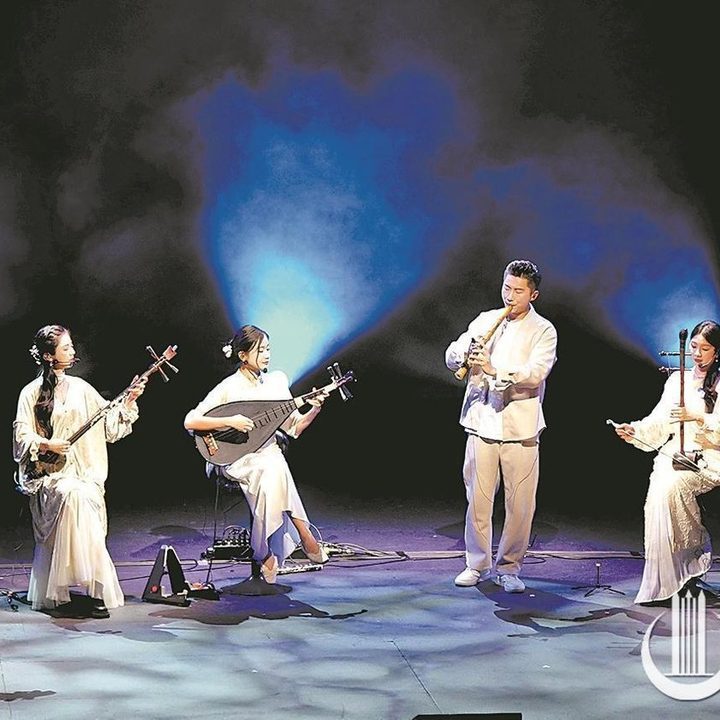
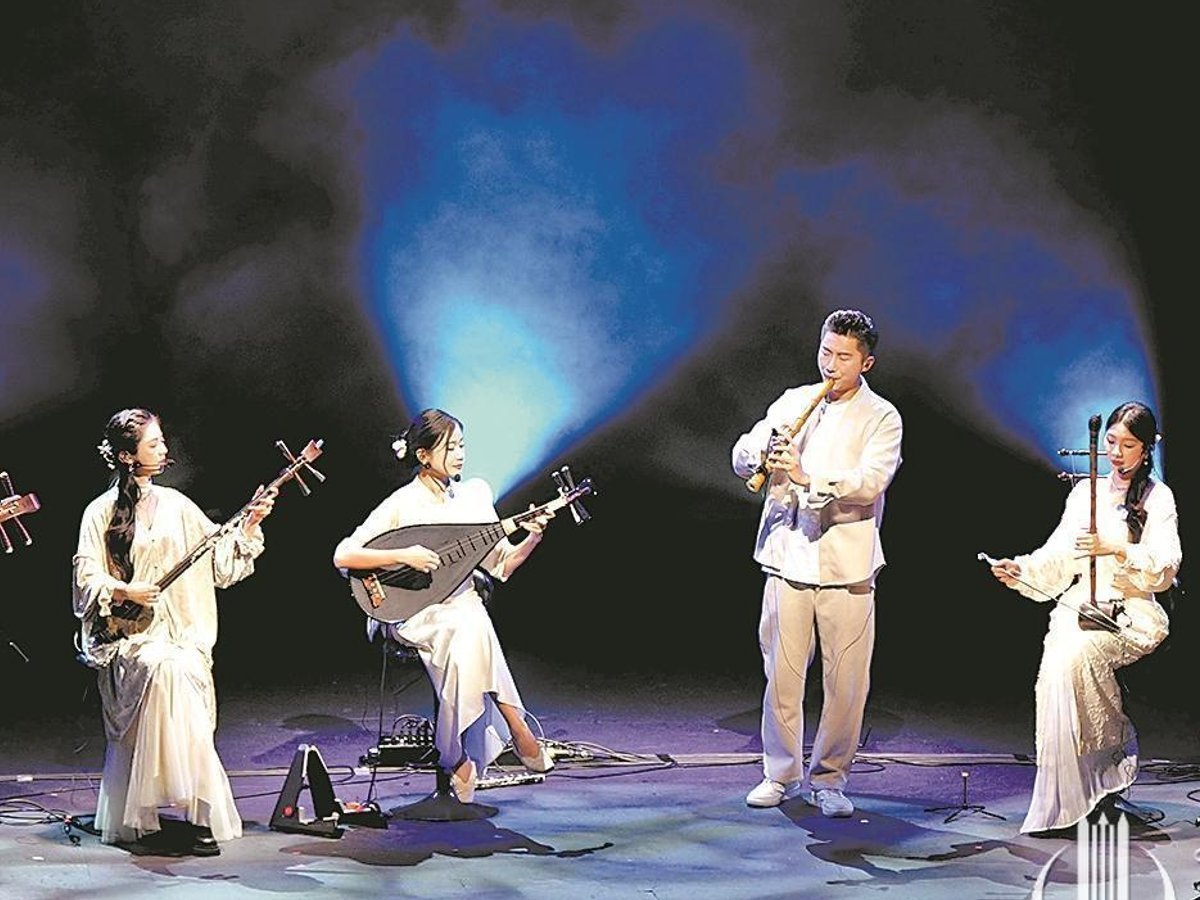
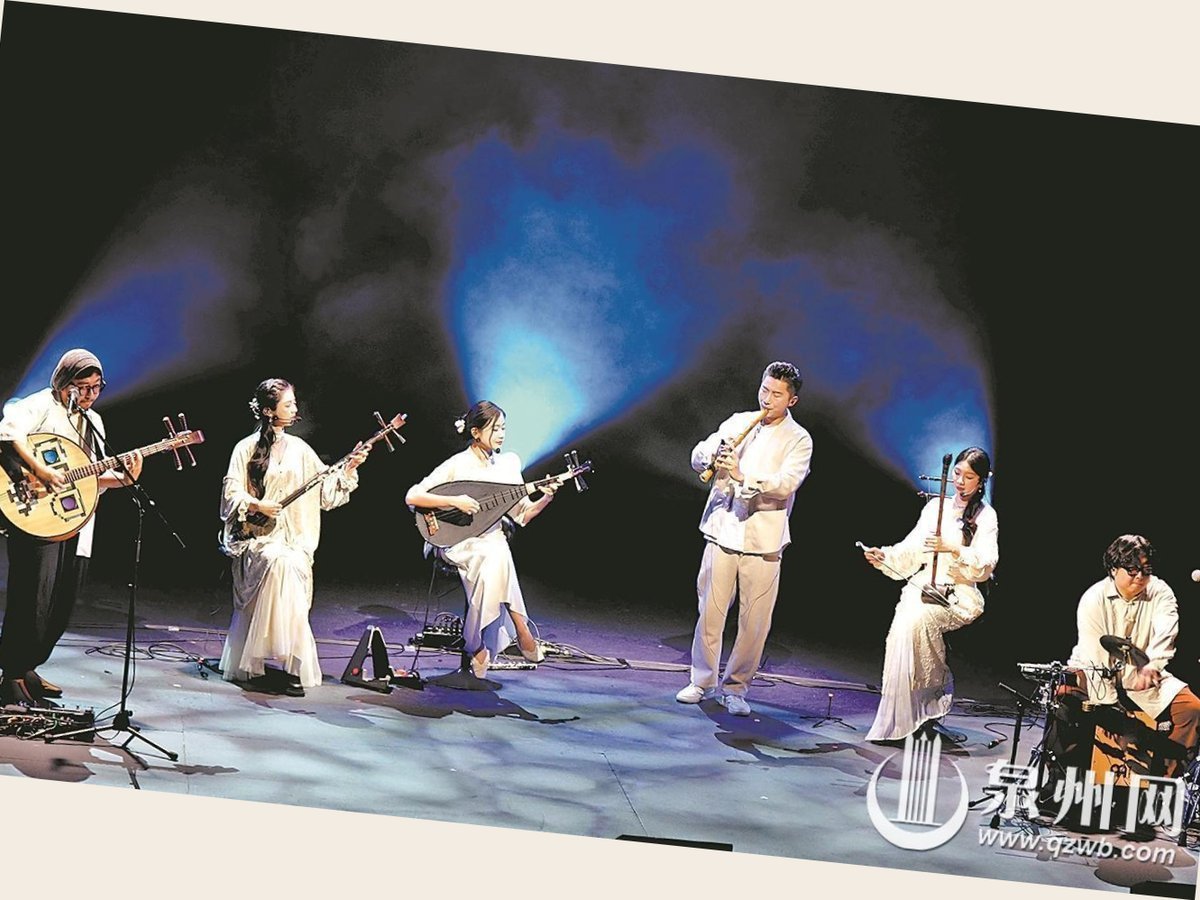
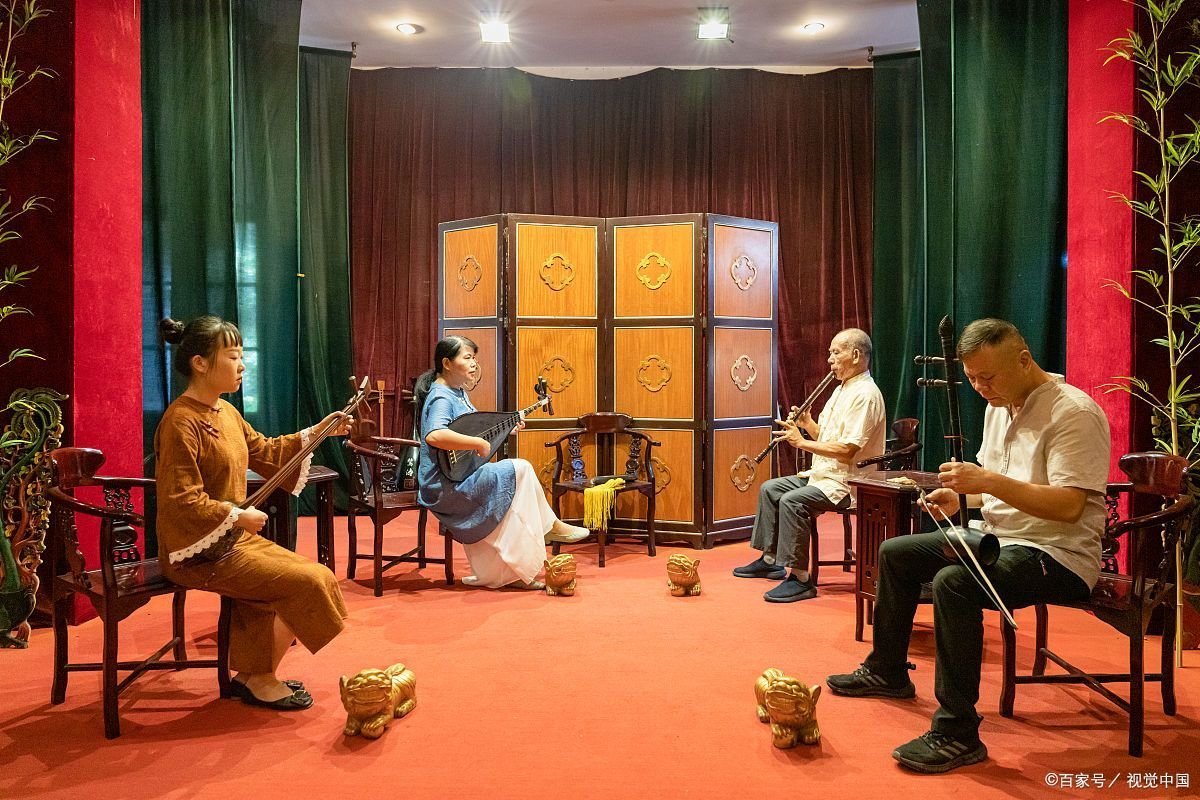
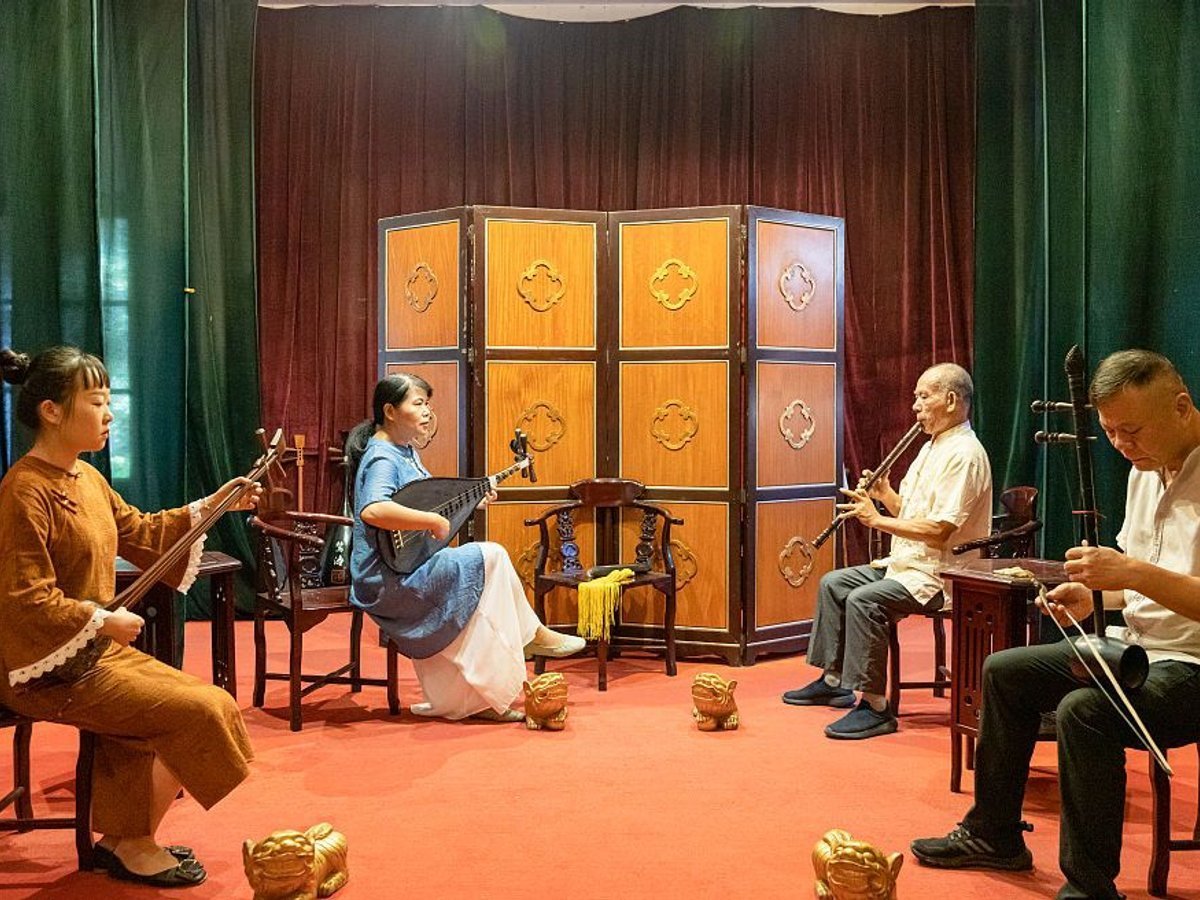
If you ask me what I'd most want a foreign friend to experience in Quanzhou — something that genuinely slows you down — I'd say: go hear Nanyin. It's on UNESCO's list of Intangible Cultural Heritage, and that isn't just a plaque on a wall. It's a living sound in this city: the low breath of the vertical flute, the crisp pluck of the pipa, the clean click of clappers, all layered together like moonlight drifting over from the Song and Yuan dynasties and settling on your shoulder. Many first-time listeners say it doesn't feel like a "show" — it feels like conversation. That's exactly right. Nanyin wasn't built to blow the roof off a stadium. It's what Minnan people sing and play at teatime, at weddings and funerals, when they're homesick or thinking of someone far away.
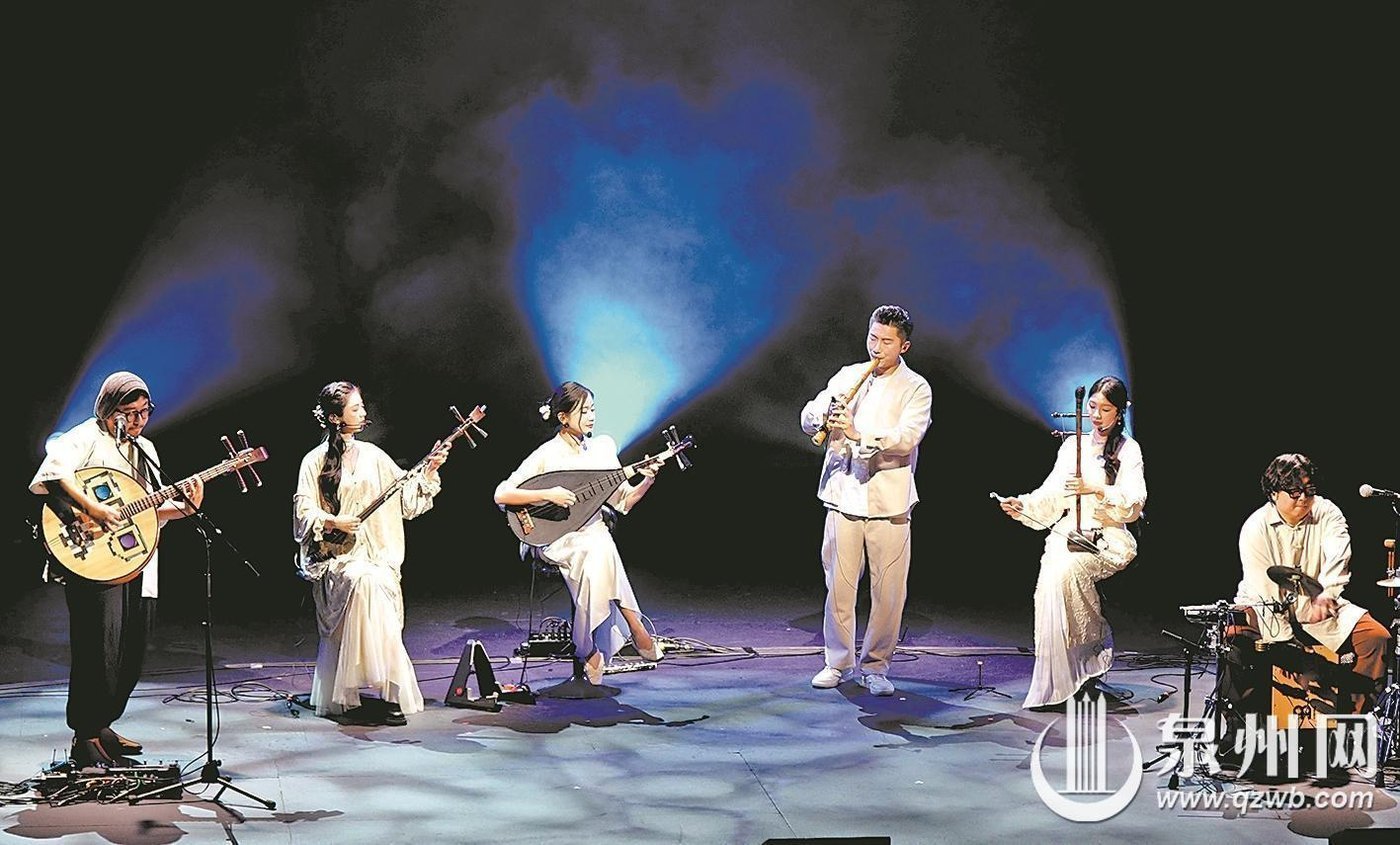
For a first visit, I'd start at the Nanyin Art Center in downtown Quanzhou. It's quiet, the performances are properly scheduled, and there's usually a clear program — very friendly for newcomers who don't speak Minnan. You don't need to study anything beforehand. Just check their WeChat account or call ahead to confirm there's a public show that night. Dress neatly but not formally. A seat in the middle rows works best — too close and you lose that feeling of sitting around together listening. Beyond the Art Center, local Nanyin clubs also gather in community halls, teahouses, and old courtyard houses. If you know someone in town, or follow a few Quanzhou culture accounts on social media, you might stumble into something more homely: plastic chairs, a pot of Tieguanyin tea, a few elders, and the moment the flute starts, the whole room goes still. Summer evenings in the old city are good for this — if you hear a faint string of notes down an alley, follow the sound, but pause at the door and ask politely if you may listen. People here are hospitable; more often than not they'll smile and pull up a chair for you.
How do you appreciate Nanyin quietly? A few practical tips. First, silence your phone and skip the flash photography. There's an unspoken contract between audience and players: this isn't a rock concert, no screaming, no encore chants, and applause should be gentle. Second, don't force yourself to "understand" every word. Many pieces use archaic Minnan, and even local young people catch only the gist. Listen instead to rhythm and tone — notice how the clappers tap at the end of a phrase like a full stop; notice how the flute finds space between the pipa's notes, like a sigh or a comfort. Third, if you're curious about a piece, ask during the break. Most Nanyin artists will gladly explain in Mandarin — maybe it's "Plum Blossom Prelude" or "Three Variations on Yang Pass," and they'll tell you the story behind it. Fourth, don't rush out after one set. Nanyin often opens up in the third or fourth piece, like Gongfu tea — the first infusions wake the leaves; the later ones are sweetest. Have tea with your friend beforehand, come with an empty stomach and an open mind, and you'll settle in more easily.
One honest note: Nanyin isn't a checkbox on a sightseeing list. It's how Quanzhou people experience time — willing to give a whole evening to a few tunes and a few lines of song. Don't sell it to your foreign guests as a must-see spectacle. Tell them the truth: tonight we're not rushing temples or shops; we're sitting down to hear a sound this city has kept for more than a thousand years. Most visitors leave saying it was the most unexpected night of their Quanzhou trip — not because it was loud or flashy, but because it was the first moment in fast-paced China where they could actually sit still.
Last updated: 2026-08-07 · Visit Quanzhou editorial team · Report an error
Related guides
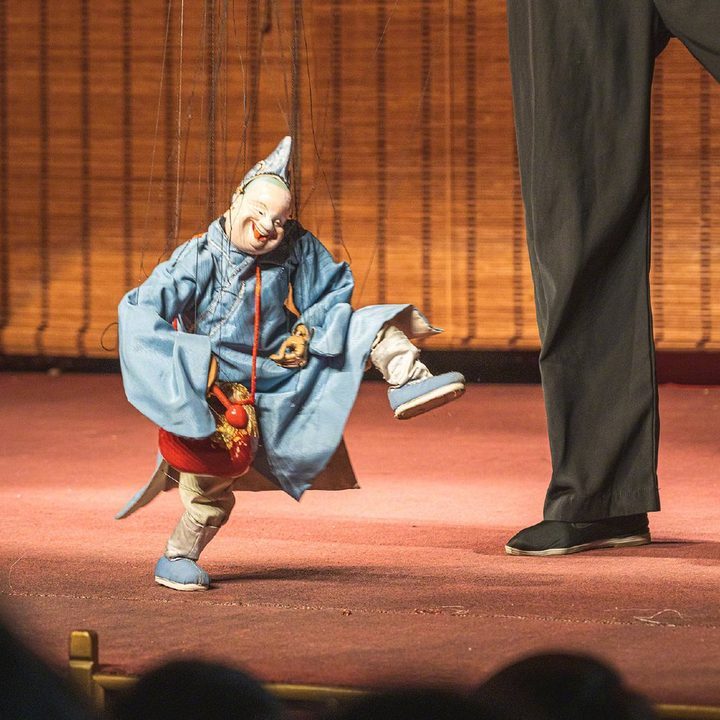
Quanzhou Marionettes: Threads That Dance
String puppetry with hundreds of control lines — a UNESCO-praised craft that still fills Quanzhou stages.
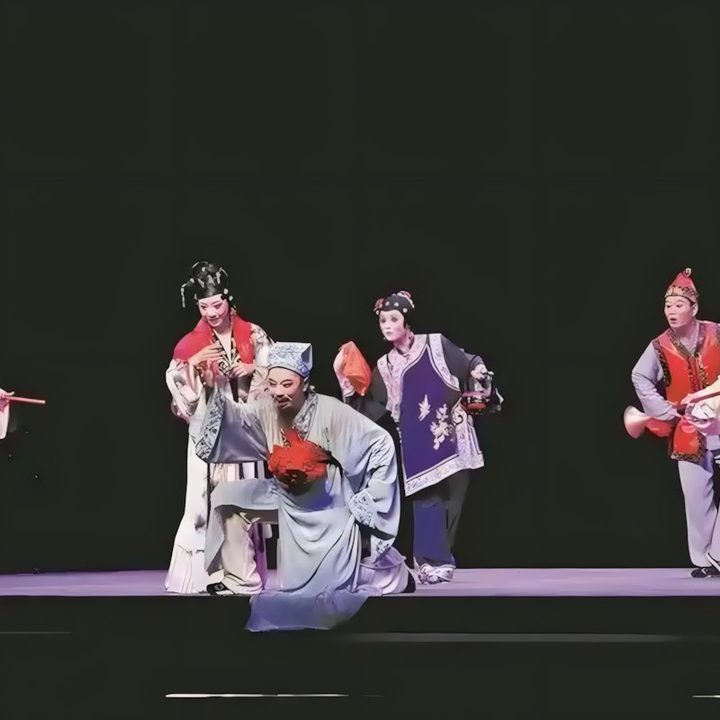
Liyuan Opera: Slow Drama with Song-Yuan Roots
Gentle pacing, fine gesture, and old Minnan verse — Quanzhou’s classical theatre for patient ears.
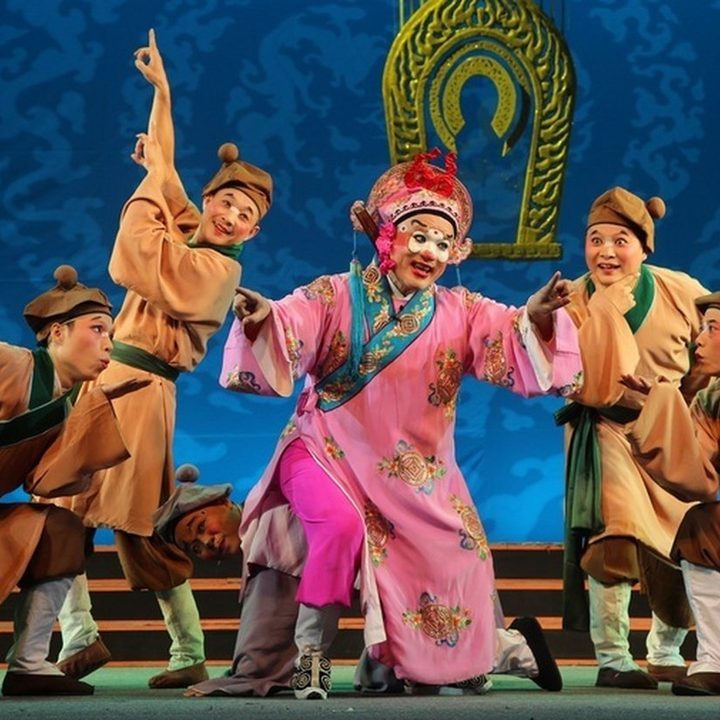
Gaojia Opera: Clowns, Banter, Temple-Fair Energy
Comic roles and lively stage talk — the folk opera that still wakes village squares and city theatres.
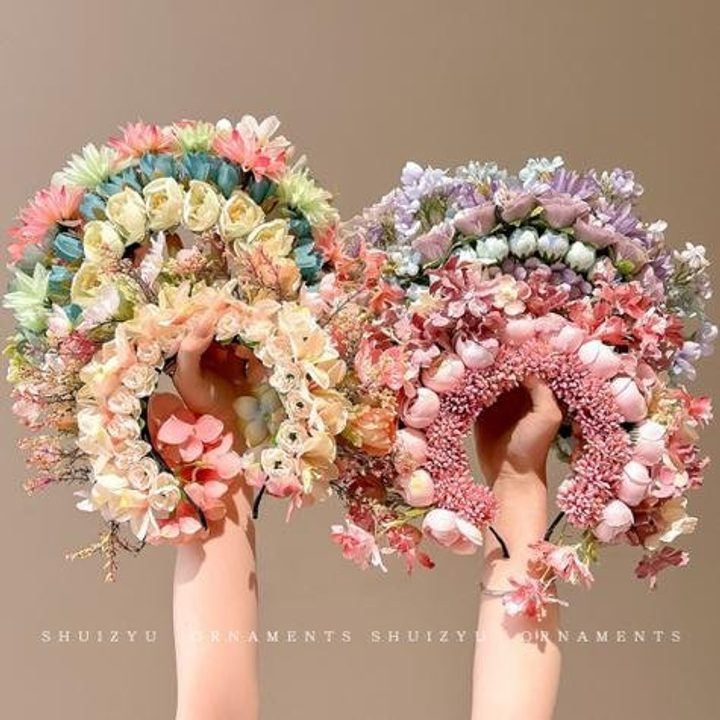
Xunpu Women: Flower Crowns by the Oyster Coast
Zanhuawei flowers, oyster-shell houses, and village lanes — visit with respect, leave with color.
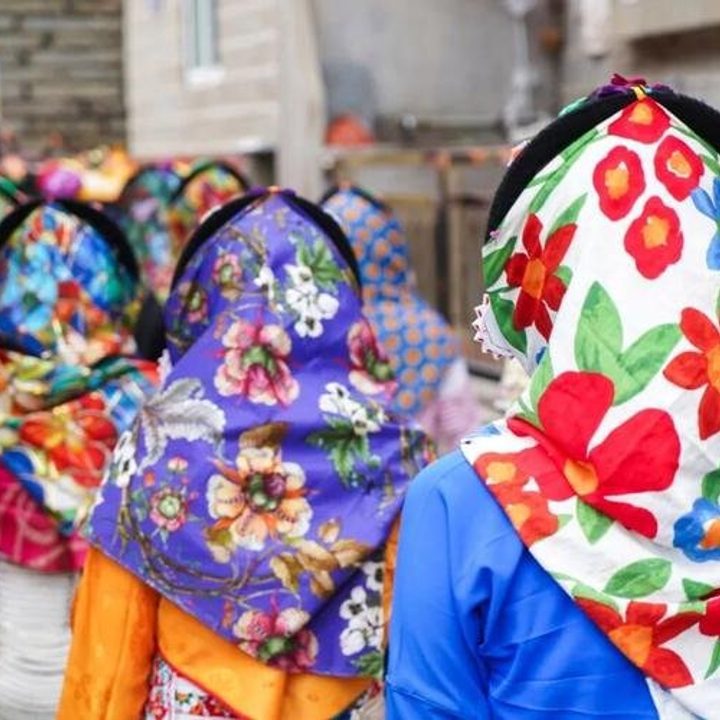
Hui’an Women’s Dress: Headscarves by the Sea
Bright scarves, short jackets, wide trousers — a coastal dress tradition still worn around Hui’an and Chongwu.
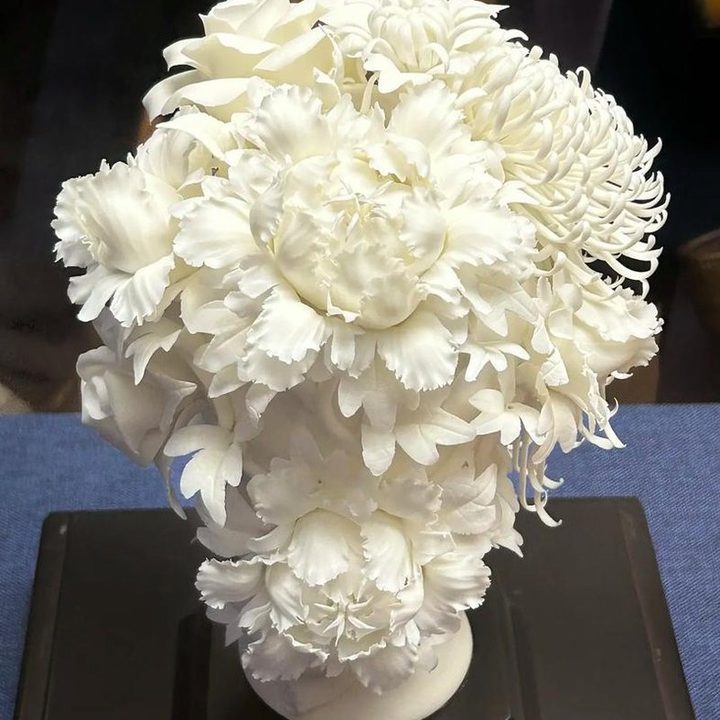
Dehua Porcelain: Blanc de Chine from the Hills
Ivory-white kiln craft from Dehua — museums, workshops, and pieces that travel well as gifts.