Liyuan Opera: Slow Drama with Song-Yuan Roots
Gentle pacing, fine gesture, and old Minnan verse — Quanzhou’s classical theatre for patient ears.
Updated 2026-08-07 · 584 words
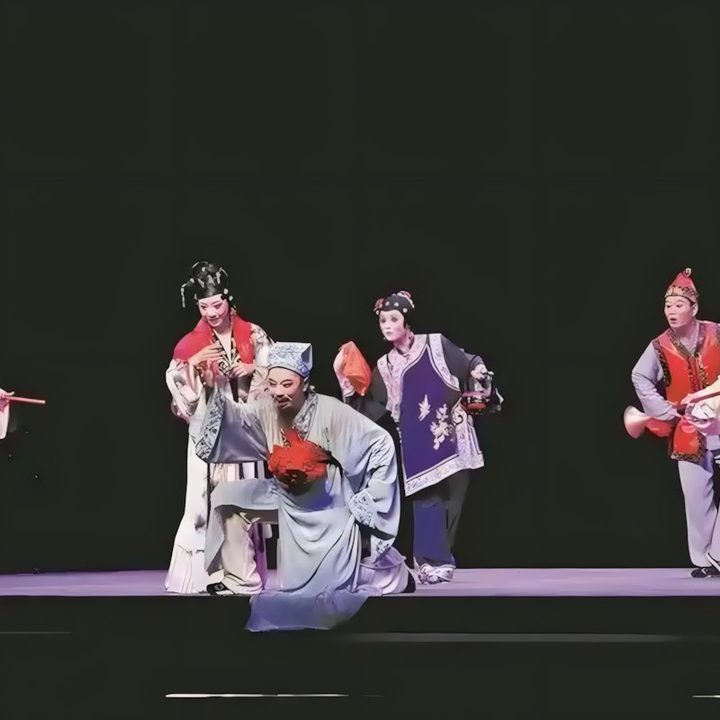
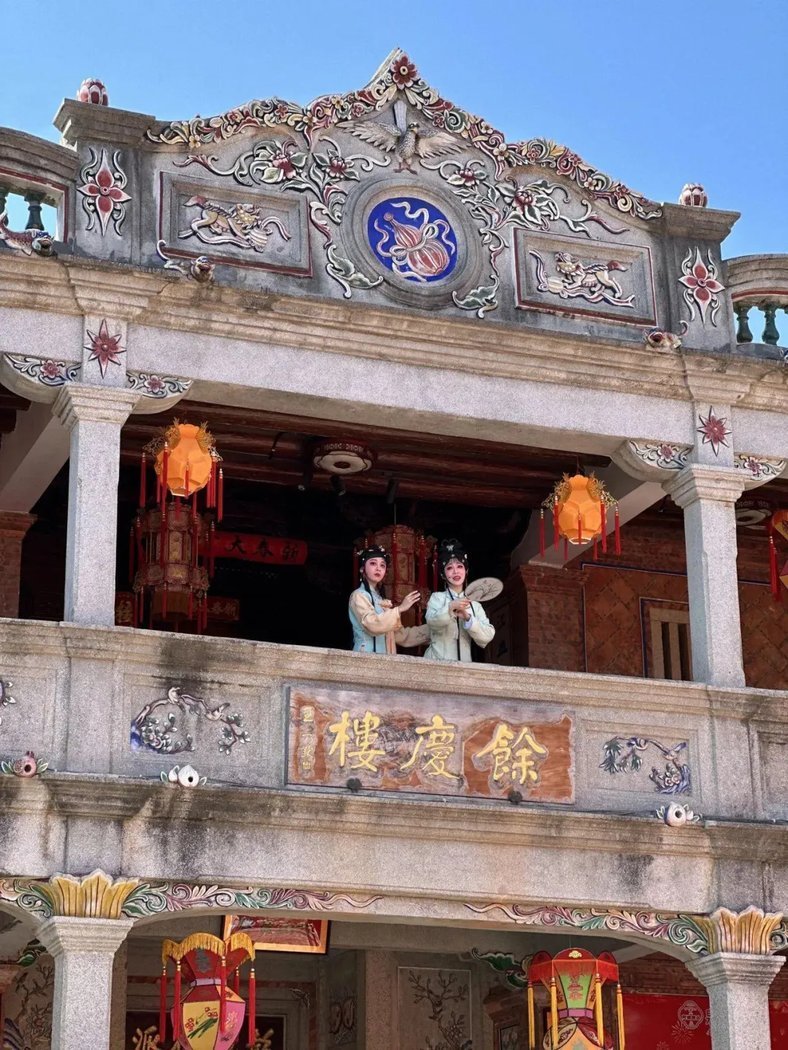
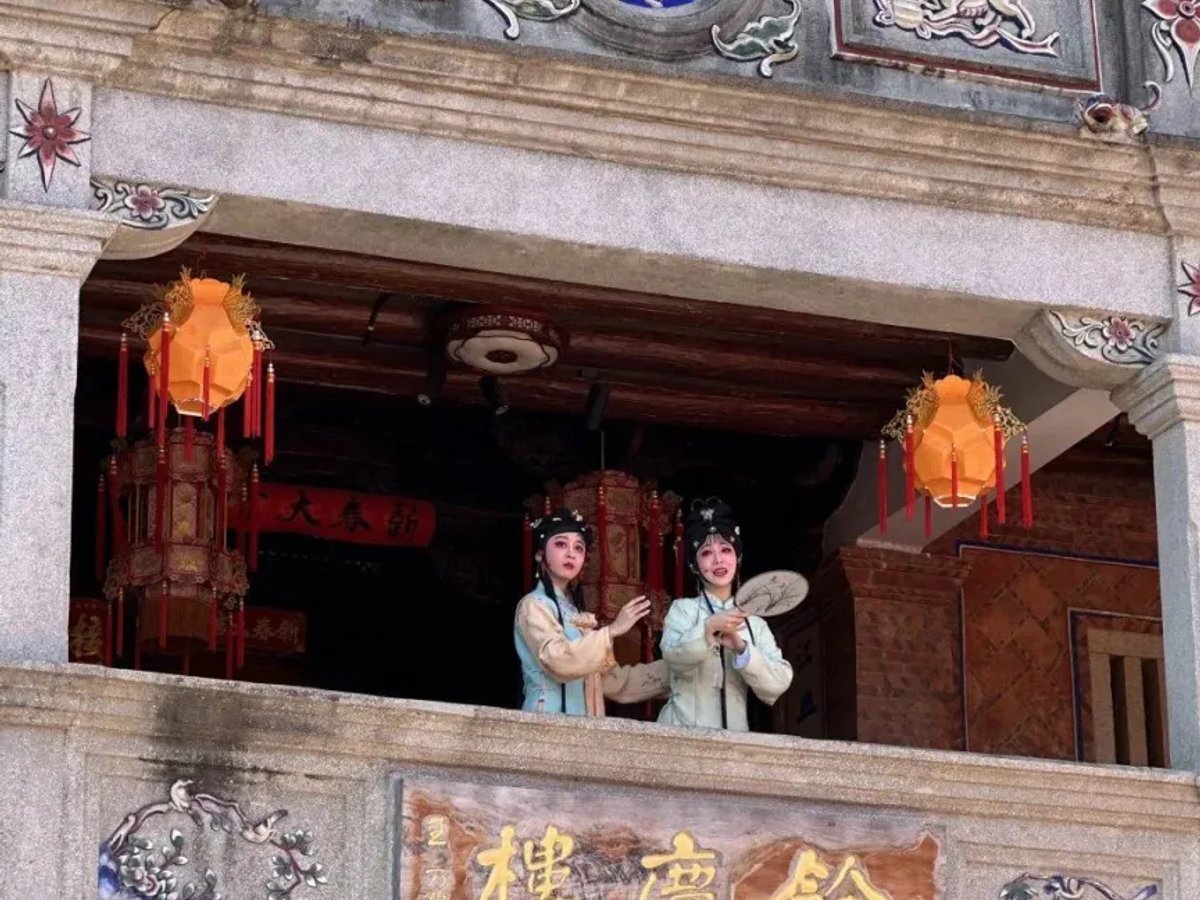
Liyuan Opera is often called "the echo of the Song and Yuan" — meaning its singing, movement, and stage business still carry the skeleton of opera from eight or nine hundred years ago. For devoted Chinese opera fans, Liyuan is the "real taste." For foreign friends encountering Chinese theater for the first time, it can feel slow — slow like tea unfurling in water, slow enough that every glance and every spoken line has room to breathe. But that's exactly why it's worth trying in Quanzhou with curious travelers: it doesn't cater to fast-food attention spans, yet at some moment people suddenly realize Chinese opera isn't just "singing plus dancing" — it's a precise language of time, ritual, and emotion.
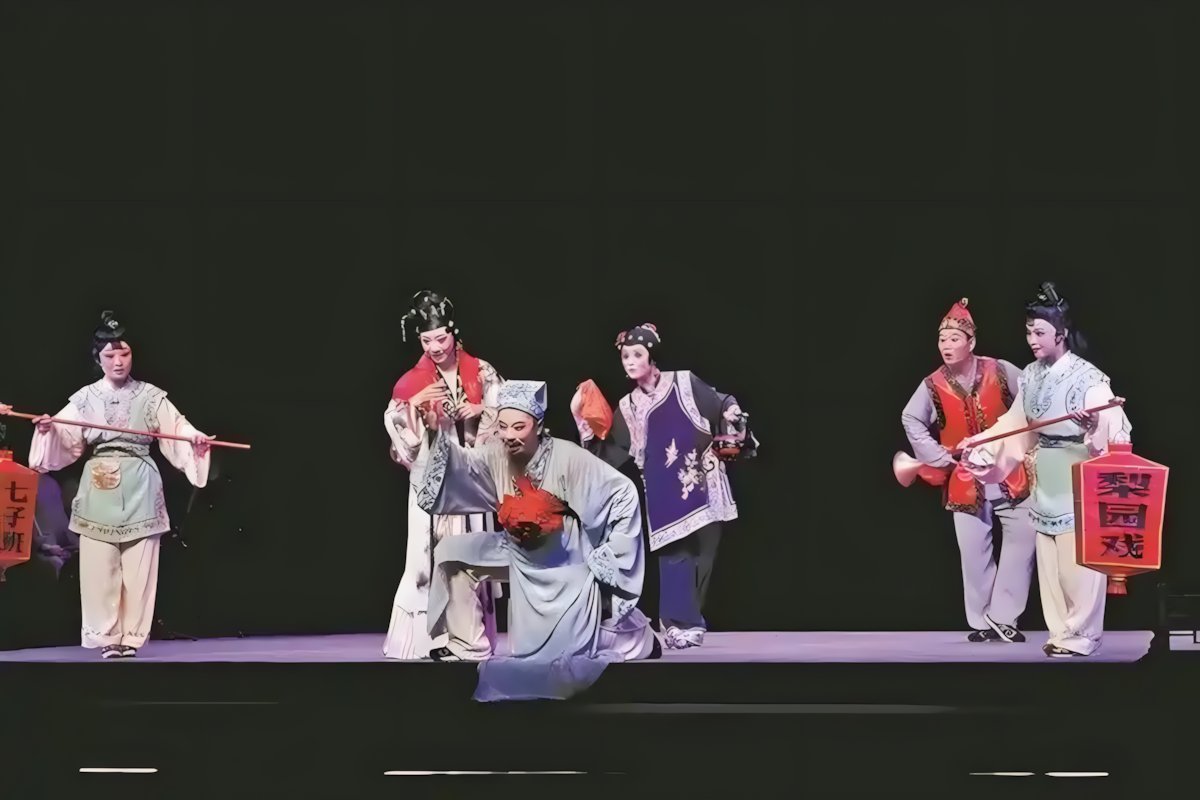
To hear Liyuan in Quanzhou, start with public performances by professional troupes such as the Quanzhou Liyuan Opera Experimental Theater or the Quanzhou Opera Research Institute. They often program excerpt specials — one classic scene or several short pieces in a row — which is kinder to newcomers who aren't ready to sit through a full marathon play. Booking works like other theaters: follow troupe WeChat accounts, Quanzhou culture and tourism announcements, or look for themed shows during Spring Festival, National Day, or Maritime Silk Road events. Some performances include supertitles or live introduction — prioritize those with foreign guests. If there are no subtitles, you'll be the human guide: spend three to five minutes before the curtain explaining the plot, and tell them plainly, "You'll see many slow movements — that's not the show freezing; that's the acting." For seating, Liyuan doesn't need "crowd energy." Middle center is best — too close and you miss footwork; too far and you lose the eye play.
Which foreign friends suit Liyuan? Two types. True theater lovers — even if their home turf is Shakespeare or opera — often find a shared patience in Liyuan's slowness: a pose can hold three seconds; a spoken line can stretch, circle, and settle. And travelers with strong curiosity who don't mind leaving their comfort zone — they may not decode every symbol, but they'll be fascinated to learn that a fan can mean anger, shyness, or farewell. If your guests need constant stimulation and fast pace, Liyuan may not be the first pick — try Gaojia or puppets instead. If they'll give ninety quiet minutes, Liyuan offers a depth rare on a sightseeing itinerary.
How do you listen without feeling restless? Help with mindset and small tactics. Mindset: Liyuan is closer to classical music than rock — the first ten minutes may feel flat, then it opens. Tactics: follow one character all the way instead of trying to understand everyone at once; watch what's easiest to read first — how water sleeves fly, how fans open and close, how steps shift. If there's an intermission, walk them through photos, headdresses, or costume displays in the lobby; many troupes have exhibits, and the second half makes more sense with those references. Etiquette matches Nanyin: silence phones, don't chat loudly, don't stand for flash photos during high notes. Applause fits when a vocal passage finishes cleanly and the actor holds the pose. At curtain call, gentle clapping is enough — no shouting. Afterward, if they ask how this differs from Beijing Opera, you might say simply: Liyuan is older, slower, more Minnan — a river near the source of Chinese opera, while Beijing Opera is another branch further downstream, bigger and more standardized. Both reward you, but the flavor is different.
Last updated: 2026-08-07 · Visit Quanzhou editorial team · Report an error
Related guides
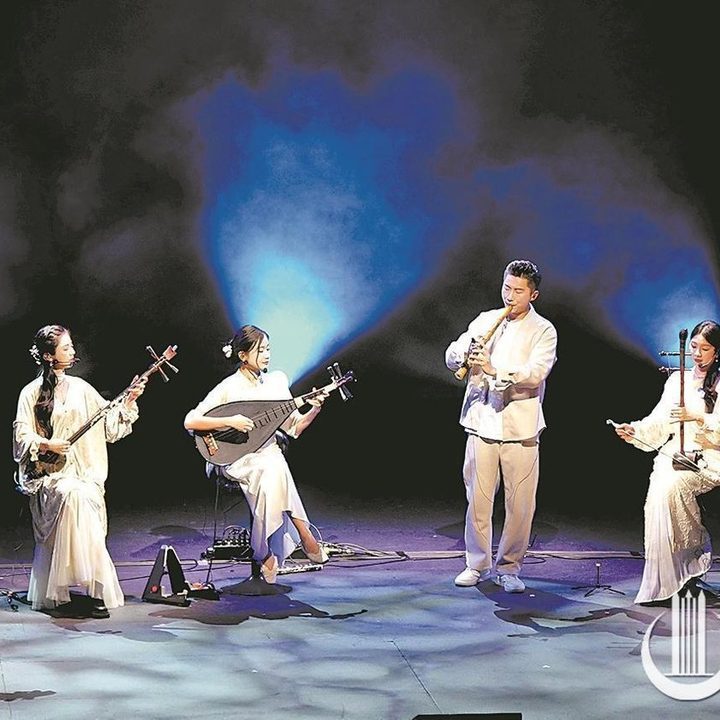
Nanyin: Quanzhou’s Living Ancient Music
Pipas, flutes, and clappers in a slow Minnan voice — UNESCO-listed music you can still hear in Quanzhou halls.
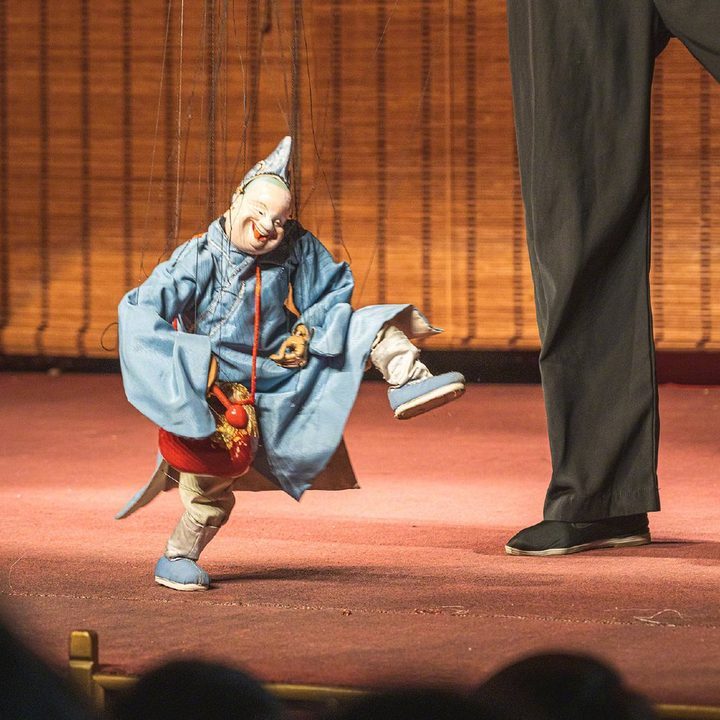
Quanzhou Marionettes: Threads That Dance
String puppetry with hundreds of control lines — a UNESCO-praised craft that still fills Quanzhou stages.
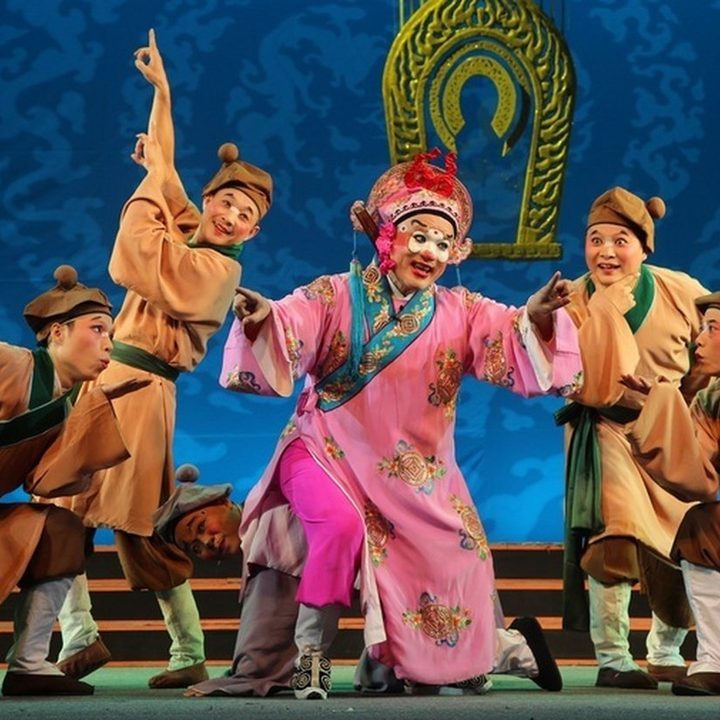
Gaojia Opera: Clowns, Banter, Temple-Fair Energy
Comic roles and lively stage talk — the folk opera that still wakes village squares and city theatres.
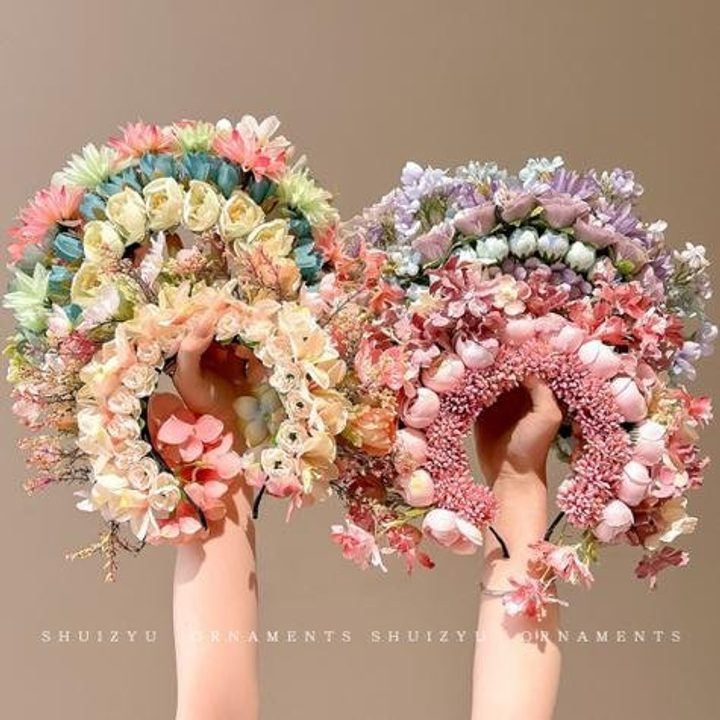
Xunpu Women: Flower Crowns by the Oyster Coast
Zanhuawei flowers, oyster-shell houses, and village lanes — visit with respect, leave with color.
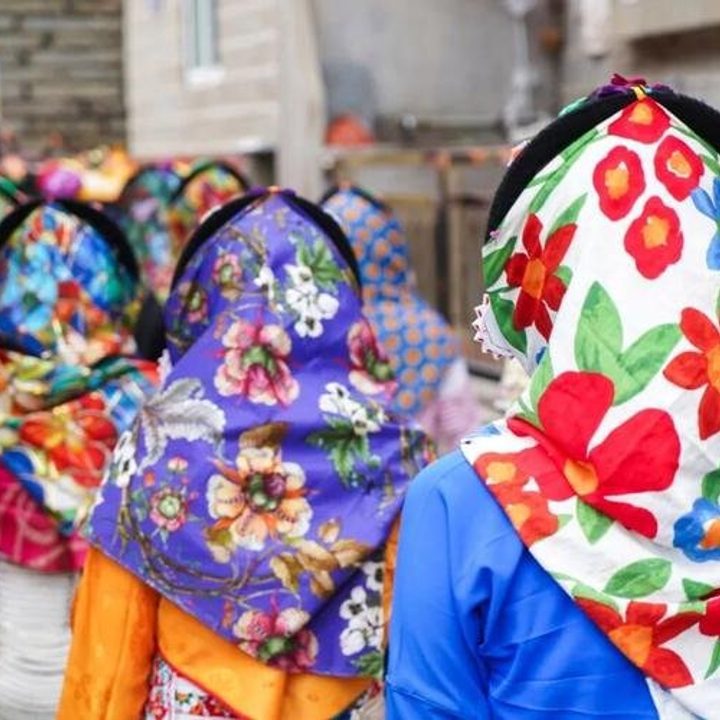
Hui’an Women’s Dress: Headscarves by the Sea
Bright scarves, short jackets, wide trousers — a coastal dress tradition still worn around Hui’an and Chongwu.
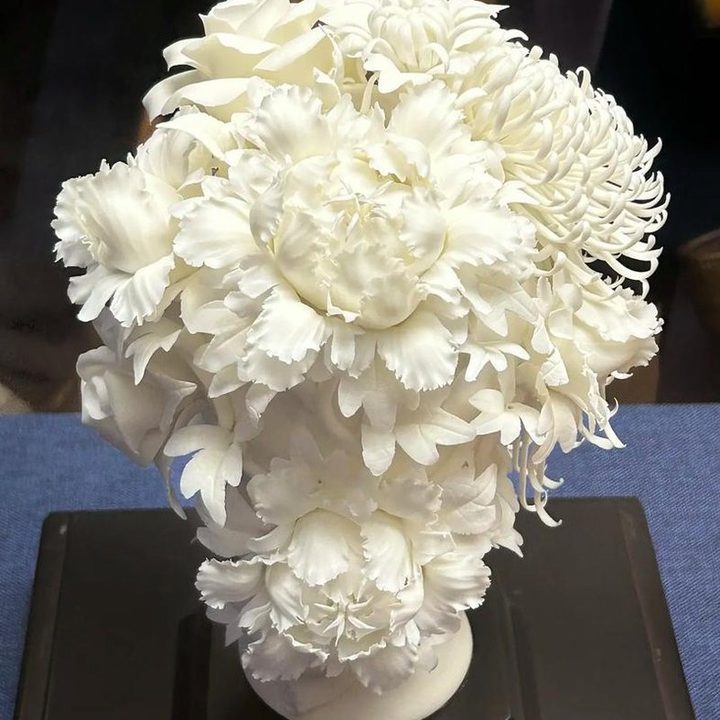
Dehua Porcelain: Blanc de Chine from the Hills
Ivory-white kiln craft from Dehua — museums, workshops, and pieces that travel well as gifts.