Hui’an Women’s Dress: Headscarves by the Sea
Bright scarves, short jackets, wide trousers — a coastal dress tradition still worn around Hui’an and Chongwu.
Updated 2026-08-07 · 593 words
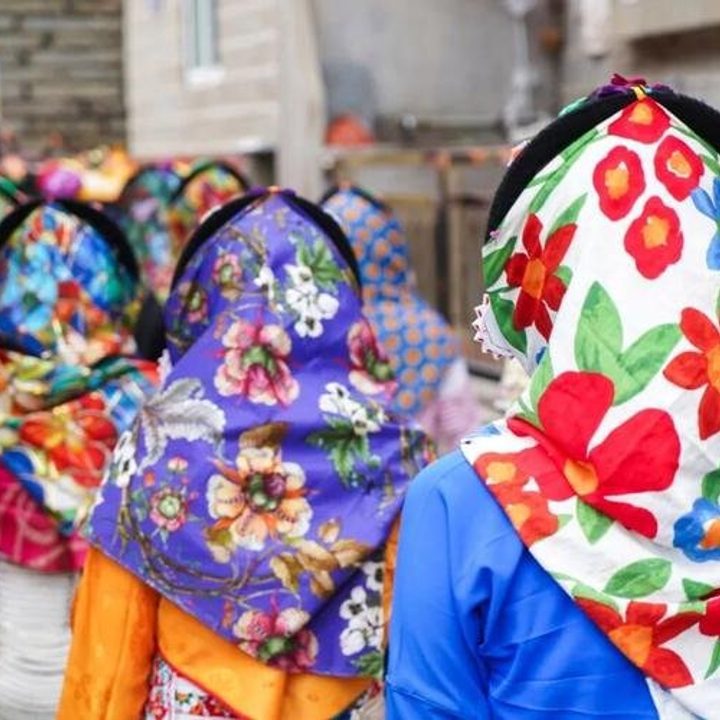
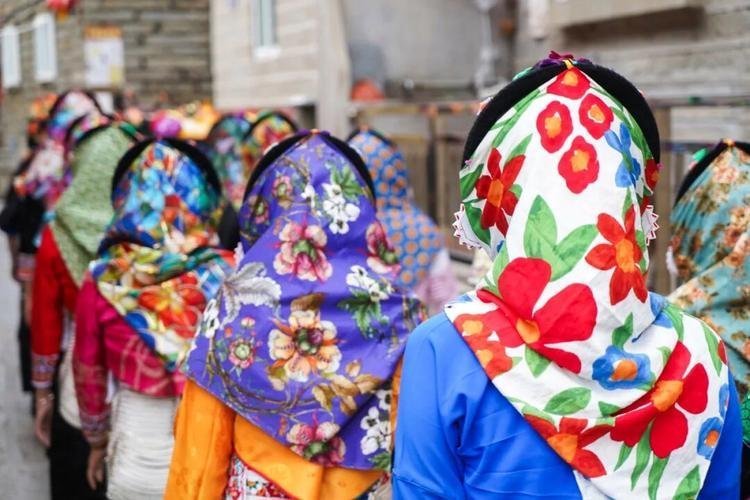
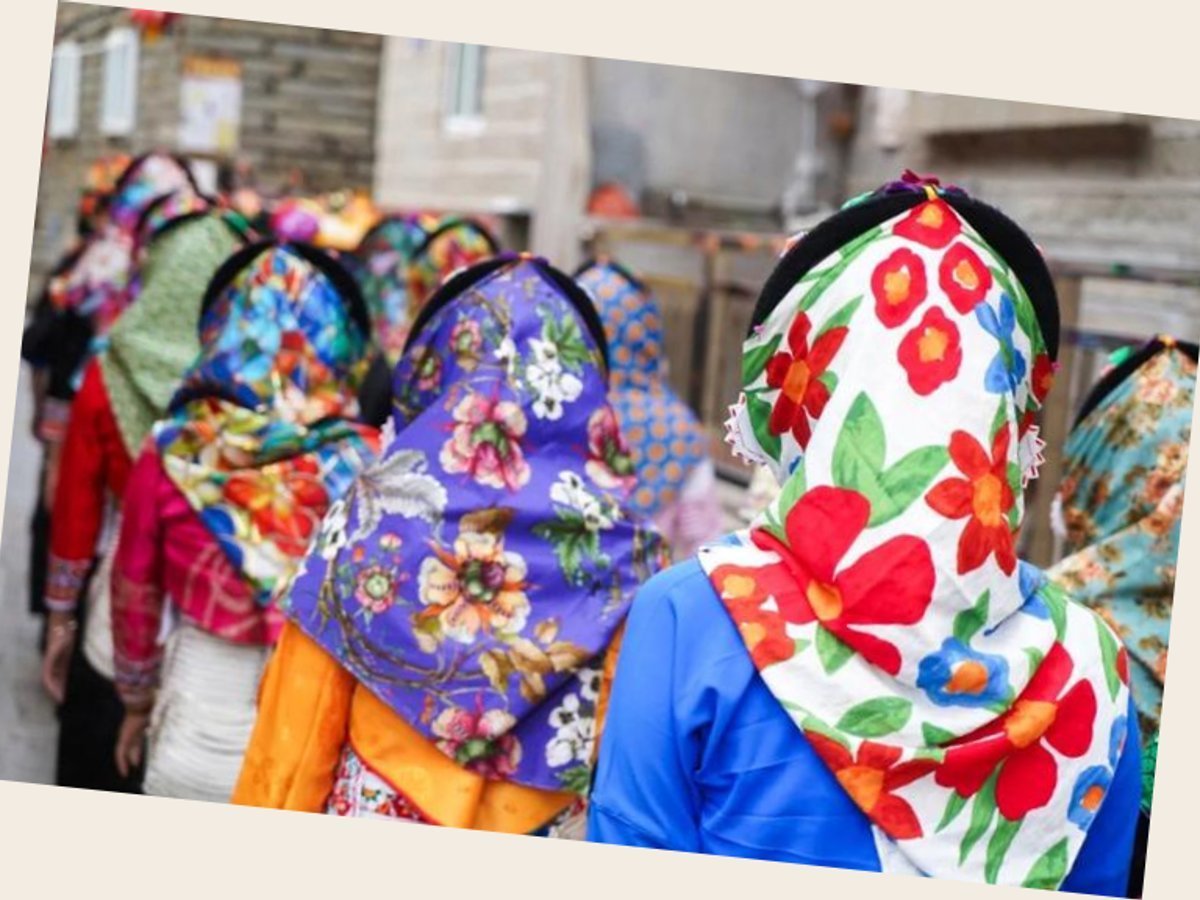
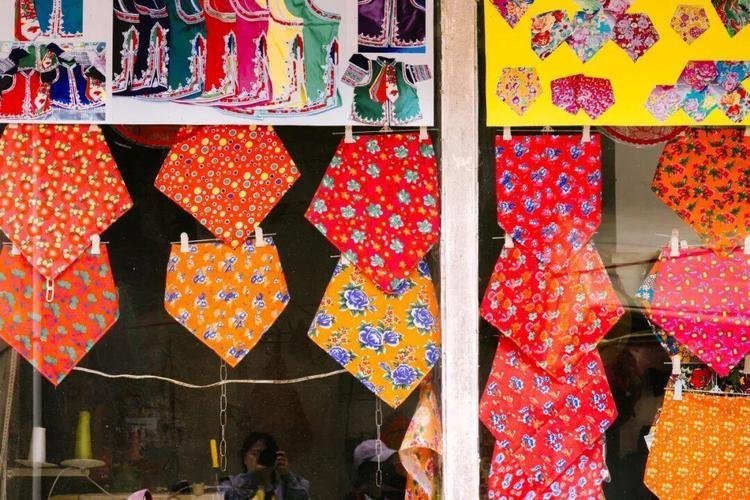
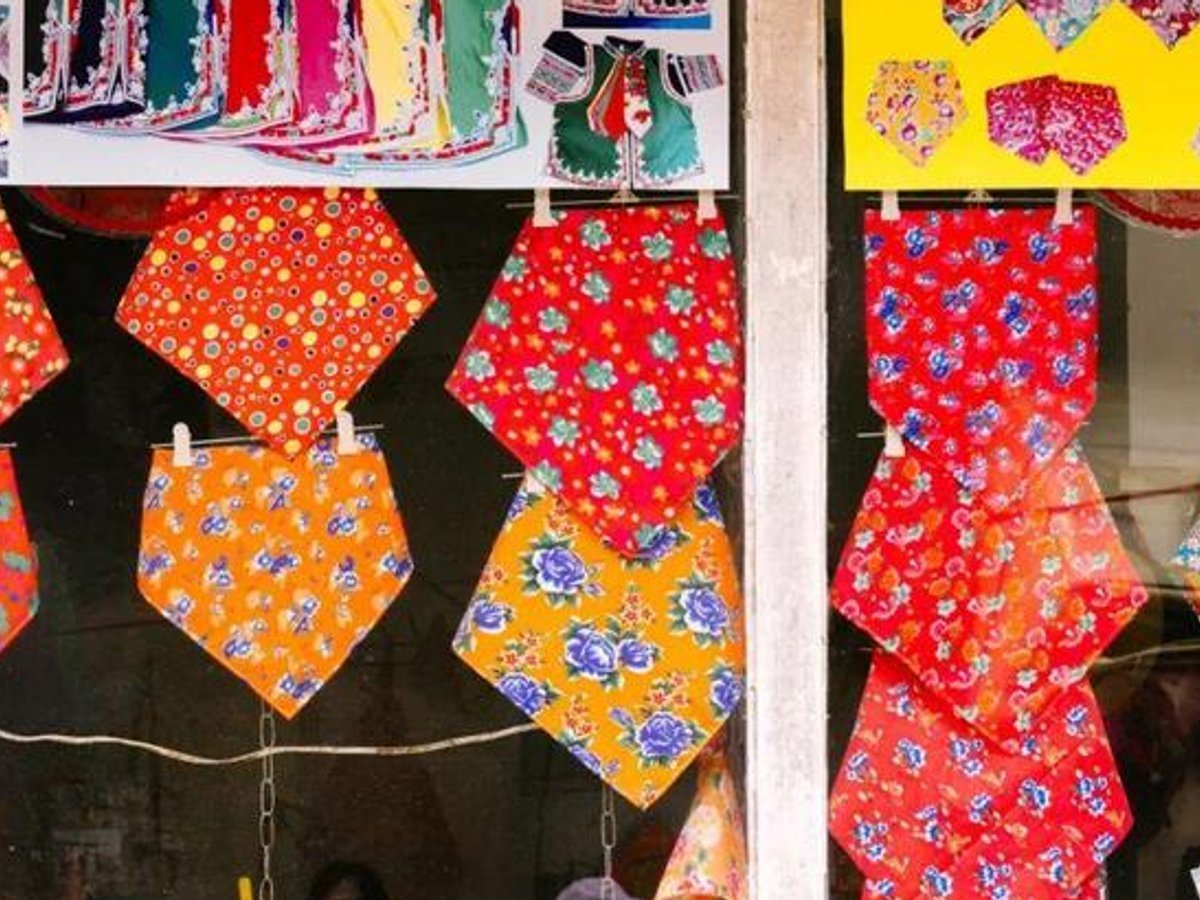
Drive southeast from Quanzhou along the coast and, in about an hour, you reach Hui’an and then Chongwu. The sea here feels different from the city—harder rock, straighter wind, white spray when waves hit the old wall. Many visitors come for Chongwu’s Ming-era coastal fort, but what often stops people in their tracks are the Hui’an women by the shore: yellow bamboo hats, bright floral head scarves, short blouses, wide trousers, colors so vivid they seem to hold the whole sky. This is not stage costume. For generations it has been everyday dress along Hui’an’s eastern coast, and in 2008 it entered China’s national intangible-heritage list. The scarf is the star—usually red ground embroidered with flowers and fine gold or silver thread, like a blossom resting on the shoulder. The hat is practical, sun and wind, with a colored rim that pairs neatly with the scarf. The short top and wide pants were shaped by work on reefs and boats: less sleeve to catch rope, wide legs that dry fast when spray flies. Stand on the beach outside Chongwu and watch a woman cross the quay with a carrying pole; when the wind lifts a corner of her scarf, you understand the clothes faster than any museum label.
Chongwu is the place to see the dress properly. Early morning or late afternoon near the harbor, the market, or the beach gives you the best chance—though not everyone wears it daily now. Younger people often dress modern for school and office, yet on festival days, at rituals, or simply out of habit among older generations, the full outfit still appears. County displays and photo exhibitions sometimes explain the pieces, but the living classroom is the street. For a one-day loop, walk the fort in the morning, notice stone carving on gates and house walls, eat local fish rolls and seafood noodles at lunch, then if time allows push on toward Dazuo or Xiaozuo, where Hui’an women’s culture feels especially concentrated and the horizon opens wide. About photography: the outfit is photogenic, and tourists understandably want portraits—but these women are not performers. Admire from a distance; ask before you shoot; if someone turns away, put the camera down. Do not chase, grab, or thrust a lens into a face. Some aunties will chat about who embroidered a scarf or where a hat was bought; others are shy, and honoring that distance often earns a warm nod. Local communities are sensitive to voyeuristic shooting. Put “see the person first, the costume second” in your mind and the day goes better.
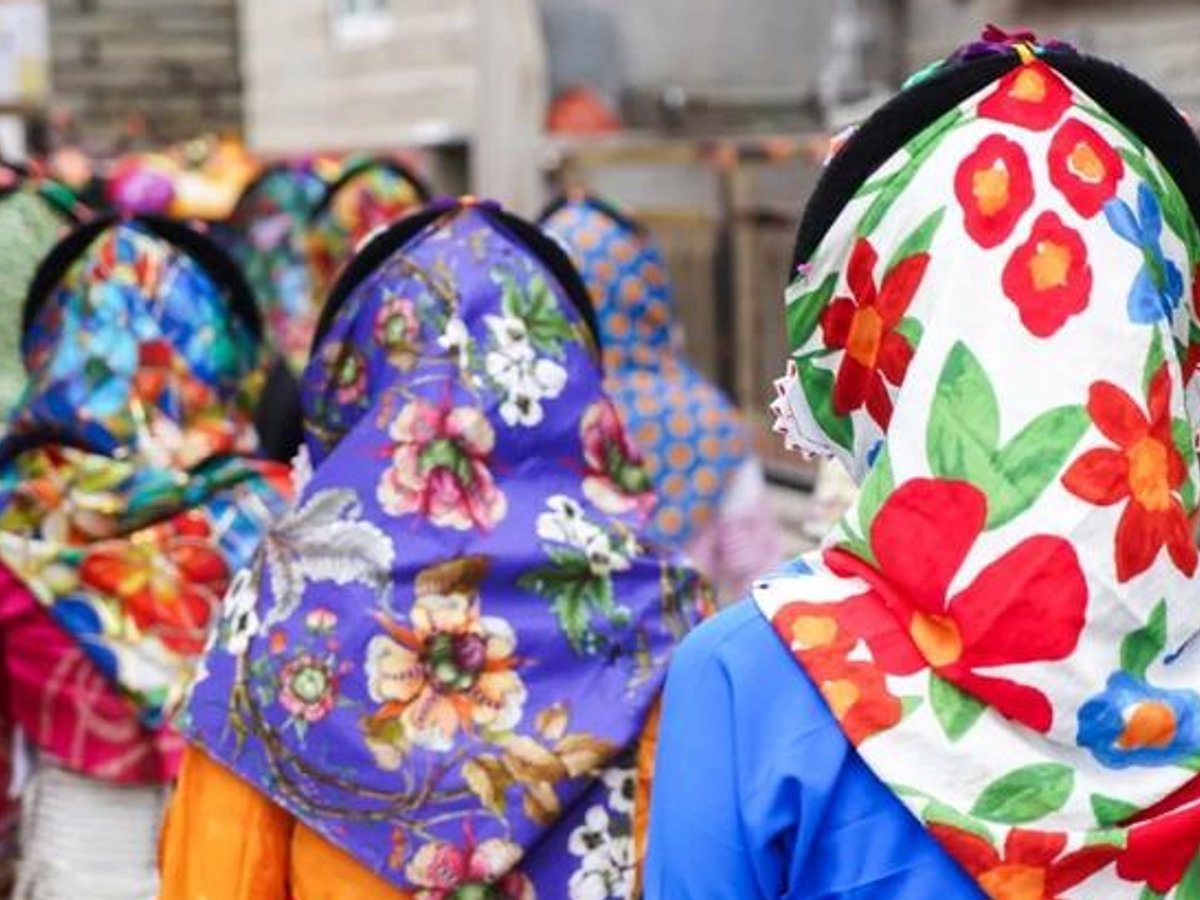
The craft chain is long. Scarves are often embroidered at home in a folk Min-style needle tradition—peonies, lotus, phoenixes, paired butterflies for luck. Blouses lean dark blue, green, or black against the bright scarf; on special days silver belts and chains whisper with each step. In Quanzhou’s West Street or Tumen Street you may find replicas or scarf crafts in heritage shops—a hand-embroidered scarf makes a fine souvenir—but to grasp why the silhouette looks this way, you need the sea air, the salt, the nets drying on the rack. Compared with Xunpu’s flower crowns, Hui’an beauty feels tougher, closer to labor—the shadow under the hat is a face shaped by wind. Visitors often ask if this is “ethnic dress.” I usually say it is coastal life made visible, life that happens to be unforgettable in color. Before you leave Chongwu, pick up a woven hat cord or a tea mat printed with scarf patterns; when you brew tea back home, you may still hear the waves.
Last updated: 2026-08-07 · Visit Quanzhou editorial team · Report an error
Related guides
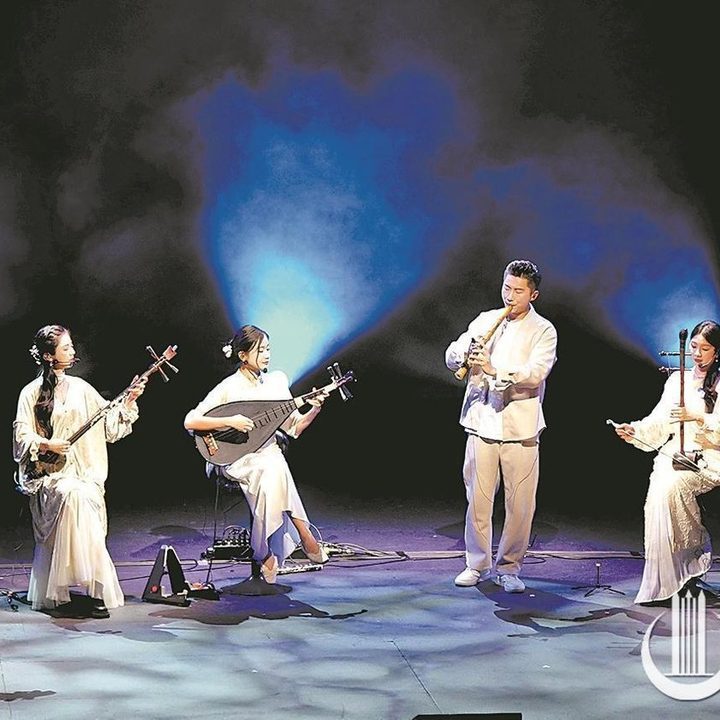
Nanyin: Quanzhou’s Living Ancient Music
Pipas, flutes, and clappers in a slow Minnan voice — UNESCO-listed music you can still hear in Quanzhou halls.
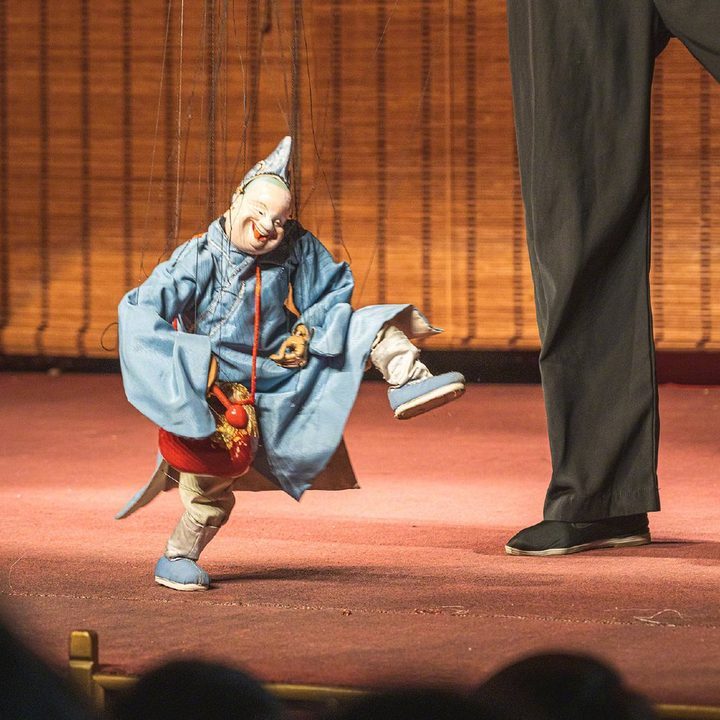
Quanzhou Marionettes: Threads That Dance
String puppetry with hundreds of control lines — a UNESCO-praised craft that still fills Quanzhou stages.
Liyuan Opera: Slow Drama with Song-Yuan Roots
Gentle pacing, fine gesture, and old Minnan verse — Quanzhou’s classical theatre for patient ears.
Gaojia Opera: Clowns, Banter, Temple-Fair Energy
Comic roles and lively stage talk — the folk opera that still wakes village squares and city theatres.
Xunpu Women: Flower Crowns by the Oyster Coast
Zanhuawei flowers, oyster-shell houses, and village lanes — visit with respect, leave with color.
Dehua Porcelain: Blanc de Chine from the Hills
Ivory-white kiln craft from Dehua — museums, workshops, and pieces that travel well as gifts.