Dehua Porcelain Craft in Plain Language
Dehua Porcelain Craft in Plain Language — practical notes on Dehua Porcelain: Craft In Plain Language.
Updated 2026-07-20 · 509 words
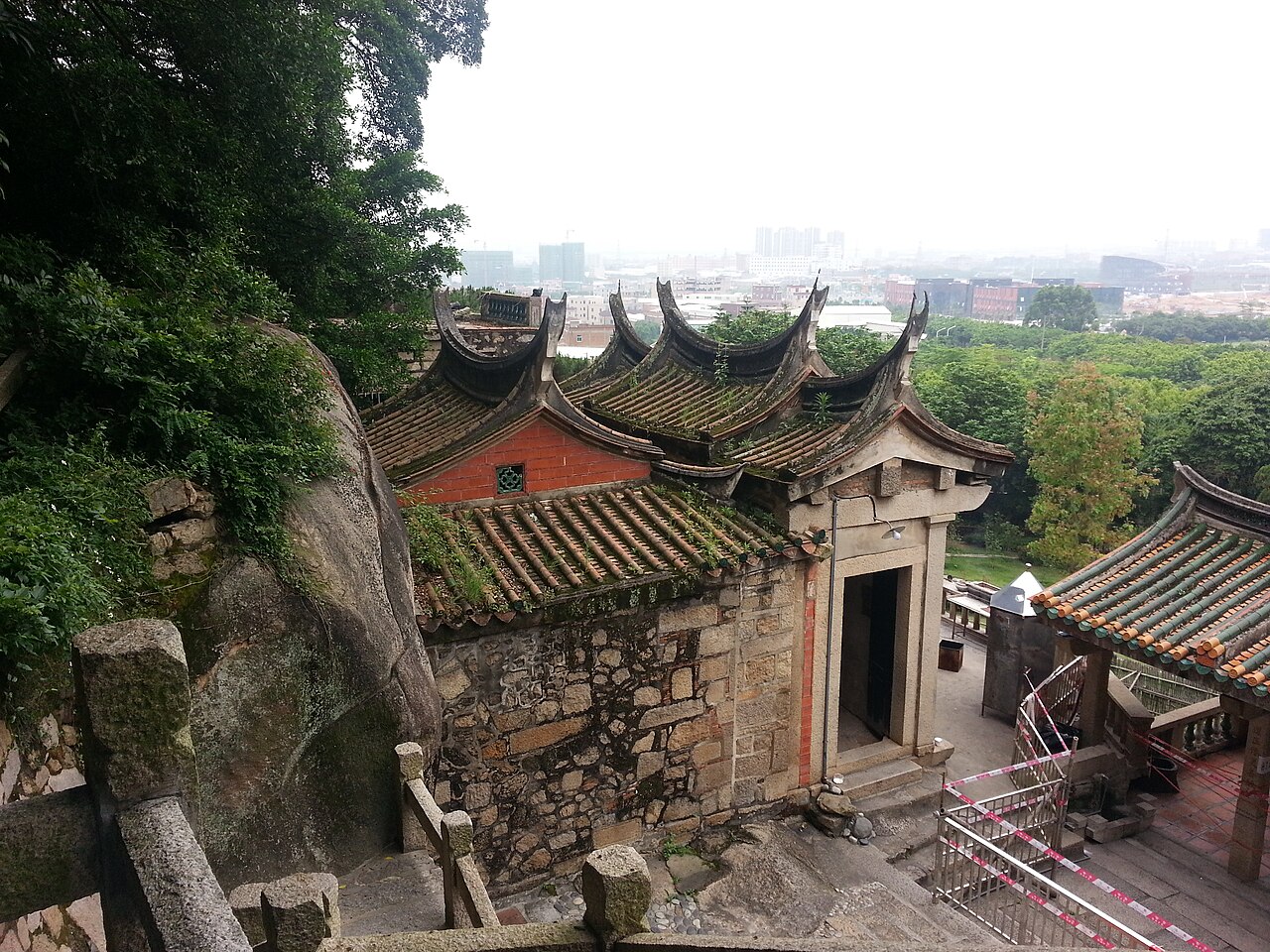
A clear first look at Dehua Porcelain
Dehua Porcelain is easy to overpack and easy to underestimate. Start with what the place is for — worship, walking, food, or viewpoint — then match your hours to that job.
tea cups that buy you fifteen quiet minutes
ticket desks that shift hours around local festivals
How it feels in person
museum halls that feel cooler than the courtyards outside
Keep voices low in residential edges; cameras work better when you are not blocking doorways.
Make it fit a real day
- Arrive earlier than your comfort zone
- Pair with peanut soup when you need something gentle nearby
- One backup if weather turns
- Angle: Dehua Porcelain: Craft In Plain Language
Mistakes to skip
- arriving at peak humidity with no indoor backup
- stacking three outdoor stops before any food or shade
- treating active worship like a photo studio
Pocket checklist
- Offline map for the old-city grid
- Hotel name in Chinese characters
- Water and light layers for hall air-con
- One unscheduled hour
- Food anchor: Tieguanyin in a small shop rather than another courtyard
Field close
If Dehua Porcelain felt unfinished, that usually means you left room to return — a good sign.
bilingual plaques that still leave you guessing about local clan halls
Extra pacing detail
Dehua Porcelain sits inside a Minnan city that still runs errands beside heritage stone. That overlap is the point.
West Street snack steam after temple hours
museum halls that feel cooler than the courtyards outside
If something on this page drifts from what you see, email corrections with the URL — hours and stalls change.
Local texture near Dehua Porcelain
For Dehua Porcelain, decide your photo manners before arrival: worship, residents, and delivery traffic all claim the same bricks.
Travelers who enjoy Dehua Porcelain most usually leave one block empty for an unplanned tea or lane detour.
This page’s angle is Dehua Porcelain: Craft In Plain Language. Keep that constraint when someone suggests adding three more pins.
What to eat so Dehua Porcelain stays enjoyable
Within a short walk of Dehua Porcelain, follow queues more than neon. A salty bowl or gentle sweet soup repairs humidity fatigue faster than another hall.
Dehua Porcelain pairs poorly with a rushed station sprint; build a buffer so the visit does not become a stressful transfer.
If language fails, point at a neighboring bowl and confirm with a nod — clarity beats perfect Mandarin around Dehua Porcelain.
Same-day boundaries for Dehua Porcelain
- Confirm hours for Dehua Porcelain the morning you go
- Screenshot Chinese names for Dehua Porcelain and your hotel
- Wear shoes that handle uneven stone near Dehua Porcelain
- Keep one indoor backup if weather turns after Dehua Porcelain
- Email corrections about Dehua Porcelain to scoscar@gmail.com with this page URL
Dehua Porcelain earns its place when you remember a roof line, a smell, and a meal — not when you collect one more checklist stamp.
Always recheck tickets and access on the day: festivals near Dehua Porcelain quietly rewrite the plan.
Last updated: 2026-07-20 · Visit Quanzhou editorial team · Report an error
Related guides
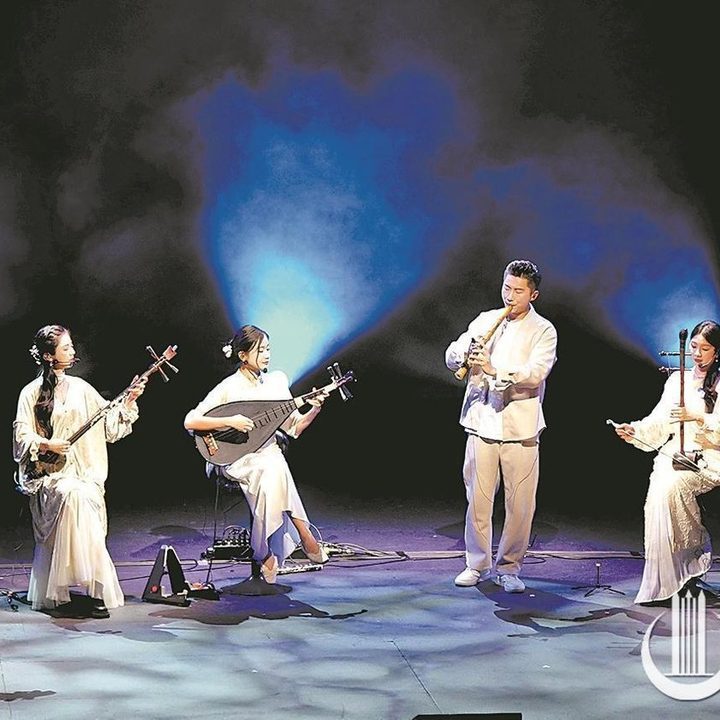
Nanyin: Quanzhou’s Living Ancient Music
Pipas, flutes, and clappers in a slow Minnan voice — UNESCO-listed music you can still hear in Quanzhou halls.
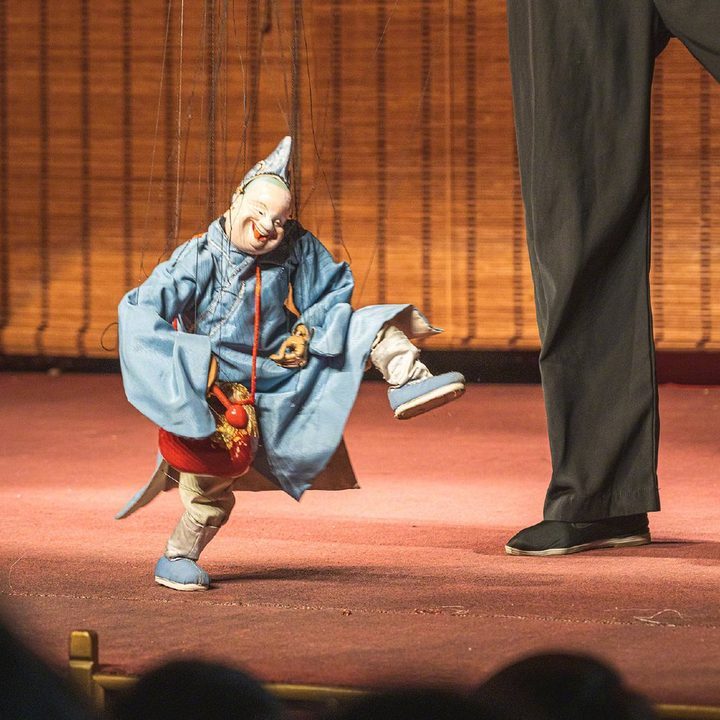
Quanzhou Marionettes: Threads That Dance
String puppetry with hundreds of control lines — a UNESCO-praised craft that still fills Quanzhou stages.
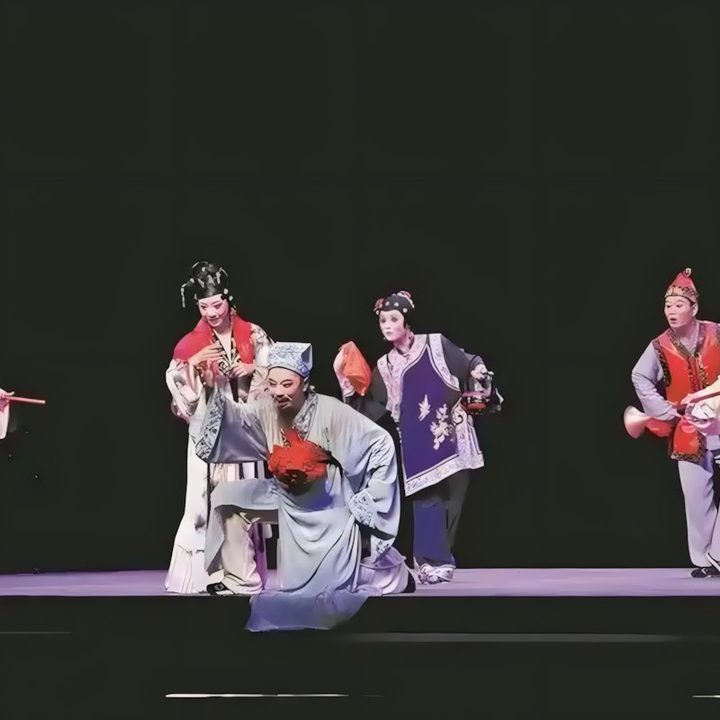
Liyuan Opera: Slow Drama with Song-Yuan Roots
Gentle pacing, fine gesture, and old Minnan verse — Quanzhou’s classical theatre for patient ears.
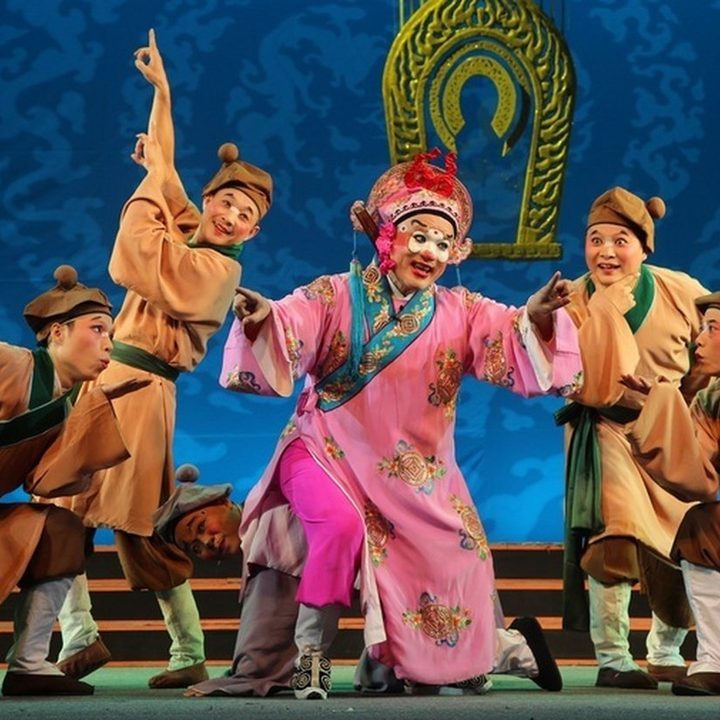
Gaojia Opera: Clowns, Banter, Temple-Fair Energy
Comic roles and lively stage talk — the folk opera that still wakes village squares and city theatres.
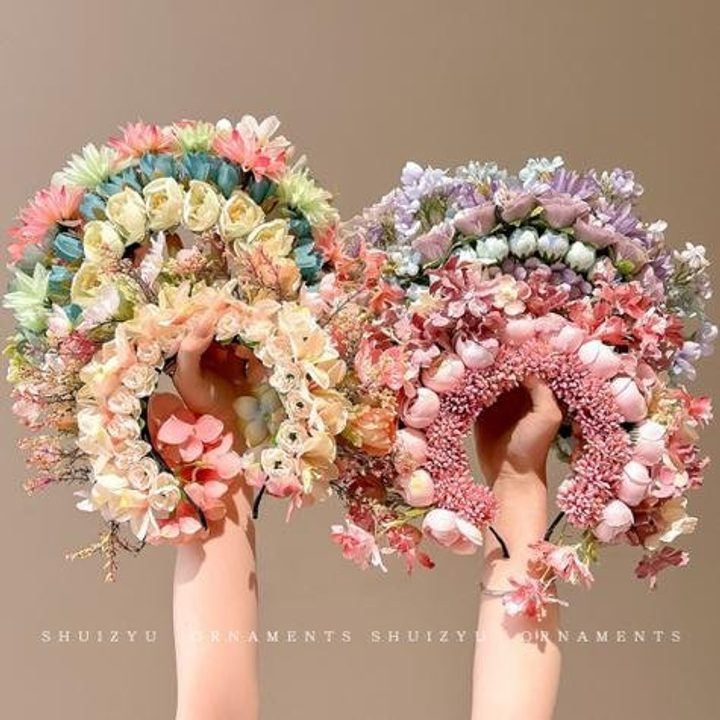
Xunpu Women: Flower Crowns by the Oyster Coast
Zanhuawei flowers, oyster-shell houses, and village lanes — visit with respect, leave with color.
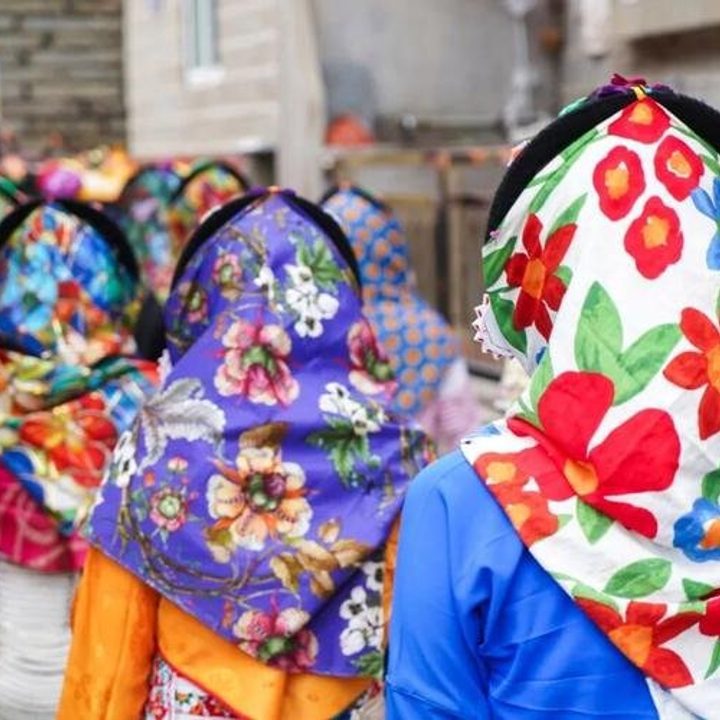
Hui’an Women’s Dress: Headscarves by the Sea
Bright scarves, short jackets, wide trousers — a coastal dress tradition still worn around Hui’an and Chongwu.