Hui’an Stone Carving: Shadow Lines in Granite
Relief, round carving, and photo-fine shadow engraving — stone craft that shapes temples and bridges.
Updated 2026-08-07 · 512 words
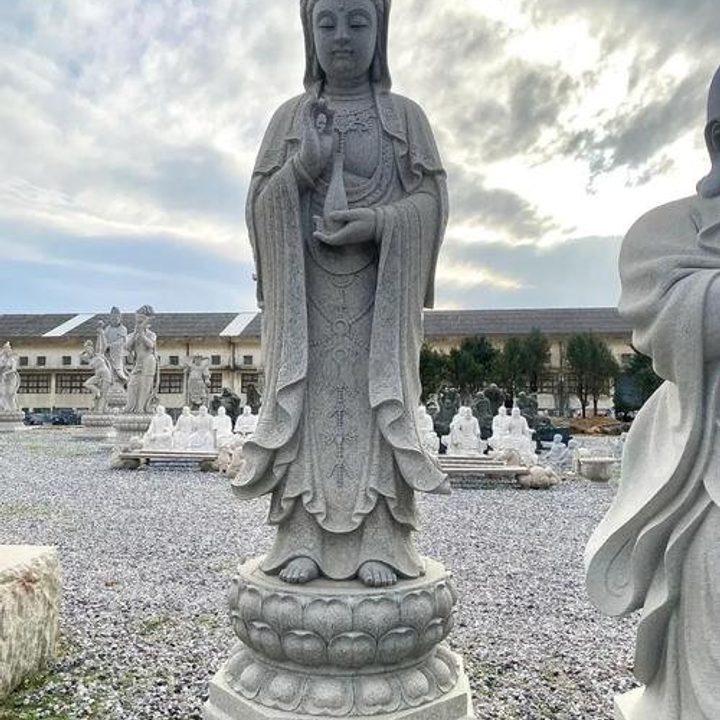
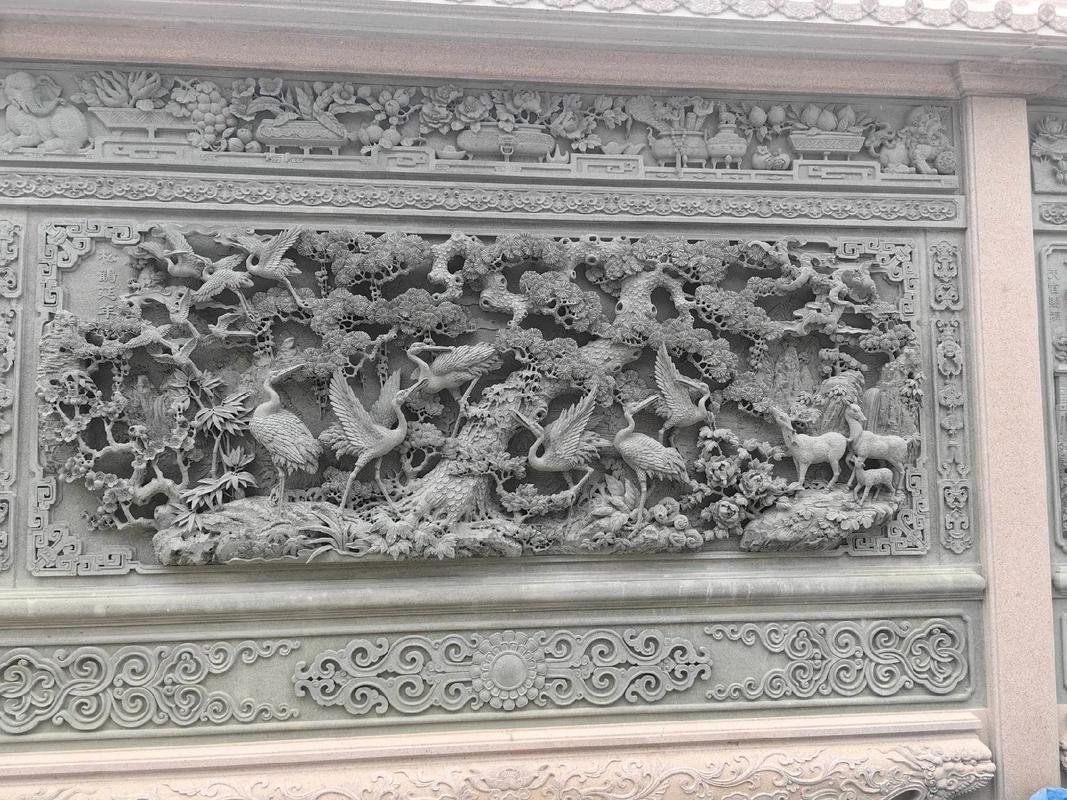
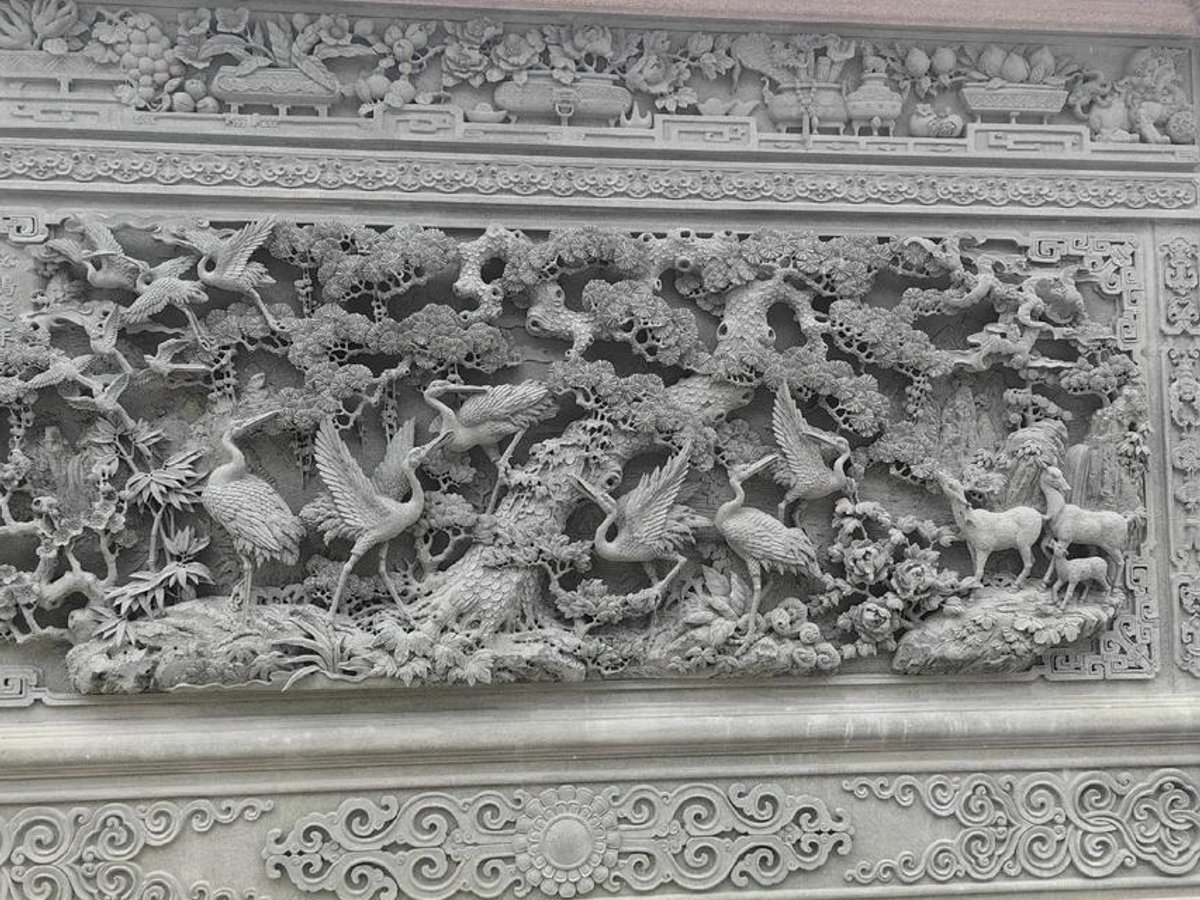
In Quanzhou it is hard to walk a full day without stone speaking somewhere. Kaiyuan Temple’s apsaras, Laojun Rock’s giant figure, old house grilles near the Ashab Mosque, guardian lions before Guanyue Temple—much bears Hui’an chisels or their rhythm. Hui’an, Jinjiang, and Nan’an have long held good stone and sea-side livelihoods; carving grew from houses, bridges, tombs, and temple images into a vast trade. In 2006 Hui’an stone carving entered China’s national heritage list. Two main paths: round sculpture—figures, beasts, Guanyin, bases, hitching posts—built on mass, proportion, and the “bone” beneath the blade; and shadow carving—on dark flat slabs, a fine point taps thousands upon thousands of pits so density and depth become grayscale. From afar it looks photographic; up close it is all micro-cavities. Relief on gate lintels with dragons or opera scenes is daily speech between the two; in a gallery, when eyelashes and water ripples float from black stone, shadow carving is talking.
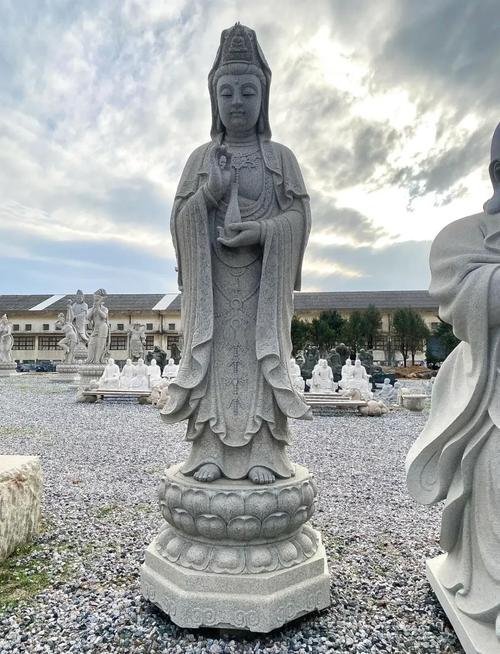
Visitors can read Hui’an carving on three levels. First, Quanzhou city itself: Kaiyuan, the Confucian temple, Guanyue, Tianhou, areas around Qingjing—look up at columns, bases, wall panels, steles. Many are Ming-Qing survivors or faithful restorations; weathering is its own lesson in time. Second, Hui’an county: the Stone Carving Museum or themed park deserves half a day—from quarrying, rough shaping, coarse and fine carving to polish, objects and film tie the story of “how lions grow from stubborn blocks.” In town and toward Chongwu or Luoyang Bridge you see workshops and display streets where large Guanyin, civic sculpture, and building parts are finished before shipping nationwide or abroad. Third, if you love architectural detail, watch temple gateways and stone joinery: Minnan gateways, pavilions, pagoda eaves sometimes mix bracket sets and pendants in stone; Hui’an masters encode ritual and ornament together.
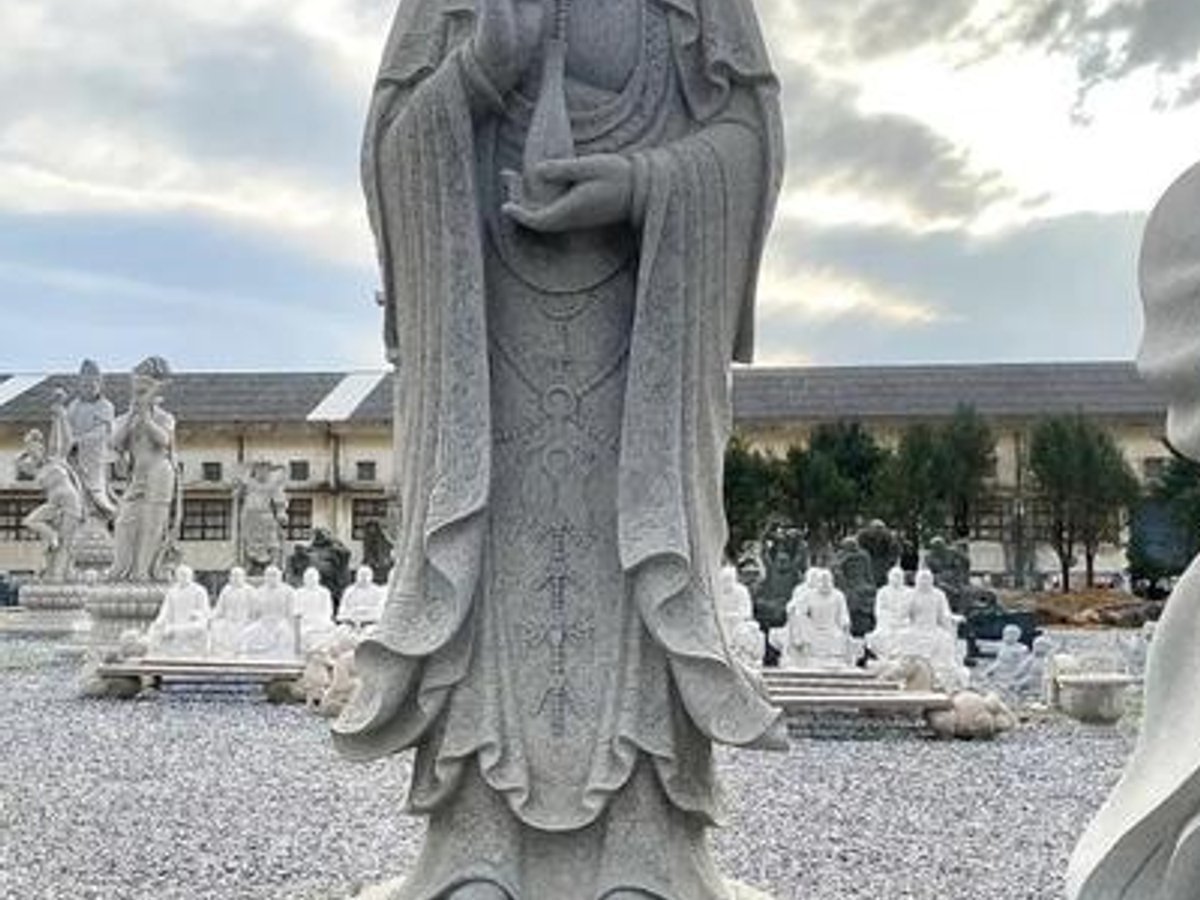
How to spot good work? Round pieces should stand stable, robes should feel “written” not hacked, beasts powerful not stiff. Shadow work needs smooth tonal steps—avoid dead black flats or coarse dots like sandpaper. Souvenirs—small shadow panels, inkstones, paperweights, stone wards, mini lions—range widely in price; museum shops or formal park galleries beat random tourist stalls; ask stone type (local granite, diabase, etc.) and hand work. Big pieces mean freight—most travelers only watch, but the workshop alone is worth it: saws and hand chisels together, the master’s hammer like slow music. Foreign friends ask if this is like Italian marble. Partly—both turn weight into story—but Hui’an carving stays close to Chinese building and folk life: hitching stones, tombs, shadow portraits; half the subjects are domestic, blessing, family-bound, not only palaces or plazas.
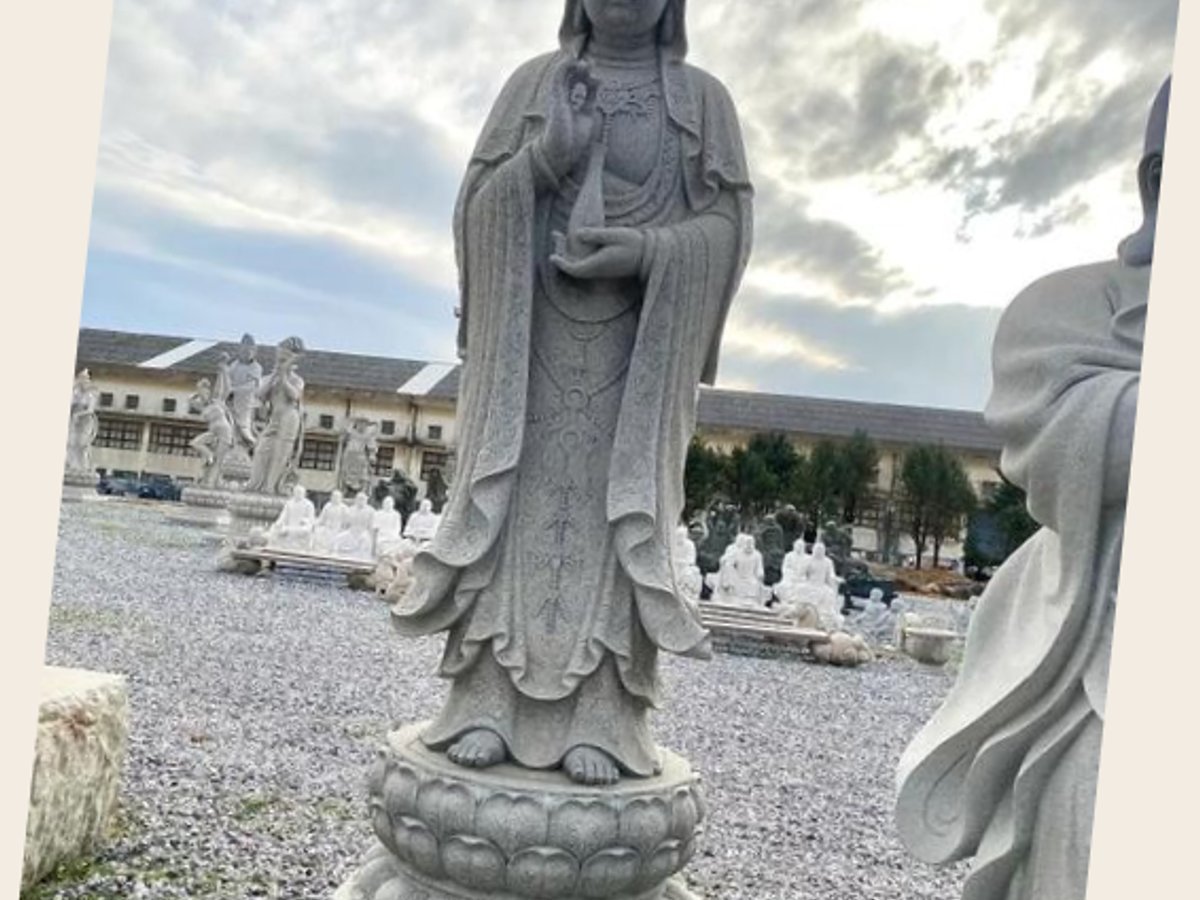
If you already visit Chongwu for Hui’an dress, add the county museum on the way; if time is tight, city temples and bridges still show how stone “holds Minnan face.” Side light reveals shadow dots; low morning or evening sun warms lion grain. Do not touch protected antique carving—skin oils hasten decay; read signs on new displays too. The craft looks cold and hard; inside are family memory, temple incense, and civic pride—read one block well and you see why Quanzhou trusts endurance and steadiness.
Last updated: 2026-08-07 · Visit Quanzhou editorial team · Report an error
Related guides
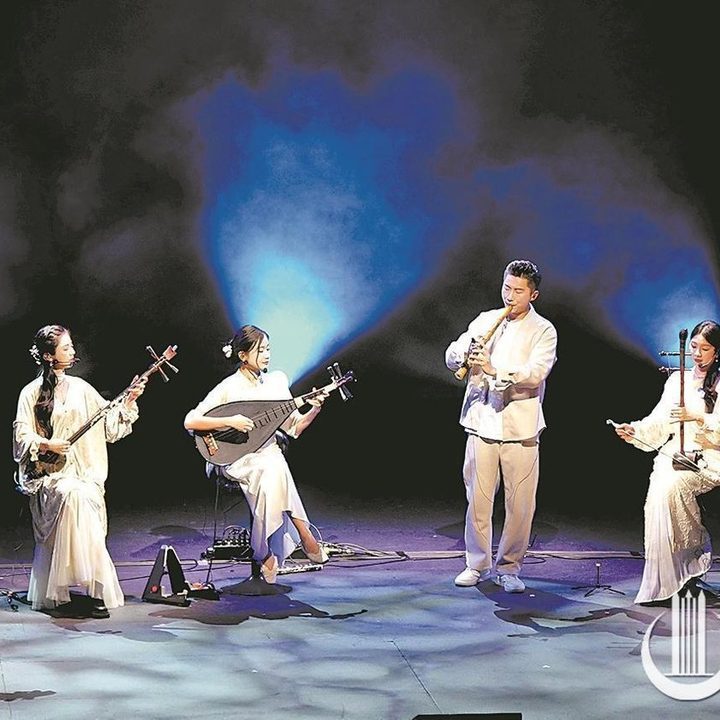
Nanyin: Quanzhou’s Living Ancient Music
Pipas, flutes, and clappers in a slow Minnan voice — UNESCO-listed music you can still hear in Quanzhou halls.
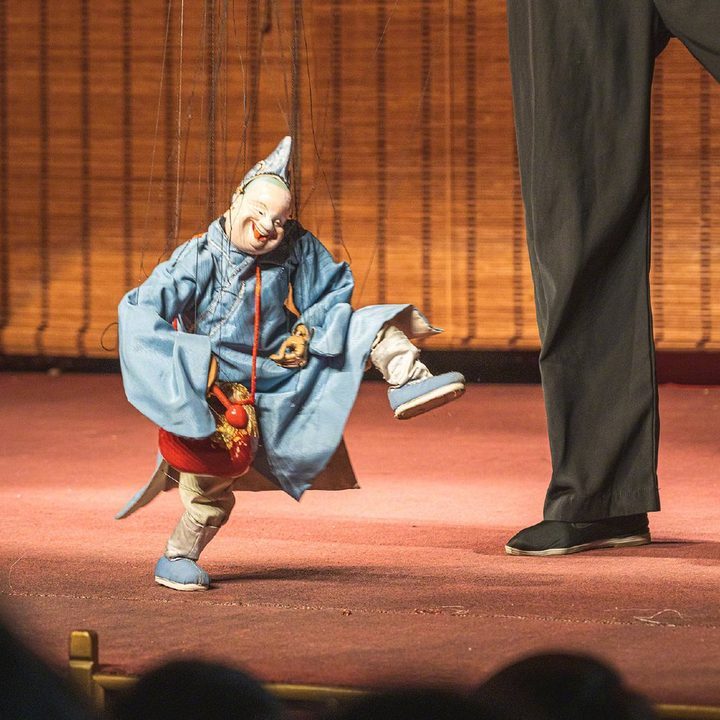
Quanzhou Marionettes: Threads That Dance
String puppetry with hundreds of control lines — a UNESCO-praised craft that still fills Quanzhou stages.
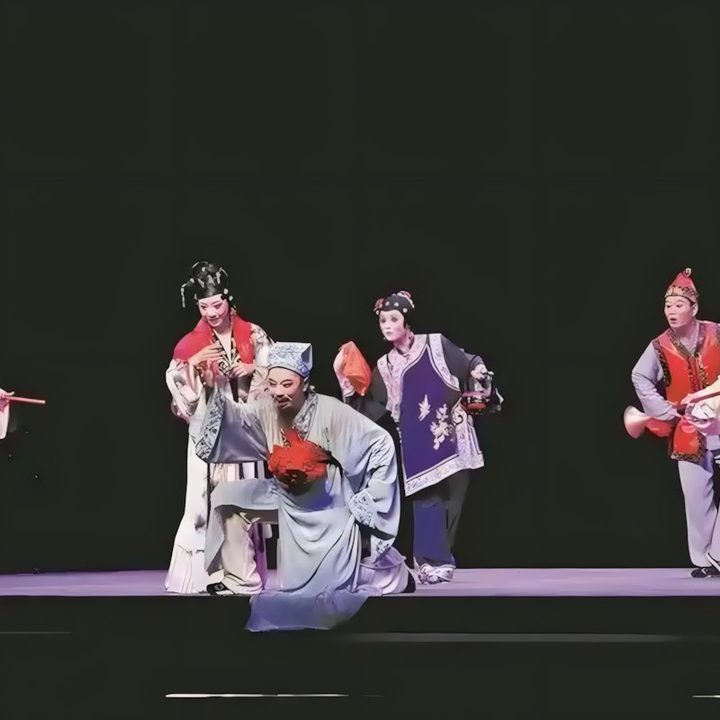
Liyuan Opera: Slow Drama with Song-Yuan Roots
Gentle pacing, fine gesture, and old Minnan verse — Quanzhou’s classical theatre for patient ears.
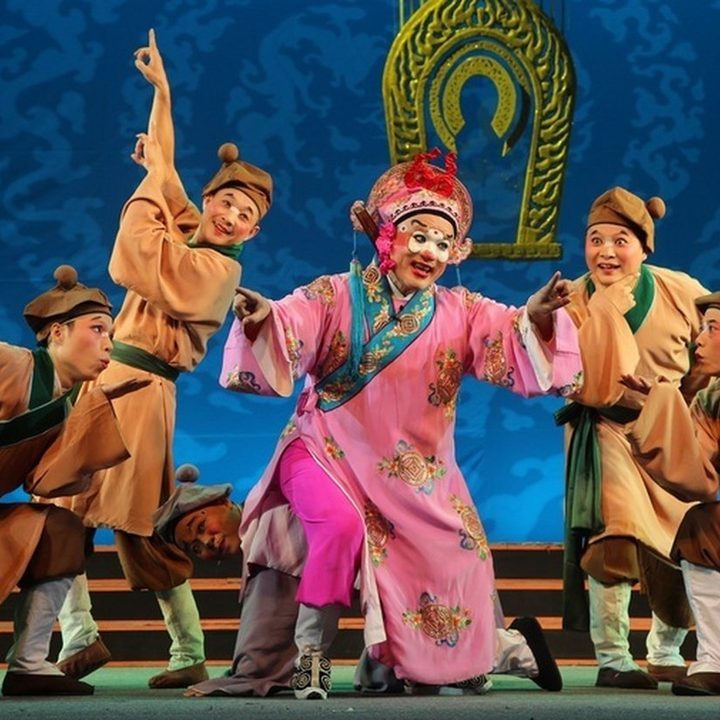
Gaojia Opera: Clowns, Banter, Temple-Fair Energy
Comic roles and lively stage talk — the folk opera that still wakes village squares and city theatres.
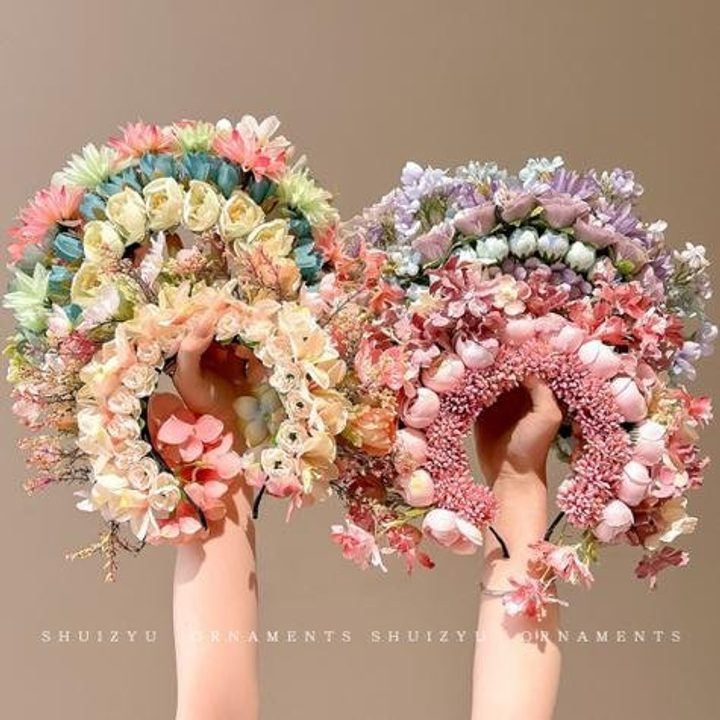
Xunpu Women: Flower Crowns by the Oyster Coast
Zanhuawei flowers, oyster-shell houses, and village lanes — visit with respect, leave with color.
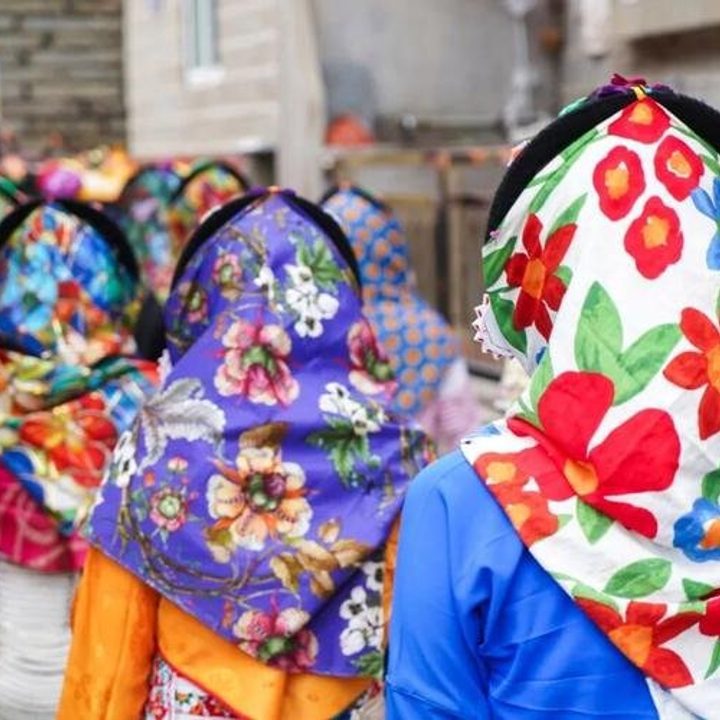
Hui’an Women’s Dress: Headscarves by the Sea
Bright scarves, short jackets, wide trousers — a coastal dress tradition still worn around Hui’an and Chongwu.