Quanzhou Lanterns: Silk Light for Festival Nights
Liao-si lantern craft and Yuanxiao glow — see exhibitions year-round, catch the peak at Lantern Festival.
Updated 2026-08-07 · 532 words
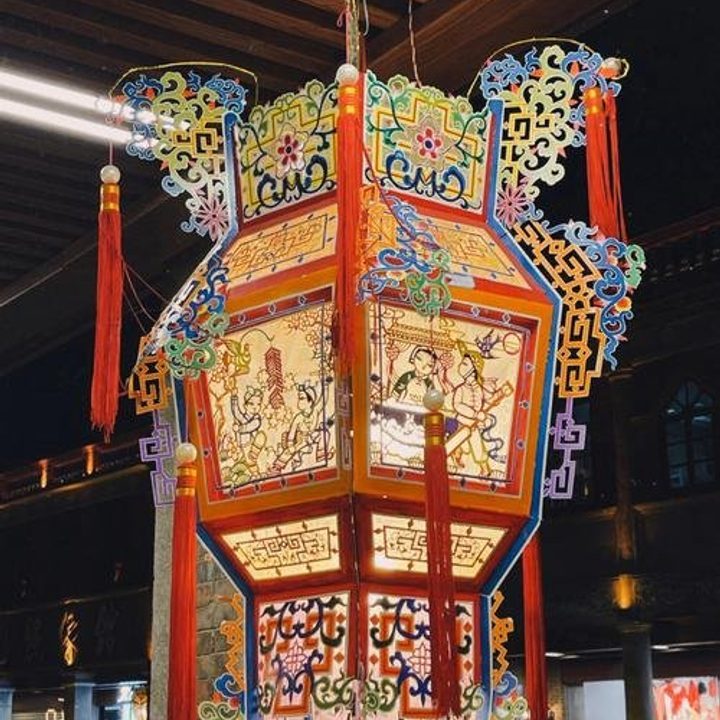
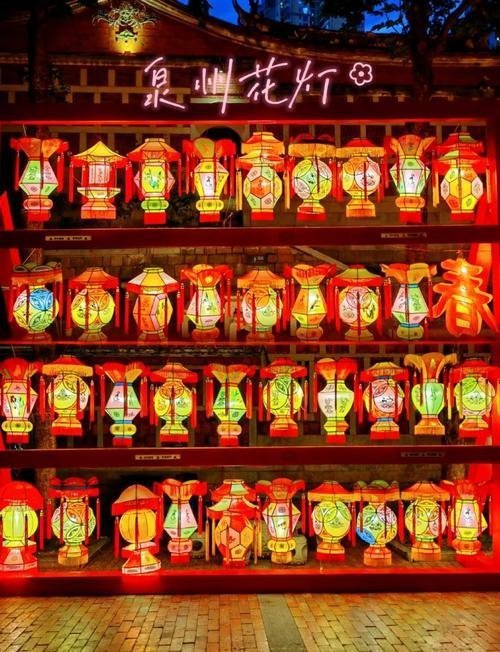
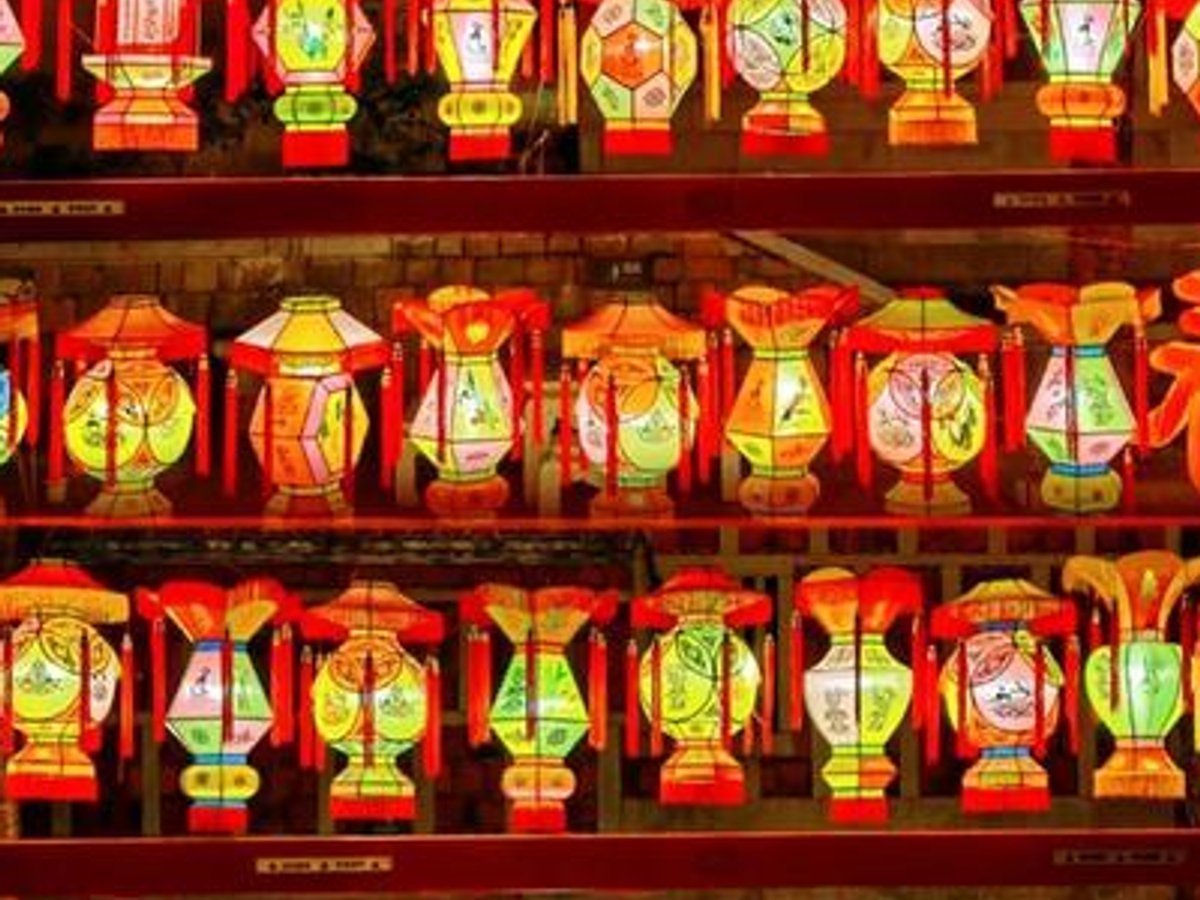
When Quanzhou celebrates New Year, besides temple visits, family dinners, and calls on relatives, there is another thing that lights the whole city—hang lanterns, watch lanterns, make lanterns. Quanzhou lantern craft is national intangible heritage, traceable to Tang and Song; Song records already note “Lanterns on the fifteenth.” Today, around Lantern Festival, you still feel that old brightness—forms evolved from paper and silk frames into silk-wire lanterns, cut-paper lanterns, needle-punched lanterns, colored papier-mâché, each with its own process. Silk-wire (liaosi) lamps are the local signature: fine bamboo or wire frames, layers of gauze, paper, or special translucent skin, mineral pigments for figures, landscapes, birds and flowers; some hide small gears so shadows turn or figures twitch. Switch on a bulb or light a candle and color diffuses like watered ink—a box that tells a story. During Lantern Festival on West Street, by the Confucian temple, Goldfish Lane, rows of lamps line the alleys; kids run with knee-high lights while elders name opera scenes under them—more real than any Spring Festival promo.
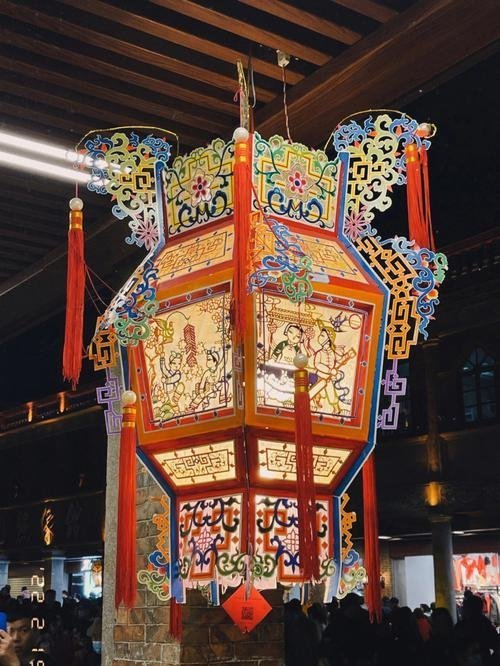
Foreign friends ask where to see lanterns best—I answer by season. The fifteenth of the first lunar month is golden: city displays usually center on the Confucian temple, Weiyuan Tower, West Street, Zhongshan Road, sometimes extending to East or West Lake parks or neighborhood gates. Routes shift yearly; check culture bureau posts or local news before you go, but the idea holds—walk the old town one night, soles full of light. Missed the date? Quanzhou ICH halls, the art museum, heritage spaces, and some museums keep permanent or temporary lantern shows where you can study frames and sketches up close; masters sometimes bind, paste, and paint live—worth half an hour of quiet watching. Puppet or Gaojia opera displays occasionally include stage-shaped lamps. Deeper still, watch for autumn or pre-Spring Festival workshops open to the public—paste a small panel, try mineral color, and you grasp why the lamp glows from within.
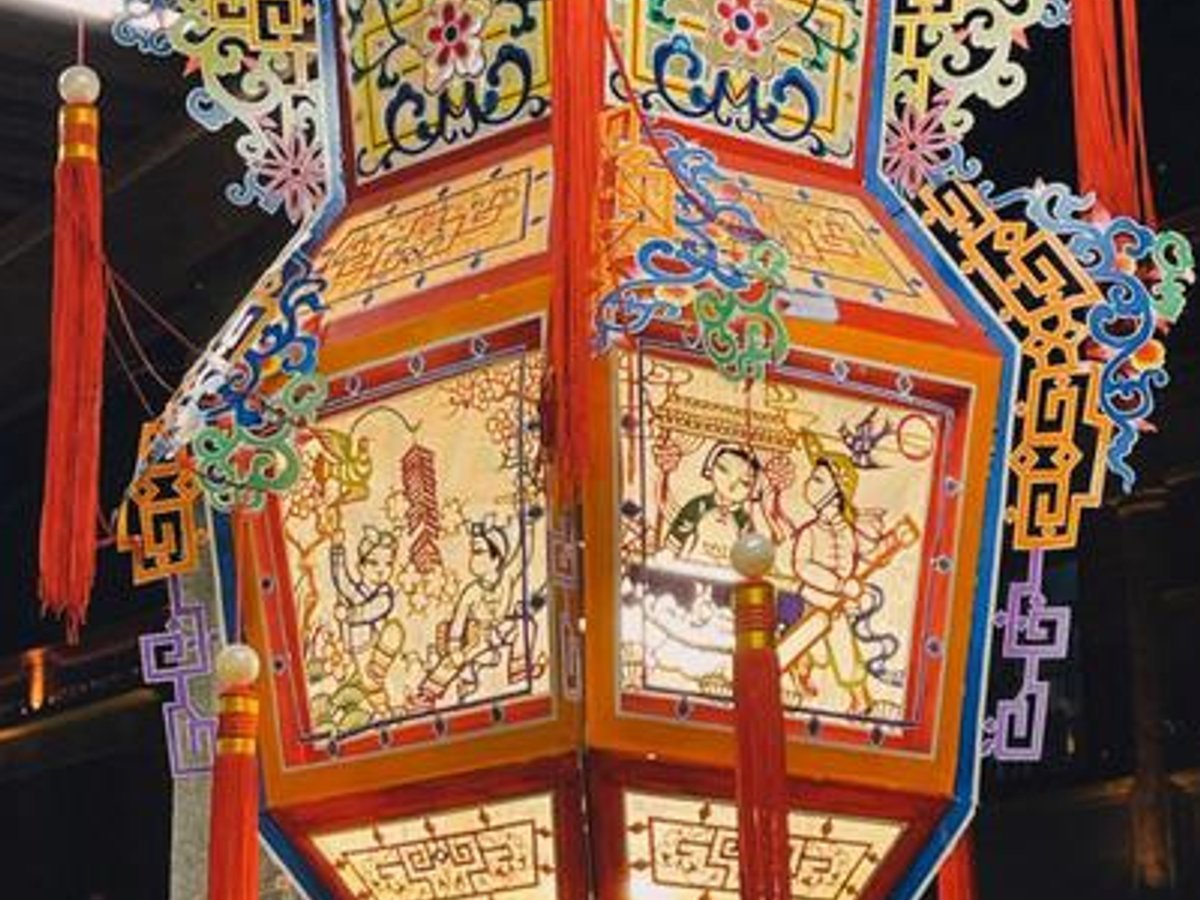
Craft-wise, four words matter: form, color, light, motion. Form means a steady frame, proportions slightly bold for distance; color favors mineral or plant dyes that age well; light depends on how many translucent layers you paste and where you paint; motion is advanced—gears, threads, axles make Monkey King scenes spin while children cannot leave. Compared with giant Zigong light parks, Quanzhou lamps lean delicate—folk tales and opera figures, not always sky-high but rich in detail: Guan Yu’s beard, a lady’s sleeve, a eave corner in inches. Souvenirs—small silk-wire or cut-paper lamps, DIY kits—appear in heritage shops or festival markets; mind fragility and voltage if electric. For travelers flying home, foldable or desktop sizes are safer.
A few manners: festival crowds are thick—watch your bag; no flash in a master’s face during demos; in residential lanes, admire quietly, do not tug live wires. Quanzhou lanterns are not mere décor—they pack opera, history, and blessings into one glow. Pass one lamp and you turn a page of Minnan folk picture book. If you spend Lantern Festival here, buy sweet tangyuan from a stall near a Guandi or Tudi temple, walk slowly with your lamp, wind shaking shadows on the ground—you will see why this city trusts light, and hand-made light most of all.
Last updated: 2026-08-07 · Visit Quanzhou editorial team · Report an error
Related guides
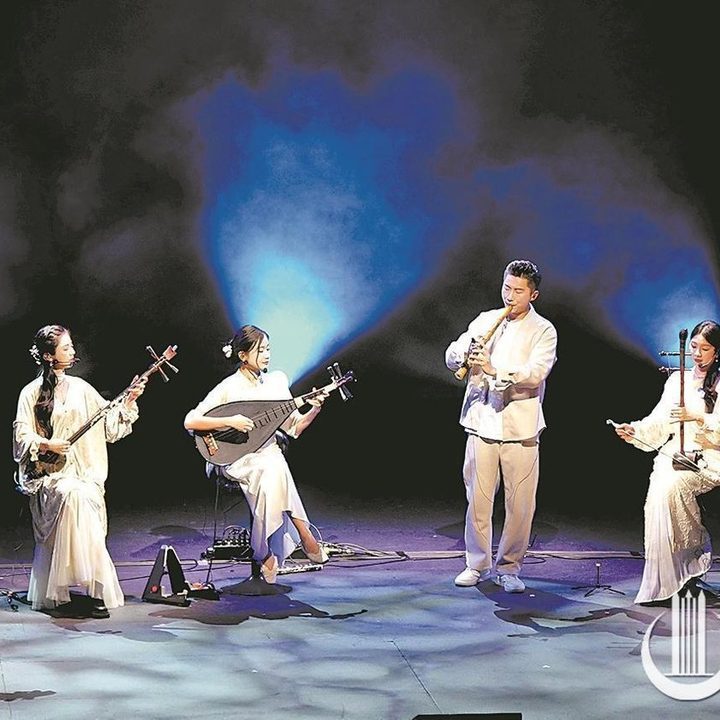
Nanyin: Quanzhou’s Living Ancient Music
Pipas, flutes, and clappers in a slow Minnan voice — UNESCO-listed music you can still hear in Quanzhou halls.
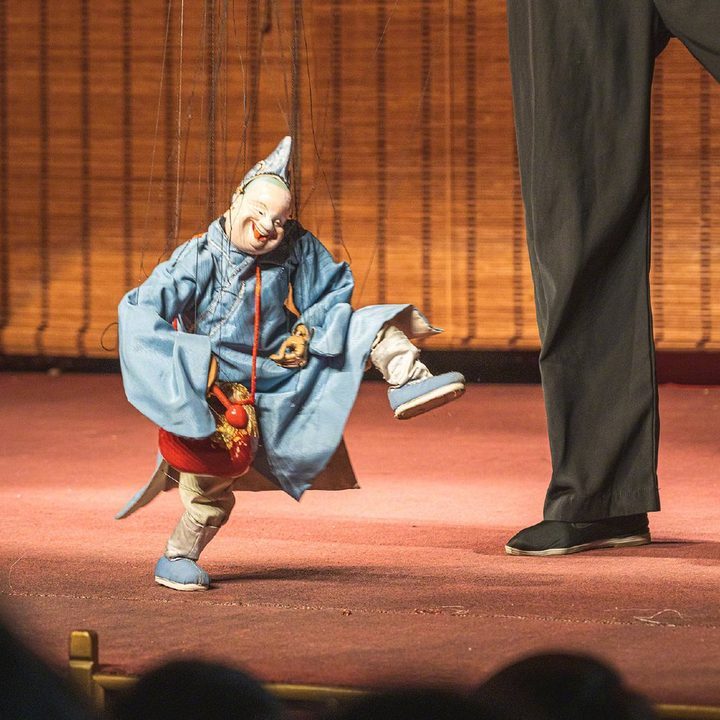
Quanzhou Marionettes: Threads That Dance
String puppetry with hundreds of control lines — a UNESCO-praised craft that still fills Quanzhou stages.
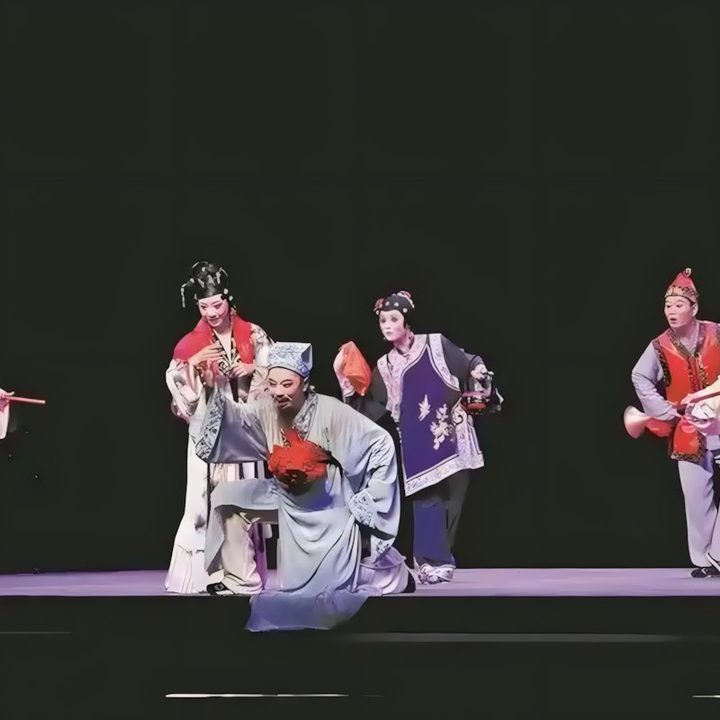
Liyuan Opera: Slow Drama with Song-Yuan Roots
Gentle pacing, fine gesture, and old Minnan verse — Quanzhou’s classical theatre for patient ears.
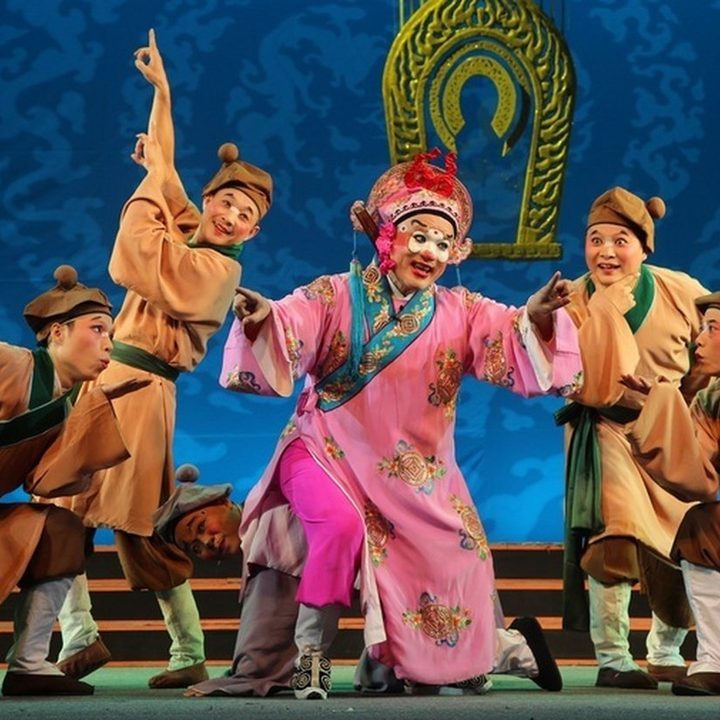
Gaojia Opera: Clowns, Banter, Temple-Fair Energy
Comic roles and lively stage talk — the folk opera that still wakes village squares and city theatres.
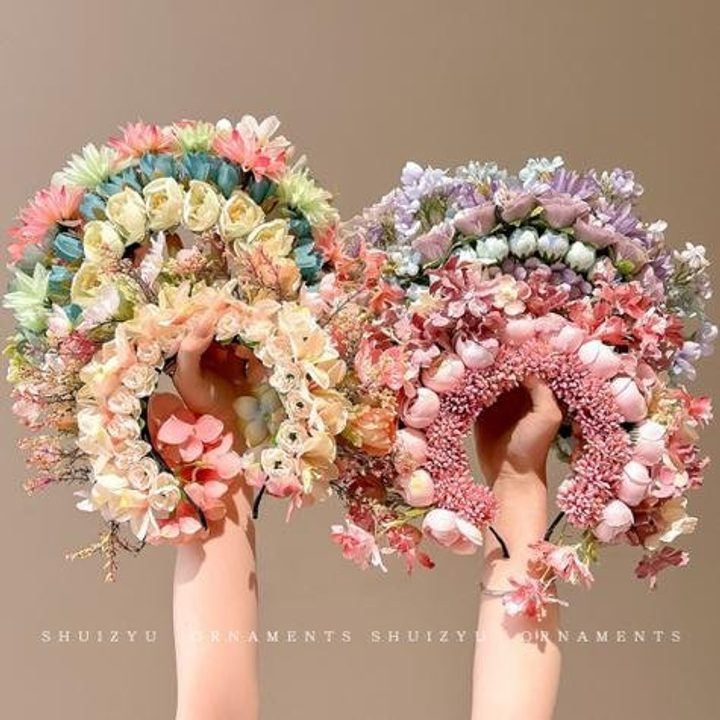
Xunpu Women: Flower Crowns by the Oyster Coast
Zanhuawei flowers, oyster-shell houses, and village lanes — visit with respect, leave with color.
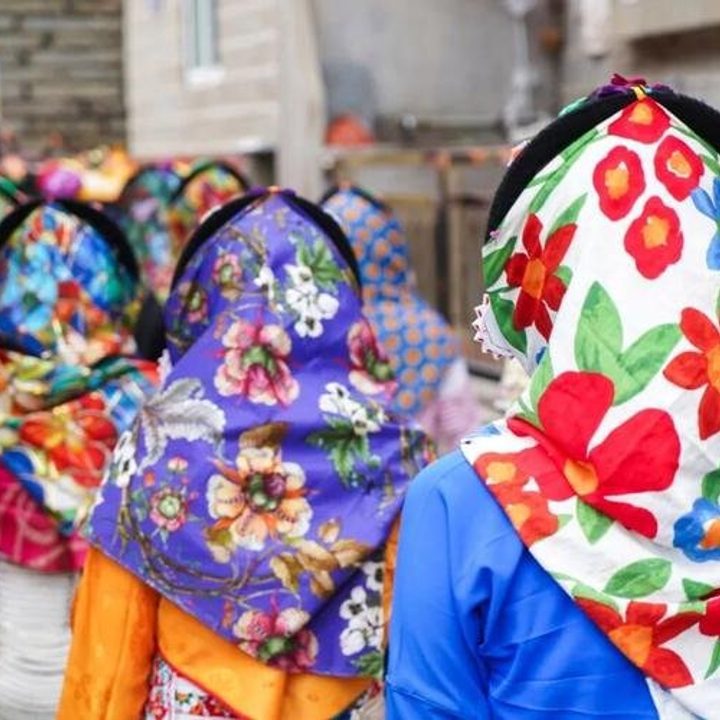
Hui’an Women’s Dress: Headscarves by the Sea
Bright scarves, short jackets, wide trousers — a coastal dress tradition still worn around Hui’an and Chongwu.