Anping Bridge: Five Li of Granite Across the Bay
China’s longest ancient stone beam bridge — 2,070 metres, oyster farms below, best walked at sunrise.
Updated 2026-08-07 · 767 words
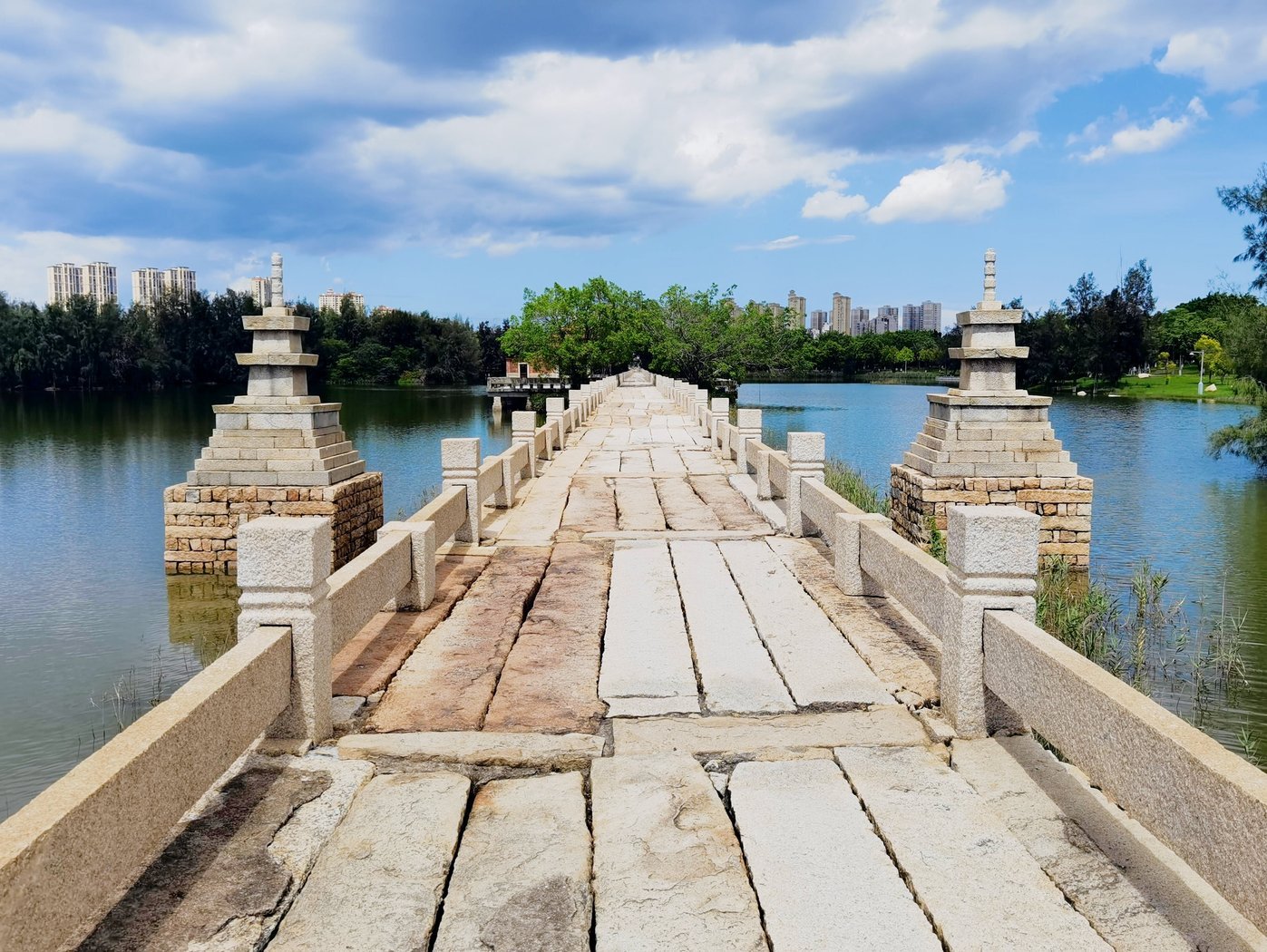
Anping Bridge — locally called Wuli Bridge, or "Five Li Bridge" — is one of those places that sounds impressive on paper and still surprises you when you finally stand on it. Stretching 2,070 meters across the bay between Anhai Town in Jinjiang and Shuitou Town in Nan'an, it is the longest surviving ancient stone beam bridge in China, and the view "Rainbow over Anping" describes exactly what you see from the shore: a low, pale granite arc running across the water as if it were drawn with a steady hand. From central Quanzhou the drive takes about fifty minutes, and there is parking in Anhai Town near the access points. The bridge is free to walk and technically open twenty-four hours, but I recommend crossing in daylight when you can see the oyster beds, fishing boats, and texture of the stone under your feet.
Walking one way takes about thirty to forty minutes at a comfortable pace, longer if you pause at the rest pavilions along the route. Mid-span you reach Shuixin Pavilion, also associated with the Wufei Shrine, which is the natural place to sit, drink water, and feel the wind off the bay. Tide matters more than most visitors expect. At low tide the mudflats and oyster farming structures emerge and the scene turns working-harbor practical; at higher tide the water color deepens and the bridge seems to float above a cleaner mirror. Foreign guests often enjoy the engineering story most of all — construction began in the Southern Song dynasty, and workers moved enormous stone blocks by boat before fitting them into this astonishingly long span. When you explain that the bridge was built stone by stone across open water, people usually slow down and start looking at each block differently.
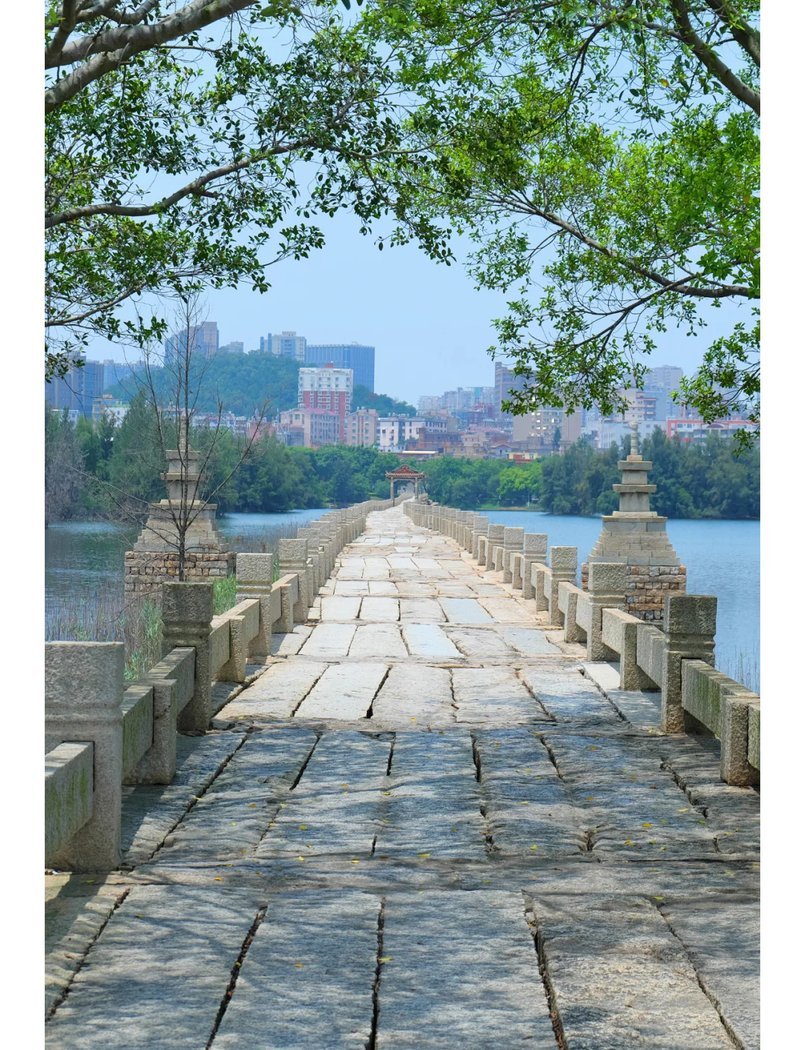
There is almost no shade on the bridge itself, so sun protection is not optional, especially in summer. The breeze can be strong as well, which feels wonderful after noon but can tug at hats and light jackets. Wear shoes that are fine on slightly uneven stone and bring water if you plan to walk the full length both ways — many first-time visitors underestimate how long 2,070 meters feels when you are out in the open sun. If you are traveling with older companions, consider walking one direction and arranging a pickup on the far side rather than committing to a full round trip without planning.
After your crossing, reward yourself in Anhai with local classics like tusundong jelly — a chilled seafood gelatin that sounds unusual and tastes refreshing on a hot day — or a bowl of beef soup at a simple neighborhood shop.
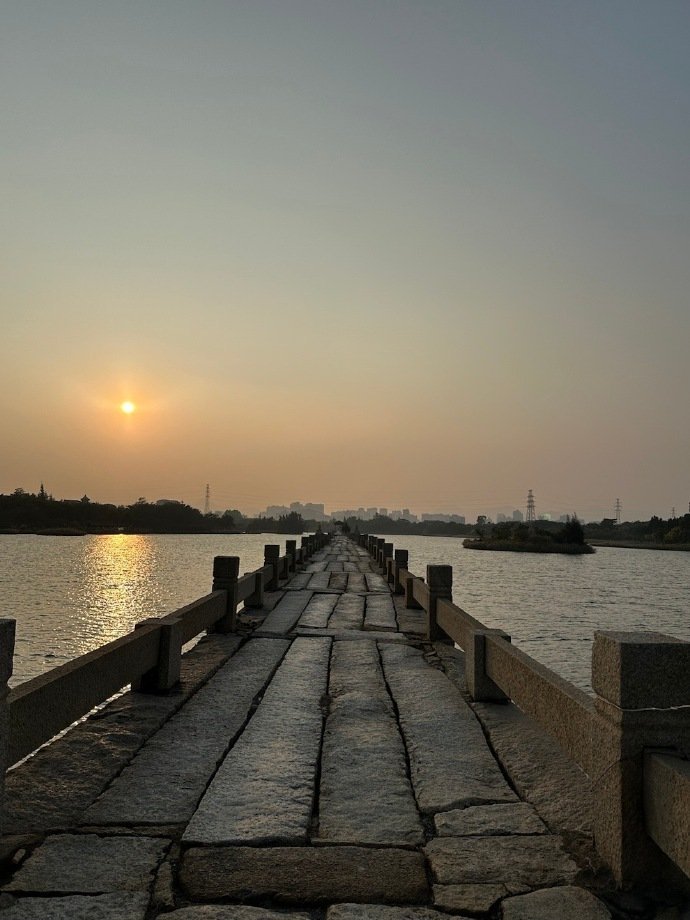
Anping Bridge fits beautifully into a day that also includes the Cai Clan Houses or other Nan'an sights, because it shows a different side of the same coastal culture: public infrastructure built to last centuries rather than private courtyard luxury. Take your time, read a few plaques if they are available, and watch how locals use the bridge as an ordinary walkway rather than a monument frozen in time. That everyday life moving across ancient stone is, for me, the real reason to come. Check the tide table on your phone before you set out if photography matters to you — many visitors prefer the higher-water look, while others want the oyster flats exposed. Either way, the bridge is free, uncrowded on weekday mornings, and one of the most satisfying walks in the Quanzhou area because it combines scale, history, and a working waterfront in a single straight line across the bay. Mid-span at Shuixin Pavilion is the best place to pause and feel how long the bridge really is — look back toward Anhai and forward toward Shuitou, and the stone seems to stretch forever above the tide line. The bridge is open twenty-four hours, but I still recommend daylight for your first crossing so you can see the oyster farms below and the rest pavilions clearly; save a return visit for sunset if you want the "Rainbow over Anping" mood with warmer light on the granite. Anhai parking is straightforward on weekdays, and the classic local lunch of tusundong jelly with beef soup gives you a reason to linger in town after the walk instead of driving straight back to Quanzhou. Remember there is almost no shade on the bridge deck, so sunscreen, a hat, and water are not optional in summer, even when the sea breeze makes the heat feel manageable. The full one-way walk takes about thirty to forty minutes at an easy pace, longer if you stop at every pavilion.
Last updated: 2026-08-07 · Visit Quanzhou editorial team · Report an error
Related guides
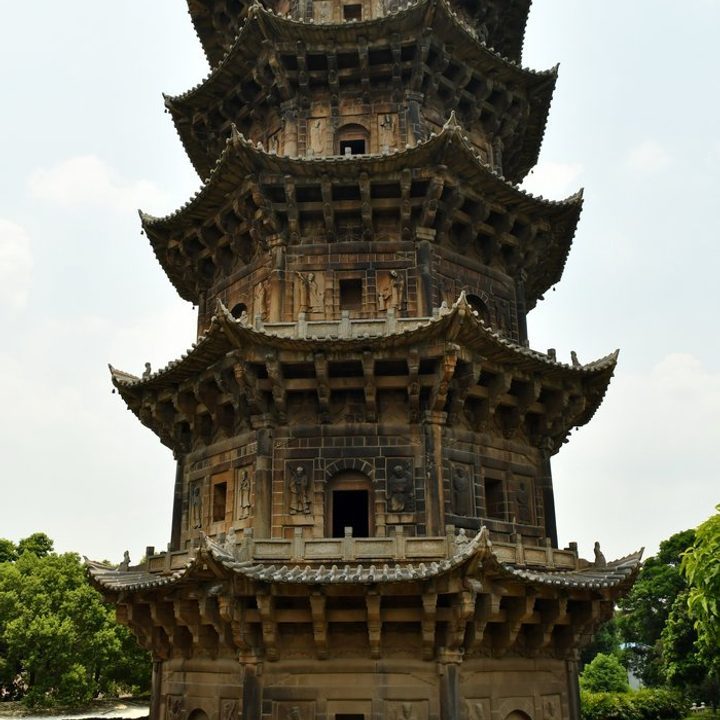
Kaiyuan Temple: Twin Pagodas Over West Street
Song-era stone towers, Tang halls, and a living monastery on Quanzhou’s busiest heritage street — plan 90 minutes and arrive early.
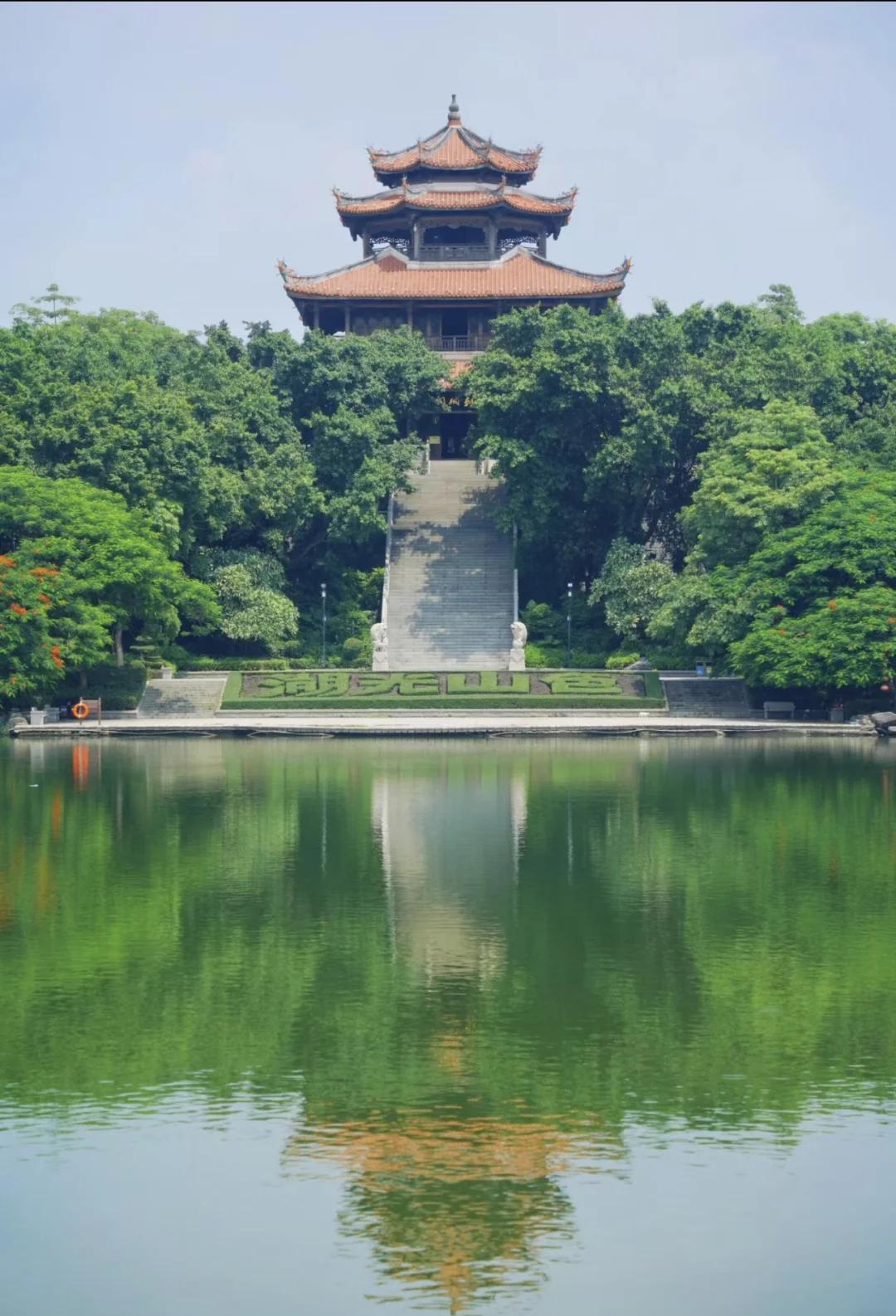
Quanzhou West Lake: Pagodas, Bonsai, and Morning Walks
City lake west of Kaiyuan Temple — free entry, flat paths, bonsai garden, and golden-hour photos over the water.
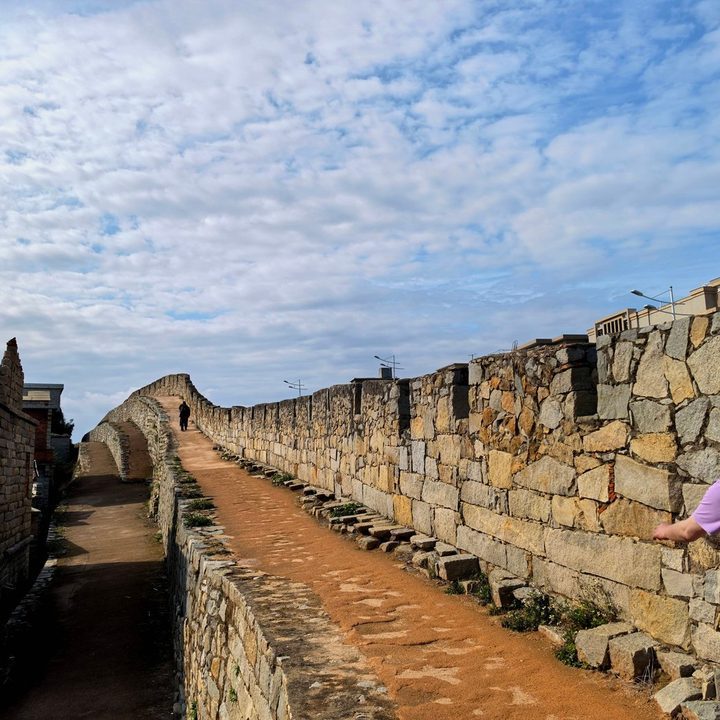
Chongwu Ancient City: Granite Walls and Sea Spray
Ming-era coastal fortress in Hui’an — walk the battlements, watch fishermen mend nets, and time your visit for low tide.
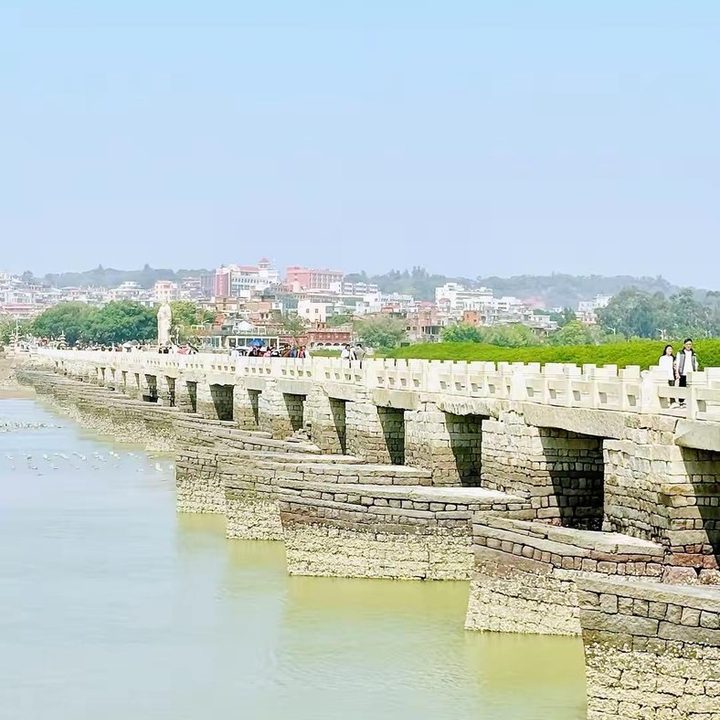
Luoyang Bridge: Song Stones Across the Luoyang River
One of China’s oldest cross-sea stone bridges — oyster-encrusted piers, Wen Temple at the north end, best at rising tide.
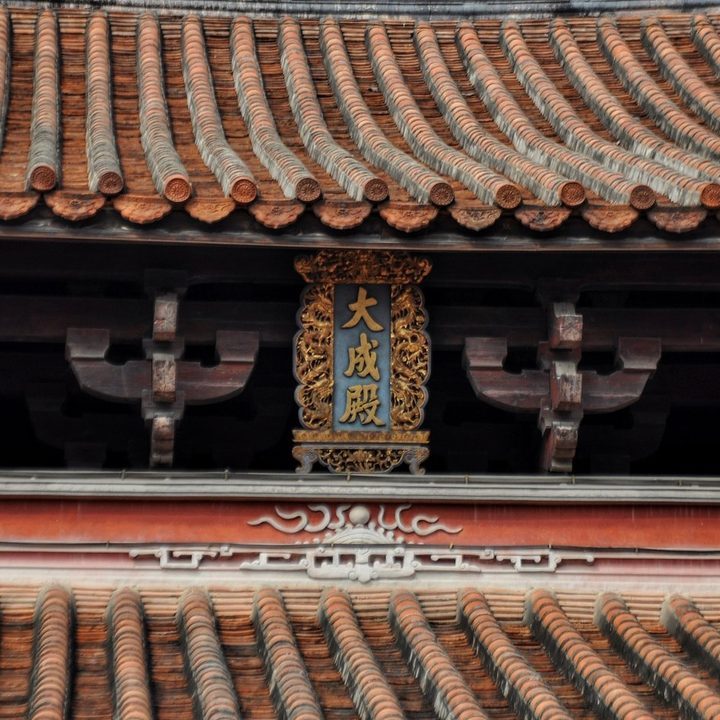
Quanzhou Confucian Temple: Song Bricks and Exam Halls
Large southern Confucian complex on Tumen Street — red walls, ancient banyan shade, and a quiet courtyard away from the crowds.
Niulincun: Cloud Forest and Sky Walk in Yongchun
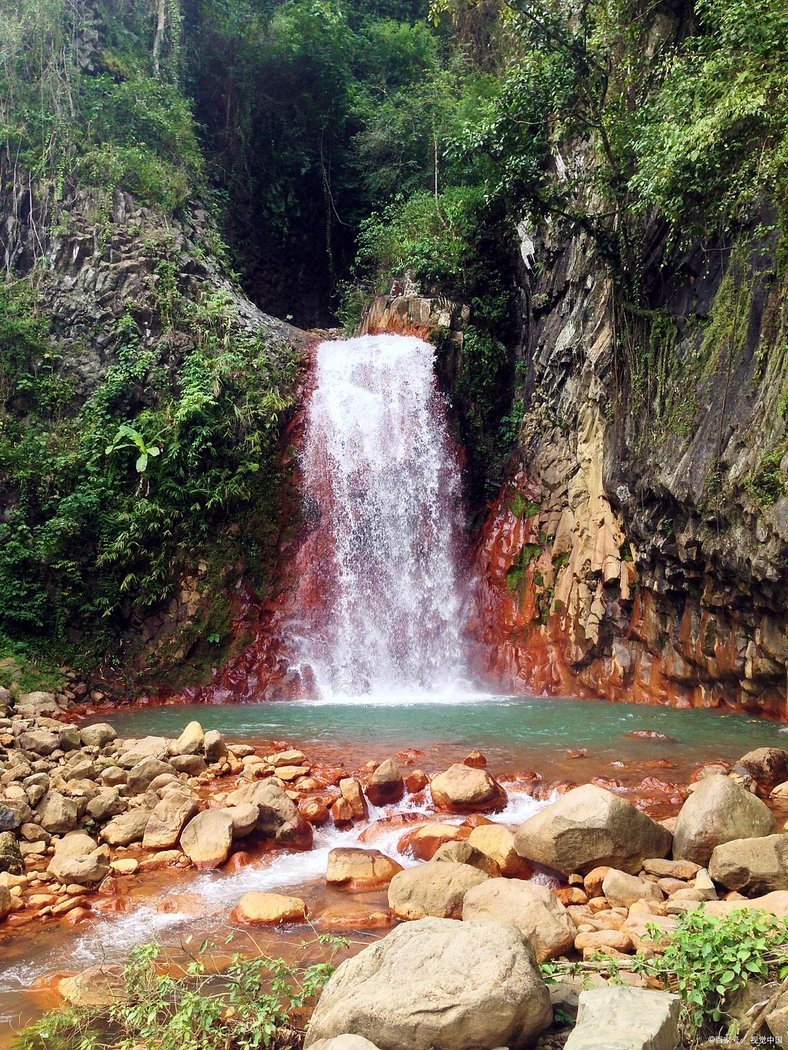
Subtropical nature reserve 40 km from downtown — canopy trails, cable car views, and cooler air in summer.