Cai Clan Houses: Minnan Mansions in Guanqiao
16 linked courtyard homes in Nan’an — red brick, granite, and clan stories on a guided 60-minute route.
Updated 2026-08-07 · 770 words

For a concentrated lesson in Minnan architecture without hunting through half-abandoned lanes, I send people to the Cai Clan Houses in Zhangli Village, Guanqiao Town, Nan'an — a cluster of sixteen red-brick and granite mansions that truly earns the name "Grand View of Ancient Dwellings." These are not museum replicas; they are living examples of how wealthy merchant families built, decorated, and organized space across generations, with courtyards opening into courtyards and carved detail everywhere you look. From central Quanzhou the drive takes about forty minutes, which makes the site a practical day-trip stop alongside Anping Bridge or Nan'an's Fengzhou old street. The first time you see the scale of the red walls lined up along the village lanes, you understand why this place is included among the city's eighteen most celebrated views.
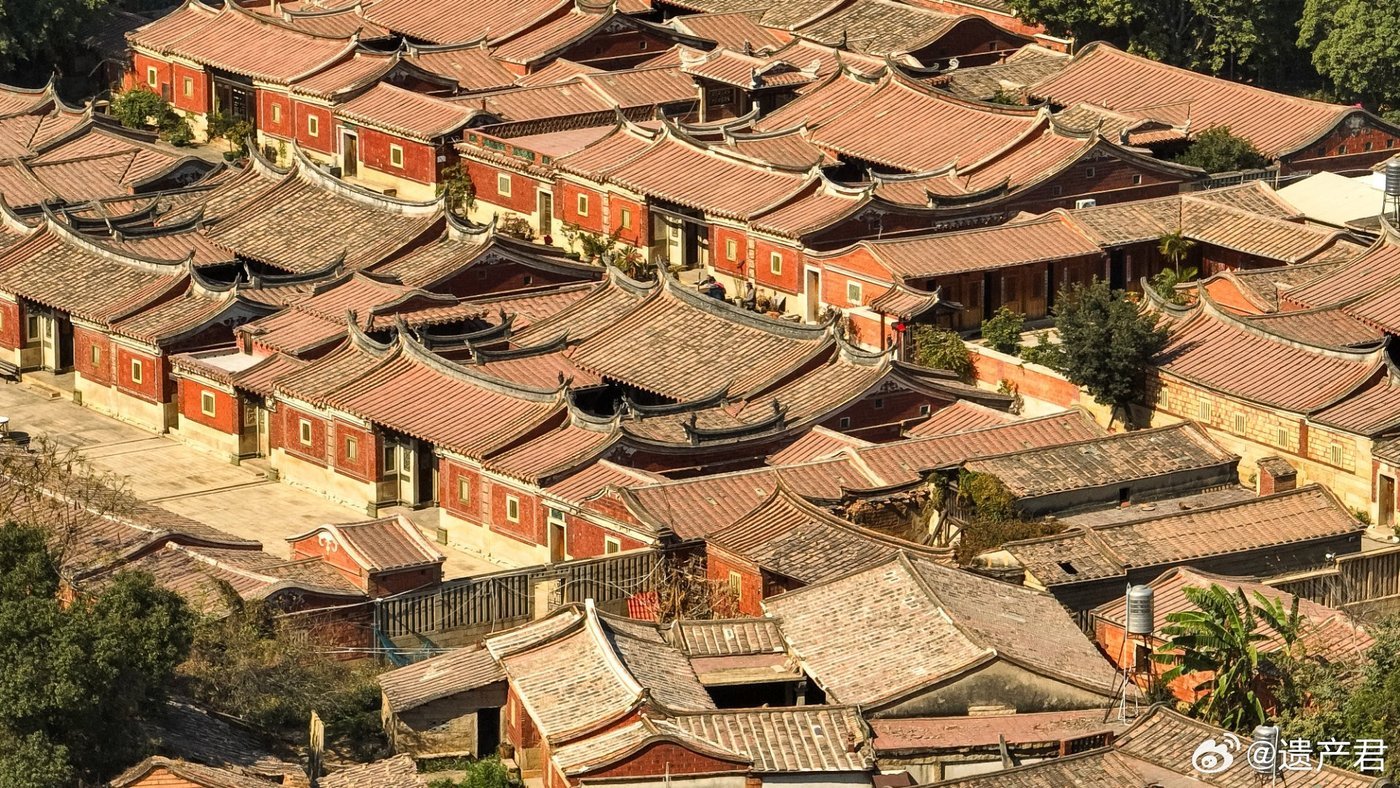
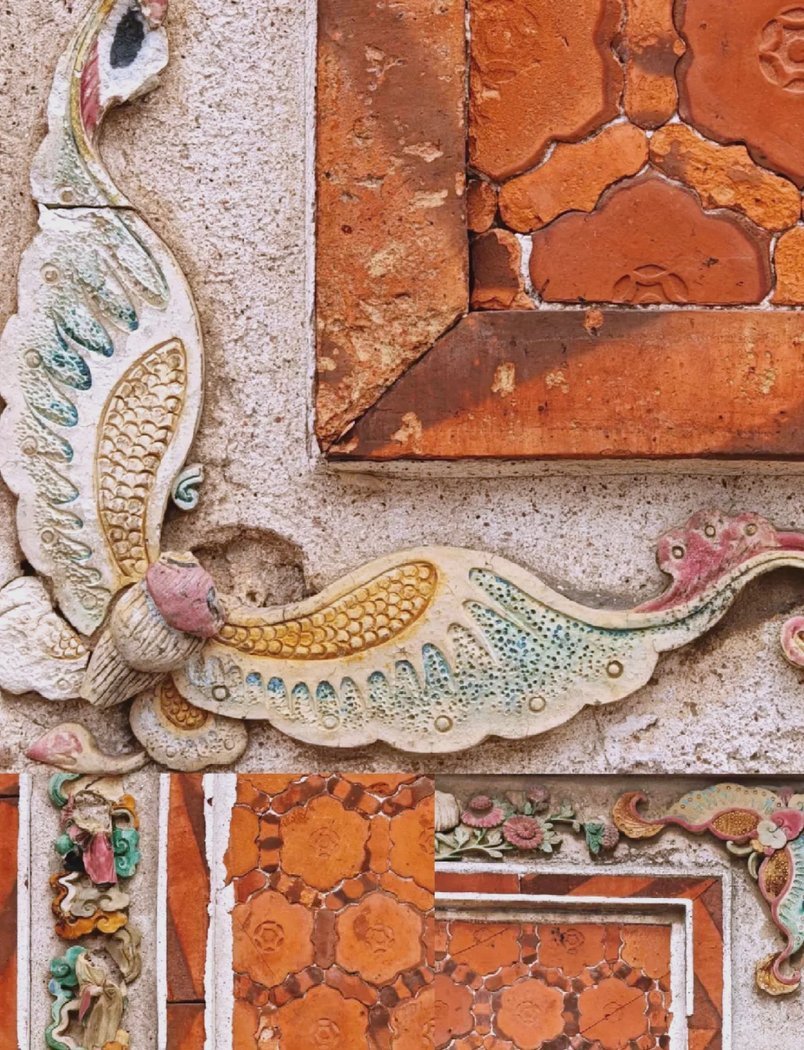
Admission is about thirty yuan, and I strongly suggest joining the guided explanation if one is available when you arrive. Without a guide it is easy to admire the walls and still miss the stories — which clan branch lived where, why certain windows look almost European, and what the brick carvings were saying about status, protection, and prosperity. The visit follows a one-way route through the main complexes and takes roughly sixty to ninety minutes depending on how much time you spend studying the woodwork and stone relief. Guides usually point out details you would walk past, such as subtle symbols in the brick panels or the logic of how reception halls face the street while private quarters turn inward.
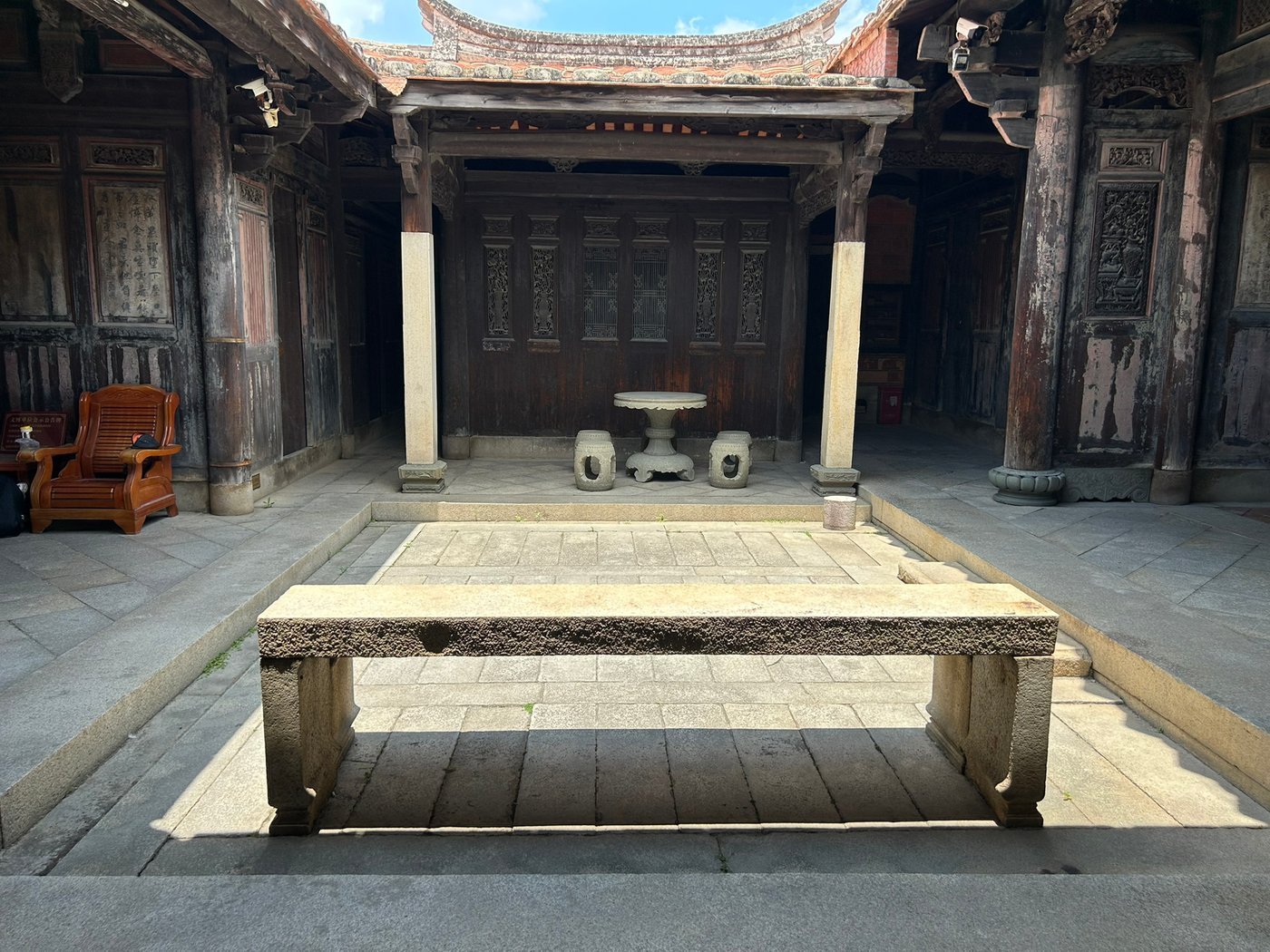
Look especially for the classic four-courtyard layouts, the formal reception halls where guests would have been received, and the extraordinary mix of local craft with outside influence: delicate brick carving, heavy timber brackets, and window screens that show the touch of Southeast Asia and the Chinese diaspora trade routes. Some rooms are not air-conditioned, and in summer they can feel hot and close, so wear light clothing, drink water, and do not rush the shaded corridors where the temperature drops noticeably. Photography is welcome in most areas, but obey any private-property signs and stay out of rooms marked off-limits — several buildings still belong to descendants of the original clan, and respecting those boundaries keeps the site open and welcoming for everyone.
Plan for walking on stone and brick surfaces with comfortable shoes and a hat for sun protection, because there is little cover between buildings. Combined with Anping Bridge in the morning and the Cai houses in the afternoon, you get a superb one-day itinerary through Jinjiang and Nan'an that shows both public engineering and private luxury in the same region. Foreign visitors often find this site more accessible than scattered village ruins because everything is grouped, labeled, and coherent, yet it still feels human in scale — a reminder that Quanzhou's golden age was built not only on ports and ships but on families who poured their wealth into brick, granite, and carved stories.

Leave a little time at the end to stand in a courtyard and look up at the rooflines; that quiet upward view is where the "grand" in the name finally makes sense. The site is not as crowded as downtown temples, but tour groups do arrive mid-morning, so arriving right at opening time or after lunch often gives you clearer photos of the brick carving without people in every frame. If no official guide is available, download or screenshot a short background note on Minnan architecture before you go — even a little context turns "pretty red walls" into a story about merchants, migration, and craft that foreign guests can follow easily. Nan'an Fengzhou old street is a natural follow-up if you still have an hour in the afternoon for tea, snacks, and a slower village pace after the structured walk through the clan houses. Ticket in hand, give yourself the full sixty to ninety minutes the route deserves — rushing through the halls turns an architectural masterpiece into a blur of red brick, and the carvings reward slow looking. The one-way path keeps foot traffic orderly, so if you want a second pass at a favorite courtyard, finish the circuit first and ask staff whether a brief return is possible before the next group enters. At about thirty yuan admission, the Cai houses are one of the best-value heritage stops outside the city center, especially when you follow the guided explanation and leave with more than photos of red walls. Wear light shoes, carry water, and treat the no-entry signs seriously — they protect both private family spaces and the fragile interiors that make the visit worth taking slowly.
Last updated: 2026-08-07 · Visit Quanzhou editorial team · Report an error
Related guides
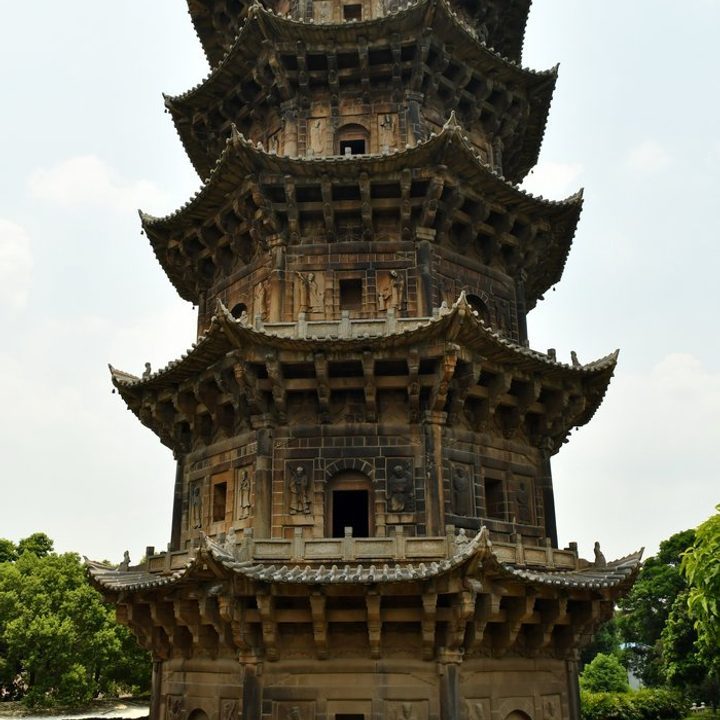
Kaiyuan Temple: Twin Pagodas Over West Street
Song-era stone towers, Tang halls, and a living monastery on Quanzhou’s busiest heritage street — plan 90 minutes and arrive early.
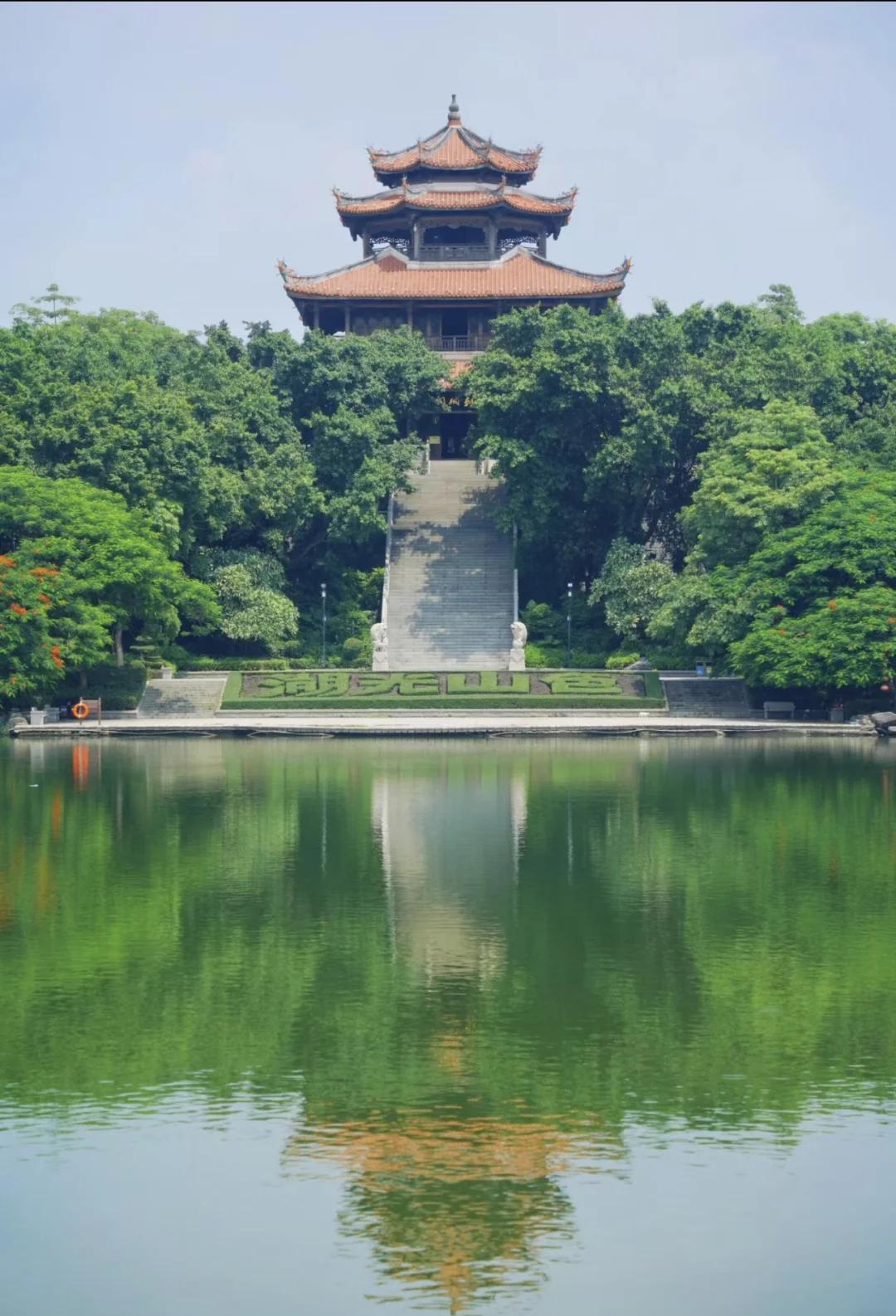
Quanzhou West Lake: Pagodas, Bonsai, and Morning Walks
City lake west of Kaiyuan Temple — free entry, flat paths, bonsai garden, and golden-hour photos over the water.
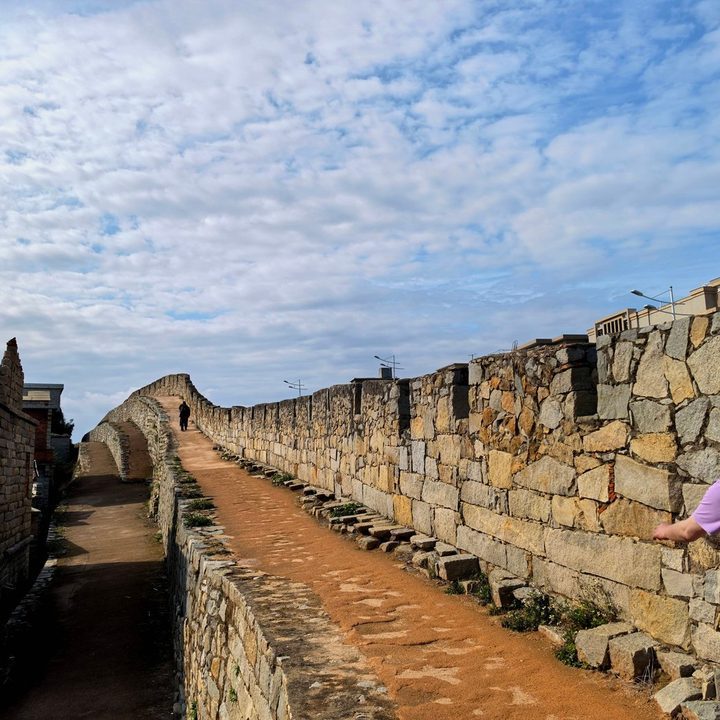
Chongwu Ancient City: Granite Walls and Sea Spray
Ming-era coastal fortress in Hui’an — walk the battlements, watch fishermen mend nets, and time your visit for low tide.
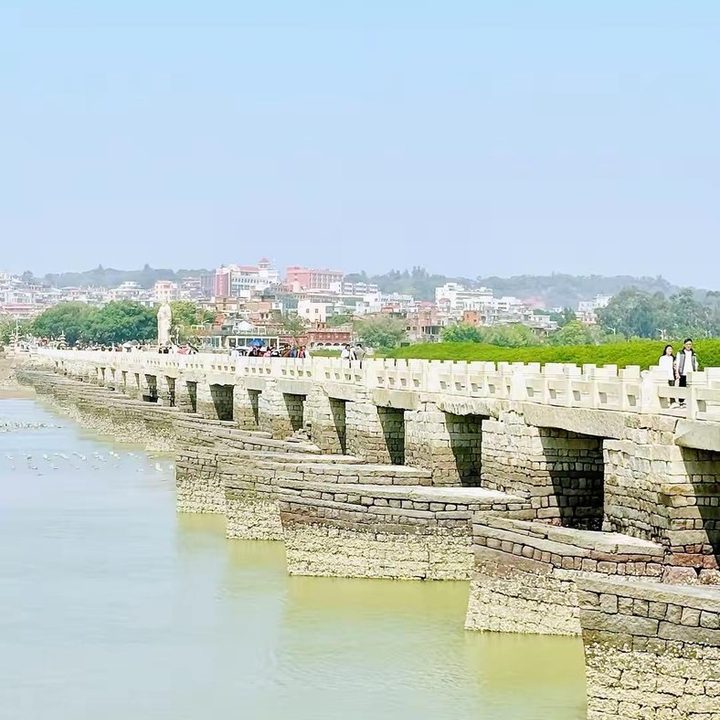
Luoyang Bridge: Song Stones Across the Luoyang River
One of China’s oldest cross-sea stone bridges — oyster-encrusted piers, Wen Temple at the north end, best at rising tide.
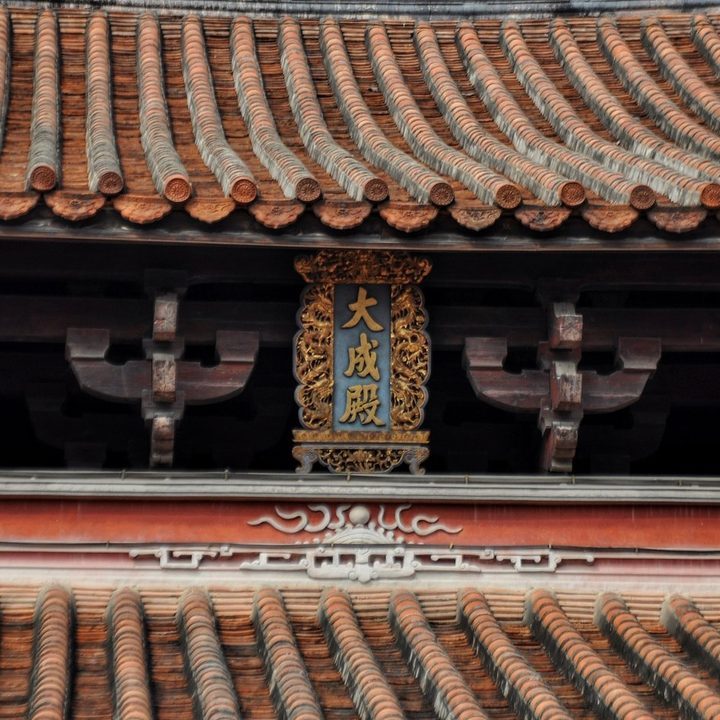
Quanzhou Confucian Temple: Song Bricks and Exam Halls
Large southern Confucian complex on Tumen Street — red walls, ancient banyan shade, and a quiet courtyard away from the crowds.
Niulincun: Cloud Forest and Sky Walk in Yongchun
Subtropical nature reserve 40 km from downtown — canopy trails, cable car views, and cooler air in summer.