Daixian Waterfall: Dehua’s Canyon Plunge
70-metre drop in a granite gorge — rainy season power, boardwalk mist, and a 2-hour drive from Quanzhou city.
Updated 2026-08-07 · 775 words
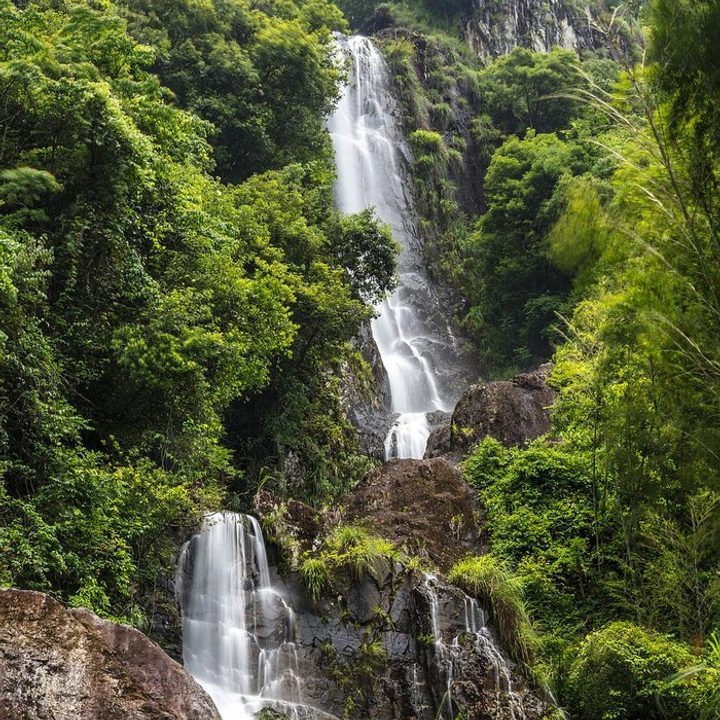
If you are willing to drive a little farther from the coast, Daixian Waterfall in Shuikou Town, Dehua County, is the kind of place that reminds you how green and vertical Fujian can be. "Flying Falls of Daixian" is one of East China's most dramatic drops — the main cascade totals about 184 meters across multiple tiers — and in the rainy season the name feels literal: water roars down the cliff, mist hits your face, and rainbows appear in the spray as if the mountain is showing off. From central Quanzhou it is roughly 120 kilometers and about two hours by car, so most visitors wisely combine it with a Dehua porcelain day rather than making the trip for the waterfall alone. The drive itself is part of the pleasure, winding through hills that feel a world away from the busy lanes of the old city.
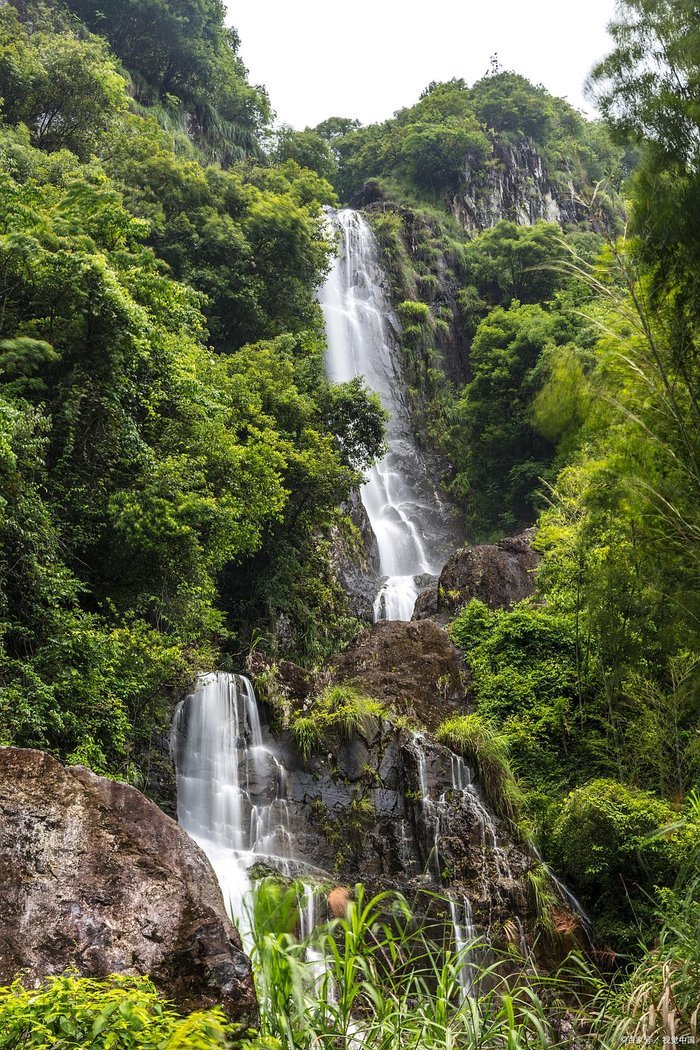
Tickets are about sixty-five yuan and typically include the shuttle from the visitor center, which you will appreciate once you see how the road climbs into the forest. The usual route is simple: ride to the trailhead, walk about twenty minutes along a plank path to the main viewing platform, then — if you are steady on your feet — continue down into the gorge where the waterfall noise becomes physical and the steps stay damp even on dry days. Plan two to three hours for the full loop and return the same way. The best water volume runs from May through September, when summer storms and seasonal rains feed the upper streams; in the dry months from December to February the flow is thinner, but the cliffs, moss, and forest still make the journey worthwhile if you set expectations for a quieter, more delicate scene.
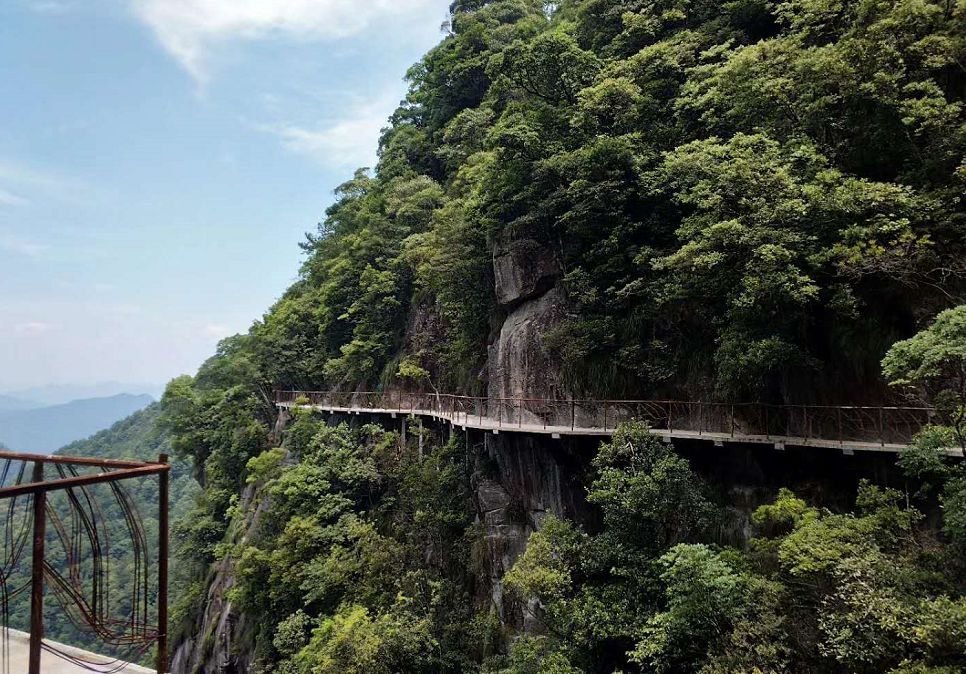
Come prepared like you would for any mountain gorge, not a city park. A light rain poncho or quick-dry clothing makes the mist enjoyable instead of uncomfortable, and if you are carrying a camera or phone, keep it in a zip bag between shots because the spray reaches farther than you think. Footwear with real grip matters because the lower steps can be slippery with spray and algae, especially near the gorge floor where the waterfall fills the air with fine droplets. Hold the handrail on descents, take your time, and do not treat the wet stairs as a race — the view will still be there when you arrive. Families with small children can enjoy the upper viewing deck without going all the way down, and that is a perfectly good choice if anyone in the group feels unsure on slick stone.
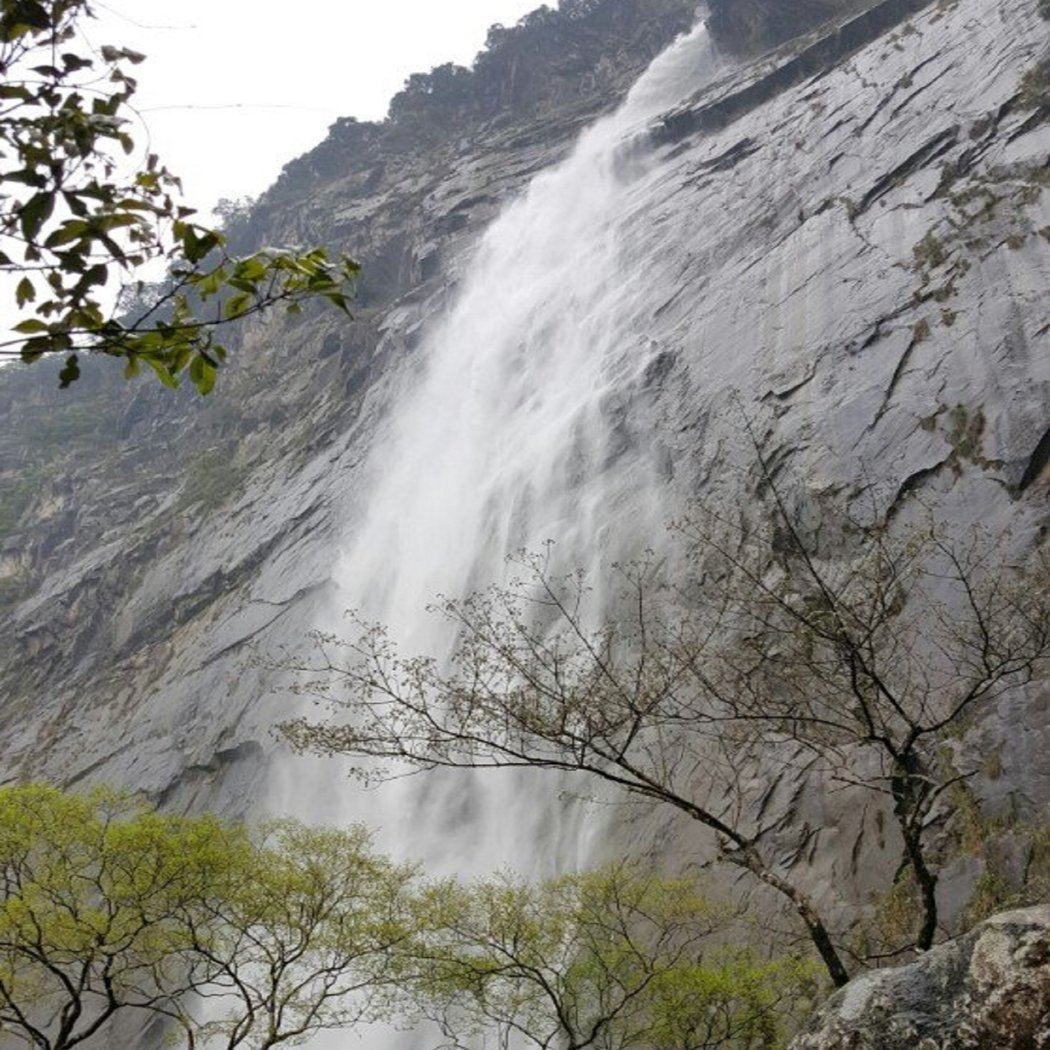
Weather in these hills changes quickly — I have started a hike in mild sunshine and reached the viewing deck in cool wind — so tuck a thin fleece or windbreaker into your daypack even in summer. Near the scenic area you can also explore local craft culture, including Shuikou's distinctive snake-shaped liquor and Dehua's famous blanc de Chine porcelain workshops, which gives the trip a cultural anchor beyond the waterfall itself. For foreign travelers the logistics are straightforward: hire a driver or join a day tour if you do not want to navigate mountain roads yourself, start early to avoid rushing the trail, and treat the gorge descent as optional if anyone in your group prefers to stay on the upper platform. Stand quietly at the main viewing deck for a minute when you arrive — the sound fills the valley completely, and that is the moment you will remember on the long drive back to Quanzhou.
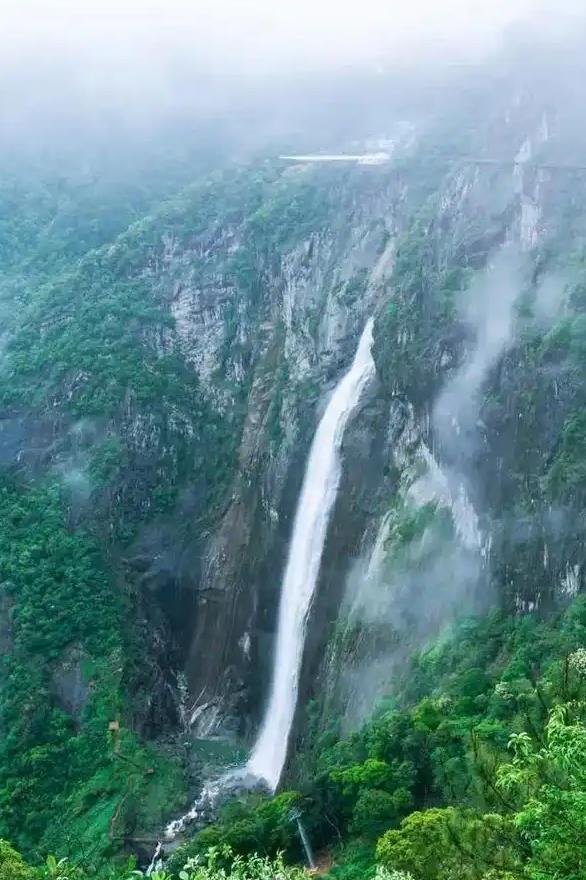
If you are combining the waterfall with a Dehua porcelain workshop visit, schedule the falls first while your legs are fresh, then enjoy the slower pace of kiln towns and showrooms in the afternoon. Tell your driver clearly that you want the full gorge loop only if everyone in the group is comfortable on wet stairs; the upper platform alone still delivers the drama of "Flying Falls of Daixian" without the slippery descent. Shuikou snake-shaped liquor makes an unusual souvenir if you collect local food traditions, and a short stop at a blanc de Chine workshop rounds out the day with the craft that put Dehua on the map. Keep a thin jacket in the car even when downtown Quanzhou feels warm — the gorge corridor stays cool and damp year-round, and that temperature drop catches many first-time visitors by surprise. The visitor-center shuttle saves time on the mountain road, so use it unless you enjoy walking the access lane; most people prefer to spend their energy on the plank path and the main viewing deck where the waterfall actually roars.
Last updated: 2026-08-07 · Visit Quanzhou editorial team · Report an error
Related guides
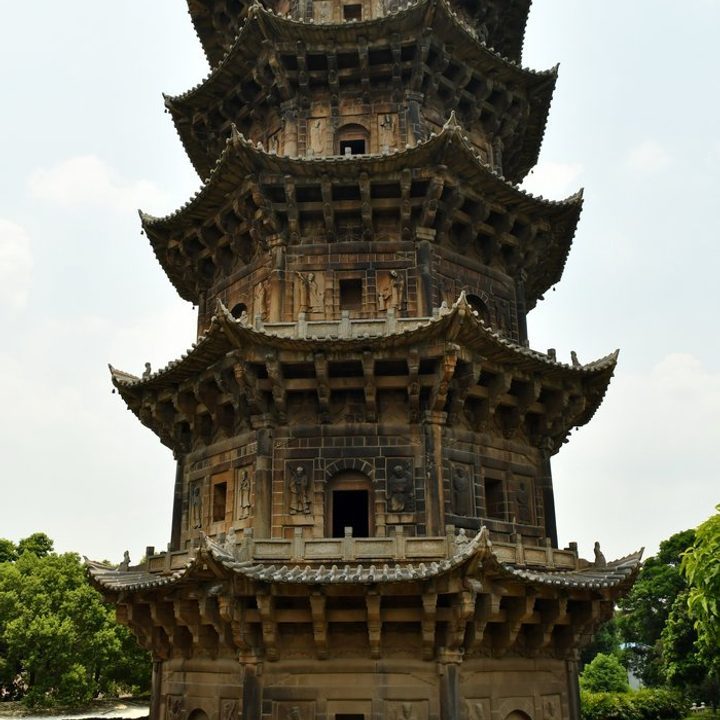
Kaiyuan Temple: Twin Pagodas Over West Street
Song-era stone towers, Tang halls, and a living monastery on Quanzhou’s busiest heritage street — plan 90 minutes and arrive early.
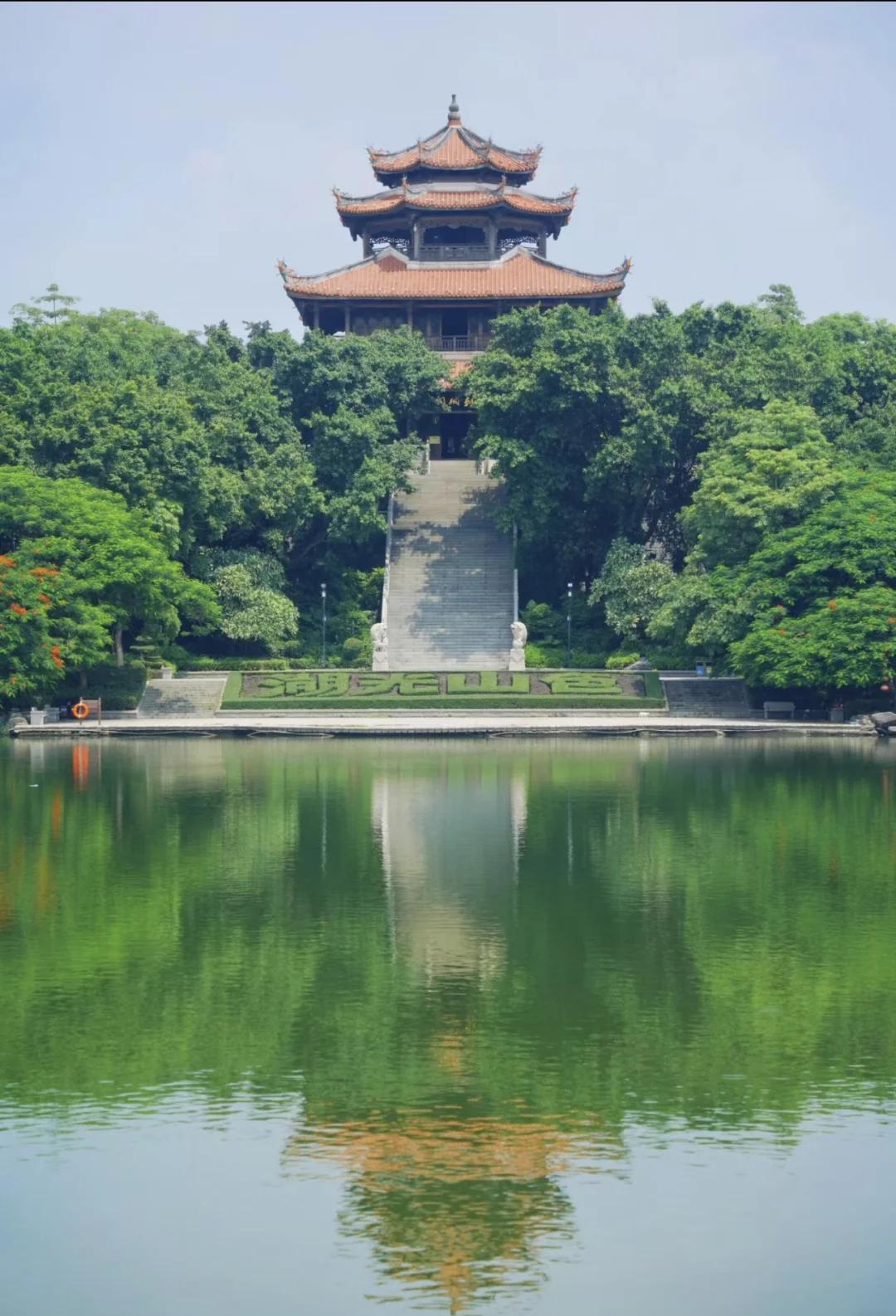
Quanzhou West Lake: Pagodas, Bonsai, and Morning Walks
City lake west of Kaiyuan Temple — free entry, flat paths, bonsai garden, and golden-hour photos over the water.
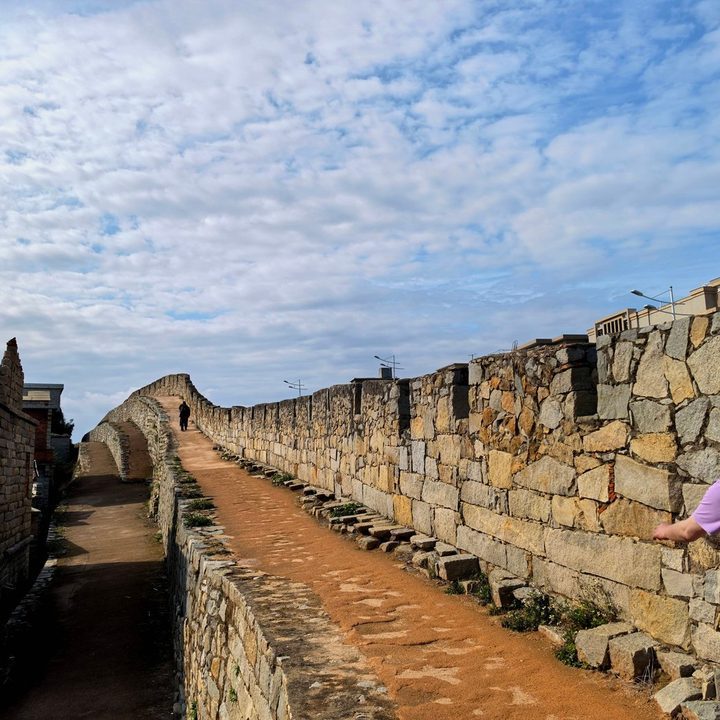
Chongwu Ancient City: Granite Walls and Sea Spray
Ming-era coastal fortress in Hui’an — walk the battlements, watch fishermen mend nets, and time your visit for low tide.
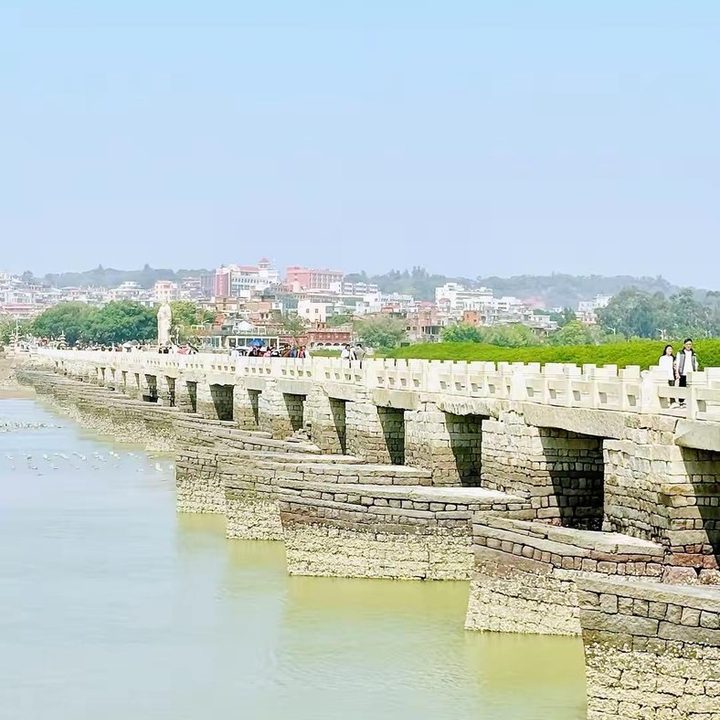
Luoyang Bridge: Song Stones Across the Luoyang River
One of China’s oldest cross-sea stone bridges — oyster-encrusted piers, Wen Temple at the north end, best at rising tide.
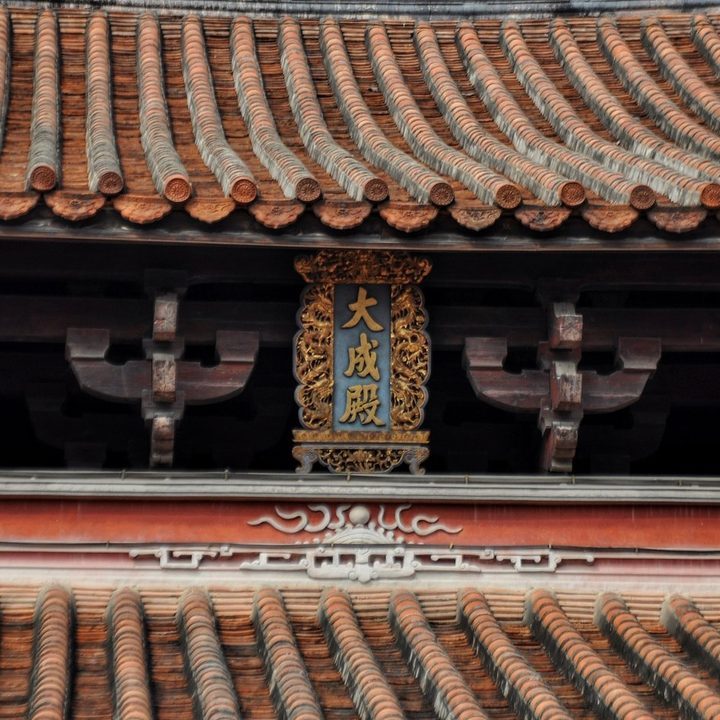
Quanzhou Confucian Temple: Song Bricks and Exam Halls
Large southern Confucian complex on Tumen Street — red walls, ancient banyan shade, and a quiet courtyard away from the crowds.
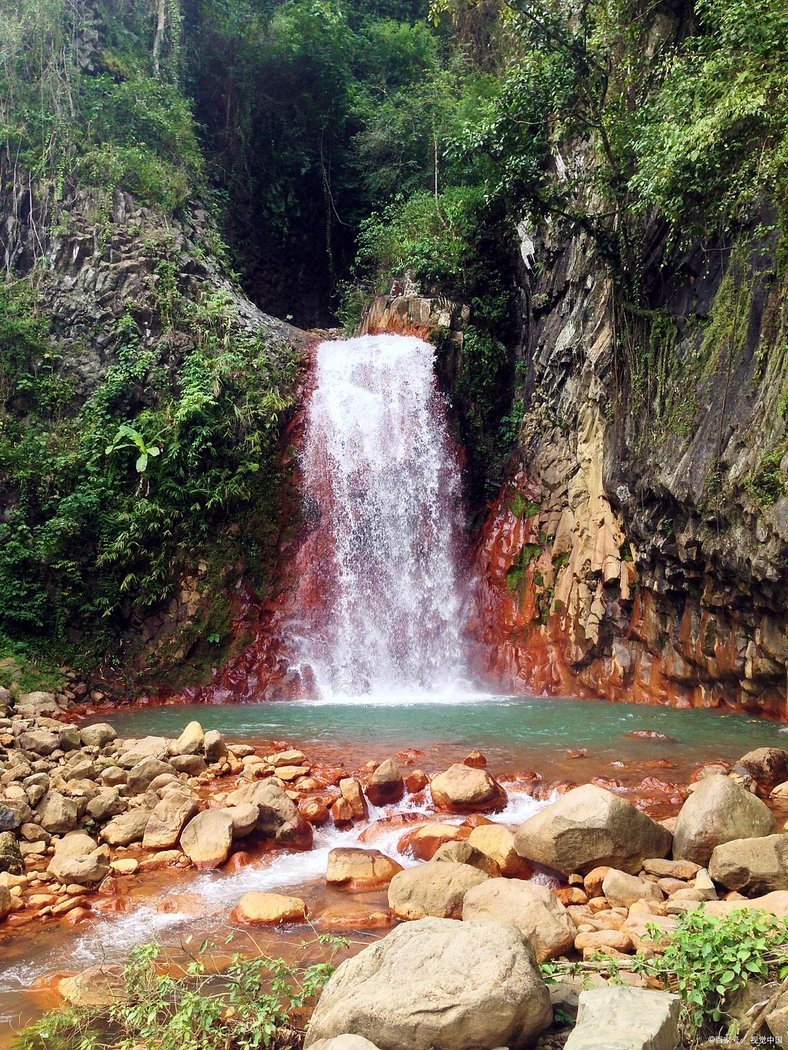
Niulincun: Cloud Forest and Sky Walk in Yongchun
Subtropical nature reserve 40 km from downtown — canopy trails, cable car views, and cooler air in summer.