East Lake Park: Lotus Ponds and Tang-Era Roots
Northeast city lake — summer lotus, lakeside teahouses, and a gentle loop before visiting nearby Wen Temple.
Updated 2026-08-07 · 760 words
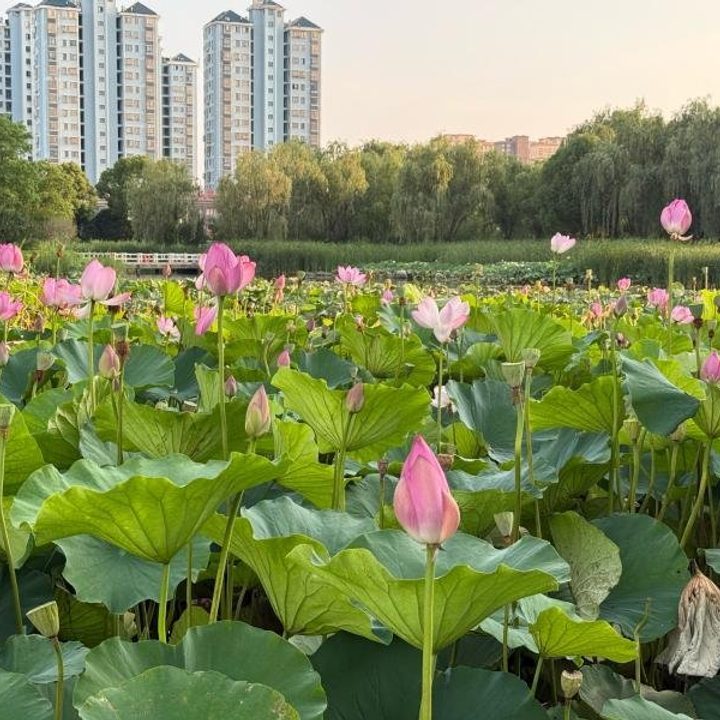
East Lake Park in northeastern Licheng is one of Quanzhou's earliest developed lake gardens, and the classic name "Lotus Scent at East Lake" comes from the old city eight views that poets used to memorize. It is smaller and more neighborhood in feel than West Lake, which is exactly why I like bringing foreign visitors here — you see ordinary city life happening around a beautiful body of water, not only a curated scenic spot. Entry is free, and the park is generally open from about six in the morning until ten at night, which makes it easy to slot into almost any itinerary. Buses 10 and 22 stop at East Lake Park station, and the lake sits close to landmarks such as Quanzhou Hotel and the Overseas Chinese Sports Center, so finding it by map or taxi is straightforward even if you do not read Chinese street signs.
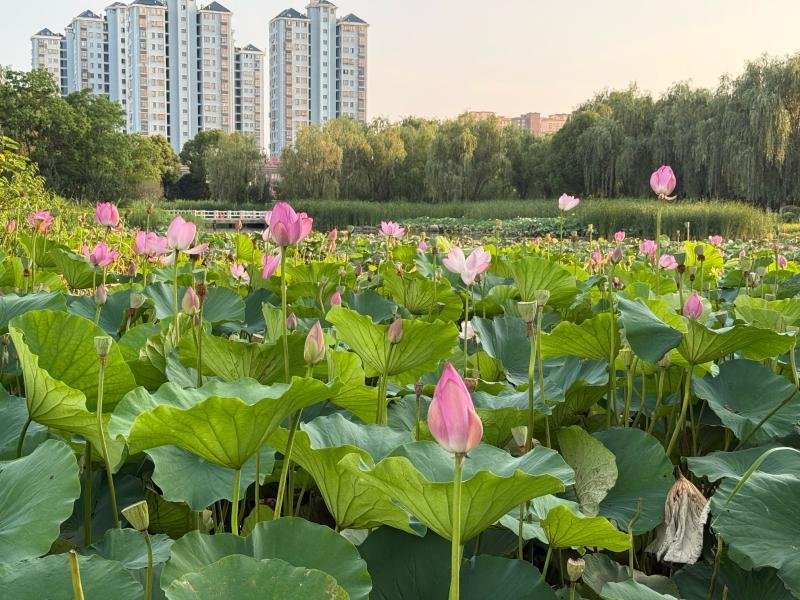
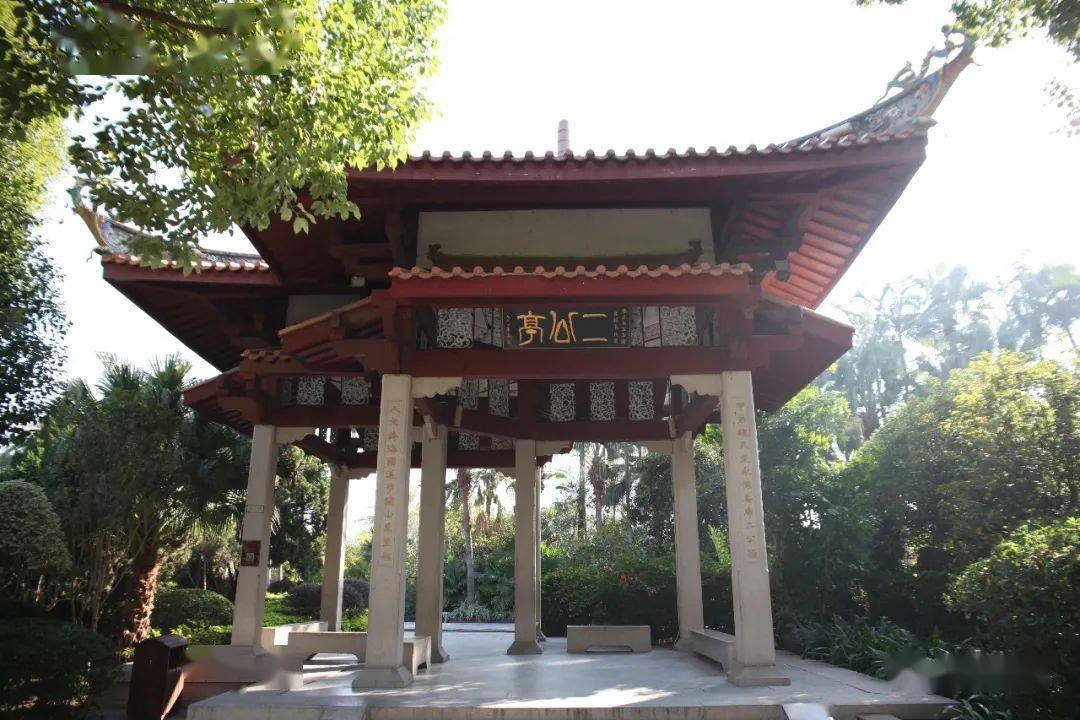
A full loop around the water takes roughly thirty minutes at a relaxed pace, though most people stay longer because there are plenty of reasons to pause. The small island in the center, Ergong Pavilion, and the Minnan-style pavilions along the shore give the walk a gentle rhythm of bridges, shade, and open water. If you come between June and August, the lotus beds are the headline — broad leaves, pink and white blooms, and that sweet heavy scent that explains the old poetic name better than any translation can. Even outside lotus season the park remains pleasant for a morning stroll or an evening wind-down after visiting the Confucian Temple or Guan Yu Temple nearby. Bring a light jacket if you arrive early, because mist often hangs low over the water before the sun burns through.
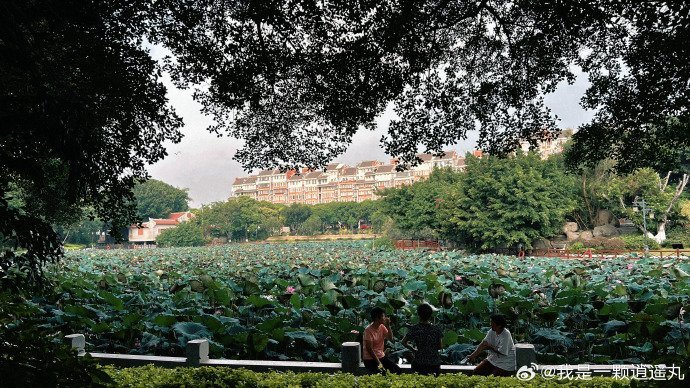
What makes East Lake special is sound as much as scenery. Older residents gather to sing, play instruments, exercise, and play chess under the trees, and the atmosphere is unselfconsciously local. You do not need a ticket or a tour guide to enjoy it; you simply walk, watch, and let the city show you how it lives beside its own history. Foreign guests who have already seen grand capital-city parks often tell me this one feels more honest — less performance, more habit. Sit on a bench for ten minutes and you will understand why generations of Quanzhou families treat the lake as an extension of their living room.
Summer visitors should bring mosquito repellent, especially near the water in the early morning and dusk when the insects are busiest.
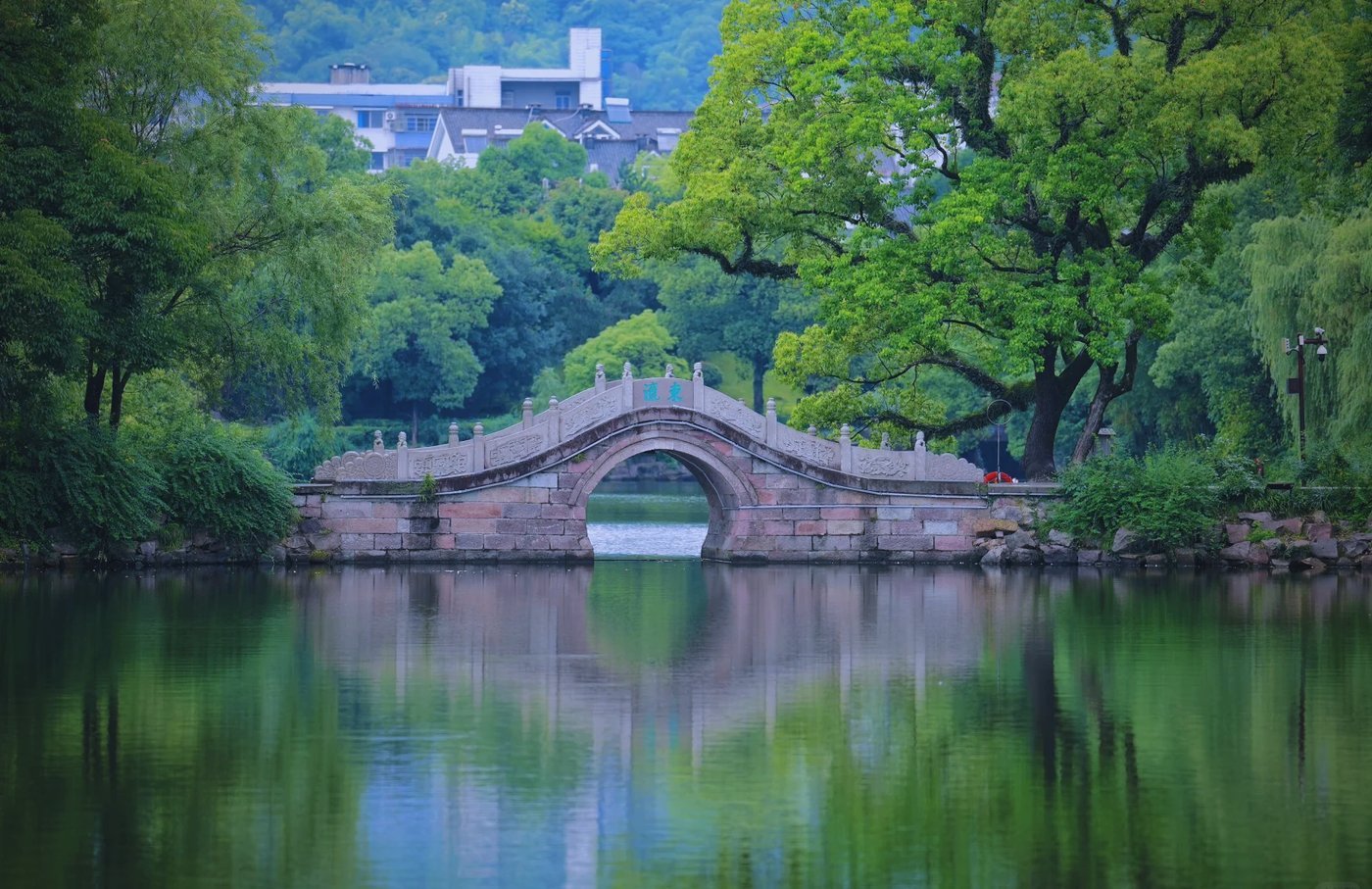
If you want photographs of lotus flowers without a crowd of tripods and selfie sticks, choose a weekday morning rather than a weekend afternoon in peak bloom. I often recommend East Lake as the softer half of a half-day old-city route: temples and stone arches in the morning, then an hour by the lake to breathe and reset before dinner. There are no dramatic climbs or long drives — just water, pavilion roofs, and the steady pace of Quanzhou residents who have been coming here for generations. That quiet familiarity is the gift of the place, and it costs nothing but a little time. If you are building a gentle first day in Quanzhou for jet-lagged guests, East Lake is ideal after lunch — flat paths, shade, and no ticket queues. The lotus season from June through August is the classic time to visit, but autumn walks here are underrated too, when the heat eases and the park fills with evening exercisers. Stop at Ergong Pavilion if you want a fixed point to orient yourself before completing the loop back to the main gate near the bus stop. Because the park sits beside Quanzhou Hotel and the Overseas Chinese Sports Center, it is easy to combine with a city-center lunch or an evening stroll after temple visits — no advance booking, no tour group, just a lake that has welcomed locals since the city's earliest landscaped gardens took shape. Buses 10 and 22 drop you close to the main gate, and the six-to-ten-at-night closing window means you can treat the lake as a calm end to a busy sightseeing day rather than another rushed checkpoint. Confucian Temple and Guan Yu Temple are close enough for a walking half-day, and the lotus beds between June and August remain the classic reason to come — broad leaves, pink blooms, and the old poetic name "Lotus Scent at East Lake" finally making sense in person. Bring mosquito repellent in warm months, and choose a weekday morning in lotus season if you want photos without the weekend crowd.
Last updated: 2026-08-07 · Visit Quanzhou editorial team · Report an error
Related guides
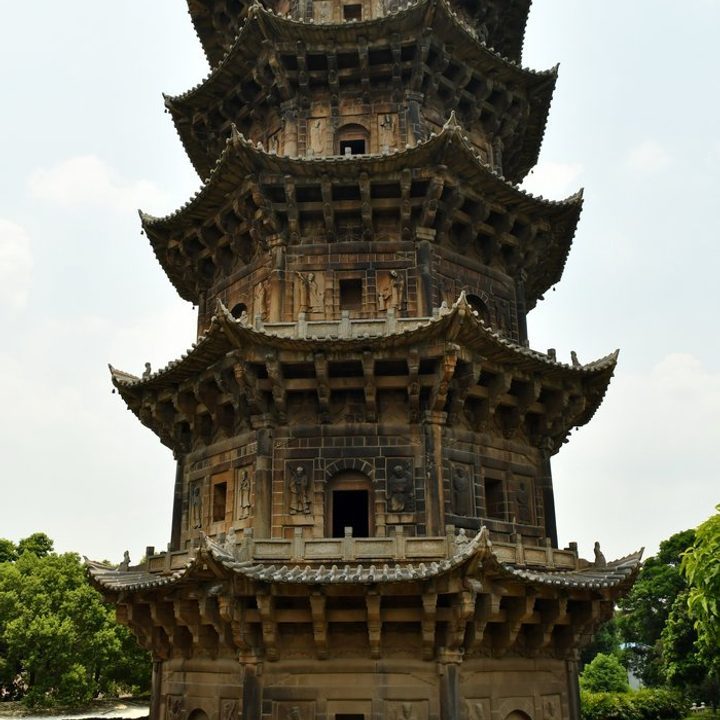
Kaiyuan Temple: Twin Pagodas Over West Street
Song-era stone towers, Tang halls, and a living monastery on Quanzhou’s busiest heritage street — plan 90 minutes and arrive early.
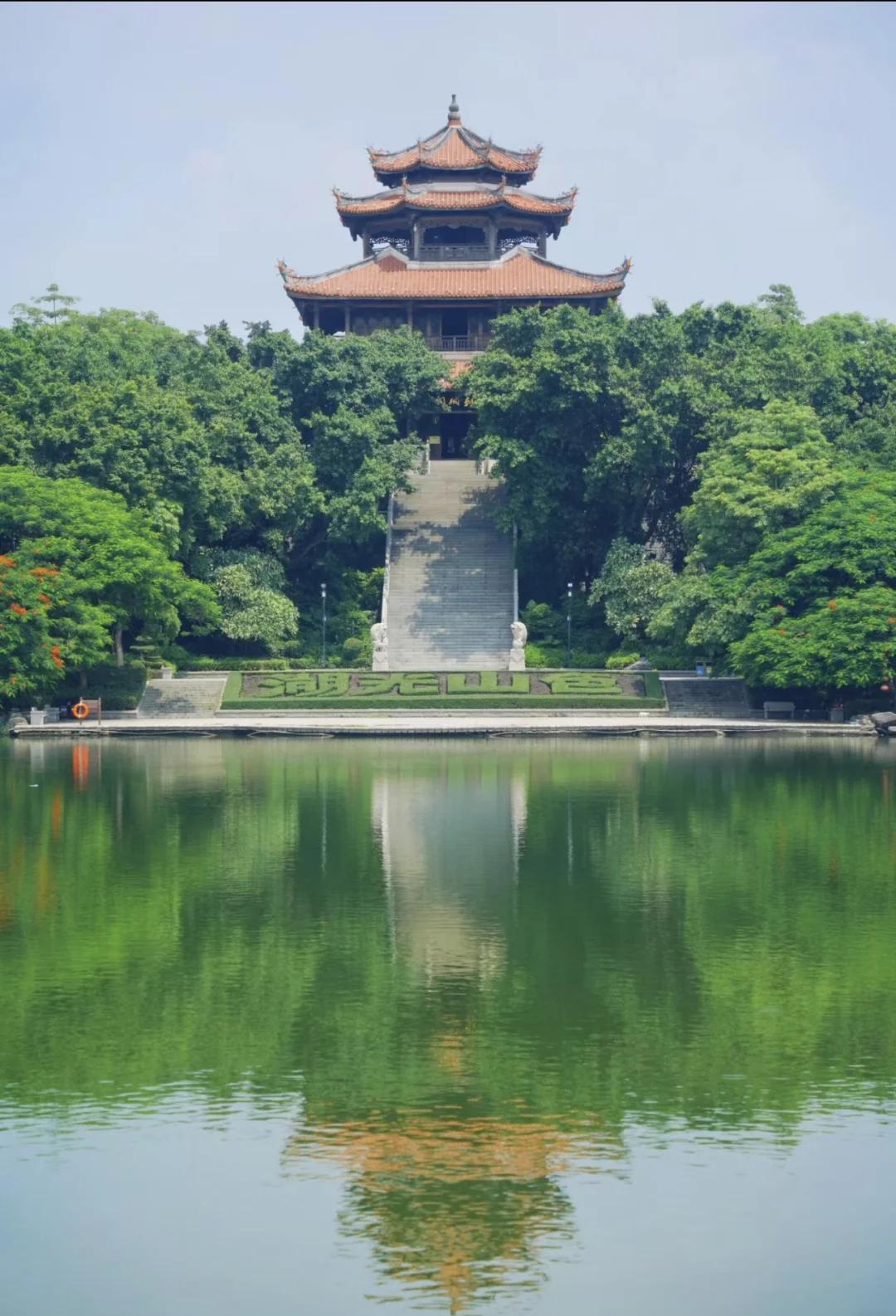
Quanzhou West Lake: Pagodas, Bonsai, and Morning Walks
City lake west of Kaiyuan Temple — free entry, flat paths, bonsai garden, and golden-hour photos over the water.
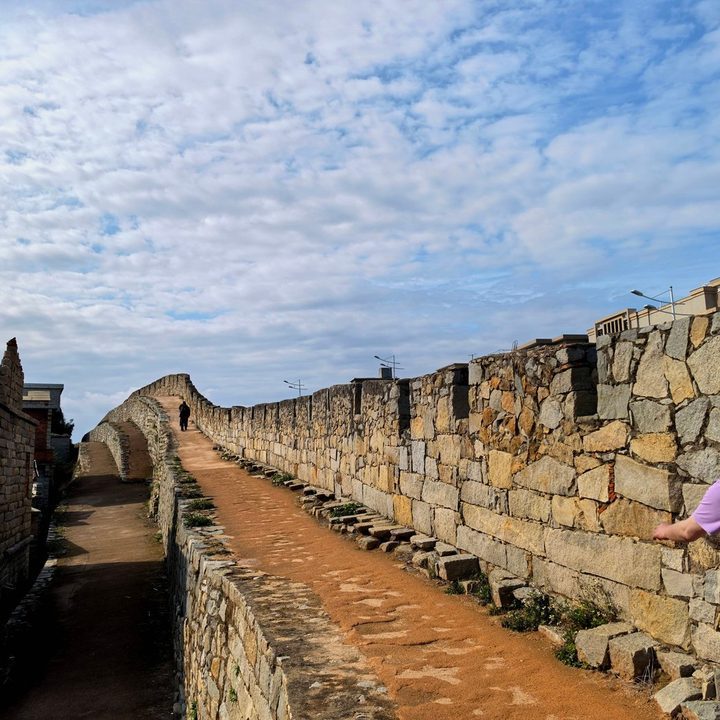
Chongwu Ancient City: Granite Walls and Sea Spray
Ming-era coastal fortress in Hui’an — walk the battlements, watch fishermen mend nets, and time your visit for low tide.
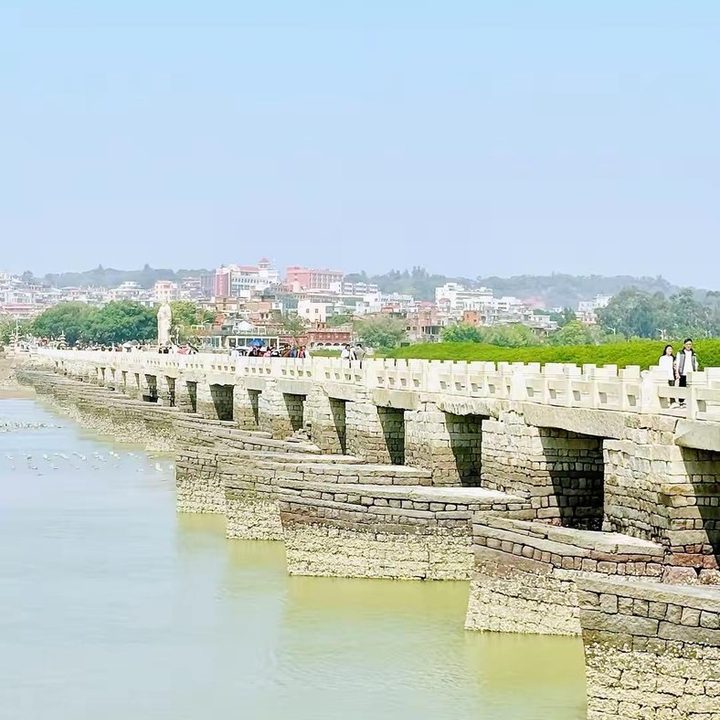
Luoyang Bridge: Song Stones Across the Luoyang River
One of China’s oldest cross-sea stone bridges — oyster-encrusted piers, Wen Temple at the north end, best at rising tide.
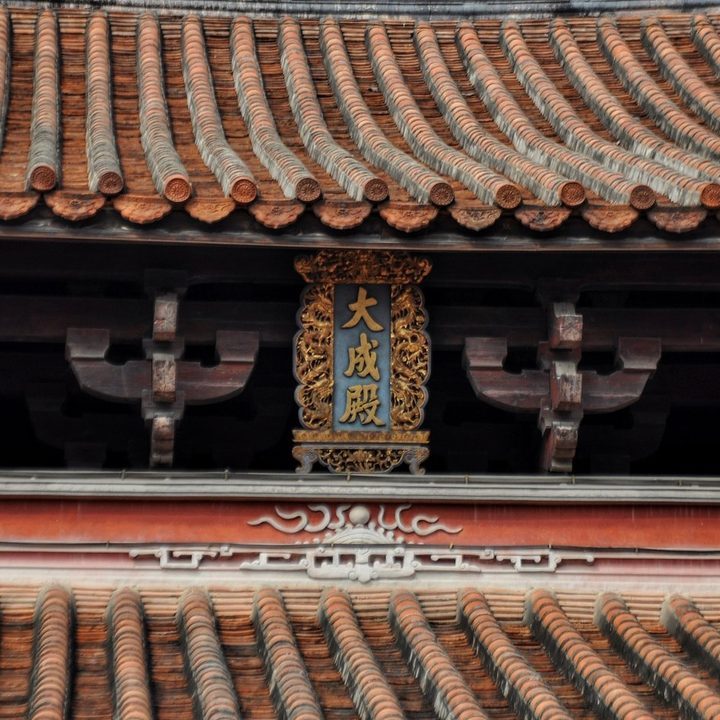
Quanzhou Confucian Temple: Song Bricks and Exam Halls
Large southern Confucian complex on Tumen Street — red walls, ancient banyan shade, and a quiet courtyard away from the crowds.
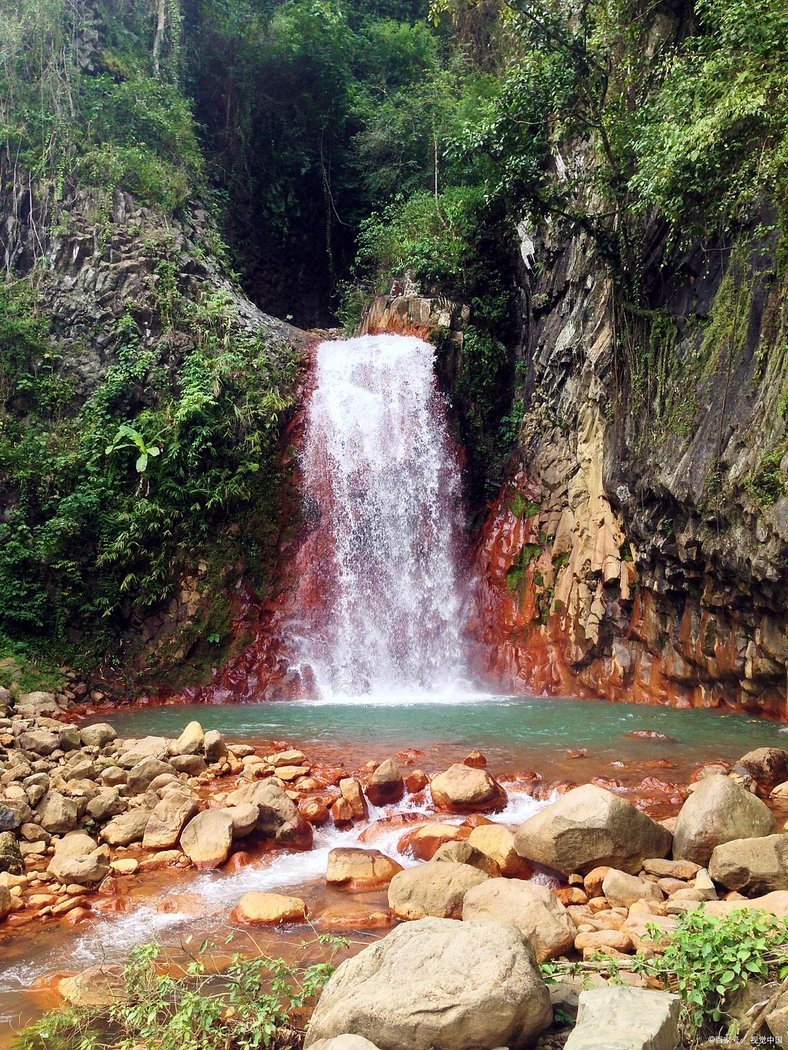
Niulincun: Cloud Forest and Sky Walk in Yongchun
Subtropical nature reserve 40 km from downtown — canopy trails, cable car views, and cooler air in summer.