Qingyuan Mountain: Laojun Rock and North Gate Trails
UNESCO buffer-zone hill north of the city — Tang stone sage, morning hikers, and a half-day loop with tea houses.
Updated 2026-08-07 · 815 words
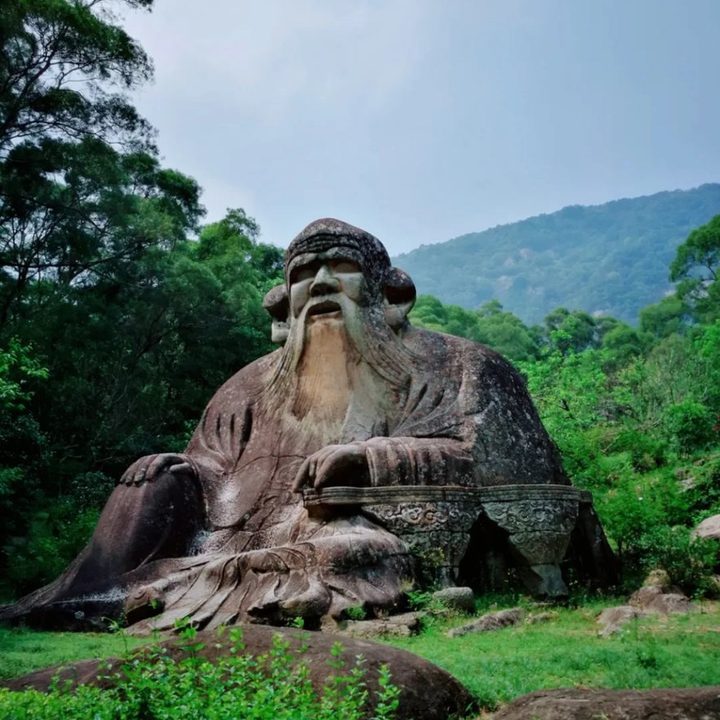
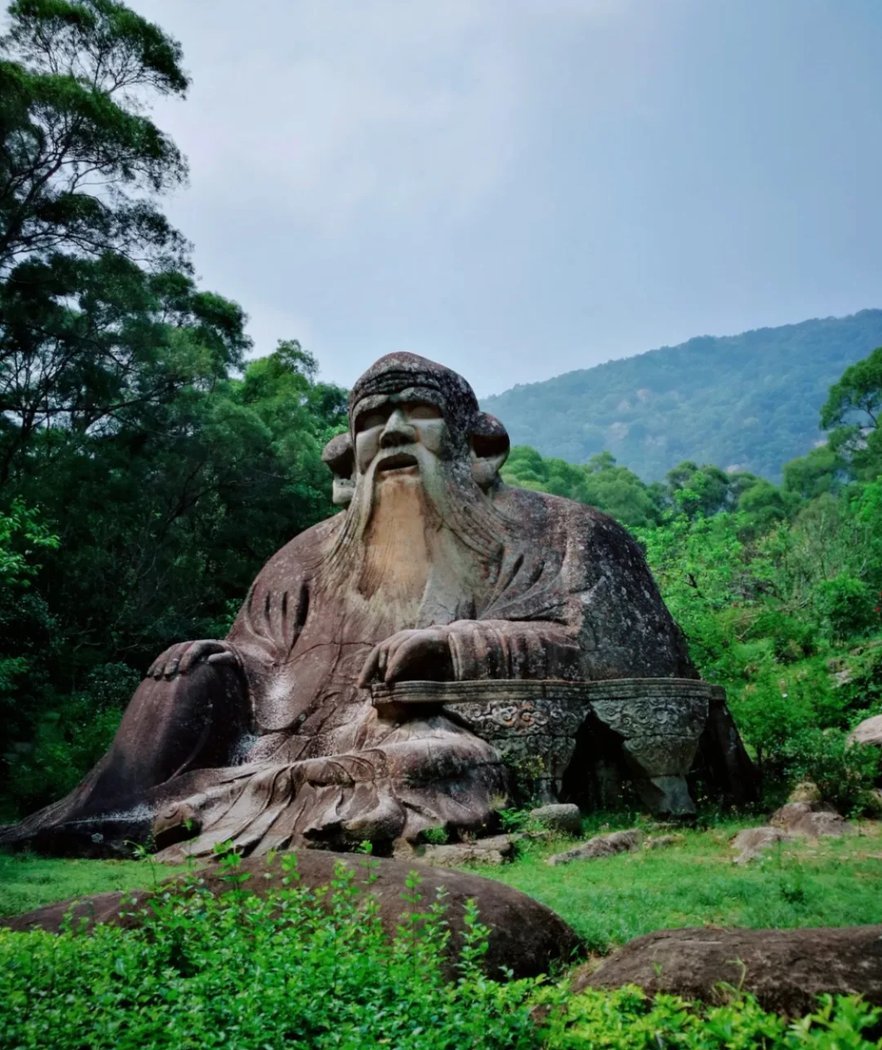
Qingyuan Mountain north of downtown is where I take foreign friends when they ask for "the symbol of Quanzhou" beyond the twin pagodas — and Laojun Rock's Song-era stone Laozi is that symbol, calm-faced and weathered, sitting under pine like he has always belonged to this ridge. "Three Peaks Like a Tripod" names the summit silhouette locals recognize from postcards and airline magazines: three humps holding the sky in balance. The site is a national 5A scenic area, which in Chinese tourism terms means polished trails, clear signage, and crowds on holidays — but also serious heritage protection. Ticket price runs about seventy yuan for out-of-town visitors, with discounts for Quanzhou residents; policies at the gate change occasionally, so read the board when you arrive. Many locals hike before 6:30 for morning exercise during windows when entry rules favour residents — check current hours if you hope to catch that quieter rhythm.
Getting there is easy from the city core: fifteen to twenty minutes by taxi depending on traffic, or buses 3 and 45 to the "Qingyuan Mountain" stop. The loop I recommend for first-time guests runs Laojun Rock first, then Qianshou Rock, then Master Hongyi's stupa, and — if energy and time allow — up toward Nantai Rock for the wide city panorama. Plan two to three hours minimum; add time if your group stops for tea or long photography sessions. Laojun Rock itself is the bottleneck everyone queues for, so arrive before 8:00 if you want a clean portrait without twenty strangers in frame. I have seen otherwise patient friends get cranky waiting midday; an early start solves most of that.
Wear comfortable shoes with grip. Trails offer generous shade under subtropical canopy, but steps appear steadily and calves notice by the second hour. I link Laozi to port-city Taoism for foreign guests — how an open harbour city folded religious ideas into daily life without turning them into museum pieces — and the stone statue makes that lecture short because the face in front of them is already argument enough. No smoking on the mountain paths; do not touch carvings or rub lucky spots raw — staff and locals both dislike "lucky rubbing" that damages patina. Summit kiosks sell water and snacks at inflated prices; carry at least one bottle per person from the base and nobody feels held hostage by markup.
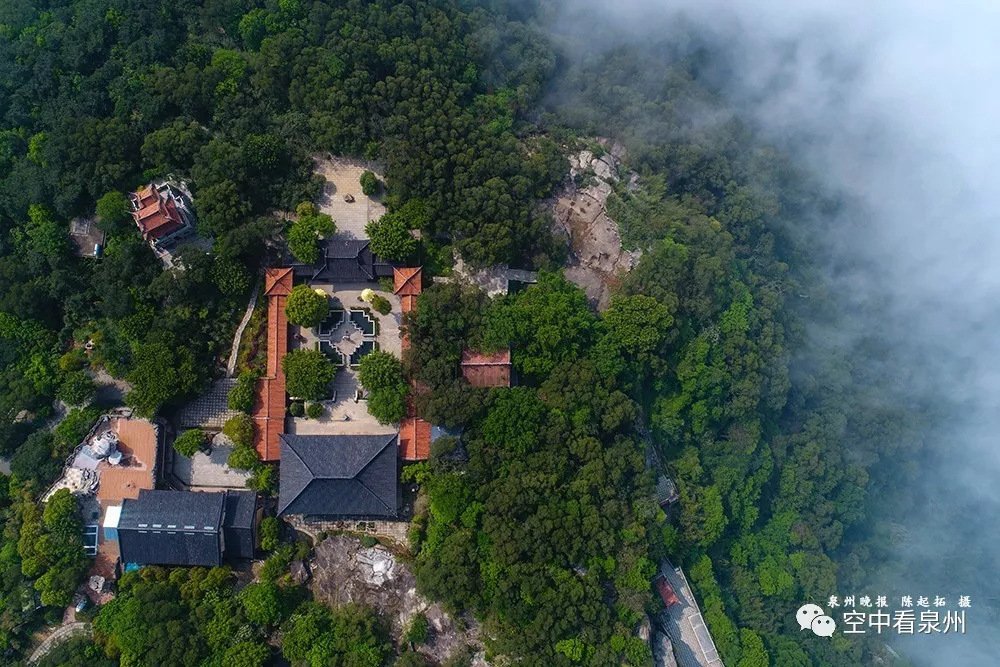
Master Hongyi's stupa adds a twentieth-century note to a mostly Song-and-Ming landscape — a renowned monk's resting place that turns the walk from pure scenery into living memorial. Nantai Rock, if you reach it, rewards with Quanzhou spread below: roofs, new towers, sea haze on clear days. Save phones for here rather than burning battery on every pavilion. Foreign visitors sometimes compare Qingyuan to parks back home and miss the point — this is not generic green space but a curated mountain where religion, stone carving, and civic pride overlap.
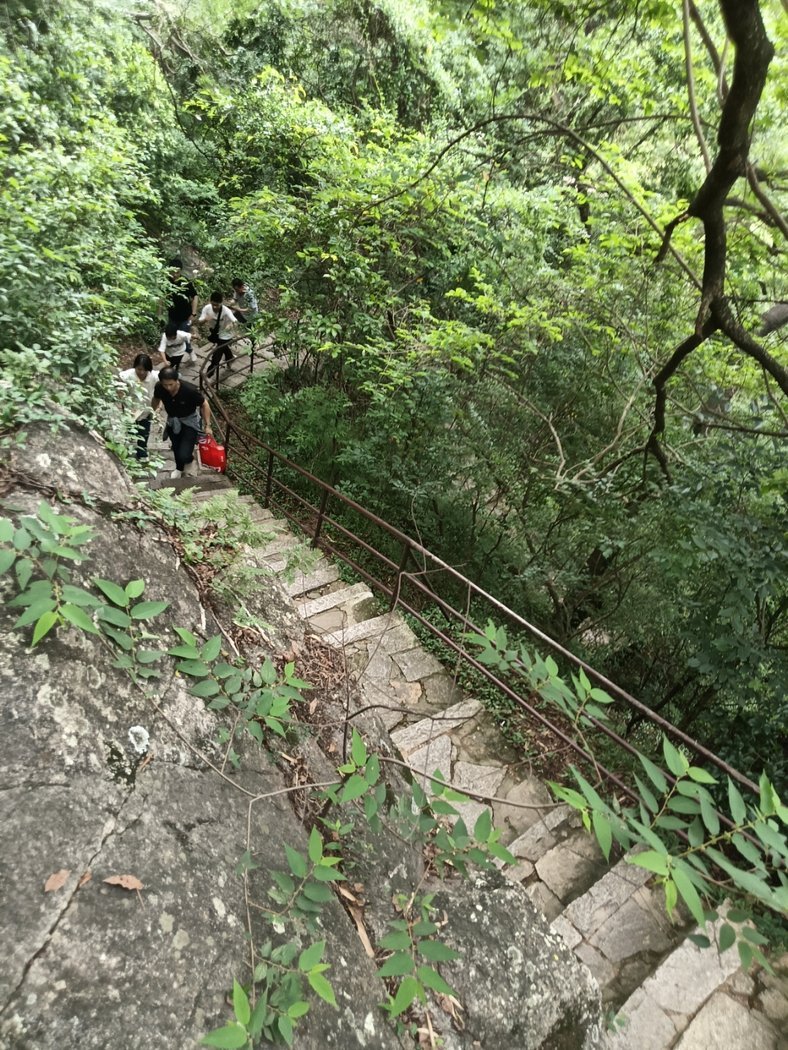
End the visit hungry and descend into the city for lunch rather than settling for overpriced trail food unless someone truly needs calories immediately. Your friends will remember Laojun's expression long after they forget ticket prices — mild, slightly amused, as if the harbour city asked a question centuries ago and the mountain still waits for the full answer.
Holiday crowds at Qingyuan can feel like a stadium exit at noon — if your foreign guests dislike shoulder contact, avoid Golden Week and choose a weekday morning instead. The 5A rating means restrooms and signage are decent, which international visitors notice after rougher rural sites. For photography etiquette, queue politely at Laojun Rock and offer the same space you want — Chinese tourists often ask foreigners to swap turns for a clean shot, and goodwill travels both ways. If Nantai Rock feels too far, Qianshou Rock alone still delivers carved niches and shaded paths worth the ticket.
I sometimes pair Qingyuan with Luoyang Bridge on a north-side day: mountain morning, estuary afternoon, both tied to Song-era Quanzhou confidence. That pairing tired legs but satisfies history buffs completely. Tell guests the seventy-yuan ticket is the main spend unless they buy tea or incense; no hidden shuttles required once inside the main gate. Smoking bans are enforced more strictly here than on casual city streets — worth mentioning to friends who smoke. Water you carry beats summit kiosk prices every time, and one bottle per person is the minimum, two in summer.
Local residents sometimes enter free or discounted before 6:30 for exercise — policies shift, so read the board rather than assuming foreign guests qualify. Buses 3 and 45 drop near the main gate but still leave a short uphill walk to Laojun Rock; taxis are cheap enough from downtown that groups of three or more often split one comfortably. The stone Laozi is larger than photos suggest — faces look human-scale only when someone stands beside the pedestal for scale.
Last updated: 2026-08-07 · Visit Quanzhou editorial team · Report an error
Related guides
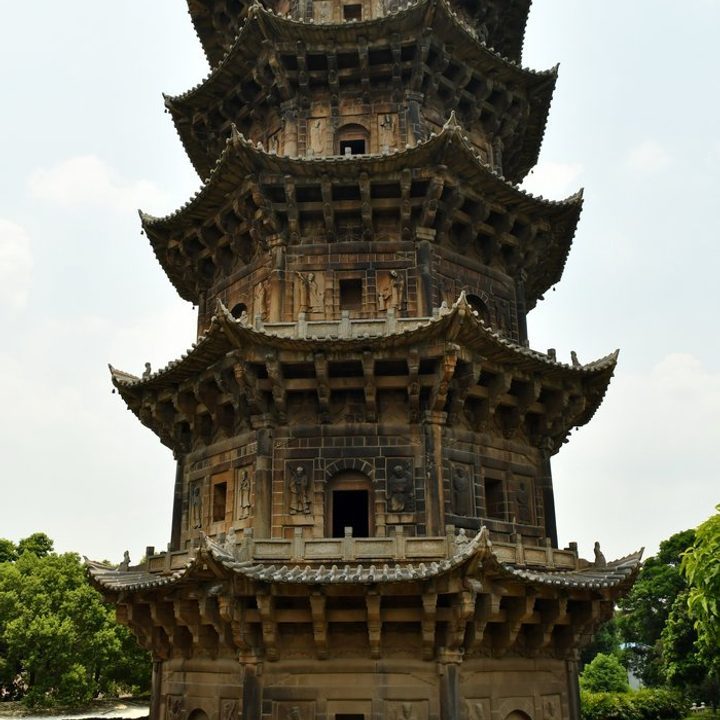
Kaiyuan Temple: Twin Pagodas Over West Street
Song-era stone towers, Tang halls, and a living monastery on Quanzhou’s busiest heritage street — plan 90 minutes and arrive early.
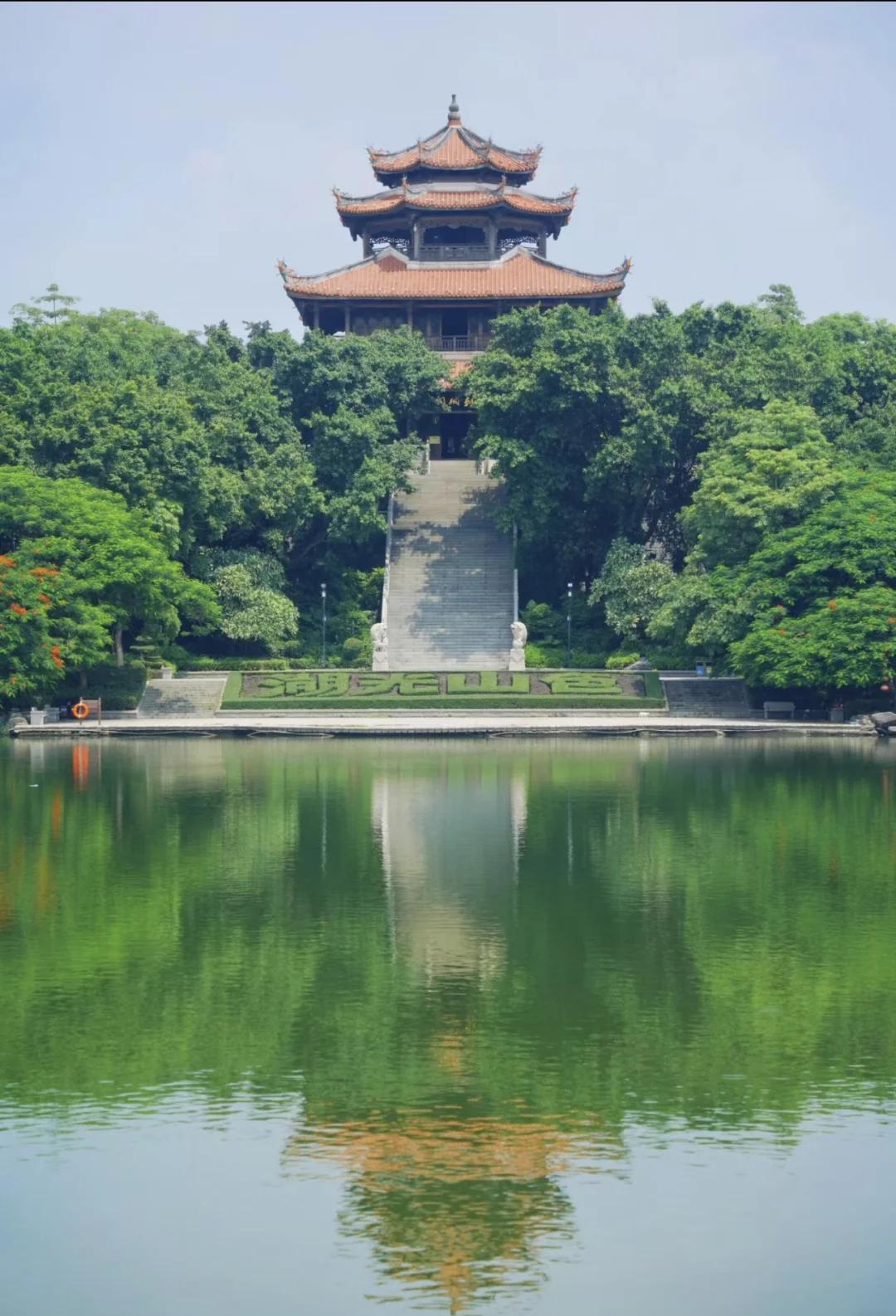
Quanzhou West Lake: Pagodas, Bonsai, and Morning Walks
City lake west of Kaiyuan Temple — free entry, flat paths, bonsai garden, and golden-hour photos over the water.
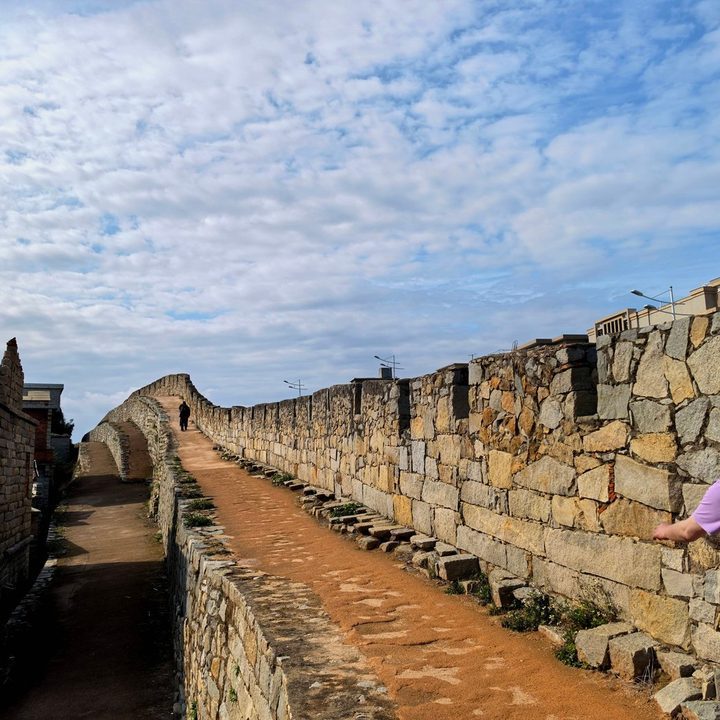
Chongwu Ancient City: Granite Walls and Sea Spray
Ming-era coastal fortress in Hui’an — walk the battlements, watch fishermen mend nets, and time your visit for low tide.
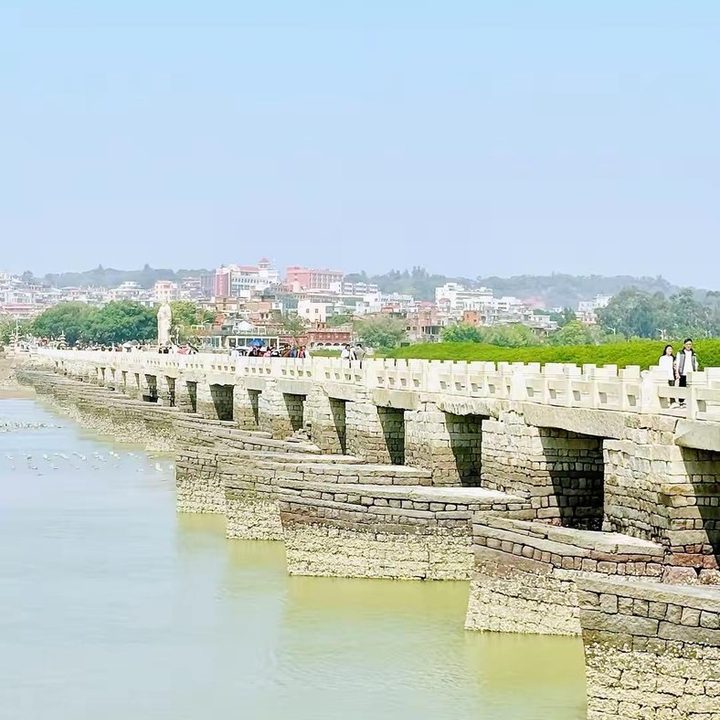
Luoyang Bridge: Song Stones Across the Luoyang River
One of China’s oldest cross-sea stone bridges — oyster-encrusted piers, Wen Temple at the north end, best at rising tide.
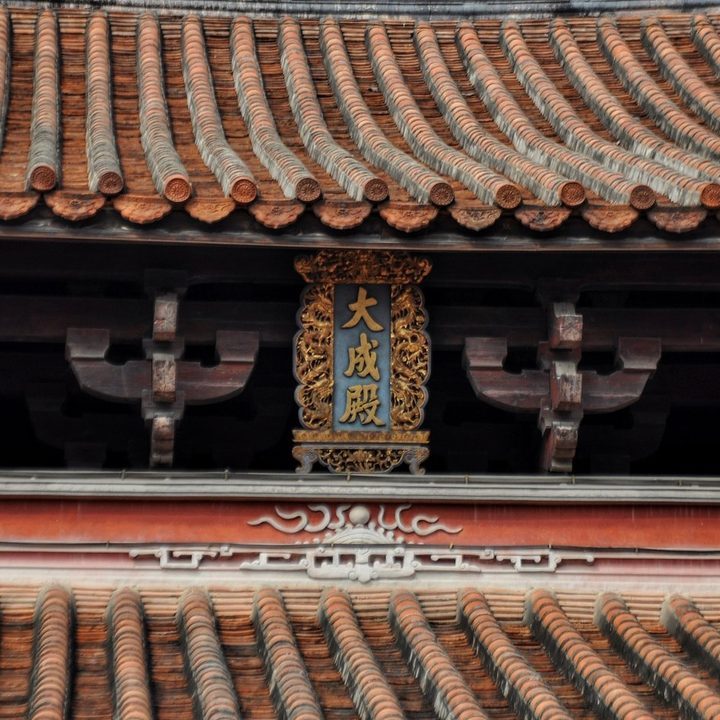
Quanzhou Confucian Temple: Song Bricks and Exam Halls
Large southern Confucian complex on Tumen Street — red walls, ancient banyan shade, and a quiet courtyard away from the crowds.
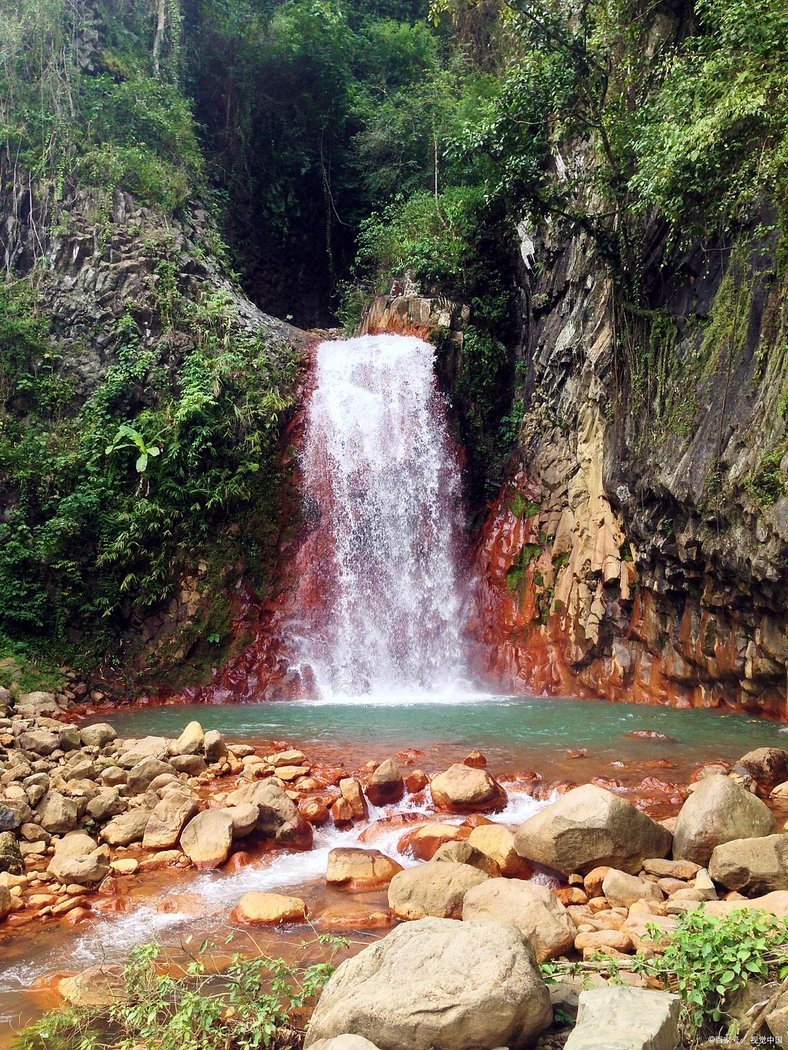
Niulincun: Cloud Forest and Sky Walk in Yongchun
Subtropical nature reserve 40 km from downtown — canopy trails, cable car views, and cooler air in summer.