Tianhou Temple: Maritime Mazu on Tumen Street
Song-founded sea-goddess temple — incense halls, ship models, and living pilgrimage beside Qingjing Mosque.
Updated 2026-08-07 · 773 words
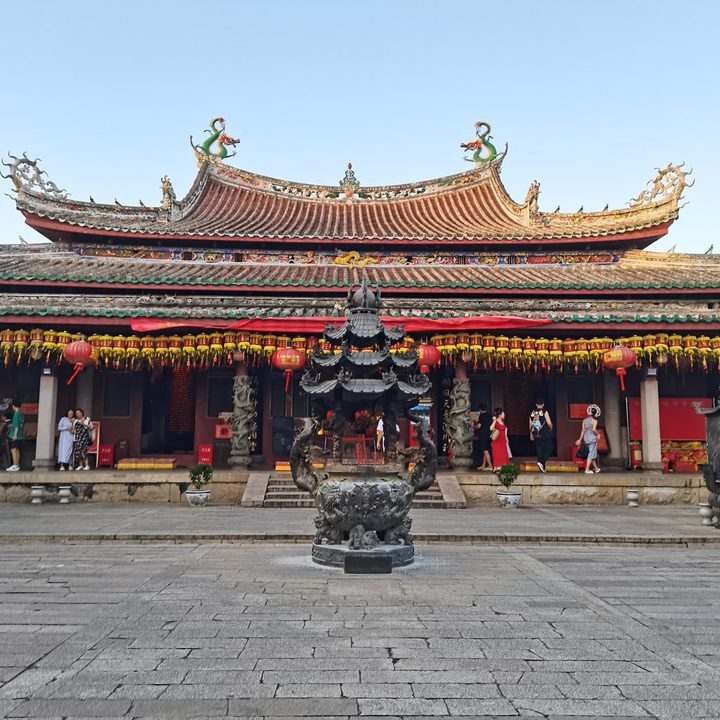
If you want one stop that captures the soul of old Quanzhou, I would send you straight to Tianhou Temple at 1 Tianhou Road, right at the southern end of Tumen Street in Licheng District. This is not just another neighborhood shrine — it was founded in the Southern Song dynasty and is counted among the root Mazu temples that Chinese sailors and their families still look back to from Taiwan, Southeast Asia, and beyond. The name "Flowing Fame of the Queen of Heaven" sounds poetic, but it really does describe what you feel here: incense drifting through carved beams, worshippers bowing quietly, and centuries of maritime memory pressed into every stone step. For foreign travelers, it is one of the easiest places in the city to understand why Quanzhou was called the starting point of the Maritime Silk Road, and why so many overseas Chinese communities still treat a visit here as a kind of homecoming.
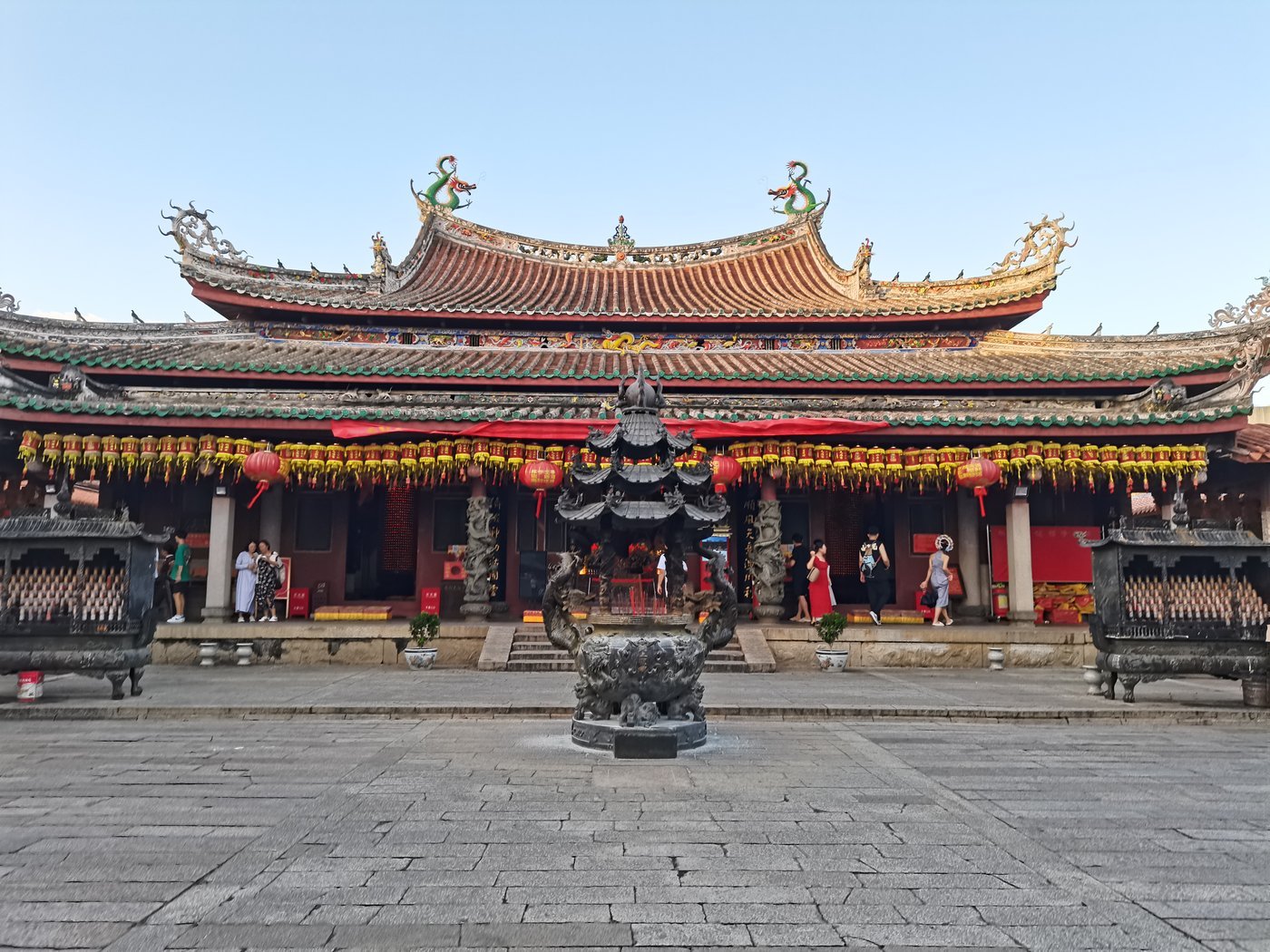
Getting here fits naturally into a half-day walk through the historic core. The temple sits directly across the lane from Qingjing Mosque at 108 Tumen Street, one of China's oldest surviving Arab-style mosque sites, so you can literally stand between two worlds — a sea goddess cult and an Islamic prayer ground — within a few minutes on foot. That contrast is part of what makes this corner of Tumen Street so unforgettable, and it is why Tianhou belongs on any Hai Silk Road walking tour alongside Guan Yu Temple and the Confucian Temple nearby. Entry is free or very inexpensive, though you should confirm the current fee at the gate when you arrive. The temple is generally open from about 8:00 to 17:30, which gives you a comfortable window for a slow visit before the lanes fill up with evening crowds and food vendors.
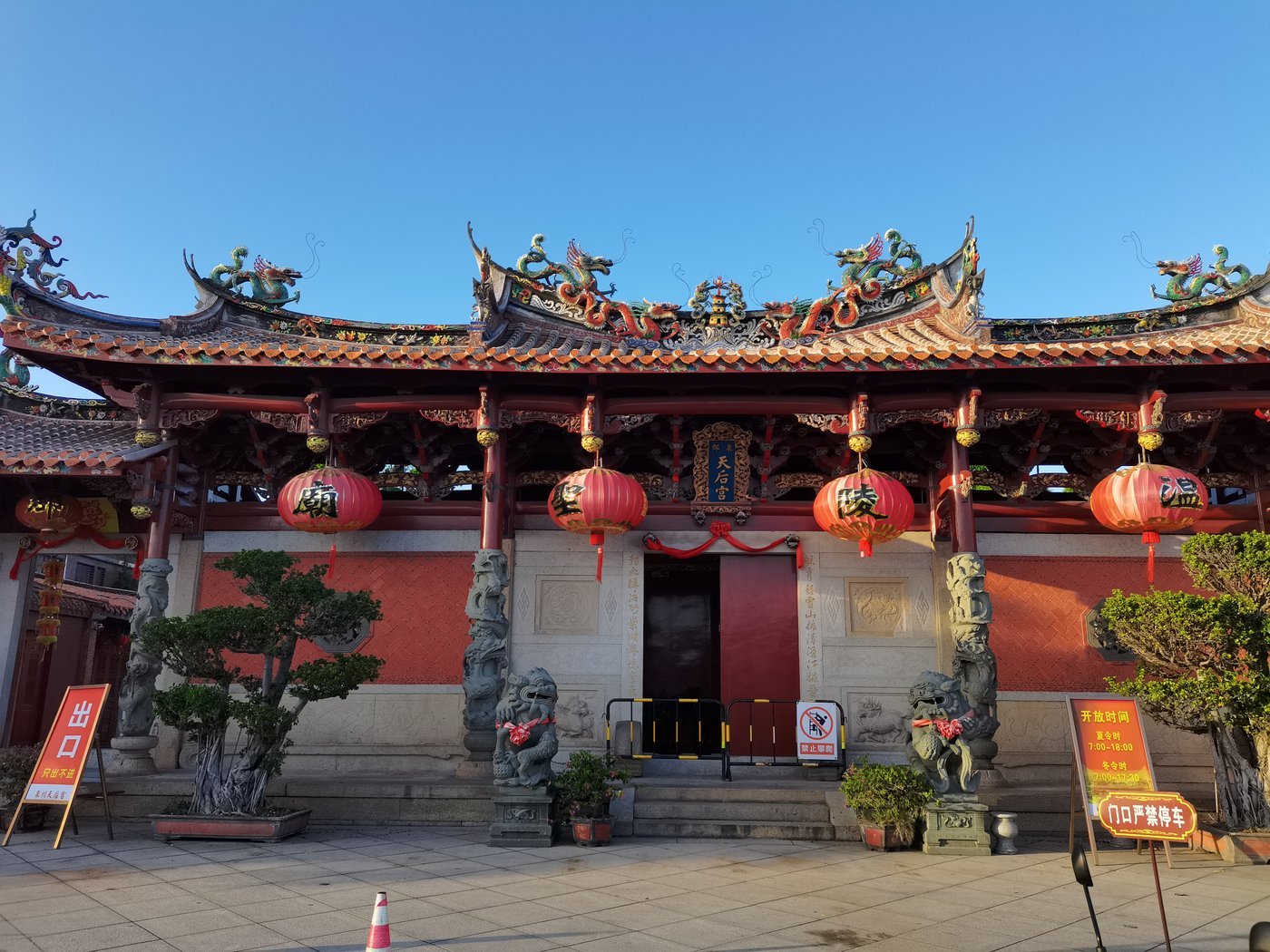
Once you pass the mountain gate, follow the natural layout from the opera stage through the offering halls to the main hall and the central Mazu statue. Side halls display ancient ship models and artifacts linked to Zheng He's voyages, and I always tell visitors that Mazu is best understood here as the guardian of seafarers — the protector who watched over fishermen, traders, and migrants as Minnan people sailed south to build new lives overseas. The displays are not flashy, but they ground the religion in real history, and that helps foreign guests who may never have heard of Mazu before feel the emotional weight of the place. Take off your hat before entering the halls, keep your voice low, and avoid pointing directly at the statues; these small gestures matter to local worshippers and will make your visit feel respectful rather than intrusive.
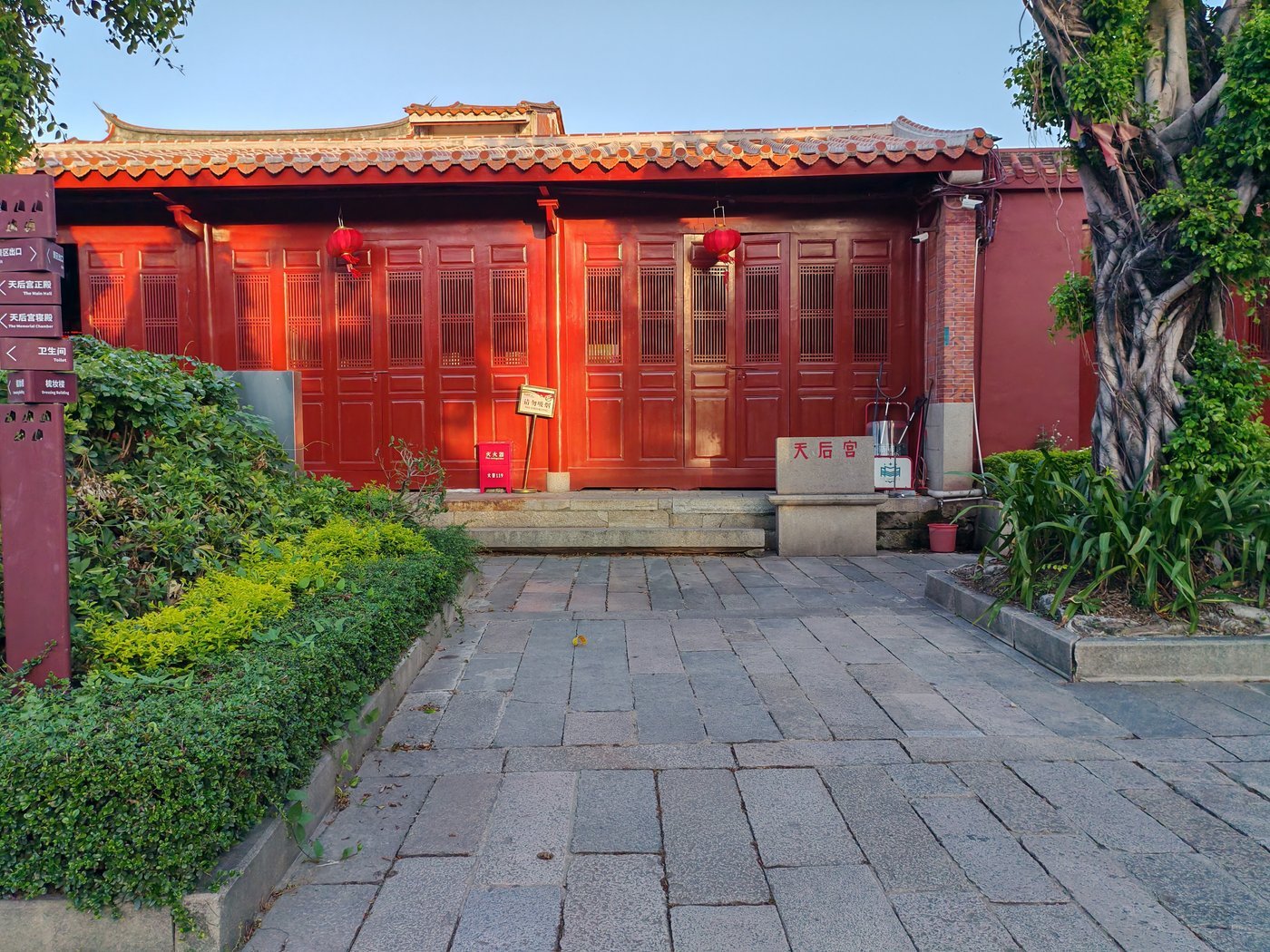
Timing changes the mood completely. If your trip coincides with Mazu's birthday on the twenty-third day of the third lunar month, you may witness enormous processions with drums, banners, and neighborhood teams carrying the goddess through the streets — thrilling, loud, and deeply local, though not ideal if you prefer silence and empty courtyards. On ordinary weekdays the temple is much calmer and better suited to reading the plaques, watching daily devotion, and photographing the rooflines without blocking anyone's prayer. I usually suggest coming mid-morning on a Tuesday or Wednesday if your schedule allows, then walking north along Tumen Street toward the other heritage sites while the light is still soft.
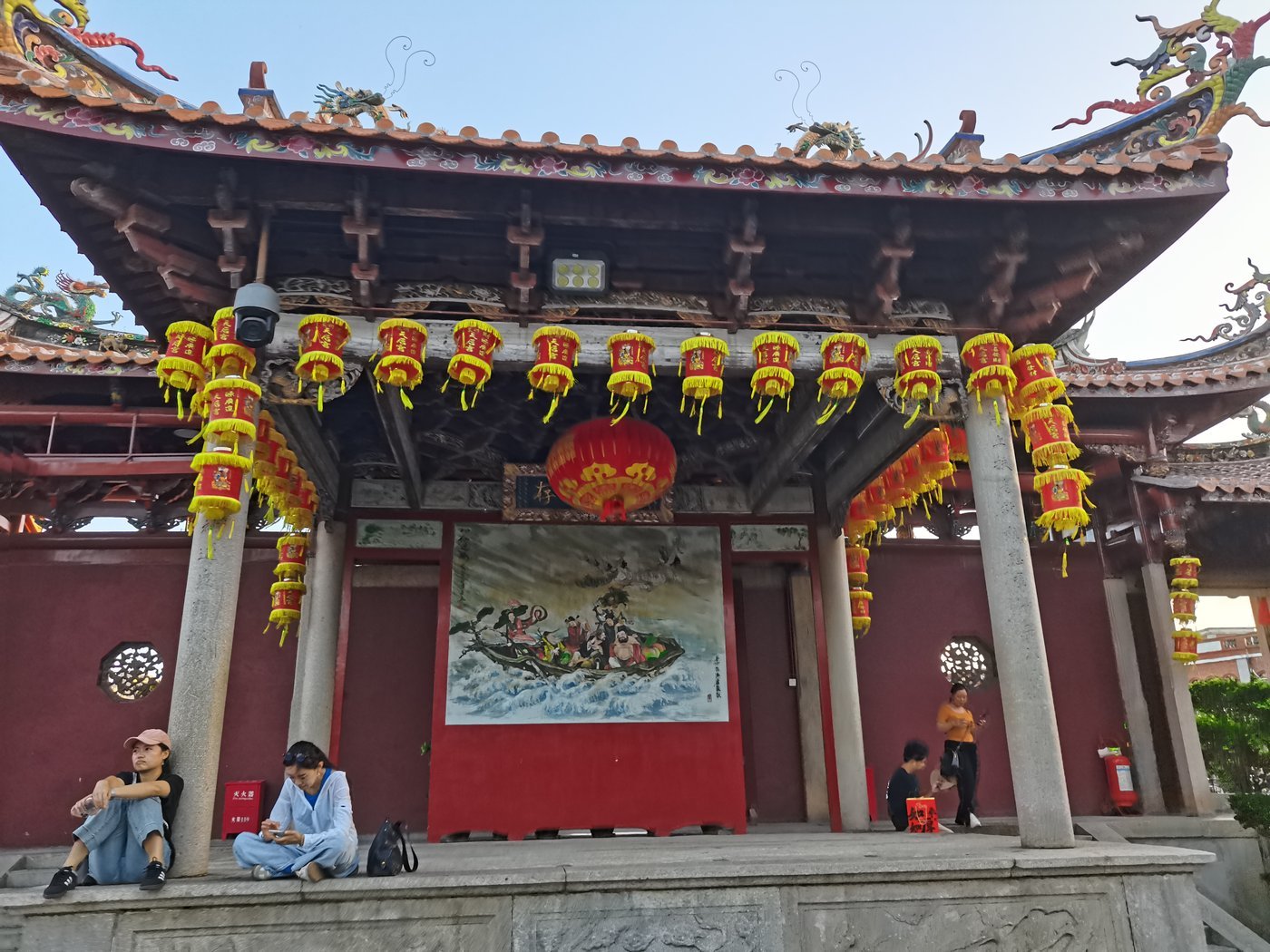
When you step back out onto Tumen Street, treat yourself to street snacks like shihu gao jelly or a fresh spring roll from the vendors nearby — simple, cooling, and very Quanzhou. The temple rooftops and facades photograph beautifully after dark, when the lanes glow and the eaves look like layered paper cutouts against the night sky, but the interior is usually closed by then, so plan your inside visit for daylight and save the glowing exterior for an evening stroll. Whether you come for faith, history, or photography, Tianhou Temple offers a warm welcome and a clear story: this city has always belonged to the people who went down to the sea, and they never forgot to pray before they sailed. Allow at least forty-five minutes inside if you want to read the displays properly, and longer if you linger on Tumen Street afterward. There is no need to rush — this is one of those sites where standing still in the courtyard and watching incense rise is part of the experience, not a pause between "real" sights. If you are guiding foreign guests, a simple explanation of Mazu as protector of those who go to sea is enough to unlock everything else you see in the ship models and migration stories around you.
Last updated: 2026-08-07 · Visit Quanzhou editorial team · Report an error
Related guides
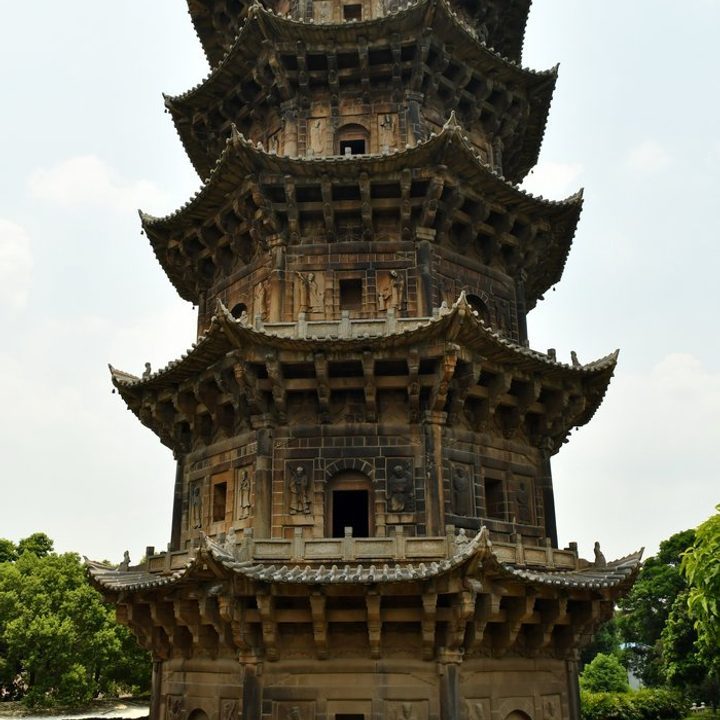
Kaiyuan Temple: Twin Pagodas Over West Street
Song-era stone towers, Tang halls, and a living monastery on Quanzhou’s busiest heritage street — plan 90 minutes and arrive early.
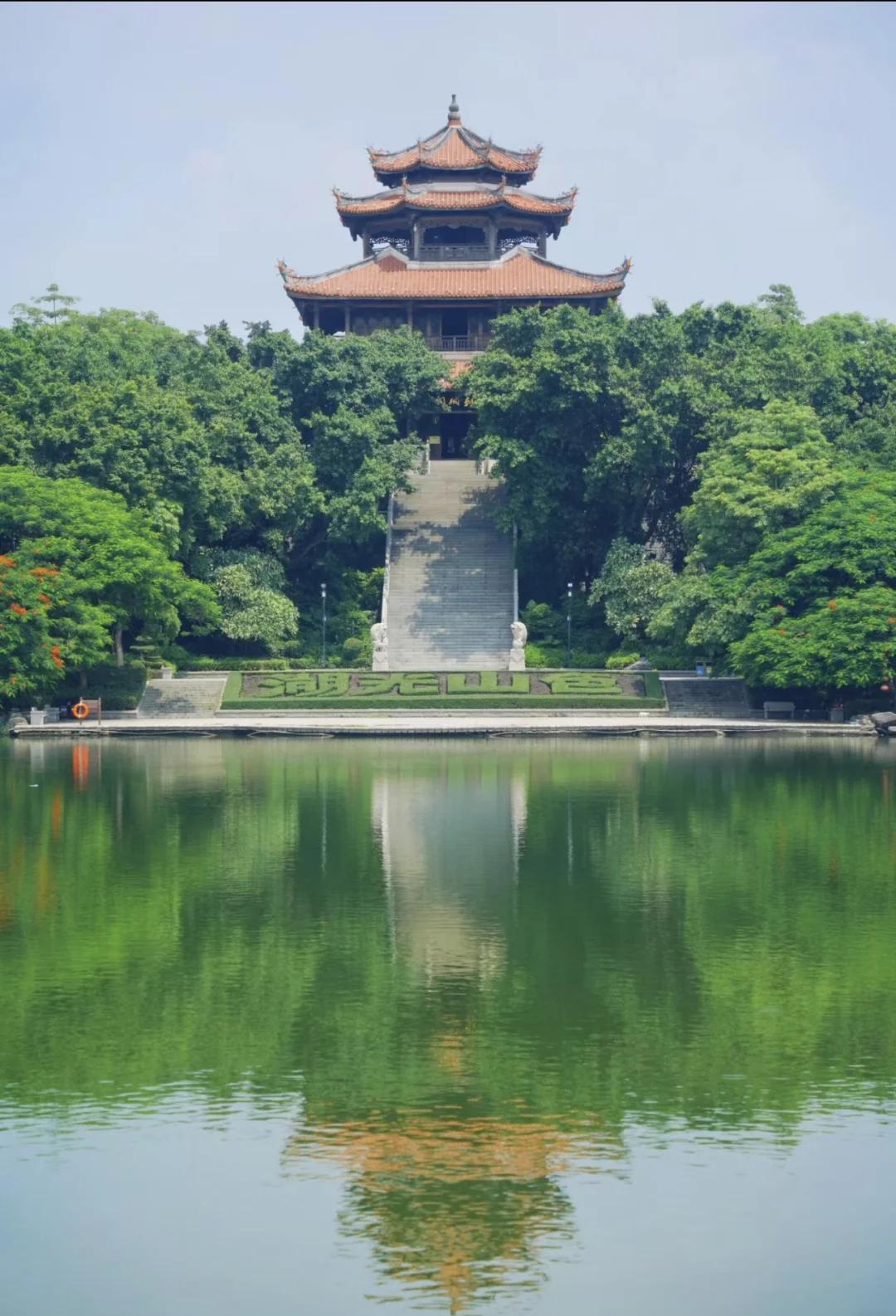
Quanzhou West Lake: Pagodas, Bonsai, and Morning Walks
City lake west of Kaiyuan Temple — free entry, flat paths, bonsai garden, and golden-hour photos over the water.
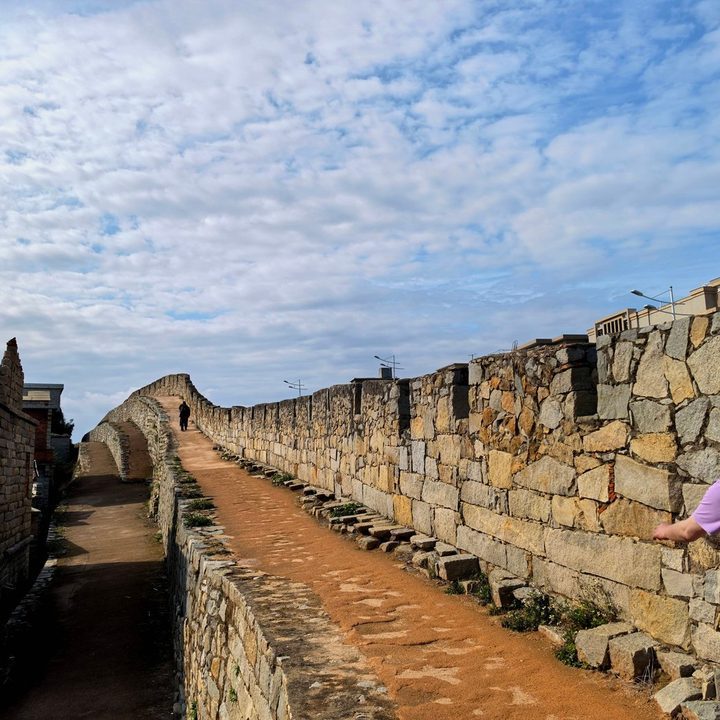
Chongwu Ancient City: Granite Walls and Sea Spray
Ming-era coastal fortress in Hui’an — walk the battlements, watch fishermen mend nets, and time your visit for low tide.
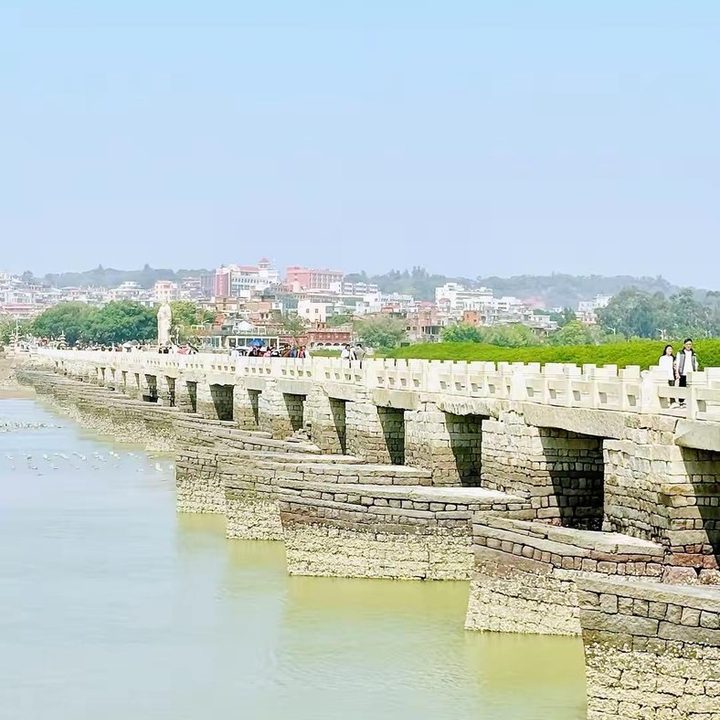
Luoyang Bridge: Song Stones Across the Luoyang River
One of China’s oldest cross-sea stone bridges — oyster-encrusted piers, Wen Temple at the north end, best at rising tide.
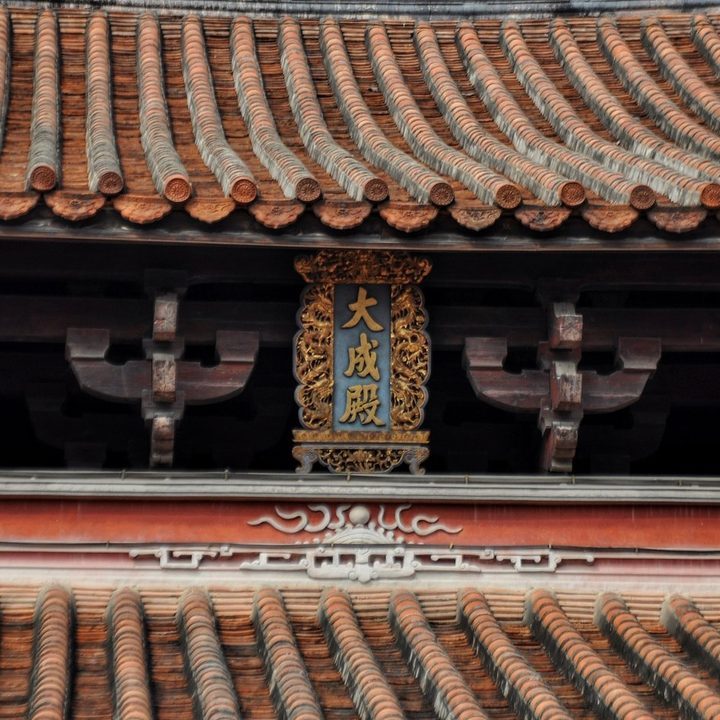
Quanzhou Confucian Temple: Song Bricks and Exam Halls
Large southern Confucian complex on Tumen Street — red walls, ancient banyan shade, and a quiet courtyard away from the crowds.
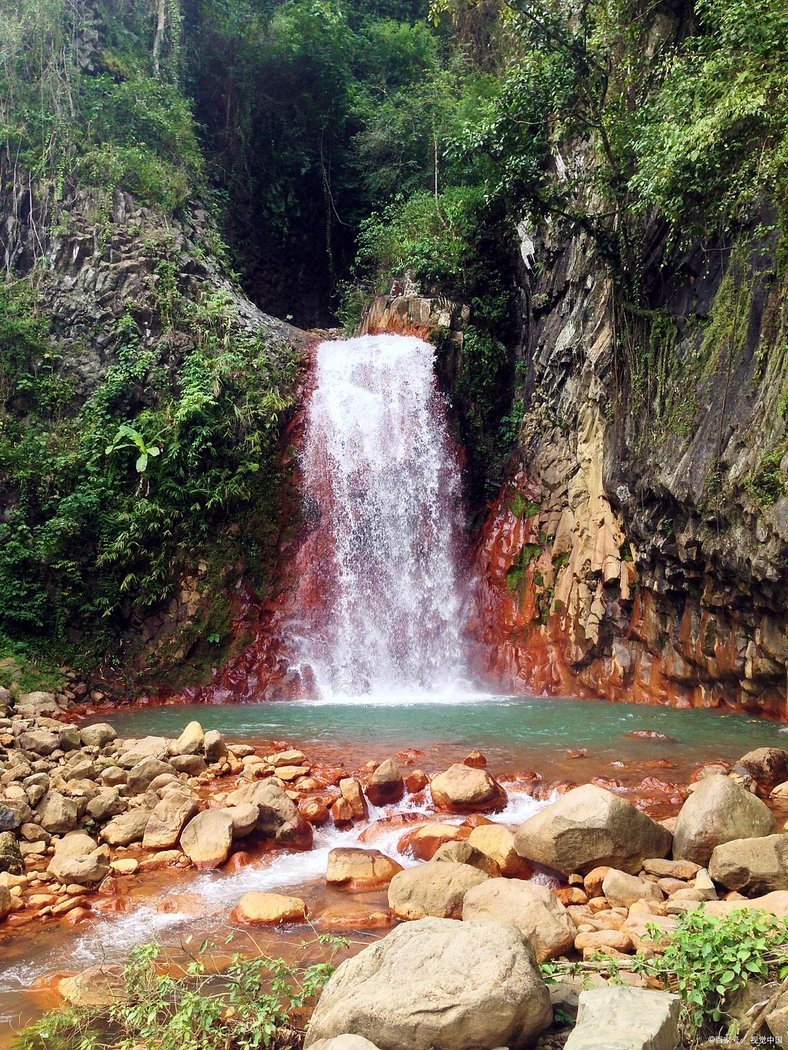
Niulincun: Cloud Forest and Sky Walk in Yongchun
Subtropical nature reserve 40 km from downtown — canopy trails, cable car views, and cooler air in summer.