Shenhu Bay: Tidal Flats and Submarine Forest Relics
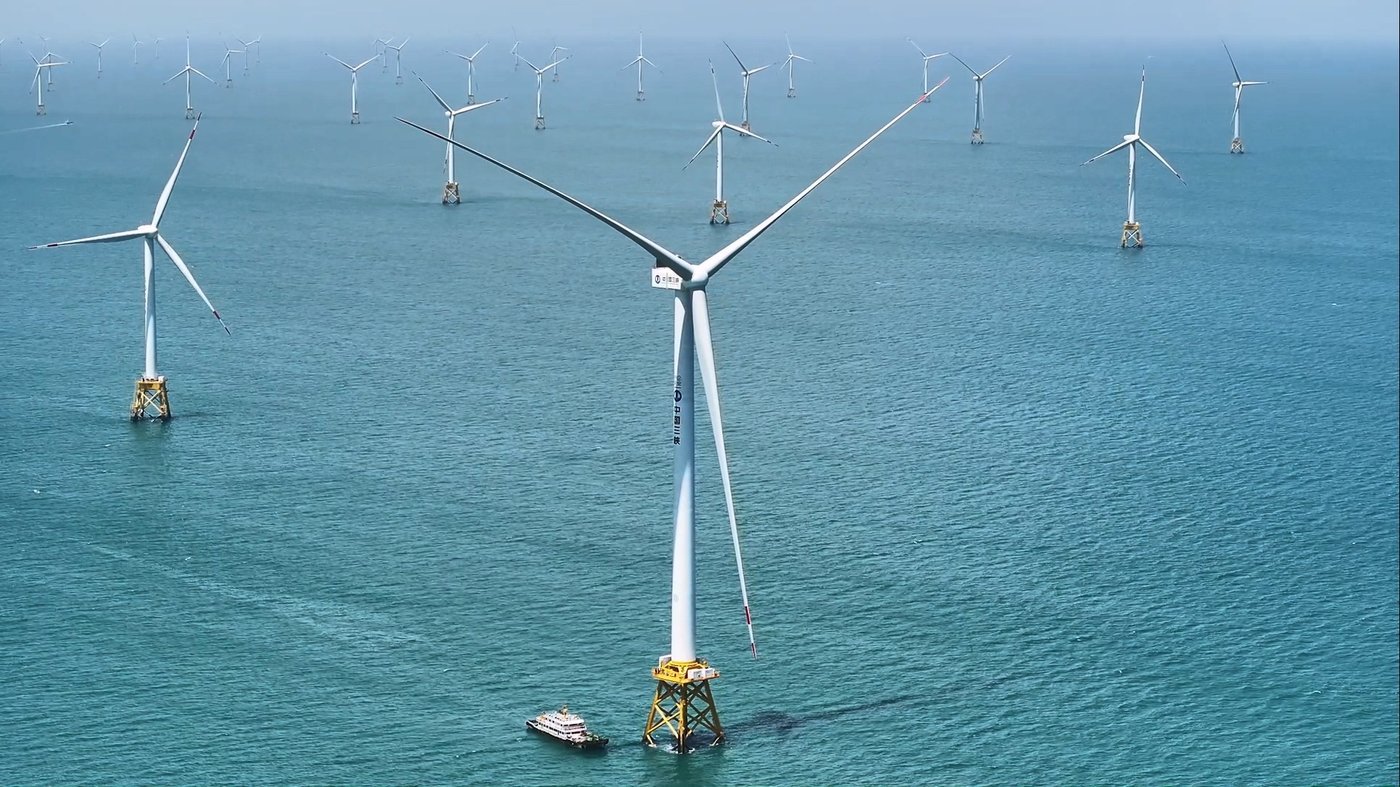
South of Jinjiang — wide beaches, wind farms on the horizon, and fossil tree stumps exposed at low tide.
Updated 2026-08-07 · 752 words
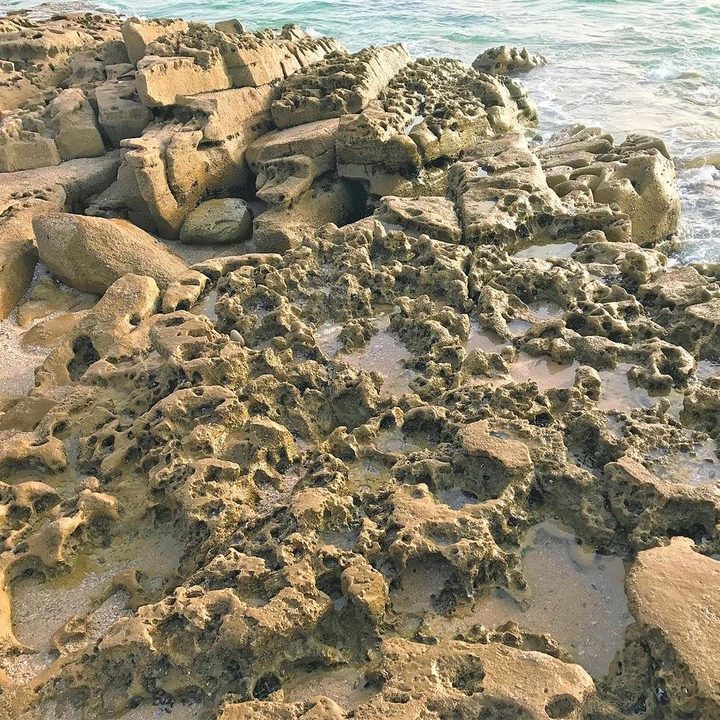
Of all eighteen official views, Shenhu Bay in Jinjiang's Shenhu Town is the one I describe as "most sea" — not temple sea, not river-estuary sea, but open curved bay, fine sand, and a tidal flat that hides ancient tree stumps under shallow water until the tide drops and geology becomes public theatre. "Deep Hu Sea Rhythm" sounds abstract until you stand on the beach hearing wave period change with the moon. The site sits about fifty kilometres south of downtown Quanzhou, roughly one hour by car; there is no pretending it is a quick taxi hop, so I schedule it as a coastal day rather than an hour squeeze between meals.
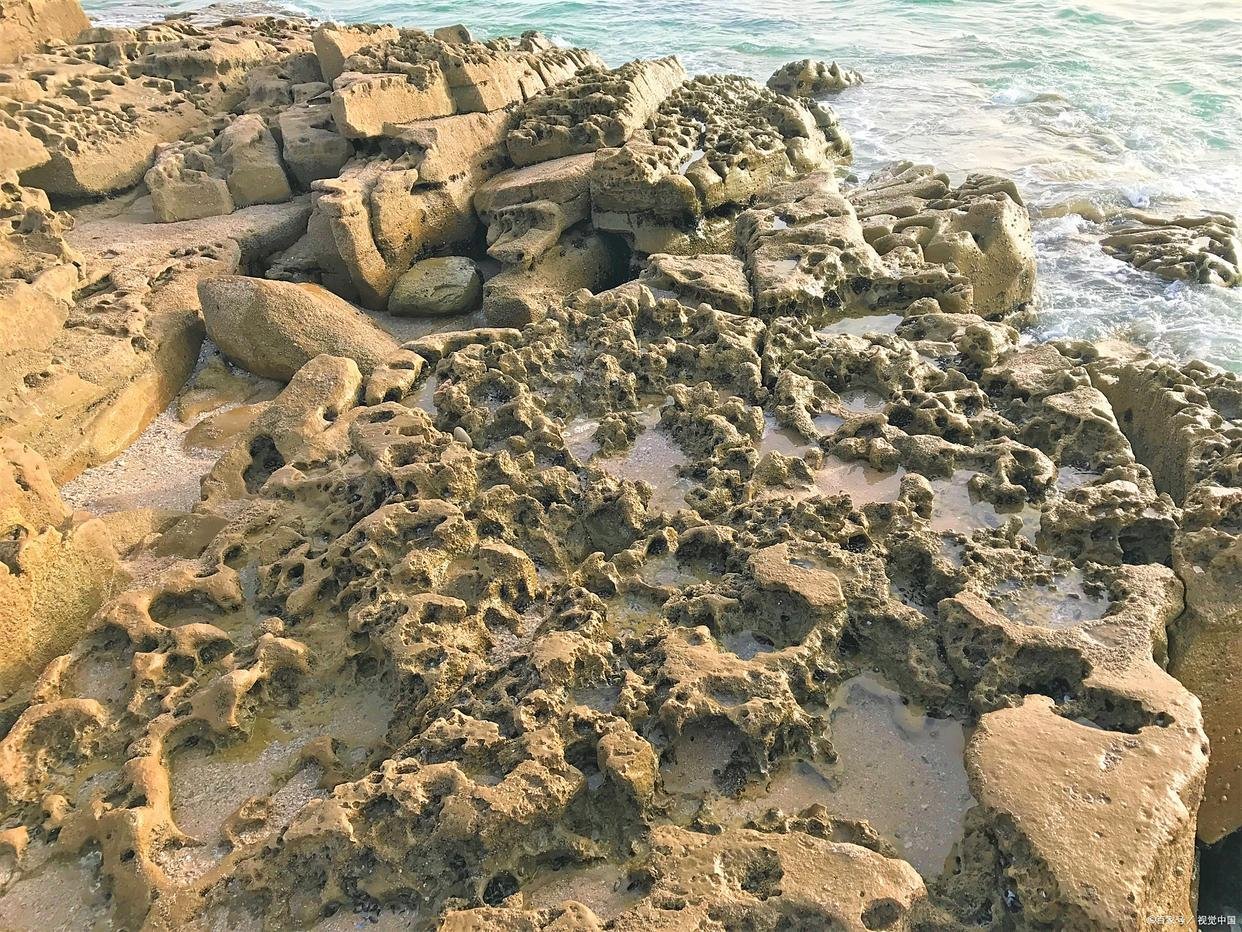
Start at the Shenhu Bay National Geopark Museum on the south shore of the bay. Foreign friends often want to run straight to sand; I insist on twenty minutes inside first because the exhibits explain what they are about to hunt for — submarine forest remnants, not driftwood, not recent storm debris but fossilized tree bases exposed only around low tide. Context turns a beach walk into a time-travel moment; without it people photograph random wood and miss the point entirely. Museum staff sometimes note which zones are protected; listen because rules exist to stop souvenir collecting that destroys the scientific value.
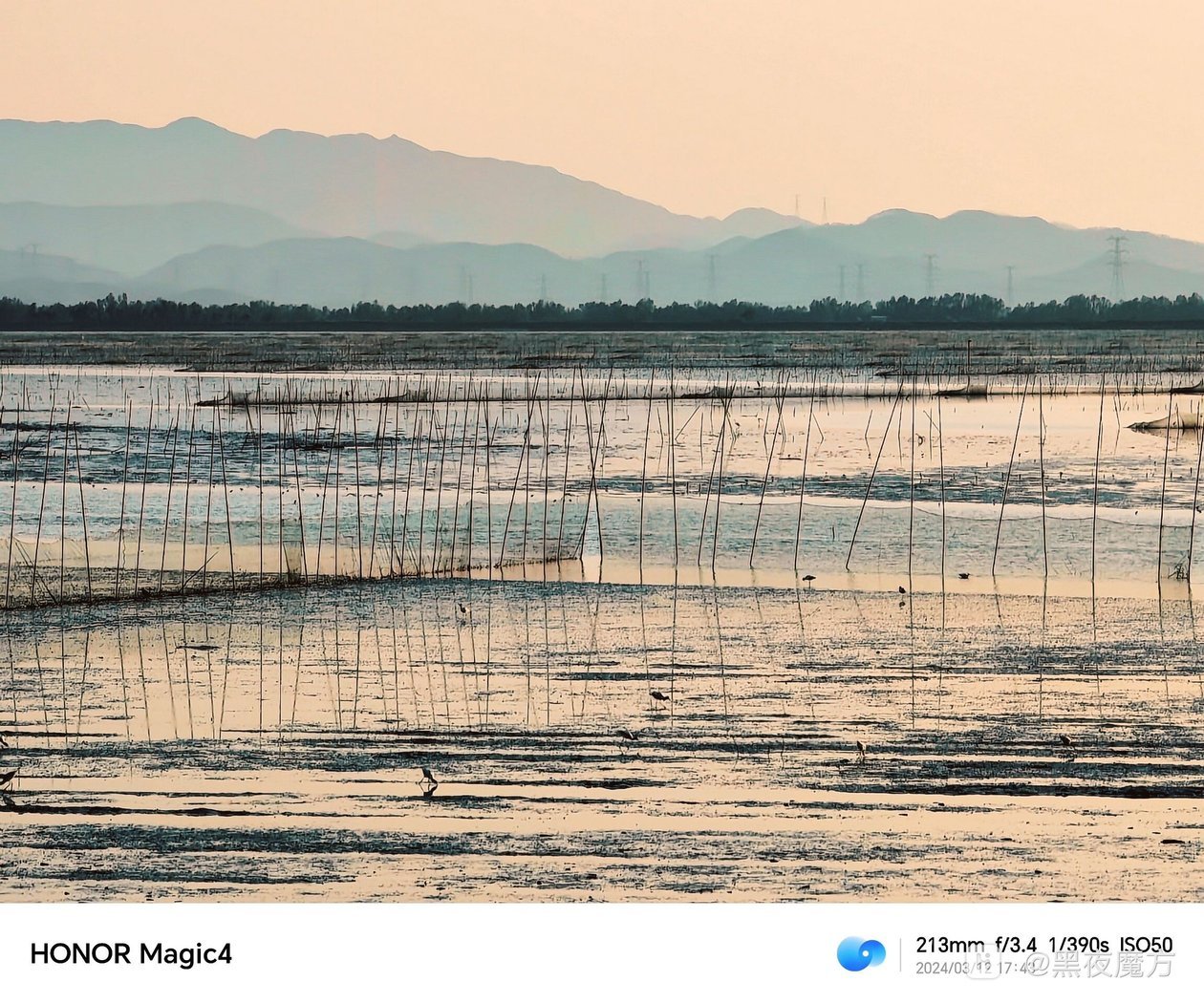
Tide tables are non-negotiable planning tools here. Aim to arrive about one hour before low tide so the flat exposes gradually and you can walk safely while light still works for photos. At low water, scan for dark stump clusters embedded in sand and mud — low, wide, clearly ancient compared with fresh timber. At high tide the bay suits wave-watching, sand play, and cautious swimming; be explicit with foreign guests that no formal lifeguards patrol these beaches, currents shift with weather, and "looks calm" does not mean "is safe." Protected areas forbid digging and removing fossils; fines and angry locals both possible if someone treats the flat like a free lumber yard.
Summer packing list: high SPF sunblock, sandals that rinse easily, spare clothes in the car, and humility about swimming ability. Food nearby includes Shenhu fish balls — springy, clean, often served in light broth — and oyster omelettes built from the same waters you just crossed. Eat after rinsing feet; sand in shoes ruins appetite. Combine Shenhu with Golden Coast and Yongning Ancient City for a full Jinjiang coastal line if your group has one long day free; geography flows south to north along the shore and the stories stack — geology morning, walls afternoon, seafood sunset.
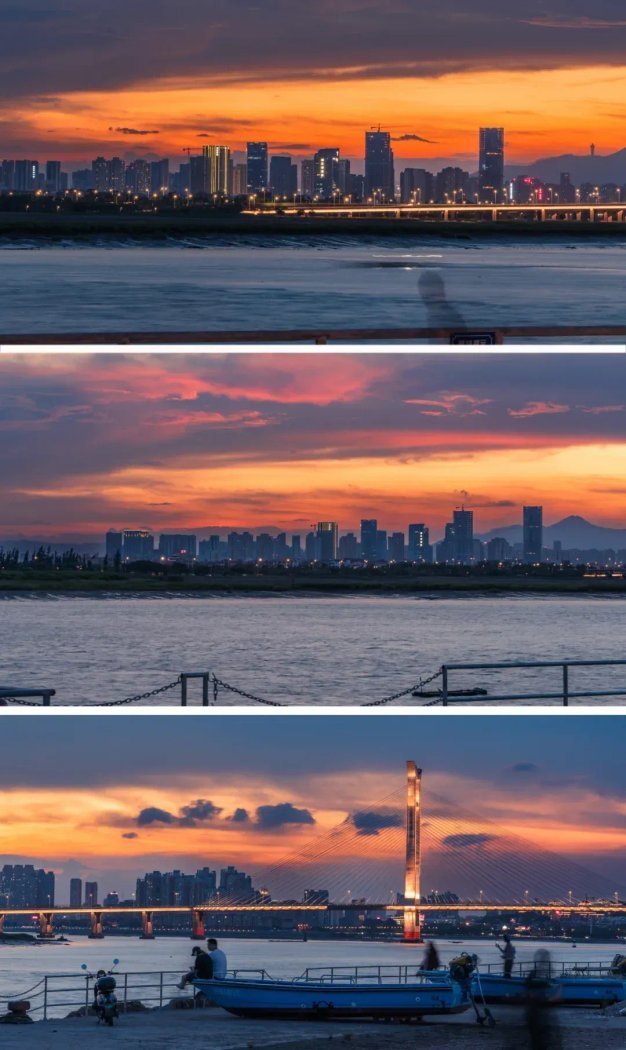
Shenhu rewards patient planners and punishes improvisation. Check tides, start at the museum, respect protected flats, and your friends will talk about fossil trees on a Fujian beach long after they forget another pagoda name — which, for a city with many pagodas, is a victory worth driving fifty kilometres for.
Download a tide app or screenshot official tables the night before — "low tide sometime afternoon" is not precise enough when stump exposure shifts by the hour. Wear shoes you can rinse; tidal flats mix sharp shell fragments with slick algae. If swimming tempts anyone, set ground rules first: stay shallow, watch each other, exit when wind picks up, and never treat absence of lifeguards as permission to show off. The geopark museum on the south shore closes earlier than beach light; check hours so you are not locked out of context because you slept in.
A coastal day linking Shenhu, Golden Coast, and Yongning Ancient City fills twelve hours easily — start with geology at low tide, lunch on fish balls, afternoon walls at Yongning, sunset sand elsewhere. Drivers appreciate a spare towel bucket in the trunk. Foreign visitors sometimes ask if the stumps are "fake" because they look too dramatic; standing on wet sand beside carbon-dark wood older than the Song dynasty usually ends that skepticism. Leave only footprints; the bay belongs to science first and Instagram second.
Confirm museum hours the night before — nothing kills momentum like a locked geopark door when tide is falling. Shenhu fish balls and oyster omelettes taste best at simple stalls near the bay rather than formal restaurants charging for sea view alone. Tell swimmers again: no lifeguards, shifting currents, and pride kills vacations faster than humility saves them. Fifty kilometres from downtown sounds modest until Friday traffic doubles the hour — leave early or accept a late stump hunt. Protected flats mean no digging and no souvenirs — staff and locals both enforce that rule without humour.
Last updated: 2026-08-07 · Visit Quanzhou editorial team · Report an error
Related guides
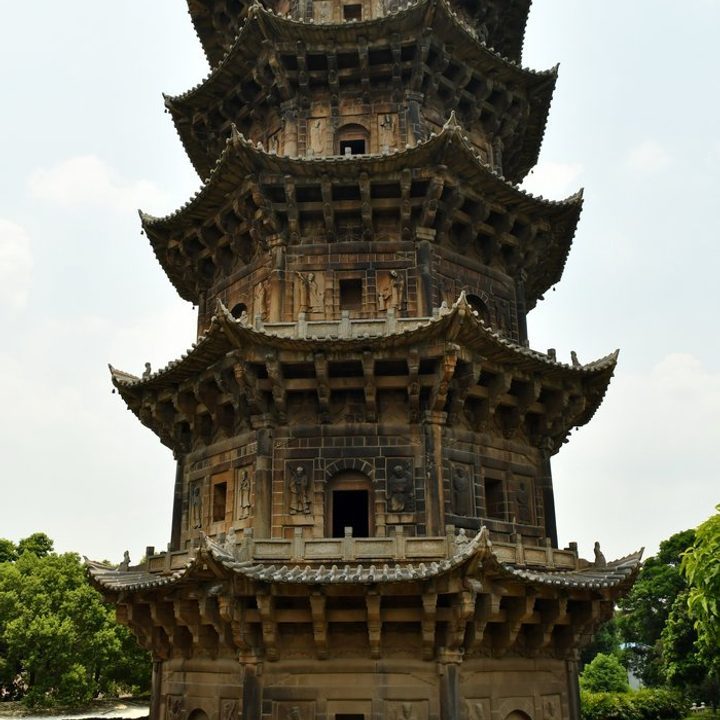
Kaiyuan Temple: Twin Pagodas Over West Street
Song-era stone towers, Tang halls, and a living monastery on Quanzhou’s busiest heritage street — plan 90 minutes and arrive early.
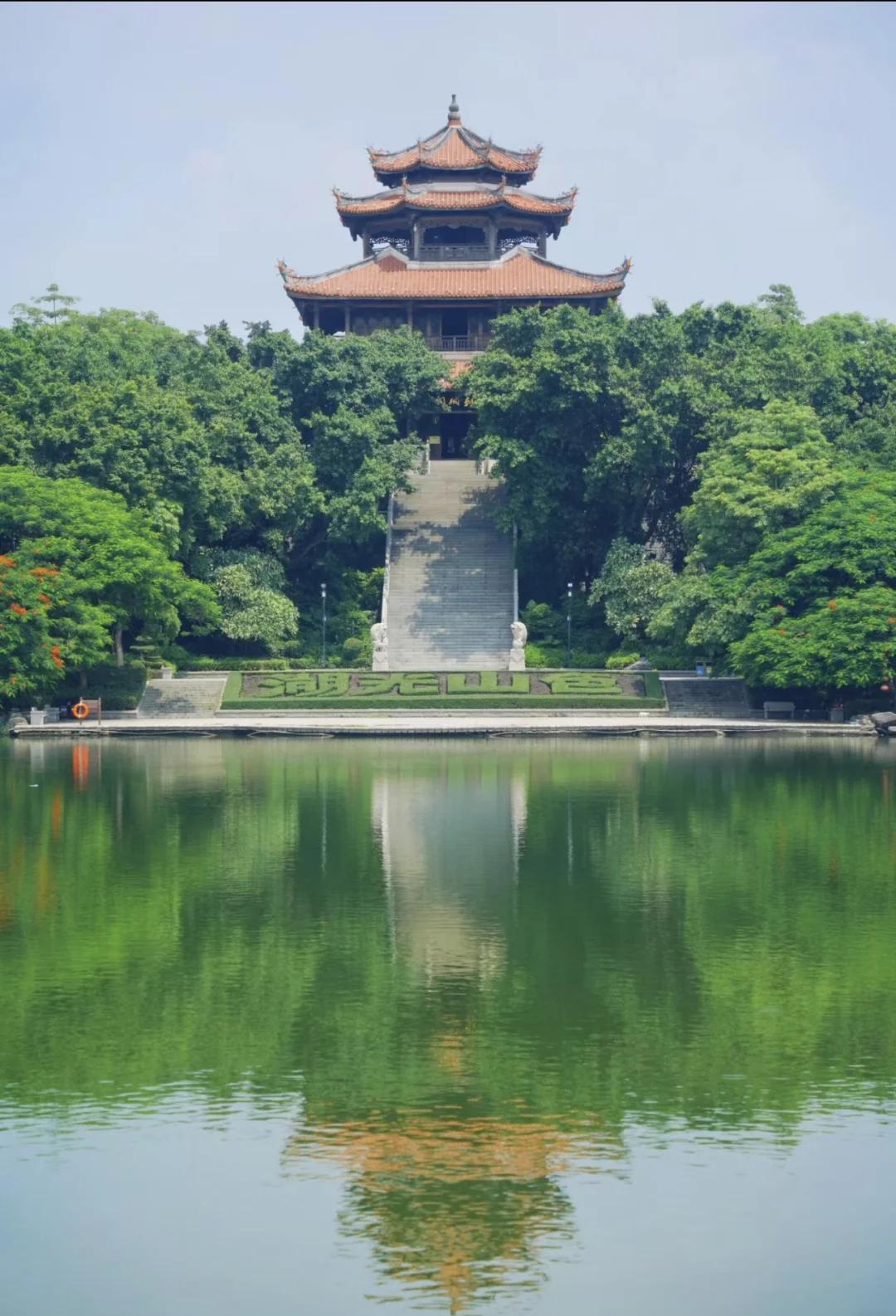
Quanzhou West Lake: Pagodas, Bonsai, and Morning Walks
City lake west of Kaiyuan Temple — free entry, flat paths, bonsai garden, and golden-hour photos over the water.
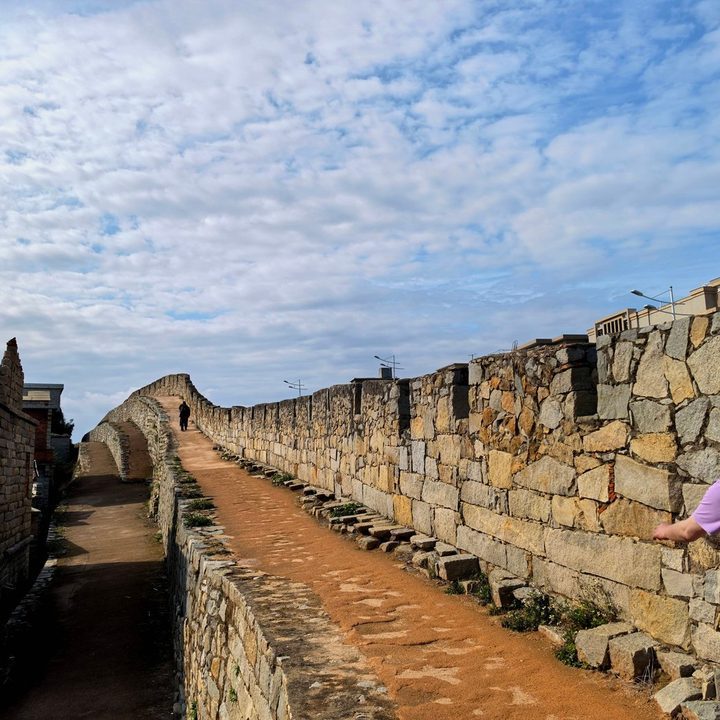
Chongwu Ancient City: Granite Walls and Sea Spray
Ming-era coastal fortress in Hui’an — walk the battlements, watch fishermen mend nets, and time your visit for low tide.
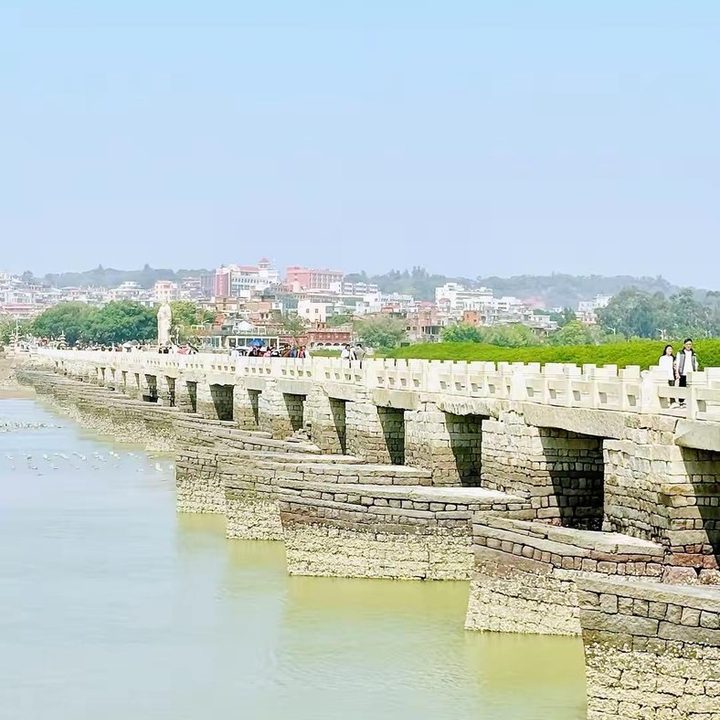
Luoyang Bridge: Song Stones Across the Luoyang River
One of China’s oldest cross-sea stone bridges — oyster-encrusted piers, Wen Temple at the north end, best at rising tide.
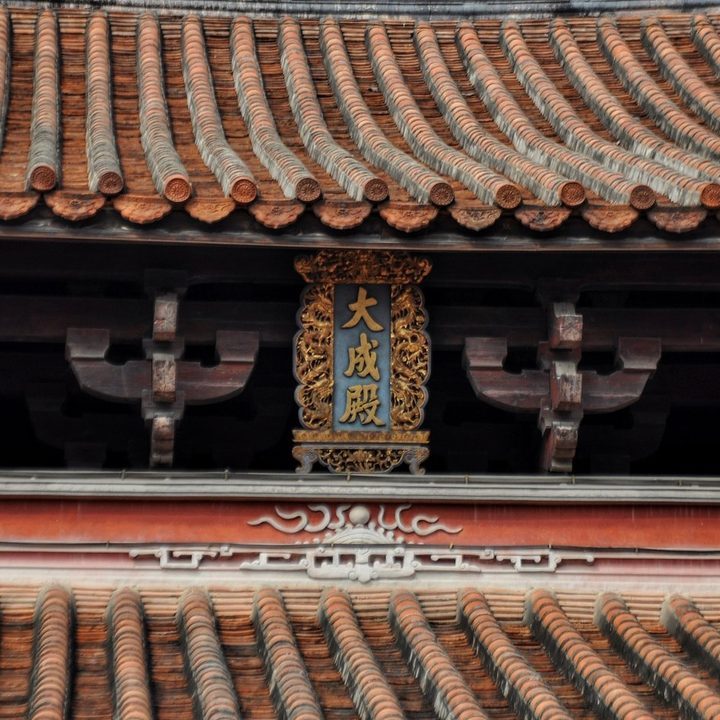
Quanzhou Confucian Temple: Song Bricks and Exam Halls
Large southern Confucian complex on Tumen Street — red walls, ancient banyan shade, and a quiet courtyard away from the crowds.
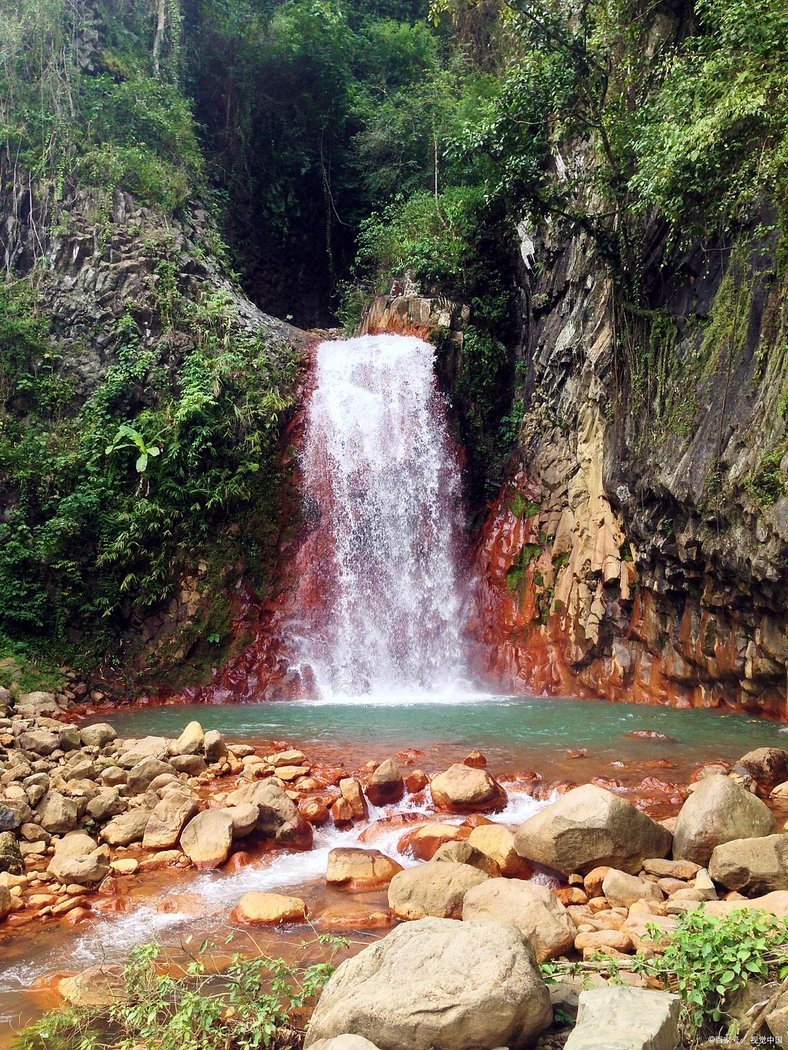
Niulincun: Cloud Forest and Sky Walk in Yongchun
Subtropical nature reserve 40 km from downtown — canopy trails, cable car views, and cooler air in summer.