Xiangong Mountain: Sunrise Pagodas above Luojiang
Twin pagodas on a Luojiang ridge — cable car or steep steps, temple bells, and clear-day views to the sea.
Updated 2026-08-07 · 775 words
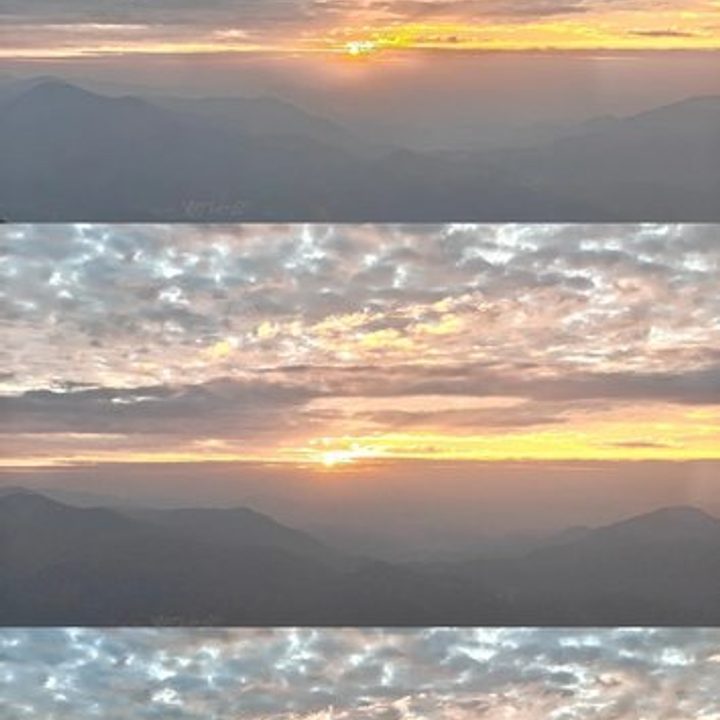
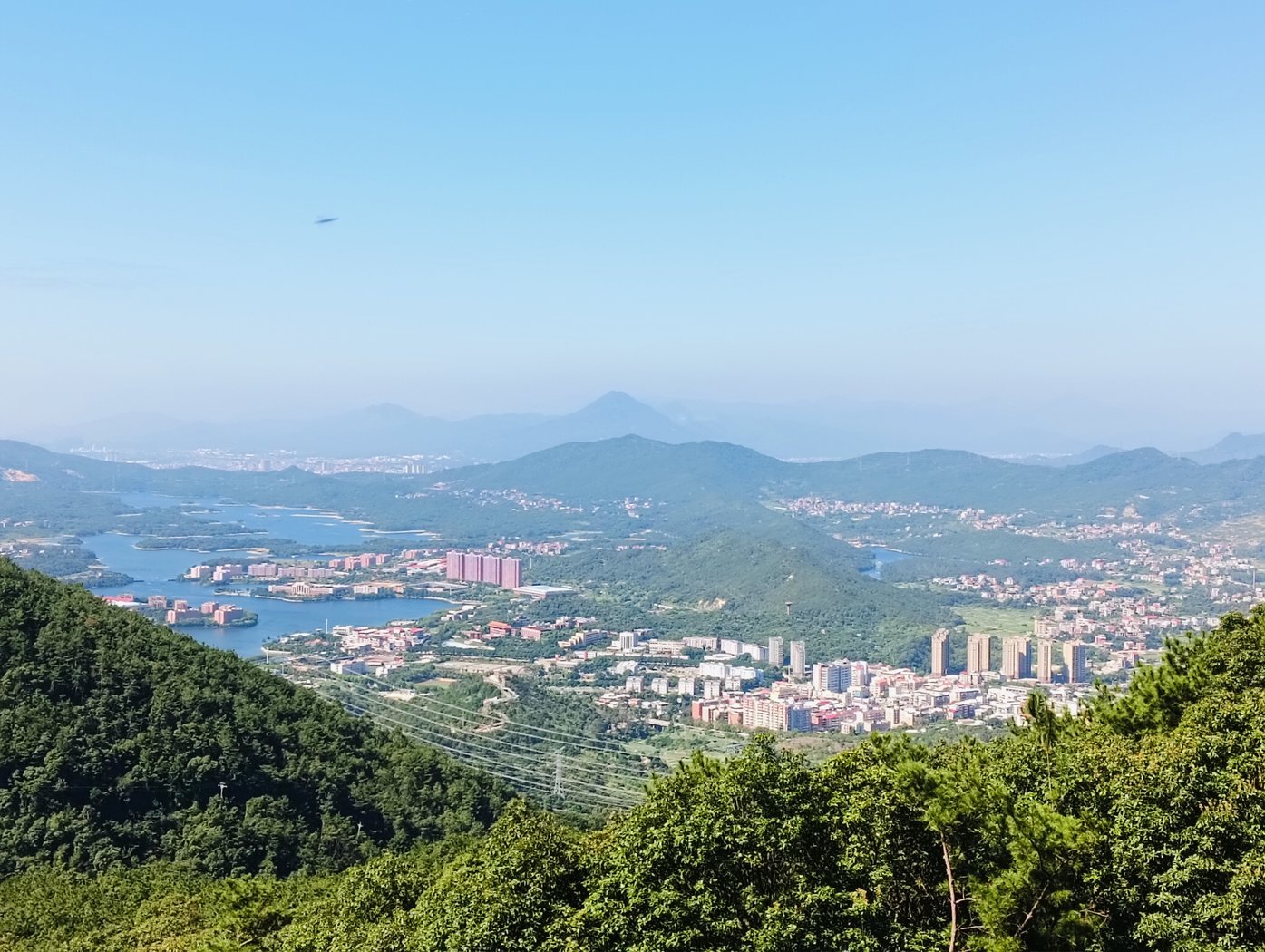
Among Quanzhou's eighteen famous views, Xiangong Mountain in Majia Town, Luojiang District, is the one built entirely around a simple, beautiful idea: getting up high and watching the sun rise. The name "Xiangong Watching the Sun" refers to the twin pagodas on the summit and the wide eastern horizon that opens over hills, valleys, and — on clear mornings — the mouth of the Luoyang River where it meets the sea. It sits about thirty-five kilometers northeast of downtown Quanzhou, roughly forty to fifty minutes by car depending on traffic, which makes it a rewarding half-day trip if you want mountain air without a long expedition into the interior. If you are the kind of traveler who remembers a trip by one perfect morning, this is the Quanzhou view to chase.
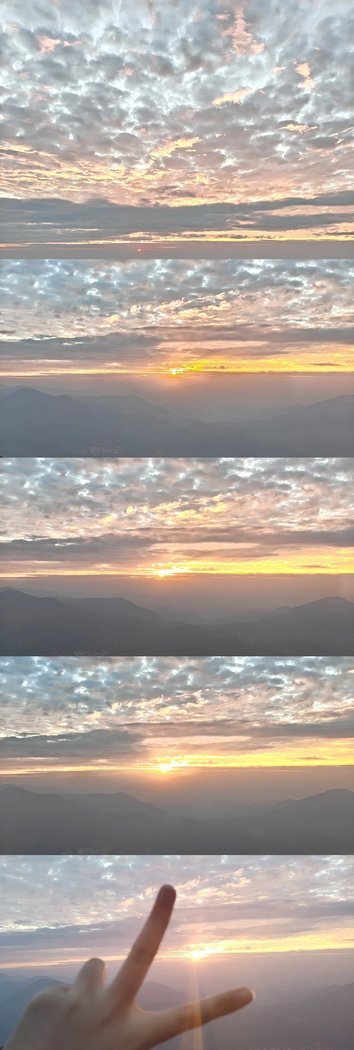
Tickets are about forty-five yuan and usually include the park shuttle that saves your legs for the interesting upper sections; the cable car is optional and costs extra, but it is worth considering if you are traveling with older relatives or simply want to save energy for the cliff-side paths. If sunrise is your goal, you need a real plan: either stay overnight in Majia Town and head up before dawn, or leave central Quanzhou around four in the morning and accept that you will be sleepy but probably glad you came. I have seen both fog and glory from the summit, and honestly both have their charm — a cloud sea can feel like standing on the edge of a white ocean, while a clear dawn opens the entire estuary below like a map. Check the weather forecast the night before, but do not cancel too quickly; this mountain rewards patience.
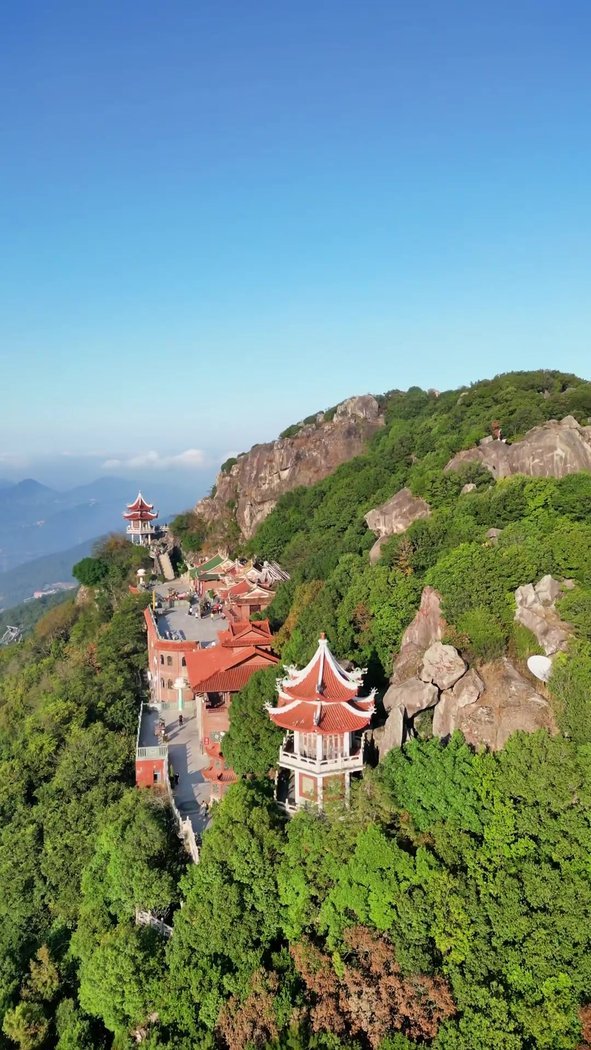
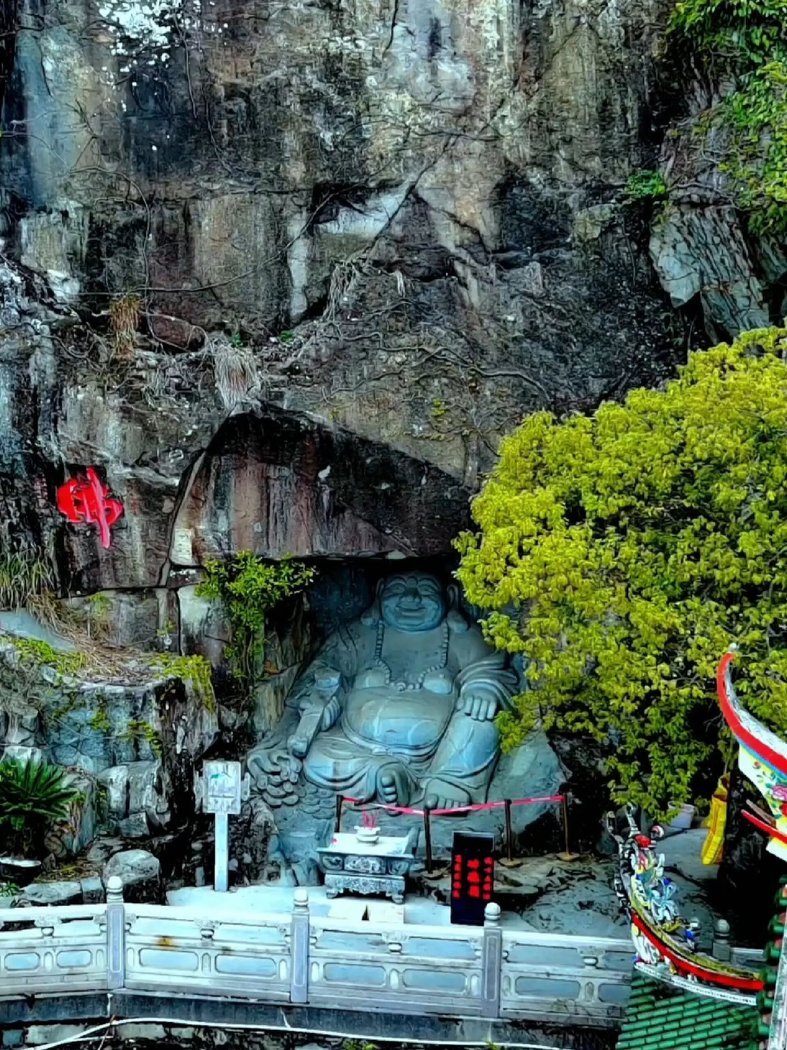
The standard daytime route is straightforward and satisfying. Enter at the mountain gate, ride the shuttle to the twin-pagoda platform, then follow the wooden walkways and stone steps past carved figures of Maitreya, Guanyin, and other familiar temple icons tucked into the rock face. There is an optional glass bridge for anyone who enjoys a little adrenaline with their scenery, and children usually love it even when adults pretend to be brave. You can descend by foot or take the cable car down if your knees have had enough. On a clear day the view toward the Luoyang estuary is the payoff photographers hope for; on misty days you may get a rolling cloud sea instead, which feels quieter and almost private. Allow at least three to four hours if you want to walk slowly, take photos, and rest at the viewpoints without rushing.
This is a mountain that asks for sensible shoes — there is a mix of steps, planks, and slick stone after rain — and for a small bag of snacks because food at the summit tends to be overpriced and limited. I usually pair Xiangong with Luoyang Bridge and the surrounding Luojiang area for a full day out of the city: ancient engineering in the morning, mountain air in the afternoon, and sunset colors on the water in the evening if you still have energy. Give yourself at least half a day, drink water steadily, and do not feel disappointed if the weather rewrites your view; the mountain has more than one mood, and locals come back precisely because it never looks quite the same twice. Whether you climb for the sunrise or simply for the breeze above the treeline, Xiangong feels like a friendly reminder that Quanzhou is not only a port city — it is also a place where hills, rivers, and sea meet within an hour's drive.
If you are organizing transport from the city center, agree on a pickup time in advance because taxis can be scarce in Majia after dark. Winter mornings are cold on the summit, so layer up even if the forecast looks mild downtown, and consider skipping the glass bridge if anyone in your group has a serious fear of heights — the rest of the mountain is still worth the trip without it. The shuttle drivers usually know which lookout points foreign visitors enjoy most, so do not hesitate to ask which side of the twin-pagoda platform faces the estuary on a clear day. If you miss sunrise entirely, a late-afternoon visit still delivers fresh air, fewer tour buses than noon, and soft light on the carved figures along the cliff paths. Buy your ticket at the gate and confirm whether the cable car is running that day before you commit to the full loop — weather or maintenance sometimes changes the options, and it is easier to adjust your plan at the bottom than halfway up the mountain.
Last updated: 2026-08-07 · Visit Quanzhou editorial team · Report an error
Related guides
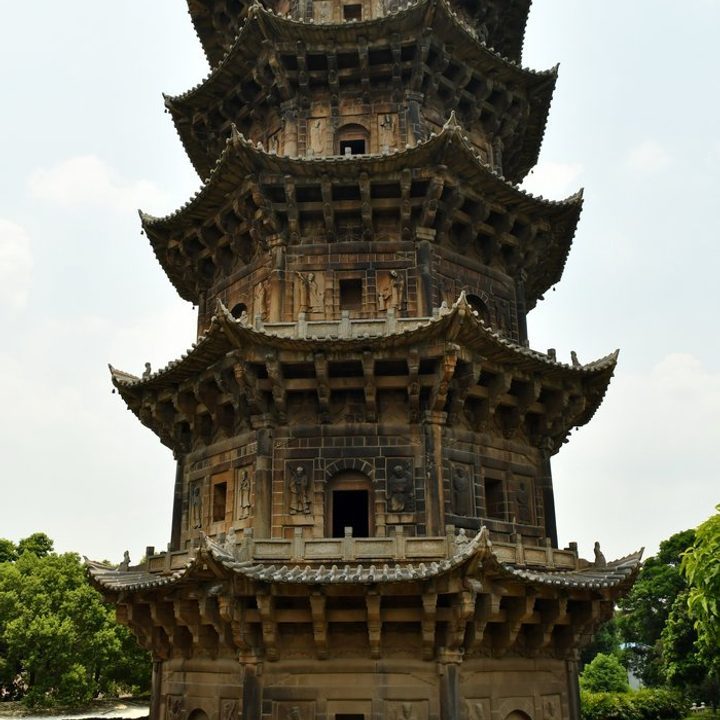
Kaiyuan Temple: Twin Pagodas Over West Street
Song-era stone towers, Tang halls, and a living monastery on Quanzhou’s busiest heritage street — plan 90 minutes and arrive early.
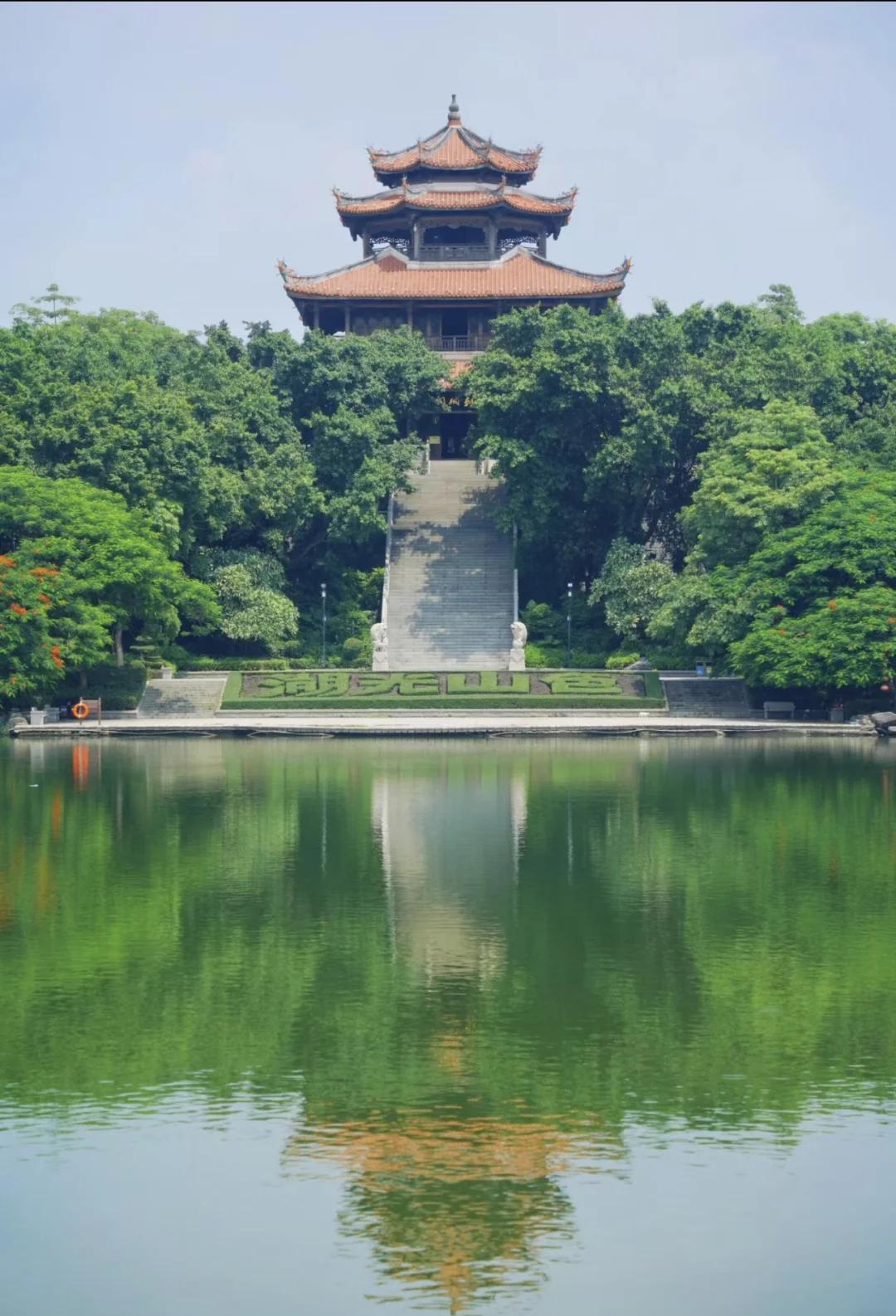
Quanzhou West Lake: Pagodas, Bonsai, and Morning Walks
City lake west of Kaiyuan Temple — free entry, flat paths, bonsai garden, and golden-hour photos over the water.
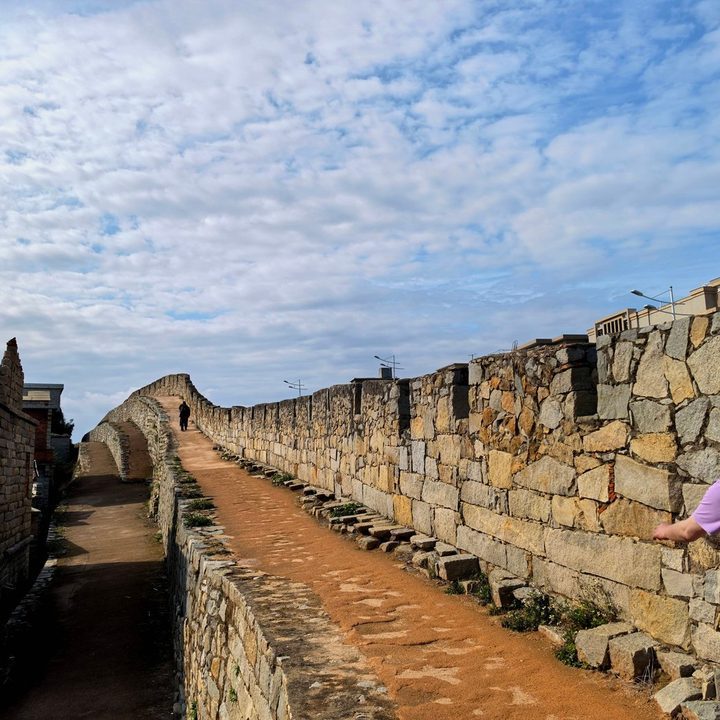
Chongwu Ancient City: Granite Walls and Sea Spray
Ming-era coastal fortress in Hui’an — walk the battlements, watch fishermen mend nets, and time your visit for low tide.
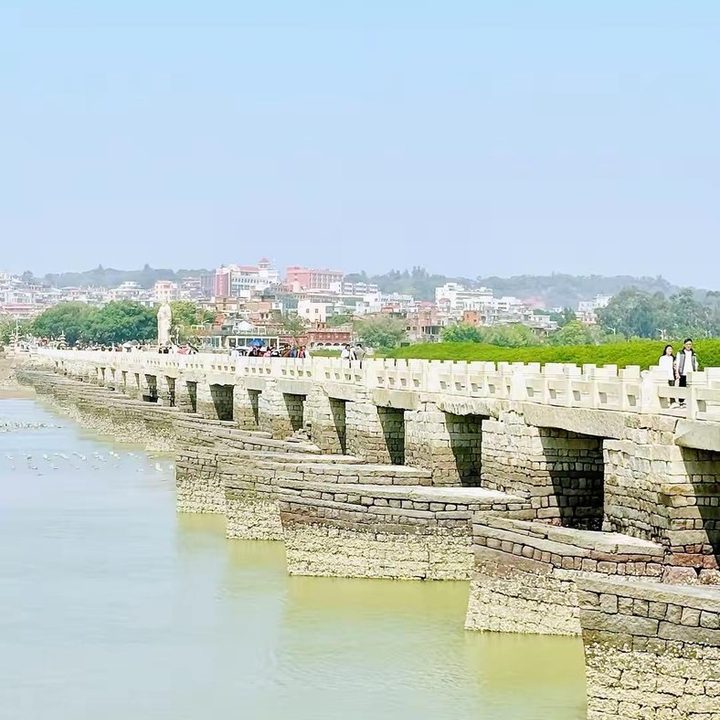
Luoyang Bridge: Song Stones Across the Luoyang River
One of China’s oldest cross-sea stone bridges — oyster-encrusted piers, Wen Temple at the north end, best at rising tide.
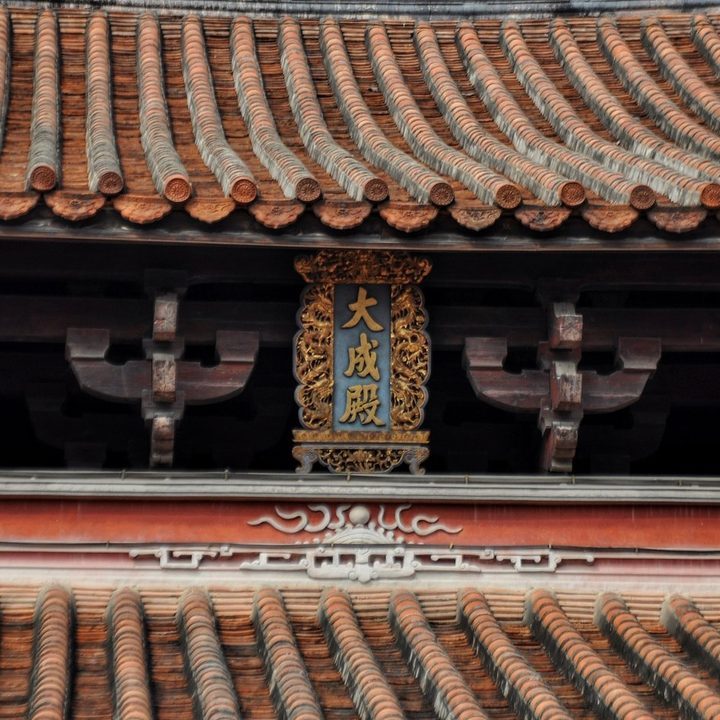
Quanzhou Confucian Temple: Song Bricks and Exam Halls
Large southern Confucian complex on Tumen Street — red walls, ancient banyan shade, and a quiet courtyard away from the crowds.
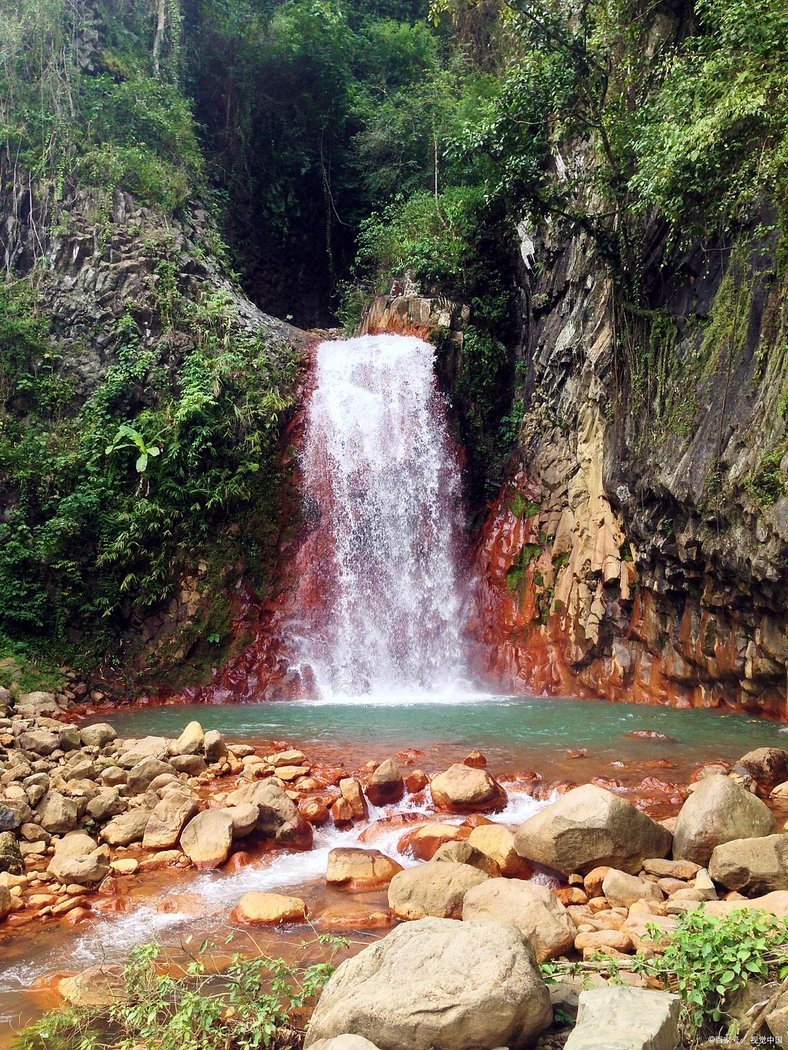
Niulincun: Cloud Forest and Sky Walk in Yongchun
Subtropical nature reserve 40 km from downtown — canopy trails, cable car views, and cooler air in summer.