Zheng Chenggong Memorial: Bronze Rider on Daping Hill
City landmark statue and museum — panoramic night views, coastal history, and a short taxi from West Street.
Updated 2026-08-07 · 760 words
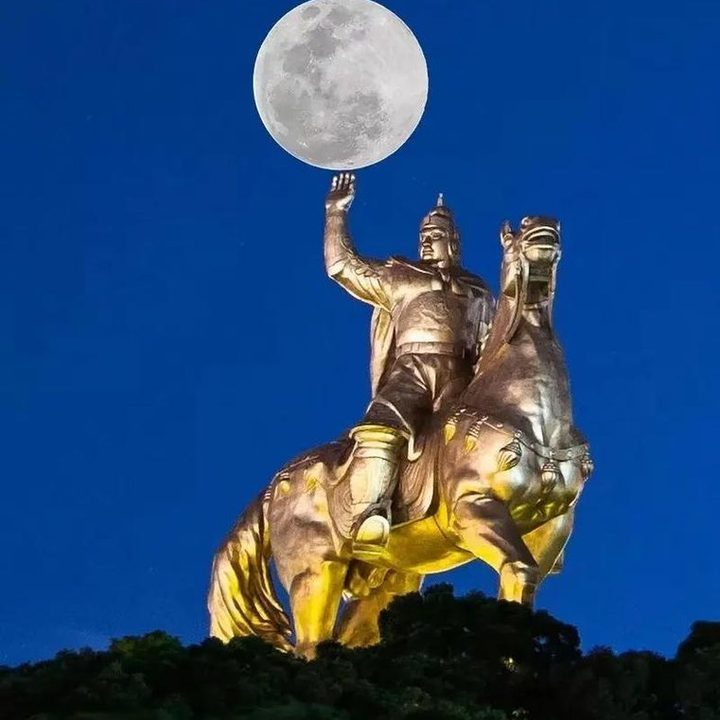
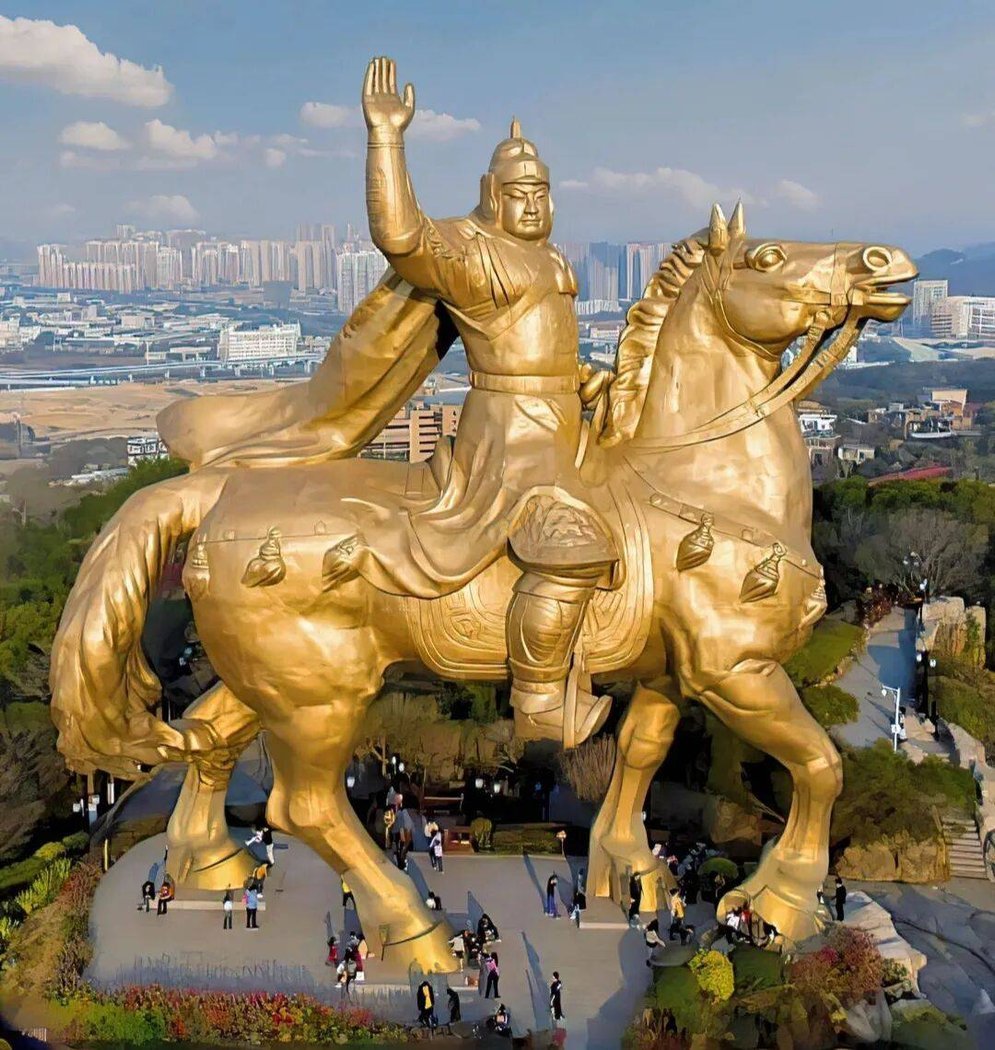
One of the most visible landmarks on Quanzhou's skyline is the giant bronze statue of Zheng Chenggong on Daping Hill in Fengze District — the view locals know as "Monument to Success." Zheng Chenggong, often called Koxinga in Western histories, was the Ming loyalist general who drove the Dutch from Taiwan in the seventeenth century, and this statue captures him sword raised toward the sea, a figure turned outward to the horizon rather than inward to the city walls. Even if you know nothing of East Asian history when you arrive, the scale of the monument makes the story feel immediate: the figure stands more than thirty meters tall, and the viewing platform at its base opens over the Jinjiang River estuary and the eastern districts spreading below. It has become one of those symbols residents point to when they explain where Quanzhou ends and the open water begins.
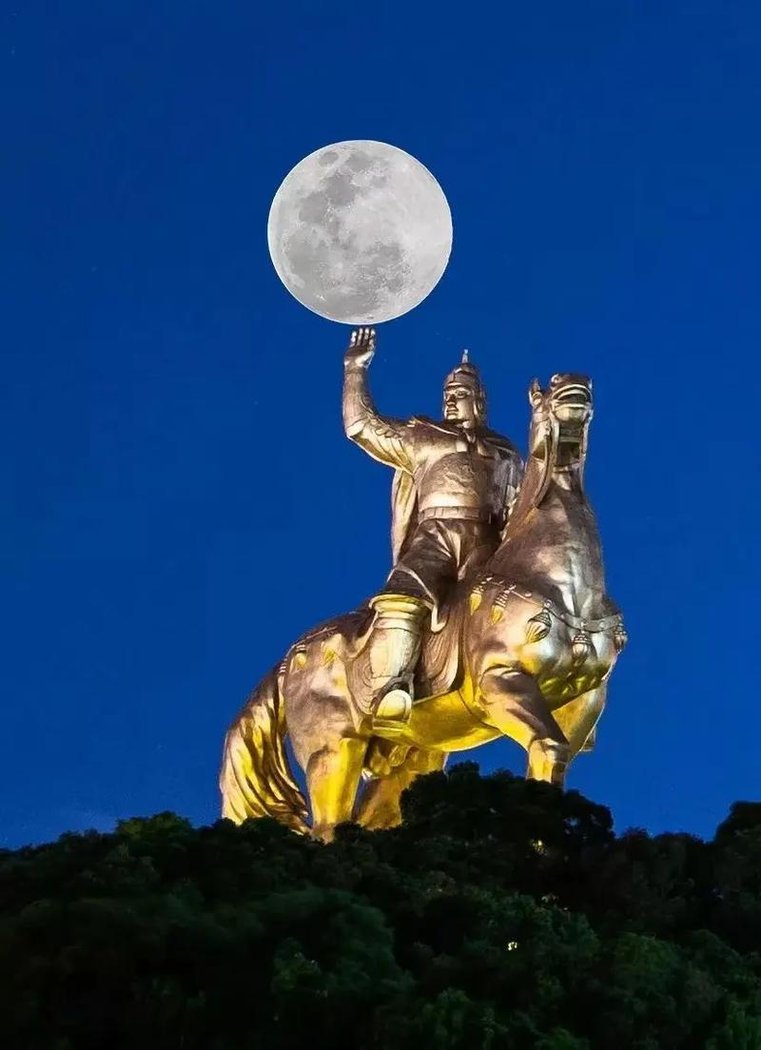
The park is free and open around the clock, which makes it unusually flexible for travelers juggling a packed itinerary. From West Street in the old city, a taxi takes about fifteen minutes; you can also take a bus to the stop named for the Zheng Chenggong statue and walk uphill for roughly ten minutes to reach the platform. I recommend going in the late afternoon for the blue-hour light, or after dark when the statue is illuminated and the city lights begin to sparkle along the water. Both times are popular with local photographers for good reason — the silhouette against sea and sky is exactly the kind of image people associate with modern Quanzhou. There is no ticket booth and no formal closing time, but the climb is easier in daylight if it is your first visit.
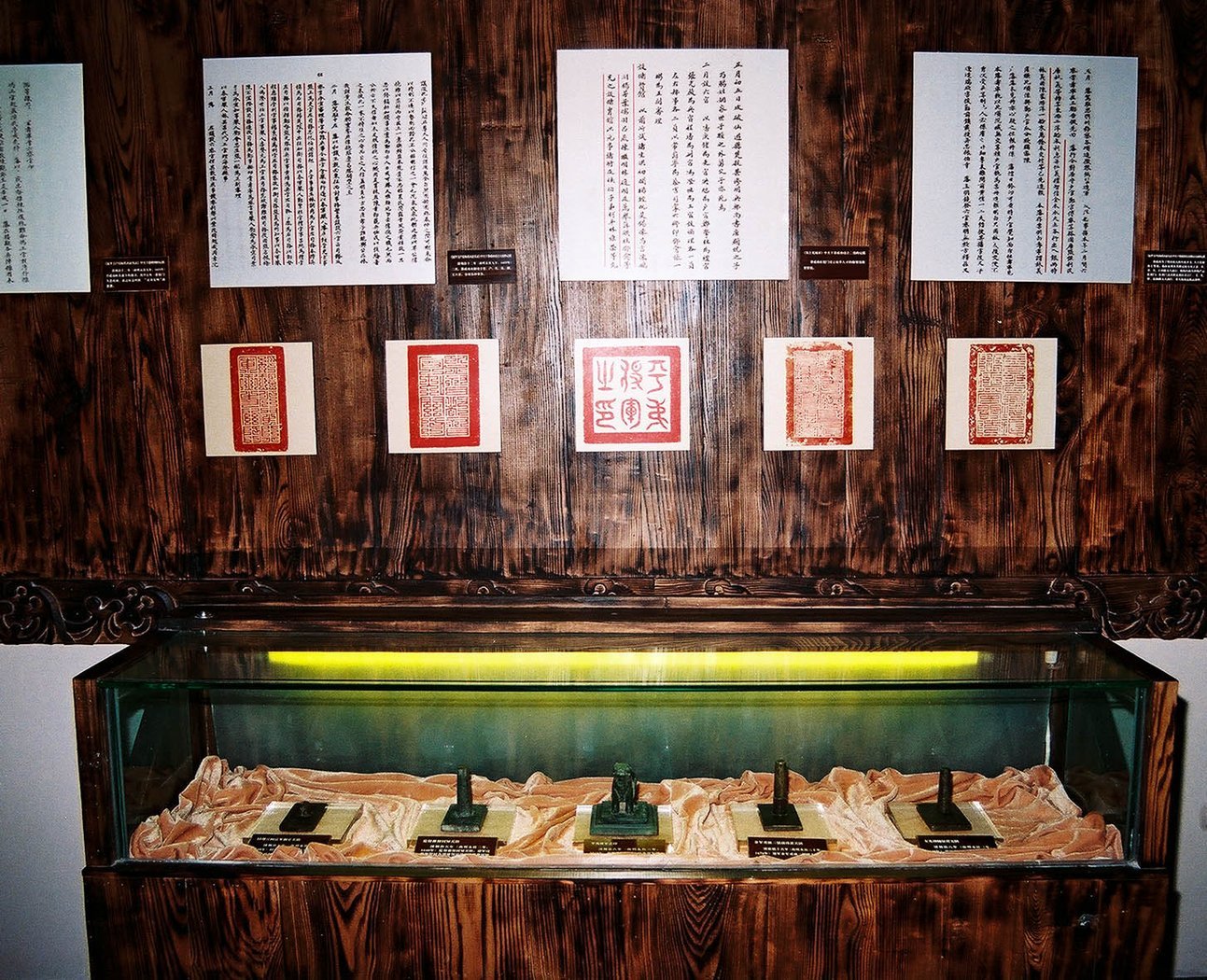
At the base of the statue there is a small memorial hall that outlines Zheng Chenggong's life year by year, and it is worth a quick visit if you are hosting foreign guests who want context for seventeenth-century maritime power in East Asia. You do not need a long lecture — just enough to connect the man on the hill with the wider world of trade, exile, and rebellion that shaped the Taiwan Strait. The exhibits are modest compared with a major national museum, yet they help visitors understand why this figure still matters in Fujian and across the strait. Be warned that the platform is exposed and often windy; secure your hat, hold onto loose scarves, and bring water in summer because there is very little shade at the top.

This site pairs easily with a half-day in eastern Quanzhou. Combine it with Xunpu village, famous for oyster-shell houses and women's floral headdresses, or with the shopping and waterfront walks around Donghai Taihe if you want something urban after the hill. Summer midday visits can be hot and bright with nowhere to hide from the sun, so morning or late afternoon is kinder on the skin and on your camera lens.
Whether you come for history, photography, or simply a wide view over a city that has always lived with the sea, the statue rewards the short climb with a perspective you cannot get from the alleyways of the old town — open, windy, and quietly proud, like the man it commemorates. The walk up from the bus stop is paved but steep in sections, so wear comfortable shoes and take breaks if you need them. There are no shops at the top, so buy water before you start the final ascent. For foreign visitors unfamiliar with Zheng Chenggong, even ten minutes in the memorial hall makes the sword, the sea-facing pose, and the city's pride in him much easier to understand. After dark the lit statue becomes a beacon above the eastern districts, and couples and families often come up just for the breeze and the view — you do not need a historical interest to enjoy it, though history makes it richer. If you visit at night, bring a light jacket and watch your step on the uphill path; the platform has minimal lighting beyond the statue itself, which is part of its quiet drama. Pair the hill with Xunpu village in the same half-day if you want contrast — oyster-shell houses and floral headdresses by the water in the morning, then the broad panorama from Daping Hill in the late afternoon when the estuary light turns soft and the statue's bronze skin catches the last sun. Donghai Taihe mall is another easy add-on if your group wants coffee or shopping after the wind and history on the hill.
Last updated: 2026-08-07 · Visit Quanzhou editorial team · Report an error
Related guides
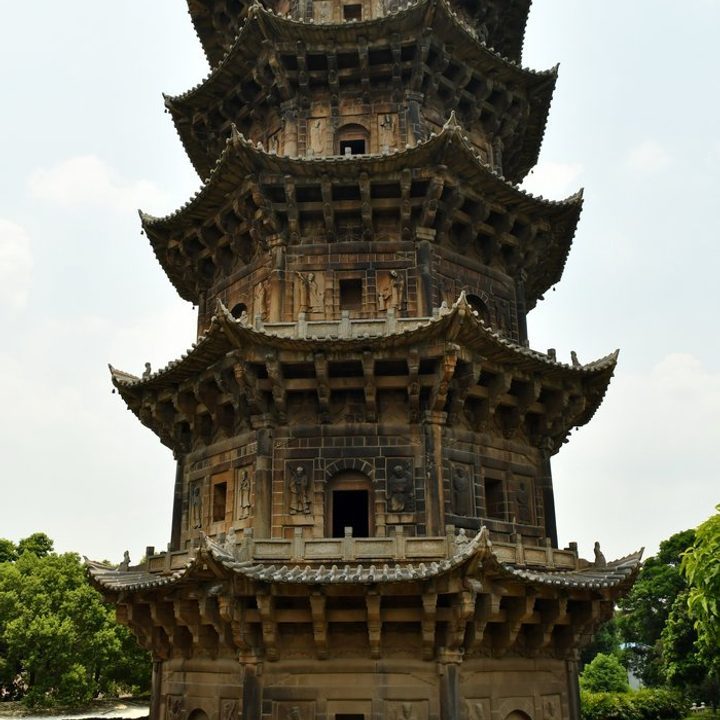
Kaiyuan Temple: Twin Pagodas Over West Street
Song-era stone towers, Tang halls, and a living monastery on Quanzhou’s busiest heritage street — plan 90 minutes and arrive early.
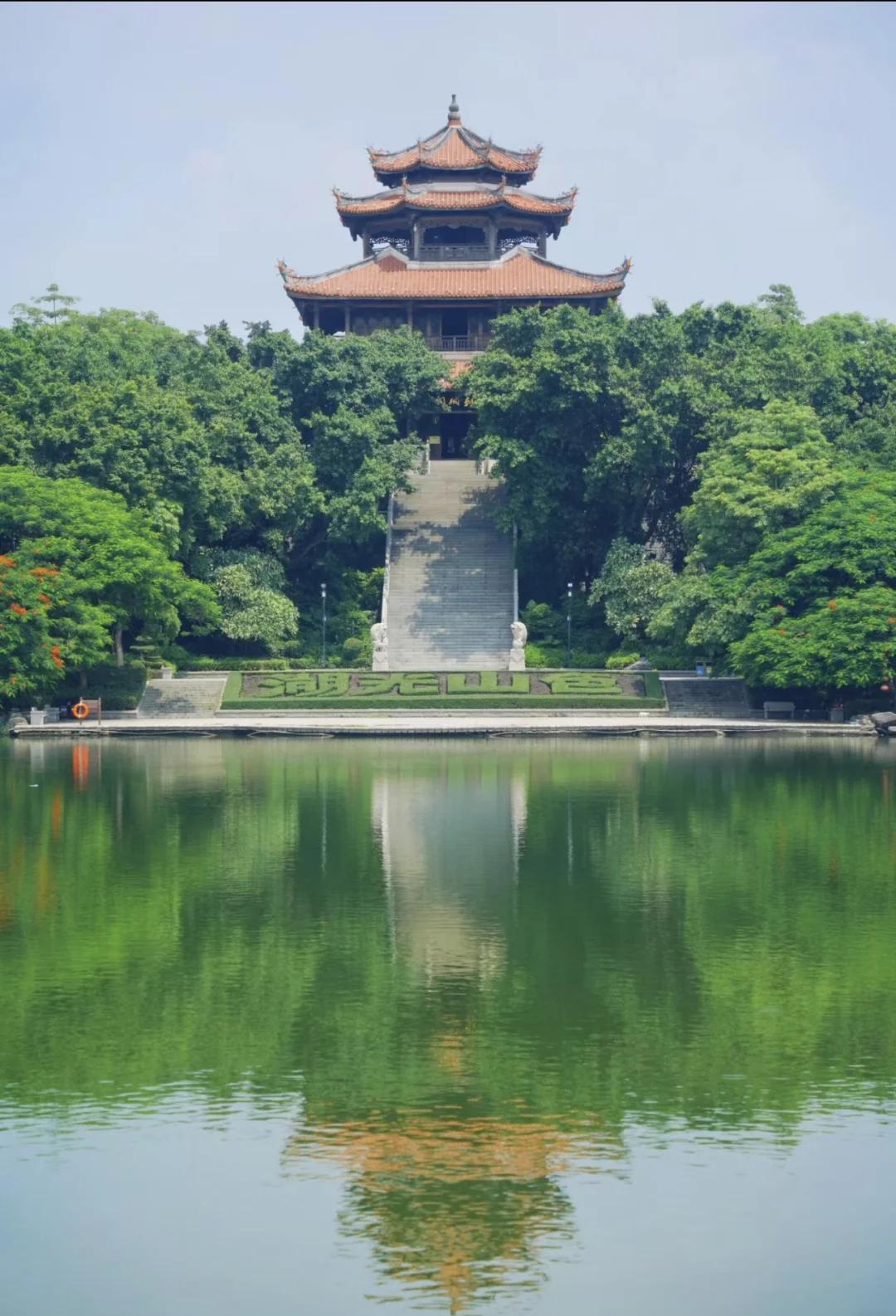
Quanzhou West Lake: Pagodas, Bonsai, and Morning Walks
City lake west of Kaiyuan Temple — free entry, flat paths, bonsai garden, and golden-hour photos over the water.
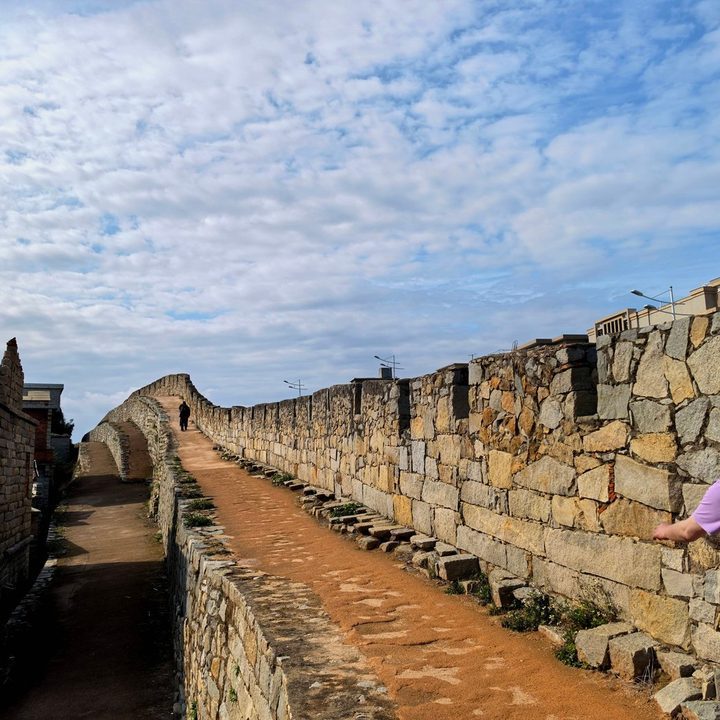
Chongwu Ancient City: Granite Walls and Sea Spray
Ming-era coastal fortress in Hui’an — walk the battlements, watch fishermen mend nets, and time your visit for low tide.
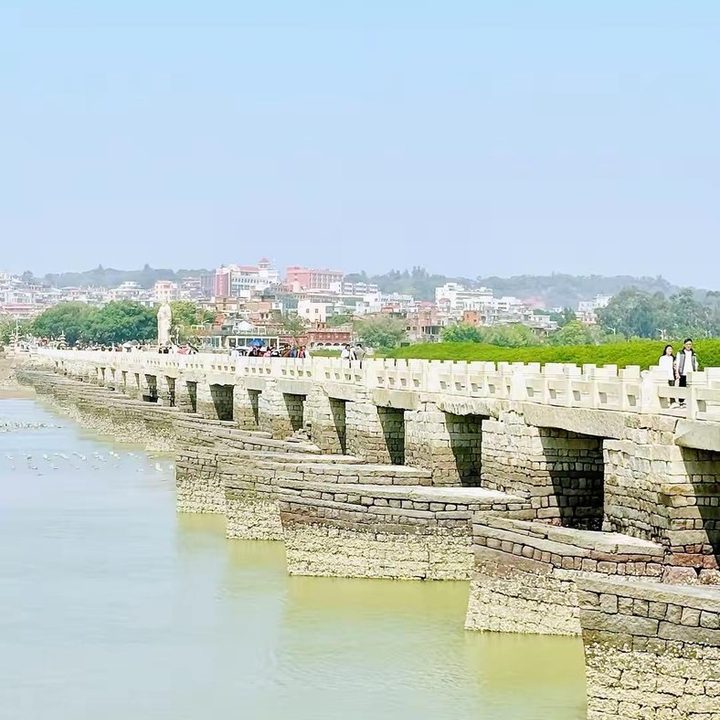
Luoyang Bridge: Song Stones Across the Luoyang River
One of China’s oldest cross-sea stone bridges — oyster-encrusted piers, Wen Temple at the north end, best at rising tide.
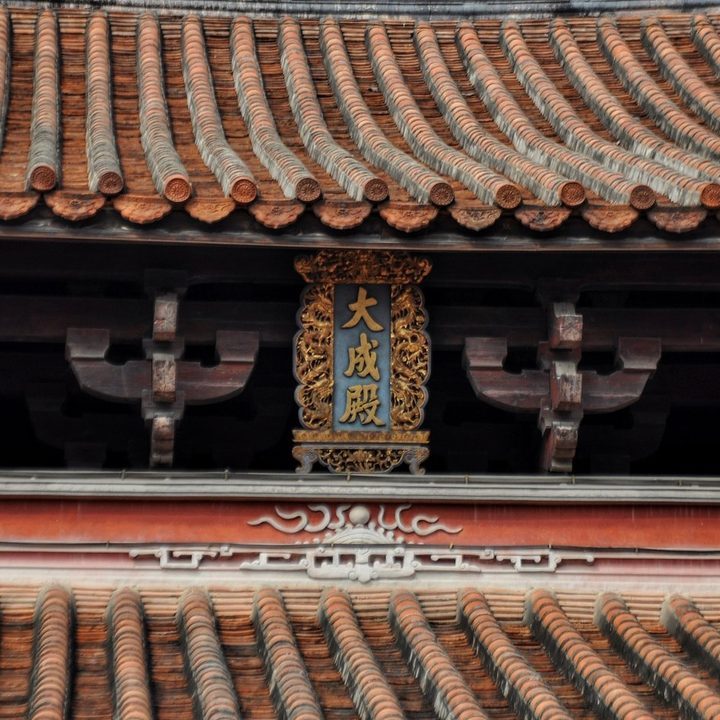
Quanzhou Confucian Temple: Song Bricks and Exam Halls
Large southern Confucian complex on Tumen Street — red walls, ancient banyan shade, and a quiet courtyard away from the crowds.
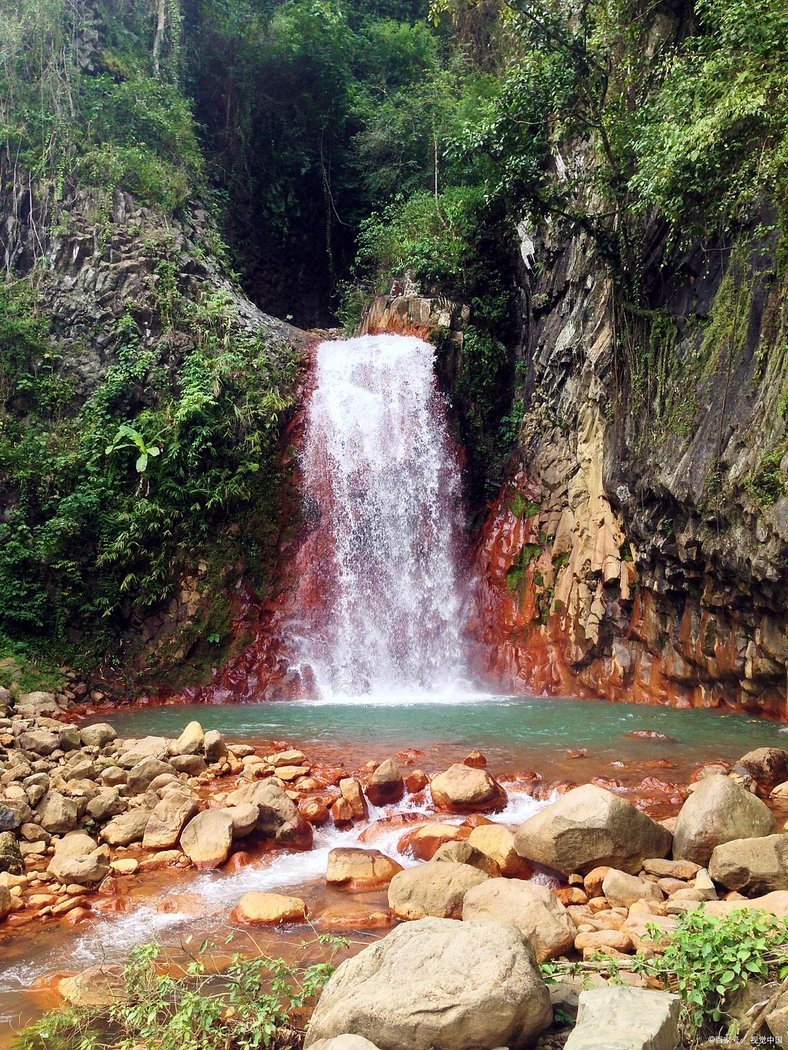
Niulincun: Cloud Forest and Sky Walk in Yongchun
Subtropical nature reserve 40 km from downtown — canopy trails, cable car views, and cooler air in summer.